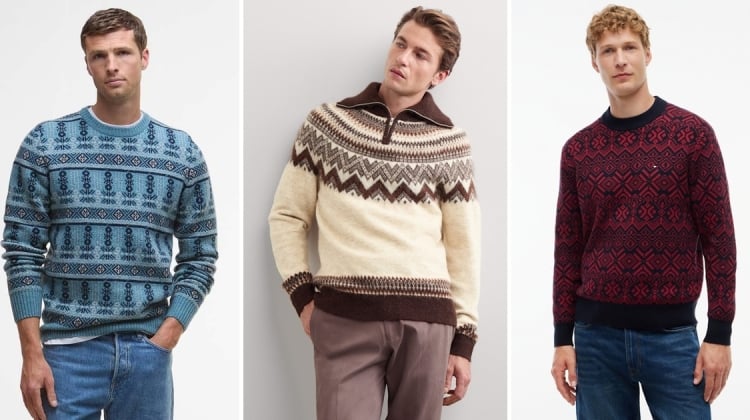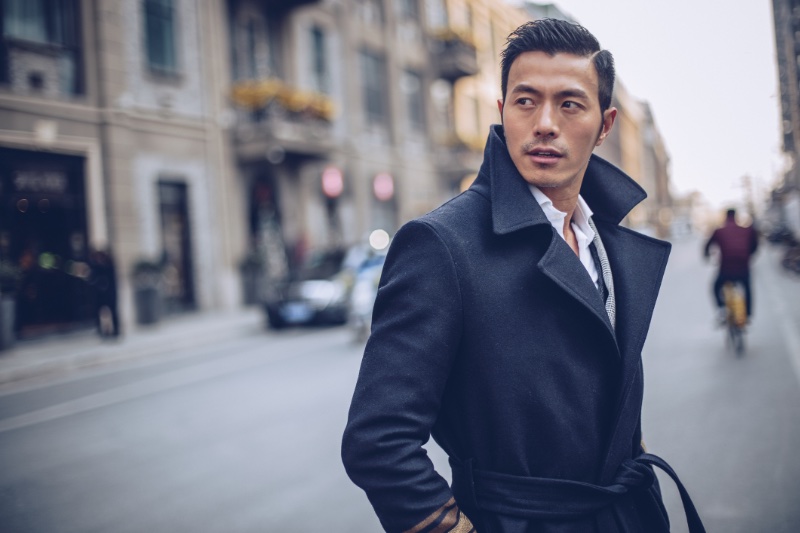
Knowing how to dress better starts with noticing what happens when you put clothes on. Does the jacket sit comfortably across your shoulders? Do your trousers work with your shoes? Are you dressing for the day you actually have? A useful wardrobe answers those questions before it asks you to buy anything else. Personal style develops through these small decisions, and a larger budget cannot make them for you.
How to Dress Better for Men
Making smart choices means choosing clothes that work together and suit your routine. Start with fit, then look at proportion and the demands of the occasion. A good outfit should make sense when you leave the mirror.
Understanding Your Body & Proportions

Your body is the starting point for choosing clothes, not a problem for clothing to solve. Notice where garments pull or bunch, and which cuts give you room to move.
Knowing Your Proportions
Shoulder width, torso length, and the relationship between your waist and hips can explain why two shirts in the same size fit differently. Measurements help, but trying clothes on reveals how a particular cut behaves.
Prioritizing the Right Fit
Good fit allows the intended silhouette to work. A relaxed shirt should have deliberate volume; a fitted one should let you sit and reach comfortably. Tightness is not proof that something fits, and loose clothing can look precise when its proportions work.
Choosing What to Emphasize
A structured shoulder can strengthen a jacket’s outline. A higher trouser rise can change the apparent balance between torso and legs. Use these details to create the silhouette you enjoy.
Compare the whole outfit instead of judging each garment separately. The width of a trouser leg often makes more sense once you put on the shoes you plan to wear.
Choosing Underwear
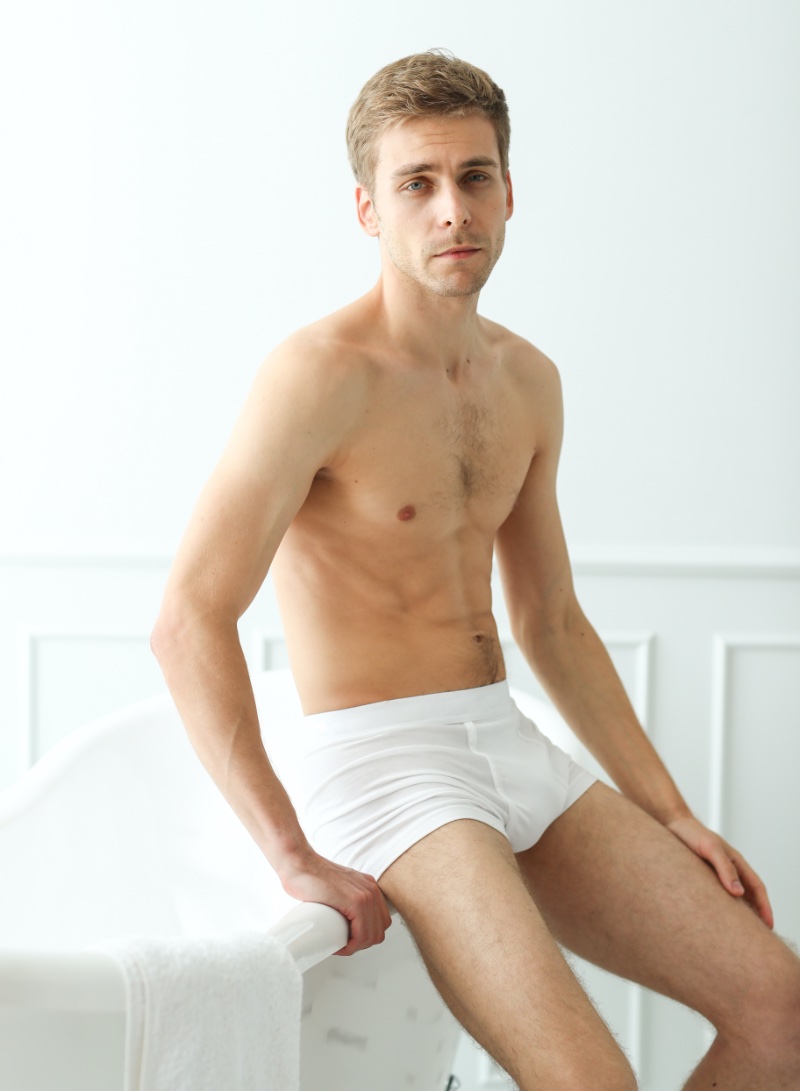
Underwear affects how clothing feels and falls. Waistbands that dig in or fabric that bunches beneath trousers can make an otherwise comfortable outfit irritating.
Prioritizing Comfort & Fit
Check the waistband and leg openings, then move around. Cotton can work well for everyday wear; exercise may call for a fabric designed to manage moisture. Choose for the activity as well as the feel.
Choosing the Right Type
Briefs, trunks, and boxer briefs offer different coverage and support. Loose boxers may bunch under narrow trousers, while longer boxer briefs can help reduce friction. Your clothes and comfort should guide the choice.
Checking Quality
Look for comfortable seams and elastic that recovers after stretching. Follow the care instructions, and replace underwear when the waistband loses its shape or the fabric wears thin. A higher price alone guarantees little.
Discovering Your Personal Style

Personal style often becomes clear through repetition. The jacket you reach for every weekend says more about your preferences than the outfit you bought for an imagined version of your life.
Analyzing Your Wardrobe
Pull out your most-worn clothes and look for connections in their cuts and aesthetics. Also examine the pieces you avoid. A difficult neckline or an awkward length can explain more than a vague feeling that something is wrong.
Identifying Your Style Icons

Use style icons as references for specific ideas. You might admire the way someone wears a white T-shirt or the proportions of their tailoring. Borrow the useful detail and adapt it to your own clothes.
Experimenting with Styles
Change one part of an outfit at a time. Try a wider trouser with a shirt you already like, or exchange trainers for loafers. Keeping the rest consistent helps you see what the change achieves.
Photographs can help you compare outfits over time. If you use an editing app such as Facetune, judge the actual fit in a mirror too. An altered photograph cannot tell you whether a jacket pulls when you move.
Listening to Feedback
A compliment can draw your attention to a successful outfit, but it does not have to become a dress code. Give equal weight to how the clothes feel after several hours and whether you want to wear them again.
Investing in Clothes You Will Wear

The value of timeless pieces lies in their usefulness, not a promise that fashion will stand still. A white shirt may be a weekly staple for one man and an occasional purchase for another.
When you focus on quality over quantity, examine the garment itself. Check seams and fabric, then consider care costs. Buy the version that suits your budget and routine, not the one with the most impressive label.
Using Alterations Well

Alterations can turn an almost-right garment into something you wear regularly. They work best when you understand which changes are straightforward and which would require rebuilding the piece.
The Value of Tailoring
Shortening trousers or adjusting sleeve length can make an immediate difference. Jacket shoulders and major changes to the overall cut are more complicated, so get those elements right when buying.
An inexpensive garment with suitable proportions can look better than a costly one that fits poorly. Ask a tailor what is possible before assuming every problem can be corrected.
Budgeting for Alterations
Include likely alteration costs in the purchase price. A sale jacket stops being a bargain if the necessary work exceeds its value to you. Repairing or adjusting something you already enjoy can be a better use of the money.
Finding Brands That Fit

Learn which brands offer cuts that suit you, but pay attention to the individual garment. Different ranges within the same label can have different measurements and proportions.
Keep a note of successful sizes and product names. Recheck measurements when buying again, especially if the cut or fabric has changed. Familiarity should make shopping easier, not replace trying things on.
Choosing Jeans
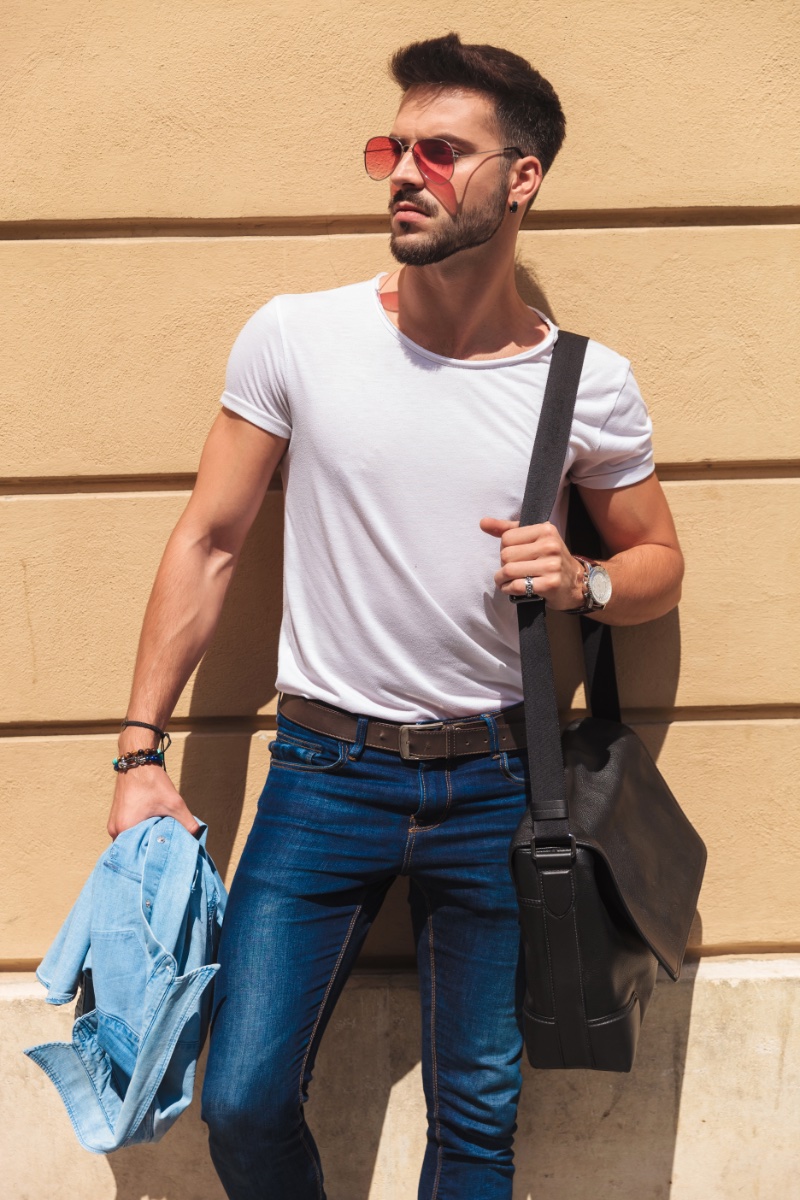
If denim belongs in your everyday wardrobe, start with a pair that works with your usual tops and footwear. The most useful jeans are the ones you can comfortably wear through an ordinary day.
Focusing on the Fit
A jean fit guide can explain the terminology, but check the actual rise and leg shape. The waistband should sit securely, and the seat should allow comfortable movement.
Look at the hem over your shoes. A straight leg, a taper, and a wide leg each create a different outline; none is automatically the right choice for a particular body.
Choosing the Right Wash
Dark, minimally faded denim can suit smarter casual outfits. It remains denim, so choose tailored trousers when an invitation calls for semi-formal dress. Lighter washes and pronounced distressing generally give an outfit a more casual character.
Checking the Denim
Examine stitching and stress points around pockets and belt loops. Fabric weight and stretch content affect comfort and wear. Some denim is designed to fade, so retaining its original color is not a universal measure of quality.
Layering with Purpose

Layers let you adjust to changing temperatures and introduce contrast between fabrics. A shirt beneath knitwear can frame the neckline; a jacket can give softer layers a stronger outline.
Allow enough room for each layer. Try the complete combination before buying outerwear, and check whether you can move comfortably once everything is on. More layers do not automatically make a better outfit.
Choosing a Suit for Your Life

A well-tailored suit is useful when your work or social calendar calls for one. Choose it for those occasions instead of treating ownership as a universal wardrobe requirement.
Think about how you will wear it, including the shirt and shoes. A suit that only works with purchases you have yet to make may be less useful than it first appears.
Focusing on the Fit
Check that the jacket’s shoulders sit cleanly and its fastening closes comfortably. The chest should allow movement. Jacket length and trouser break depend on the cut, so avoid treating one hem position as a rule for every suit.
For an off-the-rack purchase, ask about alterations before committing. Confirm that the required work is practical and include it in your budget.
Choosing the Right Fabric

Choose fabric for the climate and frequency of wear. Wool offers options across different weights and weaves. Linen can be comfortable in warm weather if you enjoy its creasing; heavier cloth may suit colder conditions.
Deciding on a Color
Navy and charcoal are useful starting points for many business and social occasions. Black can suit particular settings, though it is not an automatic substitute for either. Let the events you attend guide the decision.
Paying Attention to Details
Lapels and pocket styles help establish a suit’s character. Choose details that support its intended use. Decorative features cannot compensate for a jacket that feels wrong when you put it on.
Wearing Colors & Patterns
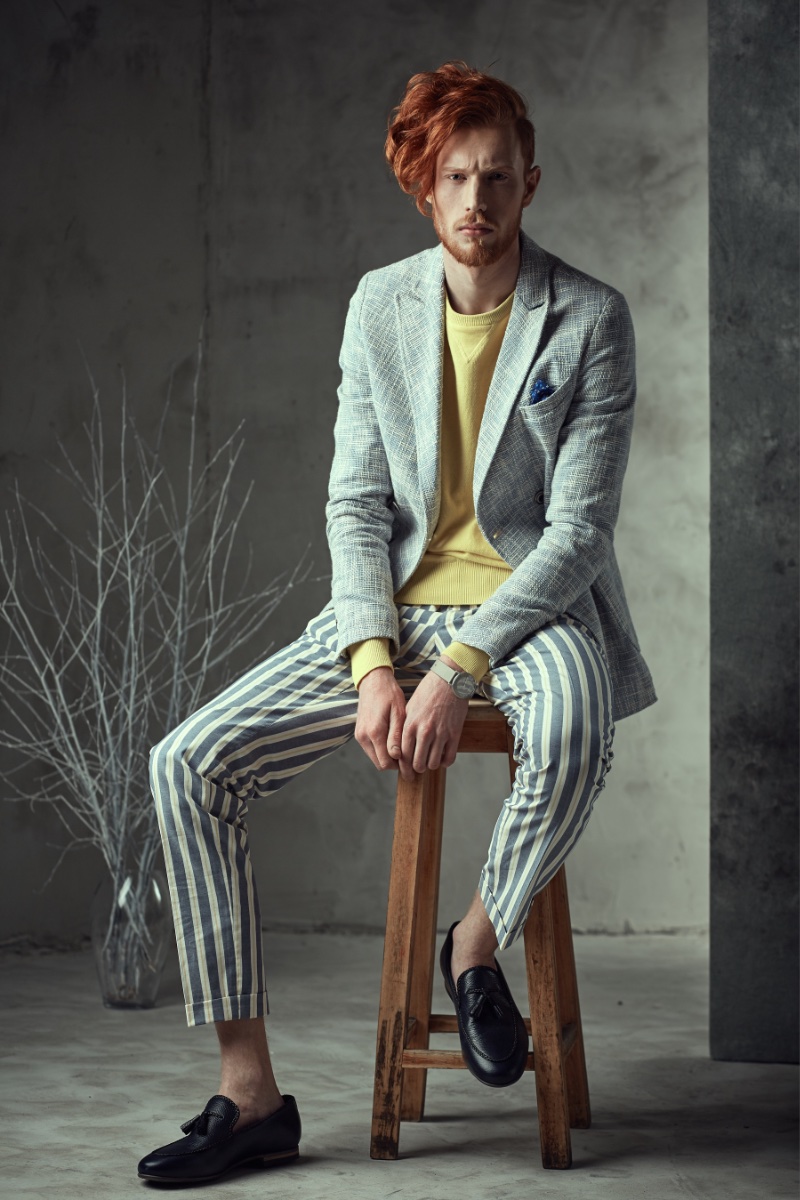
An outfit built around neutral colors like black, white, and navy can be interesting through texture and proportion alone. Add color because you enjoy the result, not because every outfit requires a bright accent.
Starting Small
Try a colored knit beneath your usual jacket or a patterned shirt with plain trousers. One change gives you a manageable way to test what works with the clothes you own.
Combining Colors
Notice contrast as well as hue. Light blue with navy gives a quieter result than a sharp light-and-dark combination. Repeating a color from a pattern elsewhere in the outfit can help connect the pieces.
Considering Seasonal Colors
Seasonal palettes can provide ideas, but they are optional. Fabric and weight often do more to make an outfit suitable for the weather than its color does.
A cream winter knit or a black summer shirt can work perfectly well. Judge the garment in the conditions where you will wear it.
Choosing Accessories

Accessories can add character or solve a practical need. A belt should work with the trouser loops; a bag should accommodate what you actually take out each day.
Start with the accessories you use, then assess the whole outfit. There is no compulsory number, though several competing details can distract from clothes you would prefer to emphasize.
Finding Eyewear That Suits You
Frame fit matters as much as appearance. Check that glasses sit securely and feel comfortable at the bridge and temples. Try them with your usual haircut and clothing.
Face-shape advice can suggest a starting point, but it should not rule out frames you like. Compare several widths and shapes in person.
When investing in designer frames, assess comfort and suitability for your lenses alongside the name. Branding alone does not establish a better fit.
Choosing the Right Watch

If you enjoy watches, evaluate a watch’s aesthetics alongside its dimensions and functions. Check how it sits on your wrist and whether it fits comfortably beneath a shirt cuff.
An analog watch and a smartwatch serve different preferences. Choose the one you use and enjoy; neither is required to complete an outfit.
Maintaining Your Wardrobe
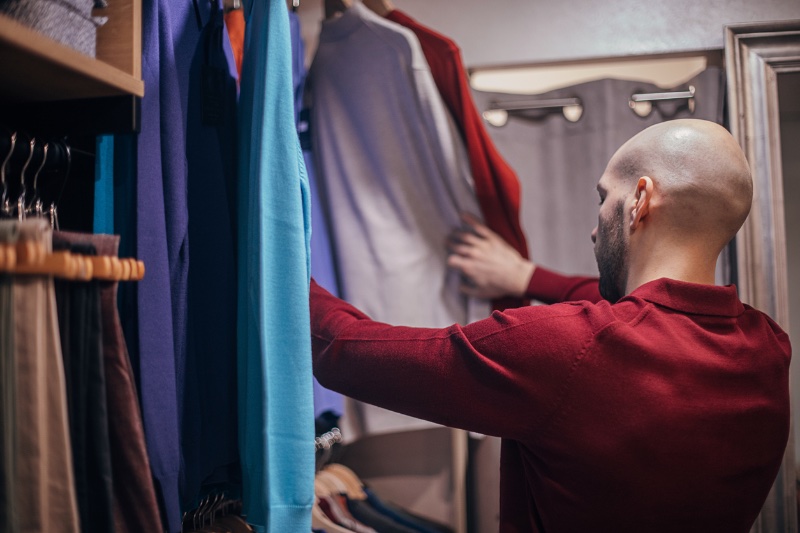
Clothes benefit from care that suits their materials. Establish a manageable routine so small problems are dealt with before they make something unwearable.
Following Washing Instructions
Read the care label before washing or drying. Pay attention to temperature and drying method, since heat can change a garment’s fit. Treat stains promptly using a method suitable for the fabric.
Storing Clothes
Use suitable hangers for jackets and shirts, and fold heavy knitwear to reduce stretching. Put clothes away clean and dry, with enough room to avoid crushing them.
Keeping Up with Repairs
Secure loose buttons and deal with opening seams early. A tailor or repair specialist can assess larger problems. Check whether the fabric is strong enough to support a repair before paying for the work.
Looking After Your Shoes
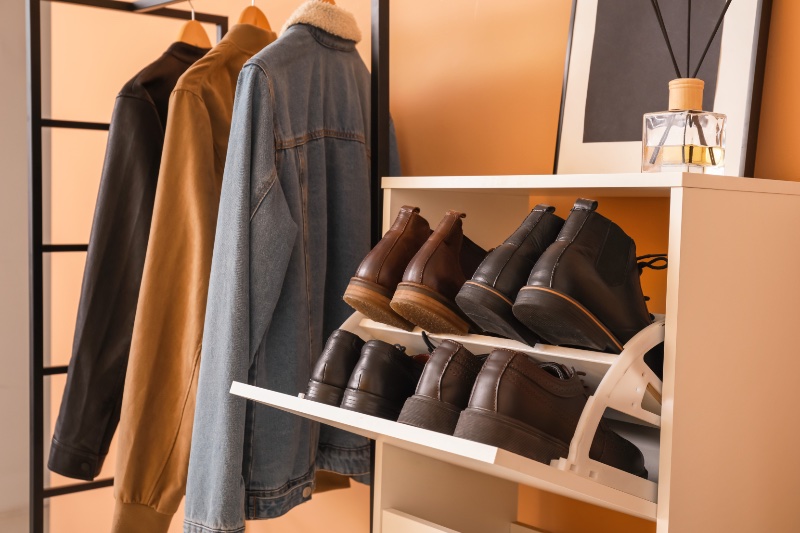
Match the cleaning method to the material. Smooth leather, suede, and textile trainers require different care; a product intended for one may damage another.
Allow damp shoes to dry naturally, away from direct heat. Ask a cobbler about worn soles or heels before the damage progresses. Whether repair makes sense depends on the shoe’s construction and condition.
Building an Outfit Rotation
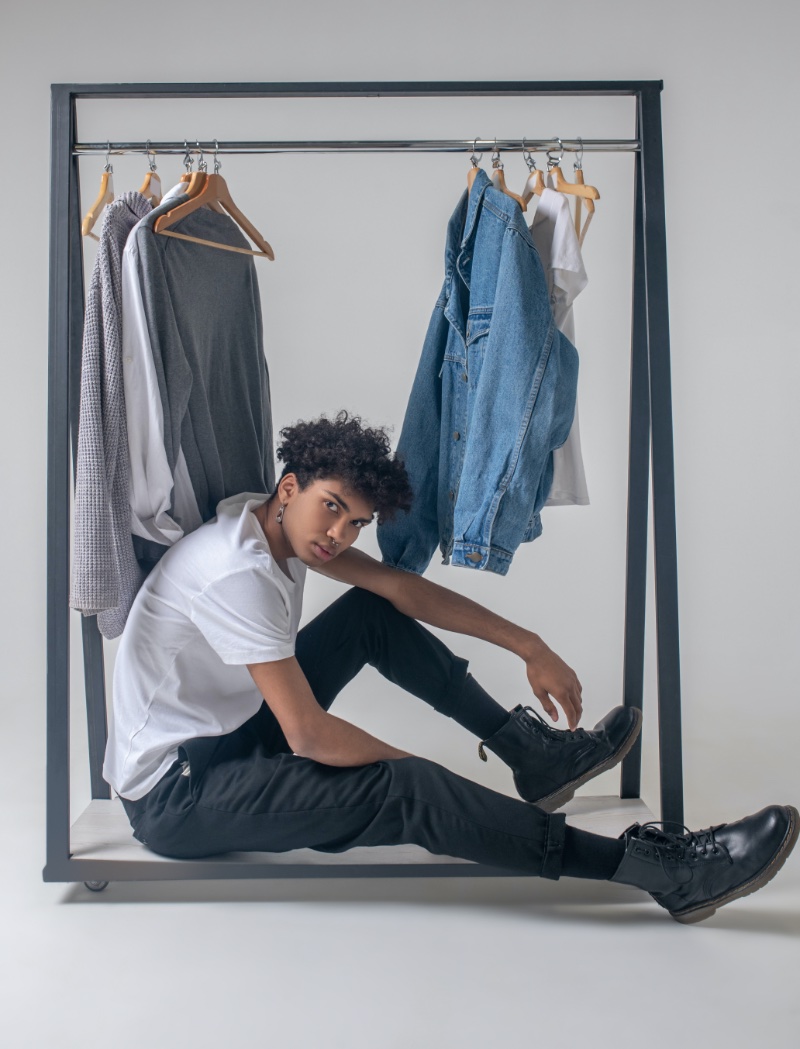
A useful rotation reduces the effort of getting dressed. Repeating a successful outfit is perfectly reasonable; the aim is to have enough workable combinations for your week.
Starting with Your Own Basics
Identify the pieces you wear most often and build around them. Your essentials might be shirts and tailored trousers, or jeans and knitwear. A standard shopping checklist cannot account for everyone’s routine.
Adding Variety
Before buying something new, work out which existing clothes it will accompany. A different texture or silhouette may add more useful variety than another version of a piece you already own.
Planning Ahead
Try complete outfits before a busy week or an important event. Check for missing buttons and shoes that need attention while there is time to deal with them.
Plan for the practical details too. A long walk or a change in weather can matter more than the outfit you originally had in mind.
Keeping Grooming Manageable

A stylish haircut works best when its upkeep suits you. The same applies to facial hair. Choose routines you can maintain, and allow time for the ordinary care that helps you feel ready for the day.
Letting Your Style Change

Your wardrobe can change as your work, preferences, or body changes. Age may coincide with those shifts, but it does not prescribe a particular way of dressing.
Style Evolution
Keep clothes that still feel useful and enjoyable. Reassess pieces that no longer fit comfortably or suit your routine, even if they once defined your style.
There is no deadline for wearing experimental clothes, and no minimum age for enjoying traditional tailoring. Your thirties do not come with a compulsory navy blazer.
Adapting to Change
Try on older favorites periodically. A changed fit may call for an alteration, a different size, or a new cut.
Use what you have learned about your preferences to make the next purchase more useful. Keeping your style personal matters more than making it appear younger or older.
Make Your Wardrobe Work

Start with an outfit you already wear and identify its weakest point. Perhaps the trousers need hemming, or the jacket feels cramped over knitwear. Solve that specific problem before replacing everything around it.
As you find combinations that work, remember them. Dressing better becomes easier when your wardrobe reflects experience, including the clothes you love enough to wear again.