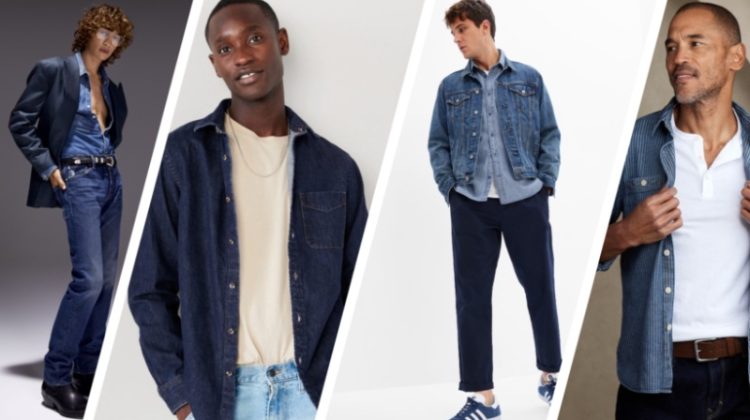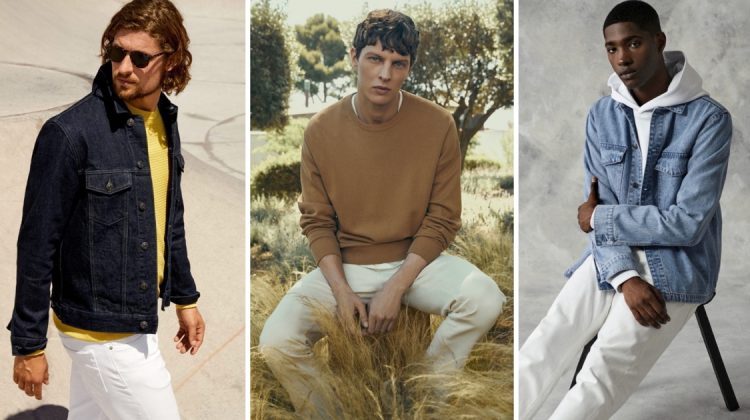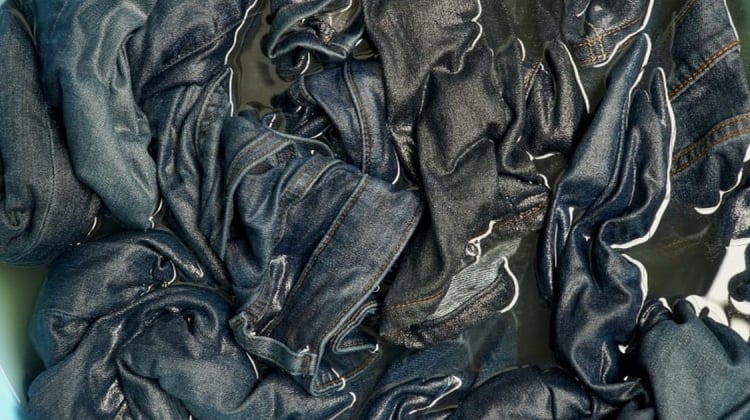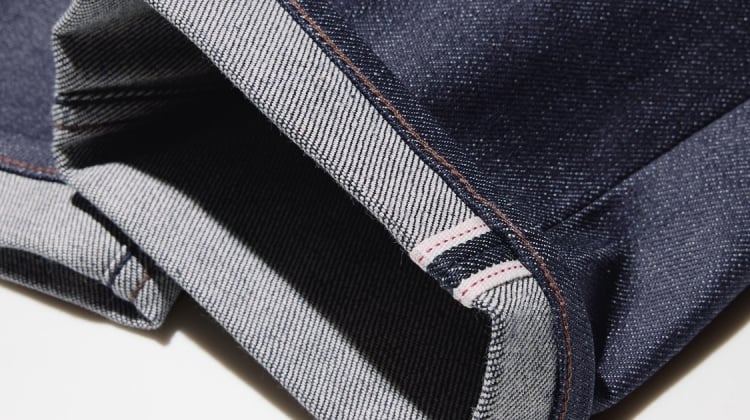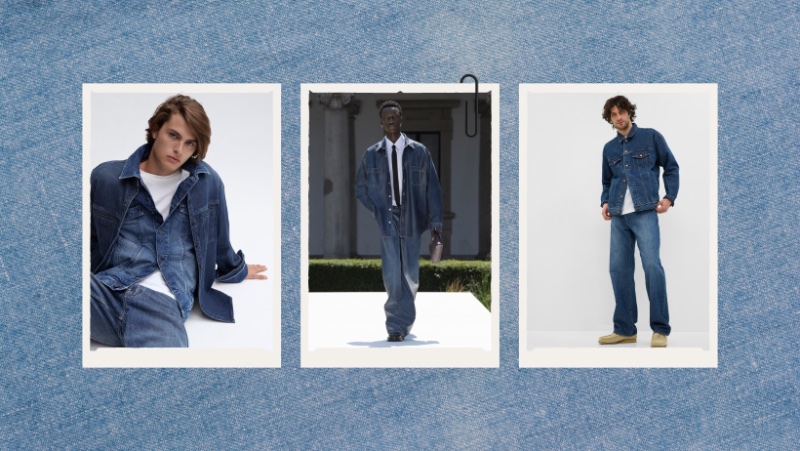
A Canadian tuxedo is a denim jacket or shirt worn with jeans, giving work clothes the coordinated effect of a suit. The nickname supplies a little ceremony, though the appeal is practical. Two pieces of denim can make getting dressed remarkably straightforward, with the wash and fit deciding whether the result leans ranch hand or off-duty leading man.
Canadian Tuxedo
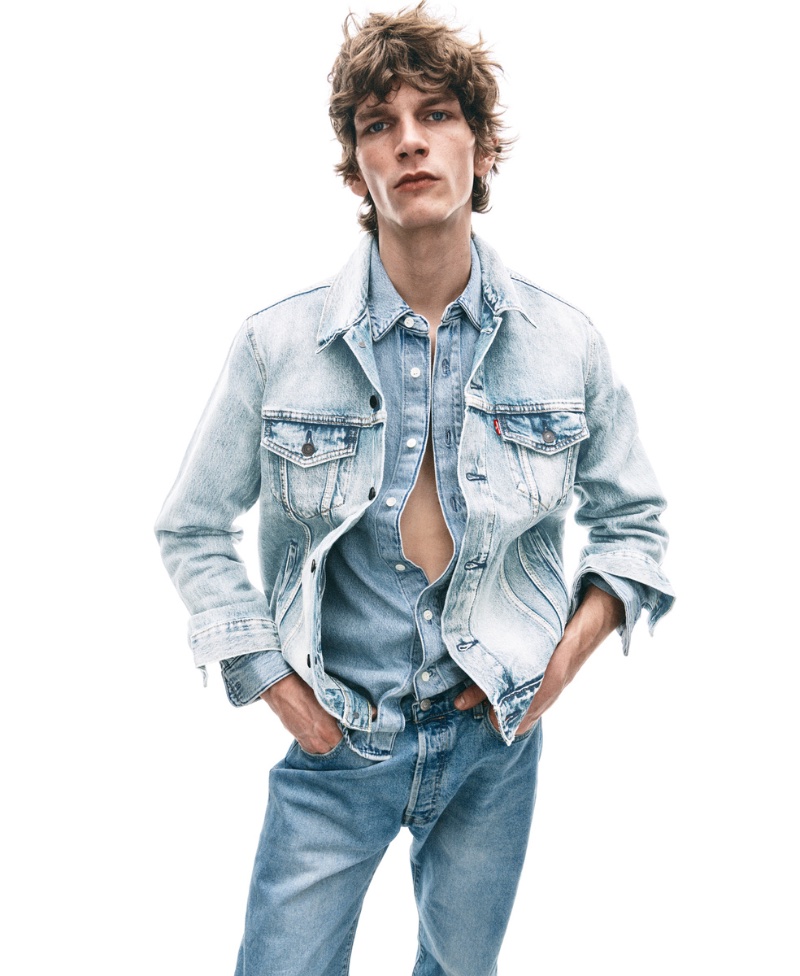
There is something satisfying about wearing a denim jacket with jeans. The clothes share a working history, and they look comfortable in each other’s company. Matching shades suggest a casual suit; different washes give the jacket and trousers their own identities.
Denim also rewards repetition. Creases soften, indigo fades, and the clothes begin to reflect their owner’s habits. That connection to its denim origins gives double denim much of its character. A jacket and jeans can be carefully chosen, then become more personal through ordinary wear.
Why Is It Called a Canadian Tuxedo?
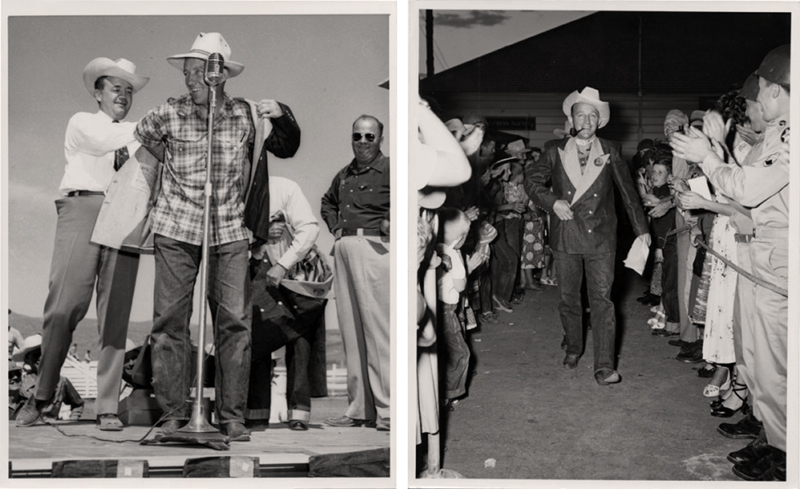
Bing Crosby provided the occasion for the nickname. According to Levi Strauss & Co.’s account, Bing and a friend were denied entrance to a Canadian hotel in 1951 because they were dressed entirely in denim. The company’s response was a custom denim tuxedo jacket, complete with a red-tab-and-rivet corsage.
An interior notice declared the garment appropriate attire for hotel guests. It was an unusually thorough answer to a dress code, turning the offending fabric into eveningwear. The joke still works because the Canadian tuxedo offers something men often want from a suit: clothes that look as though they belong together.
Matching & Contrasting Washes
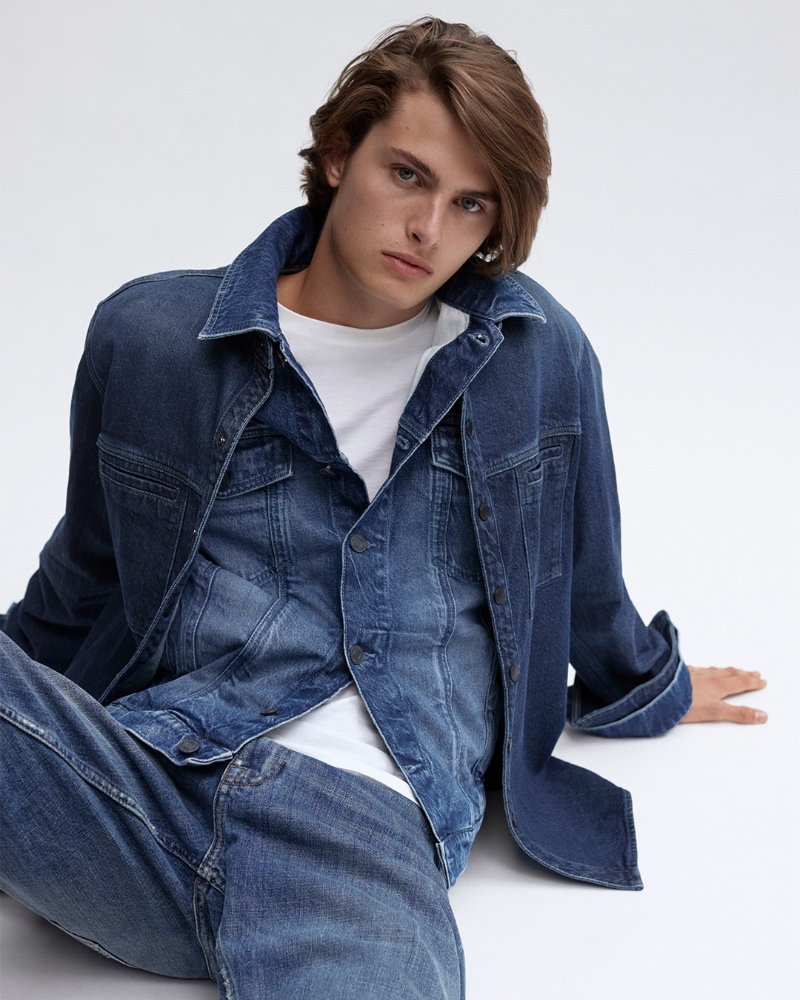
Matching denim has the confidence of a set. Similar washes create a continuous line, letting the shape of the clothes take priority. A short trucker jacket and straight-leg jeans give that line a clear waist and an easy balance.
Different washes make the individual pieces more apparent. A faded jacket over dark jeans puts the lighter shade near the face, while a dark jacket over faded jeans gives the trousers more attention. Both approaches benefit from a simple layer underneath. A white T-shirt introduces a bright interval between the blues and lets the denim do most of the talking.
A Turtleneck & Leather Belt
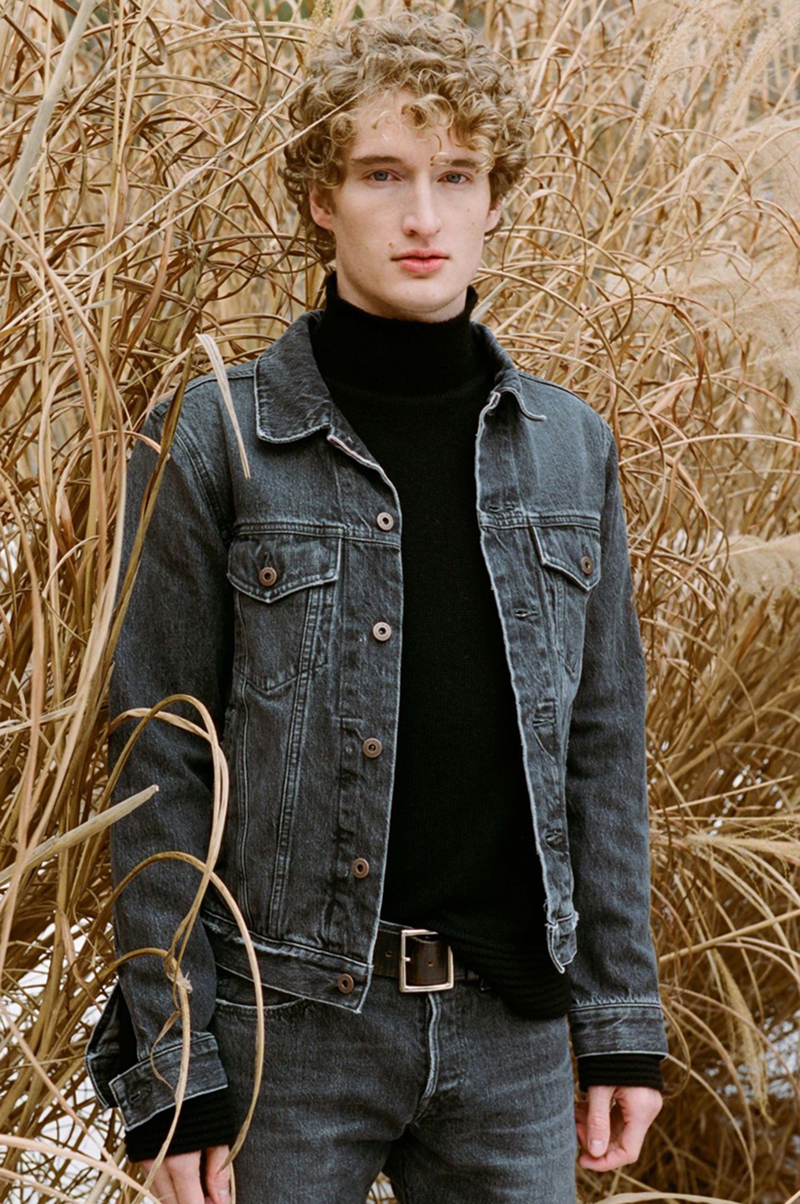
A turtleneck brings a touch of the art-school wardrobe to double denim. Its high neckline changes the jacket’s character, and the soft knit gives the fabric’s tougher surface something to play against. Dark knitwear makes the effect especially direct.
A leather belt adds definition at the waist. On heavier jeans, a broad belt and visible buckle feel at home with the workwear construction. A narrower belt shifts the outfit toward tailoring. It is a small choice, but double denim makes small choices unusually visible.
Shoes for Double Denim
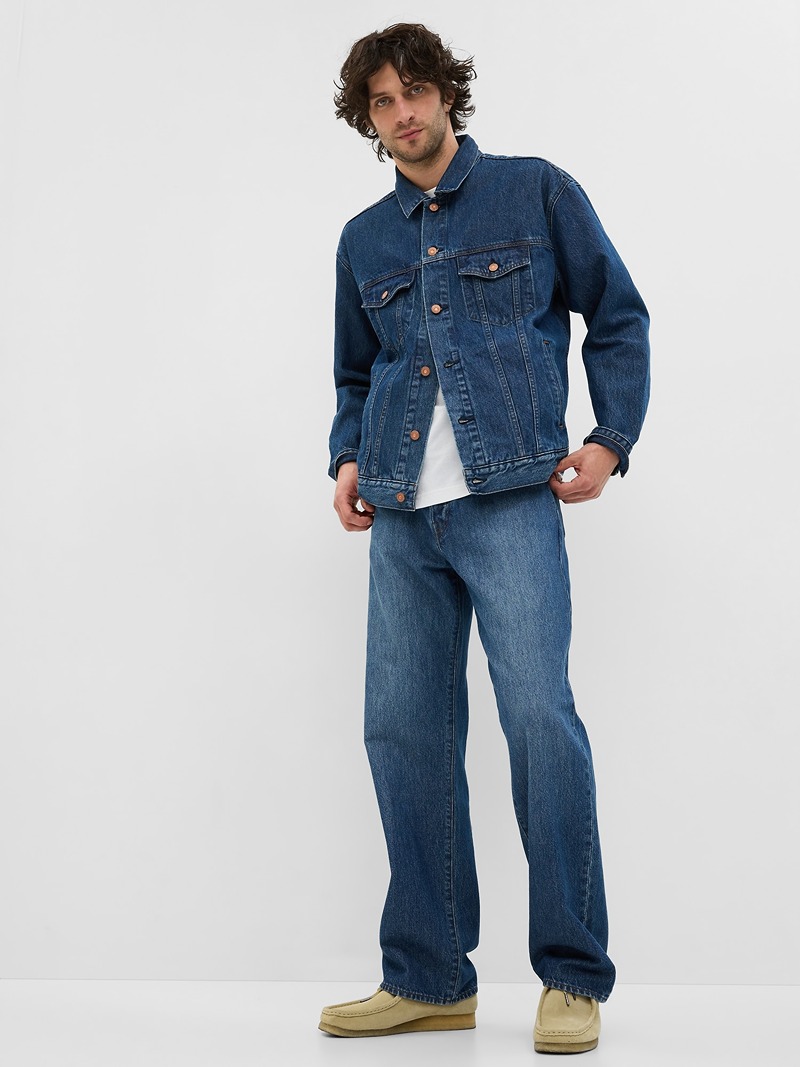
The Clarks Wallabee belongs naturally beneath a Canadian tuxedo. Suede and a rounded toe soften the outfit, giving it an easy, slightly collegiate character. The shoe has enough shape to hold its own beneath heavier jeans.
Boots bring the workwear associations forward, while loafers suggest a man who might have a dinner reservation. Canvas sneakers keep things casual. The hem helps establish the relationship: a turn-up shows the shoe, and a longer leg allows the denim to fall over it. Either can look deliberate when the proportions agree.
The Everyday Canadian Tuxedo
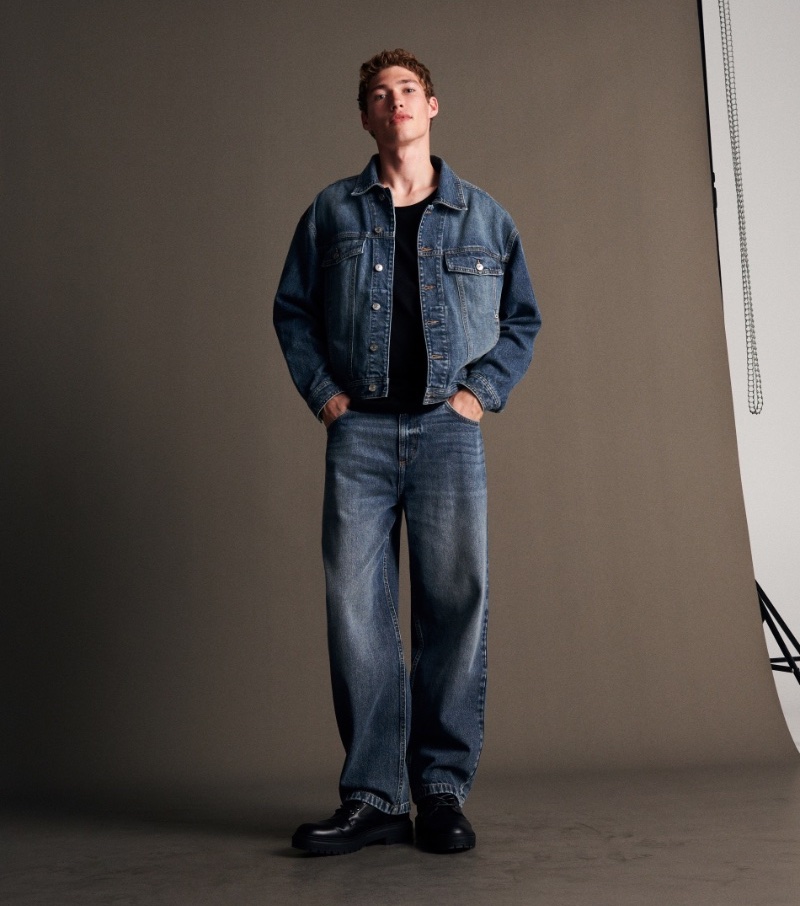
A T-shirt, jean jacket, and jeans form the everyday version. Much of its appeal comes from the lack of ceremony. These are clothes for getting on with the day, even when their coordination suggests a little more thought.
The silhouette starts with the men’s jeans fits that feel natural to wear. Straight legs give a trucker jacket a steady foundation. Wider jeans benefit from a shorter jacket that keeps the waist apparent, while slimmer cuts produce a leaner outline. The jacket should still button comfortably; looking at ease is part of the outfit’s appeal.
Double Denim With a Collared Shirt
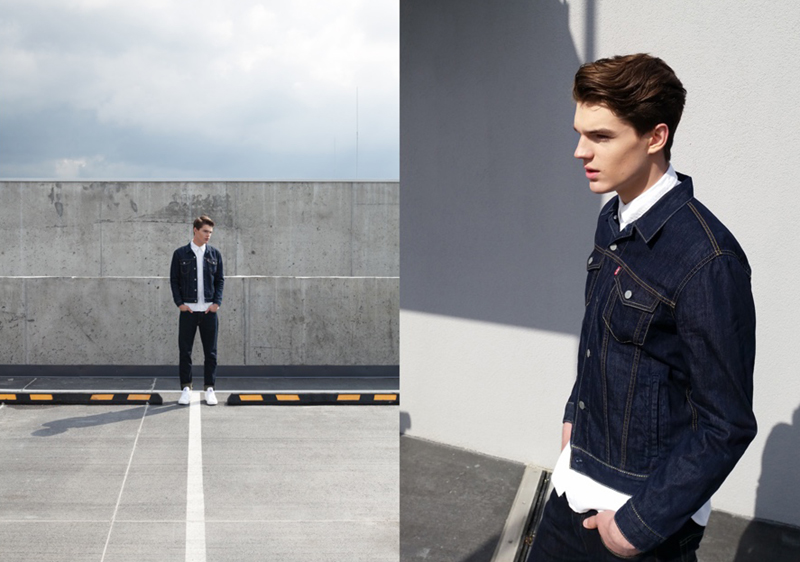
A collared shirt introduces a suggestion of office clothes beneath the jean jacket. White makes the distinction clear, especially when the shirt is tucked and the jacket ends near the belt. Leather shoes continue that slightly dressier thought.
For a fuller commitment, wear a denim shirt beneath the jacket. Three denim pieces give fading and texture more importance. A lighter shirt can separate darker outer layers, and an open collar keeps the concentration of fabric from looking too buttoned-up.
The Denim Blazer
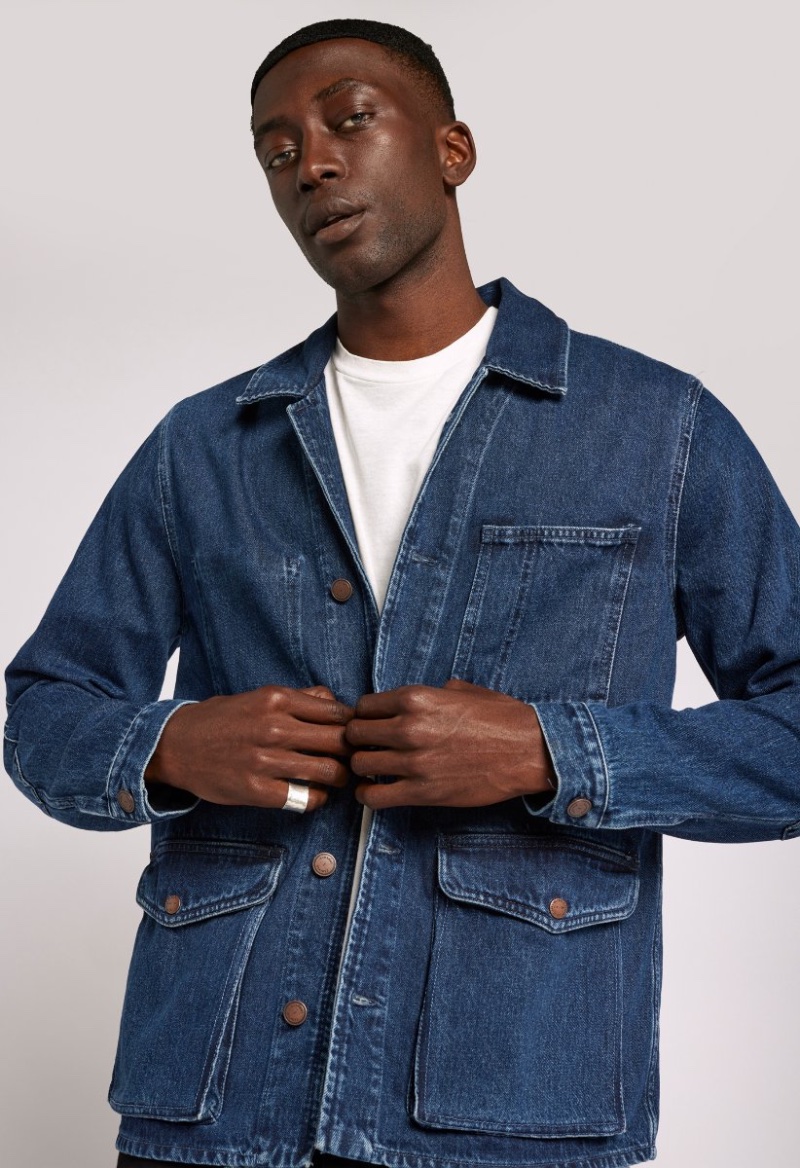
The denim blazer takes the tuxedo nickname seriously enough to be interesting. Lapels give the fabric a tailored vocabulary, while the jeans keep the outfit connected to everyday dressing. There is a particular pleasure in seeing a suit’s conventions translated into cotton denim.
Dark, evenly washed jeans bring the pieces closer to a suit. Fading loosens that relationship and makes the blazer feel more like a separate jacket. A simple shirt underneath gives the lapels their due, creating an evening option for places where denim is welcome.
Spring Double Denim
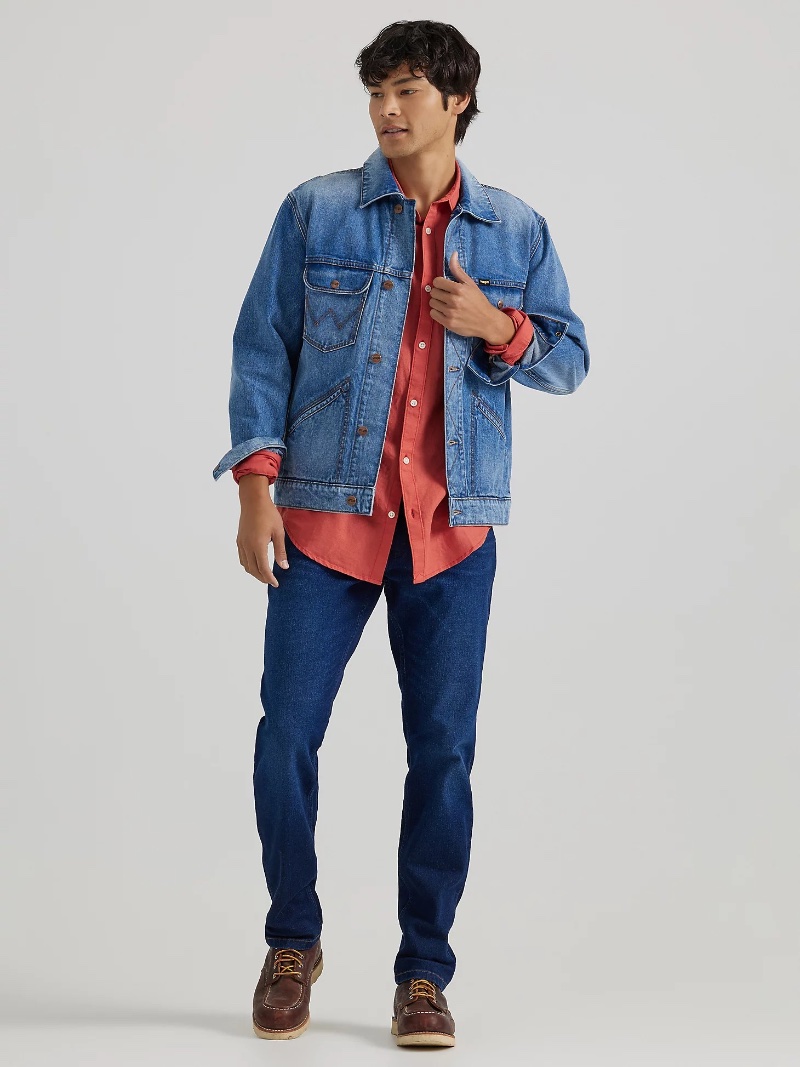
A colored shirt can change the mood of a denim outfit more quickly than a new jacket. Beneath an open front, the color becomes a narrow focal point, giving blue denim a little spring optimism.
Midweight fabric makes sense for days that begin cool and warm up by lunch. Once the jacket comes off, the shirt and jeans still look complete. Loafers or canvas sneakers keep the outfit light on its feet.
Summer Double Denim
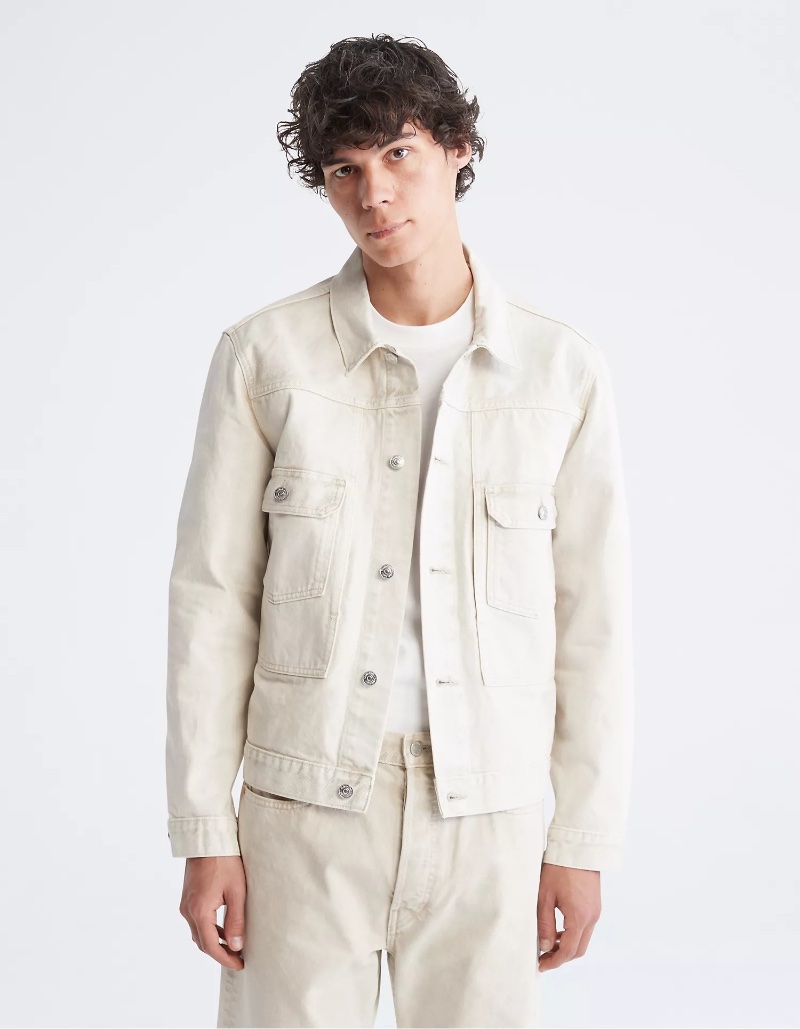
Off-white denim gives the Canadian tuxedo a sunnier disposition. The workwear construction remains, but the color brings it closer to summer separates and makes a matching jacket and jeans feel less weighty to the eye.
Actual comfort depends on the fabric. Lightweight denim and an easy cut matter more than a light wash, with the jacket best reserved for cooler hours. Sandals take the outfit further into summer, particularly when the jeans finish cleanly at the ankle.
Fall Double Denim
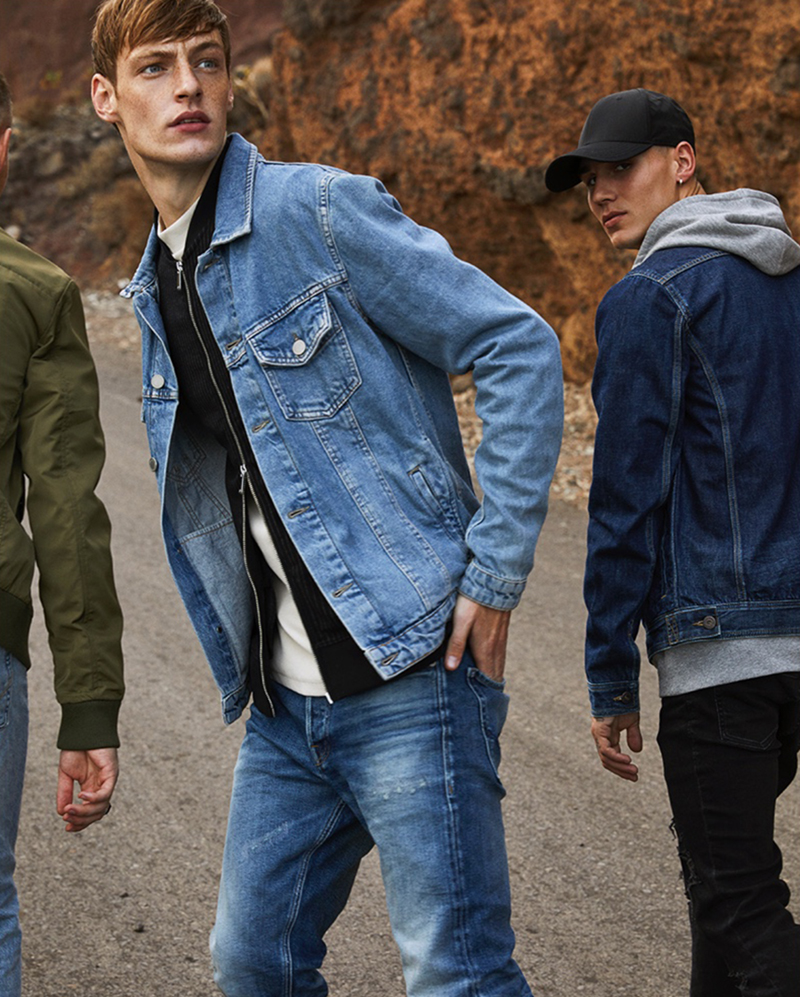
Fall is when the Canadian tuxedo starts borrowing from the knitwear drawer. A sweater beneath the jacket adds warmth and changes how the denim feels, bringing a softer texture to its seams and hardware.
A hoodie makes the outfit more casual, its hood altering the jacket’s outline around the neck. A zippered knit gives a tidier neckline and lets the wearer adjust the layers through the day. The jacket needs enough ease at the shoulders for either approach, with the jeans balancing the extra fabric above the waist.
Winter Double Denim
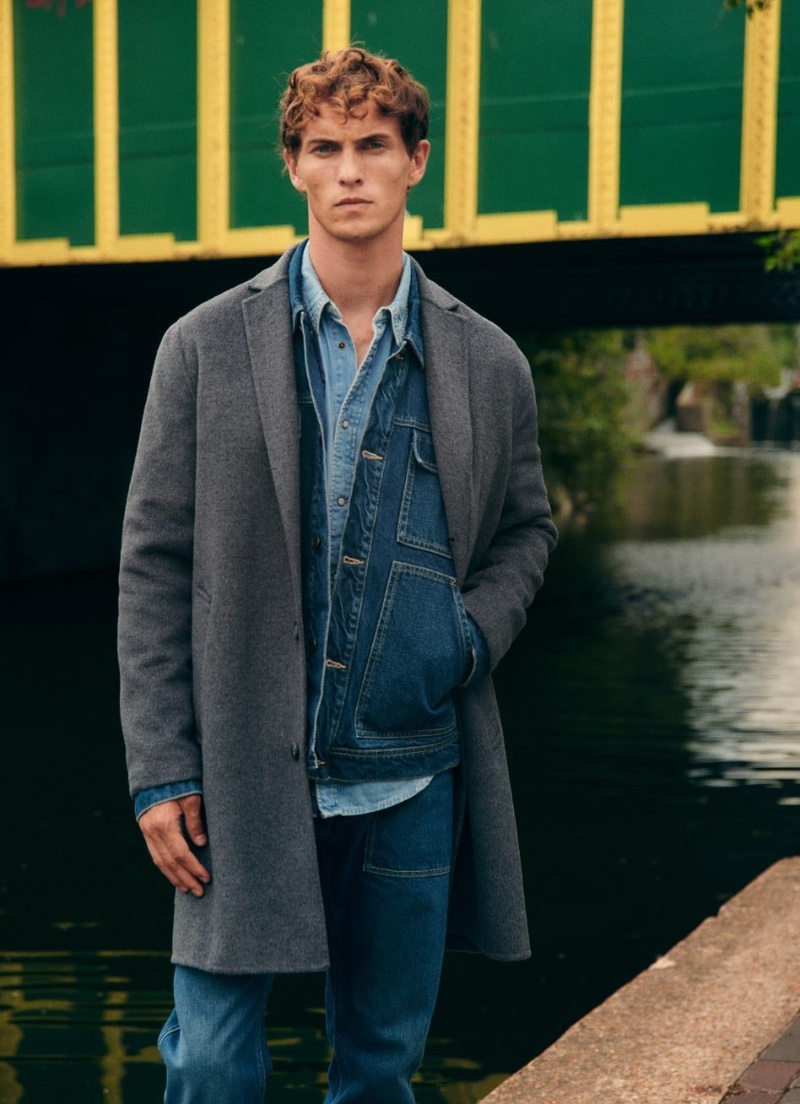
Under an overcoat, the Canadian tuxedo becomes an outfit within an outfit. The jean jacket works as a middle layer, its collar and front fastening introducing a practical detail against wool.
A sweater adds warmth beneath it, and boots give the heavier silhouette a suitable foundation. The coat and footwear should handle the forecast. Denim contributes the character, particularly as its worn texture emerges between more formal winter layers.
Celebrity Canadian Tuxedos
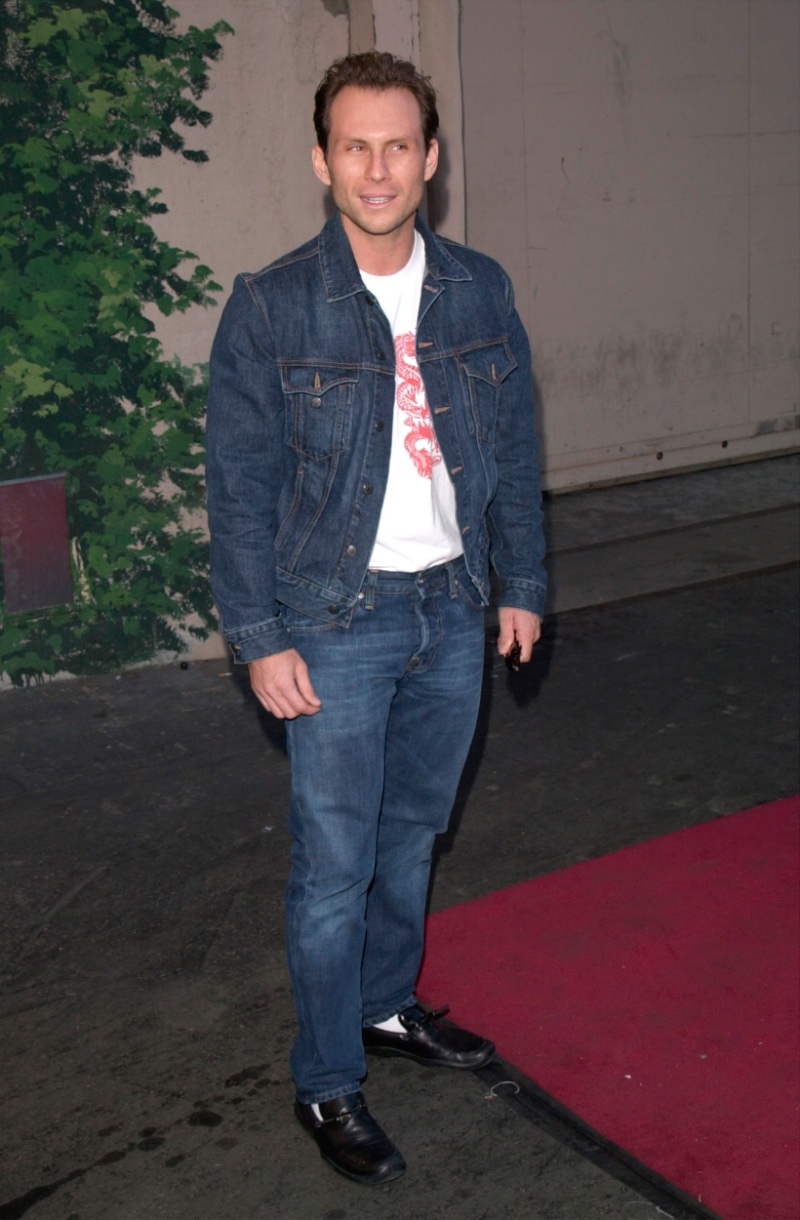
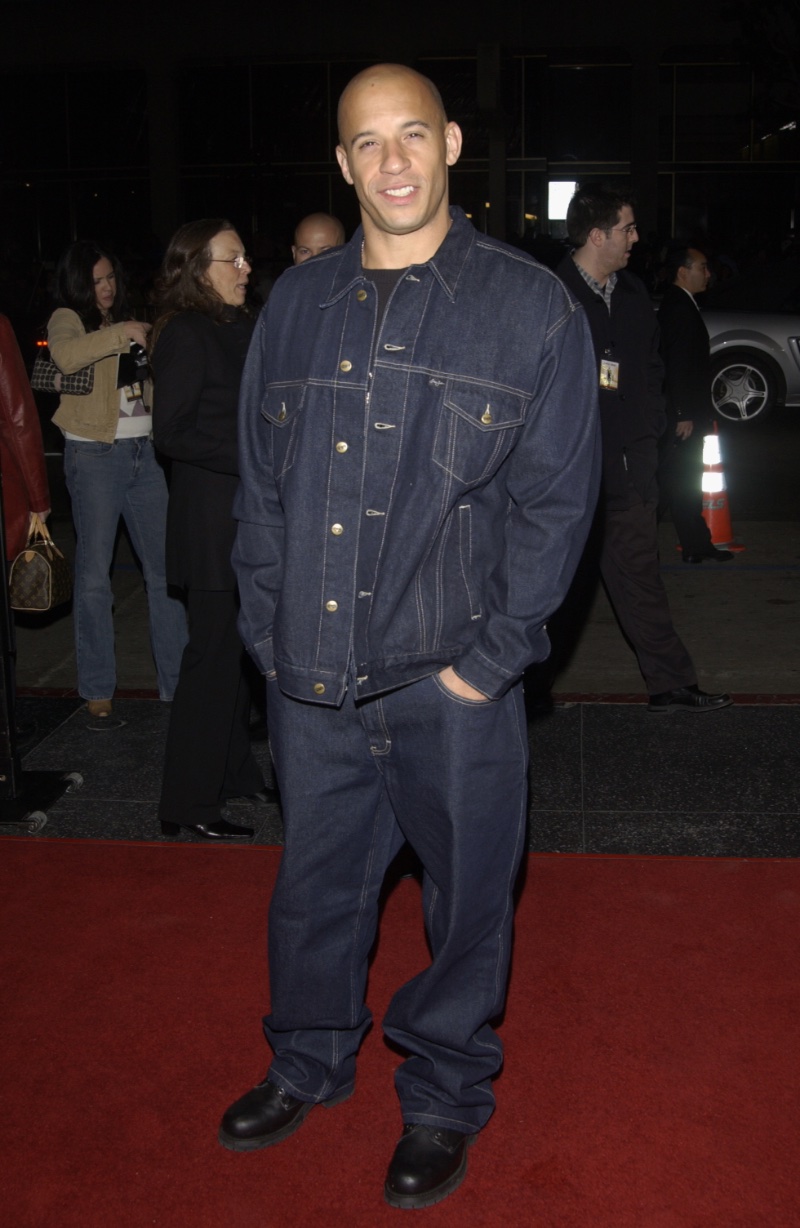
Christian Slater and Vin Diesel take double denim into the territory of public appearances, where casual clothes receive closer scrutiny. Their examples show how much of the result rests on fit. The jacket’s length and the cut of the jeans establish the silhouette before accessories enter the picture.
That helps explain the look’s appeal beyond everyday wear. Denim is recognizable enough to feel approachable, while wearing it head to toe gives it the intention of a complete ensemble. The clothes can look relaxed and still register as an occasion.
Designer Double Denim
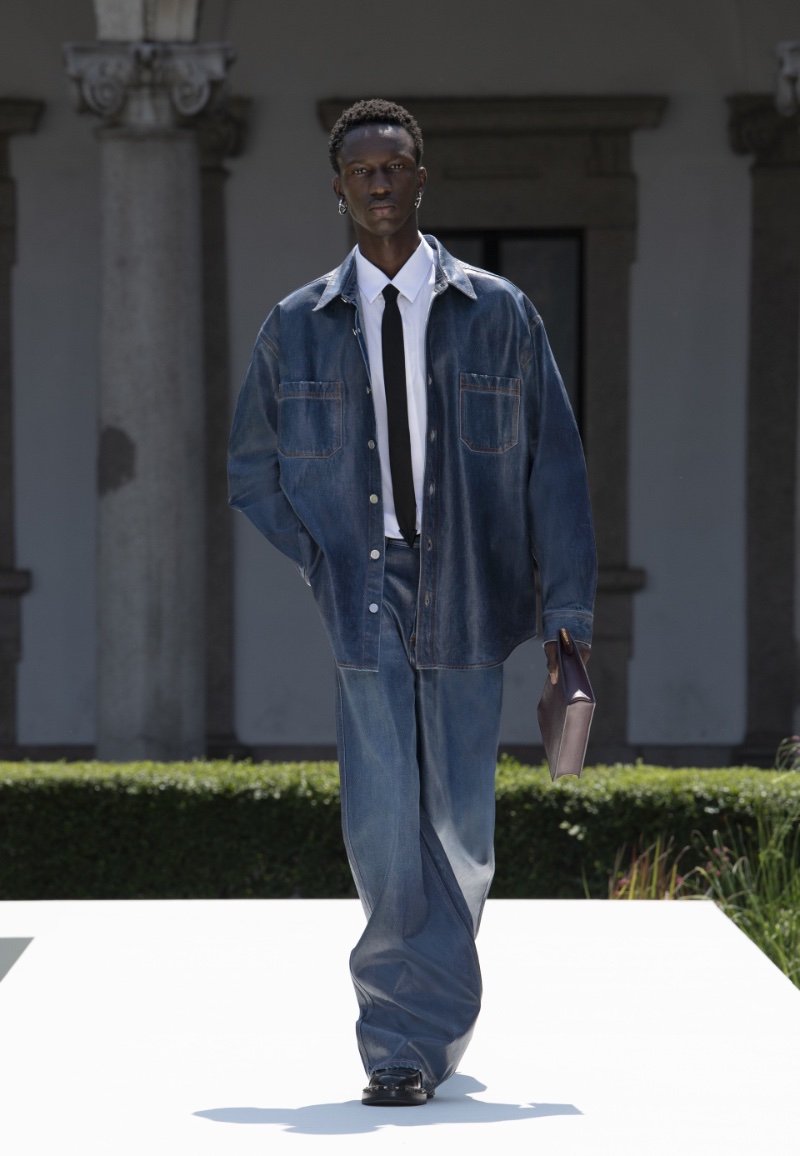
Valentino’s spring-summer 2024 collection gives double denim a runway interpretation, bringing the fabric into a wardrobe shaped by designer proportions. Its usefulness as a set remains central, even as the setting changes.
The Canadian tuxedo allows that range because its basic ingredients are so recognizable. A designer can alter the cut, and a wearer can change the shoes, yet the connection between jacket and jeans stays legible. Bing’s custom tuxedo made a joke of denim’s social standing. Wearing the fabric as a complete outfit still gives everyday clothes a sense of occasion.