Men will spend months breaking in a pair of jeans, then approach the washing machine as though it might undo the entire relationship. There is something to that anxiety. The dark finish that works with a jacket, the waistband that finally fits, and the creases taking shape behind the knees all respond to laundering.
Learning how to wash jeans means protecting the qualities you bought them for while keeping them fit to wear. For most washable denim, that comes down to cold water, gentle handling, and air drying. The finer points depend on the pair.
How to Wash Jeans
Start with the care label. Across different types of jeans, the fabric and finish have more bearing on washing than the shape of the leg. Rigid cotton, stretch denim, and coated jeans can look equally at home beneath a black sweater, yet call for different treatment on laundry day.
For everyday machine-washable denim, empty the pockets, close the zipper, and turn the jeans inside out. Use a mild detergent on a cold, gentle cycle, then hang or lay flat to dry. Wash new dark denim separately at first because loose dye can transfer to other clothing. This denim care guidance follows the same basic approach. A special finish or an instruction on the label takes priority.
How Often Should You Wash Jeans?
Wash jeans when they become dirty, develop an odor, or feel stale against your skin. Your actual day is a more useful measure than a rigid calendar. Jeans worn to dinner have had an easier assignment than the pair you wore cycling across town in August.
Around ten wears is one manufacturer’s suggested starting point for maintaining fit and color. Think of that as a reminder to assess the jeans. Sweat and physical work can bring wash day forward considerably. An occasionally worn pair may stay fresh longer.
Between wears, hang jeans somewhere ventilated and let them dry fully before putting them away. A small spill can often be treated locally when the rest of the garment is clean. Persistent odor or widespread dirt calls for a full wash. The pursuit of a particular fade has its enthusiasts, but clean jeans should still be part of the arrangement.
Washing Jeans in a Machine
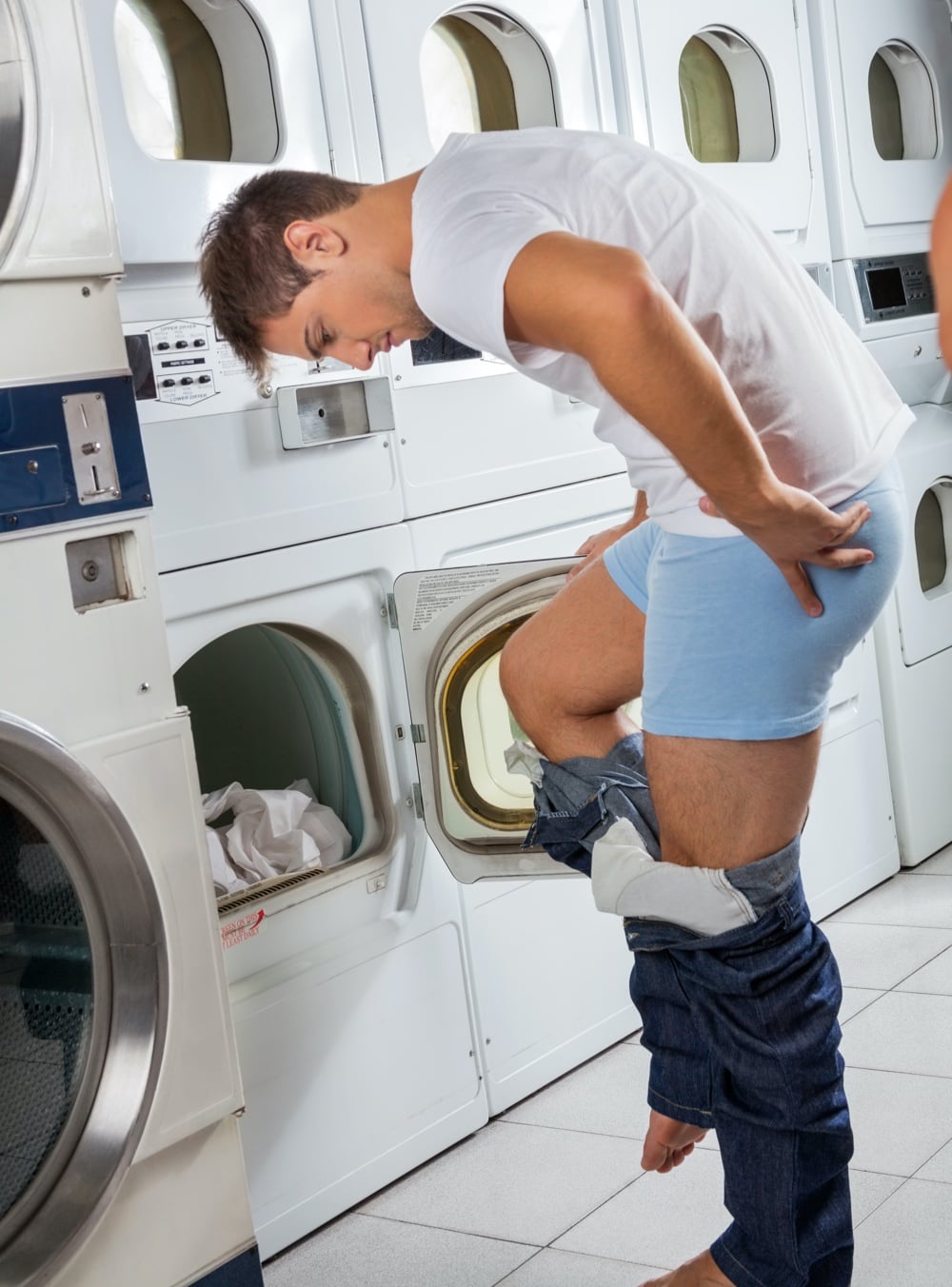
For most everyday pairs, the washing machine is a practical option. Denim’s workwear history suggests toughness, though the fabric benefits from a gentler cycle than that reputation might imply.
- Prepare the jeans: Empty every pocket, close the zipper, and turn the garment inside out. Check for loose stitching or damaged areas that could catch during washing.
- Sort the load: Choose similar dark colors. Give new indigo or black jeans a separate first wash, following the label’s instructions.
- Choose the settings: Use cold water and a gentle or delicate cycle for routine cleaning. Select a lower spin speed when the garment and machine instructions allow it.
- Measure the detergent: Follow the product’s dose for the load size and soil level. Choose a mild formula suitable for colored clothing.
- Remove promptly: Take the jeans out when the cycle finishes, smooth the legs, and arrange them for air drying.
These settings follow machine-washing guidance intended to reduce fading and shrinkage. Leave enough space in the drum for the garments to move.
Pay particular attention to embroidery, coatings, and deliberately distressed fabric. The holes that give a pair its appeal are also vulnerable points. Follow the care instructions for those details, even if the rest of the jeans looks ready for another decade of service.
How to Hand Wash Jeans
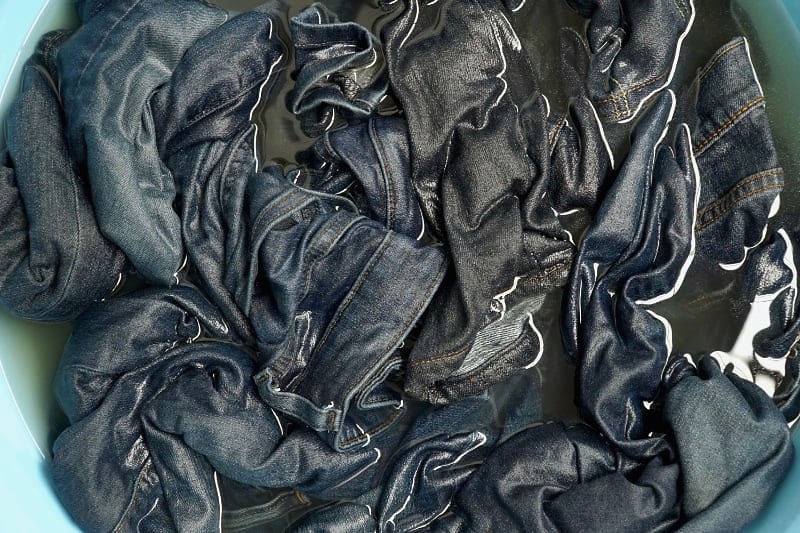
Hand washing gives you control over agitation, which can suit dark denim or a washable pair with delicate details. It requires a little patience and a sink large enough for the job. Wet jeans quickly become more cumbersome than they look folded on a shelf.
Fill a clean tub or sufficiently large sink with cold water. Mix in a small measured amount of mild detergent before adding the inside-out jeans. Submerge the fabric and move it gently through the water, using your fingertips on dirty areas. Keep rubbing to a minimum, particularly where you want to preserve an even dark finish.
For denim suited to soaking, roughly 15 to 30 minutes is a practical window, subject to the garment and detergent instructions. Once the jeans are clean, there is little benefit in leaving them in the tub for the afternoon.
Drain and rinse thoroughly with clean cold water. Press out excess moisture gently, supporting the garment as you lift it. Avoid twisting the legs into a rope. Smooth the seams while damp and arrange the jeans for air drying.
A plain water soak serves a different purpose from a detergent wash. When the fabric has accumulated dirt or body oils, choose a method that actually cleans it.
Washing Jeans for the First Time
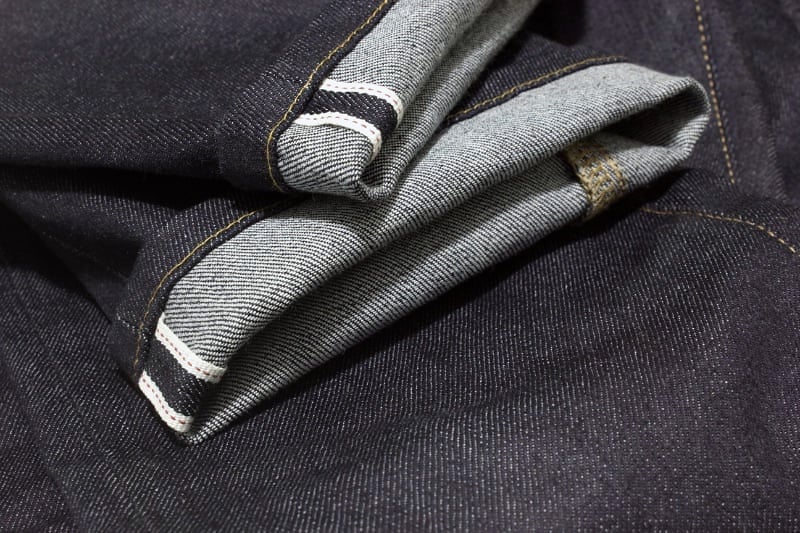
For ordinary prewashed jeans, the first wash usually follows the same cold-water routine as later washes. Keep new dark colors separate and check for dye-transfer warnings. A white shirt can become an unwilling participant in your denim experiment.
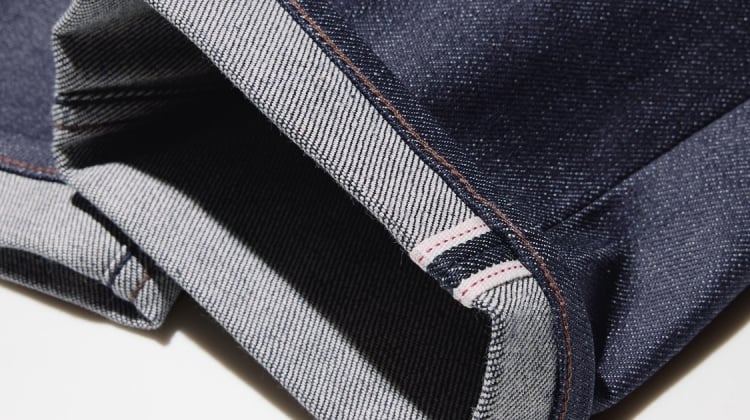
Raw denim jeans take a little more reading before the water runs. Raw denim: Denim sold in an unwashed state. Sanforized denim: Fabric treated to reduce shrinkage. A pair can be both raw and sanforized, a distinction explained in this denim terminology reference.
That distinction matters more than the stiffness of the fabric. Unsanforized, unwashed jeans may need a prescribed soak to bring them toward their intended fit. Follow the maker’s temperature and timing, and account for shrinkage before hemming. A pair sold as one-wash may already have undergone that initial treatment.
Sanforized raw denim does not automatically need a first soak. Follow the specific product instructions. Waiting longer before washing can encourage stronger contrast between worn areas and darker fabric; washing earlier produces a different fade. Choose the result you prefer, and wash when the jeans need cleaning.
Do Jeans Shrink in the Wash?
Yes, jeans can shrink. How much depends on the fabric and what happened to it before it reached your wardrobe. Preshrunk jeans generally change less when cared for correctly. Unwashed, unsanforized denim can change considerably during its first exposure to water.
Shrink-to-fit jeans are designed around that change. Their sizing and care instructions deserve close attention, particularly if you are accustomed to buying jeans that fit exactly as intended when you try them on.
To limit unwanted shrinkage, use cold water and air dry where the label permits. These choices reduce the risk; they cannot promise identical measurements in every fabric. A pair that already feels tight through the thigh leaves less tolerance for change, so check the drying instructions as carefully as the wash temperature.
Black Jeans, Dark Indigo & Care Between Washes
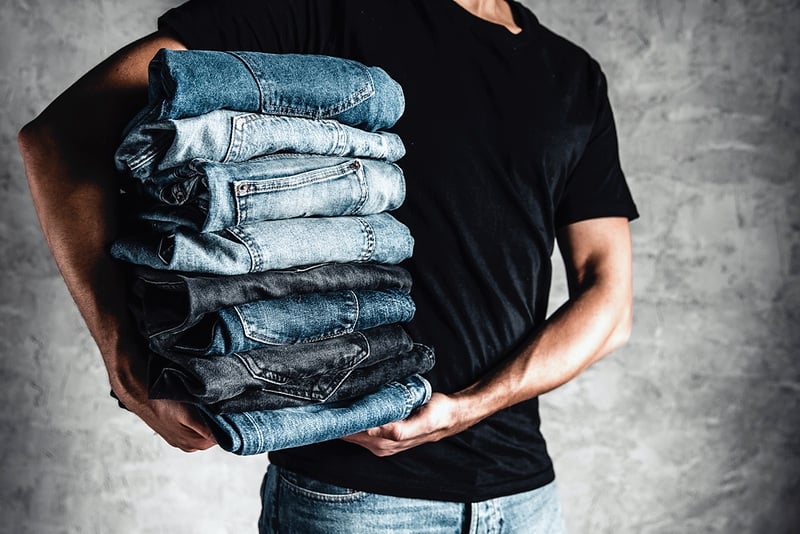
Black jeans get much of their versatility from the finish. An evenly dark pair can sit comfortably beneath tailoring, while a faded pair suggests a more casual direction. If you build black jeans outfits around that dark surface, gentle washing helps preserve it.
Turn them inside out, wash with other dark garments, and use cold water with a detergent intended for dark colors. Follow the dose on the bottle. Deep indigo benefits from similar handling, especially during its early washes.
New indigo denim may also transfer color through rubbing during wear. Read the garment’s warnings before introducing it to light upholstery or clothing. Some fading is part of denim’s appeal; careful care lets you have more say in how quickly it happens.
For a small spill, try a damp cloth and a little mild soap appropriate for the fabric. Test an inconspicuous area first, then dab gently. Vigorous scrubbing can leave a lighter patch that outlasts the original stain. Rinse away soap residue and let the area dry before assessing it.
As for the freezer, it offers cold jeans. It leaves dirt and oils in the fabric and does not reliably sanitize clothing, as Cleveland Clinic’s explanation makes clear. Airing helps between wears; a persistent odor is a reason to wash.
Drying Jeans & Protecting the Fit

The drying stage deserves as much attention as the wash. Air drying gives you more control over a fit you already like, particularly when the hem hits exactly where you want it above your shoes.
Smooth the seams and gently straighten the legs while damp. Hang the jeans securely or lay them flat with ventilation around the fabric. For dark denim, dry inside out in shade to help preserve the color.
Check the waistband and pockets before folding. These thicker areas can stay damp after the legs feel dry. Let air circulate around the garment and avoid bunching it over itself.
If the label permits tumble drying and time is pressing, use the allowed low-heat setting and check the jeans before they become completely dry. Excessive dryer heat can contribute to shrinkage and damage stretch fabrics. Once the jeans are dry, put them back into rotation. The next set of creases will come from wearing them.