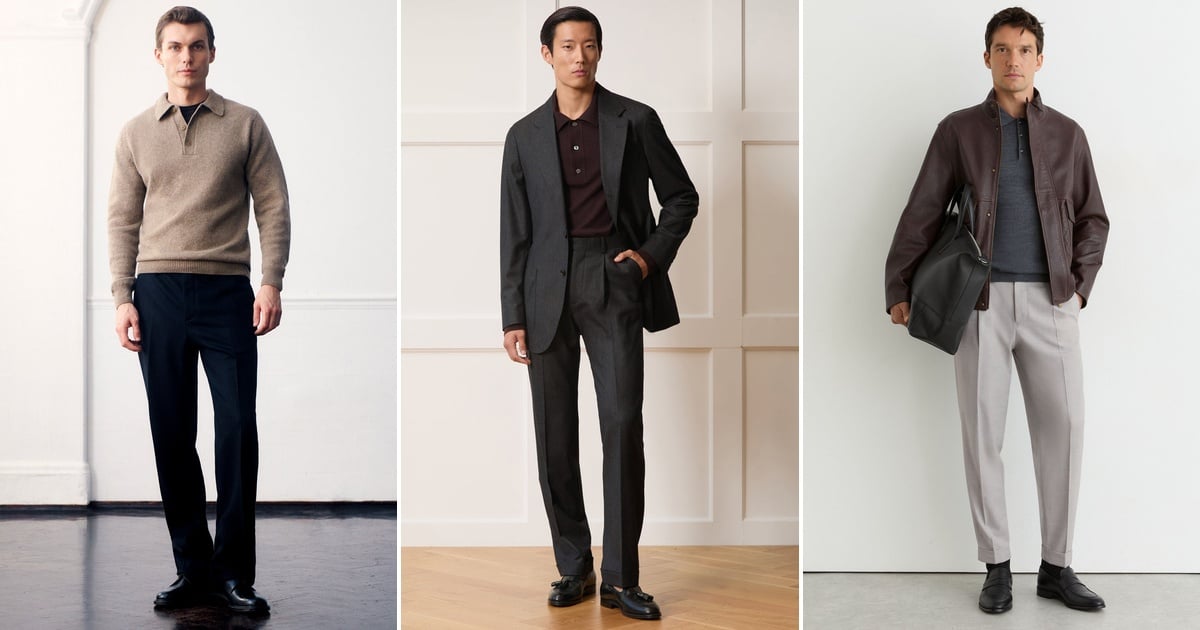
Slacks is a word with office associations, even when the trousers in question are heading out for dinner. It suggests a tailored waistband, a leg that falls cleanly, and shoes chosen with a little thought. A collared knit and navy trousers capture the idea particularly well. There is enough structure to look dressed, with the comfort of clothes you might actually choose on a day off.
In everyday menswear, slacks usually means tailored trousers worn as separates. The term overlaps with dress pants, and stores often use both labels for the same garment. Fabric, fit, and the occasion tell you more than the name on the rail.
Slacks for Men
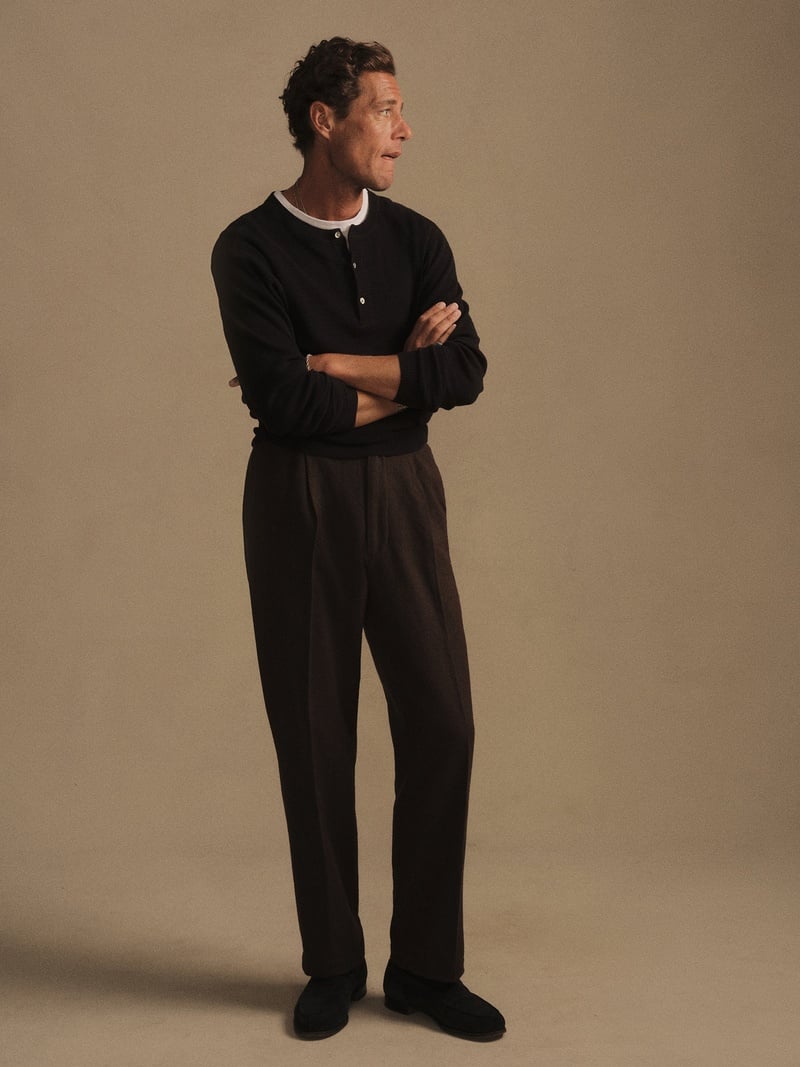
Slacks can have pleats or a flat front, a straight leg or a taper. Wool is a common choice, particularly in trousers intended for work, but cotton, linen, and blended fabrics also appear under the label. A waistband with a drawstring can sit alongside tailored details.
The cloth changes how they behave. Smooth worsted wool gives a defined line; brushed flannel has a softer surface and suits cooler weather. Linen develops visible creases as you wear it. Cotton tends to look more casual, while stretch blends can offer extra movement. Choose the fabric for the temperature and the way you want the trousers to hang.
Slacks vs Dress Pants
Slacks and dress pants are often interchangeable terms. Both can describe tailored trousers suitable for an office or a dressier social occasion. Retailers may use “dress pants” to emphasize their formal styling, but the label establishes no universal rule about leg width, rise, or fabric weight.
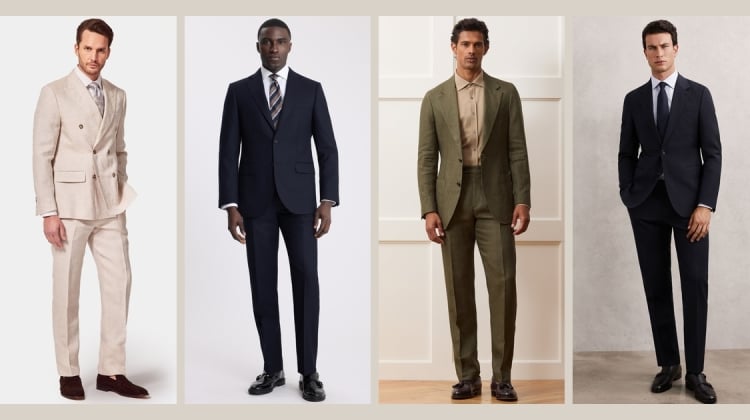
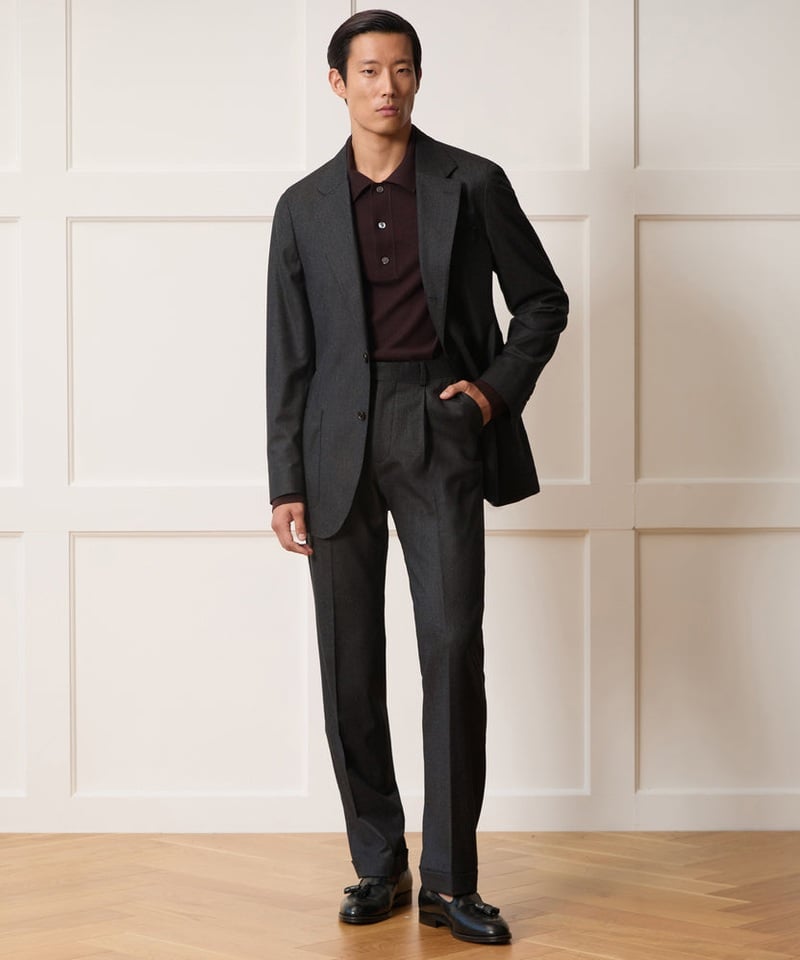
Suit trousers have a more specific relationship: they belong to a matching jacket in the same cloth. The charcoal Madison trousers pictured with their coordinating jacket form a suit; wearing the trousers separately changes the outfit. For black tie, follow the invitation and choose the appropriate evening trousers with a dinner jacket. Ordinary slacks and a blazer serve a different dress code.
Slacks vs Trousers
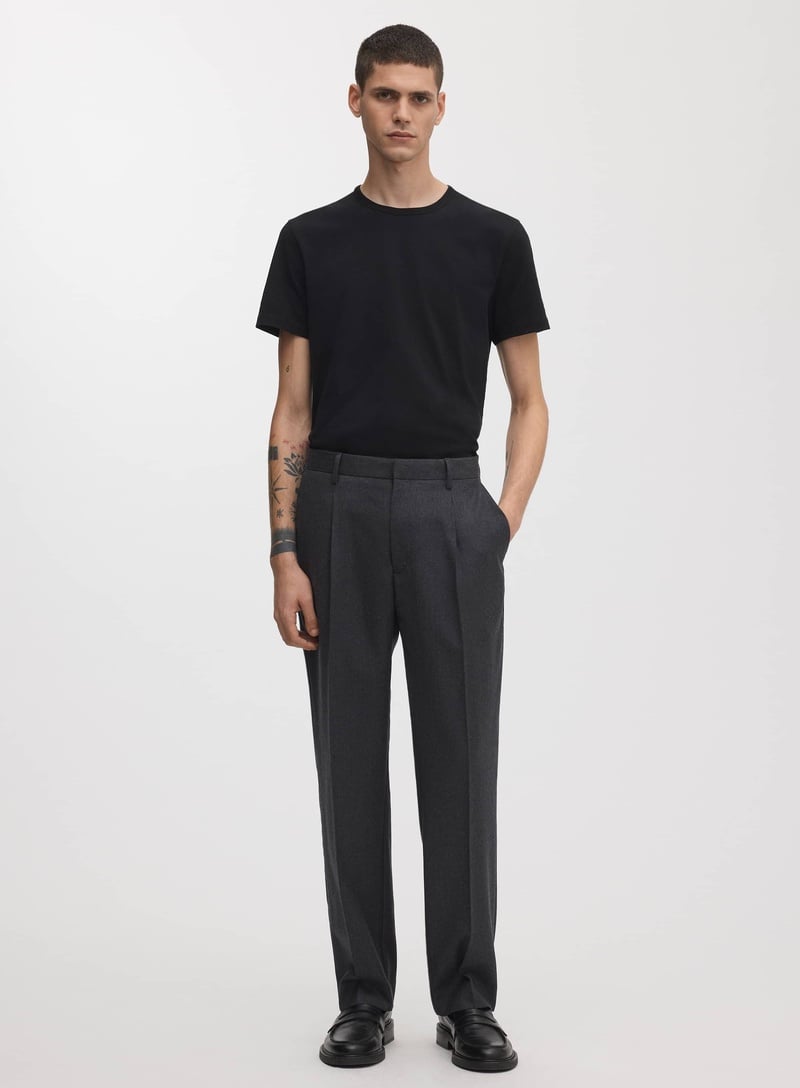
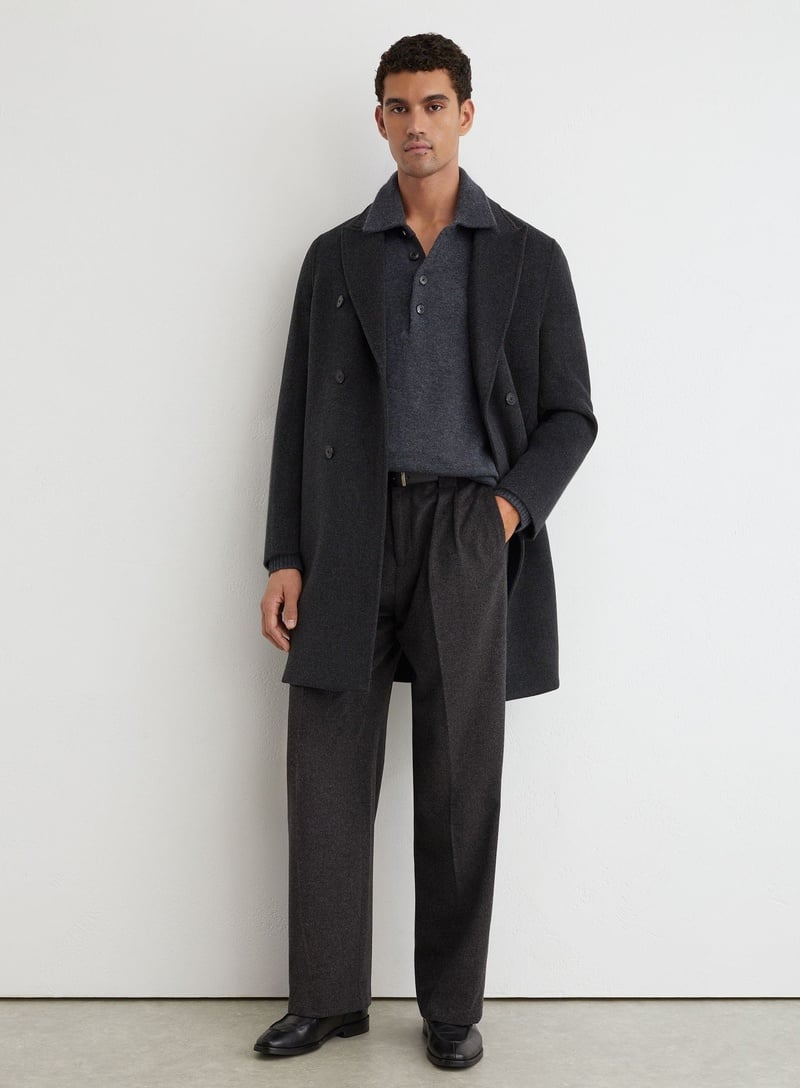
Trousers is the broader term, particularly in British English. It includes tailored styles as well as casual designs. Slacks describes a narrower part of that wardrobe, usually the tailored pants you might wear with a shirt, knitwear, or a separate jacket.
The distinction becomes easier to understand through the clothes. REISS styles its charcoal Farrel trousers with a dark shirt and long coat. Their pleats and flannel surface give the outfit its tailored character. Calling them trousers is accurate; calling them slacks also communicates the type of dressing they support.
Are Chinos Slacks?

Chinos are cotton twill pants, usually with slanted front pockets and a relatively smooth finish. They occupy much of the same territory as slacks, especially in offices with a relaxed dress code. Some people use slacks broadly enough to include a dressier chino; others reserve it for wool or similarly tailored trousers.
Khakis usually refers to tan casual trousers, often chinos. The distinction between chinos and khakis concerns overlapping names, too. For shopping, the useful questions are about cloth and cut. For a workplace, check what its dress code expects when it says “slacks.”
Fit, Pleats & Leg Shape

Pleats describe folds at the waist, while straight, tapered, and wide describe the leg. A pleated trouser can taper toward the ankle; a flat-front design can have a broad leg. Treat these as separate choices when comparing fits.
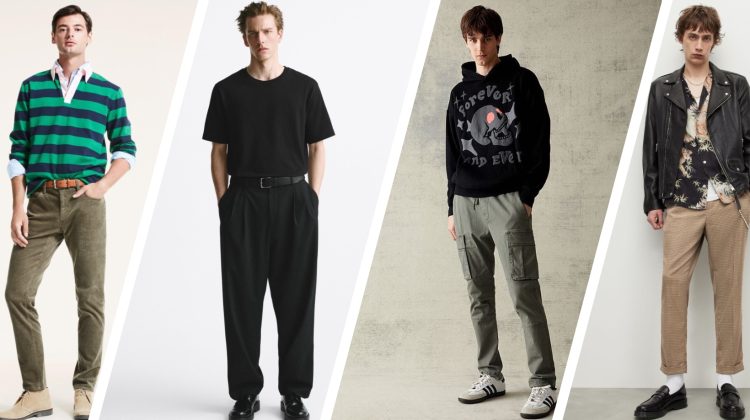
The fuller black trousers in Zara’s fall-winter 2022 Edition capsule show how much the silhouette contributes. Their width works with the sweater’s shape, and white sneakers give the outfit a casual finish. A slim leg produces a different proportion, with less fabric around the shoe. Neither cut determines how formal the trousers are on its own.
How Slacks Should Fit

Start at the waist. The waistband should stay in position comfortably, with a closure that fastens easily and pockets that lie flat. Through the seat and thighs, check that the fabric allows you to sit and walk comfortably. Pulling across the fly or pockets that flare outward can signal a fit problem.
Measure around the level where you intend to wear the waistband, then follow the retailer’s size chart. Body measurements and garment measurements are different, so check which the chart provides. To compare inseams, measure a well-fitting pair from the crotch seam to the hem. A leather belt in the correct size should finish the outfit; the trousers should already fit before it is tightened.
Alterations & Trouser Break

Trouser break is the fold created where the hem meets the shoe. A shorter hem gives a clean line at the ankle; a longer one allows a fold over the upper. Leg width matters here. Fuller trousers often benefit from enough length to fall over the shoe, while a narrow hem can catch on it and bunch.
Take the shoes you expect to wear to the fitting. A tailor can assess the hem and whether the waist or leg needs adjustment. Letting trousers out depends on the fabric left inside the seams; major changes through the seat and rise are more involved. Choose the closest overall fit first, then refine it.
Wearing Slacks to Work

For business casual, navy or gray slacks give a shirt and leather shoes a dependable foundation. A button-down shirt brings some softness to the tailoring; a separate jacket adds definition when the setting calls for it.
The contrasting jackets in this REISS wardrobe edit show why separates are useful. The trousers and jacket have their own colors, so the combination looks complete through coordination. Keep the shirt tucked when you want the waistband and jacket length to establish the proportions. For more formal offices or occasions, a full suit may be the expected choice.
Wearing Slacks Casually
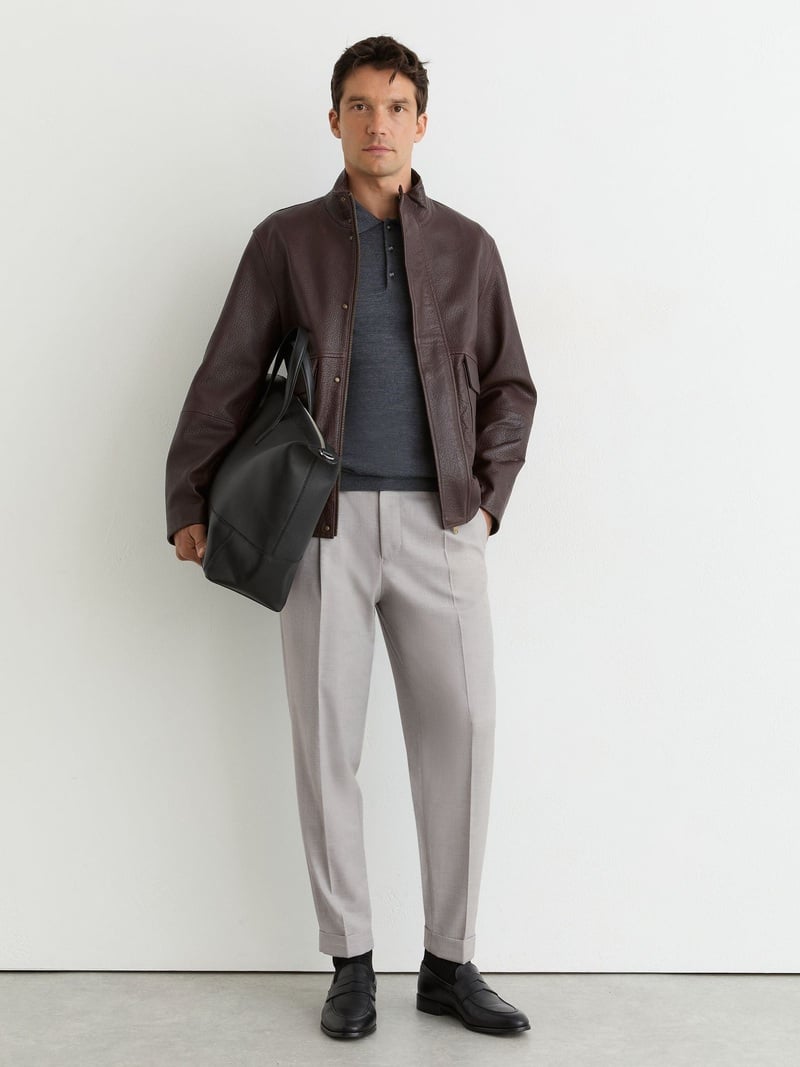
A leather jacket changes the associations of tailored trousers immediately. With the light gray Brighton trousers, the brown jacket and dark polo create a casual outfit that still takes its shape from the trouser leg. The internal drawstring adds comfort, while pleats and turned-up hems retain a tailored finish.
This is where slacks become useful beyond work. A shorter jacket exposes more of the leg and gives a fuller trouser a clear starting point. Keep the top close enough to the waistband that the proportions remain visible. The result feels like everyday dressing, with the trousers doing some of the work usually assigned to a blazer.
Shoes to Wear with Slacks

Brown leather lace-ups give tan trousers a traditional finish, as the shoe-shop photograph shows. Among semi-formal shoes, derbies and loafers work with a broad range of slacks. The choice of socks with loafers can also shift the outfit toward office or casual wear. Check the trouser opening against the shoe: the hem should fall cleanly, and the shoe should have enough visual weight to balance the leg.
Suede chukka boots offer a softer option for casual trousers. Sneakers can take a fuller cut toward a streetwear-inspired look, as the Zara outfit demonstrates. Fabric and footwear need to make sense together, but wool trousers can work with suede, leather, or sneakers. The occasion and the overall proportions decide the combination.