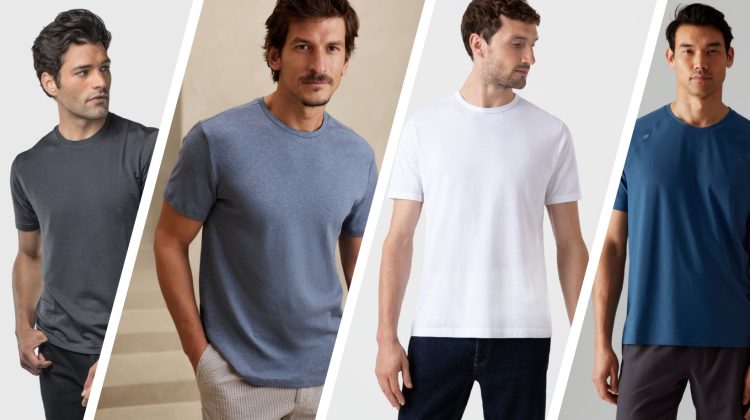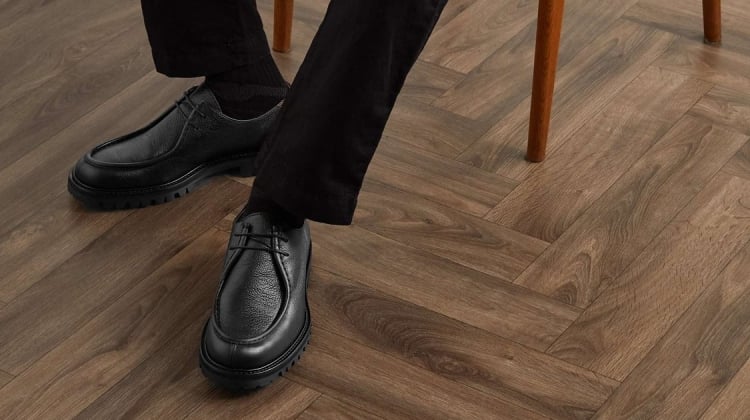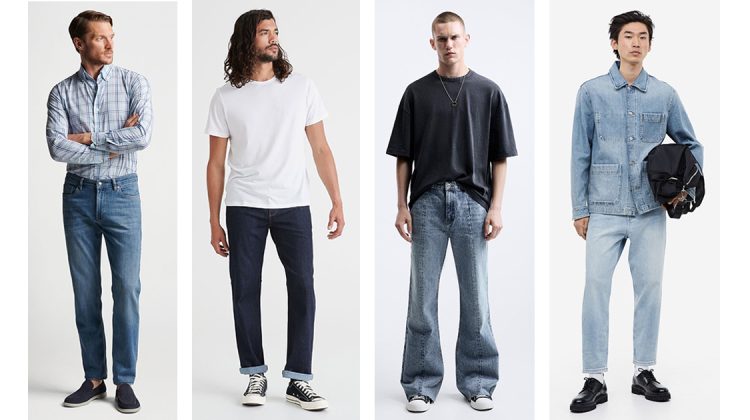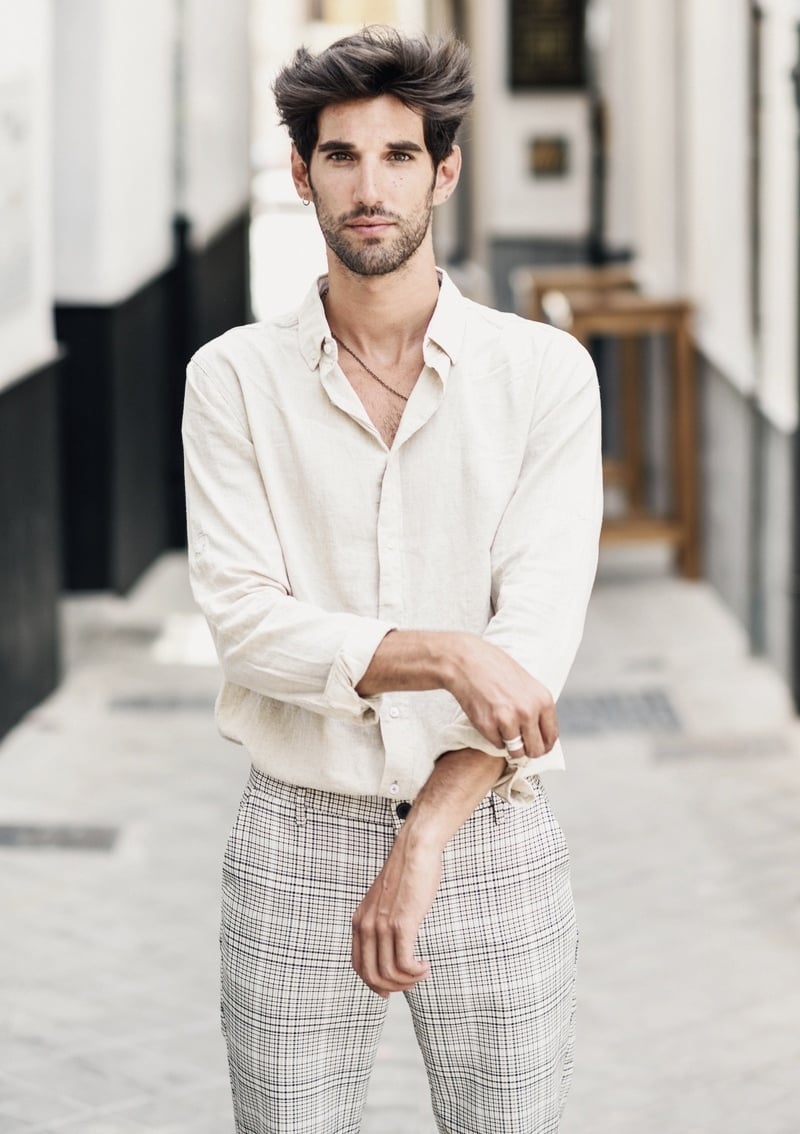
A button-up shirt reveals quite a bit about a man’s intentions. Tucked into pleated trousers, it suggests he has made an effort. Open over a faded T-shirt, it suggests he would prefer that effort go unnoticed. The shirt can be the same; the clothes around it change the impression. Technically, “button-down” refers to a collar with buttoned points, while “button-up” describes the front fastening. Everyday usage treats them interchangeably, and these ways to wear a button-down shirt work for both.
How to Style a Button Down Shirt
The most useful styling decisions begin with the shirt itself. An Oxford’s textured cotton looks at home against denim, while a fluid shirt falls more naturally over tailored trousers. Hem length matters, too. Shorter cuts work untucked; long shirt tails belong inside the waistband. Once those details are right, getting dressed becomes less of a negotiation.
Wear a Button Down Shirt Open Over a T-Shirt

An open shirt gives a T-shirt outfit a little more intention. There is something appealingly casual about the combination, particularly when the shirt has softened with wear. A blue Oxford over a white crewneck feels easy and slightly collegiate. Checks over a faded tee move closer to workwear.

The T-shirt should sit comfortably beneath the shirt, letting the outer layer fall freely. Straight-leg jeans keep the proportions relaxed, with the tee finishing slightly above the shirt hem. Leave the shirt open all the way. The visible layer underneath is what makes the outfit work.
Tuck a Button-Up Into Trousers

A tucked shirt gives trousers their turn in the conversation. Pleats become visible, the waistband defines the silhouette, and a higher rise can make the legs look longer. With a blue shirt and khakis, the effect is classic casual dressing, especially once loafers enter the picture. Relaxed OrSlow shirts suit this approach, with a full tuck giving their casual character a more tailored setting.

The tuck should allow a little movement above the waistband. Pulling the fabric tight can make even a relaxed shirt look restrictive. A half-tuck suits a deliberately loose outfit, though a full tuck gives tailored trousers a more decisive finish. Think about the belt, too. It becomes a conspicuous part of the outfit once the shirt is out of its way.
Wear a Button Down Shirt With Jeans
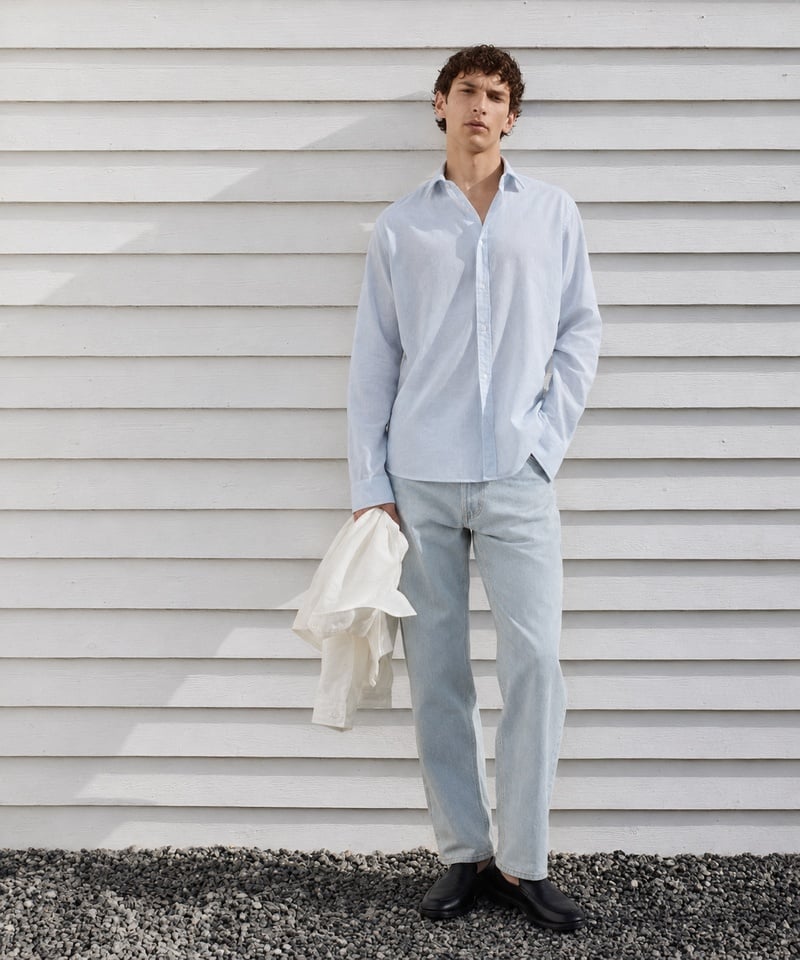
Jeans give a collared shirt permission to relax. A blue Oxford with faded denim has an everyday appeal that improves when the cotton is slightly rumpled. Dark indigo makes the combination feel more dressed, particularly with a tucked shirt and leather shoes.
Texture is useful here. Oxford cloth, chambray, and brushed cotton stand up to denim’s weight and surface. A smooth dress shirt can work, but its formality becomes part of the look. For an easy starting point, choose straight-leg jeans and a shirt with a short enough hem to wear untucked. Rolling the sleeves on men’s button-down shirts adds to the casual effect. Keep the folds loose enough to bend your elbows comfortably; a few creases suit the company.
Style a White Button-Up Shirt

The white button-up has a habit of making everything around it look more deliberate. Faded jeans become an outfit. Navy trousers acquire a sharper edge. Even the choice between sneakers and loafers becomes more noticeable against that clean expanse of cotton.
For everyday wear, a textured, opaque fabric gives the shirt some character. Leave the collar open and tuck it into chinos, or wear a shorter cut loose over jeans. Linen brings a softer attitude to lightweight trousers in summer. Its creases are part of the attraction, especially when the rest of the outfit is equally relaxed.
Style a Black Button-Up Shirt
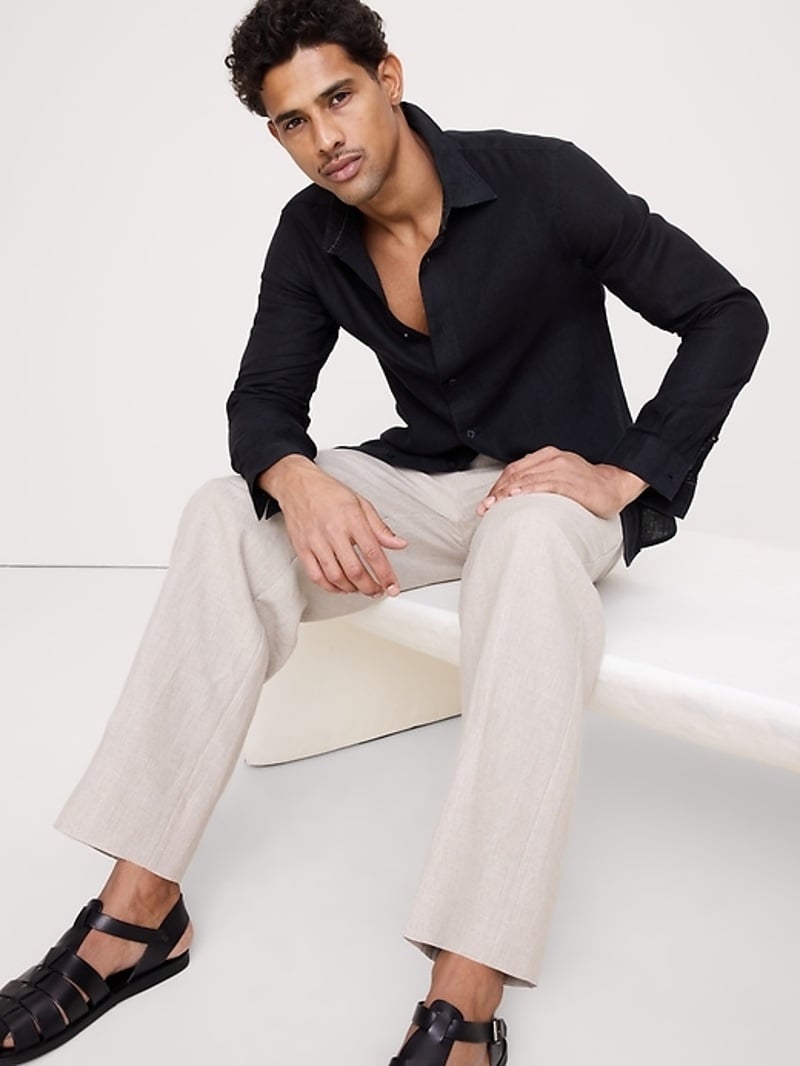
A black button-up is an easy way to dress for an evening when a white shirt feels too businesslike. With charcoal trousers and leather loafers, it has a quiet assurance. The open collar keeps the outfit relaxed, while a tuck gives the silhouette definition.
Fabric determines much of the mood. Washed cotton feels casual; a fluid weave introduces a dressier quality. If you wear black jeans as well, vary the textures so the outfit has some depth. Soft shirting against firm denim does the job. Beige trousers take the same black shirt into daytime, using contrast to make the silhouette more visible.
Match the Shirt to Seasonal Pants

A shirt and trousers tend to get along when they look ready for the same weather. Brushed cotton and corduroy pants have a shared cold-weather appeal. A linen shirt with lightweight chinos feels equally convincing once temperatures rise. The same principle applies to luxury shirts, where the fabric’s weight and finish matter more to the outfit than the label.
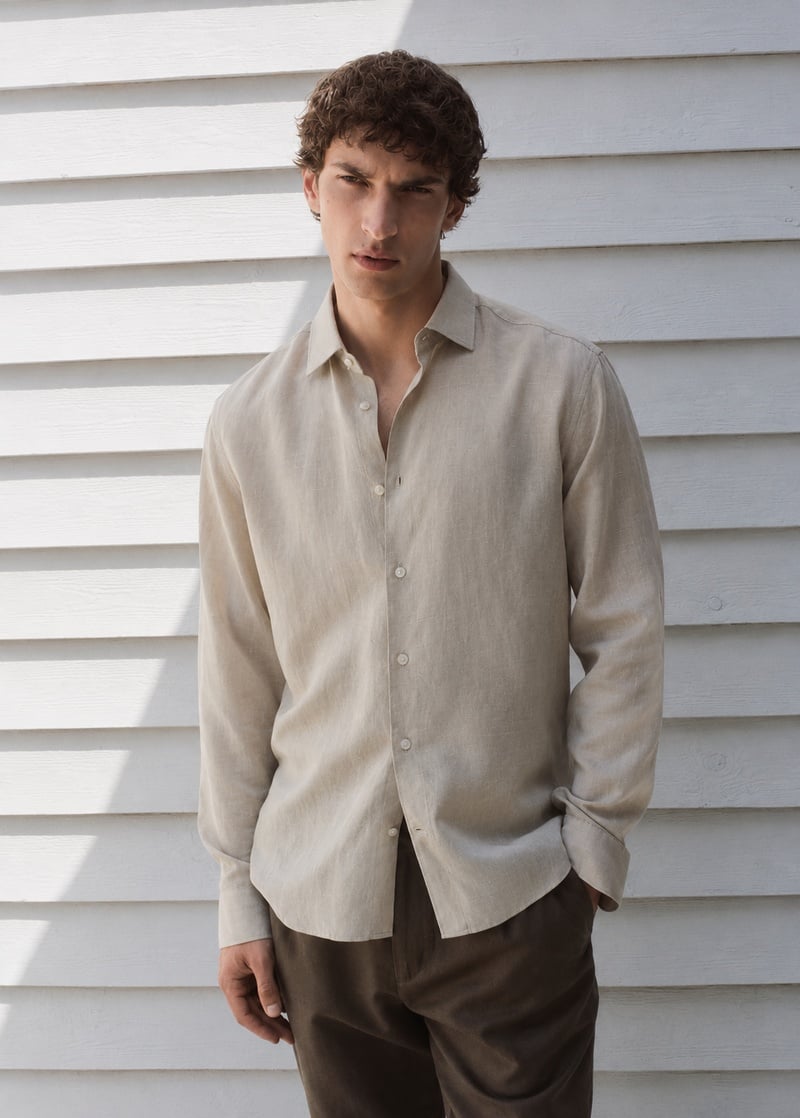
This is also where color can give a simple outfit a point of view. Olive with ecru feels earthy and relaxed; blue with tan has a more traditional character. A patterned shirt benefits from solid trousers, giving the checks or print space to register. Follow the fabrics through to the shoes. Suede boots suit heavier cotton, while canvas sneakers keep lighter separates casual.
Layer a Button-Down Under Knitwear or a Jacket

A shirt collar brings a little ceremony to a sweater. Under a crewneck, it introduces a preppy note; beneath a V-neck, more of the shirt front becomes part of the outfit. The combination looks most natural when the collar sits comfortably and the shirt fabric lies smoothly beneath the knit.

A leather jacket changes the associations again, giving the collared shirt a tougher setting. Denim makes an easy companion. A quilted vest takes things toward country dressing, particularly over a checked shirt. Each layer should still let you move comfortably. If the shirt bunches at the waist or pulls across the shoulders, the outfit will spend the day reminding you.