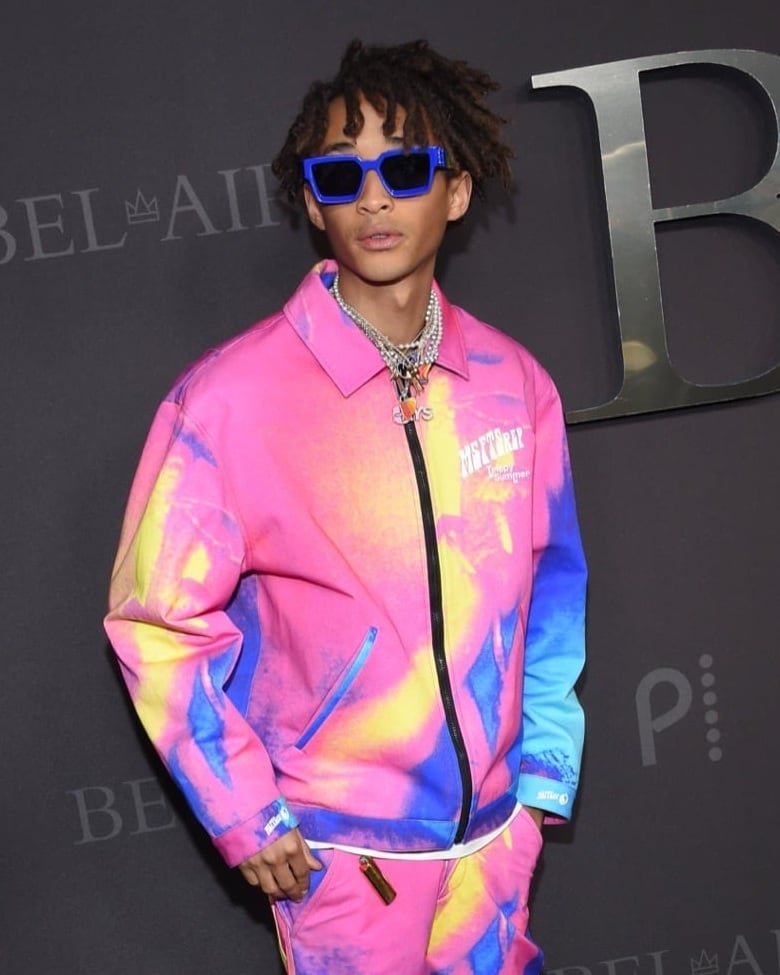
Gen Z men’s fashion turns everyday clothes into statements about identity and ambition. Jaden Smith’s colorful sportswear makes self-expression highly visible, while a quarter-zip can suggest a more conventional idea of success. A tote bag can even invite accusations of being a “performative male.” These overlapping styles share an audience accustomed to reading personality into an outfit. The scrutiny extends beyond clothing, with looksmaxxing bringing facial ratios and physical competition into the conversation. Getting dressed expresses an identity, but the internet is often prepared to assign one.
Gen Z Fashion Trends
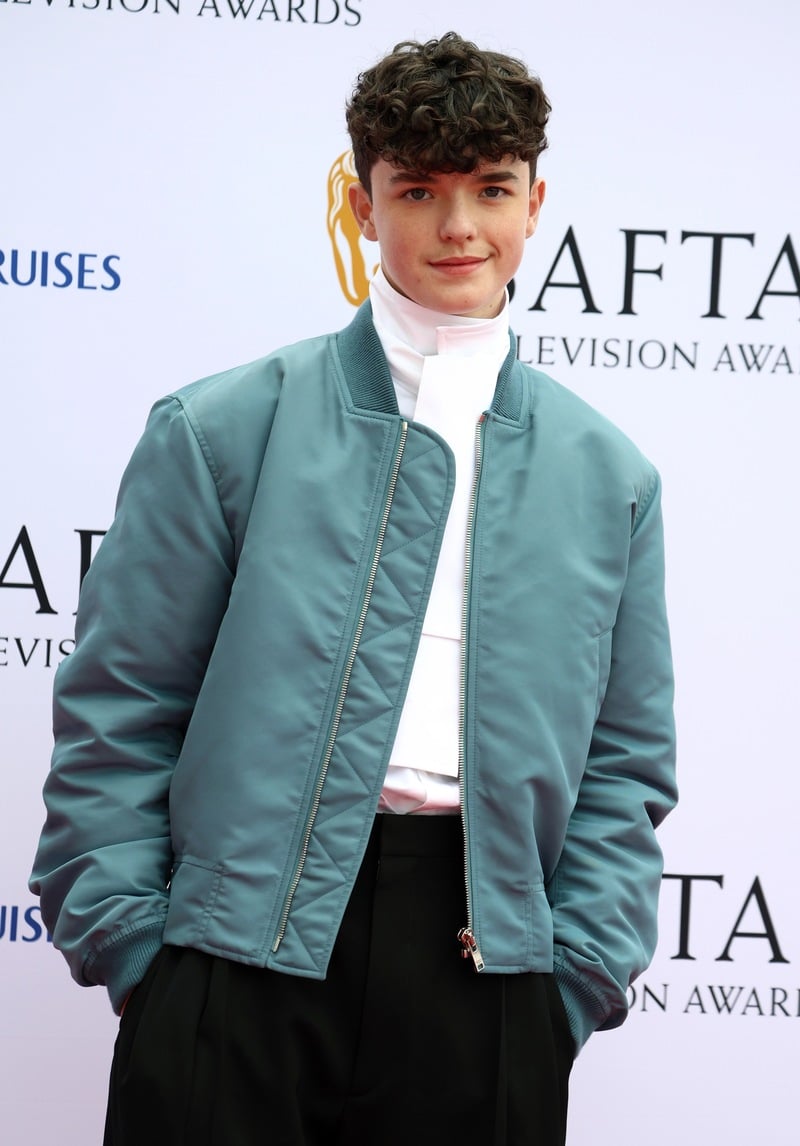
Loose denim and retro sportswear sit alongside collared shirts and tailoring in the Gen Z wardrobe. Owen Cooper brings those references together with a teal bomber over a white shirt, keeping the athletic shape of the jacket while borrowing from a more formal dress code. A rugby shirt with wide jeans works through a similar mix. The appeal lies in choosing which conventions to adopt and how personally to wear them.
The quarter-zip movement turned a conventional sweater into a public declaration of change. In an interview with GQ, creator Jason Gyamfi described learning to dress beyond the streetwear he knew. The appeal involved discovering another way to present himself, with the much-discussed matcha serving as an accessory to the transformation.
Depop’s trend reporting has identified demand for collegiate references, including rugby shirts and striped knits, with loafers or boat shoes completing the look. These choices expand a wardrobe already shaped by modern streetwear. They also answer a practical question as more of the generation enters working life: how do you dress for a different setting while keeping something of yourself?
Aesthetics & Their Afterlives

The soft boy aesthetic gives that self-definition a recognizable wardrobe of gentle textures and relaxed proportions. A beige top with cuffed jeans can suggest sensitivity as readily as a varsity jacket suggests collegiate ambition. The “performative male” meme turns those associations into comic suspicion. British GQ described an outfit vocabulary of baggy bottoms, fitted tees and loafers, with accessories completing the character. The joke depends on clothes appearing to reveal motives that an outfit alone can scarcely establish.
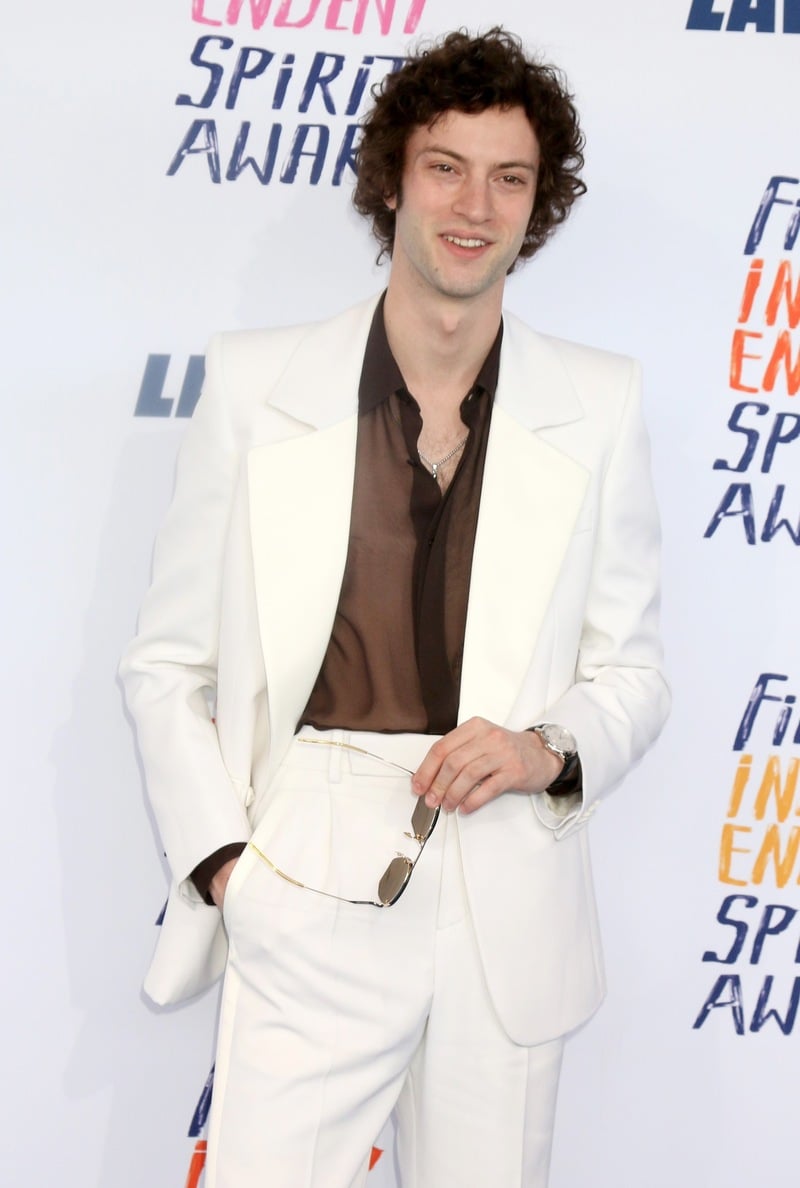
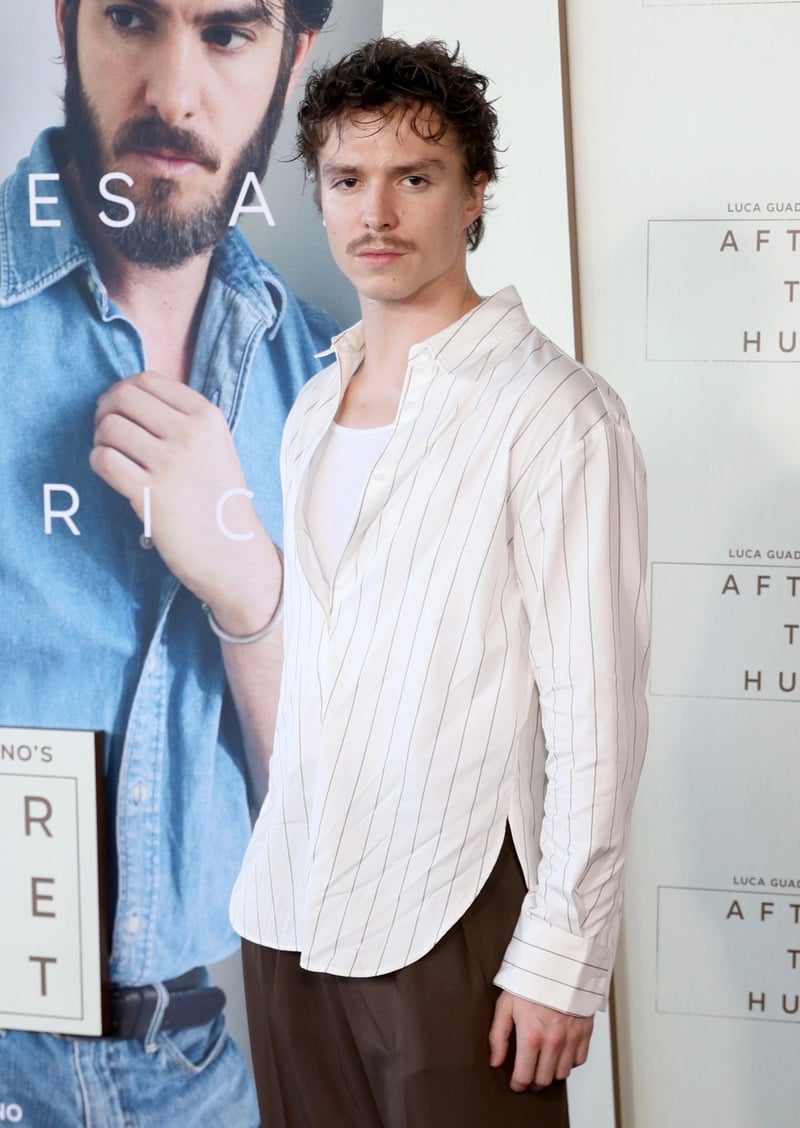
Other aesthetics develop through the same circulation of images and labels. Y2K outfits for men revisit early-2000s proportions, while timeless old money style offers a more restrained fantasy of belonging. Dominic Sessa and Nicholas Alexander Chavez show how individual outfits complicate those categories. White tailoring takes on a different character over a sheer brown shirt; an open striped shirt and tank bring a casual attitude to brown trousers. A secondhand wardrobe can mix references just as freely, letting a particular garment matter more than allegiance to one label.
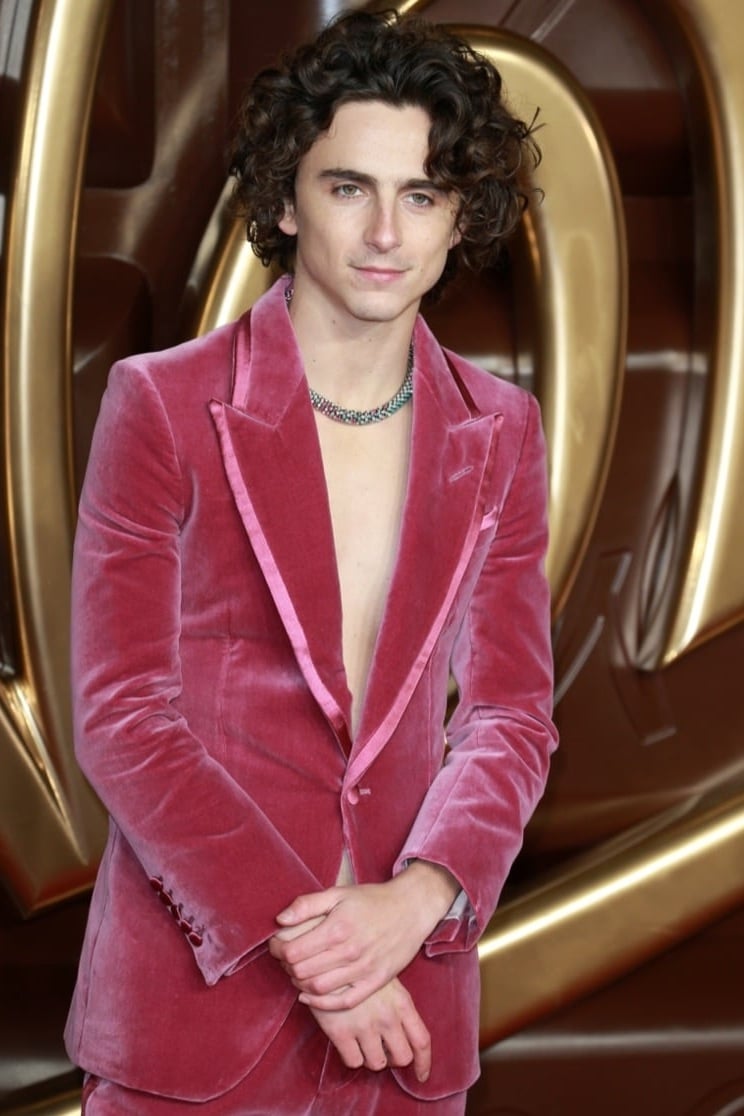
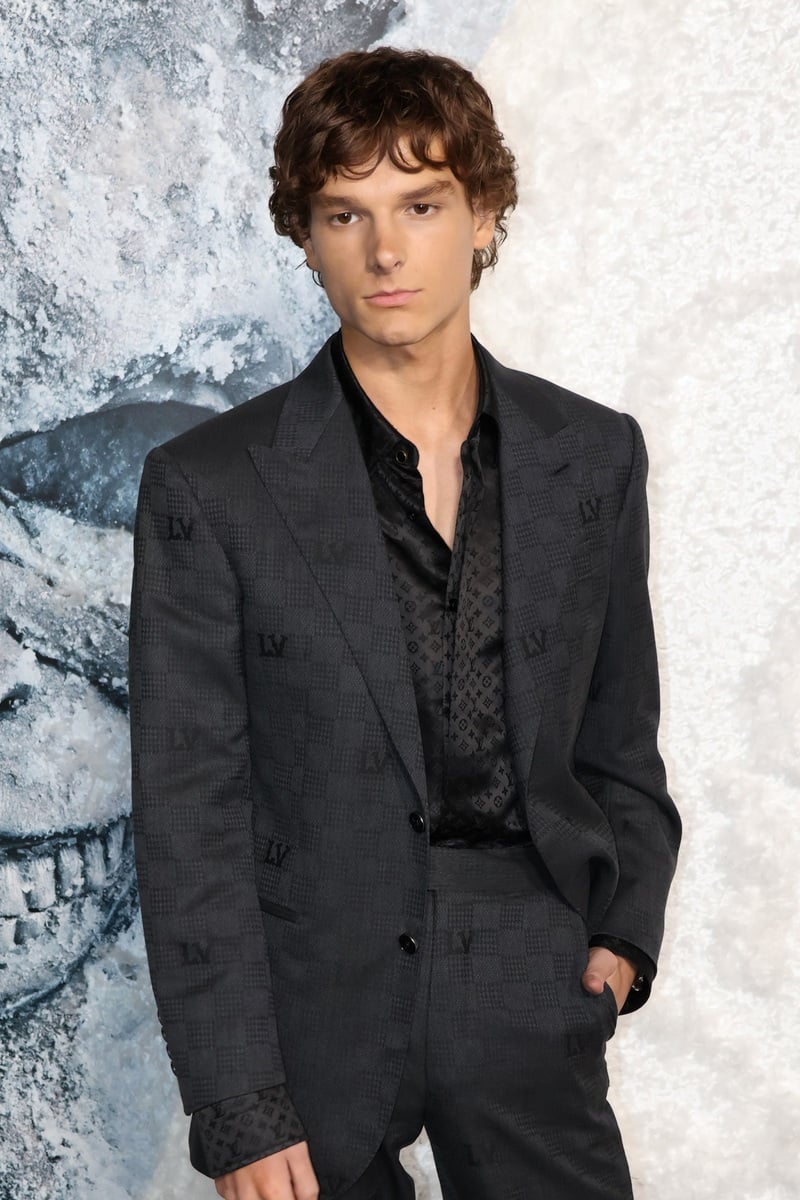
Tailoring also gives young actors a way to establish a public image. Timothée Chalamet’s mauve Tom Ford suit and Cartier necklace at the 2023 London premiere of Wonka brought softer glamour to the red carpet, a quality associated with the “babygirl” label. Mason Thames takes another approach in a dark checked suit and patterned black shirt. The structure of a suit leaves plenty of scope for personality through color or the layer worn beneath it.
Clothing Essentials

Across these looks, proportion does more work than a fixed list of must-have pieces. A color-blocked windbreaker changes the outline and mood of a white tee; loose trousers shift the balance of a fitted shirt. The useful essentials are the pieces that make those combinations possible, from a reliable tee to a knit that works over a collar.
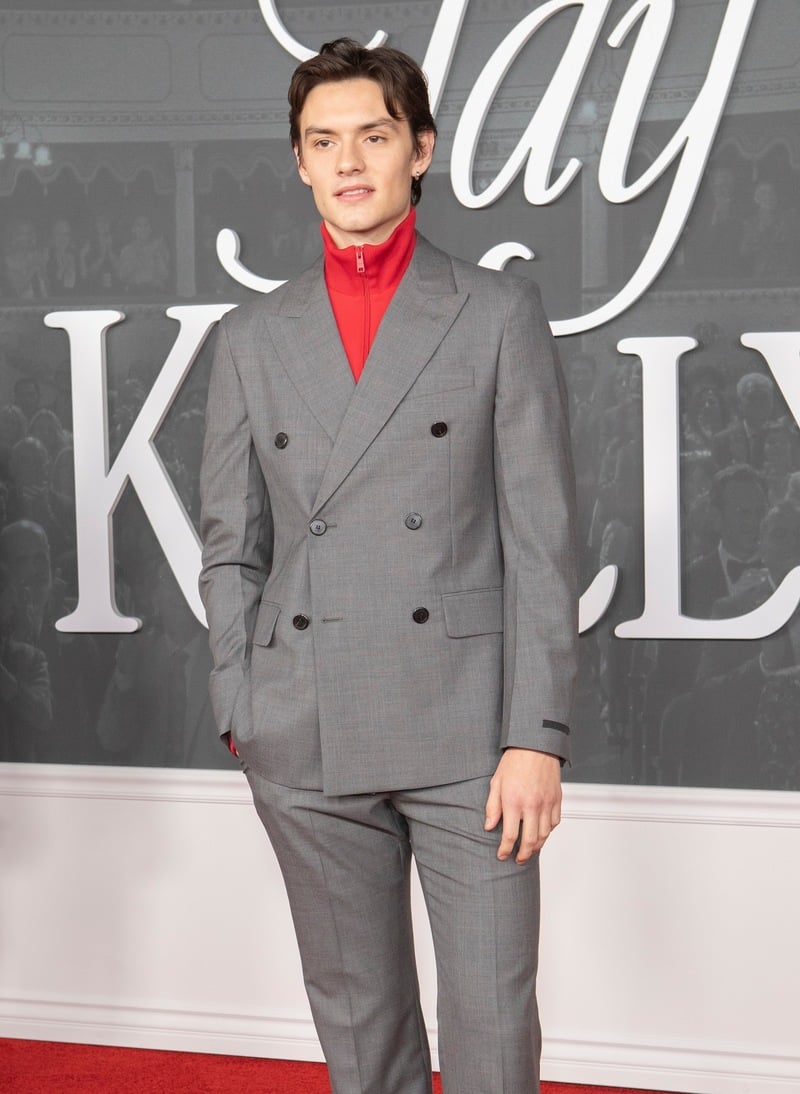
Louis Partridge applies the same logic to tailoring, wearing a red zip-neck layer beneath a gray double-breasted suit. The sporting reference comes from the layer and its color, while the jacket supplies structure. It is a more formal version of the mixing seen in a rugby shirt with jeans. Repeating a favorite combination can become a personal signature, even as the trend cycle keeps finding new names for it.
Jeans

JNCO’s wide cuts connect the wardrobe with jeans from the 90s. The striped tee and white long sleeves in the JNCO look keep the top half comparatively compact, letting the denim’s width establish the silhouette. It is a particular interpretation of baggy dressing, with more visual commitment than a relaxed straight leg.
Levi’s supplies another reference point for a denim wardrobe that can accommodate several fits. A broad leg changes how shoes appear beneath the hem; a straighter cut makes them more visible. Explaining those relationships is more useful than repeating the verdict that skinny jeans are over. Individual taste rarely obeys a unanimous vote.
Shirts & T-shirts

A band tee remains a quick way to put a cultural reference into an outfit. The Metallica shirt from Tillys gives denim a musical association, whether the wearer arrived through the records or the artwork. Its faded appearance belongs to the continuing appeal of clothes that suggest a history.
Collared shirts offer another way to make that choice. A rugby or polo introduces personality through stripes and shape, while an open shirt can frame a tank or fitted tee. The difference lies partly in the proportions and partly in the associations the wearer wants to draw on.
Casual Wear

The graphic tee has a close relative in the printed sweatshirt or knit. PacSun gives black cargo pants a playful focal point with its smiley-face design, showing how one expressive piece can lead an everyday outfit. Cargo pockets and athleisure elements contribute to the casual character, leaving the graphic to do the talking.
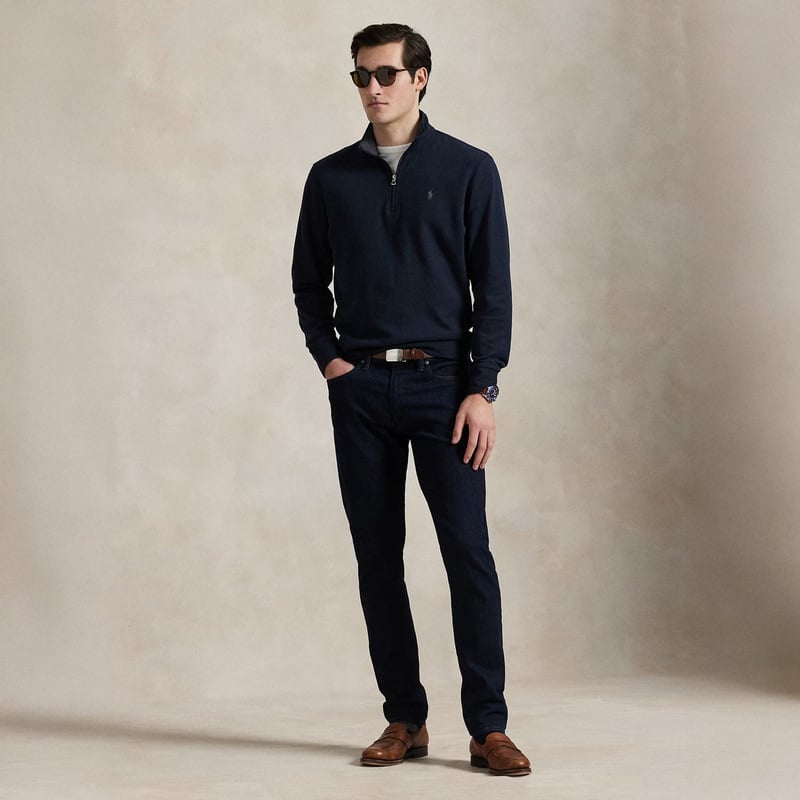
A quarter-zip offers another approach to the same daily wardrobe. Its collar and familiar sweater shape can suggest work and financial aspiration, even when its wearer is still figuring out both. The interest in business casual helps explain why such an ordinary garment became a symbol of change. The sweater itself makes no promises about the bank balance.
Sneakers & Shoes
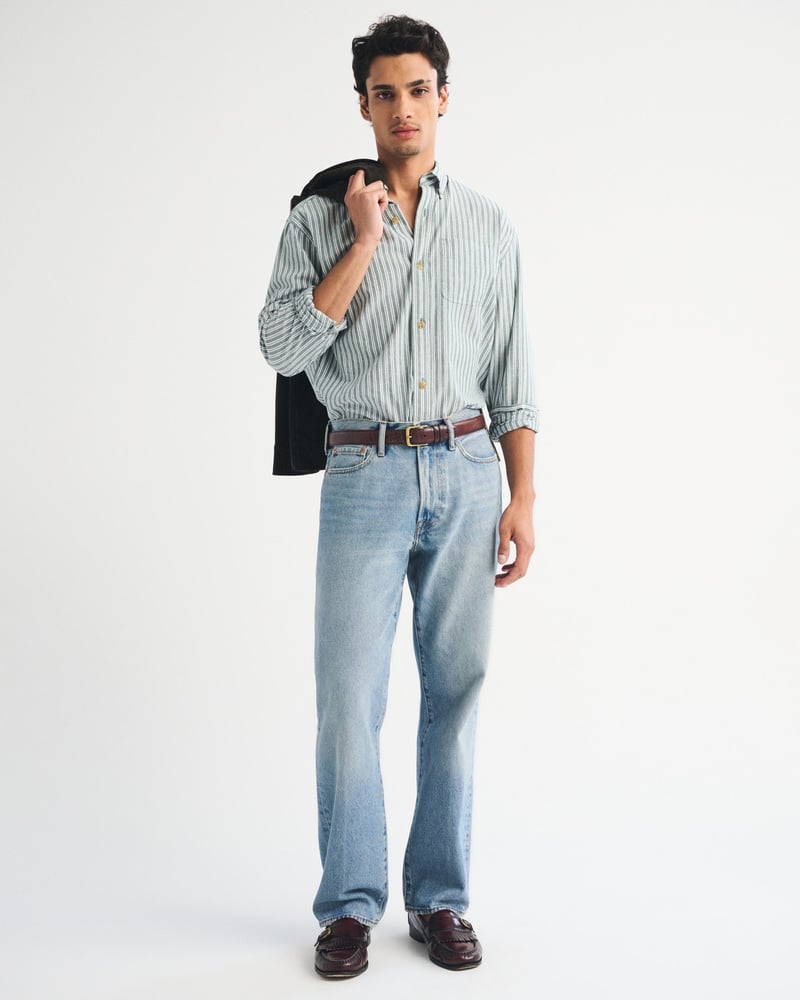
Footwear can redirect those associations as decisively as a sweater. Loafers bring a more traditional shoe into loose denim, as the Abercrombie & Fitch look demonstrates. Boat shoes draw on another collegiate reference. Both invite attention to the trouser hem, whether it falls over the shoe or finishes high enough to show a sock.

Adidas and Converse offer a different set of sporting references. High-top sneakers beneath cropped trousers make the shoe part of the silhouette, while a broad hem can conceal much of a low-top. Choosing between sneakers and loafers involves both that visual balance and the attitude each brings to the outfit.
Fashion Accessories

Accessories have become particularly efficient identity signals. A tote suggests one set of references, a compact leather bag another. Bag charms can introduce humor or collecting into the outfit, while glasses and jewelry concentrate detail around the face. Their meanings shift as the same objects pass between personal preference and internet caricature.

Jacob Elordi’s woven Bottega Veneta bag shows how an accessory can become central to a male celebrity’s style. Its scale and texture change the outfit even before questions about status enter the discussion. Earrings and chains work closer to the face, while men who wear pearls introduce another surface and association. The wearer may choose an accessory for its appearance or usefulness; the audience can supply a more elaborate explanation.
Skincare

The attention given to clothing and accessories extends to the face itself. Skincare routines circulate through product demonstrations and personal recommendations, making the bathroom shelf available for public inspection alongside the wardrobe. Caring for skin can be an ordinary habit, though the surrounding imagery often presents a far more exacting ideal.
That distinction matters when product routines become part of an optimization culture in which every feature appears to require improvement. A cleanser and moisturizer serve a different purpose from a promise to transform someone’s social prospects. The language of self-care can become harder to separate from the pressure to keep correcting yourself.
Hairstyles

Hair can change how an outfit is read as quickly as a pair of shoes. The curtain hairstyle retains its connection to a recognizable 90s men’s haircut, with a center or off-center part framing the face. Fuller curls supply a different outline and can give simple clothing a more expressive character.

The “broccoli cut” label usually describes a curly or textured top over shorter sides, though its use online is flexible. The full curls pictured here show how much character texture can give a short haircut. As with clothing aesthetics, the name makes a preference recognizable; the actual cut depends on the hair and the face it frames.
Mewing, Mogging & Clavicular

Mewing takes that attention to facial shape into claims of physical transformation, with tongue positioning promoted as a way to reshape the jaw. The American Association of Orthodontists states that scientific evidence does not support those claims and warns that improper pressure can affect teeth and bite alignment. An internet vocabulary can make a practice sound established long before the evidence supports it.
Looksmaxxing: An online pursuit of greater physical attractiveness that can encompass grooming and fitness, alongside more extreme practices. Mogging: Outshining someone else, particularly through appearance. Dictionary.com traces the term’s development through manosphere and looksmaxxing communities, where comparisons can focus on height, hair or facial features.
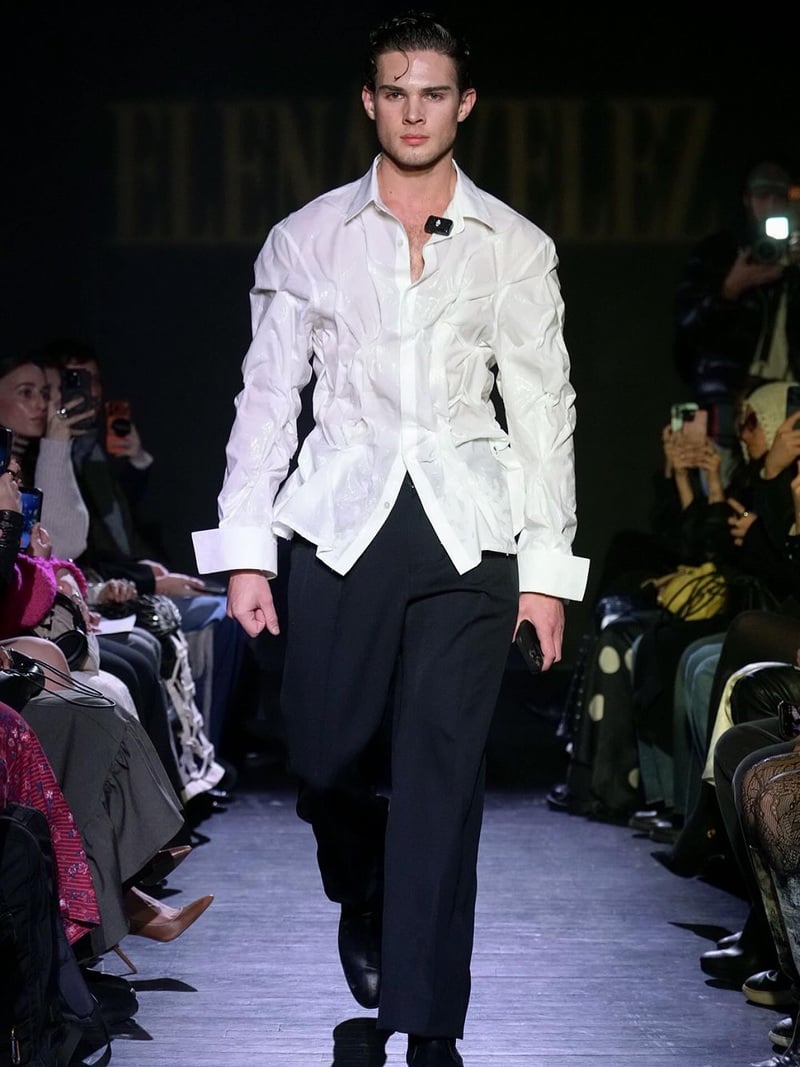
Braden Peters, known online as Clavicular, is a prominent figure in that competitive appearance culture. His streams and circulating clips turn the assessment of physical features into entertainment, while his Elena Velez runway appearance brings him into fashion’s own image-making machinery. Reporting in the Harvard Independent examined his influence and the insecurities that appearance-focused content can exploit. Mogging gives that environment a competitive logic: looking attractive becomes a matter of making someone else appear less so.
Gender Identity & Expression

Questions about the male body also involve who gets to define its presentation. Lil Nas X’s beaded crop top at a Versace show draws on a long history of men using decoration and exposed skin to explore glamour. Androgynous styles and painted nails expand the ways men can dress, alongside more conventional choices.

A small detail such as black nail color can make that freedom part of an everyday outfit. Masculinity takes many forms within one generation, from a cropped shirt to an aspirational quarter-zip. Clothing helps a person express gender and taste, while leaving his identity and beliefs for him to define.
Body Positivity

That freedom depends partly on being able to participate in fashion as you are. Body positivity becomes more consequential against the competitive standards of looksmaxxing. Harvard Chan has reported expert concern about online appearance pressures targeting boys and young men. A culture that invites experimentation can also encourage relentless comparison, especially when facial features become a public scorecard.
Fashion’s practical response includes clothes available across body types and imagery that allows more men to recognize themselves. Retailers such as ASOS and H&M enter that discussion through sizing and representation. The measure is whether a person can find clothes he wants to wear in a fit that serves him, with style available to the body he has.
Fashion as Self-Expression

Self-expression also happens through clothes that attract less scrutiny. An open plaid shirt gives a white tee color and pattern, while KJ Apa’s printed button-down makes the shirt itself the focus. These everyday choices allow taste to develop through repetition, long after an aesthetic label has stopped being useful.

The band tee might survive several aesthetic labels; the quarter-zip might become a favorite long after the joke expires. Personal style takes shape through those choices and the clothes someone keeps wearing. Choosing an outfit is one form of self-expression. Keeping the authority to decide what it means is another.