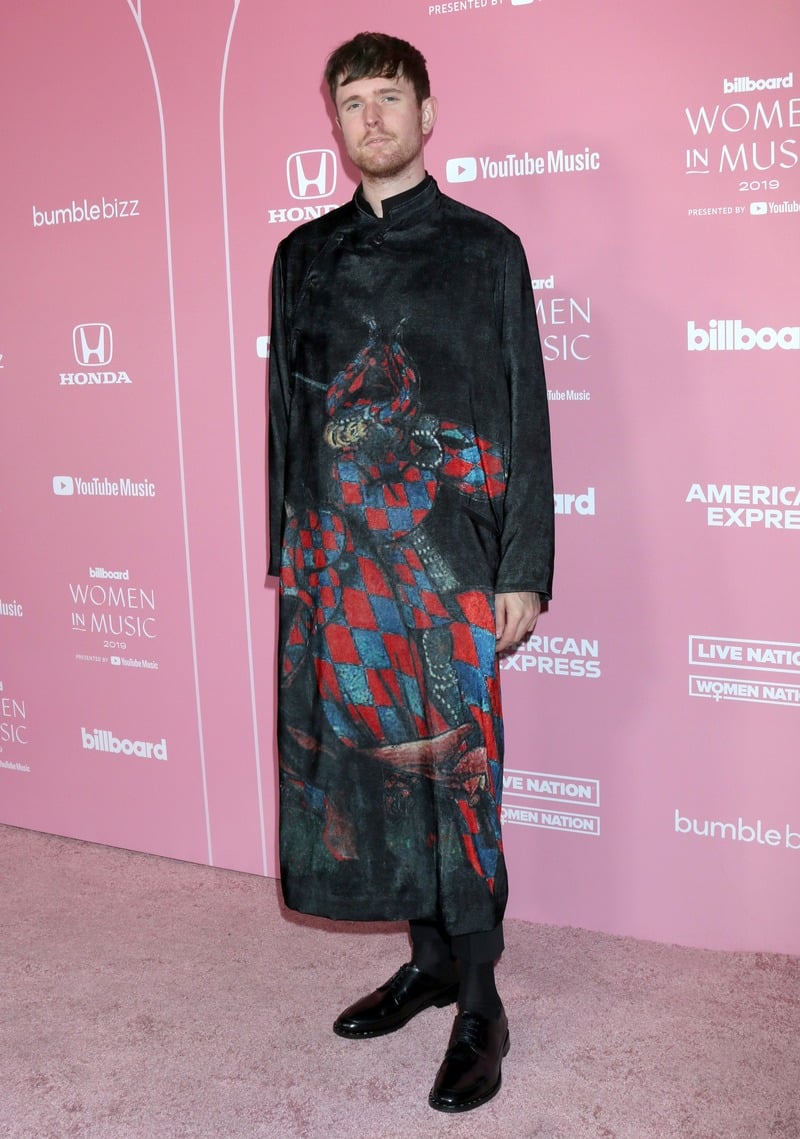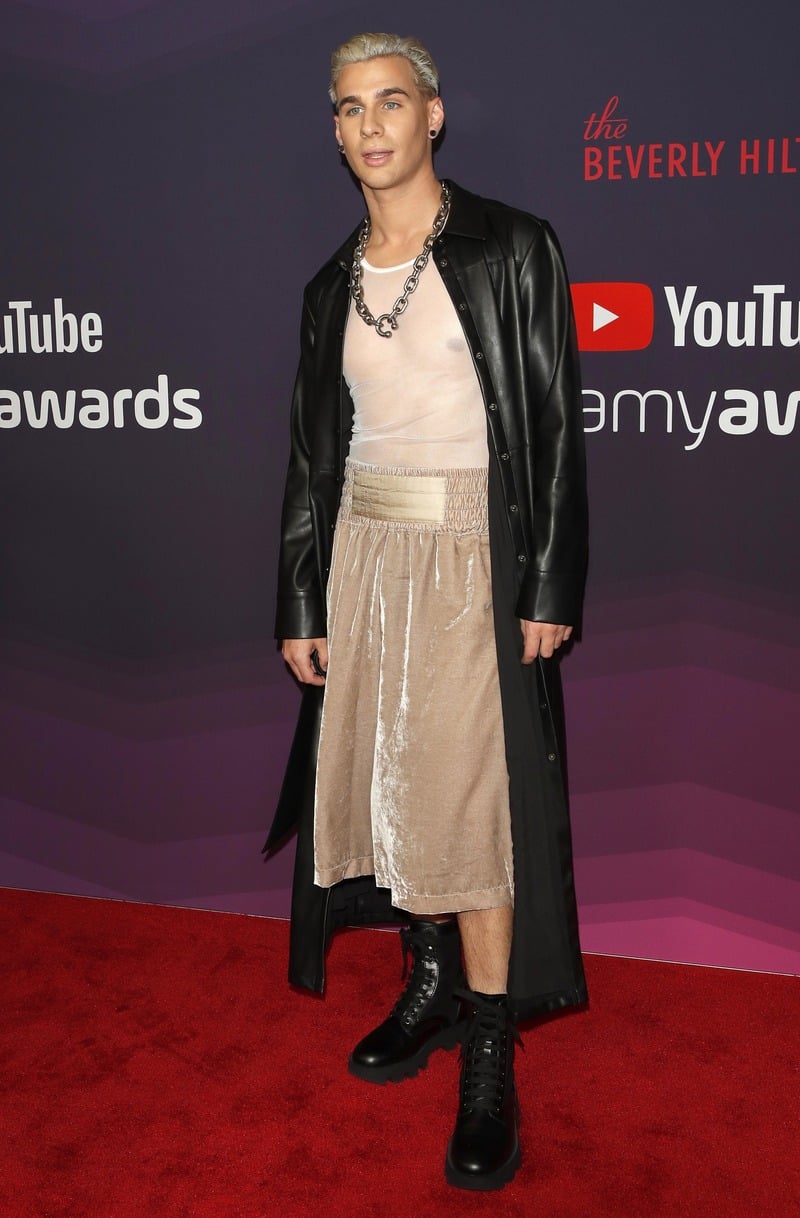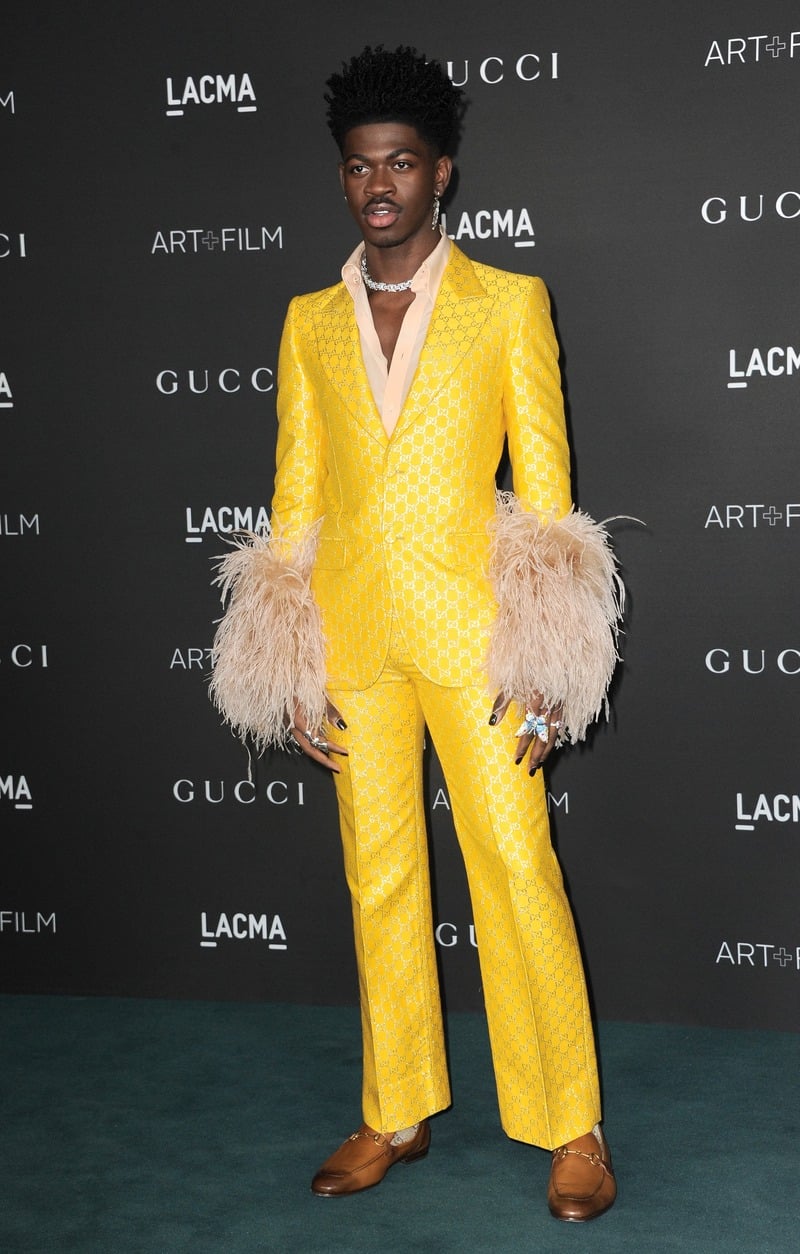
Menswear can get surprisingly worked up over a belt. Put one around a suit jacket and the waist becomes a talking point; add a sheer shirt and suddenly everyone has an opinion about masculinity. Androgynous fashion finds much of its appeal in these small disruptions, where a recognizable outfit takes on a different character.
The possibilities extend from a blouse tucked into jeans to tailoring that borrows the proportions of a dress. What connects them is a willingness to treat masculine and feminine clothes as parts of the same wardrobe, with personal taste deciding how they meet.
Gender-Fluid Fashion
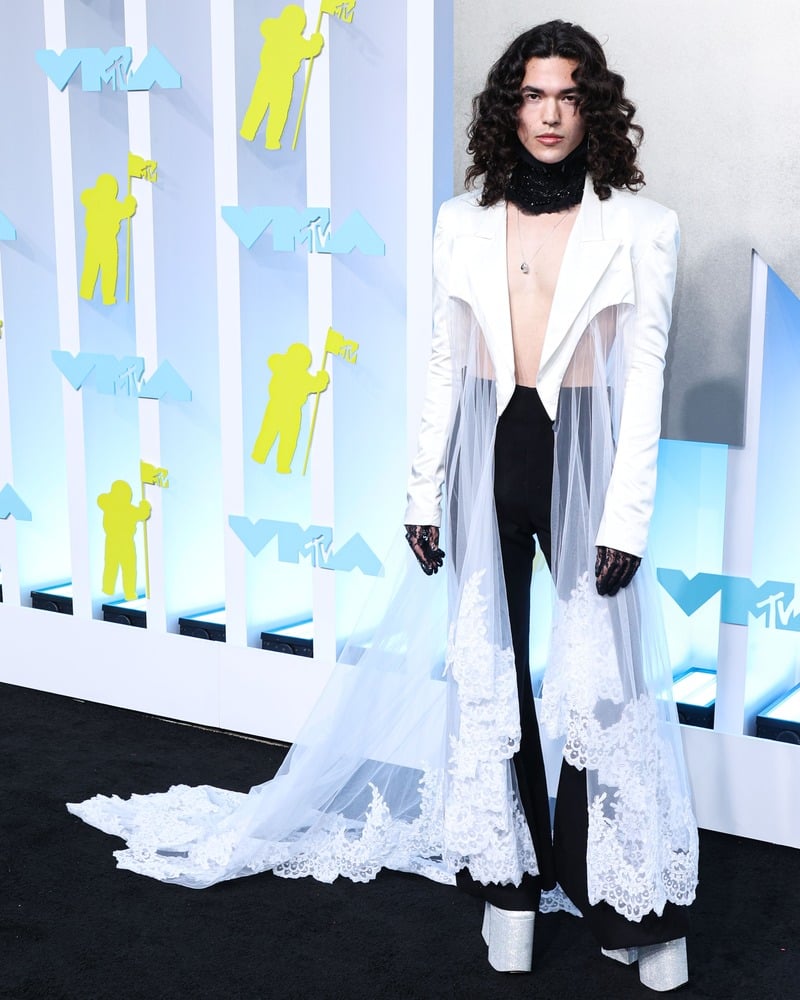
Androgynous style brings masculine and feminine signals together. That might mean broad shoulders above a cinched waist, or a delicate top worn with heavy leather trousers. Gender-fluid fashion allows dressing to move more freely between those conventions, with the balance changing from one outfit to the next.
Unisex clothing approaches the question through who can wear a garment. A sweatshirt marketed to everyone may look entirely conventional, while a jacket sold in the women’s department might become the most interesting thing in a man’s wardrobe. The shop’s classification and the wearer’s interpretation are separate matters. Neither tells us someone’s gender identity or sexuality.
A History of Changing Dress Codes
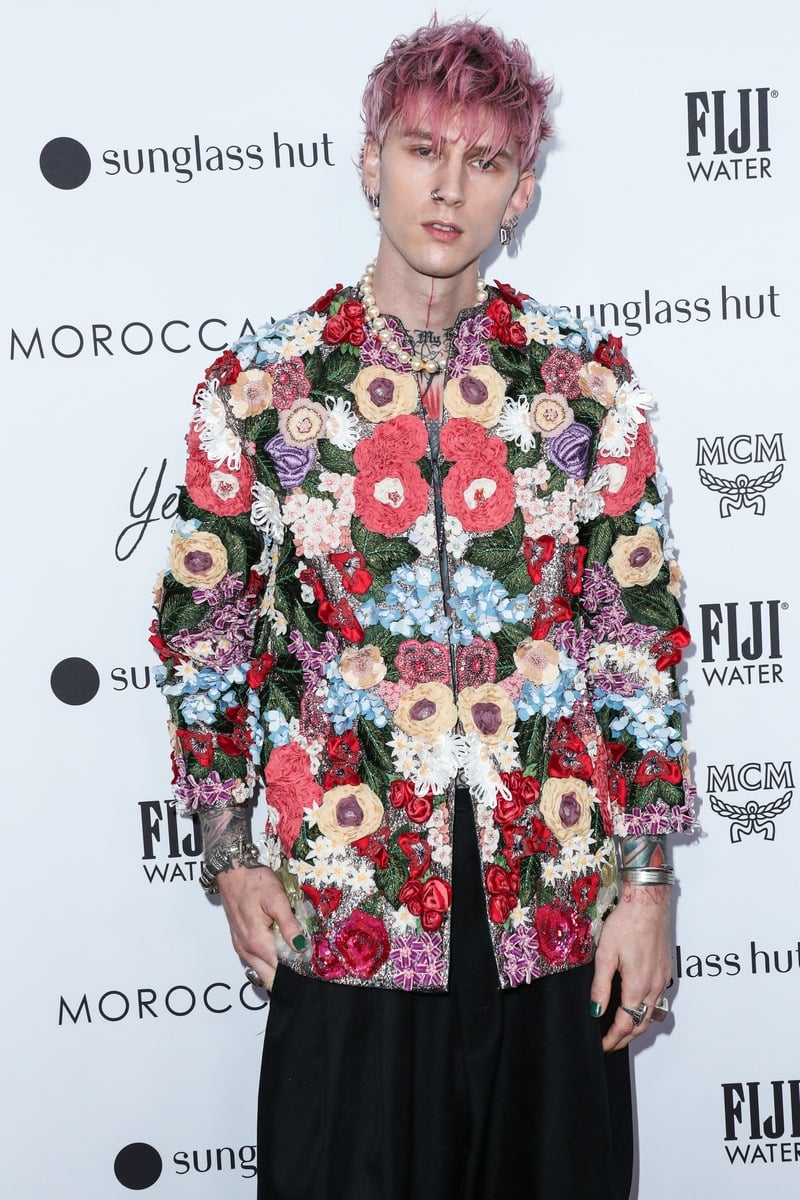
The history of menswear complicates any confident declaration about what belongs to men. Heels once expressed masculine status, and the Bata Shoe Museum traced their changing meanings through seventeenth-century footwear and the platforms worn by rock stars. The shoe stayed elevated; its social associations moved around.
That distinction matters when looking backward. Men who wore heels within the conventions of their period were participating in fashion, just as men in sober business suits do today. Applying contemporary ideas of femininity to every historical flourish misses what those clothes meant to their original wearers.
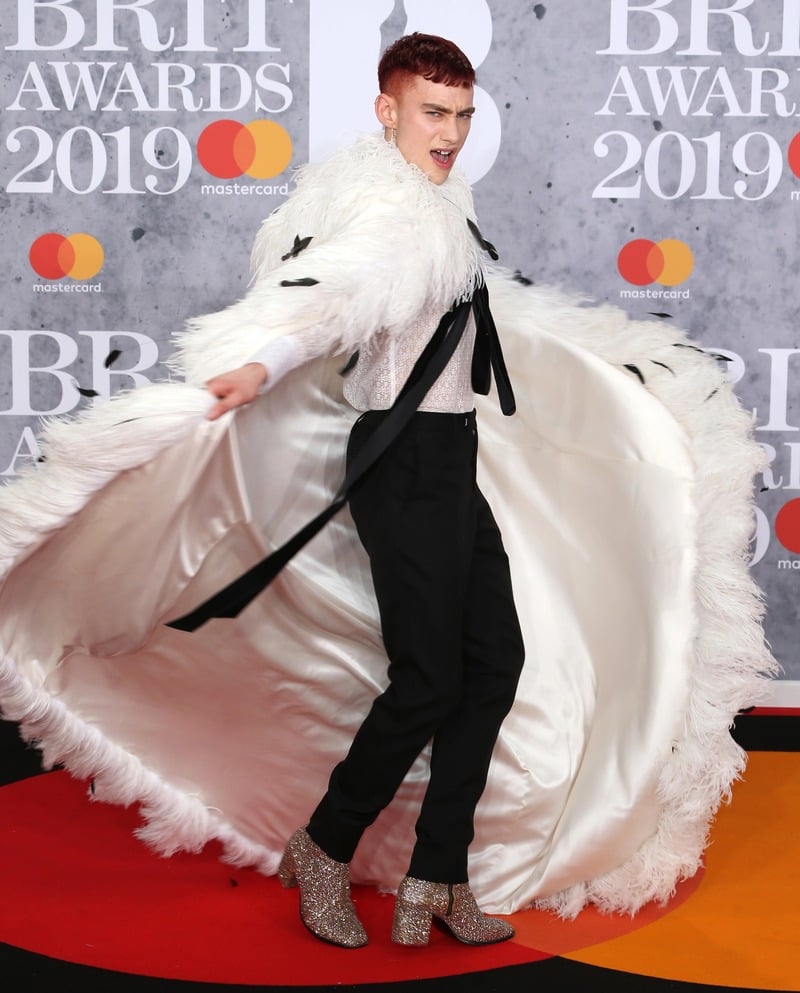
By the twentieth century, musicians were making the uncertainty part of the attraction. David Bowie and Prince brought glamour into their performances of masculinity, giving makeup and elaborate clothes the authority of a star’s wardrobe. The Museum of Fine Arts, Boston situated such experimentation within a longer history that included the peacock revolution of the 1960s. Men’s appetite for decoration has repeatedly survived announcements of its demise.
Tailoring with a Different Shape

Harry Styles gave a black Gucci suit a pronounced waist by fastening a belt around the jacket. The shirt stayed buttoned, the trousers stayed tailored, and the silhouette acquired a suggestion of an hourglass. A conventional suit had become something more particular to its wearer.
The attraction lies in how much of the original form remains. A defined waist emphasizes the shoulders above it, giving masculine tailoring a shape often associated with women’s clothes.
These changes have practical consequences as well as visual ones. A belt gathers the jacket and affects how its pockets sit; a close-fitting top lets the lapels frame the chest. The success of the look depends on those relationships, down to whether the wearer can sit comfortably in it.
Sheer Fabrics & Evening Shine

Timothée Chalamet brought the hoodie into eveningwear through a sequined Louis Vuitton version. Its casual shape suggested something to pull on, while the surface demanded an audience. Sparkle gave a youthful staple the glamour usually reserved for a more ceremonious outfit.
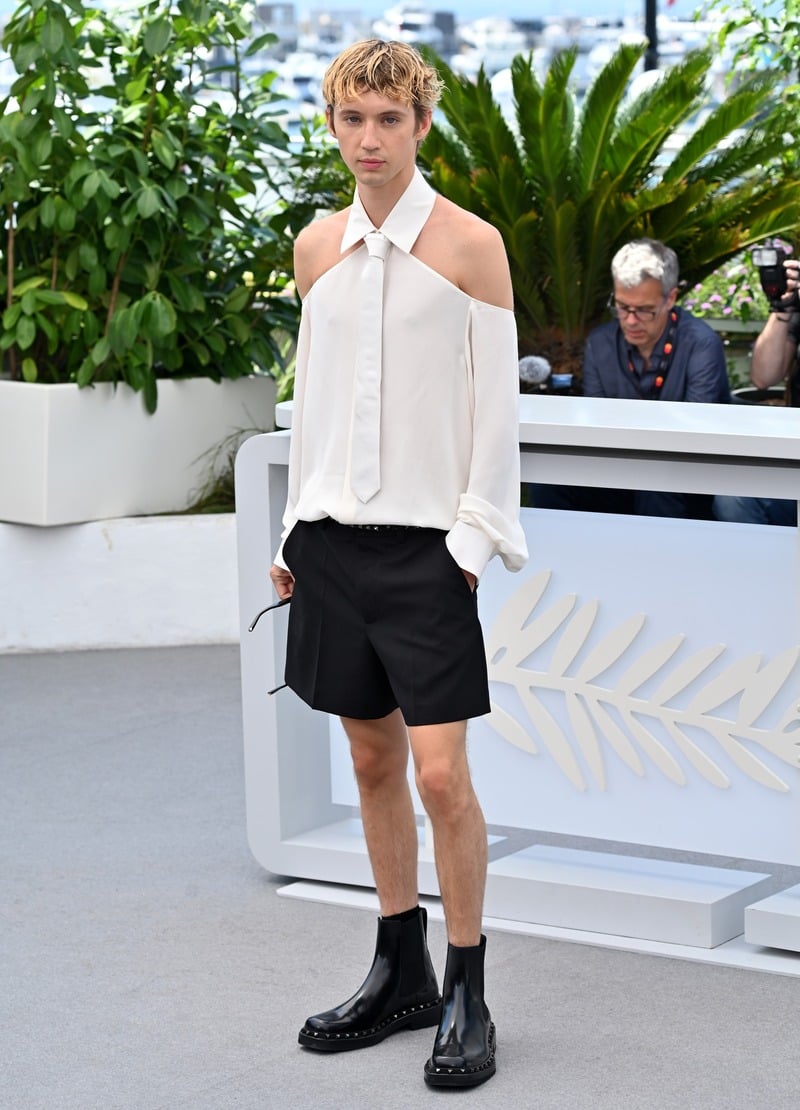
Transparency changes the conversation again. At the amfAR gala in Cannes on May 25, 2023, Troye Sivan wore a silver Ferragamo organza top draped across one shoulder above black tailored trousers. The exposed shoulder and falling fabric gave his torso a different outline from the one created by a collared shirt.
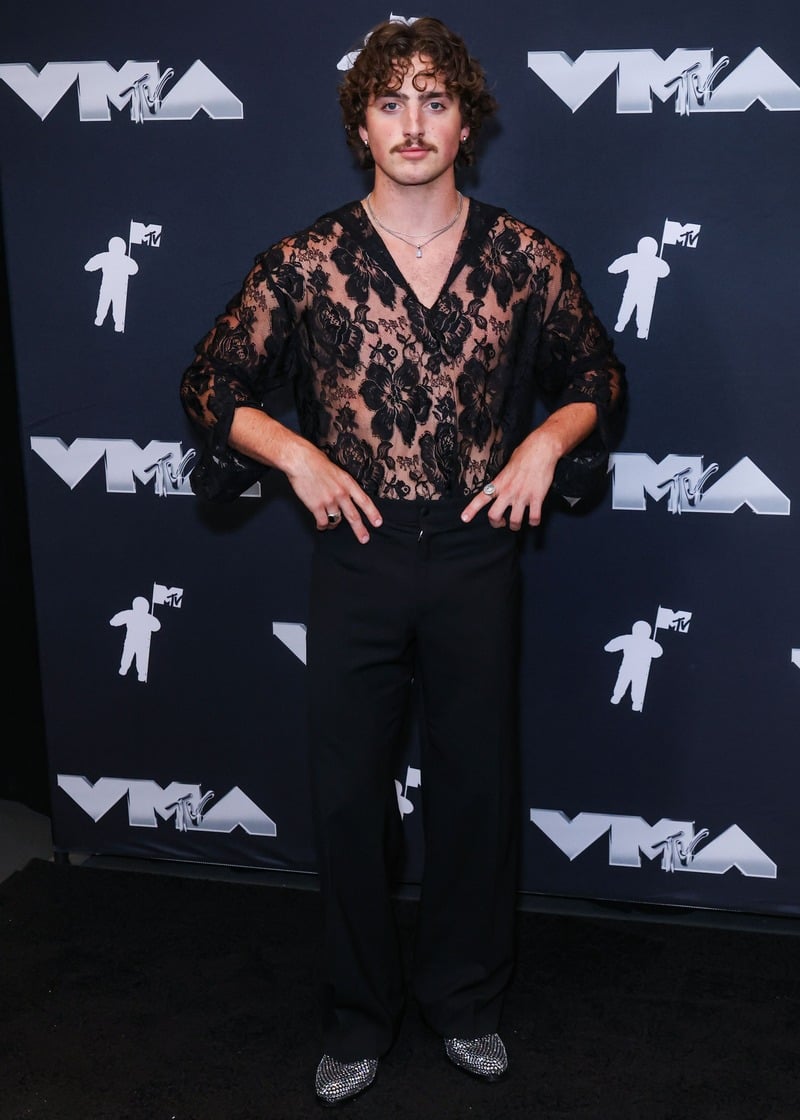
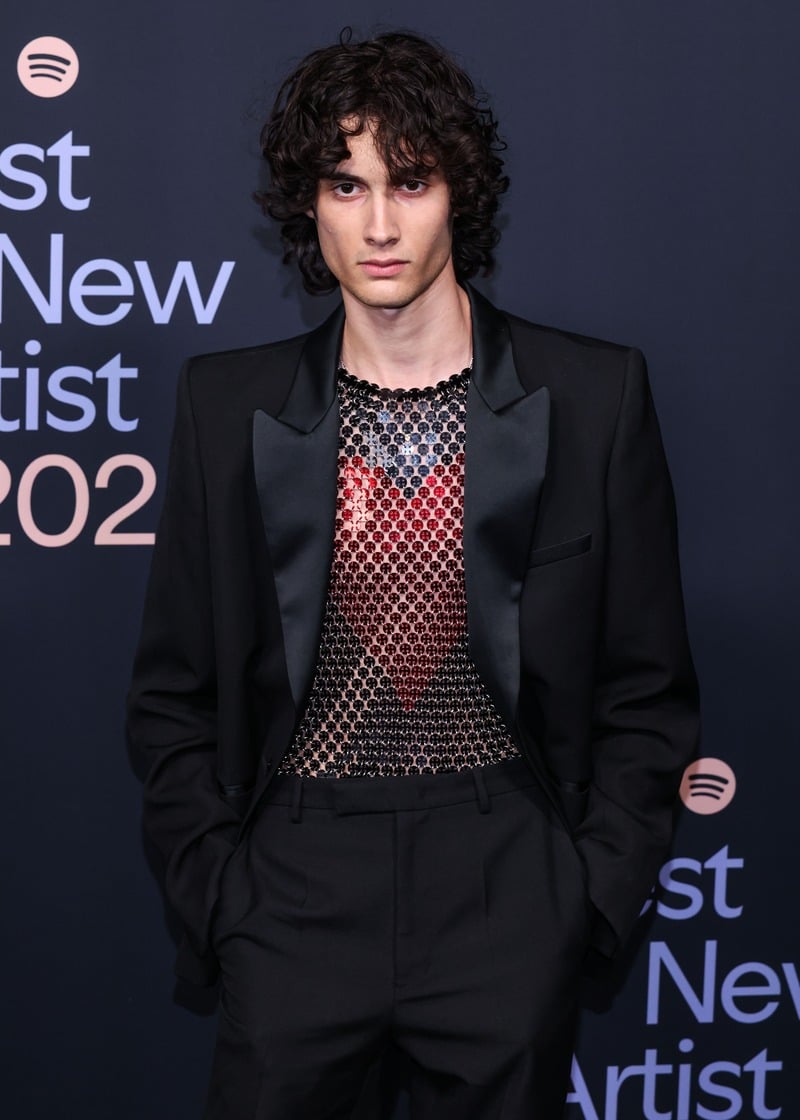
Both looks used fabric to reconsider an established menswear shape. That approach translates beyond an evening event. A mesh top above leather trousers brings a similar interplay of exposure and coverage, with the leather giving the outfit weight and the sheer fabric letting the body become part of its design.
A Wardrobe Across Departments

GUESS approached shared dressing through wardrobe staples in its 2016 His & Hers collection. Tailoring and casual pieces appeared across genders, shifting attention toward how the same clothes looked on different people. Gucci’s dedicated webpage, MX, later presented another way of looking beyond the usual retail divisions.
The commercial interest reached across price points. Reporting on Coresight Research identified 11 gender-neutral launches from major brands between March 2020 and July 2021, covering categories including apparel and beauty. The label was becoming a retail proposition as well as a styling choice.
Gen Z fashion has helped keep cross-department shopping in the conversation. When trying things on, though, the questions become agreeably specific. A blouse needs enough length to tuck into the intended trousers. A jacket’s shoulder should sit where the wearer wants it. The freedom to shop across categories becomes useful when the clothes actually fit.
Making Androgynous Style Personal
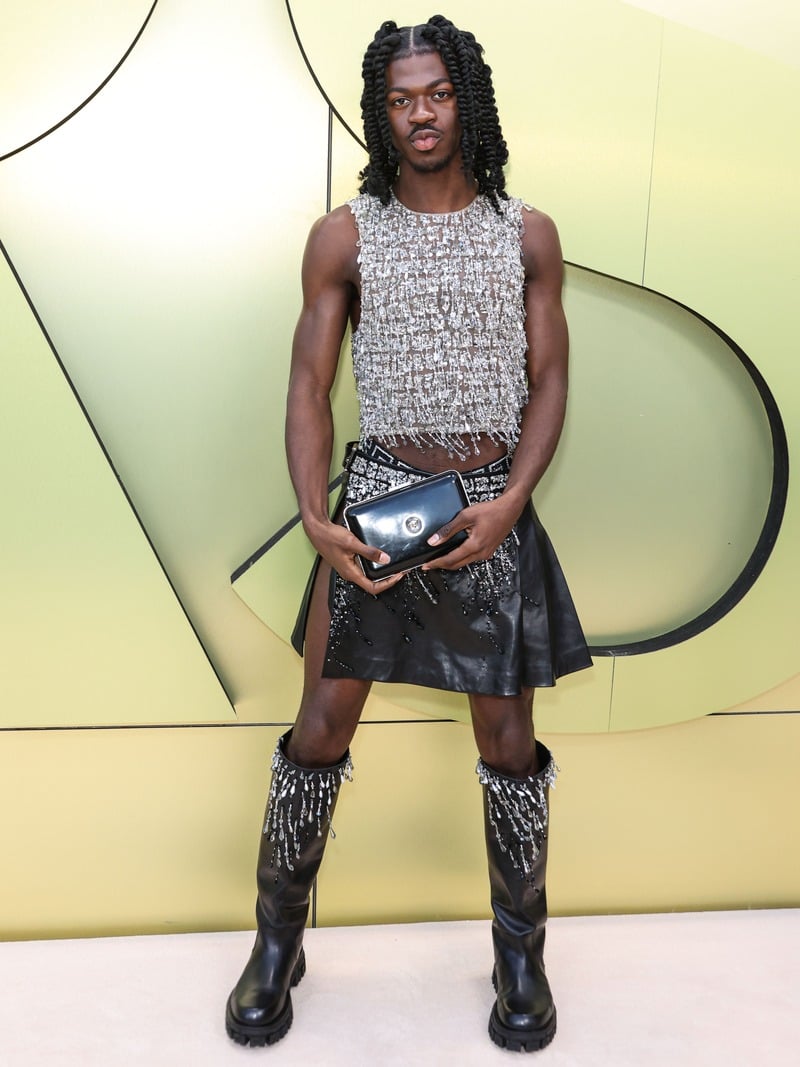
A man accustomed to shirts and trousers already has a starting point. Replace the shirt with a blouse and the fabric may gather differently at the waistband, giving the same trousers a softer companion. Keep the shirt and introduce a narrow belt over the jacket, and the emphasis moves to shape.
Accessories offer a smaller commitment. A handbag changes the outline of an outfit as well as giving it somewhere to put the things that distort trouser pockets. Decorative motifs on graphic tees, including flowers and butterflies, can introduce another register into casual dressing. Their effect comes from the whole outfit, including how fitted or loose the T-shirt is.
A skirt over trousers takes the experiment further by adding another hemline. Dior explored this trend in its fall 2023 menswear, bringing pleating into the relationship between a top and tailored pants. The result asks a different question of proportion, including where the skirt ends and how much trouser remains visible.
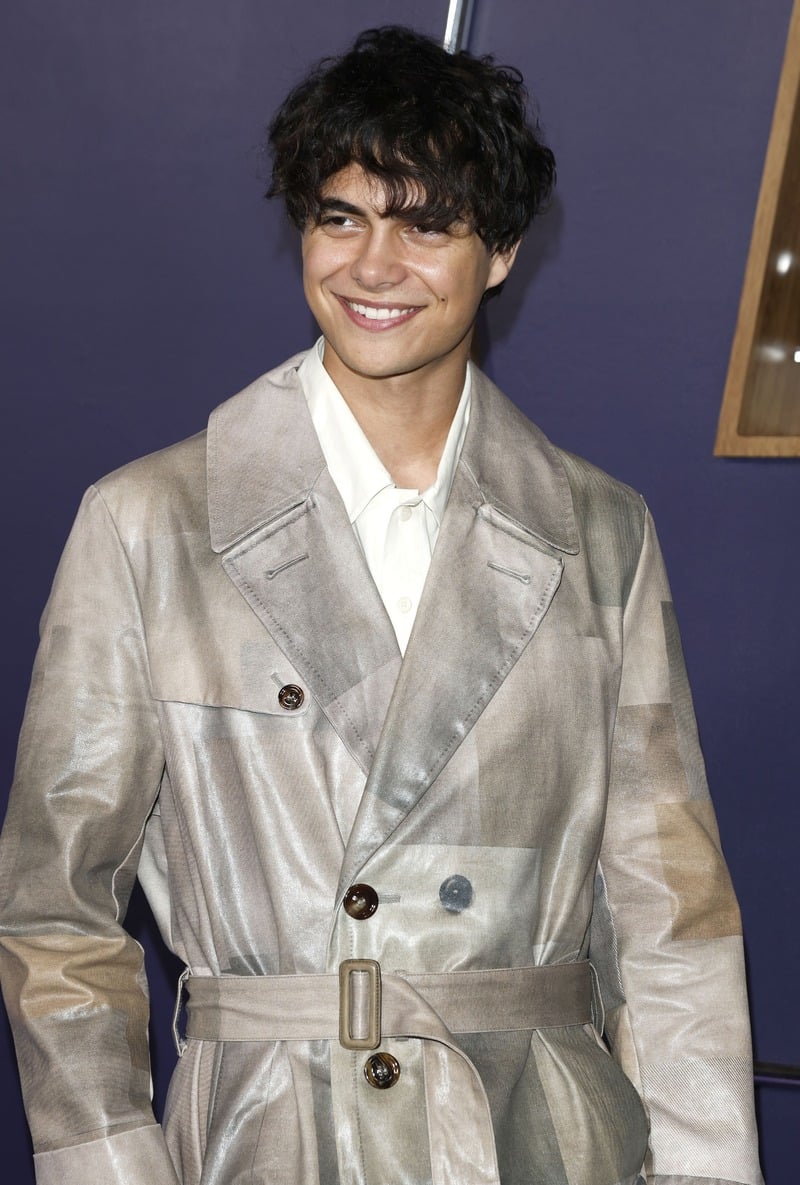
Trying these clothes on is where the idea becomes a wardrobe. The blouse may work better with jeans, or the jacket may look stronger with the belt slightly higher. Androgynous style develops through that attention, until the outfit feels less like an experiment and more like something you want to wear again.