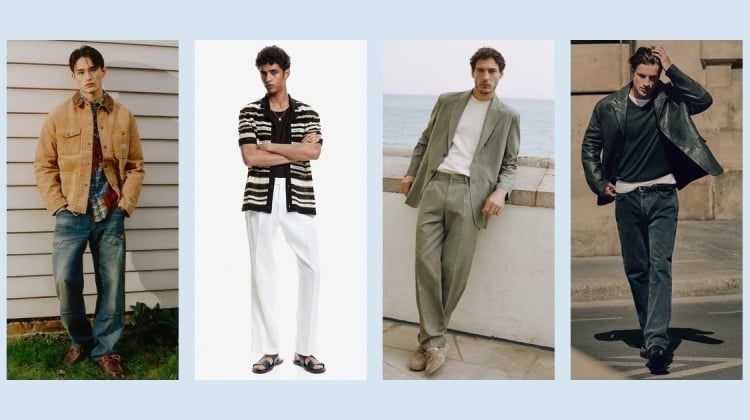
80s men’s fashion ranged from broad-shouldered business suits to tracksuits and battered leather jackets. Bright colors and oversized silhouettes helped define the decade, but preppy staples and straightforward jeans-and-T-shirt outfits were just as much a part of it.
The business-card scene in American Psycho offers a later satire of that era’s status anxiety. On screen and in everyday dress, clothing could announce professional ambition, musical allegiance, or the desire to stand apart.
1980s Men’s Fashion

The 1980s are often remembered for excess, particularly in tailoring. Broad shoulders and fuller proportions gave business suits an imposing shape, while patterned ties brought color to office wardrobes.

Alongside this corporate image, preppy clothing drew on established collegiate staples. Polo shirts and khakis offered an approach to dressing that looked comfortable but still suggested money and social standing.

Youth fashion was more varied than either image allows. Films such as The Breakfast Club showed how clothing distinguished the athlete from the outsider, even within the same school.
Punk and hip-hop also had their own clothing traditions. Leather jackets and ripped jeans belonged to a different visual vocabulary from tracksuits, gold chains, and snapbacks, although musicians and their audiences sometimes mixed those influences.
Men’s 80s Outfits: Iconic Inspiration

An 80s outfit for men starts with a recognizable combination of clothes. A boxy shirt tucked into high-waisted pleated trousers creates an everyday look associated with the decade. Leave some room through the leg and finish with loafers or simple sneakers.


For a sporty outfit, wear a colorful windbreaker over a plain T-shirt with straight-leg jeans. Acid-wash denim gives the combination a stronger period reference, while a denim jacket over a striped tee offers a quieter alternative.

Printed short-sleeve shirts work with pleated trousers or jeans. Oversized glasses can reinforce the look, but the shirt’s proportions and the trousers’ higher waist do more of the work.


For a Miami Vice-inspired outfit, choose a relaxed pastel jacket over a crewneck T-shirt, with light trousers and loafers. Push up the jacket sleeves and keep the shirt plain. For an 80s costume party, this combination is more coherent than assembling every bright accessory associated with the decade’s signature looks.
Classic 80s Trends
Several styles existed alongside one another during the decade. Power dressing emphasized authority, prep drew on collegiate tradition, and punk used clothing to challenge conventional ideas of respectability.
Power Dressing: Suits, Shoulder Pads & Bold Colors


Power dressing gave men’s tailoring a broader outline. Padded shoulders, fuller jackets, and pleated trousers could make the wearer look physically imposing, particularly in double-breasted suits.
Pinstripes and patterned ties reinforced the business image. Bright colors also appeared in tailoring, although a performer’s red stage suit served a different purpose from a banker’s navy pinstripes.
Giorgio Armani’s clothing for Richard Gere in American Gigolo helped establish another influential image of 1980s tailoring. Soft fabrics and fluid shapes offered an alternative to rigid business dress. The decade’s men’s suits were not all built to the same formula.

Jackets also appeared over casual shirts and knitwear. This made tailoring useful beyond the office, with the choice of fabric and what went underneath determining how formal it felt.
Preppy Style: Polo Shirts, Khakis & Boat Shoes

The preppy style centered on clothes associated with American schools, colleges, and leisure pursuits. Polo shirts with turned-up collars, khaki trousers, and boat shoes were recognizable components.
Its roots lay in Ivy League fashion from earlier decades. Pastel pink and mint green brought color to the look, while cable-knit sweaters and button-down shirts retained its collegiate character. Polo Ralph Lauren and Lacoste were closely associated with this type of casual dressing.
Punk Rock Influence: Leather Jackets, Ripped Jeans & Band T-shirts

Punk style continued into the 1980s from its 1970s foundations. Leather biker jackets and ripped jeans remained important, often customized with studs, patches, or hand-painted lettering.
Band T-shirts advertised allegiance to groups such as the Ramones and the Sex Pistols. The clothes could look deliberately damaged or confrontational, rejecting the respectable appearance valued in office and preppy wardrobes.
Extreme hairstyles, such as mohawks, made that distinction even more visible. Makeup and heavy eyeliner appeared in parts of the scene, although punk had no single compulsory uniform.
Popular Men’s Clothing
Beyond the decade’s most recognizable style groups, everyday wardrobes included denim and practical sportswear. Colorful pieces attracted attention, but neutral jackets and plain T-shirts remained useful foundations.
Athletic Wear

Sportswear became an important part of everyday dressing as well as exercise clothing. Tracksuits and running shorts appeared beyond the gym, while sweatshirts offered an easy layer with jeans.
The look helped establish habits now associated with athleisure. Matching track jackets and trousers made a complete outfit; individual sportswear pieces could also fit into an ordinary casual wardrobe.
Denim Jackets, Vests & High-Waisted Jeans

Denim jackets and vests were staples of 80s casual style. Jeans commonly sat higher on the waist than the low-rise styles associated with later decades, with straight and tapered legs offering different silhouettes.
Acid-wash finishes gave denim a mottled appearance. Double denim looks combined jackets and jeans, sometimes in matching washes and sometimes with a contrast between the two. A plain tee underneath kept the emphasis on the denim.
Sweaters

Sweaters supported several different looks. A V-neck over a button-down shirt suited preppy dressing, while a roomy crewneck could sit over jeans or pleated trousers.
Patterned knitwear also had a place, including argyle and geometric designs. The important distinction was often fit. A close-fitting sweater looked collegiate, while dropped shoulders and a fuller body gave knitwear a more relaxed outline.
Parachute & Hammer Pants
Parachute pants and Hammer pants are often grouped together, but the names can describe different garments. Early-1980s parachute pants were typically made from nylon and could fit relatively closely, with multiple zippers contributing to their appearance.
MC Hammer’s trousers were much fuller, with a dropped crotch and tapered ankles that emphasized movement during performances. His 1990 video for “U Can’t Touch This” remains a widely recognized example, placing that particular reference at the start of the following decade.
The term parachute pants has since been applied to a range of loose trousers. It should not suggest that every eighties version had the same shape as Hammer’s stage clothing.
T-shirts

Graphic T-shirts offered a direct way to display musical tastes or a favorite slogan. They worked under denim and leather jackets, while plain tees served as a simpler alternative.
A T-shirt worn beneath a relaxed suit jacket also changed the mood of tailoring. Replacing the shirt and tie made the jacket feel casual, a combination closely associated with the decade’s television style.
Members Only Jackets


Members Only jackets were a recognizable part of 1980s casual clothing. The lightweight racer jacket featured a band collar with a throat latch, shoulder tabs, and a small chest label.
Its zip front and compact shape made it an easy layer over a polo or T-shirt. Available in neutral shades as well as brighter colors, it offered an alternative to denim and leather outerwear.
Varsity Jackets
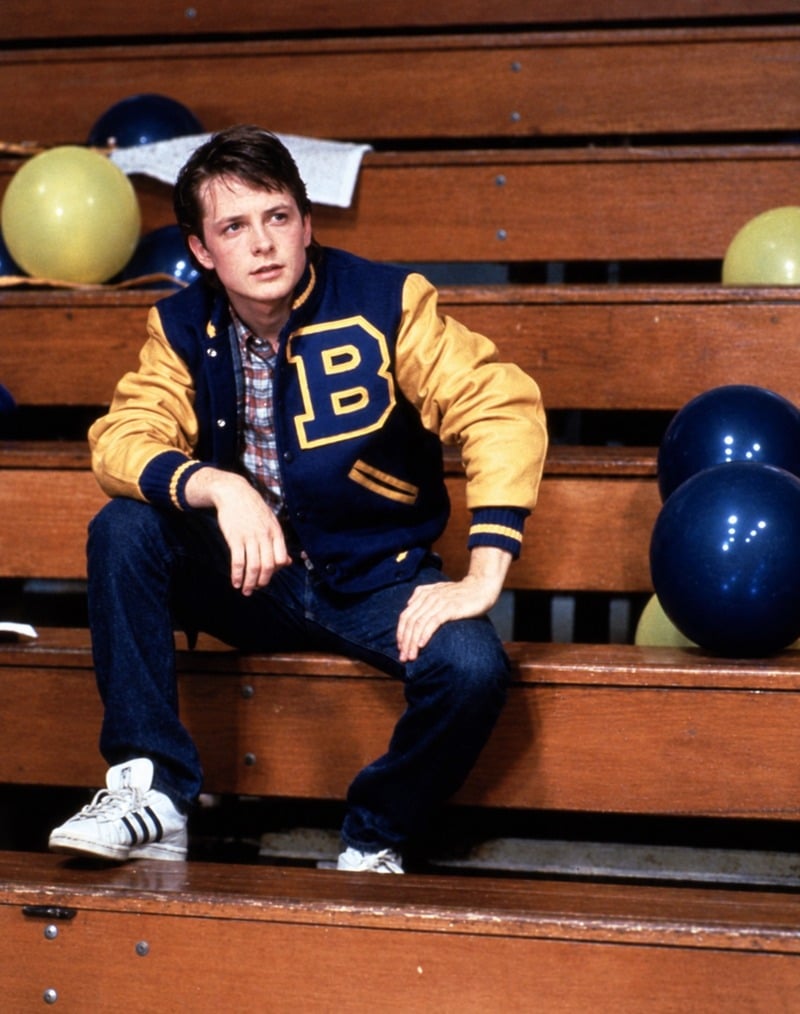
Varsity jackets brought American school sports traditions into casual fashion. Contrasting sleeves and large chenille letters made their athletic associations immediately visible.
Worn with jeans and white sneakers, the jacket created a straightforward youthful outfit. Its established history also made it a natural companion to preppy clothing.
Printed Shirts

Hawaiian shirts and other printed button-downs brought large-scale patterns into casual wardrobes. Tropical motifs shared space with geometric designs, giving men options beyond stripes and checks.
A loose short-sleeve shirt could be worn over a tee or tucked into high-waisted trousers. With a busy print, plain trousers made the outfit easier to read.
Short Shorts

Short shorts were common in athletic clothing and warm-weather casual dress. Running styles often had lightweight fabric and side splits, while denim cutoffs offered a tougher alternative.
A T-shirt or polo kept the proportions simple. The short hemline was an ordinary feature of many outfits, even if it looks conspicuous beside the longer shorts popular in later years.
Iconic Accessories
Ray-Ban Wayfarer Sunglasses
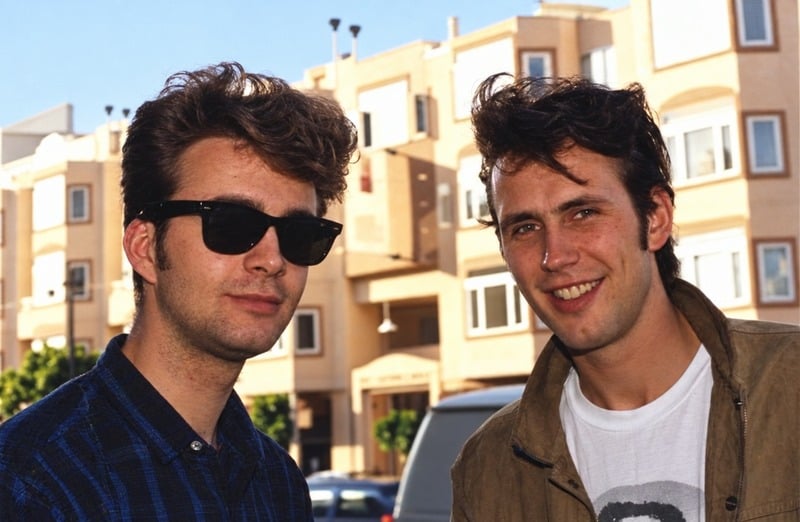
Introduced in the 1950s, Ray-Ban Wayfarers gained renewed visibility through films such as The Blues Brothers and Risky Business. Their angular frames suited the decade’s strong shapes.
Black frames were particularly recognizable, but the design’s appeal extended beyond one outfit or musical scene. Wayfarers worked with casual clothes as readily as tailoring.
Casio Digital Watches

Casio digital watches put practical functions on the wrist. Depending on the model, displays included alarms and stopwatches, while calculator watches added a miniature keypad.
Michael J. Fox’s Marty McFly wore a Casio calculator watch in Back to the Future. The detail suited a character whose everyday clothes and accessories became part of the film’s lasting eighties image.
Converse Chuck Taylor Sneakers

Converse Chuck Taylor All Stars suited the denim-heavy casual outfits of the 1980s. Canvas high-tops worn with straight-leg jeans and a band T-shirt fit naturally into rock-influenced wardrobes, while shorts left the ankle patch and lacing on display.
Black and white versions were easy to wear with patterned shirts or colorful jackets. Their slim shape also offered a different look from the bulkier athletic sneakers gaining ground during the decade.
1980s Hair for Men
Hair was about taking risks for some men, with dramatic volume and bleached spikes attracting attention. Others kept conventional side parts. As with clothing, the decade accommodated several competing looks.
Mullet Haircut

The mullet haircut combined shorter hair at the front and sides with greater length at the back. The top could be cropped or styled with volume, creating different versions of the same basic shape.
Richard Dean Anderson’s hair in MacGyver provides a recognizable television reference. The style could look rugged or carefully blow-dried, depending on the wearer and the setting.
Spiky Hair

Billy Idol’s bleached spikes were one of the decade’s most recognizable hairstyles. Styling products held the hair upright, giving the cut a shape that was visible even from a distance.
Shorter sides emphasized the height on top. A pronounced undercut or shaved sides could intensify the contrast, although less extreme versions also appeared.
Side-parted Hair

Side-parted hair offered a more conventional option. Hair could be swept across the forehead or brushed back, with the amount of volume changing the overall effect.
A side part did not necessarily mean a rigid finish. Softer styling allowed movement, making the cut suitable for casual clothes as well as a suit.
Pop Culture Influences on Fashion
Miami Vice: Suits & T-Shirts

Miami Vice made relaxed tailoring a central part of its visual identity. Don Johnson’s Sonny Crockett became associated with light jackets worn over T-shirts, often finished with loafers and no visible socks.
Pastel shades and pale neutrals suited the show’s Miami setting. The silhouette was fluid, with room through the jacket and trousers. The effect depended on ease, even when the clothes were expensive.
Michael Jackson’s Thriller: The Red Leather Jacket
Michael Jackson’s Thriller short film arrived in 1983, following the album’s 1982 release. Its red leather jacket, defined by contrasting black panels, became one of his most recognizable costumes.
Jackson’s influence extended beyond that film. A single sequined glove was another signature stage accessory, although it belonged to his broader performance image and should not be treated as part of the Thriller jacket outfit.
Top Gun: Bomber Jackets & Aviator Sunglasses
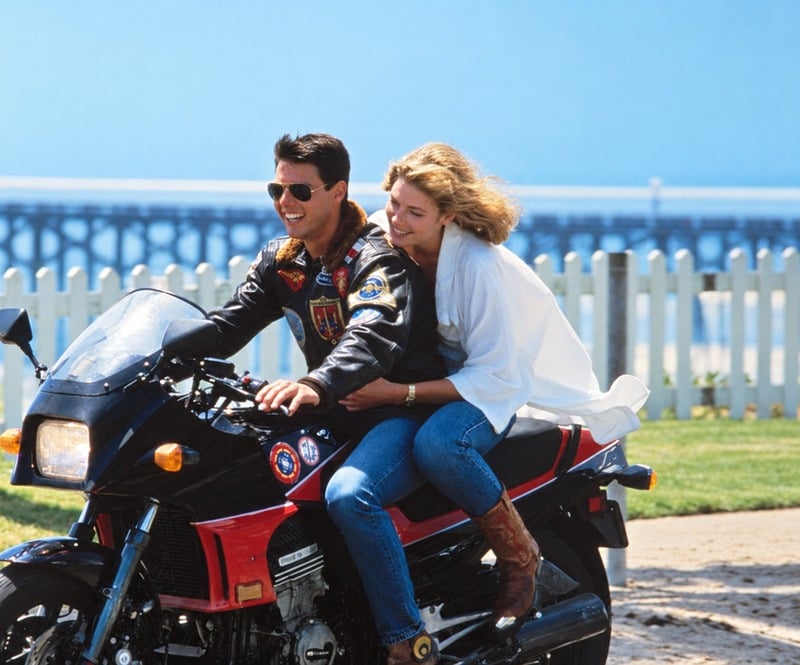
In 1986’s Top Gun, Tom Cruise’s Maverick wore a patched leather flight jacket and iconic aviator sunglasses. The combination connected established military clothing with the film’s youthful star.
A leather flight jacket over a plain tee and jeans remains a direct way to reference the look. The patches distinguish Maverick’s jacket, but its shape and leather construction establish the outfit.
Subcultures that Influenced 80s Men’s Fashion
Hip-Hop Culture: Adidas Tracksuits, Kangol Hats & Gold Chains
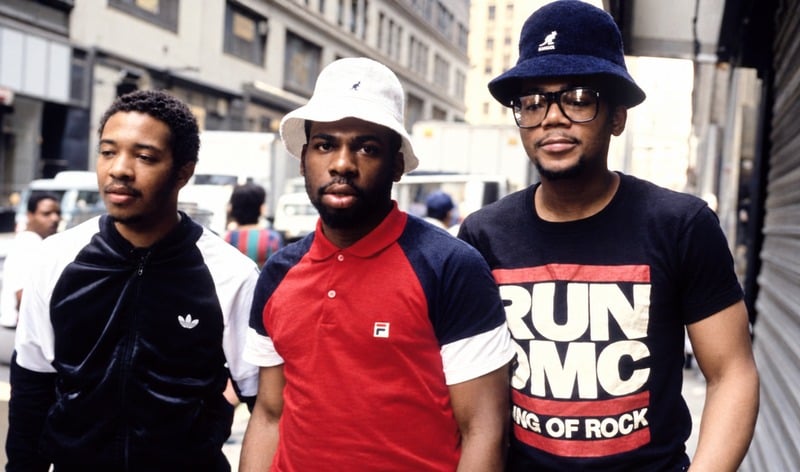
Hip-hop developed in the Bronx during the 1970s and gained a much wider audience in the following decade. Clothing associated with its performers brought sportswear and neighborhood style onto international stages.
Run-DMC made Adidas tracksuits and shell-toe Superstar sneakers central to their image. Their 1986 song “My Adidas” made that connection explicit. Kangol headwear and prominent gold chains were also recognizable features of eighties hip-hop style.
The proportions varied across artists and over time. Treating all 1980s hip-hop clothing as oversized misses the closer-fitting tracksuits and jeans visible in many early looks.
New Wave Music Scene: Skinny Ties, Trench Coats & Fedoras

New Wave encompassed a range of sounds and appearances emerging around the punk rock of the late 70s. Skinny ties and narrow tailoring appeared alongside more theatrical clothing.
Trench coats and hats could suggest a retro screen character, while makeup and androgyny challenged conventional masculine dress. No single outfit represented the entire scene.
The related New Romantic movement developed in British clubs around the turn of the decade. Duran Duran helped bring aspects of its dressed-up image to a broad audience, but their later international success did not mark the movement’s beginning.
Heavy Metal Scene: Black Leather Jackets
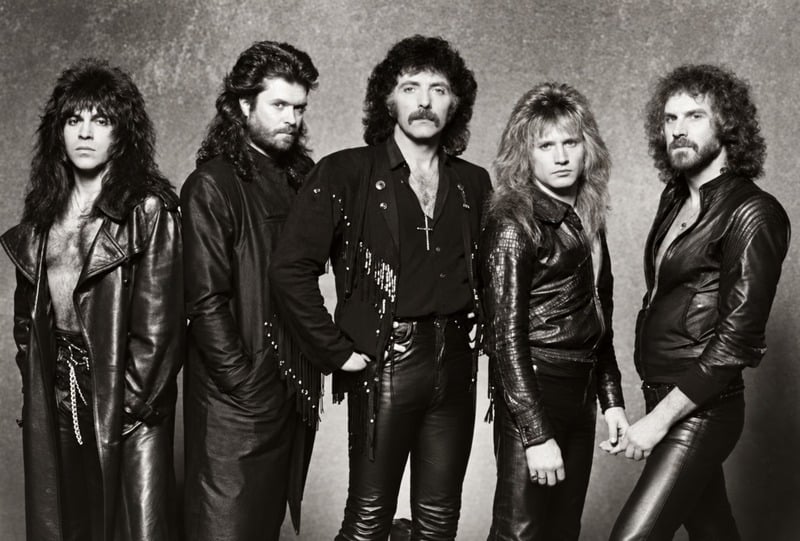
Black leather jackets and band T-shirts were staples of heavy metal style, often worn with jeans or tight leather trousers. Studs and heavy boots added to the look.
Denim jackets and sleeveless vests also mattered, particularly when covered with band patches. Clothing could show loyalty to a specific group or scene, making the details more meaningful than a general preference for black.
The Legacy of 80s Men’s Fashion

The lasting appeal of 80s men’s fashion lies partly in its competing ideas of how a man should look. A broad suit projected authority; a tracksuit made sportswear suitable for public life; a customized jacket declared musical allegiance.
Many of those clothes remain easy to wear. Higher-waisted trousers and relaxed jackets can suggest the decade through proportion alone, while acid-wash denim or a pastel suit creates a more explicit reference.
The trends of the 90s developed from some of these ideas and reacted against others. Eighties style is most useful when treated as a varied wardrobe, with room for both an ordinary polo shirt and a red leather stage jacket.