Men’s fashion in the 2010s could make a project of getting dressed. One wardrobe revolved around raw denim and the promise of clothes that would improve with age. Another favored a slim suit with the right pocket square. Skinny jeans suggested a life in music, while a carefully layered hoodie could turn sportswear into a designer outfit. Even looking ordinary became an aesthetic with a name.
Building on 2000s men’s fashion, these approaches overlapped throughout the decade. Menswear moved between fitted and oversized shapes, drawing on workwear and earlier decades as it tested new proportions. The result was a period in which a trouser hem, an extended T-shirt, or the way a bag crossed the body could tell you as much about an outfit as the label inside it.
Workwear & Heritage Style
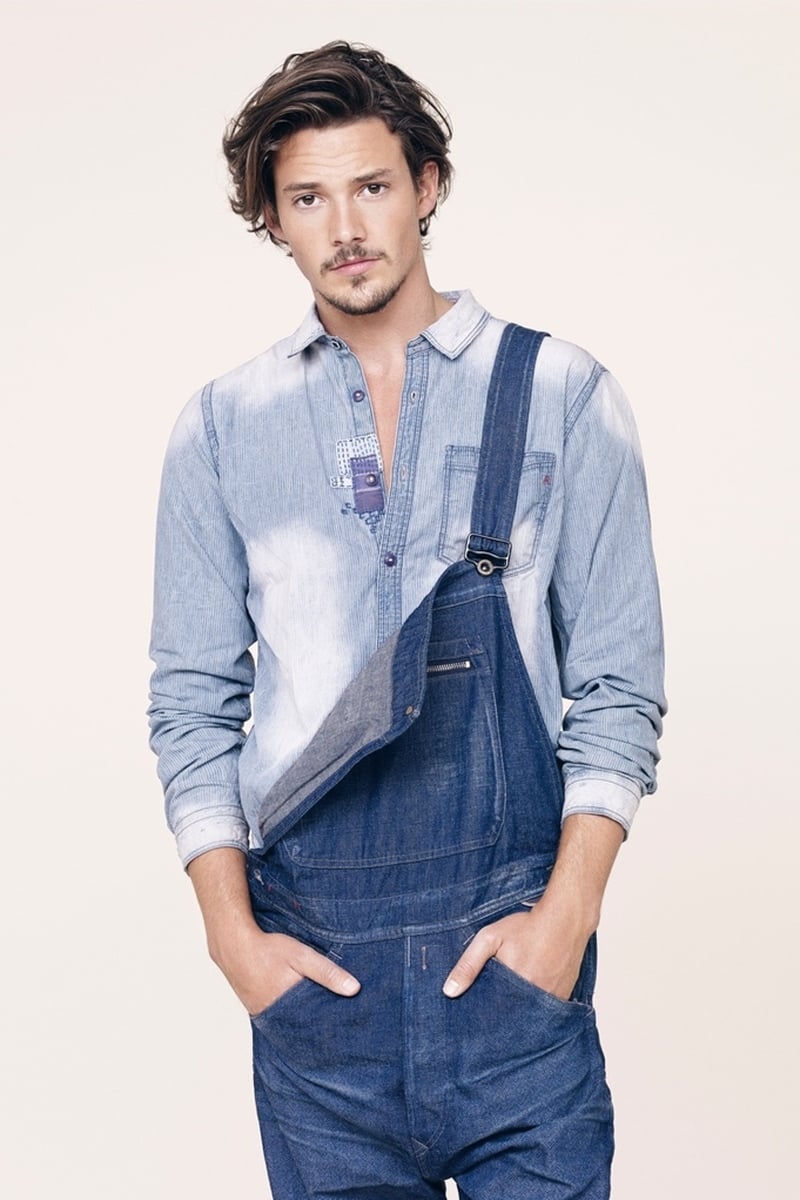
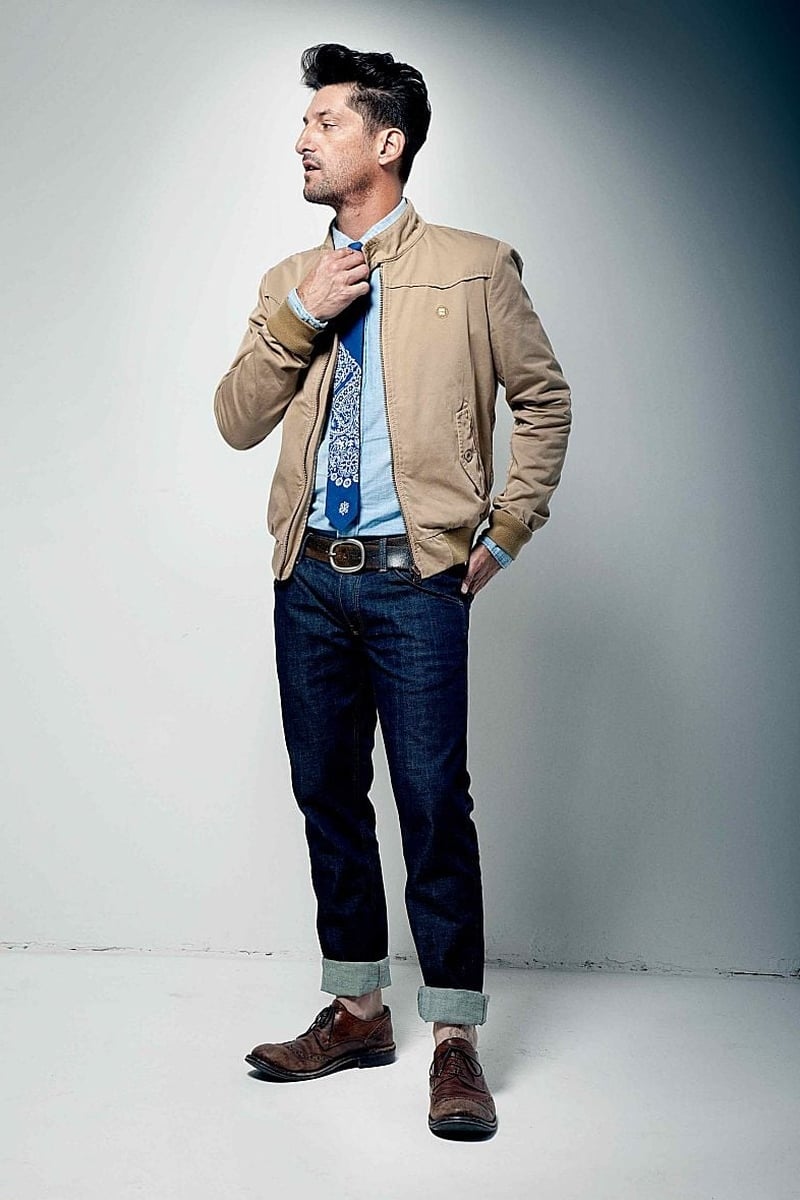
The 2010s found plenty to admire in clothes originally made for work. Cuffed indigo jeans and sturdy leather footwear suggested durability, even when the outfit was assembled for a coffee run. Wrangler’s spring 2010 styling brought a shirt and tie into that wardrobe, giving rugged denim a dressed-up purpose. By spring 2015, Replay was exploring another branch of workwear through denim overalls. Worn with a bleached shirt and one strap undone, they connected utility clothing to the decade’s appetite for ’90s style.
Slim Suits & the Menswear Revival
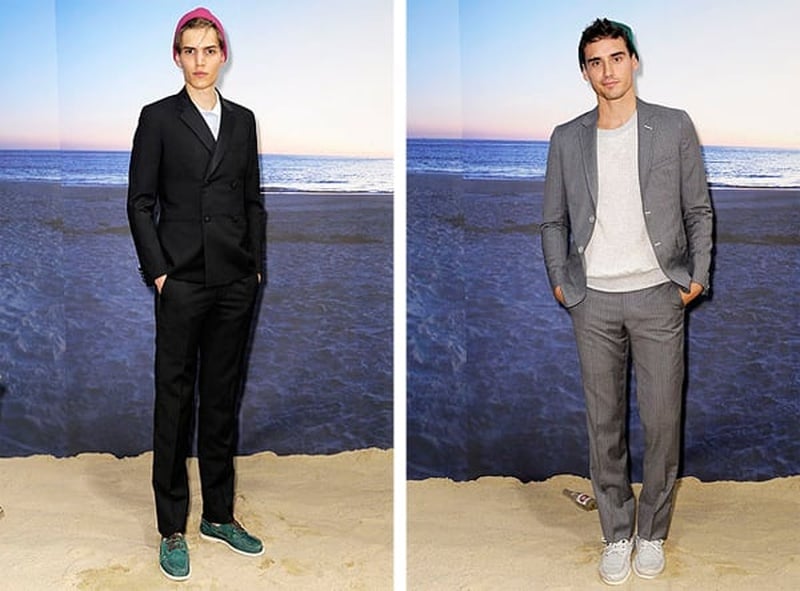
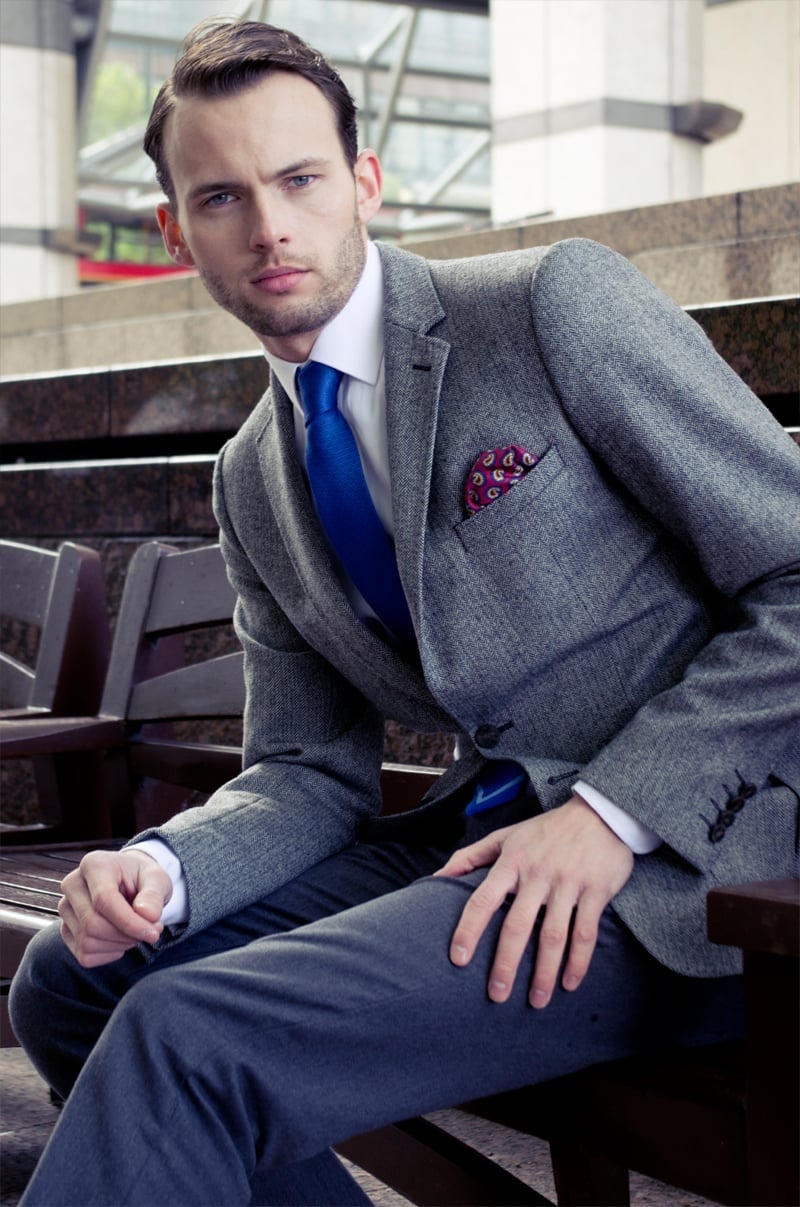
For a decade increasingly comfortable in sneakers, the 2010s also devoted considerable energy to getting dressed up. Slim suits offered a youthful alternative to roomy office tailoring, with fitted jackets and narrow trousers changing the proportions. Band of Outsiders brought a preppy informality to spring 2010, styling its suits with casual tops and sneakers. A shirt and tie could take the same silhouette somewhere more traditional. Accessible tailoring from Zara gave that interest in dressing well a broader reach, with pocket squares adding another opportunity for personal detail.
Skinny Jeans & Rock Style
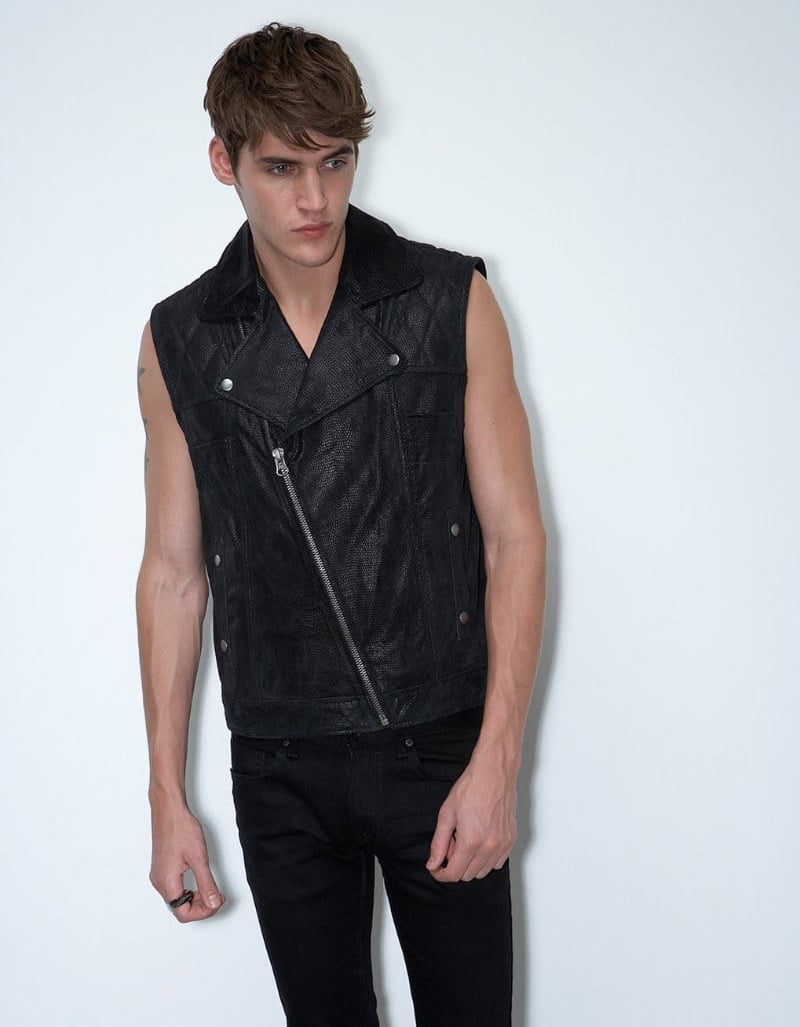
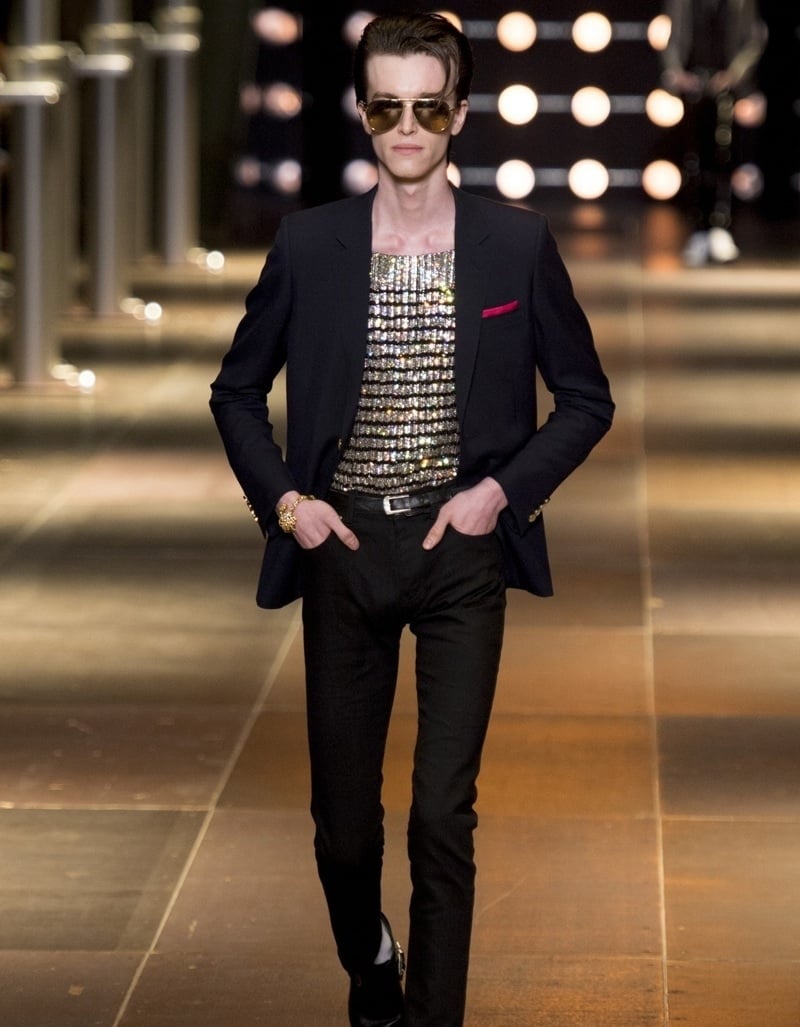
Skinny jeans became the foundation of a rock wardrobe that could be scruffy, glamorous, or both. At Saint Laurent, Hedi Slimane sharpened the combination of narrow trousers, fitted jackets, and boots. His spring 2014 collection added glitter to the formula, making eveningwear look ready for a stage. Topman explored a tougher version with sleeveless biker jackets, exposing the arms while keeping the torso closely fitted.
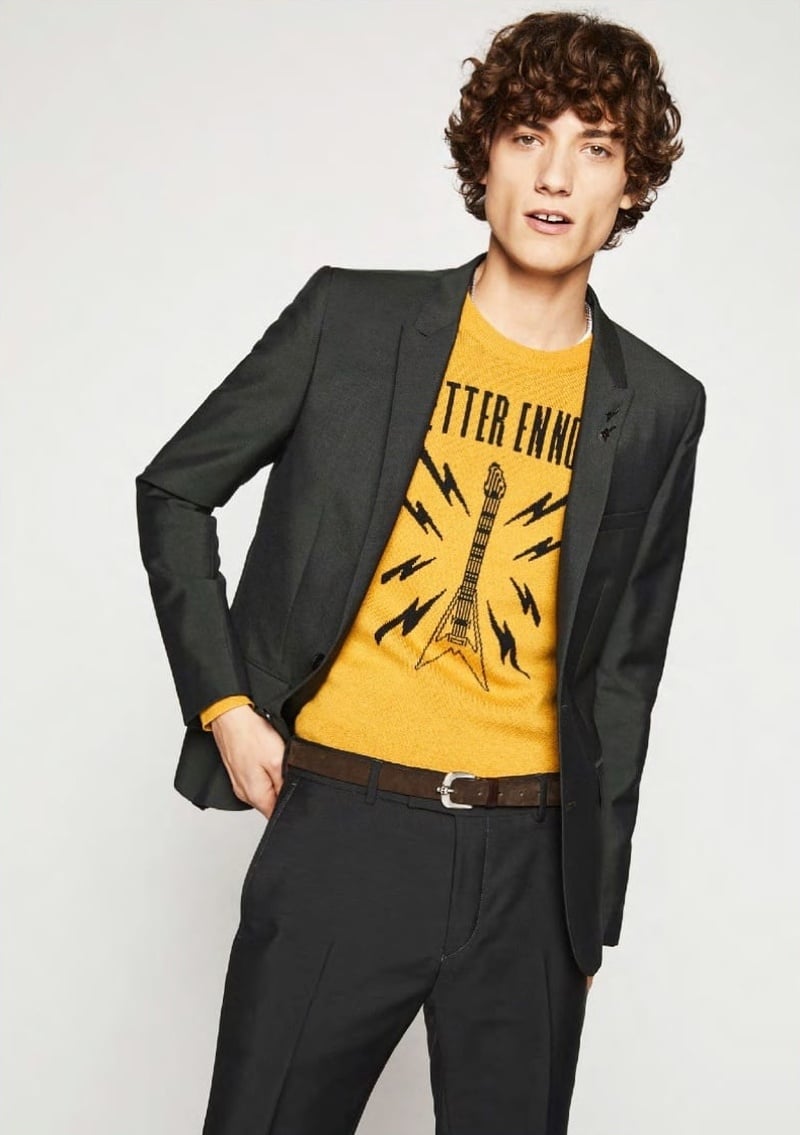
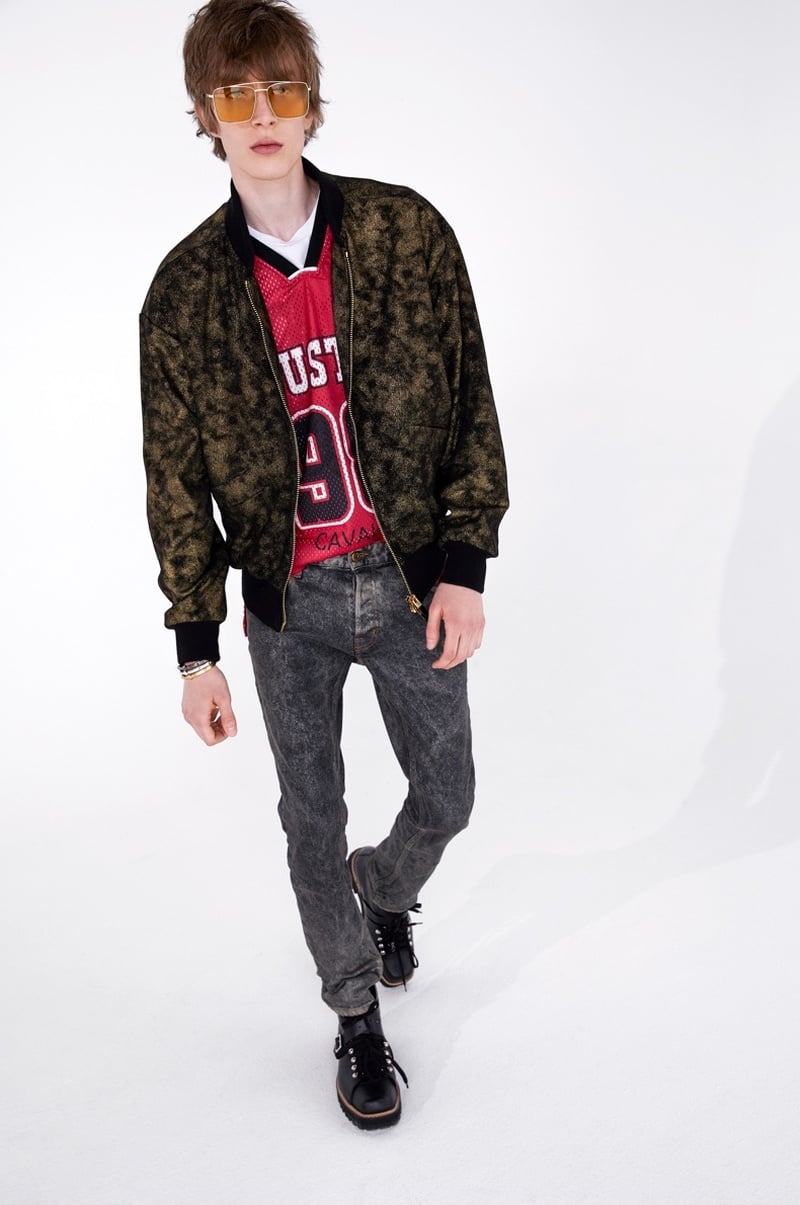
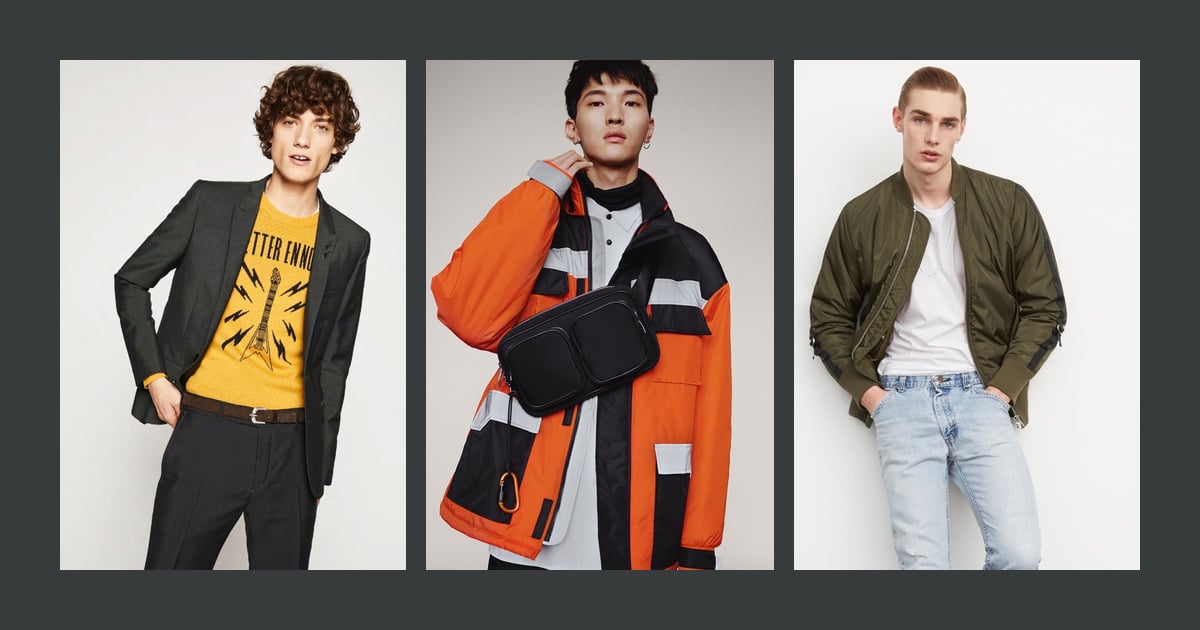
The Kooples gave the look a tailored variation for spring 2018, slipping a guitar-motif sweater beneath a fitted blazer. Later in the decade, Just Cavalli mixed washed skinny denim and buckled boots with basketball jerseys, showing how readily rock style absorbed sportswear.
The '70s Revival
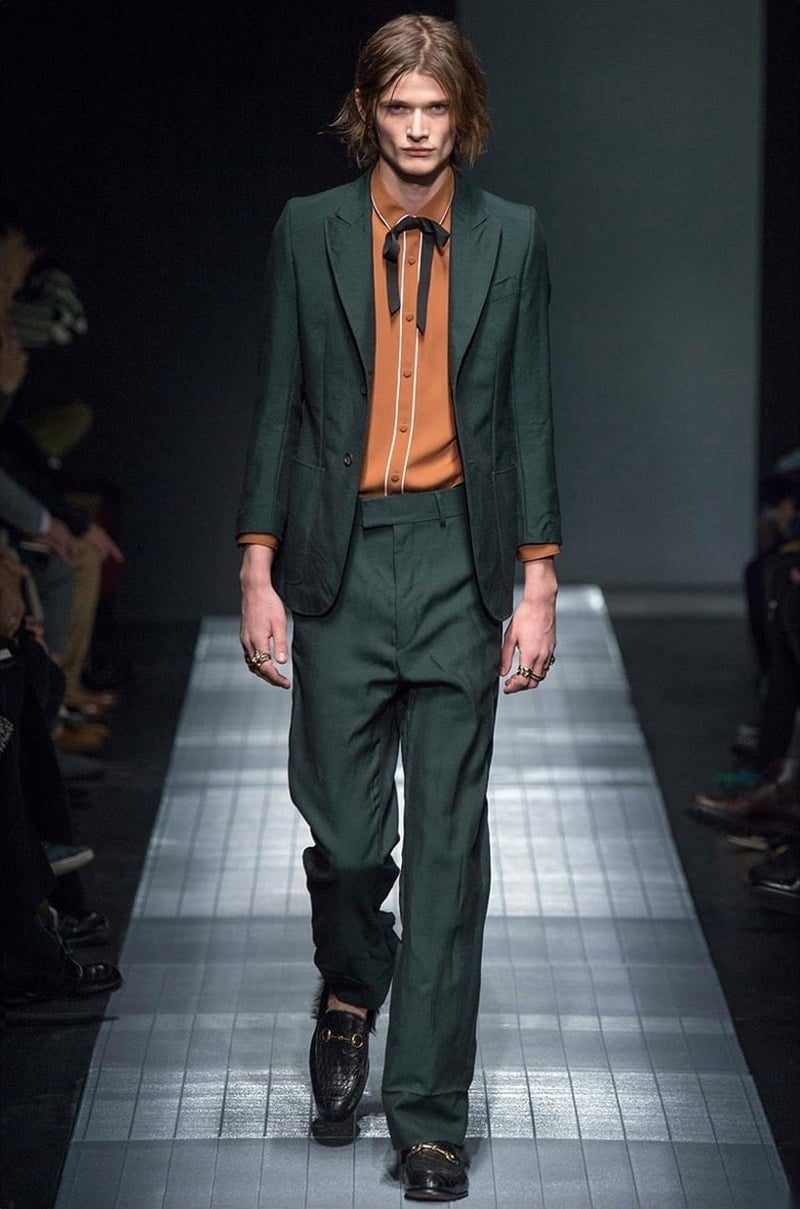
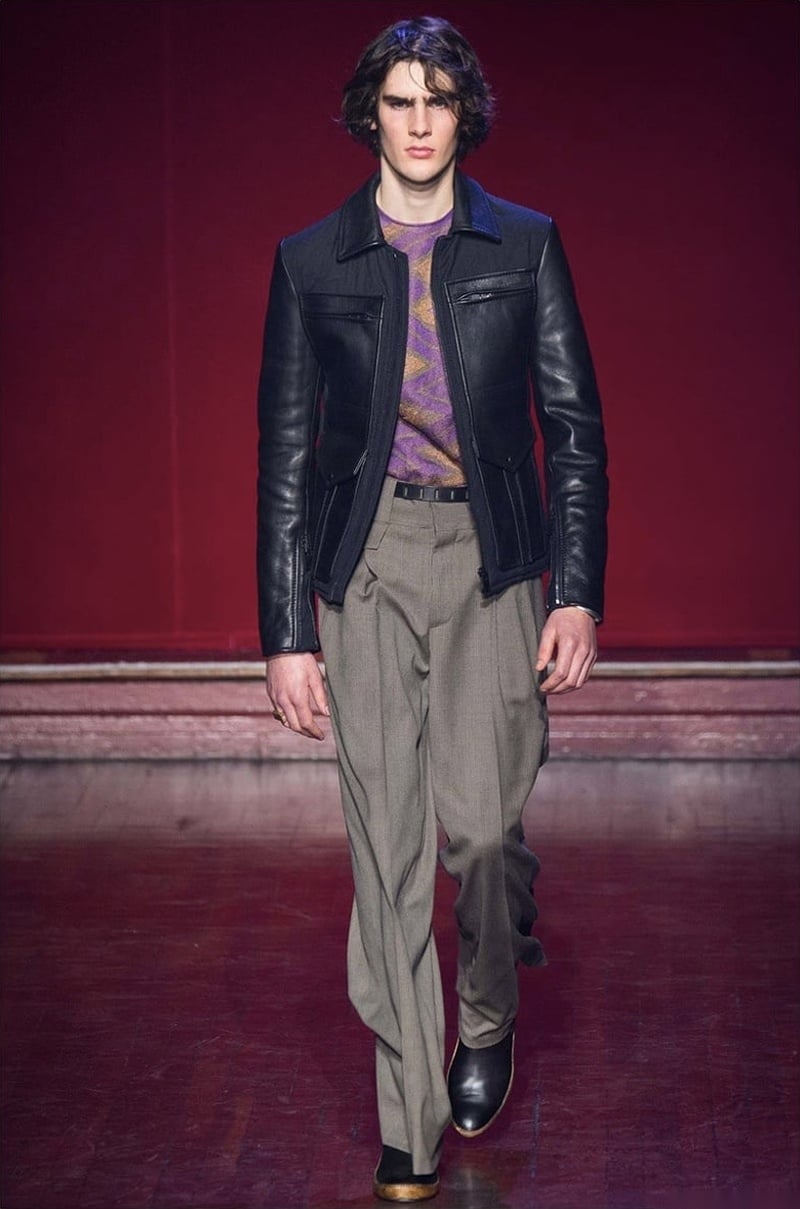
The 2010s revisited the 1970s through expressive runway proportions and romantic tailoring. Maison Margiela combined high-waisted, loose trousers with fitted leather outerwear for fall 2015, giving patterned knitwear room between the two. Gucci’s collection that season proposed another type of nostalgia through bow-tied shirts and softly cut suits. The revival opened up alternatives to the decade’s skinny fits, allowing menswear to become more languid, decorative, and playful.
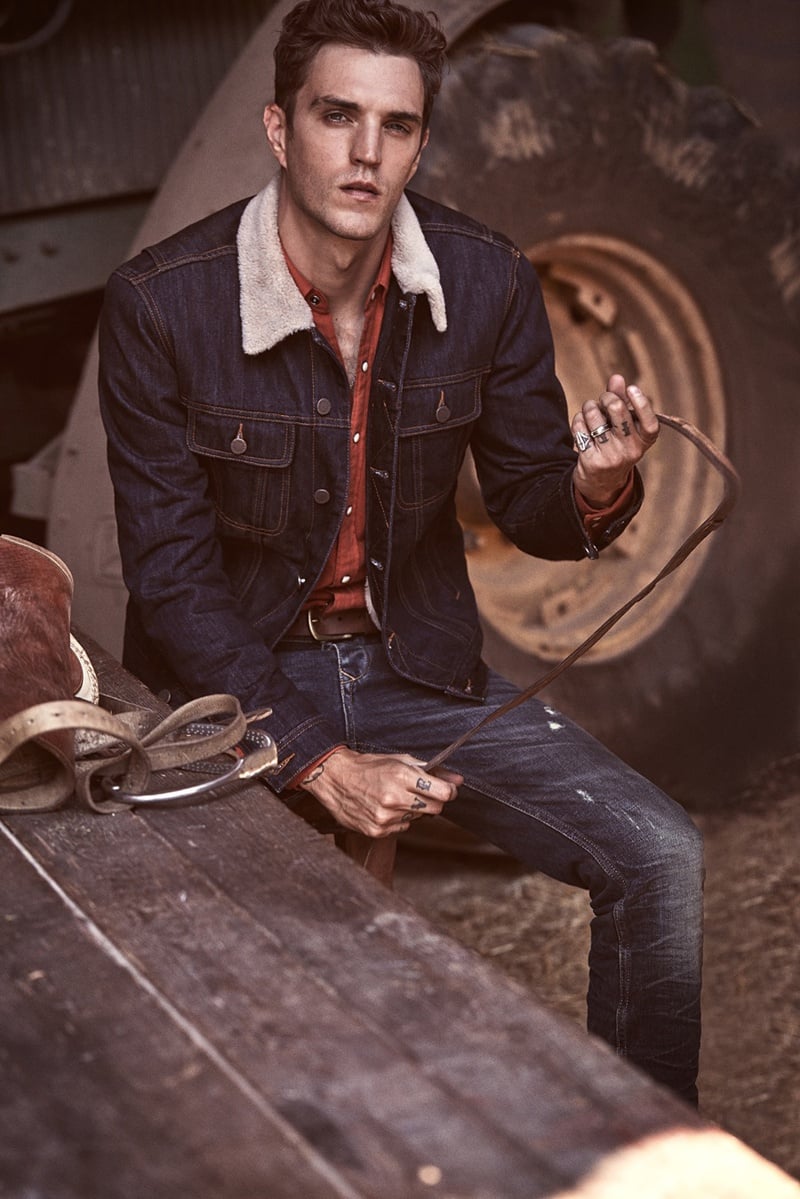
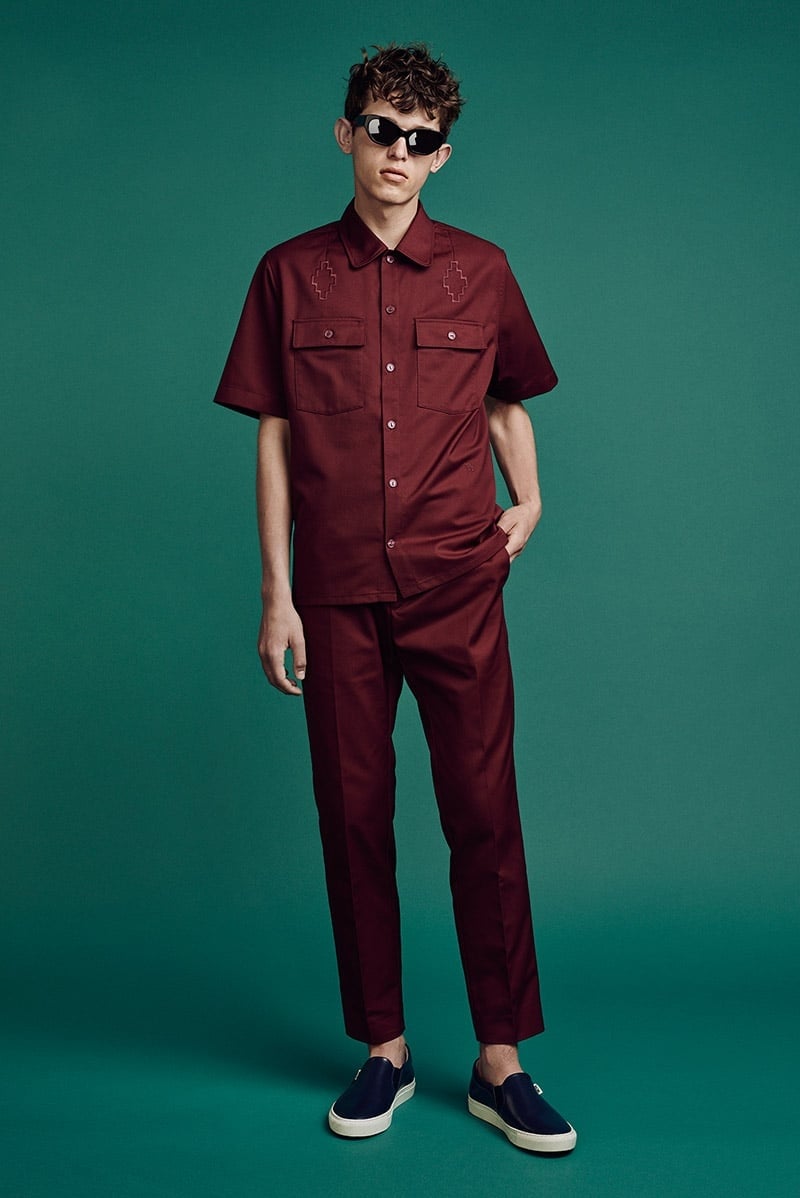
Mango’s winter 2015 Blacksmith collection explored the practical side of the revival, with a contrast-collared denim jacket and western styling suggesting an old wardrobe brought back into use. Wood Wood looked to late-1970s and early-1980s New York for spring 2016, translating that nostalgia into casual separates such as a burgundy short-sleeve shirt and matching trousers.
Minimalism
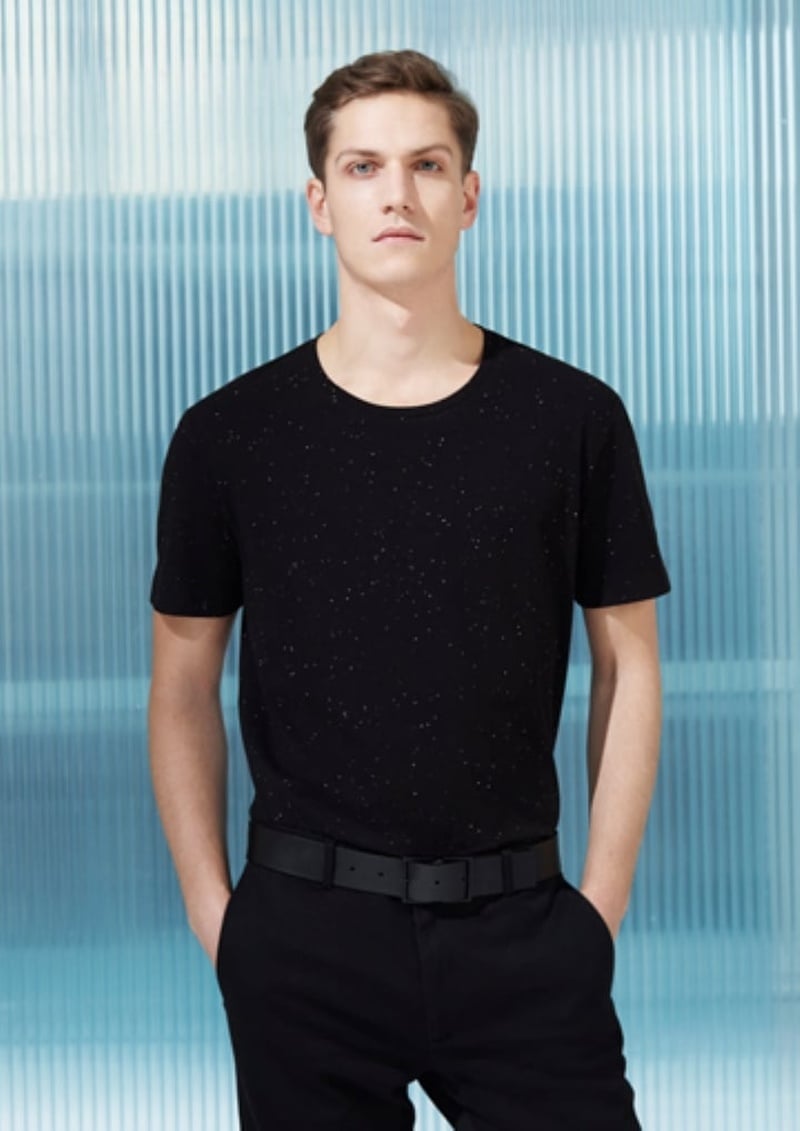
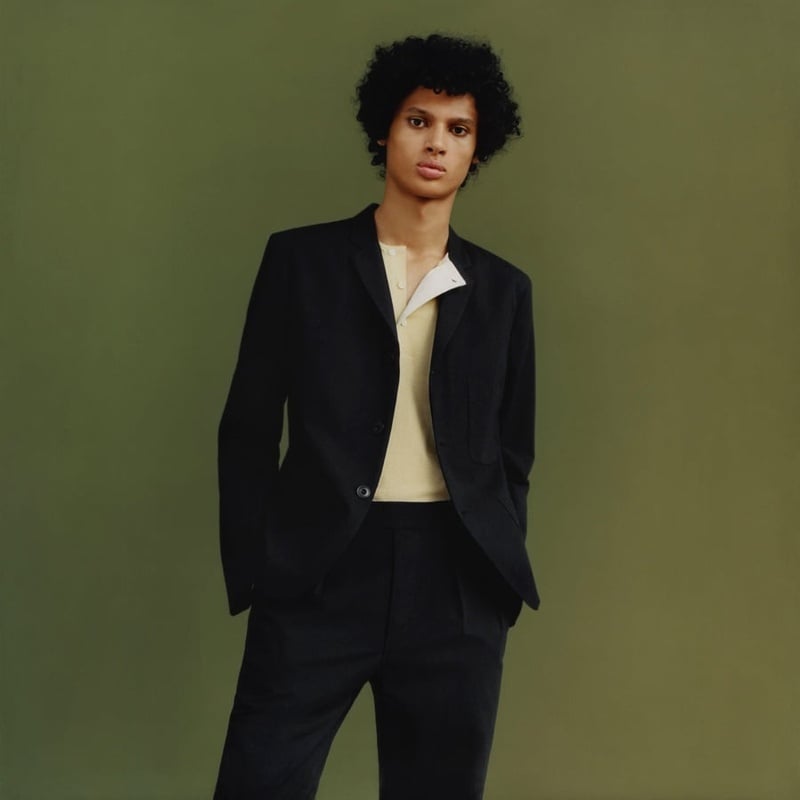
Minimalist dressing put the emphasis on the cut of ordinary clothes. A T-shirt’s sleeve length or the rise of a trouser could become the most important detail in an outfit. COS demonstrated that approach through restrained combinations, including black separates whose proportions did the work usually assigned to decoration. The spring 2016 collaboration between Uniqlo and Lemaire extended the idea into relaxed tailoring. A henley beneath a soft jacket made a suit feel approachable, bringing designer attention to clothes intended for daily use.
Normcore
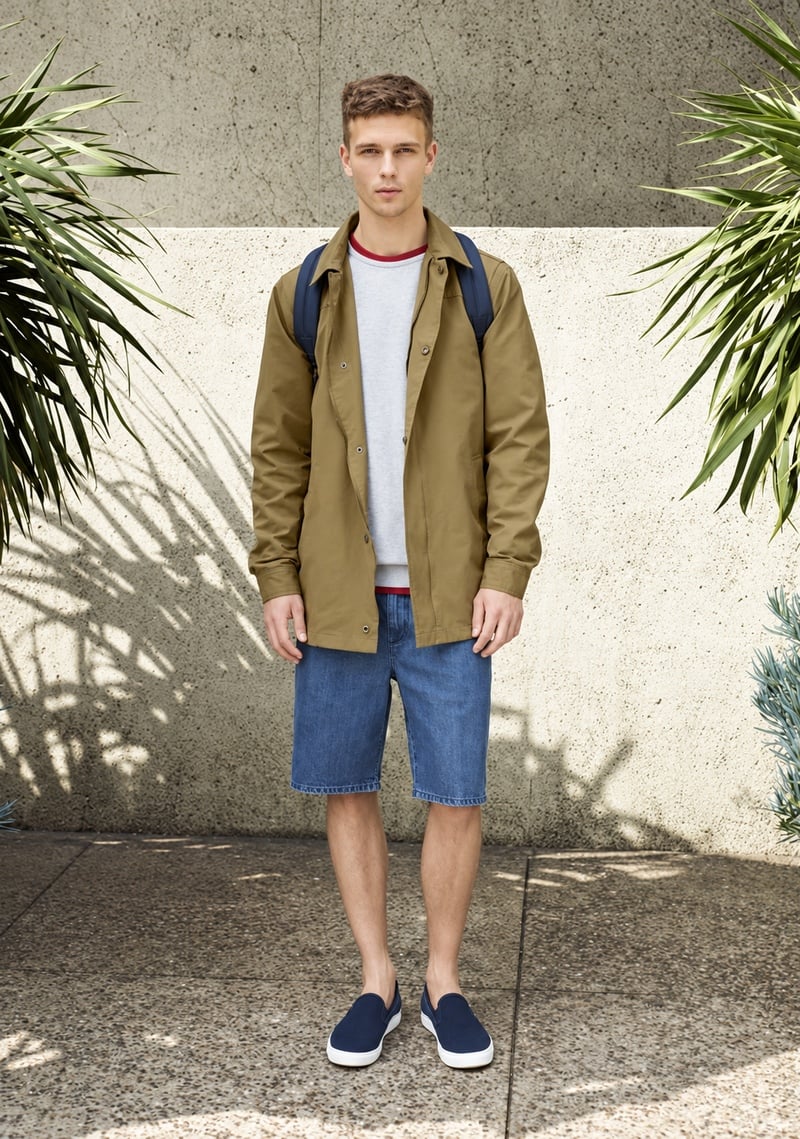
Looking ordinary acquired its own fashion vocabulary. Normcore became a talking point in 2014, attaching new interest to clothes that might otherwise have escaped notice. Denim shorts and plain layers could amount to a deliberate rejection of conspicuous styling. Pull & Bear’s spring 2015 basics captured that mood through an outfit of shorts, slip-ons, and a backpack. The appeal lay in how easily the clothes fitted into everyday life. Fashion had found a way to make blending in part of the conversation.
Athleisure
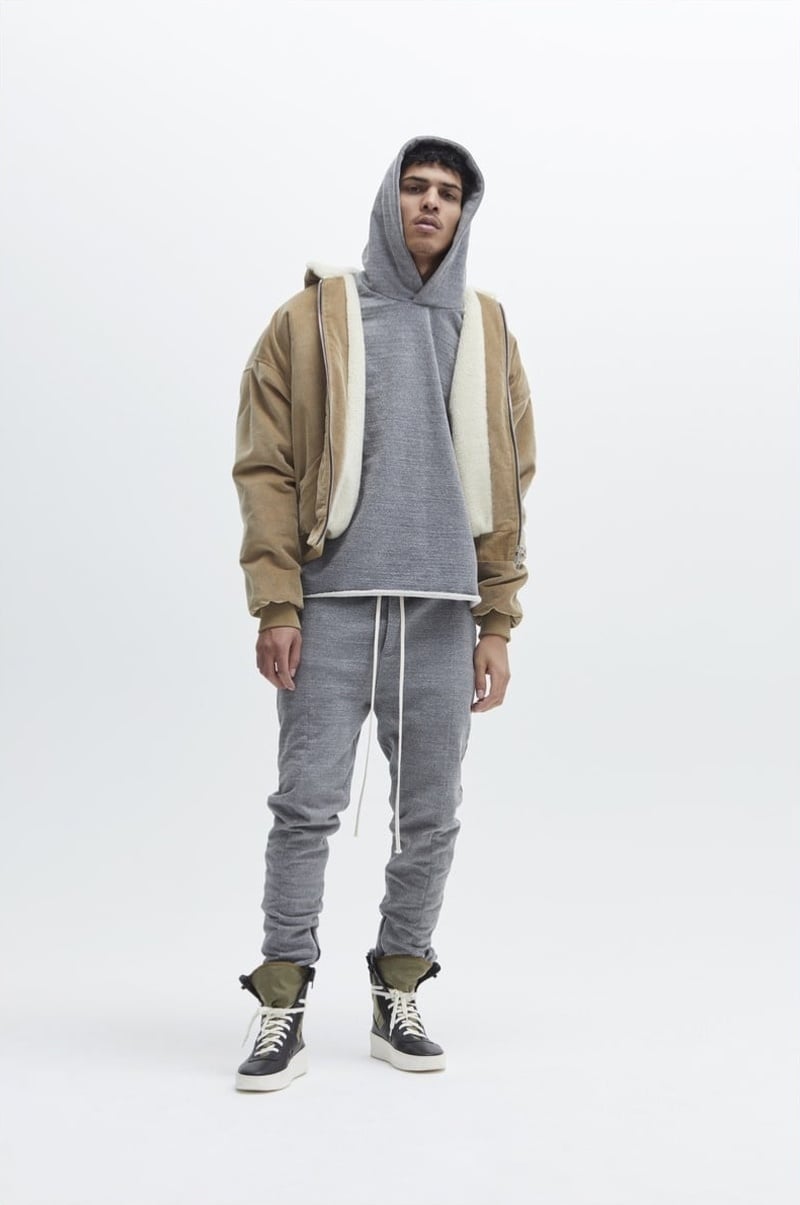
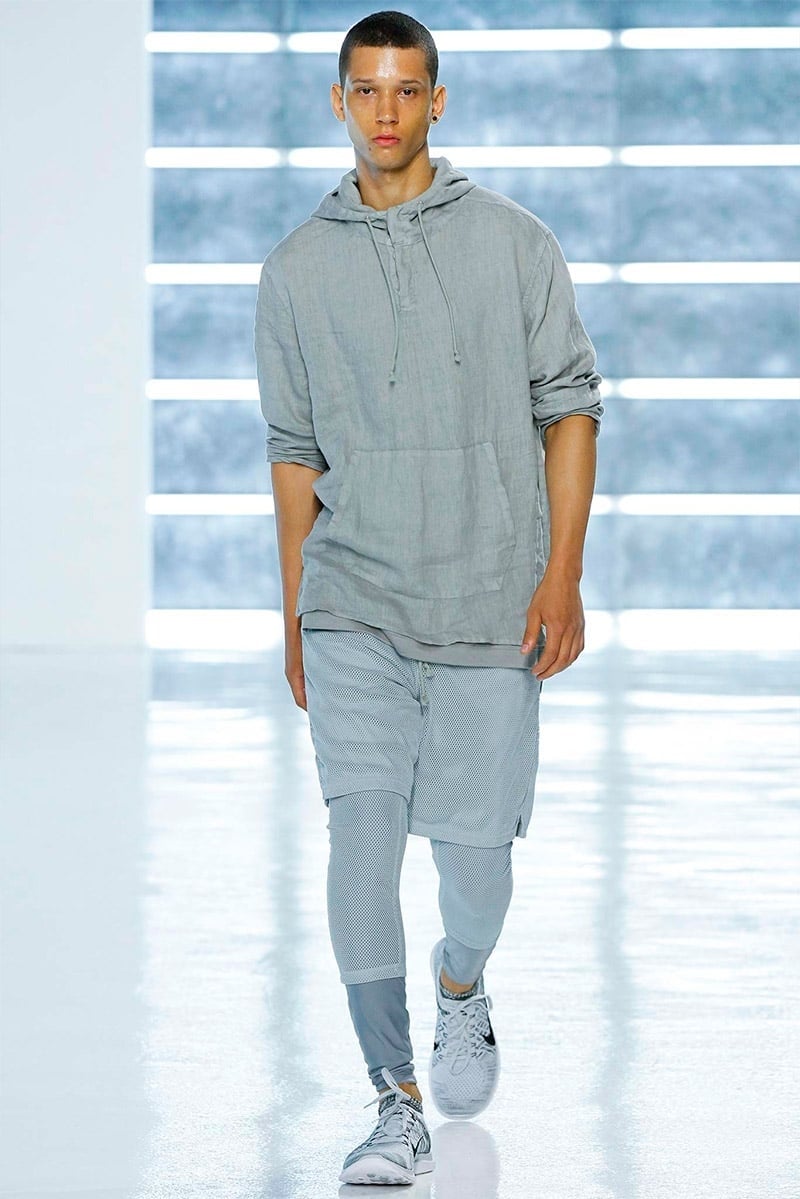
Athleisure made the distance between workout clothing and an everyday wardrobe increasingly difficult to measure. Hoodies became outfit foundations, while tapered sweatpants gave soft clothing a more defined silhouette. John Elliott’s spring 2016 collection showed how much styling could happen within that territory. A loose hoodie above shorts and close-fitting leggings created contrasting lengths and volumes, all finished with sneakers. Fear of God developed a related approach for fall 2017, layering a tan hooded jacket over a gray hoodie and joggers. The clothes borrowed the vocabulary of training gear, but their layered proportions belonged as much to fashion as to exercise.
Leggings
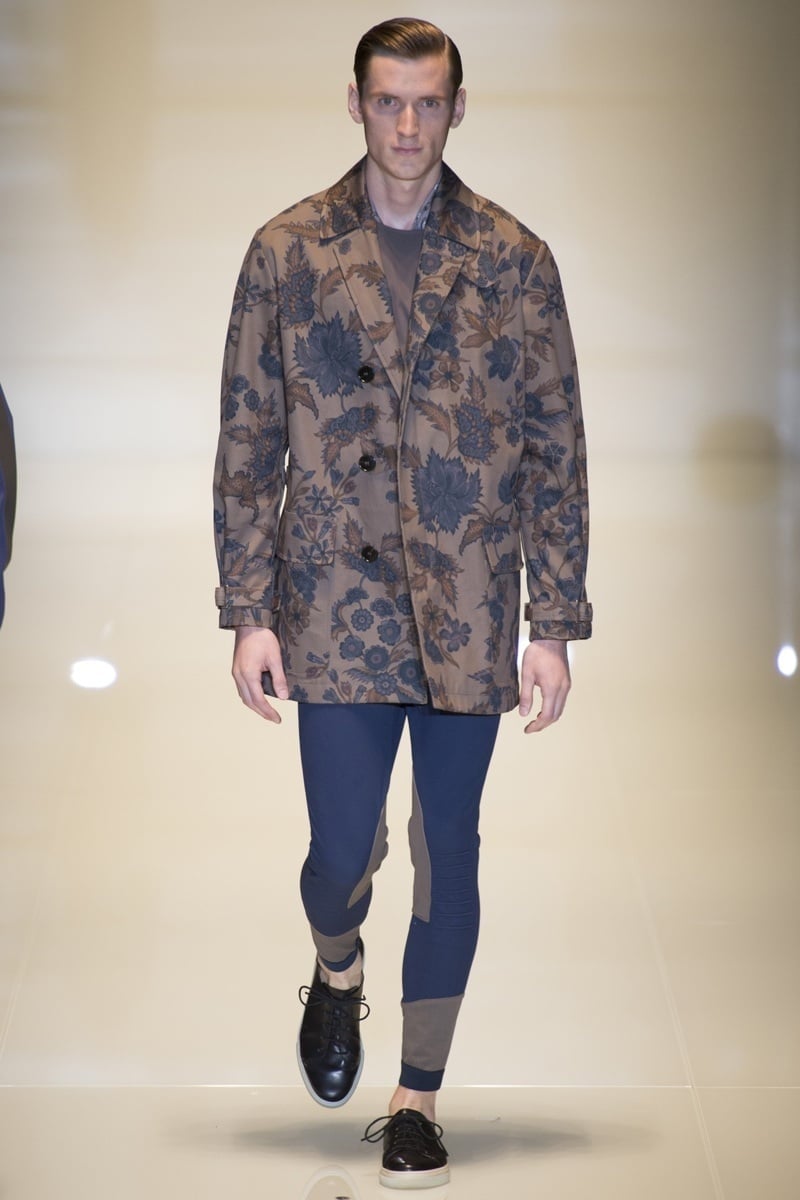
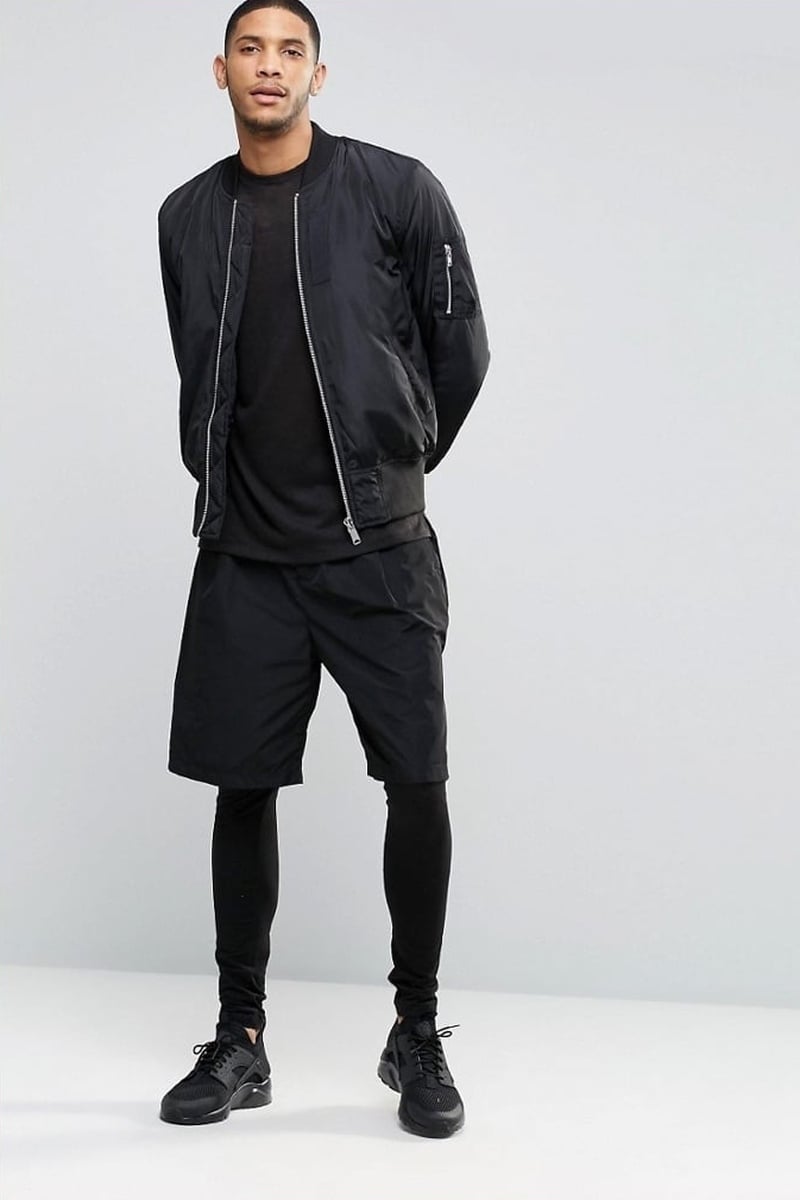
Men’s leggings also had a more experimental life beyond sportswear. The nickname “meggings” helped turn them into a talking point, though their styling varied considerably. They could sit beneath shorts or become the main trouser shape.
Gucci’s spring 2014 collection took the latter route, setting geometric leggings beneath a floral coat and finishing the look with lace-up shoes. That combination treated the close-fitting leg as a fashion proportion. ASOS offered a more accessible take in 2016, layering black leggings beneath shorts with a bomber jacket and sneakers. The same close fit could support a runway experiment or an everyday sportswear outfit.
Streetwear & Luxury Fashion
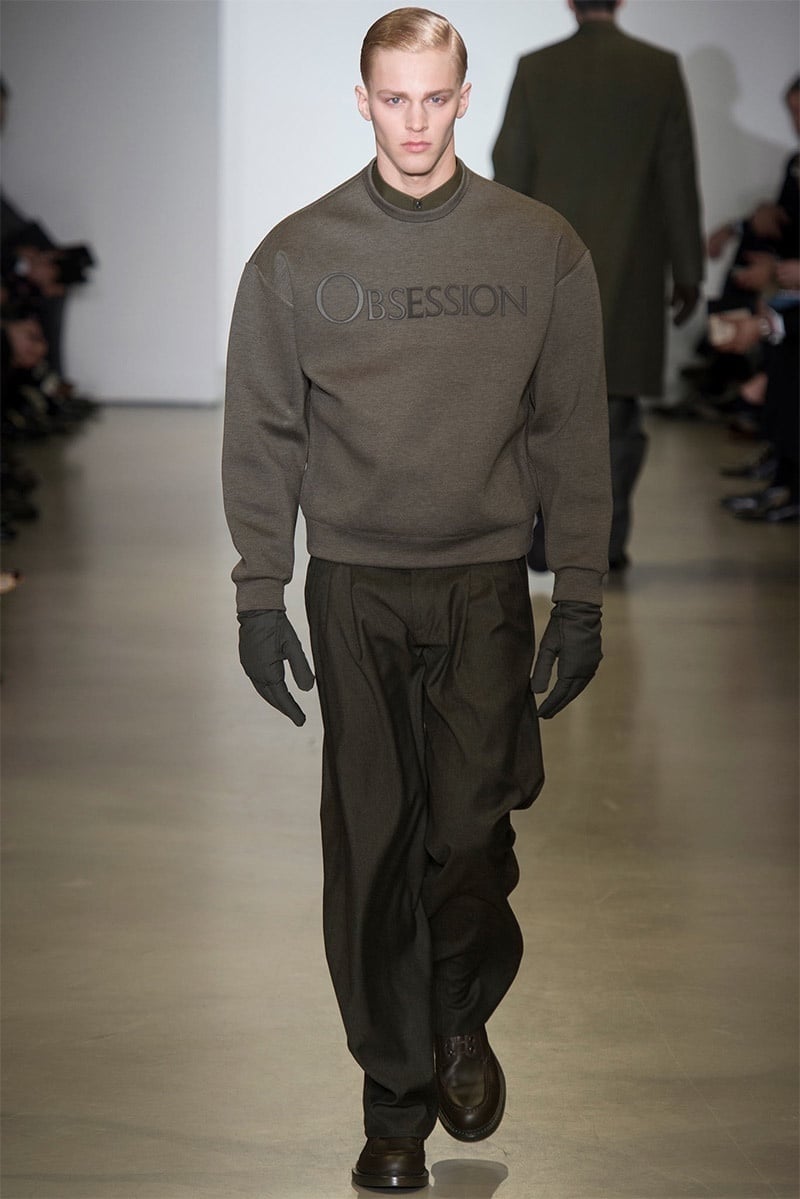
The sweatshirt acquired new status on the luxury runway. Calvin Klein Collection gave it oversized proportions and “Obsession” lettering for fall 2014, styling it with loose tailored trousers. The hoodie became increasingly comfortable beneath a designer jacket, too.
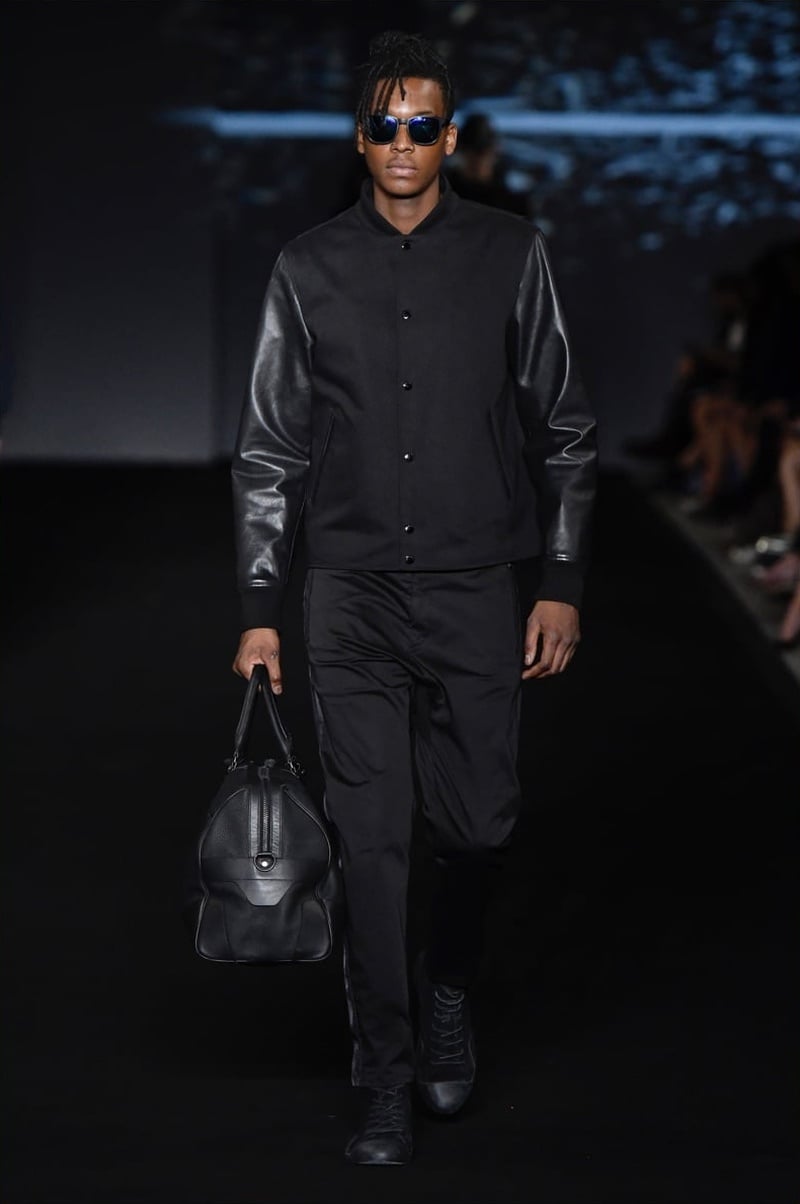
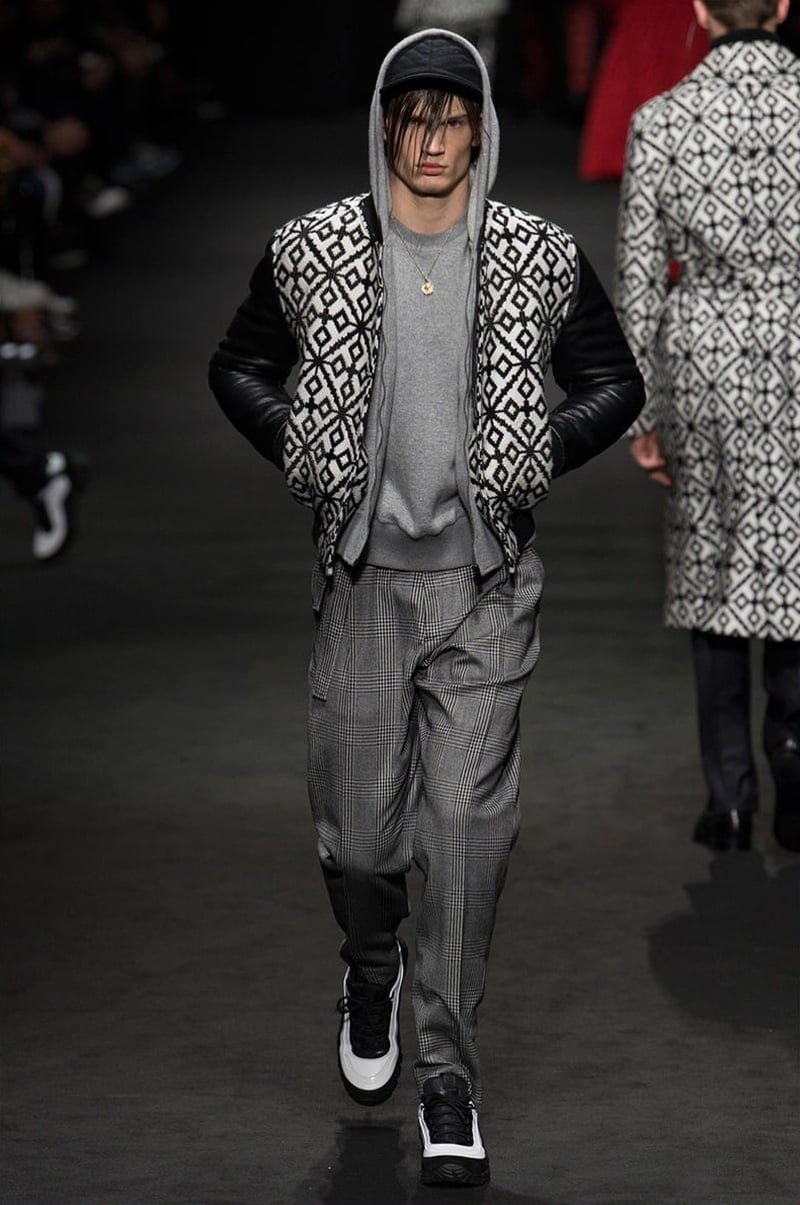
Rag & Bone approached that overlap through American sportswear, with its spring 2017 collection bringing varsity jackets into a sleek urban wardrobe. Versace offered a more patterned interpretation for fall 2017, layering a hoodie beneath a geometric jacket and adding checked trousers. Luxury could be communicated through the fabric and styling of casual clothes, with the suit no longer the automatic starting point.
Statement Boots & Chunky Sneakers
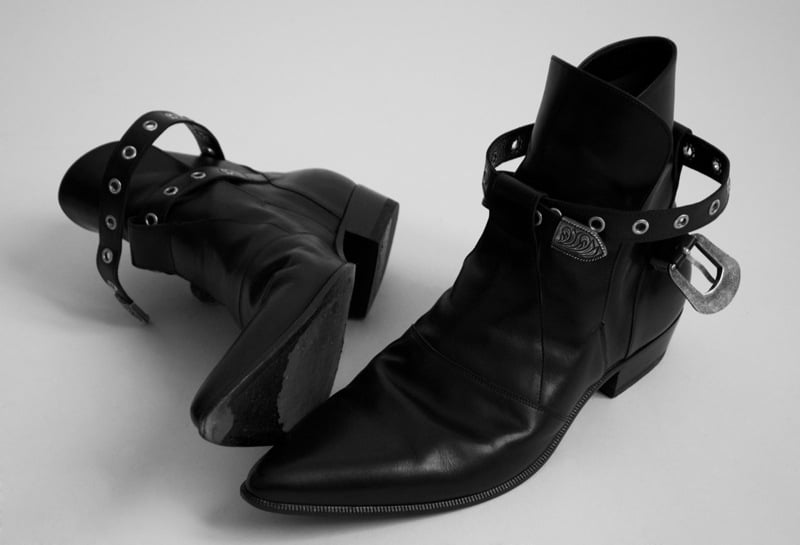
Footwear could reveal which version of the 2010s a man had signed up for. Saint Laurent’s pointed ankle boots extended the narrow line of skinny jeans, with western buckles reinforcing the rock styling. The black leather boots photographed by Buonomo & Cometti in 2014 show how much character could sit beneath a trouser hem.
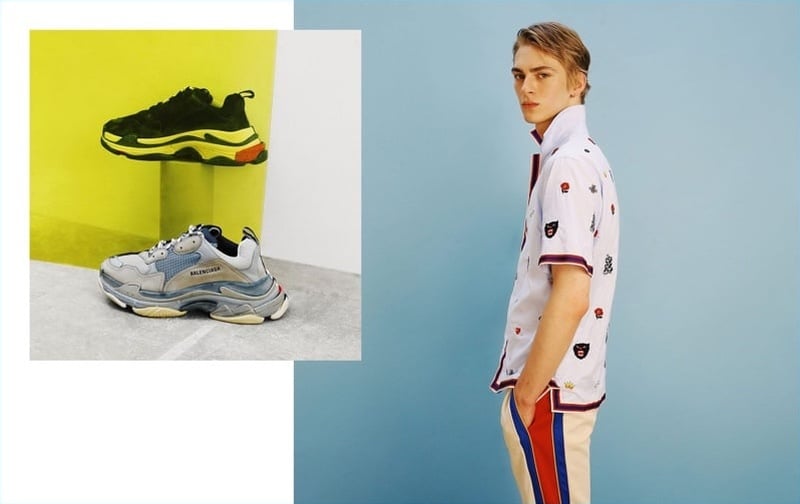
By the late 2010s, chunky sneakers proposed a heavier foundation. Balenciaga’s Triple S combined layered uppers with exaggerated soles, turning a practical sportswear shape into the outfit’s main attraction. Where the boots sharpened the leg, the sneakers exaggerated the foot, giving even simple clothes a different sense of proportion.
Color Blocking
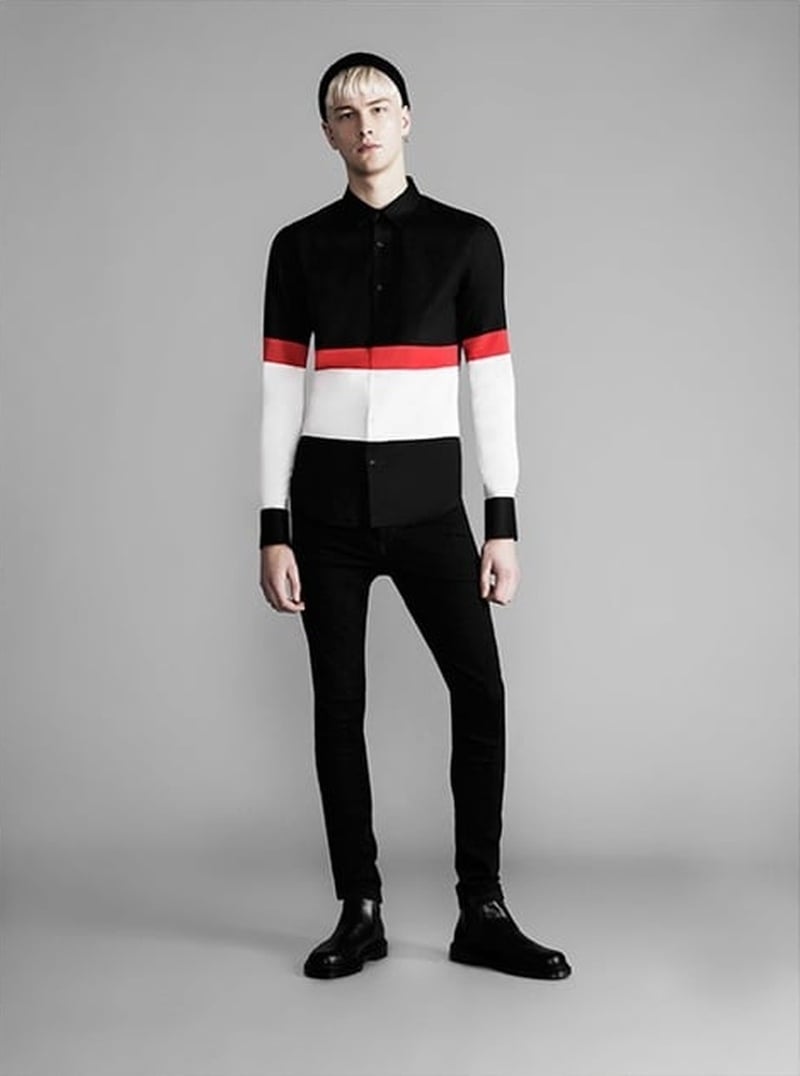
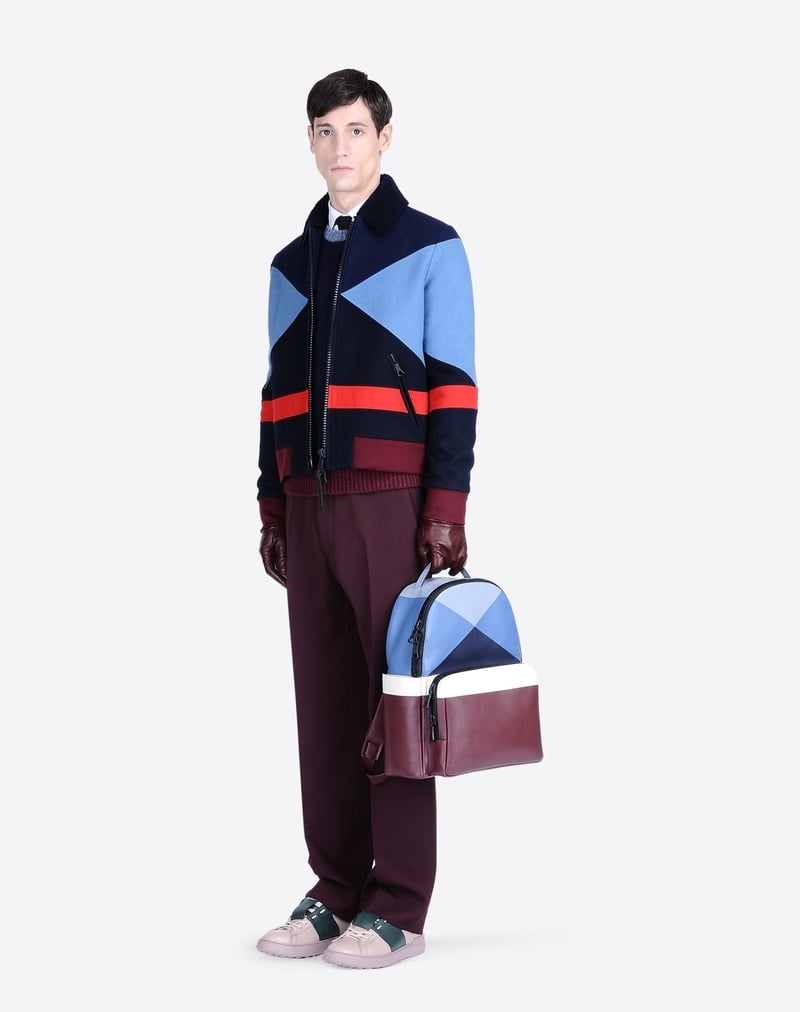
Color blocking gave simple garments a graphic identity through large, contrasting panels. Black Barrett by Neil Barrett demonstrated the idea for fall 2014 with a red band and a broad white panel across a black shirt. The rest of the outfit stayed black, letting the divisions across the torso set the tone. Valentino took a more elaborate approach for fall 2015, arranging angular blue panels and red accents across outerwear, with related shapes repeated on a backpack. Color became part of a garment’s architecture, changing how an otherwise straightforward silhouette was read.
Bomber & Souvenir Jackets
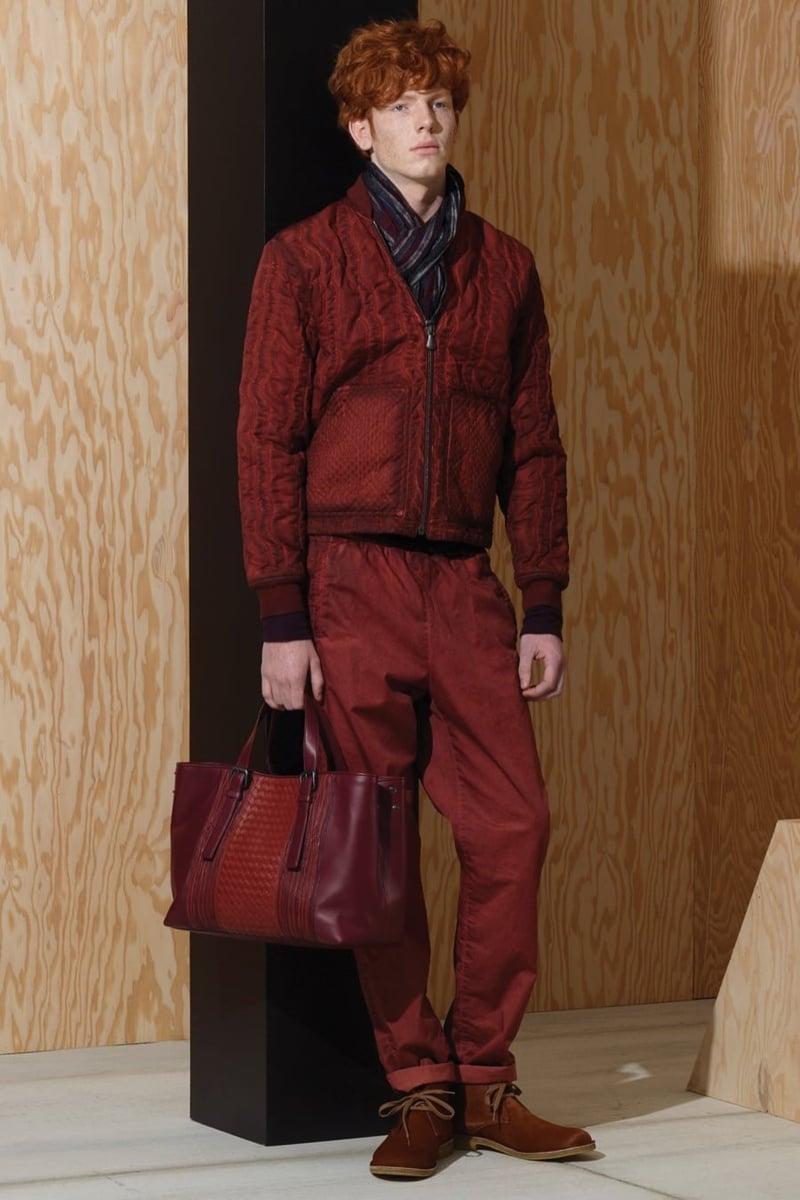
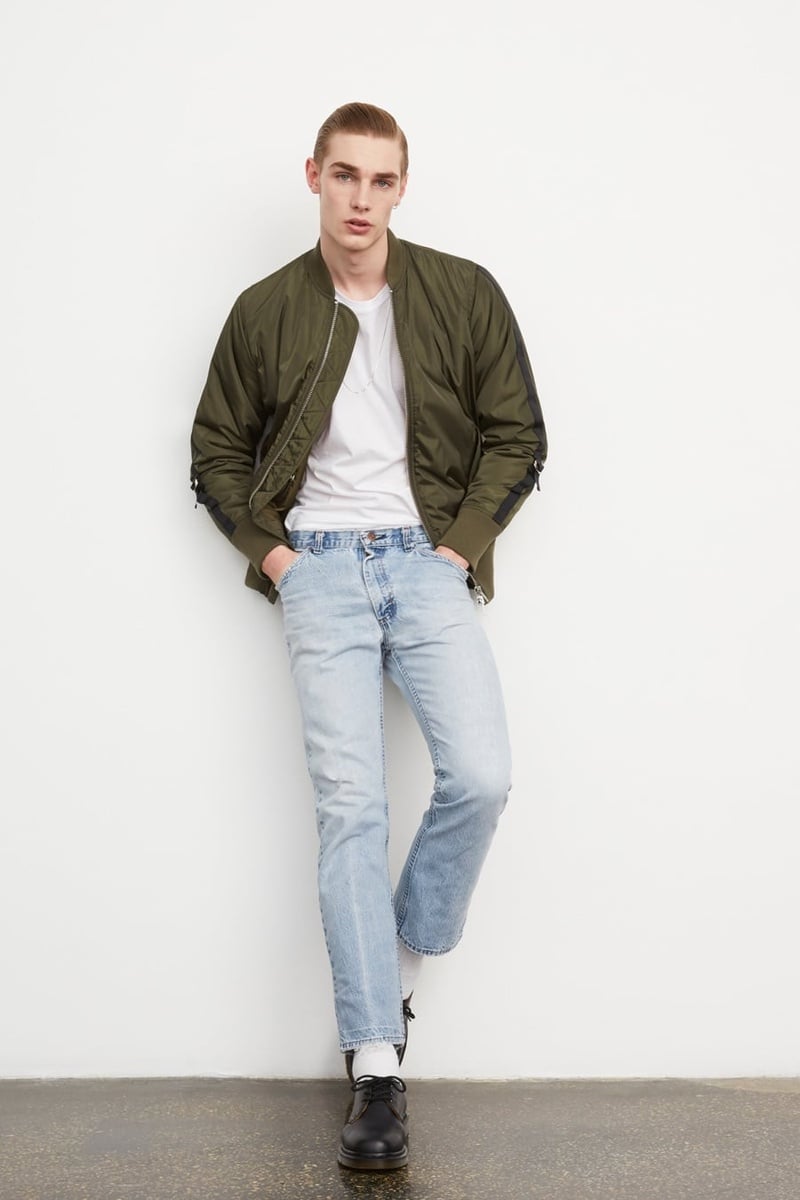
The bomber jacket became one of the decade’s most adaptable outerwear shapes. Its short body and ribbed edges worked above skinny jeans as easily as roomier trousers. Stampd’s 2015 collaboration with Monkey Time emphasized the olive flight jacket, while Bottega Veneta explored a textured burgundy version for pre-fall 2016.
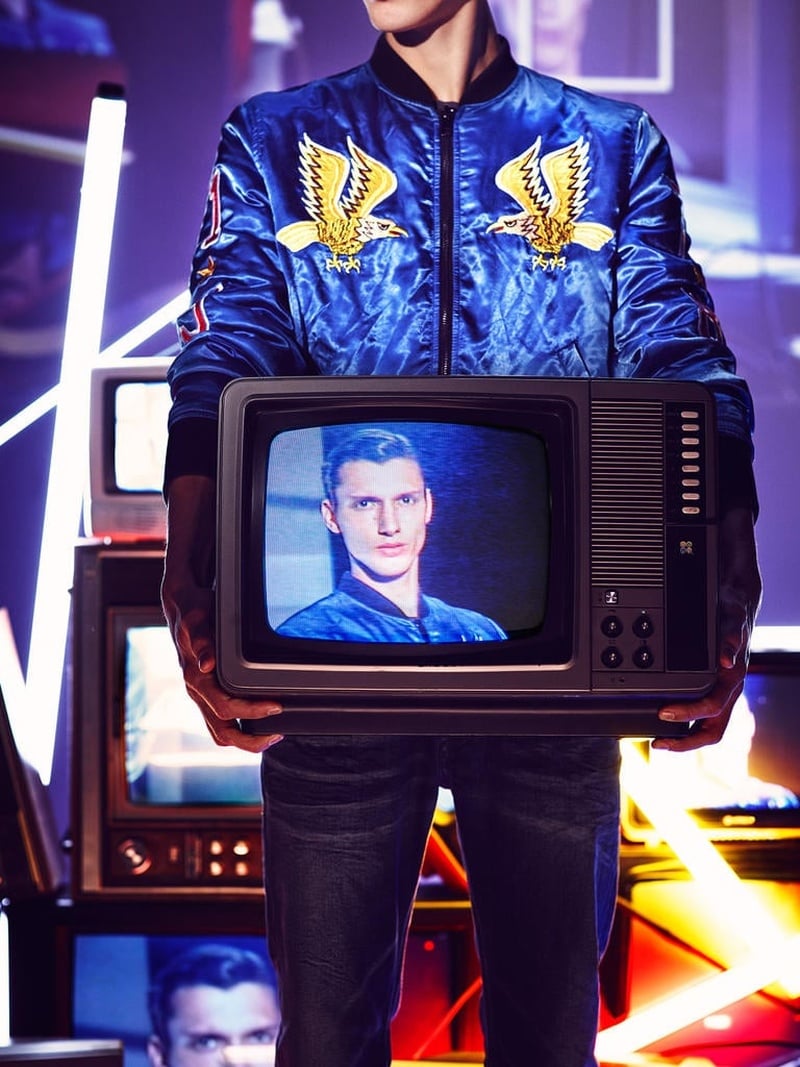
The souvenir jacket brought a more decorative alternative. Shiny fabric and embroidered motifs transformed a compact jacket into the focus of an outfit, as seen in Diesel’s blue eagle-embroidered style featured by Harrods in 2016.
Longline Layers & Oversized Clothing
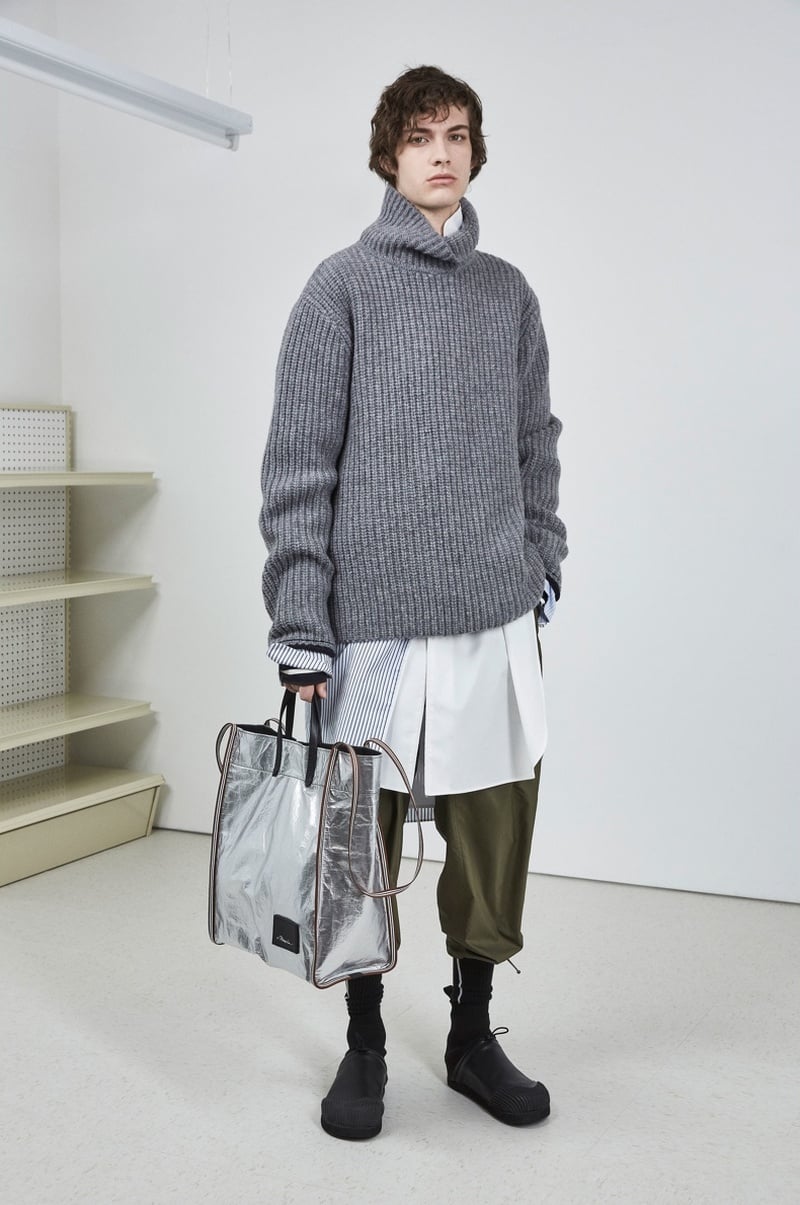
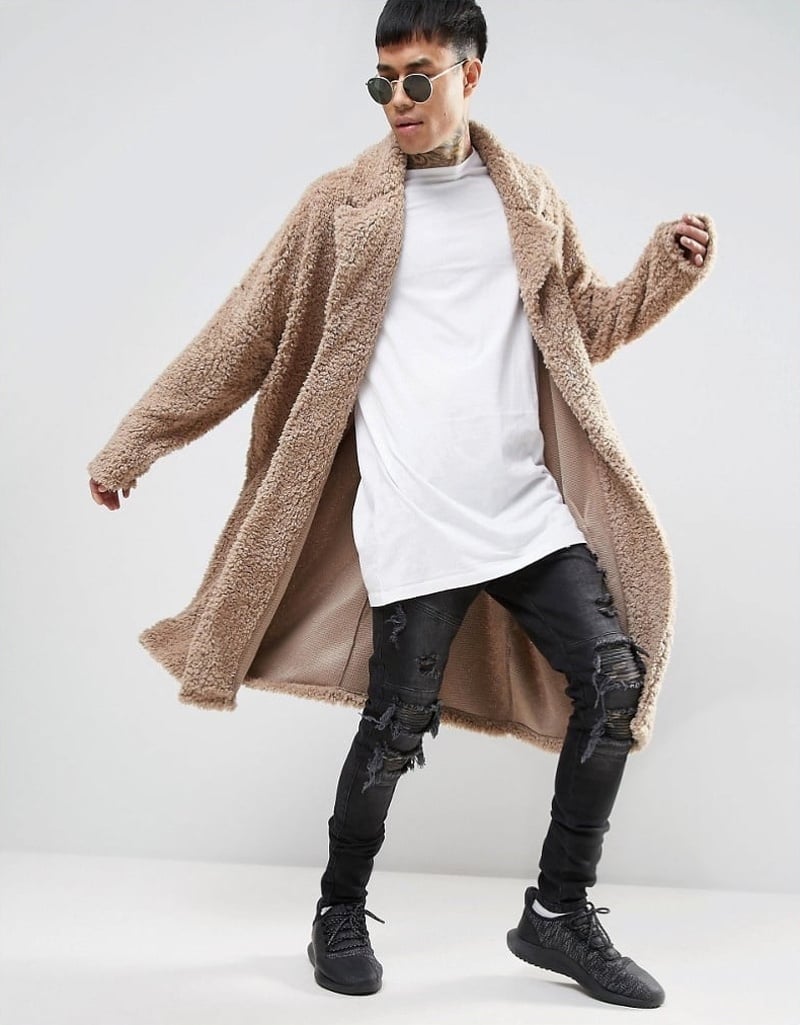
Length became a styling tool in its own right. Longline tees extended below jackets and sweatshirts, making the relationship between layers visible. 3.1 Phillip Lim’s fall 2018 collection developed that idea through shirting that fell well beneath chunky knitwear. ASOS took the silhouette toward greater drama with long duster coats over skinny jeans.
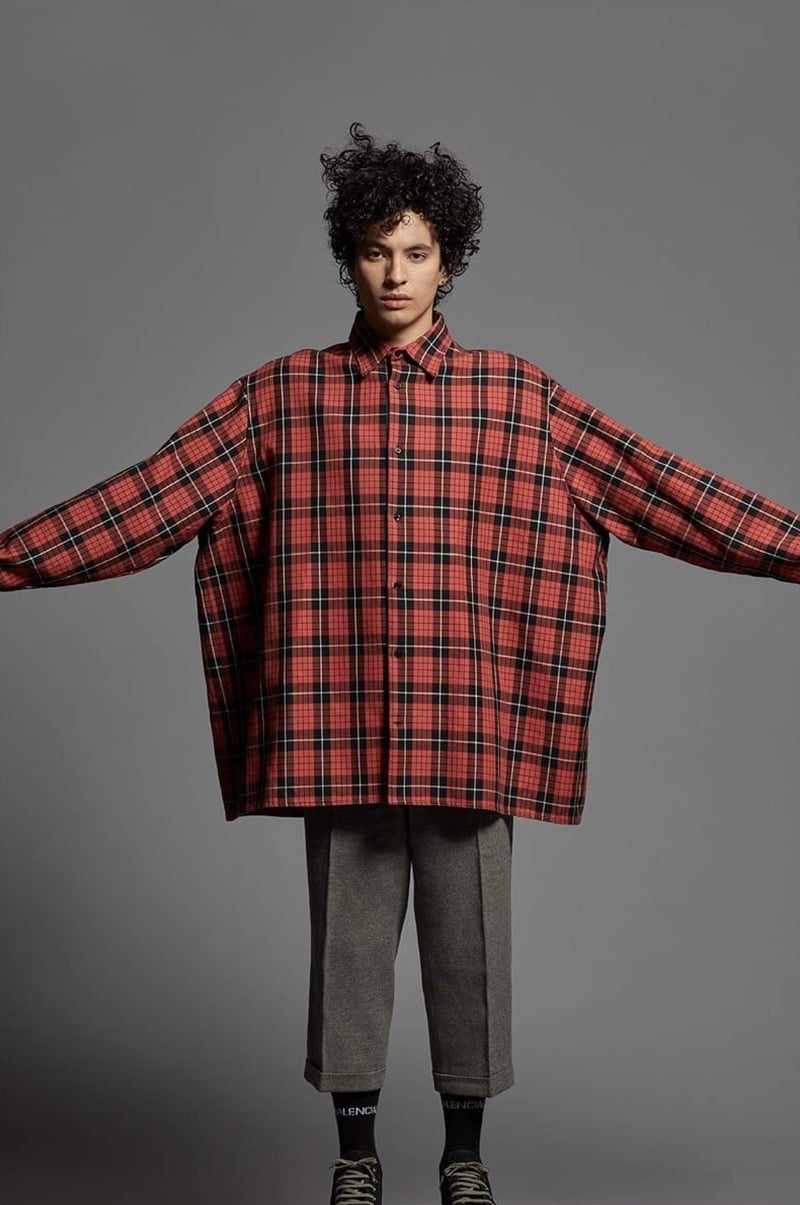
Oversized clothing introduced a different change, expanding width as well as length. A huge Raf Simons tartan shirt styled by Mr Porter in 2018 made an everyday garment monumental, with the body given room to disappear inside it.
Cropped & Drop-Crotch Trousers
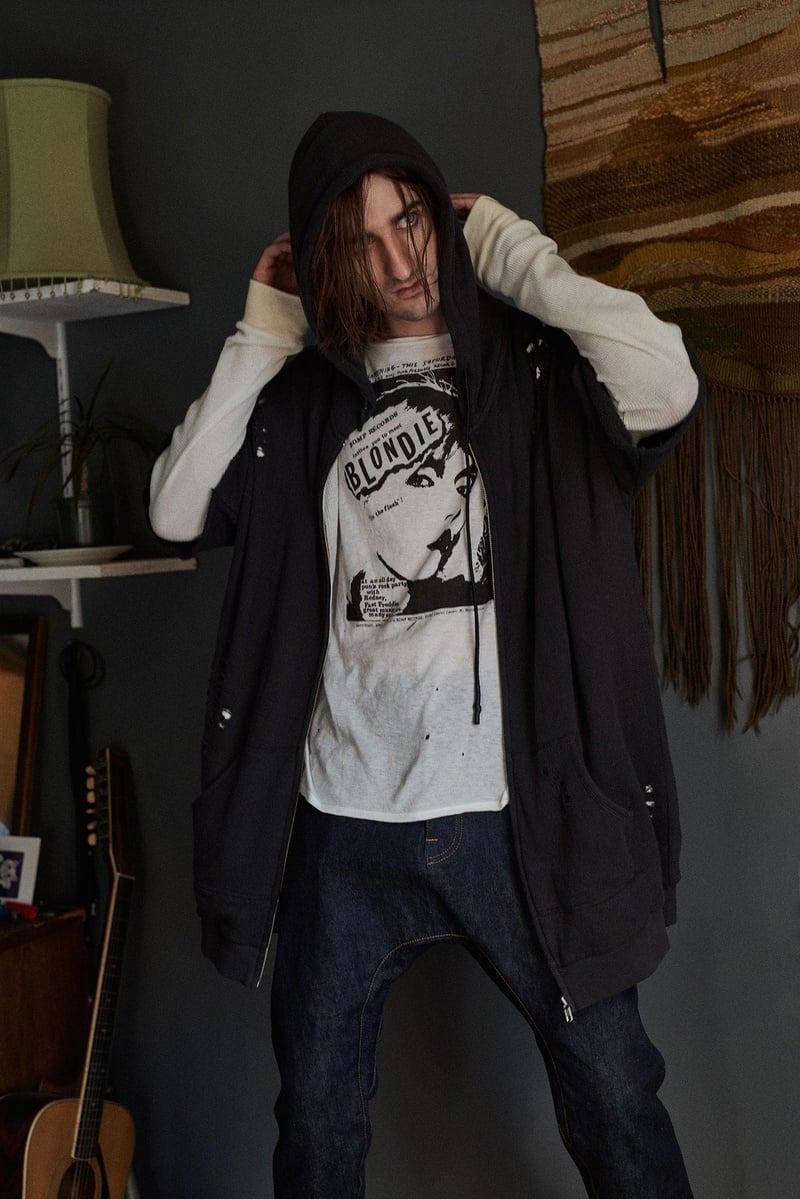
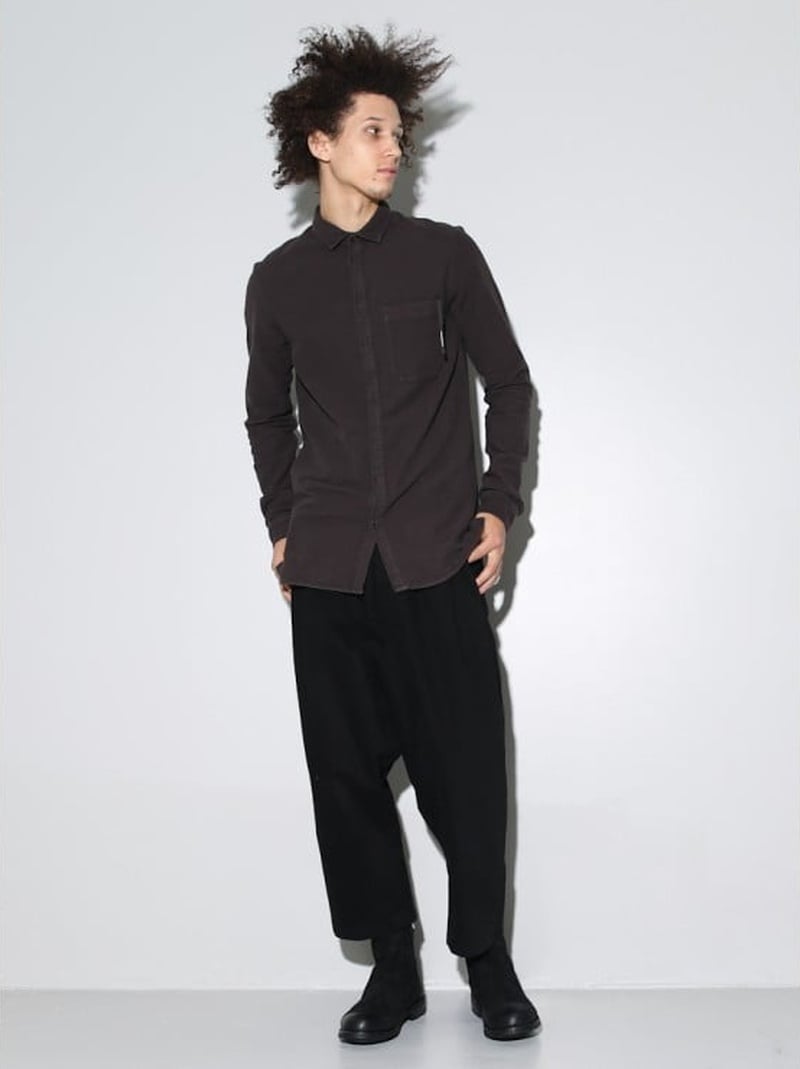
Trouser proportions helped distinguish the decade’s competing looks. Cropped hems exposed the ankle, drawing attention to footwear and socks while interrupting the line of the leg. They worked with narrow tailoring, but also with the wider trousers that gained ground later in the period. Drop-crotch styles changed the shape higher up, lowering the crotch seam and adding volume around the hips. R13 brought that silhouette into distressed rock styling for Barneys in 2015, combining denim with layered tops. Both trends made fit an active part of the outfit.
Snoods & Belt Bags
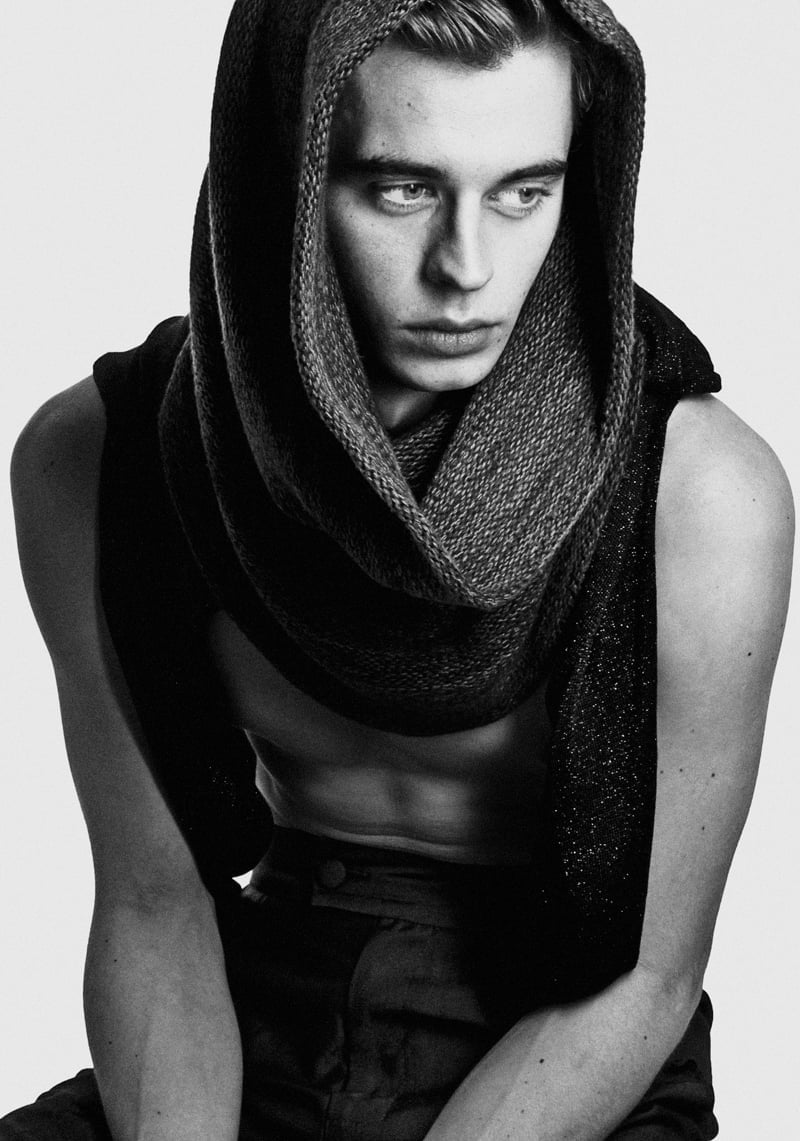
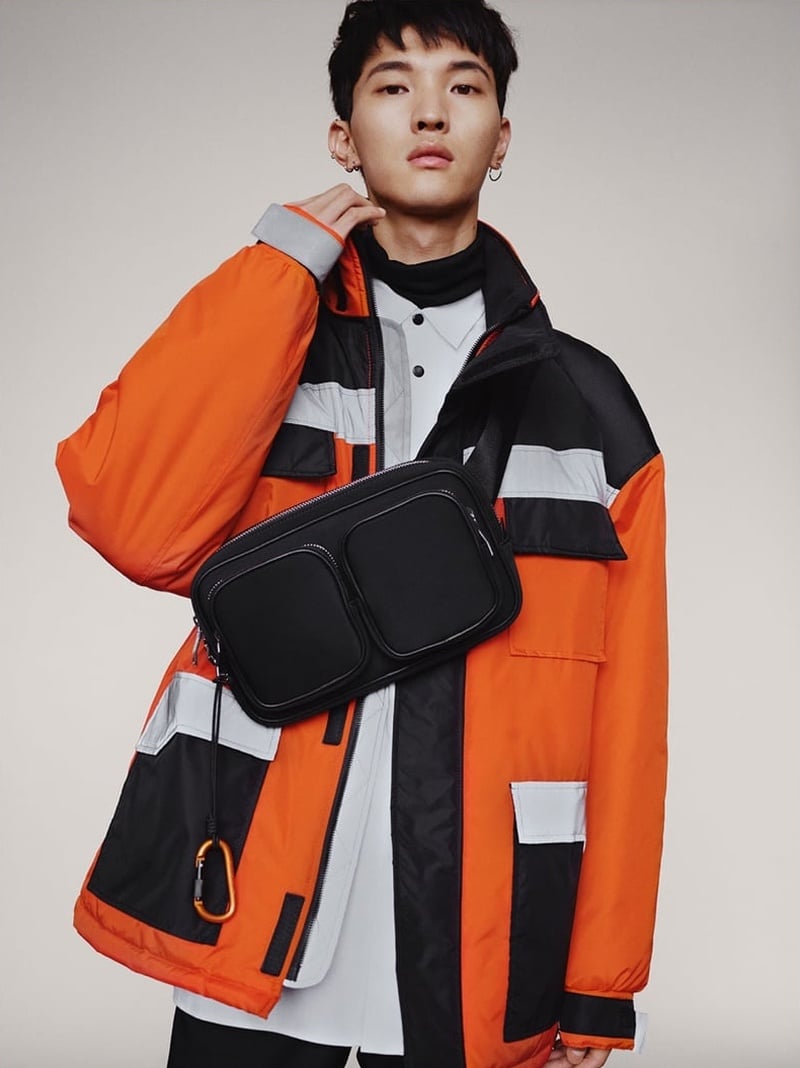
Accessories could change an outfit’s silhouette as decisively as a jacket. The snood gathered fabric around the neck, giving simple clothing a sculptural upper half. Worn close or pulled upward, it offered several ways to frame the face. The belt bag changed position as well as reputation, migrating from the waist to a diagonal strap across the chest. Zara’s fall 2018 styling placed it over technical outerwear, making the bag part of the outfit’s graphic arrangement.
Dressing Through the 2010s
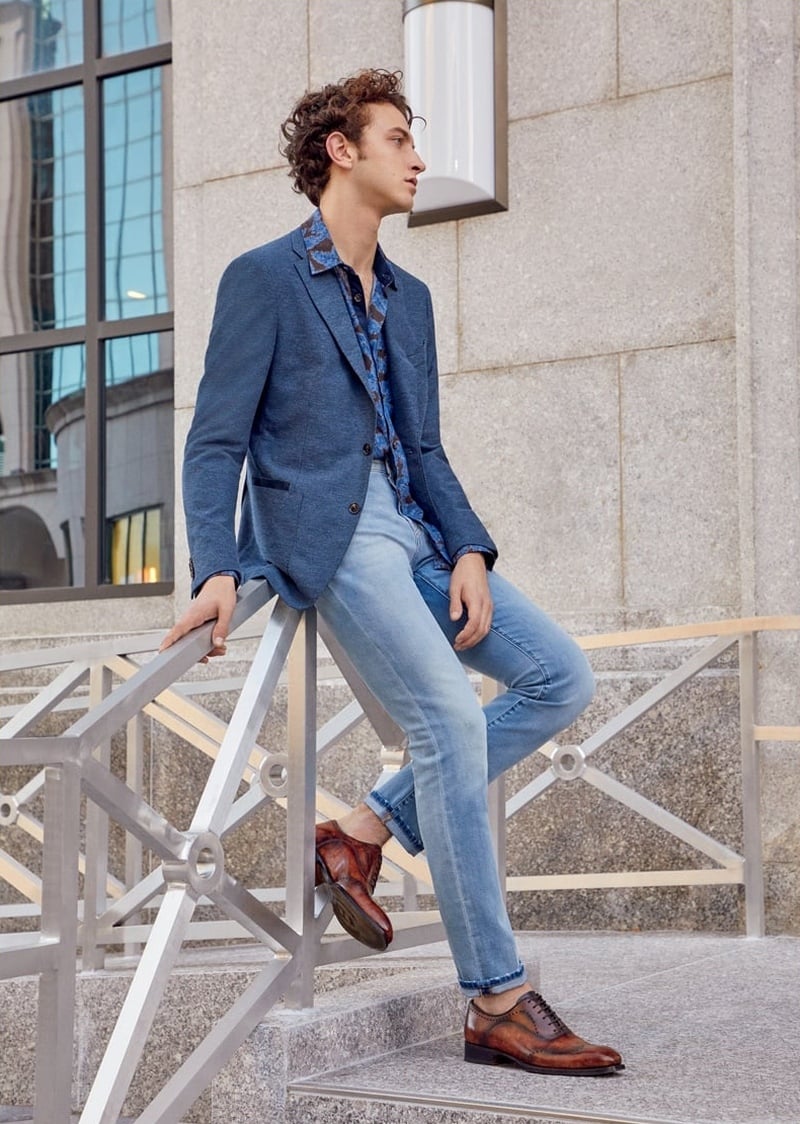
Many of these clothes could occupy the same wardrobe. A bomber worked with narrow denim or cropped trousers; sneakers could finish a suit or an outfit built around a hoodie. That flexibility helps explain why the decade resists a single uniform. Its most recognizable looks often came from changing the relationship between everyday pieces, whether that meant extending a hem, loosening a fit, or wearing a practical accessory in a new position.