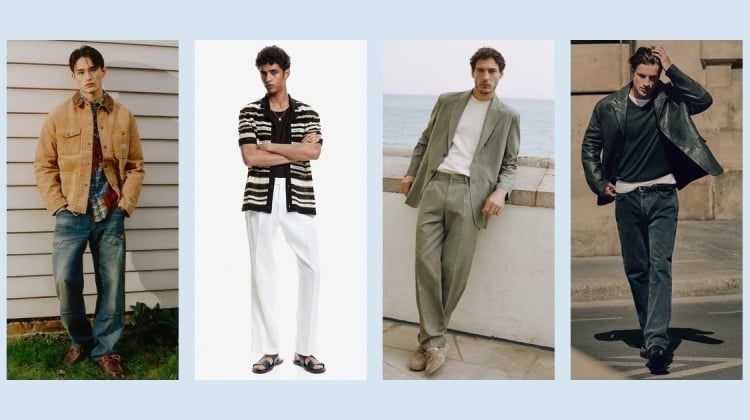
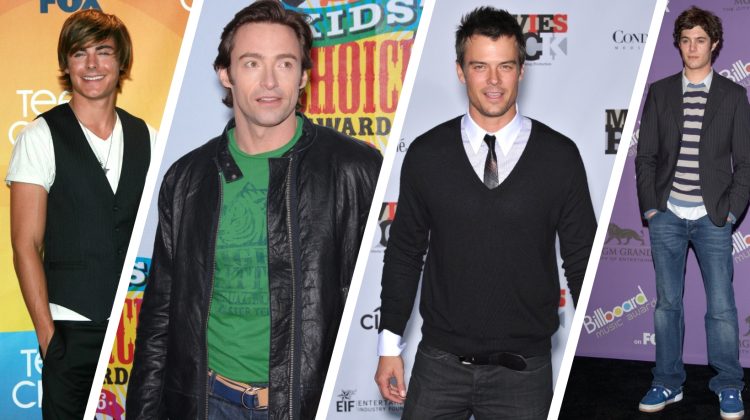
1920s men’s hairstyles made the comb part of the look. Hair swept back from the forehead or divided by a visible part gave the face a defined frame, with a glossy finish that still shapes ideas of Gatsby style today. The differences are easiest to see in the direction of the hair, the position of the part, and how much natural wave remains.
The best-known men’s hairstyles of the decade share a controlled outline, but they are not interchangeable. A straight-back finish opens the forehead, a side part introduces an angled sweep, and a center part creates symmetry. Wavy hair brings another possibility, letting texture interrupt the smooth surface.
1920s Men’s Hairstyles
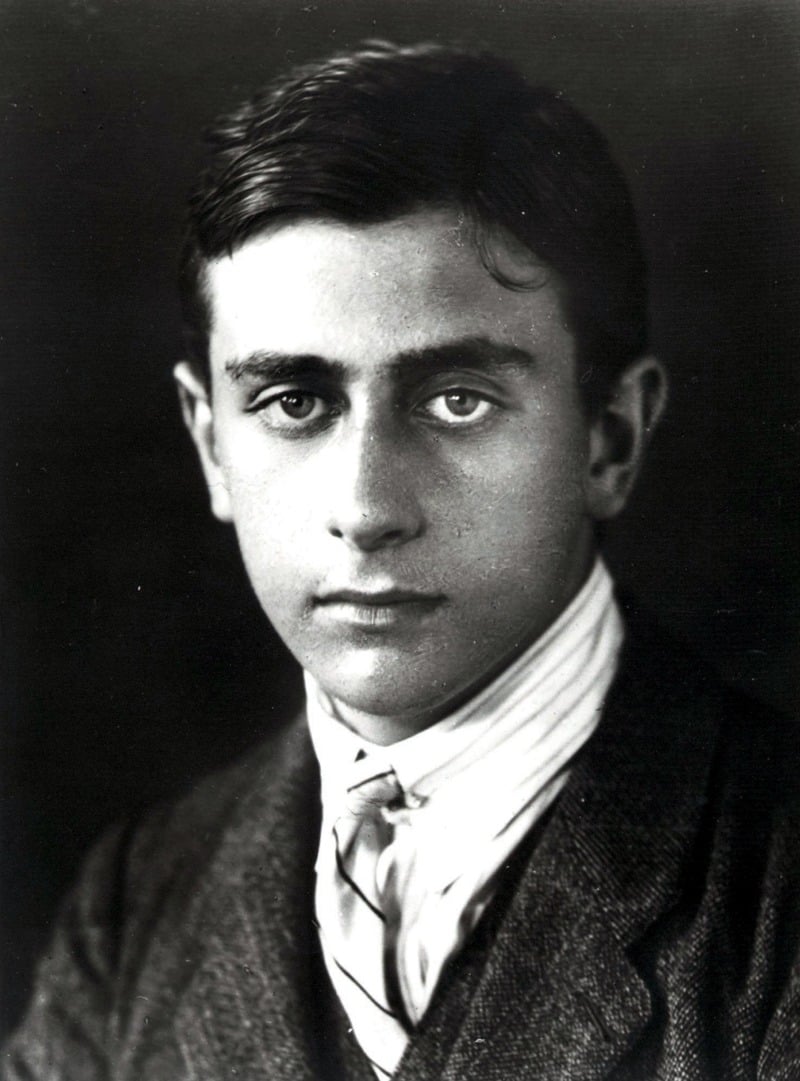
The tailoring of the 1920s provides a useful companion to these looks. Hair sits close to the head and keeps the face visible above a shirt collar. Period portraits are valuable references, while modern fashion photographs show how the same ideas translate to a contemporary haircut. They should be read as interpretations, not evidence of what every man wore.
Slicked-Back Hair
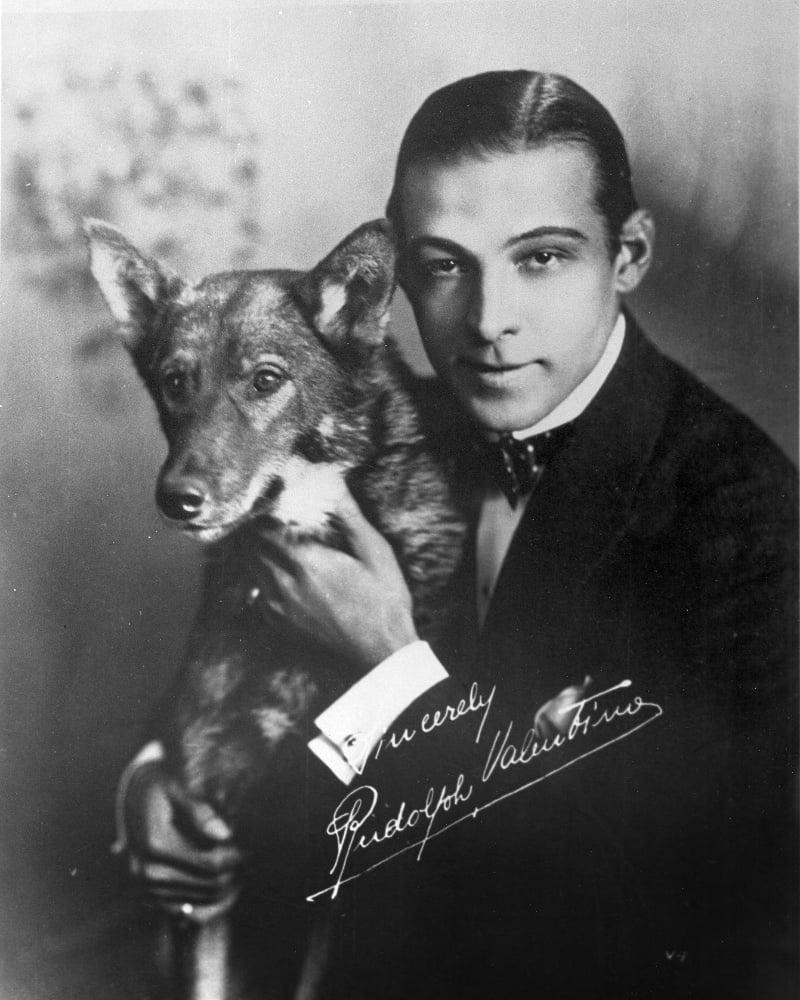
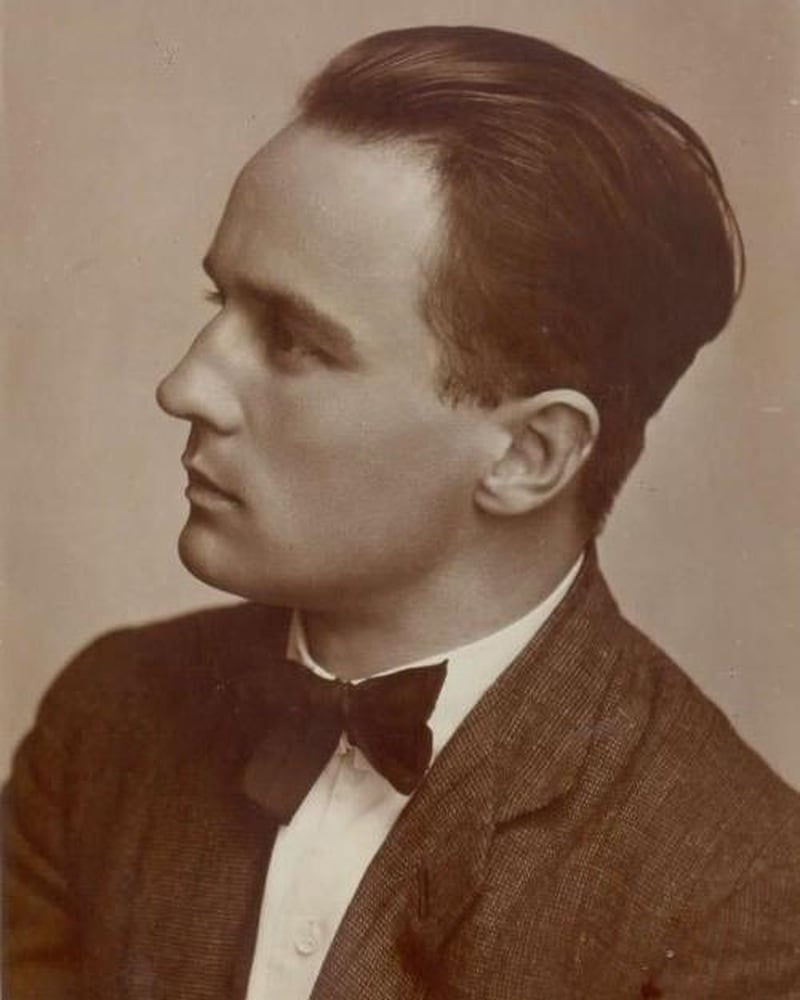
The defining feature of slicked-back hair is its direction. The top moves away from the face toward the crown, with the sides combed back to support the same line. A part may be faint or absent. The result draws attention to the forehead and profile instead of a fringe.
For a modern version, the top needs enough length to lie back instead of standing upright. Ask a barber to judge that length against your hair’s density and growth pattern. Work a small amount of pomade through damp hair, then comb from the hairline toward the crown. Add product gradually so the finish stays controlled instead of heavy.
Slick Side Part
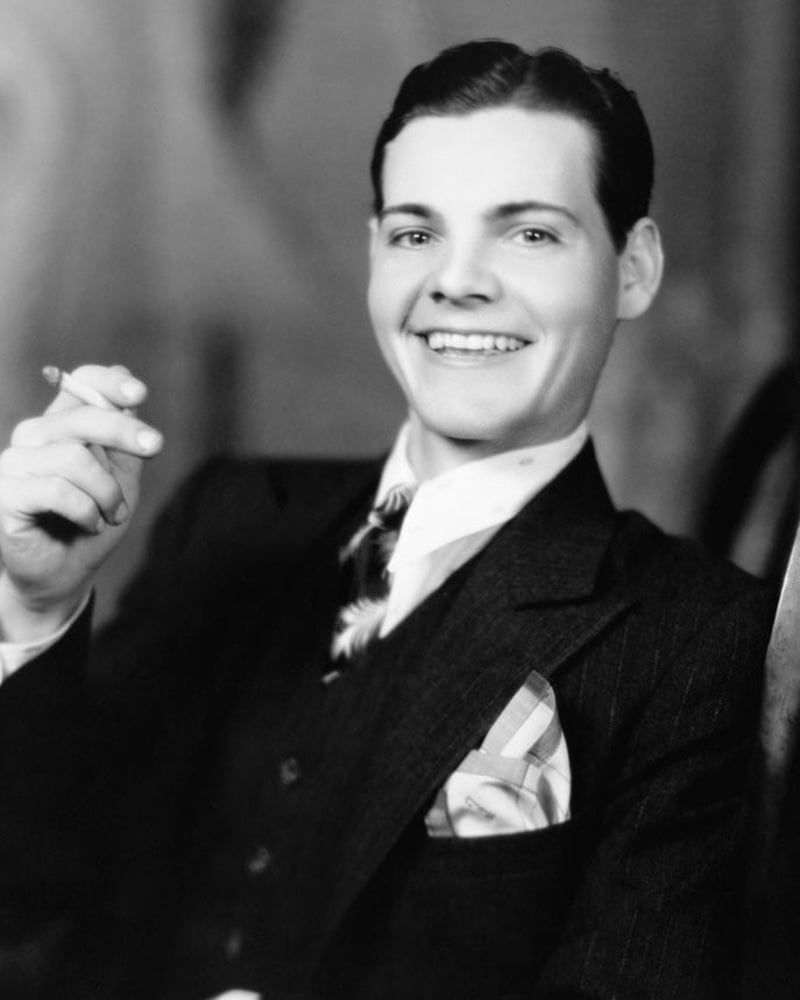
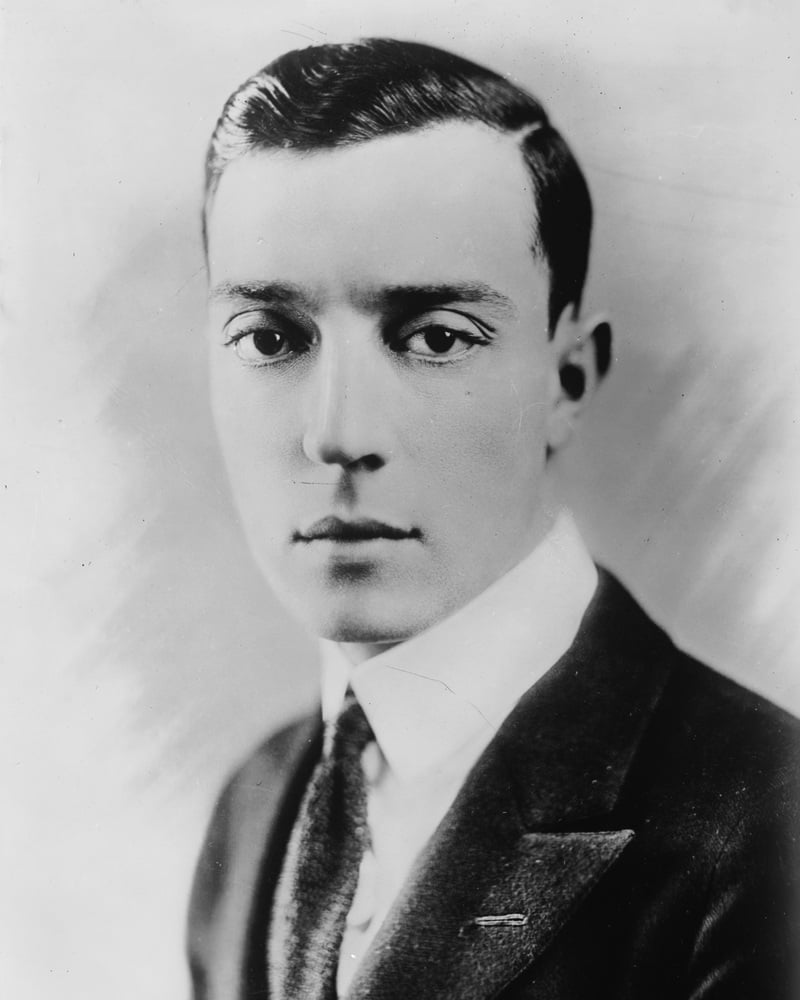
A slick side part gives 1920s hair its most recognizable diagonal movement. One side lies close to the head while the longer top sweeps across and back. The part supplies the structure; the shine makes that structure easier to see.
Follow the part your hair accepts naturally, then use a fine-tooth comb to define it. Keep the sides controlled and avoid building excessive height at the front if you want a closer period reference. For an outfit inspired by The Great Gatsby, that low, glossy sweep can do more to establish the mood than an exaggerated modern fade.
Center-Parted Hair

The center part changes the balance of the whole face. Instead of moving the top toward one side, it divides the hair into two sections that travel outward and back. A slightly off-center line gives a similar effect if an exact middle part fights the way your hair grows.
This option can work especially well with straight hair or a gentle wave, provided the front is long enough to sweep away from the part. Comb each section into position while damp and let it set. Keep the finish close to the head for a vintage interpretation, or leave a little movement for daily wear.
Wavy Hair & Finger Waves
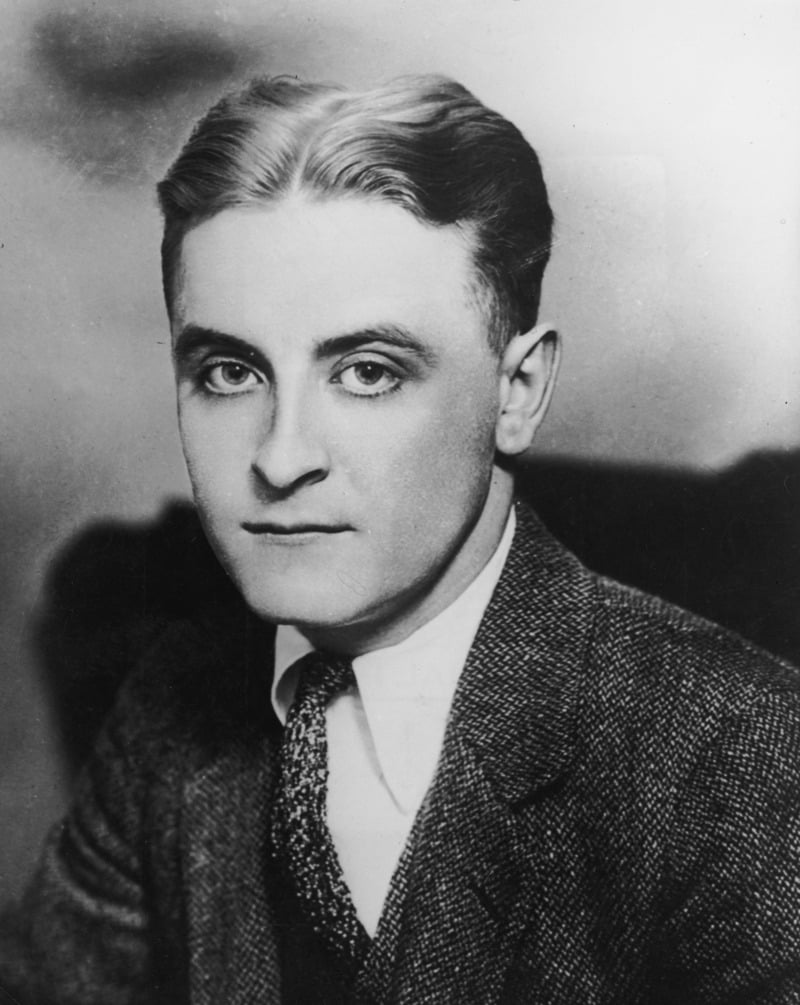
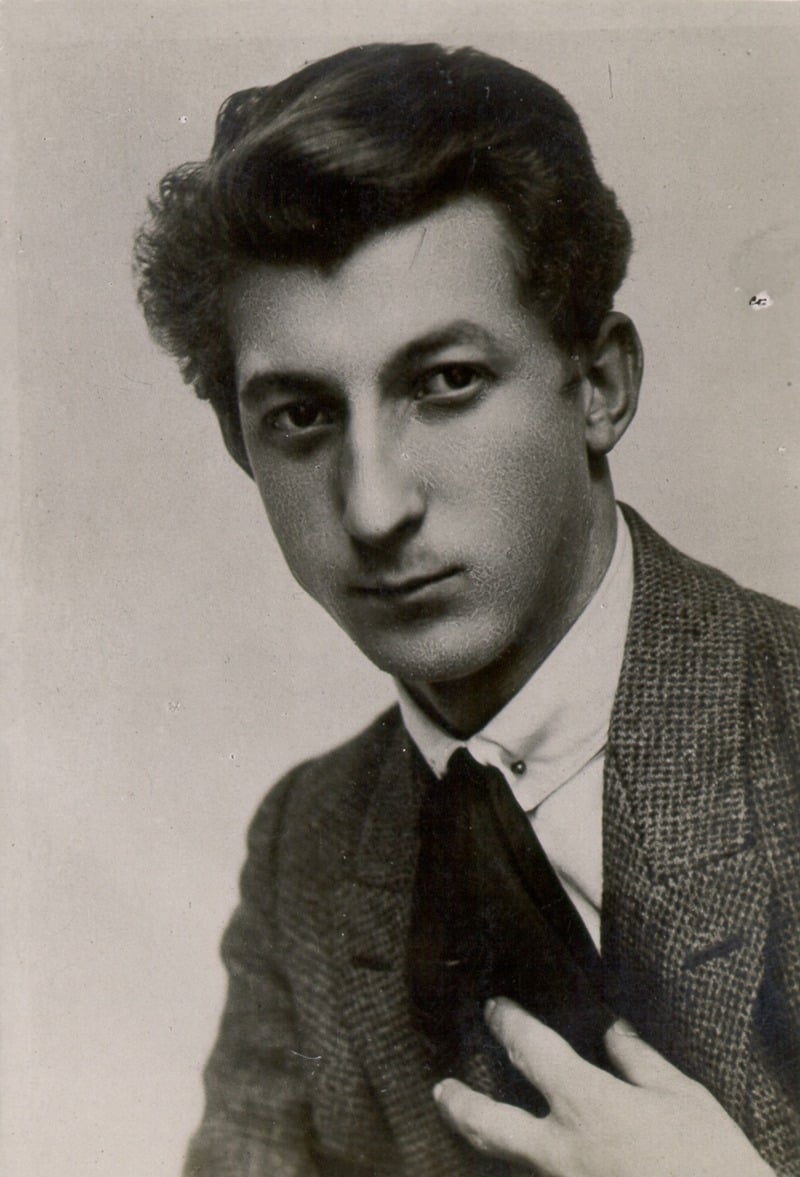
Wavy and curly hair offer a different route into the look. Natural waves can be combed back or guided across a side part, leaving ridges visible through the top. Finger waves are more deliberately shaped, forming a sequence of curves close to the scalp. A natural wave and a finger wave are not the same thing.
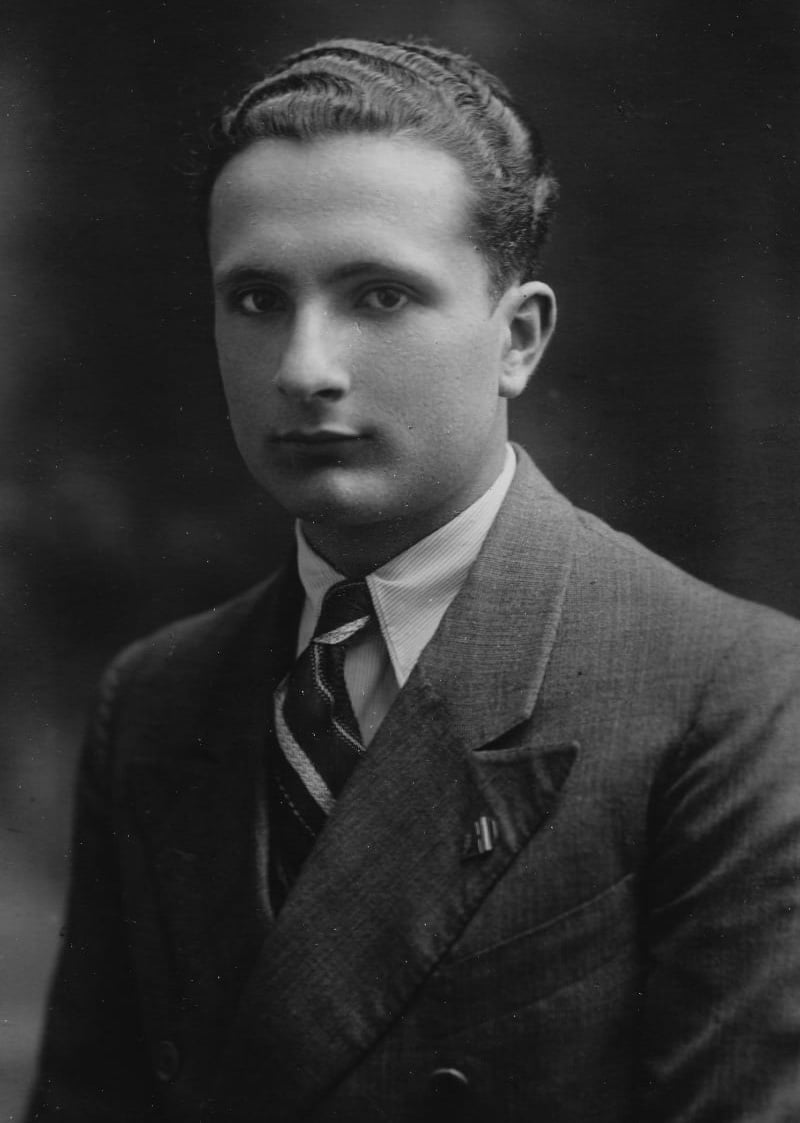
For curly-haired guys, the useful starting point is the curl pattern itself. A light application of styling cream or pomade can help define their curls and control flyaways. Use your fingers to preserve the shape, then a comb only where you want a clearer part or smoother edge. More elaborate finger waves take deliberate setting and may be easier to achieve with a stylist.
Thinning Hair During the ’20s
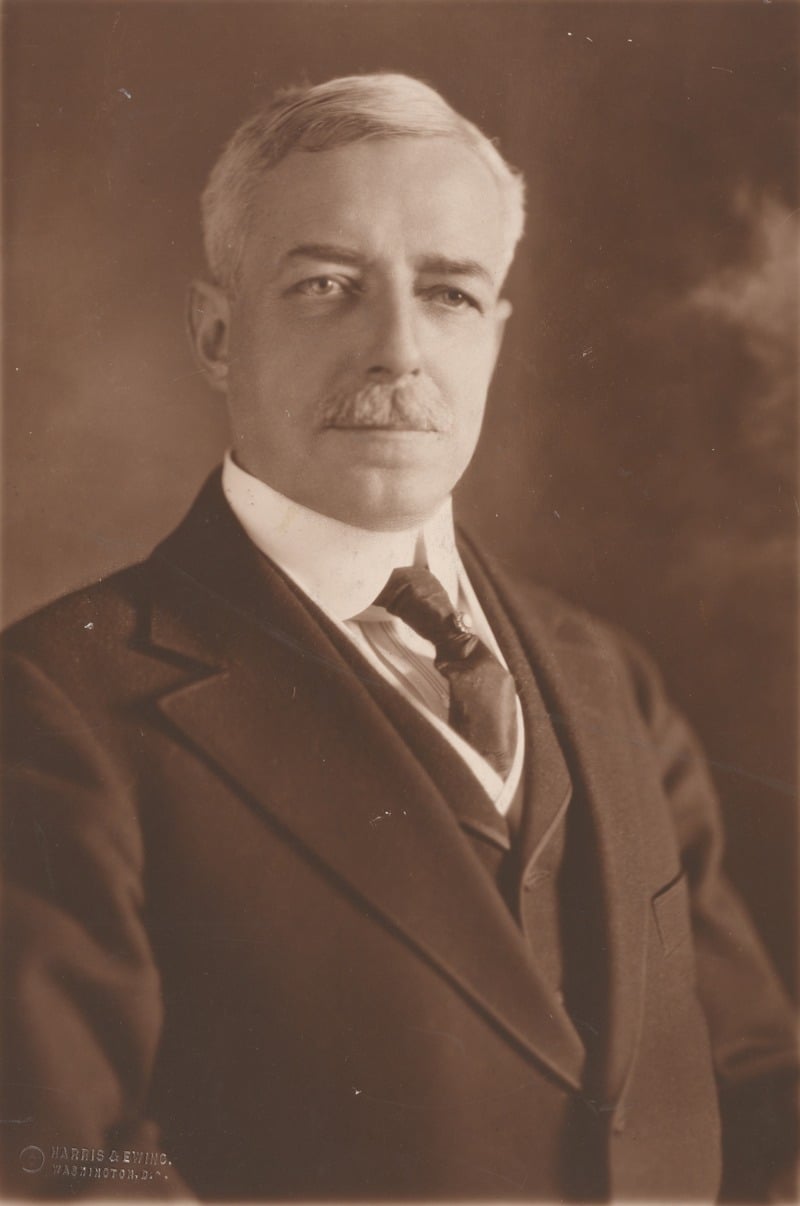
Period-inspired styling does not require a dense head of hair. For thinning locks, a gentle side sweep can follow the available growth, while a heavy wet finish may make the scalp more visible. Use less product at first and judge the result in daylight. A barber can help adapt the outline to a receding hairline instead of forcing an elaborate comb-over.
Men’s Facial Hair During the 1920s
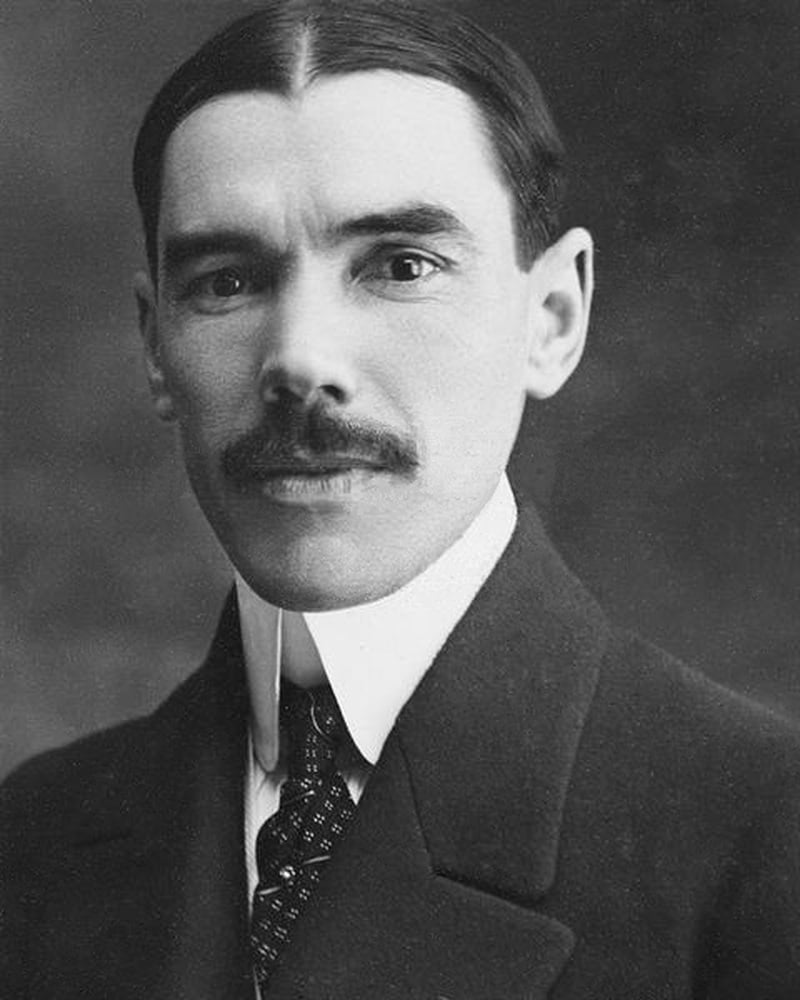
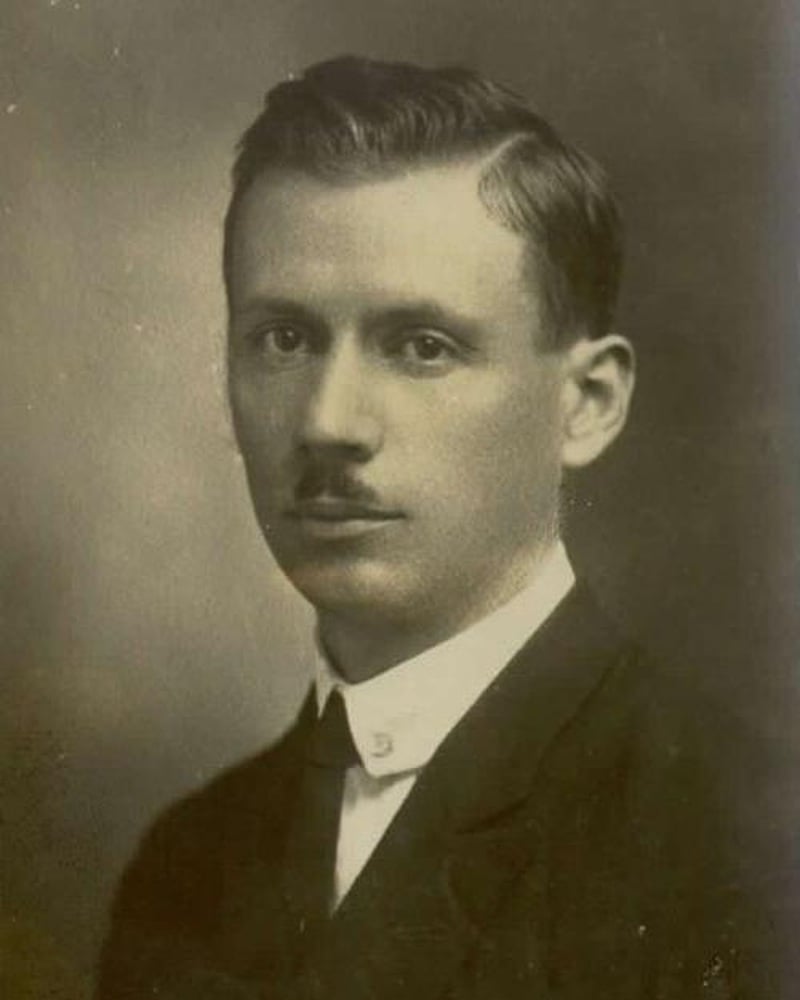
Men’s facial hair during the 1920s ranged from a clean shave to mustaches of different widths and shapes. A clean-shaven face keeps the jaw and mouth visible, letting a slick side part or brushed-back hairstyle frame the face. A mustache adds definition above the lip and changes the balance of the look.
For a 1920s-inspired look today, a small mustache can sit comfortably beside slicked-back hair or a side part. Keep its edges defined and its scale in balance with the face. A thin mustache creates a precise line above the lip, while a fuller shape gives the face more weight around the mouth.

How to Style 1920s Hair Today

Start with a haircut that leaves workable length on top and keeps the neckline tidy. Some shorter cuts still allow a side part, while a full slick-back requires more length through the crown. Apply product sparingly to damp hair, establish the part if you want one, and comb the surface into place. Choose a pomade for shine or a lighter styling cream when you want more movement.
If you are wearing hats, keep the front low enough to sit comfortably beneath the brim. The women’s flapper hairstyles of the era offer a parallel reference for the appeal of controlled shape and visible waves.
Modern screen references need a little separation from historical styling. A Peaky Blinders hairstyle can guide a more dramatic cut with closely clipped sides, but it is not a template for every 1920s haircut. Likewise, a pompadour style builds height at the front; choose it when volume is the goal, not as another name for a flat slick-back.
1920s-Inspired Hairstyles in Fashion

Fashion imagery is useful for seeing these shapes beside contemporary clothes. Anatol Modzelewski, Florian Neuville, and Nate Hill appear in a 1920s Berlin-inspired editorial for Tabula Rasa, photographed by Therese + Joel. The differences in the hair matter as much as the shared vintage mood.
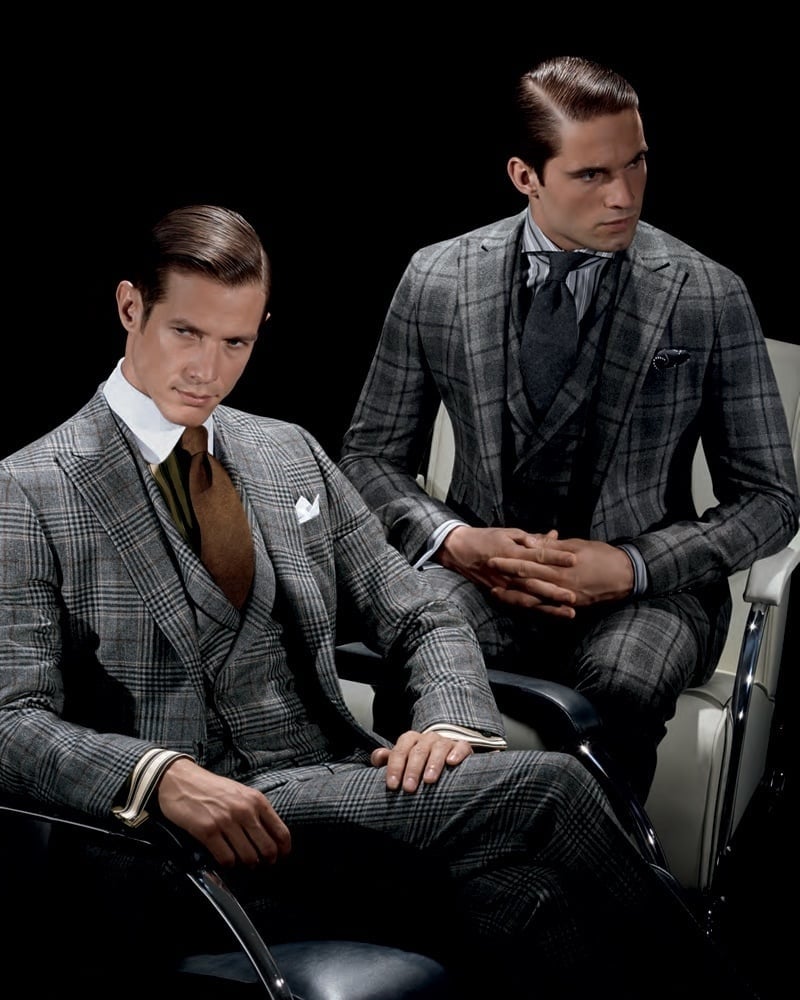
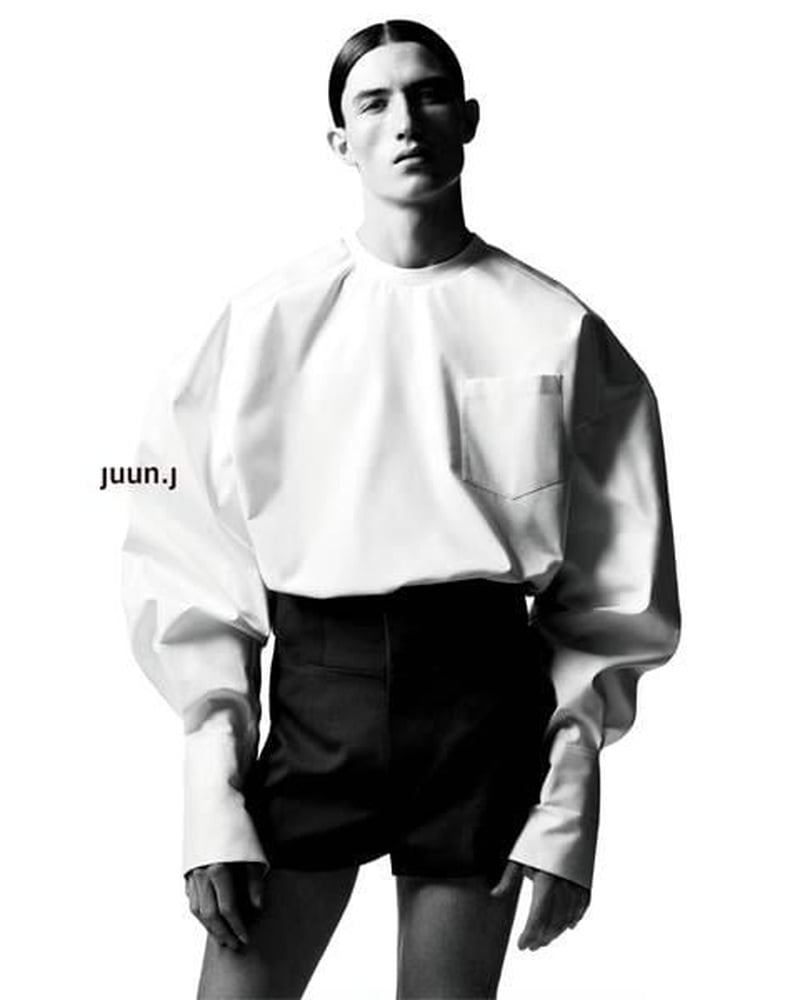
Other archive references include Phineas Cole’s collection. Jester White’s center-parted finish in Juun. J’s campaign provides another modern interpretation. These references are most useful when choosing a direction for the hair, then adapting the finish to the face and clothes in front of you.