70s men’s hairstyles gave length and texture room to become the main attraction. Shags fell over collars, feathered layers swept away from the face, and afros celebrated natural volume. Alongside the decade’s changing fashions, these cuts broadened the possibilities for men’s appearance. There was no single 70s male haircut, however. David Cassidy’s fringe and Robert Plant’s flowing curls belonged to the same decade, yet suggested very different lives.
The 1970s Fashion Scene
Men’s hair in the 1970s continued changes already underway during the previous decade. Long hair had become associated with youth culture and opposition to conventional expectations, while the natural hair movement gave the afro particular significance for Black identity.
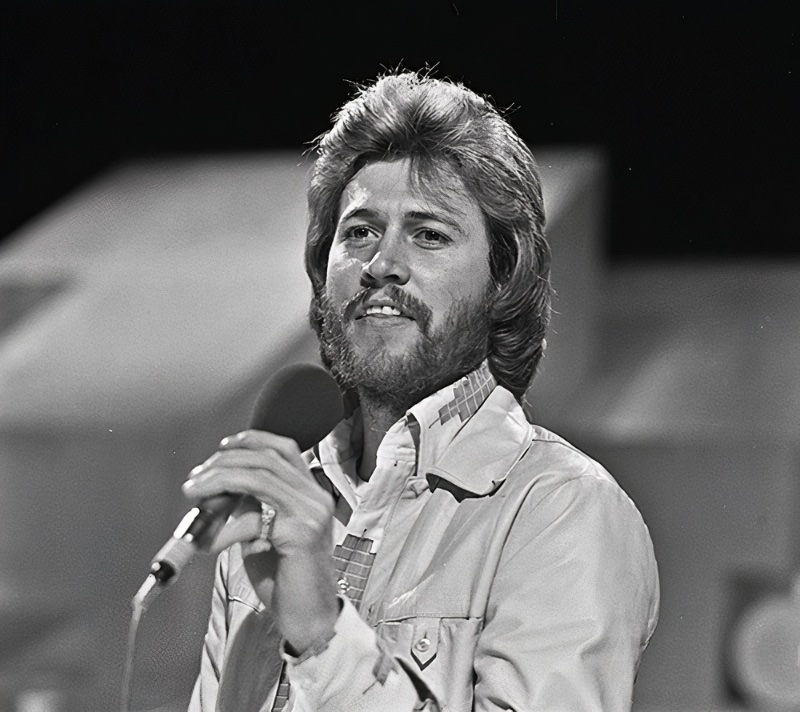
The conservative styles of the 1960s remained part of the picture, but they no longer tell the whole story. Rock musicians, television stars, and athletes offered competing examples of how men could look. Barry Gibb’s shoulder-skimming hair belonged as comfortably with an open shirt as a shorter cut did with a suit.
70s Men’s Hairstyles
The most recognizable 70s men’s hairstyles differed in their shape as much as their length. A shag depended on layers, feathered hair on a brushed-back finish, and an afro on the shaping of tightly curled hair. These expressive men’s hairstyles also overlapped, making rigid labels less useful than a good reference photograph.
The Shag
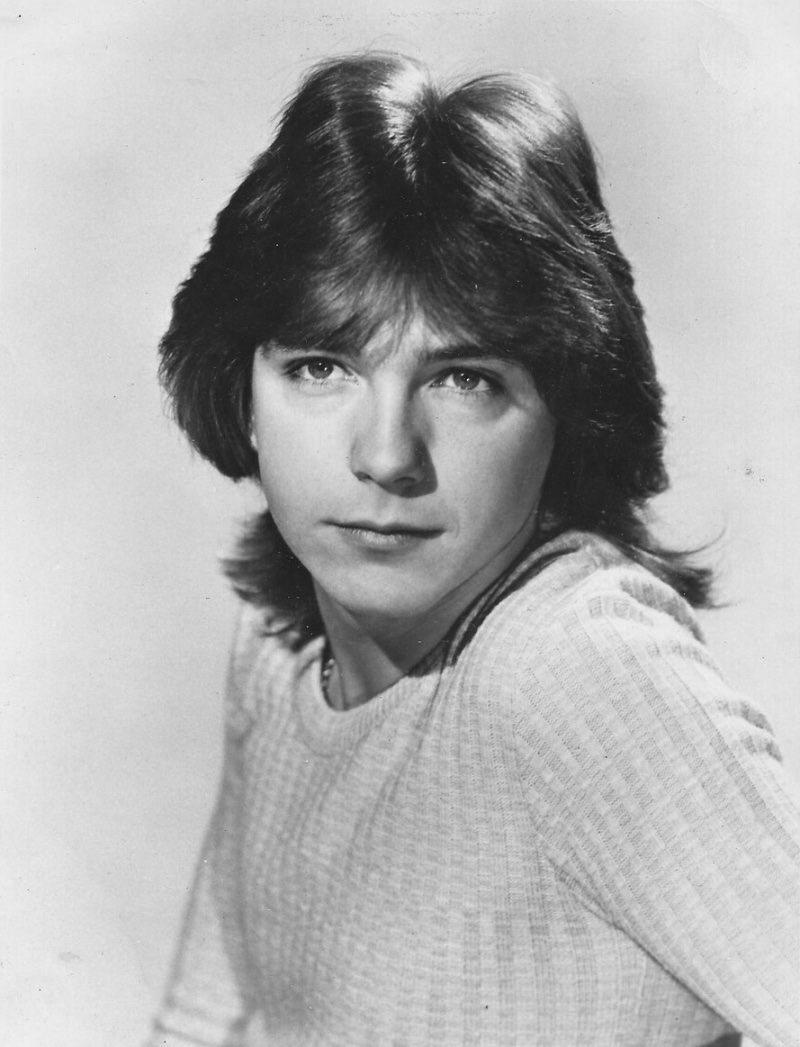
The shag used layers to break up the weight of medium or long hair. A fringe framed the eyes, while longer sections around the ears and nape softened the outline. Its apparent informality still depended on a purposeful cut.
For a reference to 1972 men’s hairstyles, David Cassidy’s hair offers a useful starting point. His rounded fringe and collar-length layers made the shag approachable enough for a television heartthrob. Roger Daltrey’s curls gave a layered cut a different character, showing how much texture could change the result.
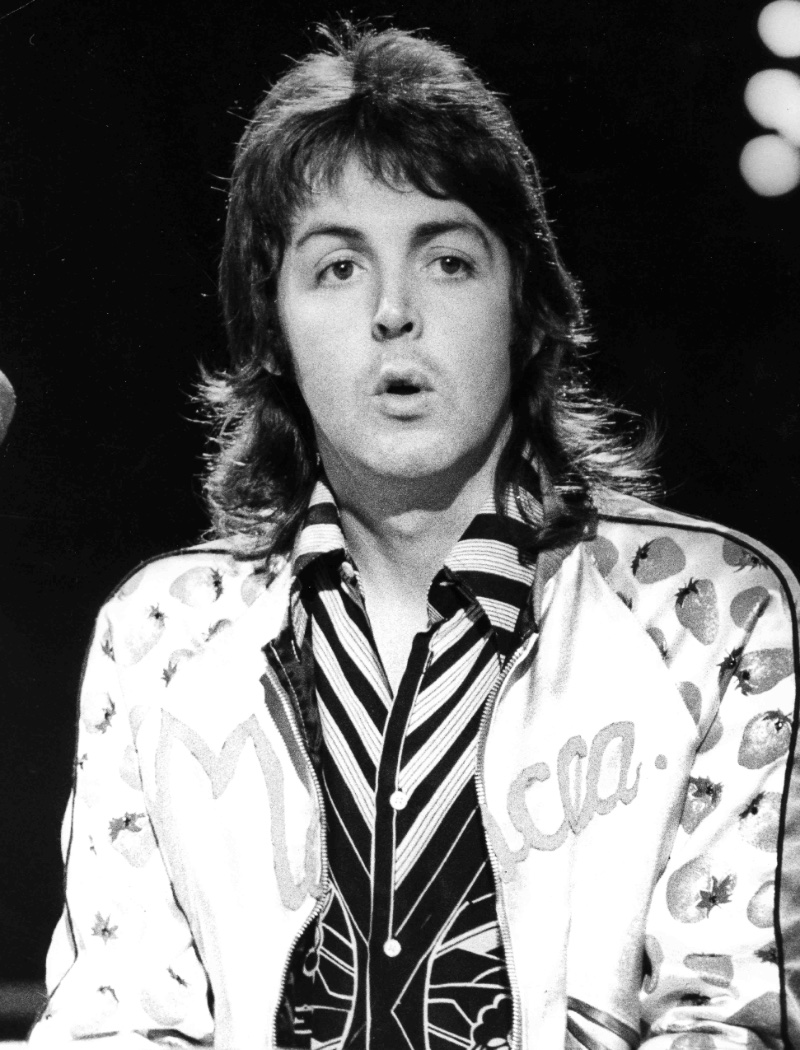
Paul McCartney’s shaggy hair offered another variation. The longer back and loose outline suited the bohemian side of the decade’s dressing, moving the look away from the Beatles’ early matching mop tops.
Long Hair
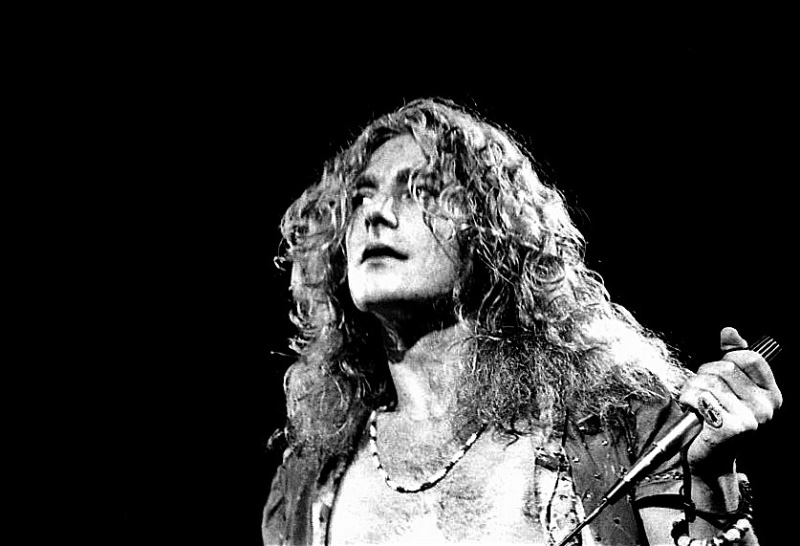
Long hair was already established in counterculture by the start of the 1970s. The decade extended its visibility, particularly through rock performers whose hair became part of their stage image.
Robert Plant’s curly long hairstyle made volume as important as length. Mick Jagger offered a different reference, with hair that framed the face in a looser, shaggier outline. These were variations on long hair, not one interchangeable rock-star cut.
For men borrowing the look now, the useful question is where the hair should fall. Shoulder length creates a different silhouette from hair that just covers the ears, especially when curls shorten as they dry.
The Afro
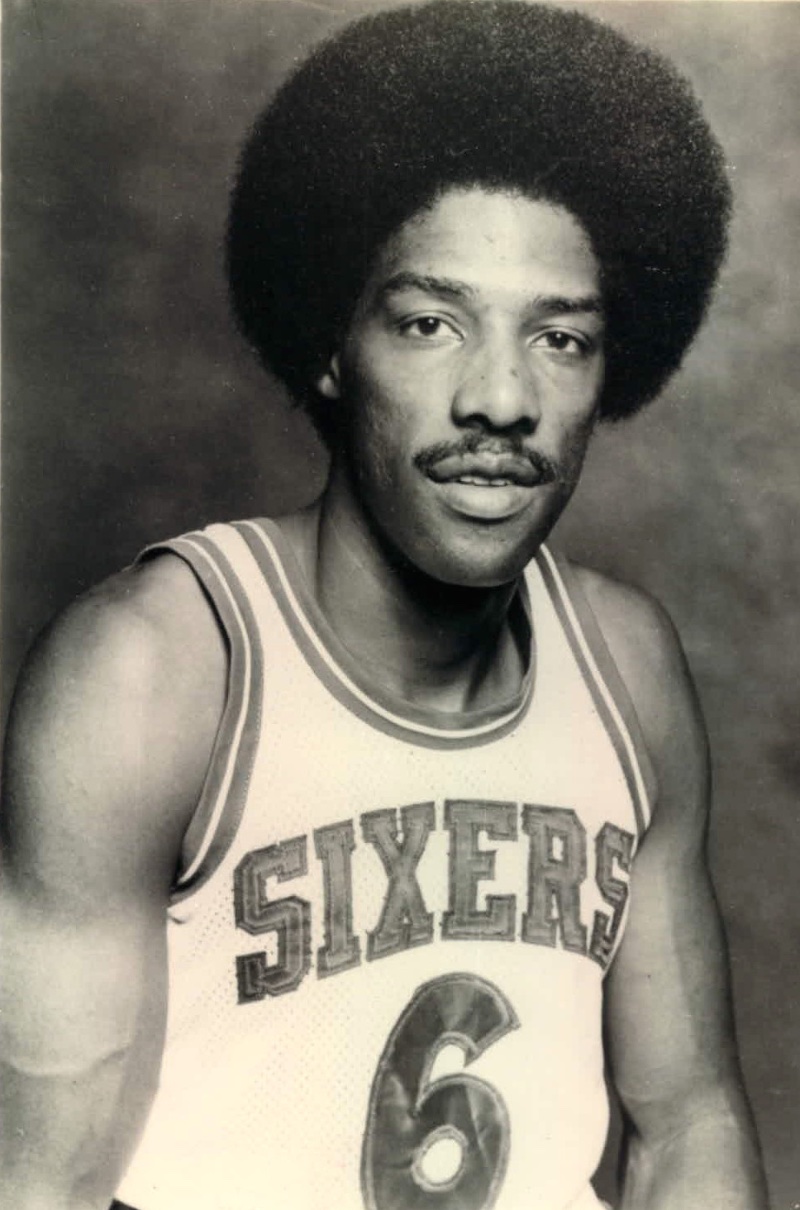
Among 70s male hairstyles, the afro had a cultural meaning that extended beyond grooming. Associated with Black pride and the natural hair movement, it challenged expectations that tightly curled hair should be straightened to meet prevailing beauty standards.
Julius Erving’s rounded afro became part of his recognizable basketball image. Musicians such as Billy Preston also helped make the style highly visible in popular culture. Its significance deserves that context, though an individual’s hairstyle alone cannot establish their personal politics.
The shape could vary in height and width. Natural texture supplied the volume, while grooming and shaping defined the outline.
Feathered Hair for Men
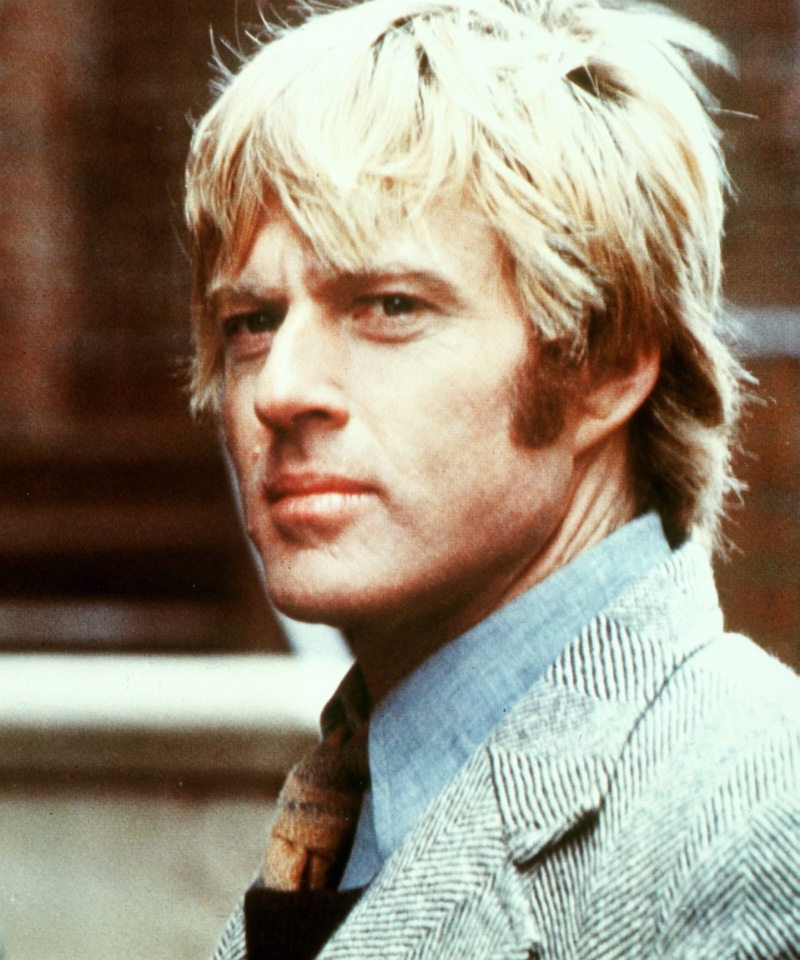
Feathered hair gave guys in the 70s a way to wear longer layers swept back from the face. The ends separated into light, overlapping sections, creating the feather-like finish that named the style.
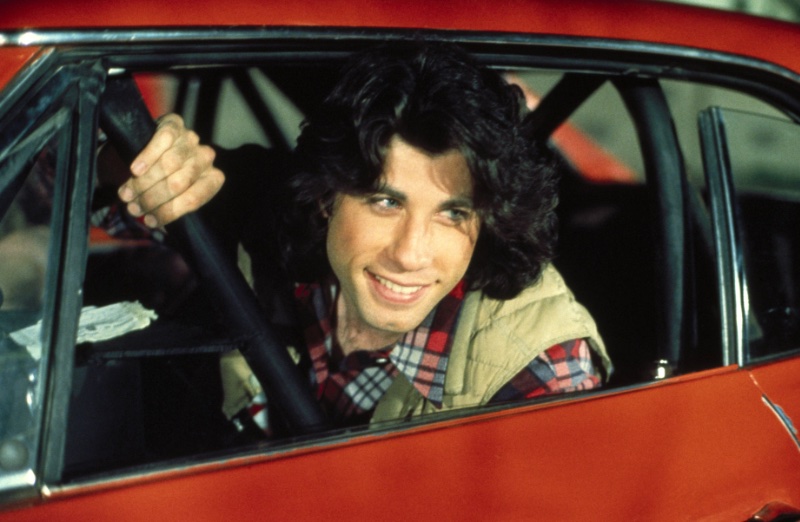
Robert Redford’s hair in Three Days of the Condor illustrates the appeal of a shorter feathered look. John Travolta’s layered hair offered another version, with more fullness around the sides. Neither required the shoulder-length commitment of a rock musician’s mane.
The distinction from a shag is largely in the finish. Shaggy layers tend to fall forward or move loosely around the face; feathered styling directs them outward and back. A cut can accommodate elements of both.
Curly Hair
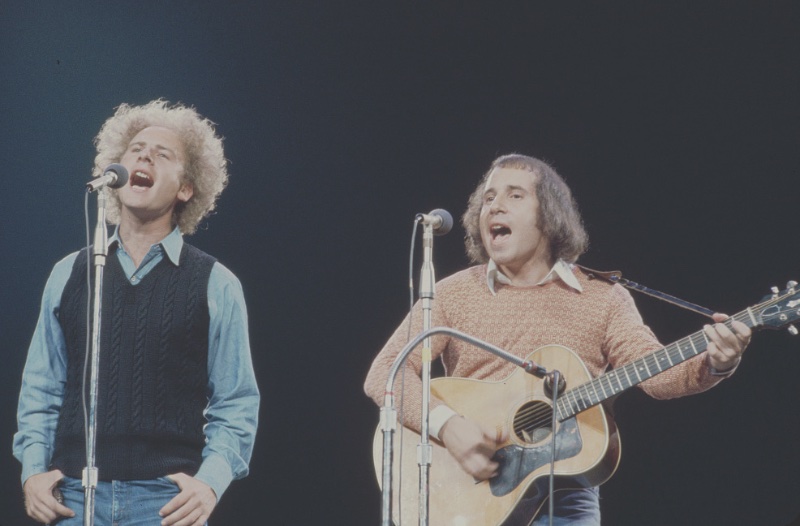
Curly hair became a defining characteristic of several recognizable performers’ looks. Art Garfunkel wore his curls with height and a rounded outline, demonstrating that length could build upward as well as downward.
Bob Dylan offered a more tousled reference. Gene Wilder’s curls, meanwhile, became inseparable from his screen image, including Willy Wonka & the Chocolate Factory.
These examples matter because curly hair is a texture, not a single haircut. The result depends on the layers and the amount of length retained, particularly around the sides.
Men’s Facial Hair in the 1970s
70s men’s facial hair changed the balance of a haircut. A thick mustache could anchor feathered layers, while long sideburns extended the outline of hair around the face. The combination often mattered as much as either element alone.
The Mustache
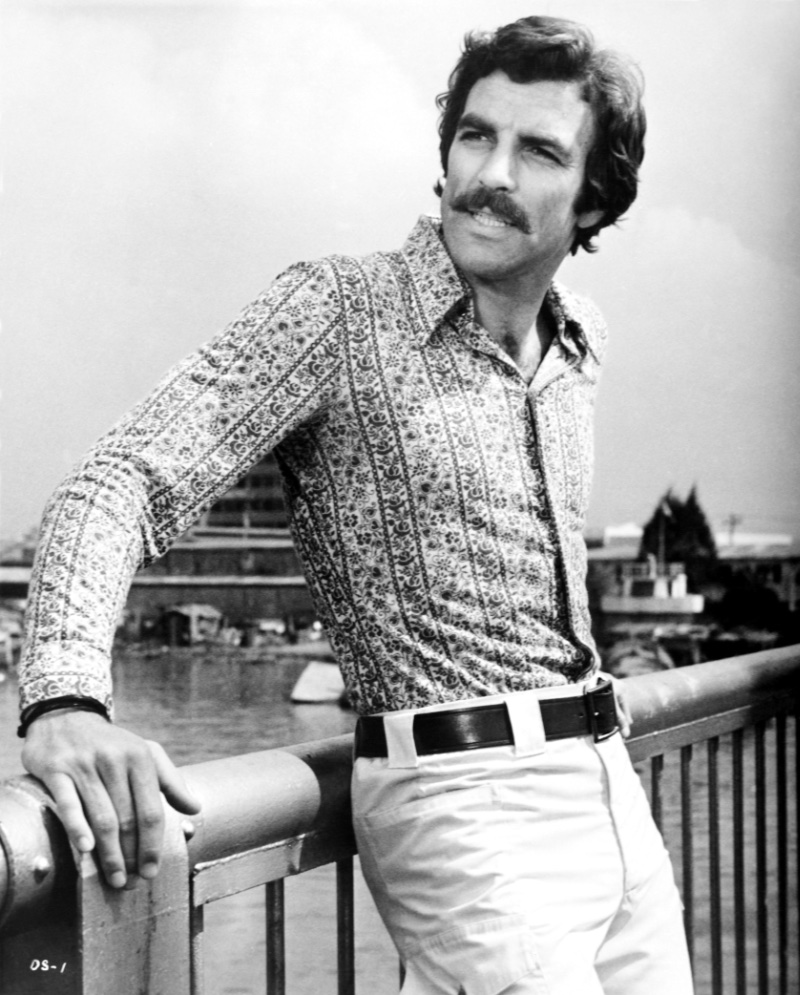
Tom Selleck and Burt Reynolds supplied enduring references for the full mustache. Selleck’s appearance in Daughters of Satan places the look in the early 1970s, ahead of the Magnum, P.I. role that would make it especially recognizable in the following decade.
A mustache also offered a relatively contained change. Men could adopt it while keeping a shorter haircut, making 70s grooming broader than the familiar image of flowing hair and a beard.
The Beard
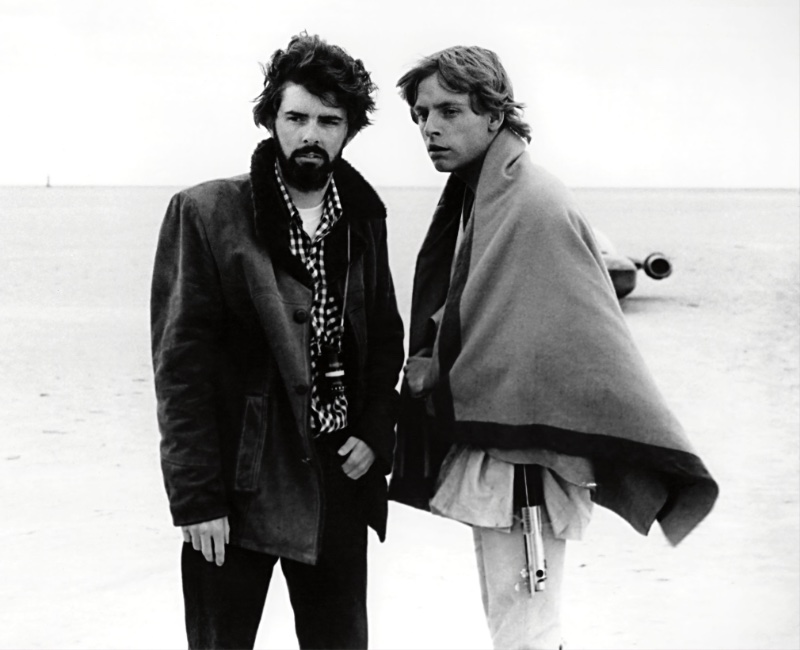
George Lucas’s full beard provides another period reference. Worn with longer hair, it created a continuous frame around the face.
Beards could suggest an informal approach to grooming, but they were not proof of rebellion. Their effect depended on their shape and the haircut worn above them.
Sideburns
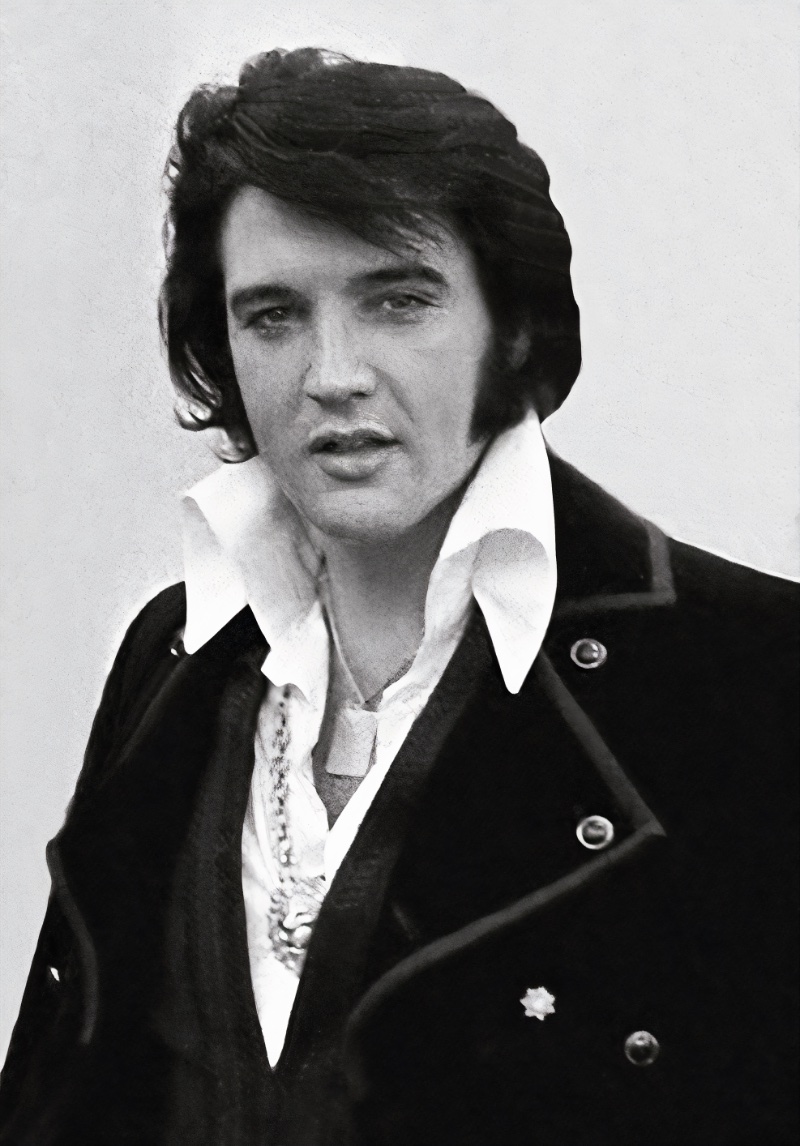
Elvis Presley made long sideburns a defining part of his image. They emphasized the sides of the face and connected his hairstyle to the rock-and-roll identity he had established earlier.
Sideburns also offered considerable variation. Length determined how far they reached down the cheek, while width changed their visual weight.
Goatees & Mixed Styles
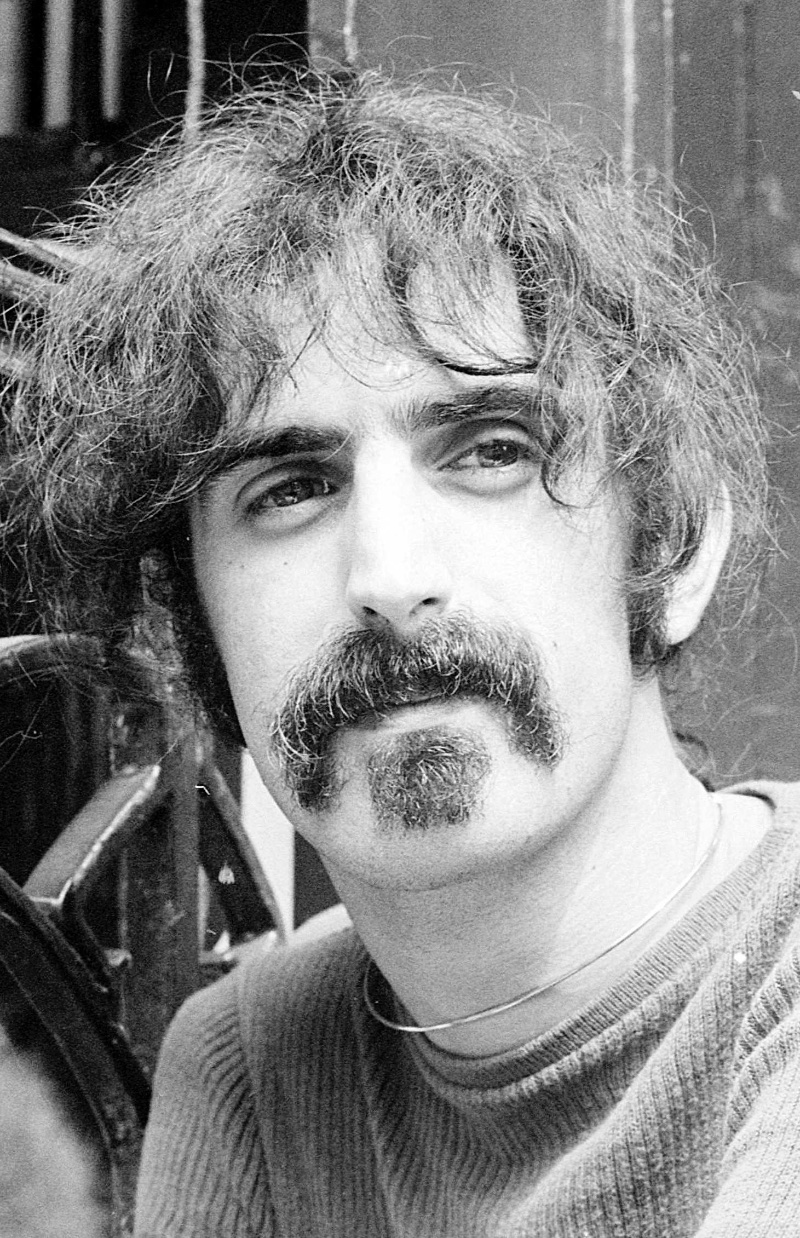
Frank Zappa’s mustache and soul patch show how facial hair could become a personal signature. A soul patch sits beneath the lower lip; it is different from a goatee, which concentrates hair on the chin.
That distinction helps when choosing a reference. Reproducing the placement and proportions is more useful than asking for a general 70s beard.
Haircare & Styling Products of the 70s
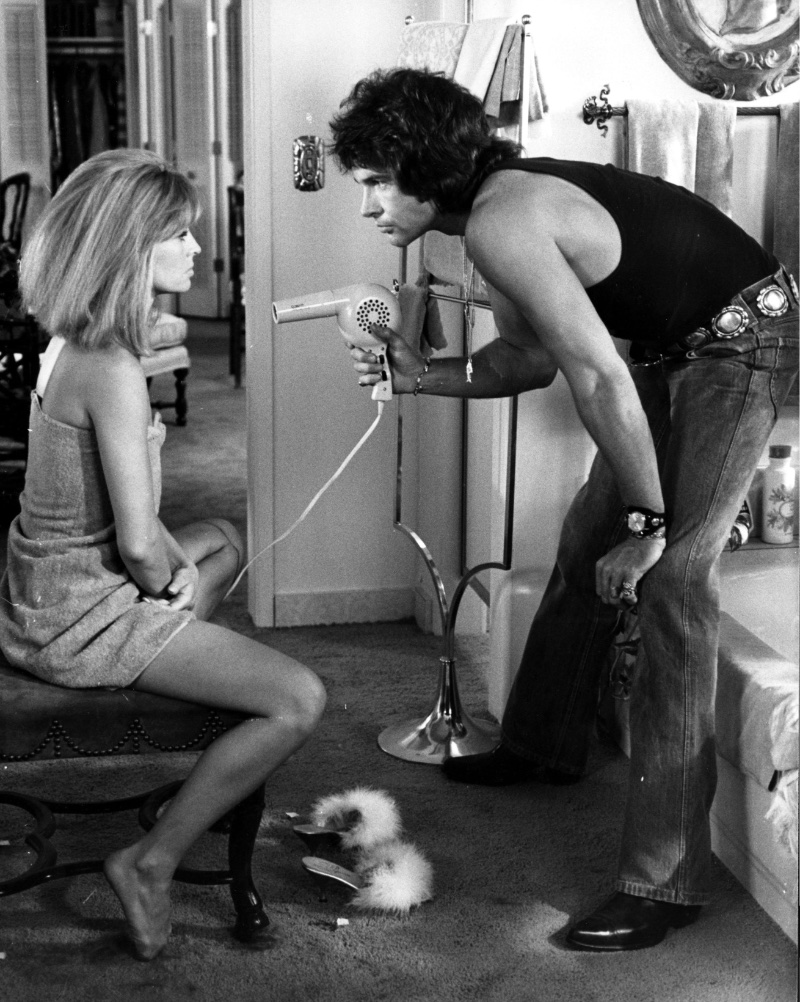
The loose appearance of 1970s men’s hair could involve plenty of styling. Feathered layers benefited from directed airflow and brushing, while hairspray helped retain the resulting shape. Looking casual and leaving hair untouched were different propositions.
The method also depended on texture. Brushing out a feathered style served a different purpose from shaping an afro or preserving defined curls. No single product routine explains every haircut associated with the decade.
Wearing 70s Hairstyles Today
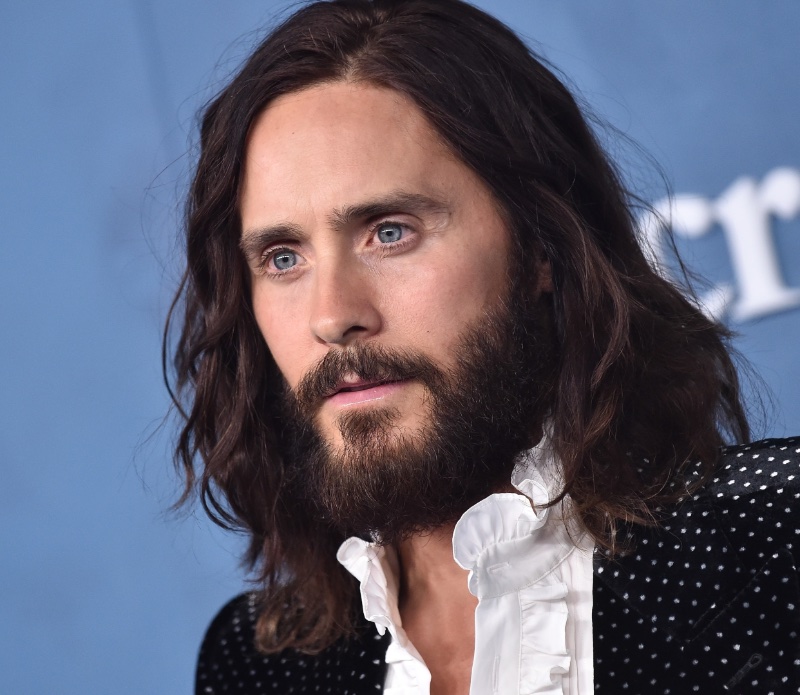
A convincing modern interpretation begins with the feature you actually want. That might be a shag’s fringe or the sweep of feathered layers. Copying every element of a period photograph can turn a useful haircut into a costume.
Bring a reference showing hair similar to your own texture and discuss the daily styling involved. Feathered hair generally requires more deliberate direction than a loose, air-dried finish. Long curls need a cut that accounts for how they sit when dry.
For 70s haircuts, male grooming references from the period offer a range of possibilities, from Cassidy’s face-framing layers to Erving’s rounded afro. Choose the shape that suits your hair and the time you want to spend on it.
Choosing Your 1970s Hair Reference
The strongest 70s men’s haircuts have recognizable proportions. Notice where the fringe ends, how much hair covers the ears, and whether the volume sits at the crown or spreads through the sides.
Those details give a barber or stylist something concrete to work with. “70s hair” names a decade. A photograph explains the haircut.