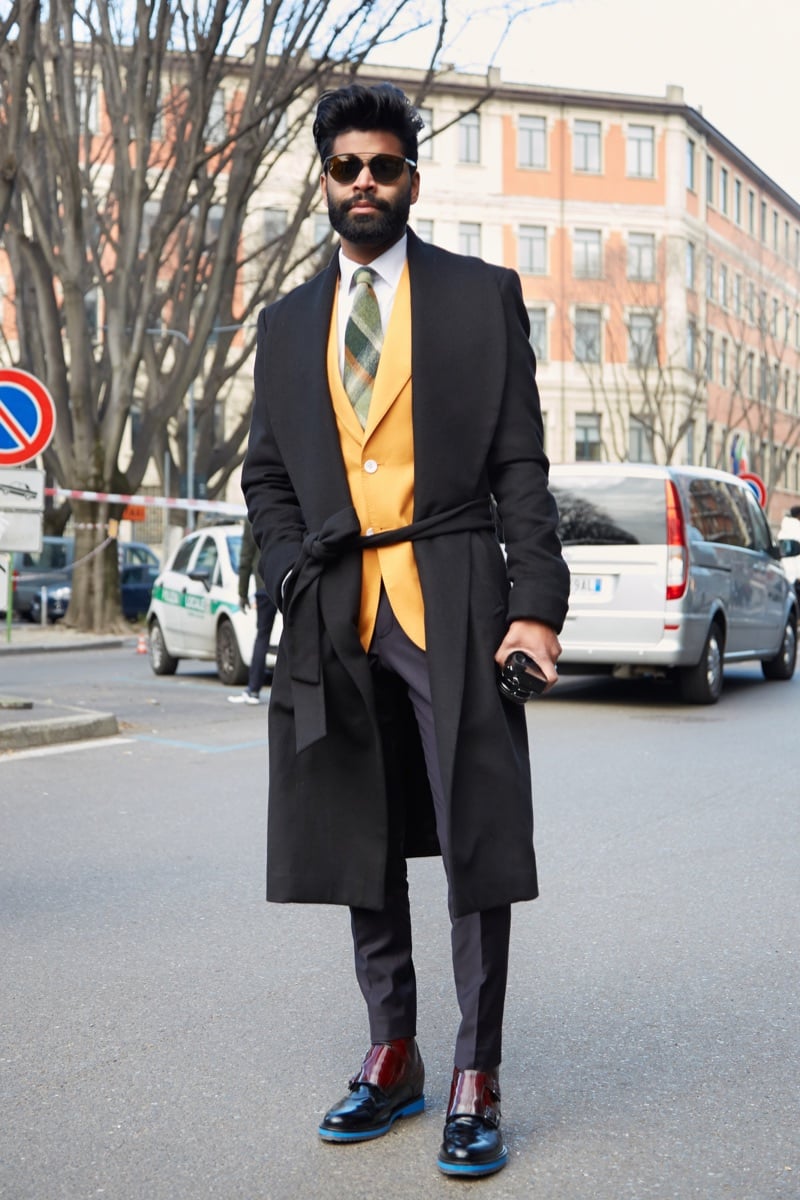
The logo used to do the talking. A monogram across a belt or a brand name stamped on a sneaker toe told everyone who could see it what its owner paid. That model is losing its grip.
The modern luxury consumer studies his own closet more than the runway, and he wants a piece no one else owns. Customization, once a niche indulgence reserved for tailoring clients and watch collectors, now sits at the center of how men buy clothes.
Sneakers are where this shift shows up first, because they are worn daily and need no fitting room appointment. A pair of sneakers functions as a canvas for a personal story, a mark of individual choice more than brand affiliation.
Customize your sneakers now describes an instruction men follow, sitting with artisans who translate a specific memory, a city, a favorite record, directly onto the shoe. The result exists once, distinct from anything in a factory run or a resale listing.
The Death of Mass Luxury
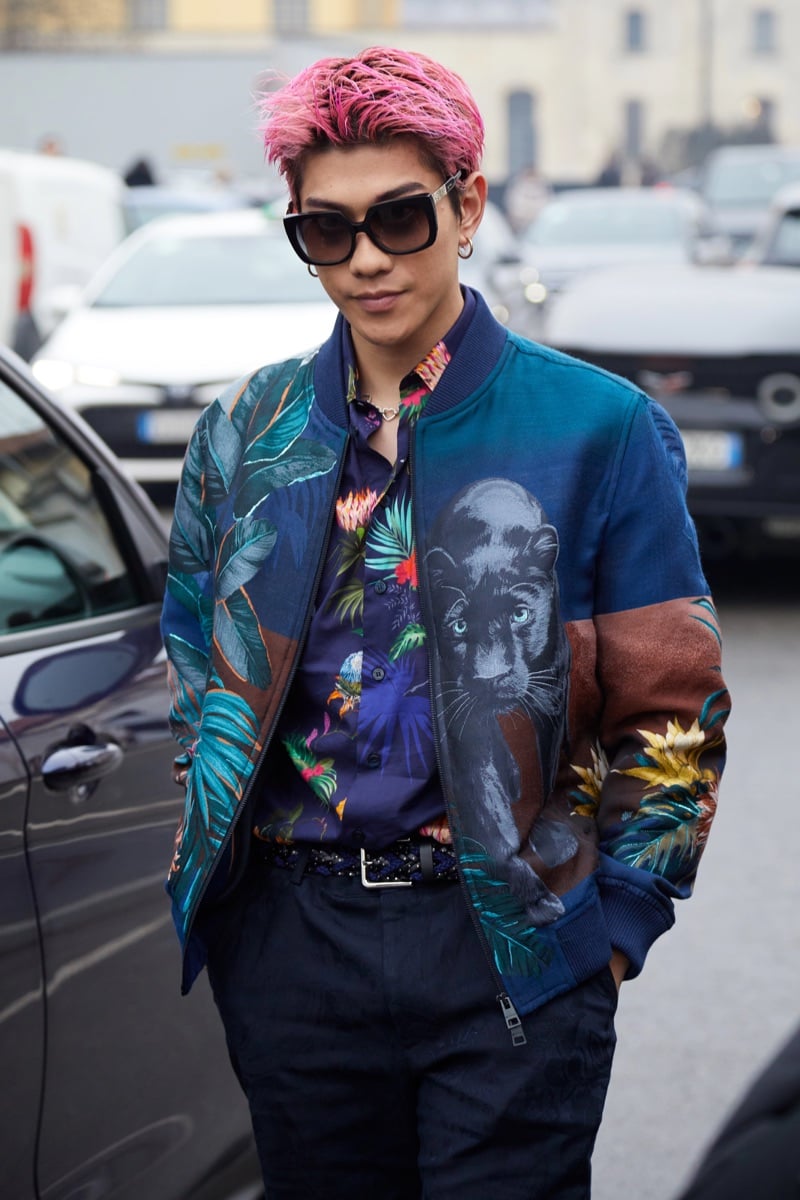
Recognizable logos held their power through scarcity, and scarcity died the moment social media made every version of the same monogram bag visible in the same afternoon.
When a bag, a belt, or a sneaker turns up in hundreds of feeds within a week of release, its ability to signal anything beyond the price tag disappears. Owning a piece everyone can name used to prove access. Now it proves only that the owner found a store.
Status now depends on being the only owner of a specific object, a narrower bar than simply affording it. Brands that hand a client a role in the design process capture this shift directly.
A monogram stitched onto a thousand identical totes says one thing. A sneaker hand-painted around one man’s memory of a specific summer says something else, and it says it to the audience that matters now, which is an audience of one.
Sneakers as the New Canvas
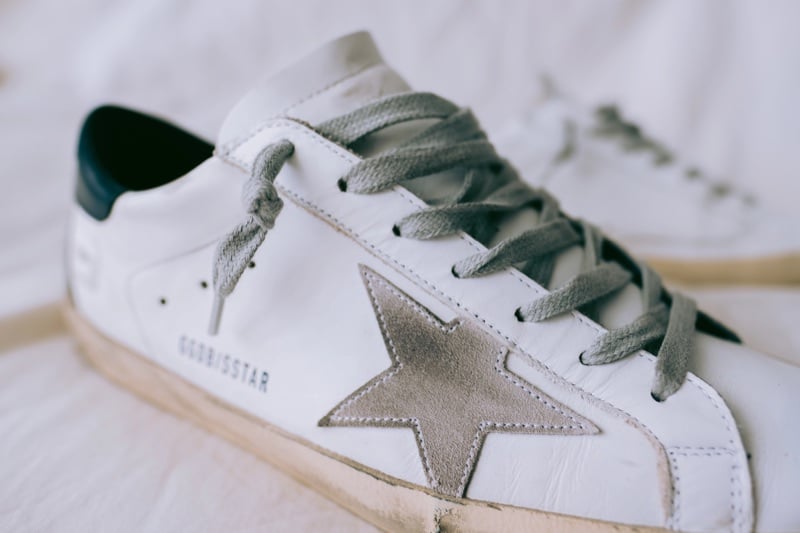
The custom sneaker experience goes beyond picking a colorway from a dropdown menu. Golden Goose’s Co-Creation experience pairs each customer with a Dream Maker, an artisan who translates a client’s story into hand-painted artwork on the shoe.
Every finished pair gets a gold foil stamp reading GGDB1OF1, confirming this pair as the only one made uniquely for them.
Sneakers became the entry point for practical reasons as much as symbolic ones. They sit in plain sight below the cuff of every pair of trousers, seen more in a single week than most tailoring gets seen in a season.
They skip the fitting sessions a bespoke suit requires and cost far less in time and money. A shoe already wears its owner’s habits into its shape, creasing at the toe where he pushes off, breaking down at the heel where he favors one foot. Personalization simply makes that personalization visible.
Beyond Footwear
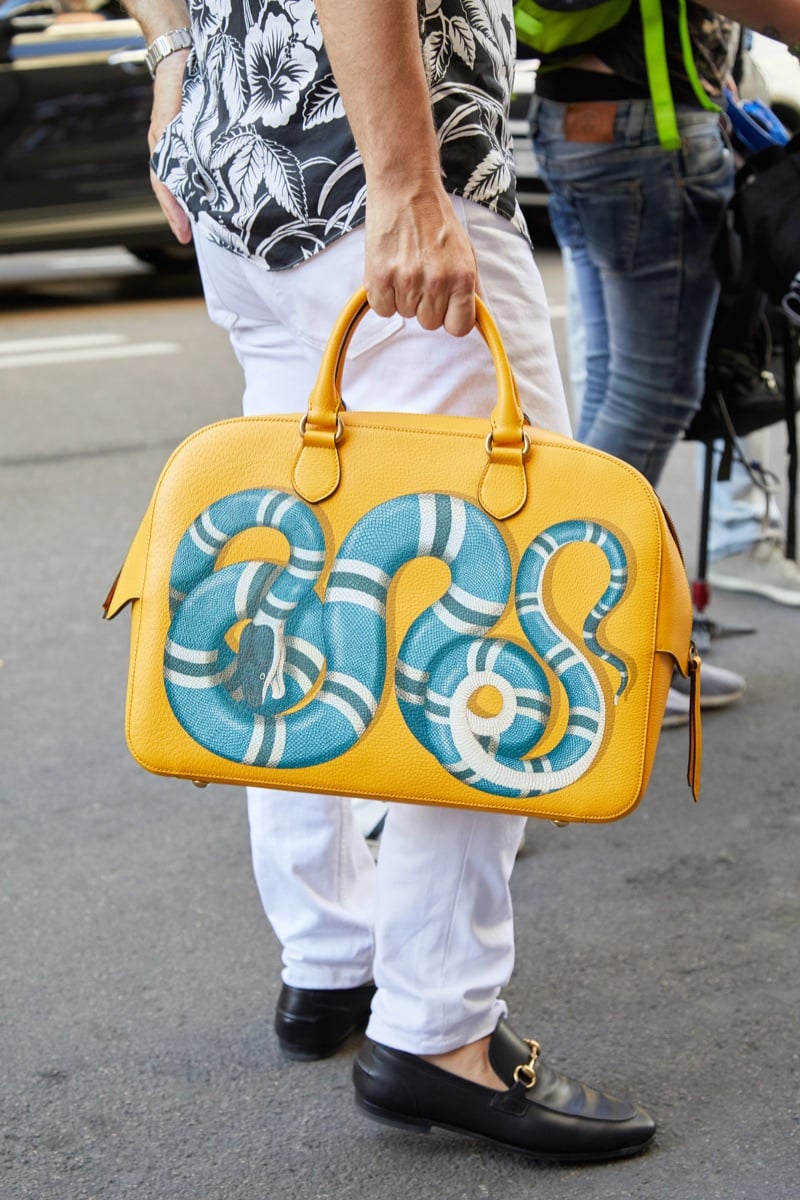
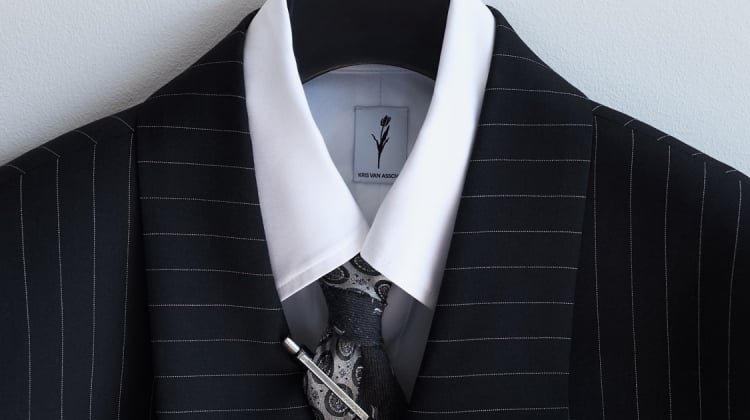
Custom luxury climbs the wardrobe hierarchy once it proves itself on the feet. Made-to-measure tailoring lets a client set his own drape and jacket length instead of choosing from four stock sizes.
Bespoke jewelry turns a signet ring or a chain clasp into a one-off object cut to a specific hand or neck. Monogrammed leather goods and custom watch configurations extend the same logic to a briefcase or a dial.
Personalized luxury goods now span a full wardrobe instead of a single hero piece. The man assembling one collects for the long term. Every item holds a decision behind it, a color picked for a reason, a monogram set at an angle only he requested, and each purchase adds another entry to a permanent record.
Streetwear’s Bespoke Turn
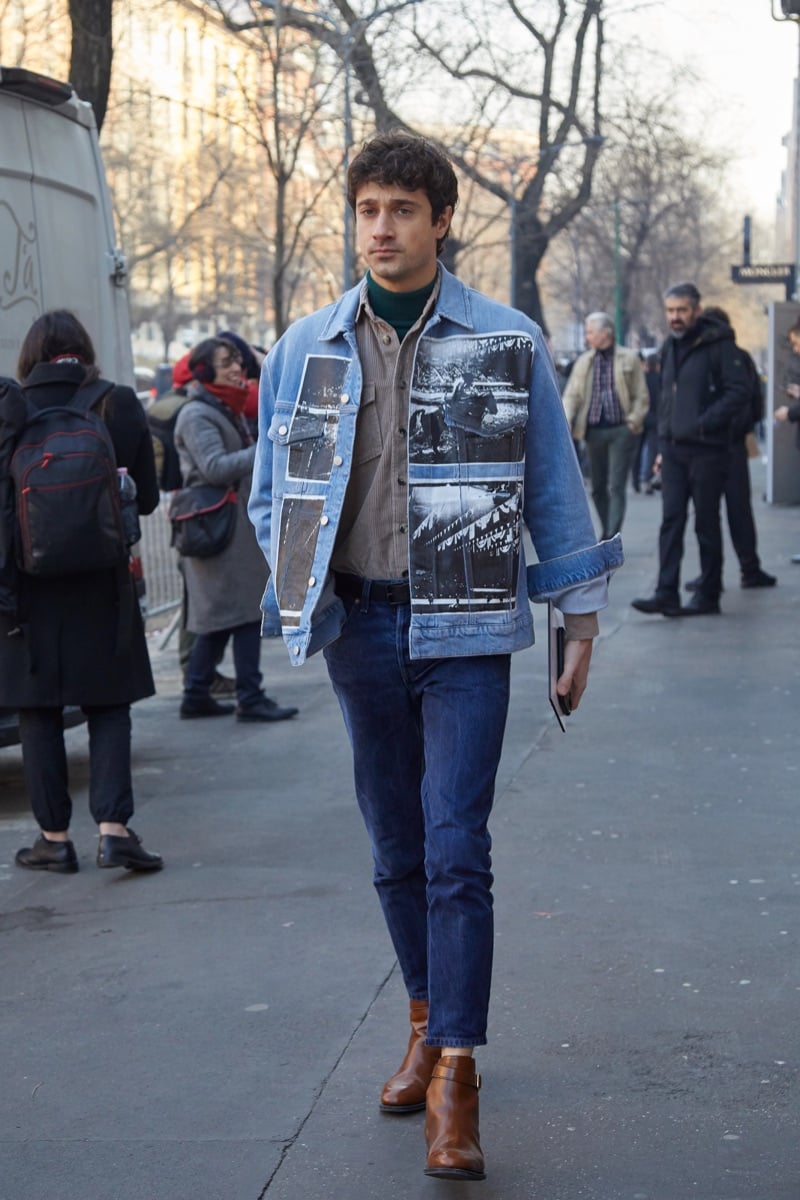
Streetwear formed its identity on limited drops, but a run of five hundred numbered pairs differs fundamentally from a run of one. Scarcity through low production still leaves five hundred people wearing an identical piece. Bespoke men’s streetwear closes that gap by putting a single garment in front of a single customer.
Independent artisans now produce custom denim distressed to match a specific wear pattern, one-off graphic pieces painted or embroidered to order, and jackets altered to a single body’s proportions. This work returns streetwear to where it started.
The culture grew out of kids customizing secondhand pieces, patching jeans and hand-lettering jackets to make a piece their own. The difference now is the craft behind it, with the tools of ateliers and workshops replacing a marker and a needle.
Custom luxury marks a lasting change in how men buy clothes, driven by a generation that values expression over conformity more than the generation before it. The era of one size fits all luxury has ended, replaced by fittings, consultations, and materials chosen one at a time.
Status has moved past the recognizable logo. What signals status now is the piece nobody else can buy, because it already belongs to him before anyone else sees it.