A hoodie brings its sporting associations into whatever you wear over it. Beneath a wool coat, the hood interrupts the tailored collar; under denim, it belongs to the same casual vocabulary. Its American workwear origins also help explain its practical appeal within men’s fashion. The transformative power of fashion often comes down to small decisions, and this piece of contemporary casual wear is a useful example: length, weight, and the trousers below it change the result.
How to Style a Hoodie Outfit
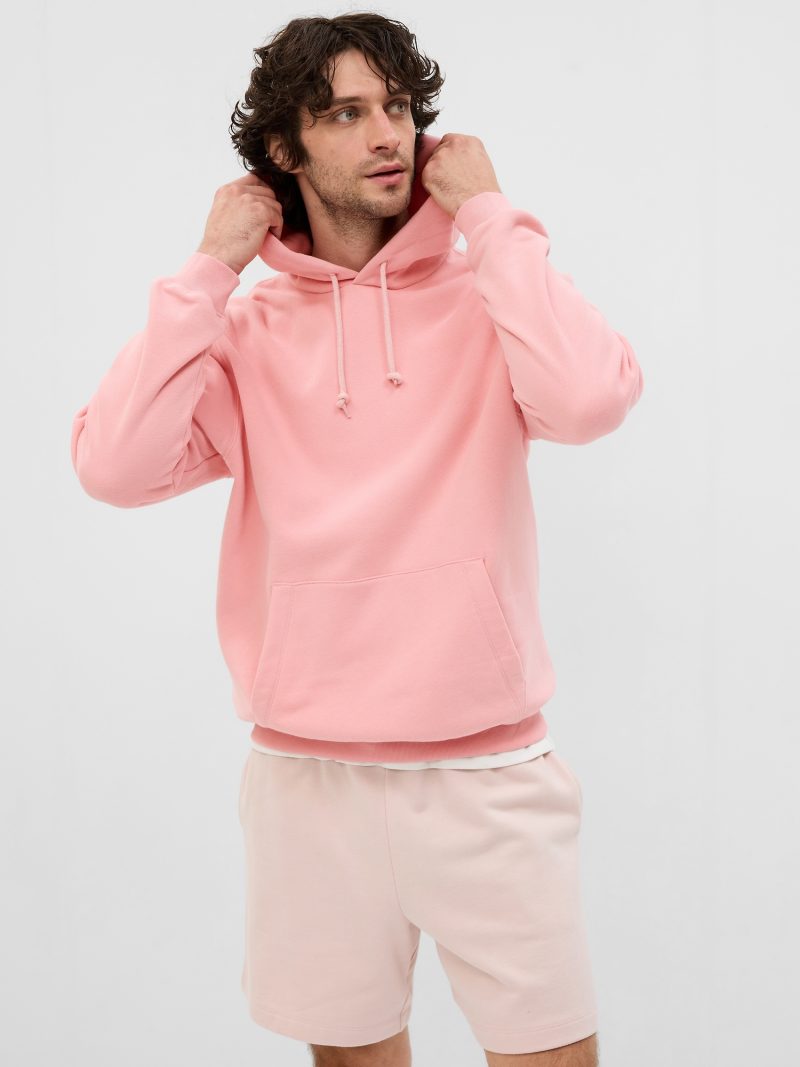
Begin with how the hoodie sits. A pink pullover and light shorts, as pictured, leave the sweatshirt as the main area of color. The loose body relates to the width of the shorts, with the ribbed hem marking the division between them.
Color, Pattern & Texture
Hoodie Color Combinations
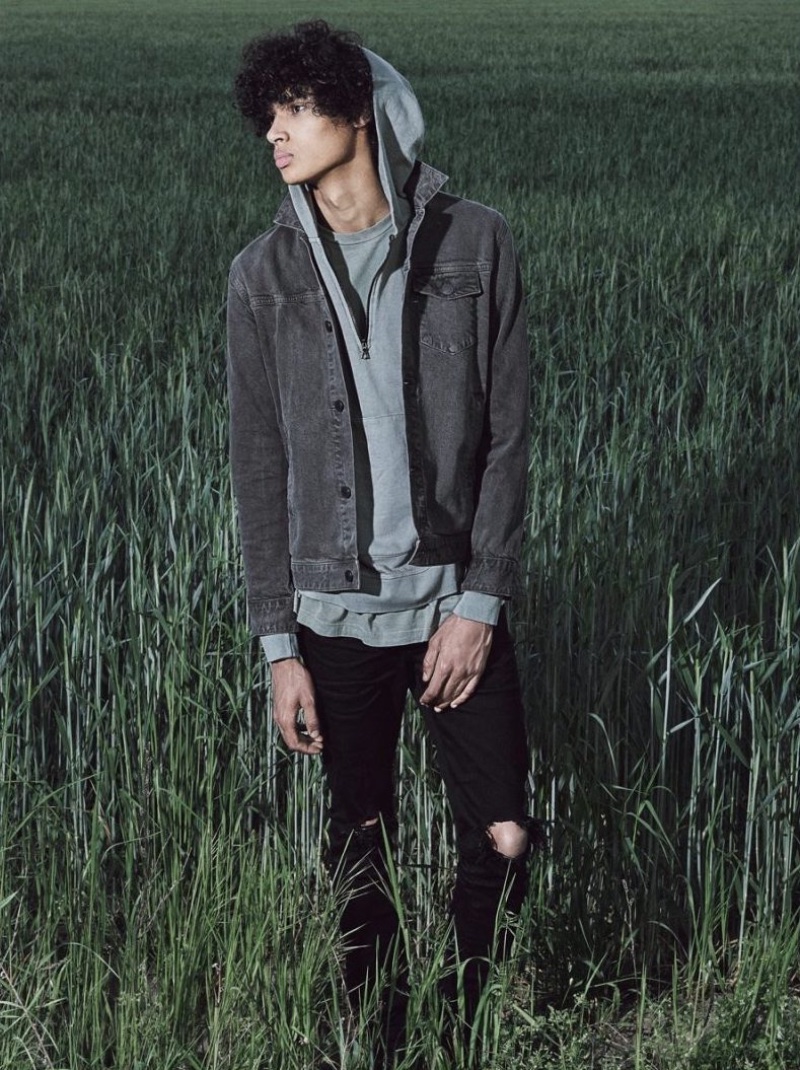
A neutral-colored hoodie gives a colored jacket a quieter background. Go monochrome if you want the layers to differ mainly in texture and shade. The gray hoodie and dark denim jacket pictured use that approach, with a lighter shirt hem separating them from the trousers.
Pairing Hoodies with Textures & Patterns
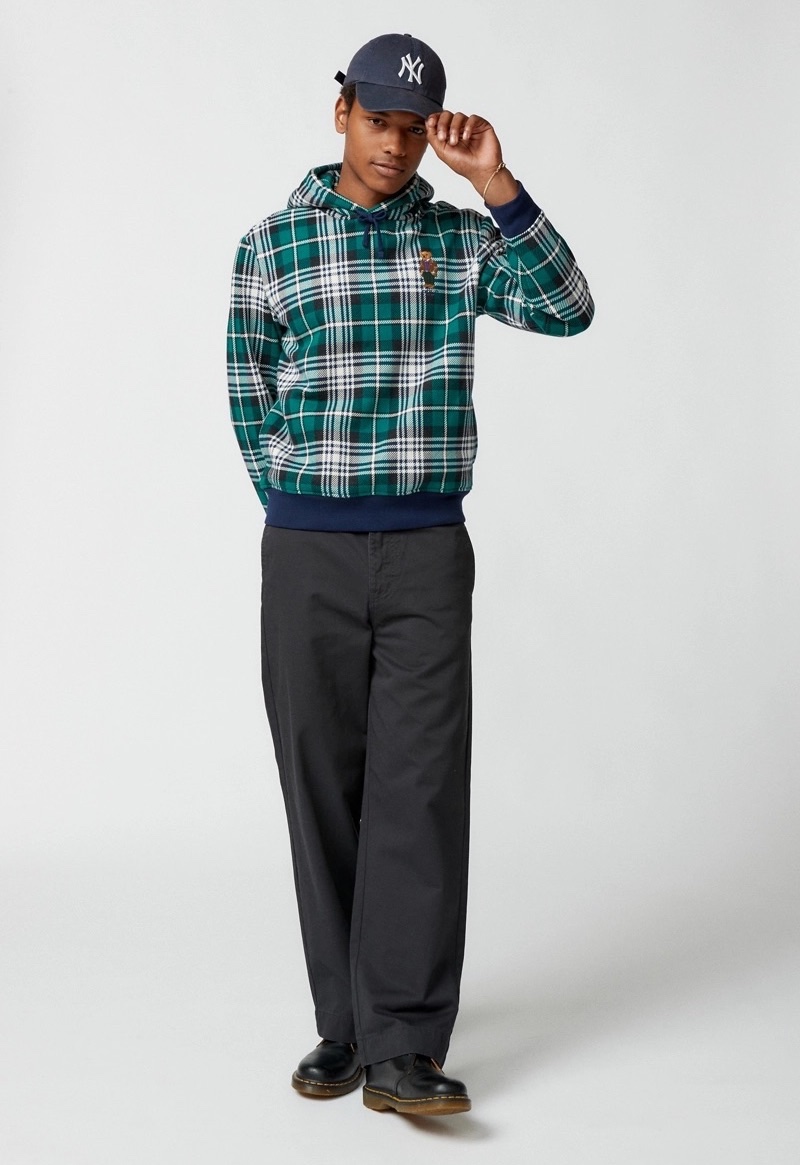
A plaid hoodie already contains several colors and a visible pattern. Plain trousers give those details a clear setting, as the dark trousers do beneath the green check pictured.
Texture offers another way to distinguish layers. Smooth leather over sweatshirt fleece creates a different surface from washed denim over jersey. Check the thickness of both garments together, especially through the sleeves.
What to Layer Over a Hoodie
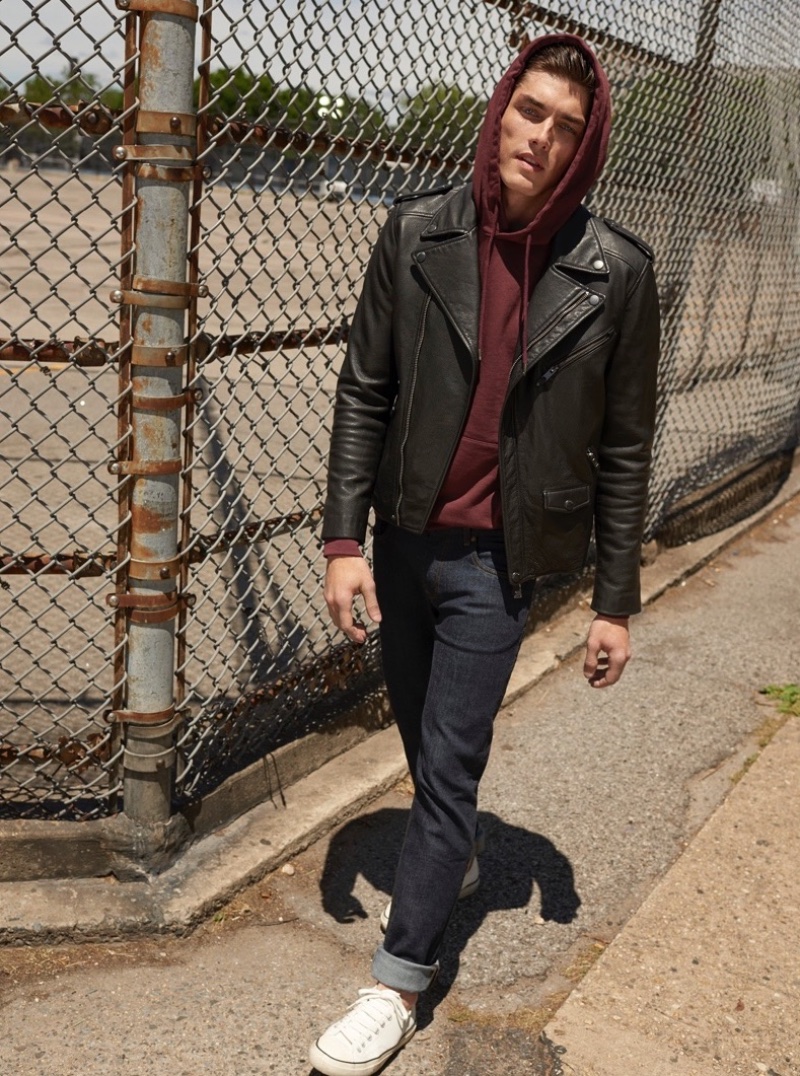
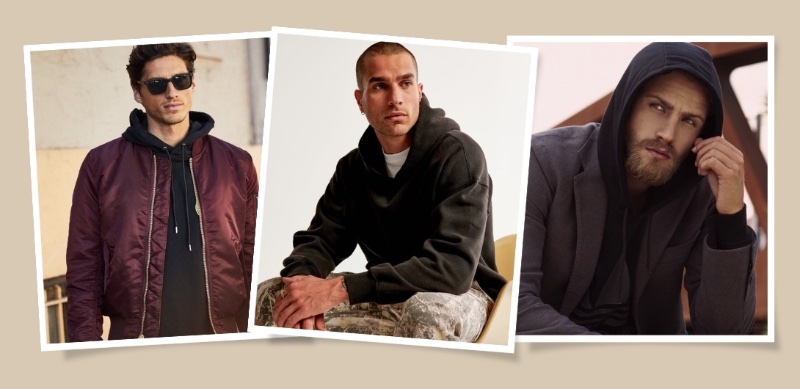
The rebellious vibe of leather remains visible when a hoodie sits beneath the jacket. Here, burgundy fleece appears at the neckline and front opening of a black biker jacket. The hood rests outside the collar, keeping the layers separate.
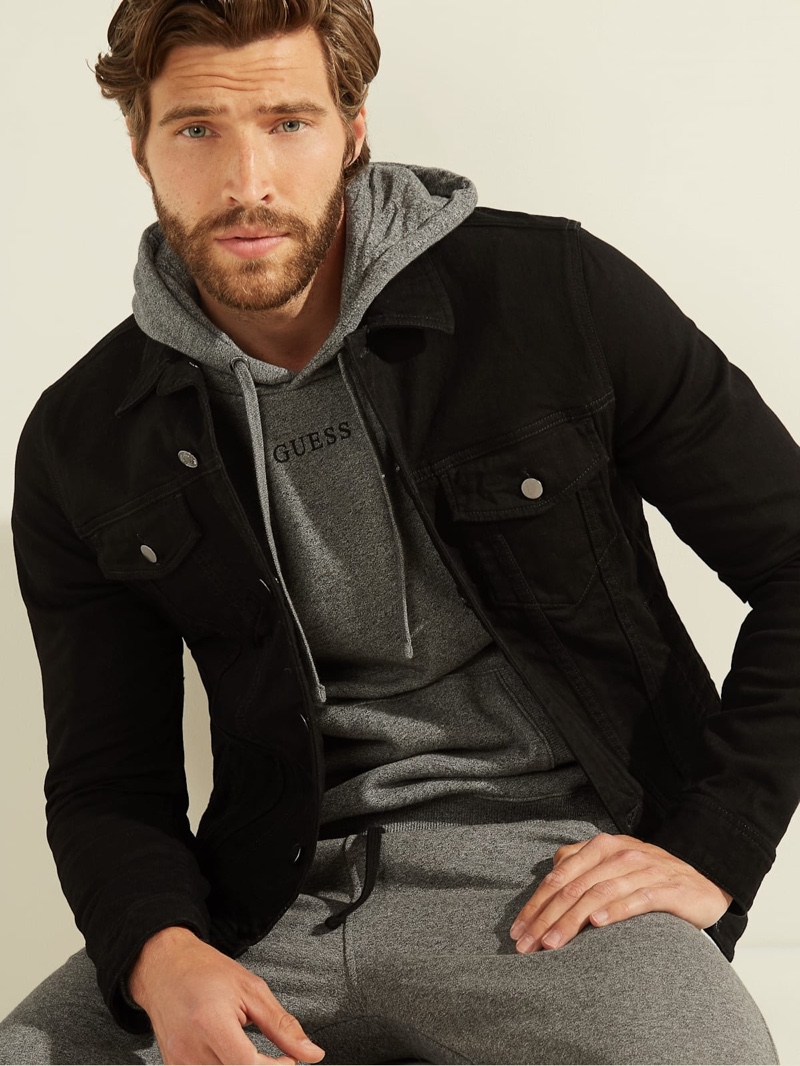
A denim jacket creates a firmer outline around a soft hoodie. Try the combination on with your arms bent and the jacket fastened; the sleeves and armholes need to accommodate the fleece. A lighter sweatshirt is often more practical under a close-cut jacket.
Casual Hoodie Outfits
Hoodies with Jeans, Chinos & Joggers
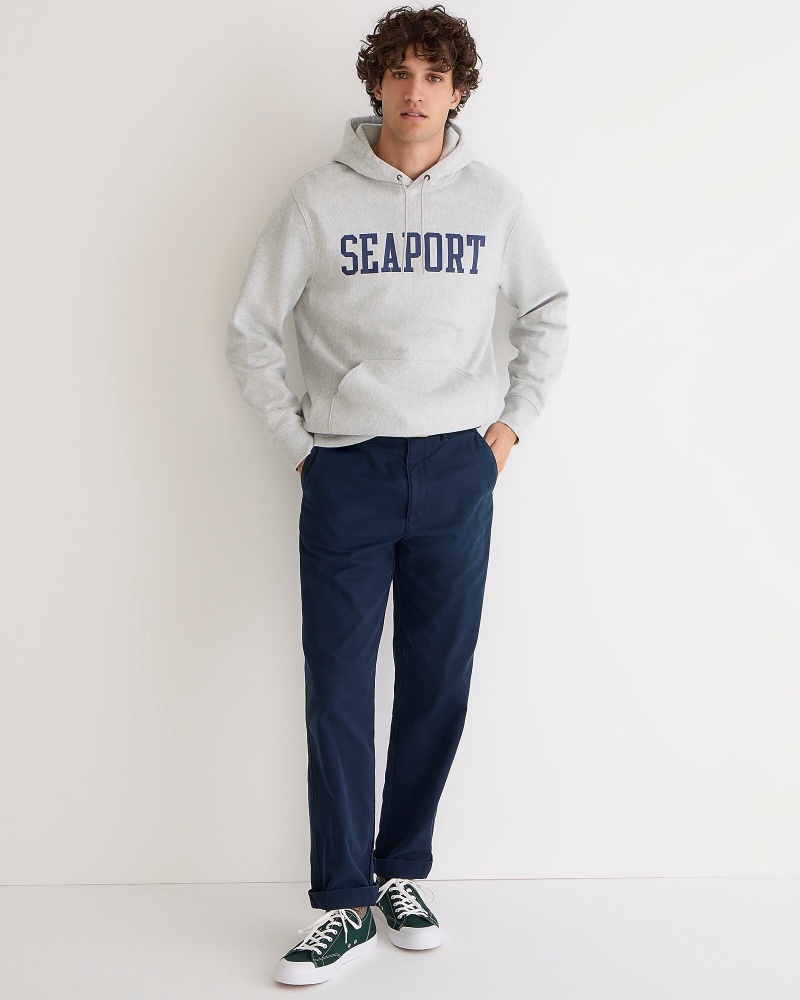
In a casual wardrobe, chinos elevate the hoodie by introducing a flatter, less textured surface than faded denim. Joggers keep the outfit closer to athleisure. The blue trousers pictured also have a wider leg, changing the proportions beneath the gray sweatshirt.
A T-shirt provides a base layer and may show at the neck or hem. Choose its length according to how much you want visible. With a zip-up hoodie, the shirt becomes a larger part of the outfit when the front is open.
Footwear Choices
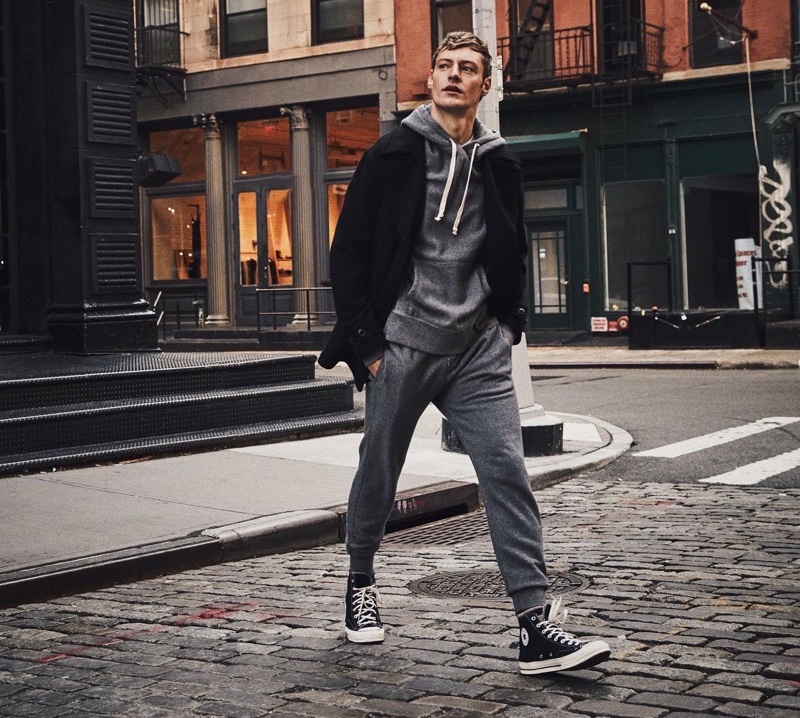
Choose sneakers in relation to the trouser opening. Flat canvas Chuck Taylor All-Stars work with the jogger cuffs pictured, while a larger running shoe such as a Nike Air Max creates more volume at the foot. Check how the hem falls over the shoe when you stand and walk.
Dress Up the Everyday Hoodie
Adding a Tailored Jacket
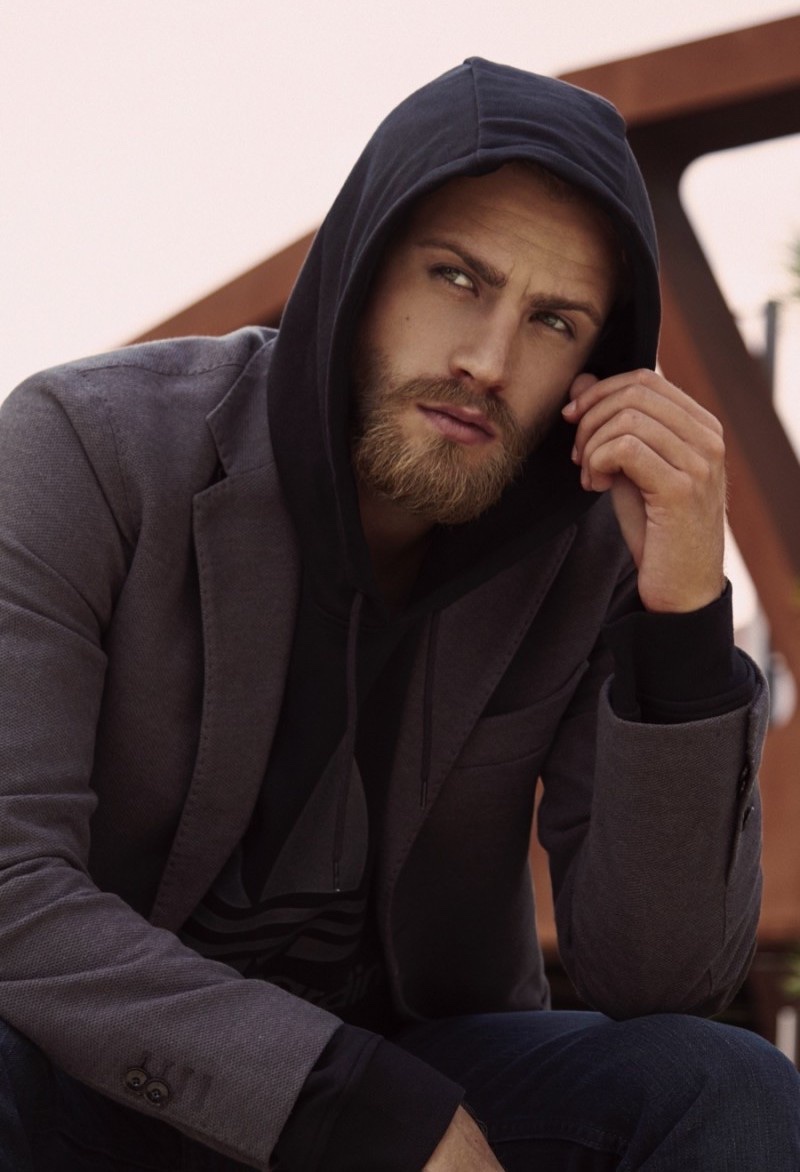
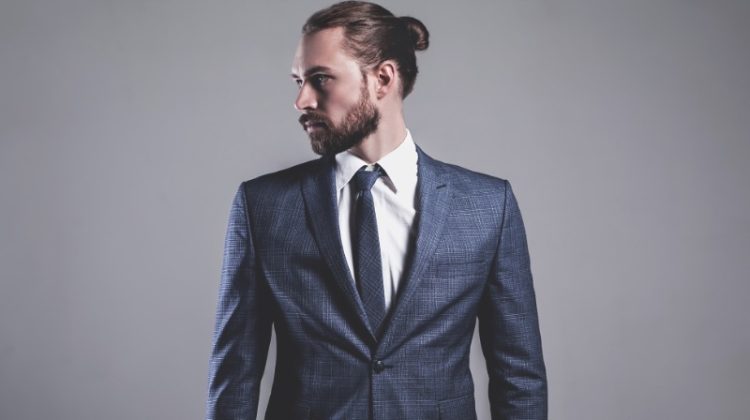
A fitted blazer can sit over a light, plain hoodie for a casual take on tailoring. The jacket needs enough space through the chest and sleeves for the extra layer. Let the hood rest over the collar, and reserve the combination for settings where a sweatshirt is welcome.
Accessorizing the Outfit
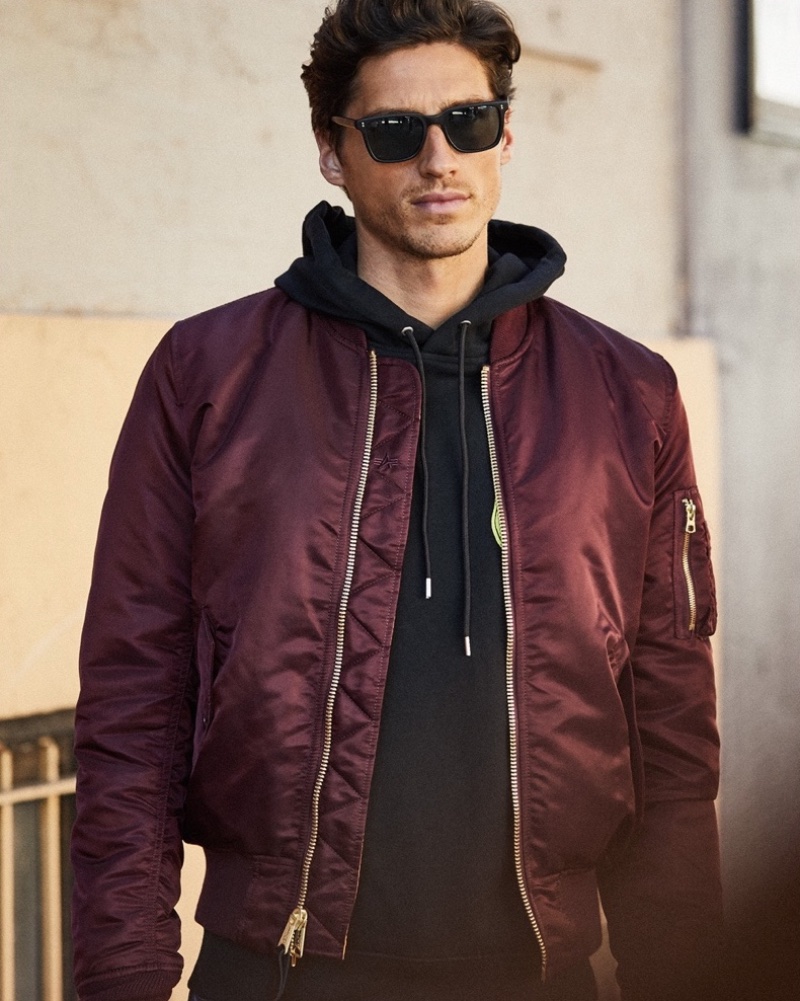
Sunglasses add a visible detail near the hood and collar. In the pictured outfit, dark frames relate to the black hoodie beneath a burgundy bomber jacket. A watch is a smaller addition; a belt will only affect the appearance if the sweatshirt hem leaves it visible.
Choosing Color, Fit & Length
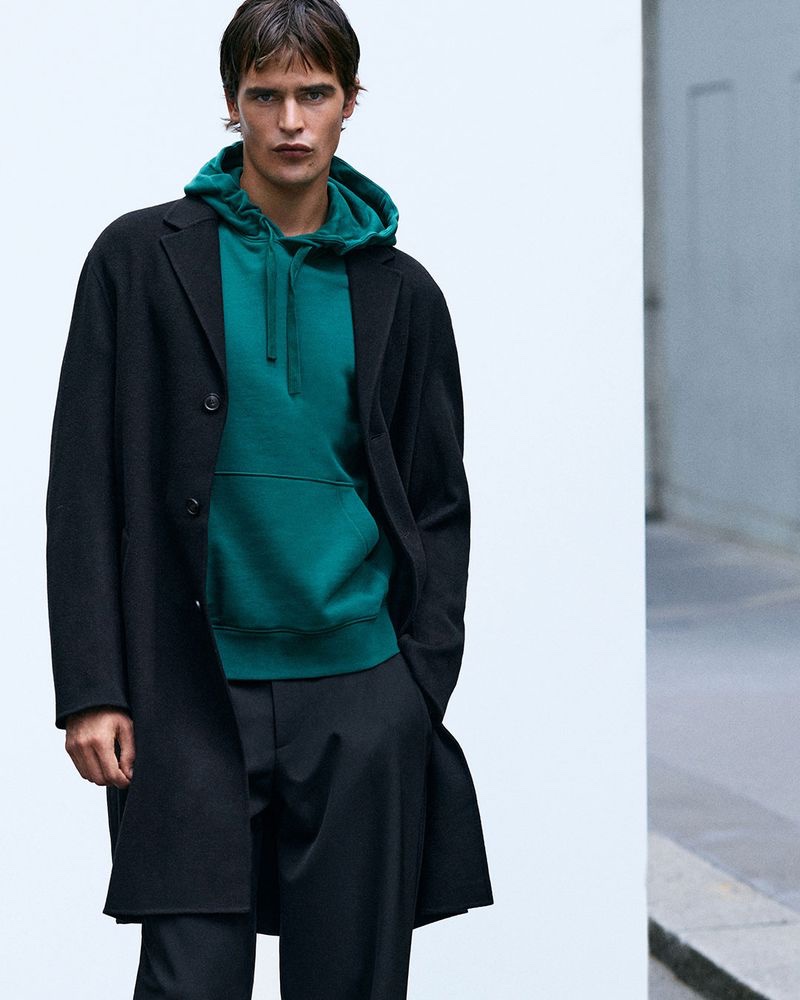
A longer coat changes the outline again. The dark coat pictured frames a green hoodie, allowing color to show through the front and around the neck. Check that the coat closes comfortably over the sweatshirt if you plan to wear it buttoned.
Graphics & Plain Hoodies
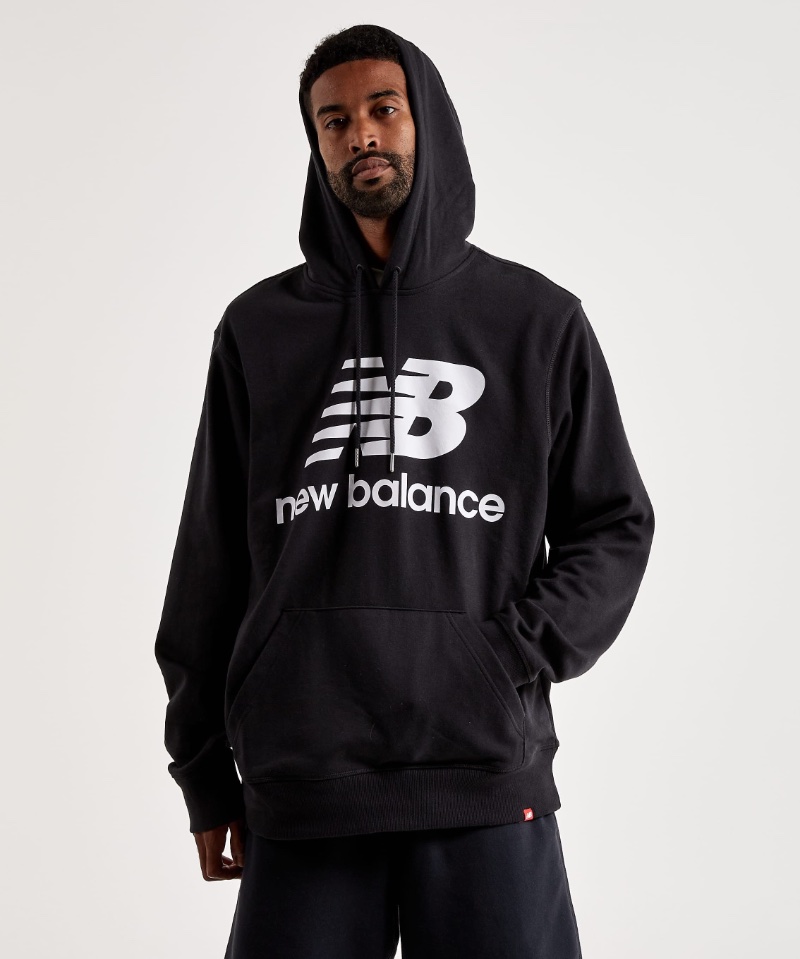
Graphic hoodies make the print part of the outfit’s subject. In streetwear and skater culture, a logo may identify a brand or a particular interest. The large white New Balance graphic pictured is already prominent against black fleece, so plain trousers keep the focus there.
A solid hoodie shifts attention to shape and fabric. That can be useful beneath patterned outerwear, where another graphic would add a second competing detail.
Color & Pattern
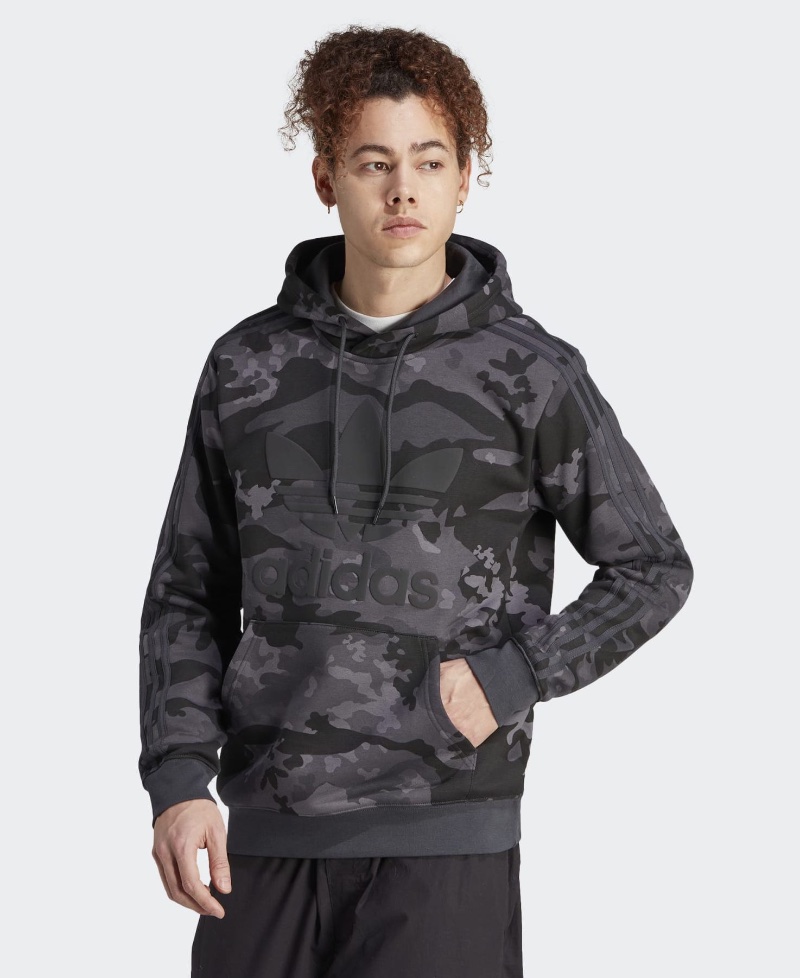
Black, gray, and navy give you several ways to repeat colors already in your wardrobe. camouflage prints introduce pattern and can suggest a rugged, outdoorsy vibe. The dark gray version pictured keeps that pattern relatively close in tone.
With color blocking, look at where each panel falls. A contrasting chest band emphasizes width, while a different-colored hood places the contrast near the face. Repeat one panel color in the trousers if you want a connection between top and bottom.
How Should a Hoodie Fit
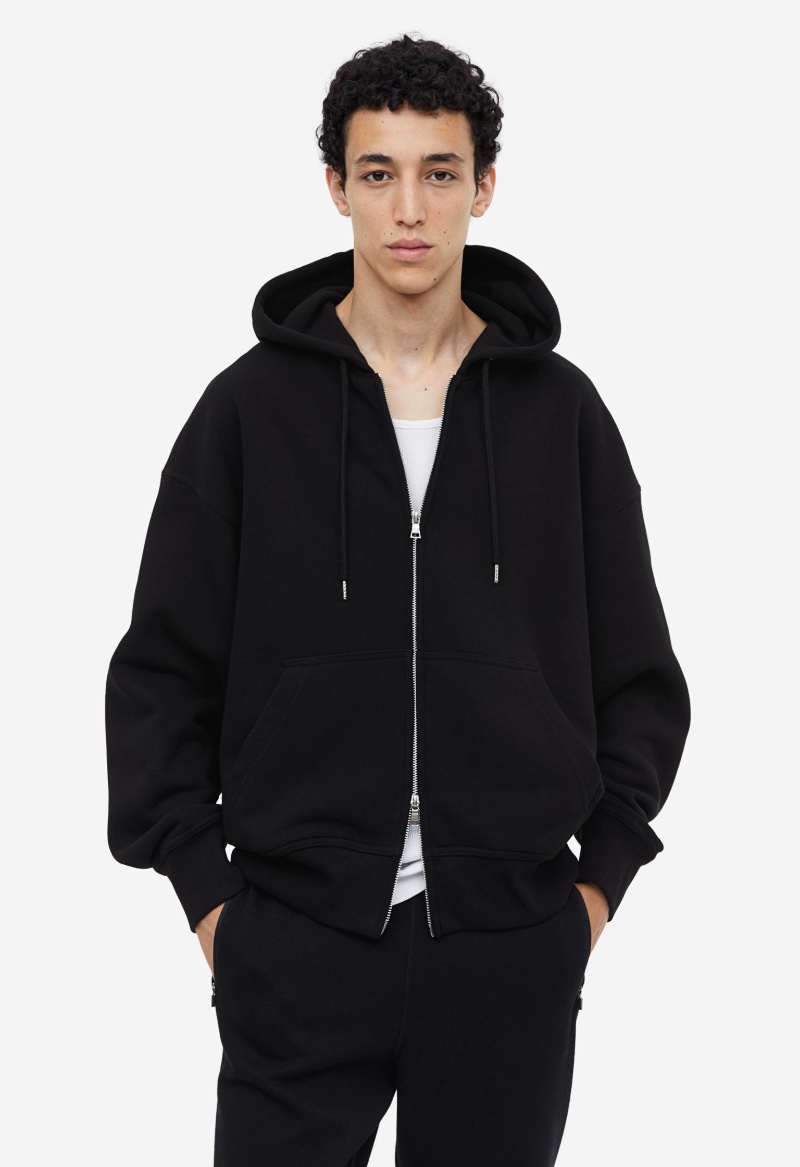
Oversized hoodies create volume through the body and sleeves, often with dropped shoulders. Check the intended cut before sizing up: extra length alone will not reproduce the proportions of a hoodie designed to be oversized.
Slim-fit styles follow the torso more closely and may fit more comfortably beneath outerwear. A zip-up lets you show the shirt underneath and adjust the front opening. Fit and fastening are separate choices; either a pullover or zip-up can be narrow or wide.
Playing with Lengths
A shorter hoodie reveals more of the trouser rise. Try it with higher-waisted trousers if you want the hem to meet the waistband, or let a longer T-shirt show beneath it. A conventional hip-length version provides more coverage.
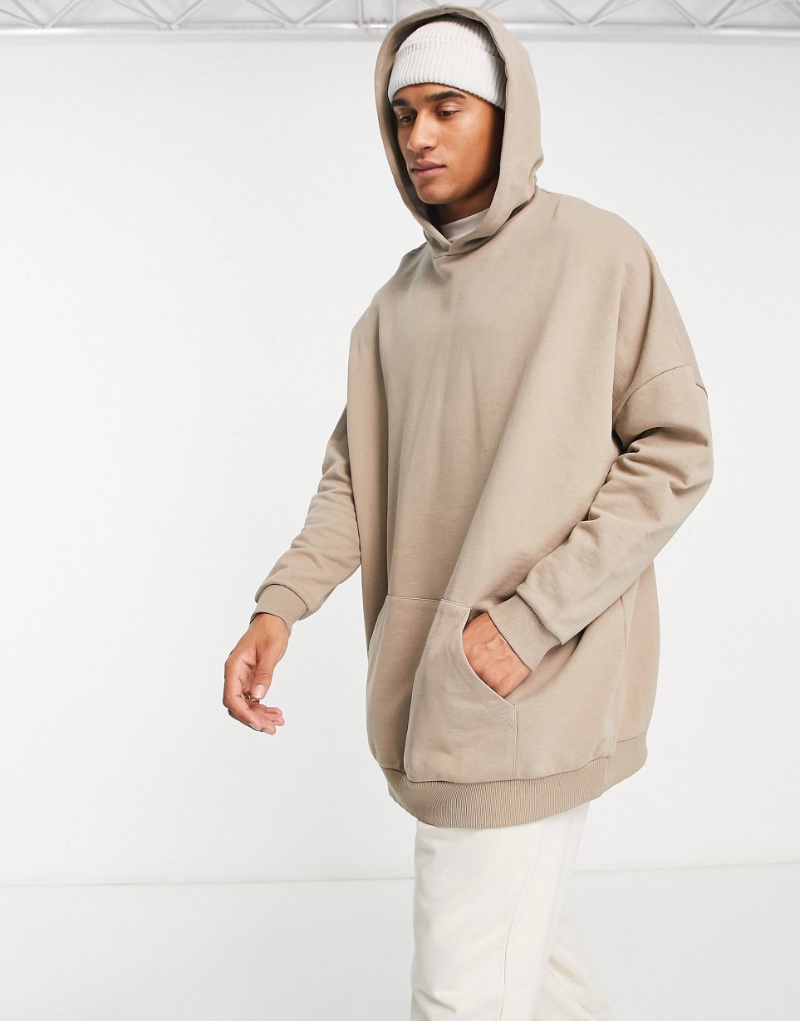
A longline hoodie extends farther over the trousers, leaving less of the leg visible. Compare the length against your jacket too. The light beige version pictured shows how a long hem can become the main proportion of an otherwise plain outfit.
Choosing Fabric
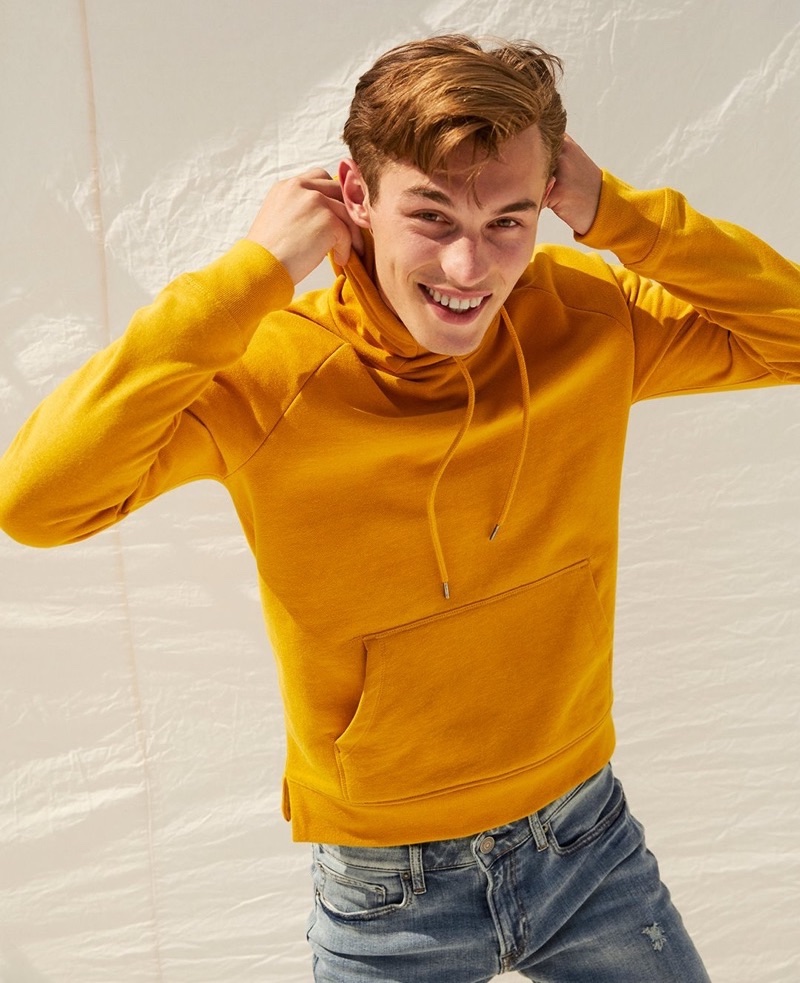
Cotton and polyester blends cover a wide range of weights and finishes. Check the inside surface as well as the fiber label: brushed fleece has a soft raised surface, while loopback terry shows small loops. These constructions feel different against a T-shirt and behave differently beneath a jacket.
Polar fleece has a raised pile that traps air, though warmth and wind resistance depend on the particular fabric and construction. Its textured surface also makes a different outer layer from smooth sweatshirt jersey.
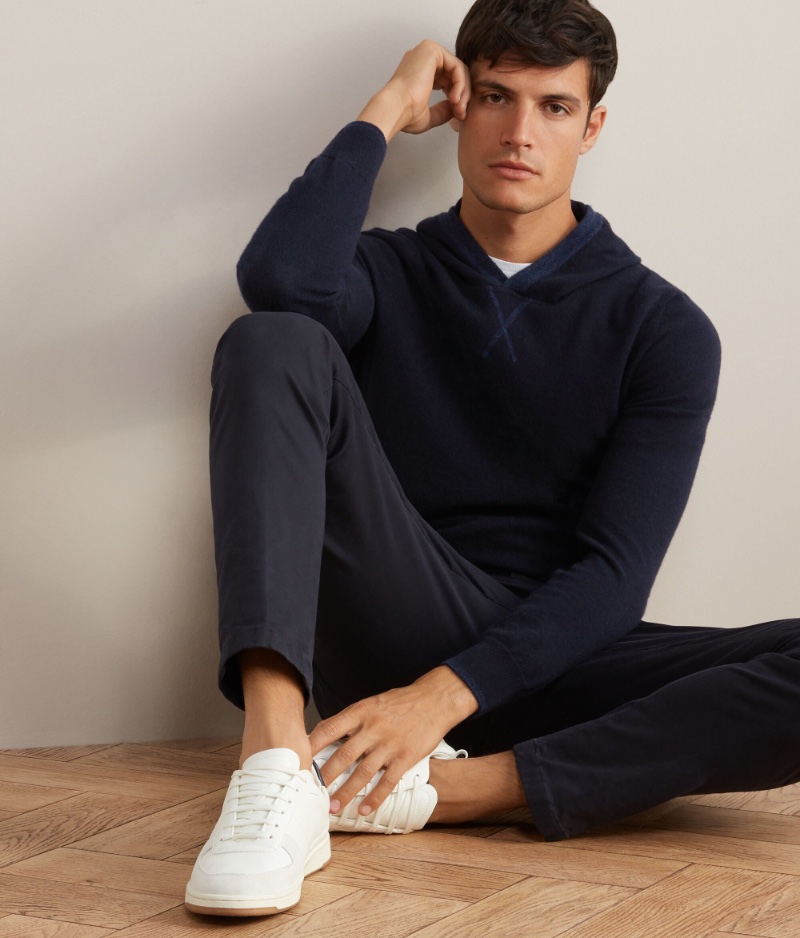
A cashmere hoodie brings sweater construction to the hooded shape. The fine surface suits plain trousers and soft tailoring, as the navy outfit pictured demonstrates. Check the care label and consider how often you expect to wash it before choosing it for daily use.
Try the fabric in the role you intend for it. A thick hoodie may hold its shape as an outer layer but bunch beneath a jacket. A finer knit or lighter sweatshirt gives you more flexibility when layering.
Start with Your Wardrobe
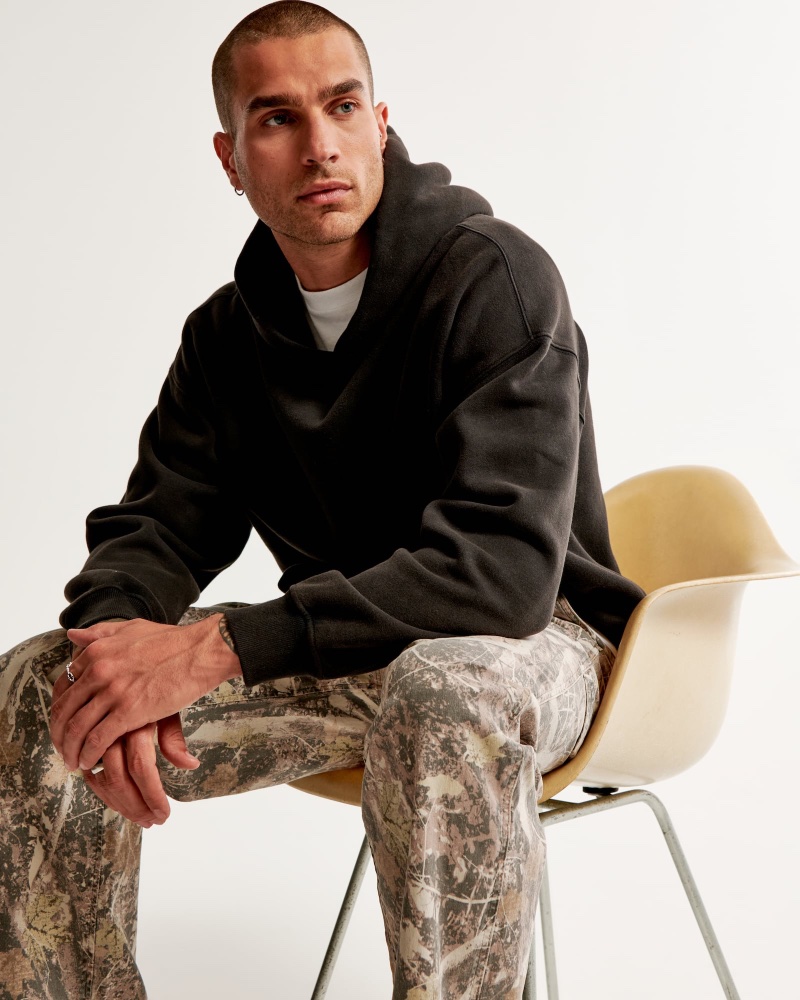
A plain dark hoodie and patterned trousers reverse the emphasis of a graphic sweatshirt with plain pants. In the pictured outfit, the hoodie provides a broad area of solid color above the printed denim.
Build from the clothes already in your wardrobe. Check the hoodie’s hem against the trouser rise, then add outerwear and assess movement through the shoulders. Those relationships will tell you more than a rule declaring one hoodie style right for everyone.