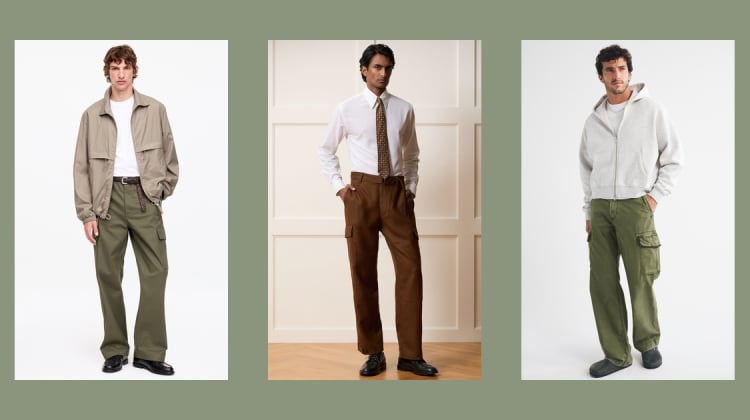
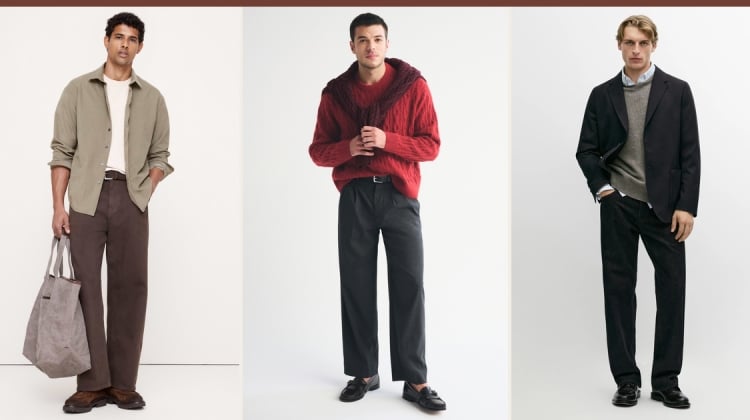
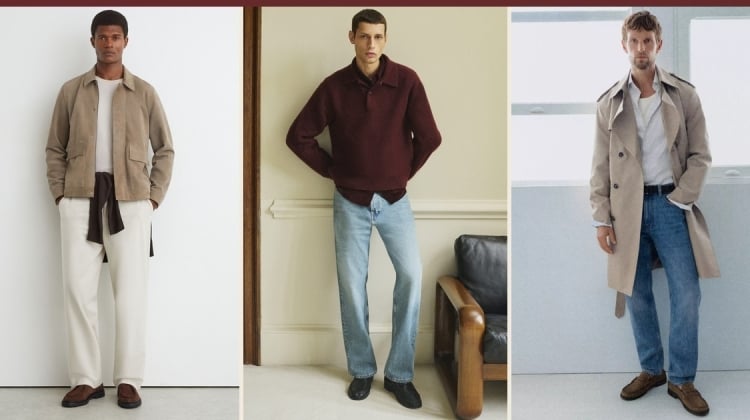
Monochromatic outfits simplify getting dressed by keeping clothes in one color family. A navy shirt with blue trousers or a cream knit with ivory tailoring gives an outfit a clear direction, whether the occasion calls for a suit or something more relaxed.
The interest comes from differences in shade, texture, and fit. Monochrome outfits can be quiet or theatrical; choosing one color leaves more room to notice how the clothes work together.
Monochromatic Outfits

A monochromatic outfit uses a single color, including its lighter and darker shades. The pieces do not have to match exactly. A blue wool shirt and blue trousers, for example, can read as a unified look even when their tones differ. Texture keeps that unity from becoming flat. A soft knit against smooth tailoring gives the eye something to follow within the same palette.
Why It’s a Popular Trend Among Men

Monochromatic outfits reduce the number of color decisions involved in getting dressed. Once you choose the base color, you can concentrate on proportion and the relationship between individual pieces. A continuous color scheme also draws attention to the silhouette, from the line of a trouser leg to the shape of a jacket.
The approach works just as well with a bright color as a neutral. Red worn head to toe makes a very different impression from gray, even though the styling principle is the same.
Choosing the Right Color

Choosing the right color starts with what you enjoy wearing and what already works in your wardrobe. Navy and gray are useful starting points because many men already own several pieces in those shades. Try your chosen color near your face in daylight. Compare lighter and deeper versions to see which gives you the effect you want.
Skin tone can inform that choice, but broad complexion categories do not dictate a fixed palette. Undertones, personal preference, and the particular shade all matter. If a color feels too intense across an entire outfit, try a softer or more muted version before ruling it out.
How to Pick the Right Color for Your Body Type

Color alone does not determine how clothing suits your body type. A continuous shade can help the eye travel along the outfit, but the cut and length of each piece shape the result.
Pay attention to where the jacket ends and how the trousers fall. A bulky layer at the waist can interrupt the line even when every piece is the same color. Choose proportions you enjoy wearing. Relaxed tailoring can work as well as a closer fit when shoulders, sleeves, and trouser hems sit as intended.
Popular Monochromatic Colors

Black-on-black, all-white outfits, and shades of blue or gray are straightforward monochromatic color combinations. Brown and olive green offer alternatives with plenty of scope for tonal variation.
Red or purple can also anchor a monochromatic outfit. There is no requirement to dilute a bright color with neutrals; shifting between lighter and deeper shades can provide contrast within the palette. Start with one piece you like, then build around its color family. This is usually more useful than trying to assemble a perfectly matching outfit from scratch.
Mixing Textures & Fabrics

Mixing textures and fabrics gives a monochromatic outfit definition. Leather reflects light differently from a ribbed knit, so black pieces can remain visually separate even when their colors are close.
There is no blanket rule against combining shiny materials. The question is how much contrast you want and whether the weight of the fabrics works together. For an easy starting point, wear a smooth wool trouser with a textured sweater. The difference is visible even in a restrained color scheme.
Tips on Layering Different Fabrics

Layering introduces texture while keeping a monochromatic outfit within one color family. Let each layer contribute something, such as a visible collar or a contrasting knit at the neckline.
Begin with lighter fabrics close to the body and add heavier layers as the weather requires. Leave enough room through the outer layer so the clothes sit comfortably. Tonal contrast can define the layers, too. A charcoal turtleneck beneath a lighter gray blazer makes the neckline visible and gives the jacket a clear edge.
The Power of Accessories

Accessories give a monochromatic look an individual finish. A metal watch or a leather belt can break up a run of fabric while keeping the main color scheme intact.
Choose accessories according to the clothes and occasion. A black leather watch strap blends into an all-black outfit; a metal bracelet draws more attention. The same principle applies to jewelry. One visible necklace may be enough when the rest of the outfit already has a strong shape or texture.
Examples of Accessories That Elevate Your Look

Accessories can either extend the palette or introduce a deliberate contrast. Decide which effect you want before adding more pieces.
Scarves add texture near the face. A scarf in a lighter shade of the outfit’s main color can also separate the coat from the layers underneath.
Shoes in a related shade continue the tonal effect. Contrasting footwear creates a stopping point at the hem and makes the outfit less strictly monochromatic.
Hats can repeat the color family, though their shape matters as much as their shade. Check the balance with your coat or jacket.
A belt and shoes in a contrasting leather can work as a deliberate accent. They change the effect, so keep the distinction between a tonal outfit and an entirely single-color look in mind.
Monochrome for Different Occasions

Monochrome for different occasions depends on fabric and dress code as much as color. Tailoring can take the idea into evening wear, while denim and knitwear make it useful for everyday dressing.
Dressing Up Your Monochrome Outfit
To dress up your monochrome outfit, begin with tailoring appropriate to the invitation. A navy suit with a tonal shirt can suit a dinner or dressy event, but workplace expectations and wedding dress codes still take priority. A matching shirt and tie creates a more fashion-led effect than a contrasting shirt. For strict formal or black-tie occasions, follow the required dress conventions instead of treating one-color dressing as a substitute.
Dressing Down Your Monochromatic Outfit

For a casual monochromatic outfit, try a light gray sweater with gray chinos. Softer fabrics and relaxed construction do more to ease the mood than switching to a pale color alone. Dark blue jeans with a lighter blue shirt offer another everyday option. In warm weather, white and cream can work across breathable shirts and trousers, with enough variation in texture to distinguish the pieces.
Common Mistakes to Avoid

The Risks of Overdoing It
A monochromatic outfit can feel busy when several pieces compete for attention through exaggerated volume, shine, or detail. Keeping one feature dominant gives the rest of the look a supporting role.
If you want to break up an all-black look, try adding a white pop with your shoes. That introduces a contrasting accent, so the result is no longer strictly monochromatic. For contrast that stays within one color family, vary the shades instead. Navy trousers with a light blue shirt give the outfit definition while preserving the tonal approach.
Matching Your Outfit Perfectly

Trying to match every piece exactly can make monochromatic dressing harder than it needs to be. Two blacks may look identical indoors and reveal different undertones in daylight.
Check the clothes together in natural light. Either choose a close match or make the difference clear enough to look deliberate, such as charcoal trousers beneath a pale gray knit. Texture helps distinguish similar shades. Suede footwear or a leather jacket can add definition to a cotton or wool outfit even when the colors are close.
One Color, Your Own Way

The most useful monochromatic outfits start with clothes you already want to wear. A favorite blue shirt gives you a better foundation than buying several matching pieces simply to complete the idea.
When choosing the right color, test the full outfit in daylight and pay attention to how the fabrics sit together. Adjust one piece at a time until the proportions and tonal differences feel right. Once the basic combination works, it becomes easy to repeat. Changing a knit or switching the shoes can give the same color palette a different mood.