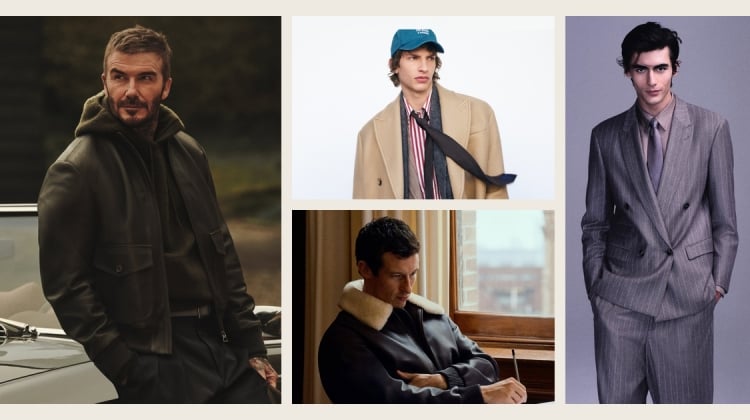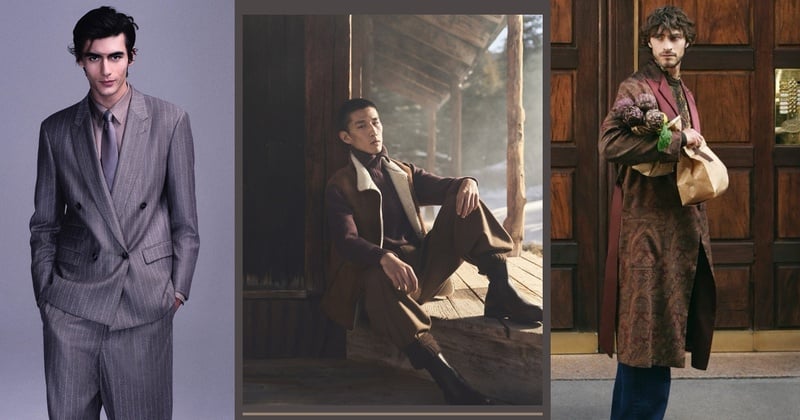
Italian designer brands have competing ideas about looking well dressed. A soft-shouldered jacket can suggest ease, a printed silk shirt can announce a very different evening, and a technical parka can inspire the same devotion as either. The country’s contribution to men’s designer fashion extends well beyond the suit. Its houses draw on regional craft and individual design histories, even as ownership and production cross borders.
Italian Designer Brands for Men
Boglioli
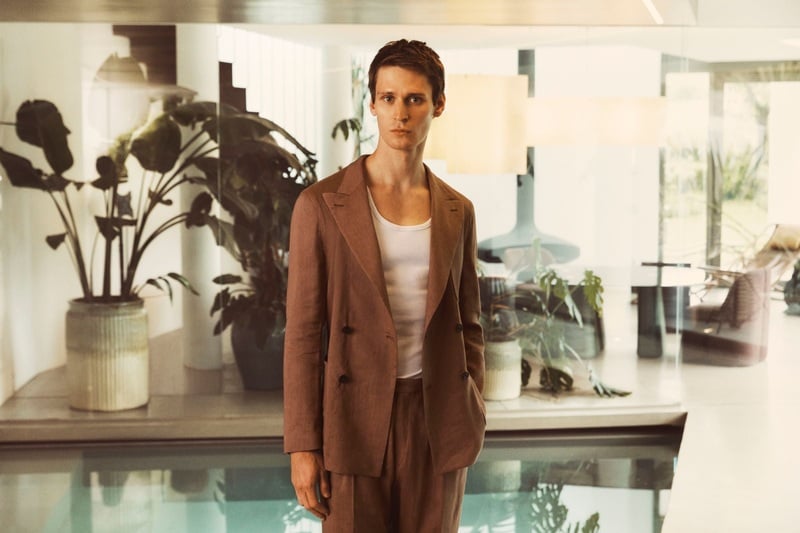
Boglioli approaches the tailored jacket as something a man should want to wear after work, too. The Gambara label is known for its deconstructed K-Jacket and garment dyeing, which gives cloth a softer, washed appearance. Jackets sit easily over knitwear, with less of the ceremony associated with a traditional suit. Start here if a blazer belongs in your daily wardrobe but a rigid shoulder does not.
Bottega Veneta
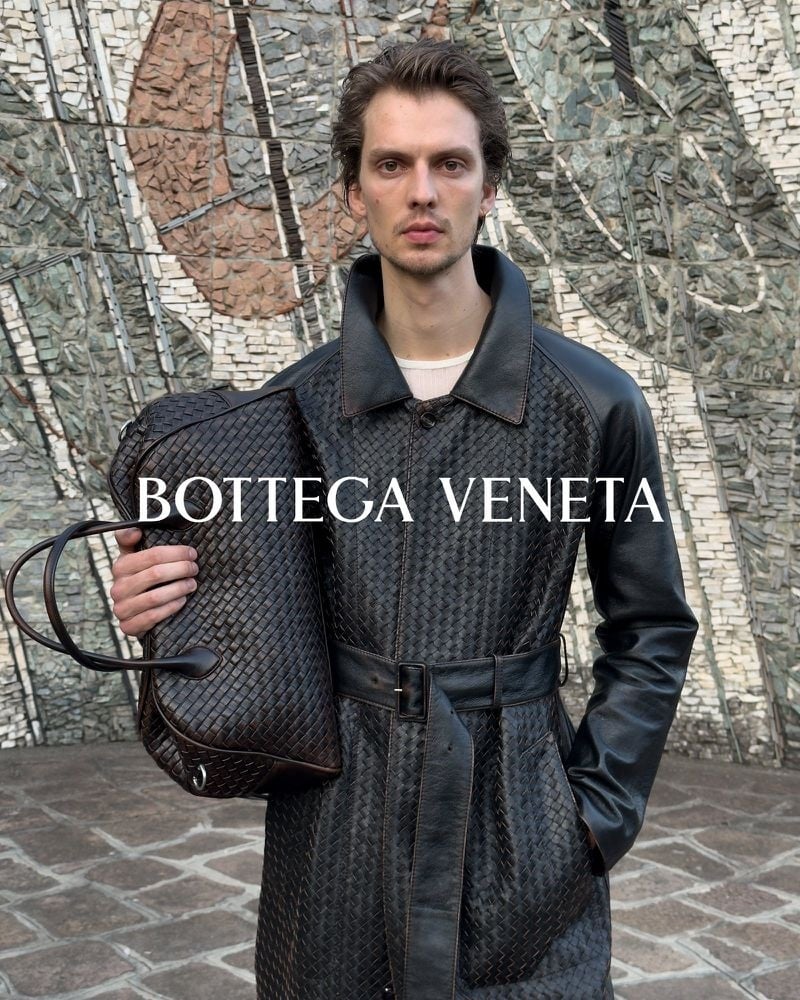
Bottega Veneta applies a leather workshop’s attention to an entire wardrobe. Established in Vicenza in 1966, the house is recognizable through its intrecciato weave, though its menswear deserves attention beyond the bags. Under Louise Trotter, texture and volume give everyday clothes an unexpected scale. A roomy coat or an unusually tactile jacket can do the dressing, leaving the rest of an outfit relatively simple.
Brioni
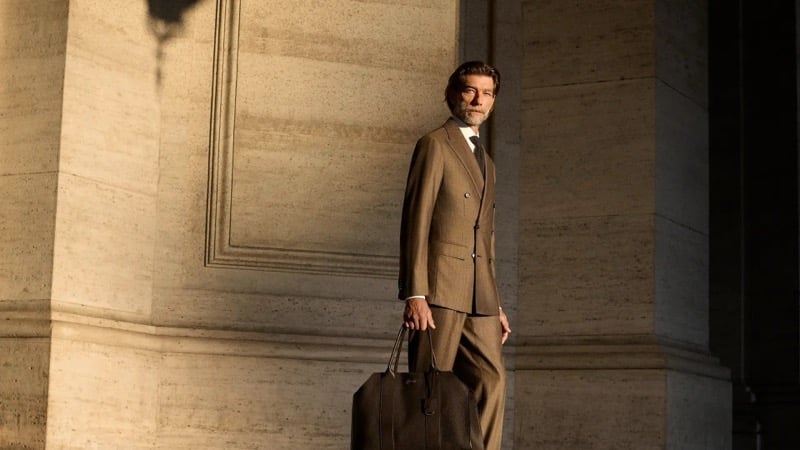
Brioni brings a Roman sense of occasion to menswear. Founded in 1945, the house built its reputation on tailoring and the skill of its Penne workshops. Suits remain central, but suede outerwear and fine knitwear extend the same attention to less formal clothes. The appeal is in the relationship between fit and fabric, particularly for men whose wardrobe still has room for a properly dressed evening.
Brunello Cucinelli
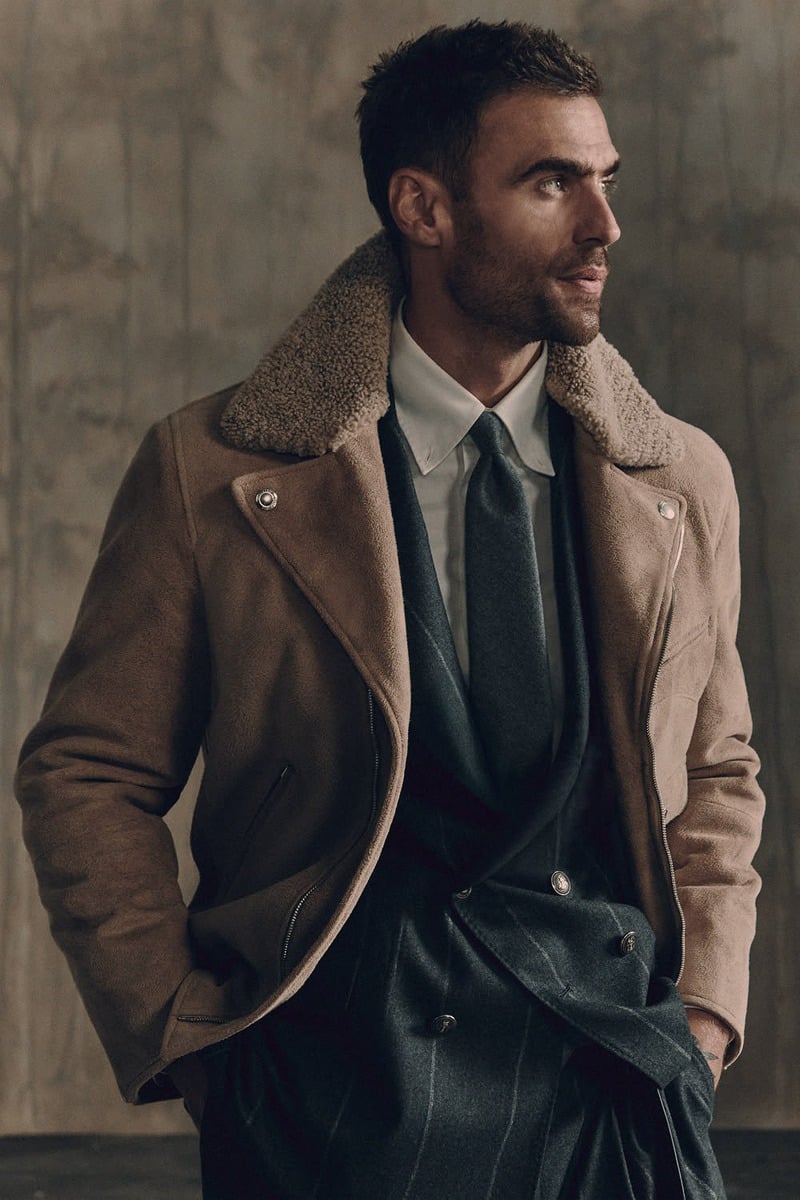
Brunello Cucinelli treats casual dressing as an opportunity to keep the pleasures of tailoring. Cashmere knitwear and suede jackets sit comfortably with pleated trousers, while earthy colors make different textures easy to combine. The Solomeo-based house’s menswear often looks most persuasive when a tie enters an otherwise relaxed outfit. It is luxury for someone who enjoys getting dressed even when the invitation says casual.
C.P. Company
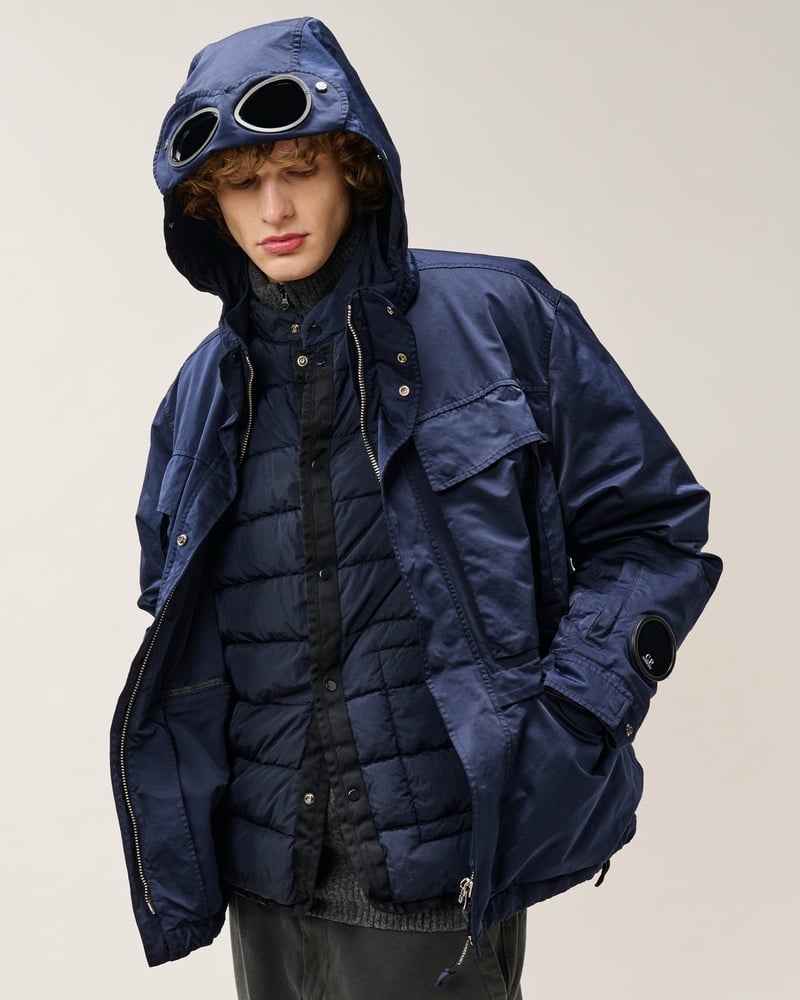
C.P. Company puts Italian design intelligence into clothes with a practical starting point. Founded by Massimo Osti in 1971 as Chester Perry, the label developed its identity through garment dyeing and the adaptation of military and workwear forms. Goggle details and sleeve lenses make its jackets recognizable. More useful than any single signature is the way color and fabric treatment can give a straightforward overshirt its own character.
Canali
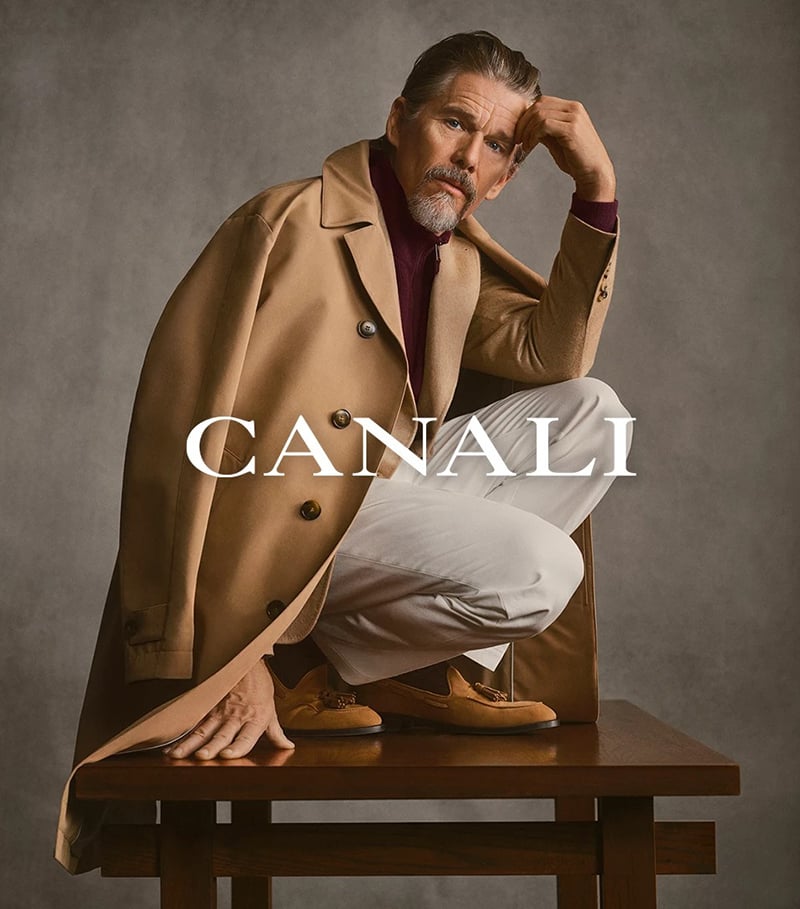
Canali offers a broad wardrobe for the man whose week moves between a suit and something less formal. Founded in Brianza in 1934, the house retains a strong tailoring identity, with the soft construction of its Kei jacket expressing that approach particularly well. Knitwear and leather outerwear extend the offer beyond office hours. The continuity matters, allowing someone to dress differently for the weekend and still look like himself.
Corneliani
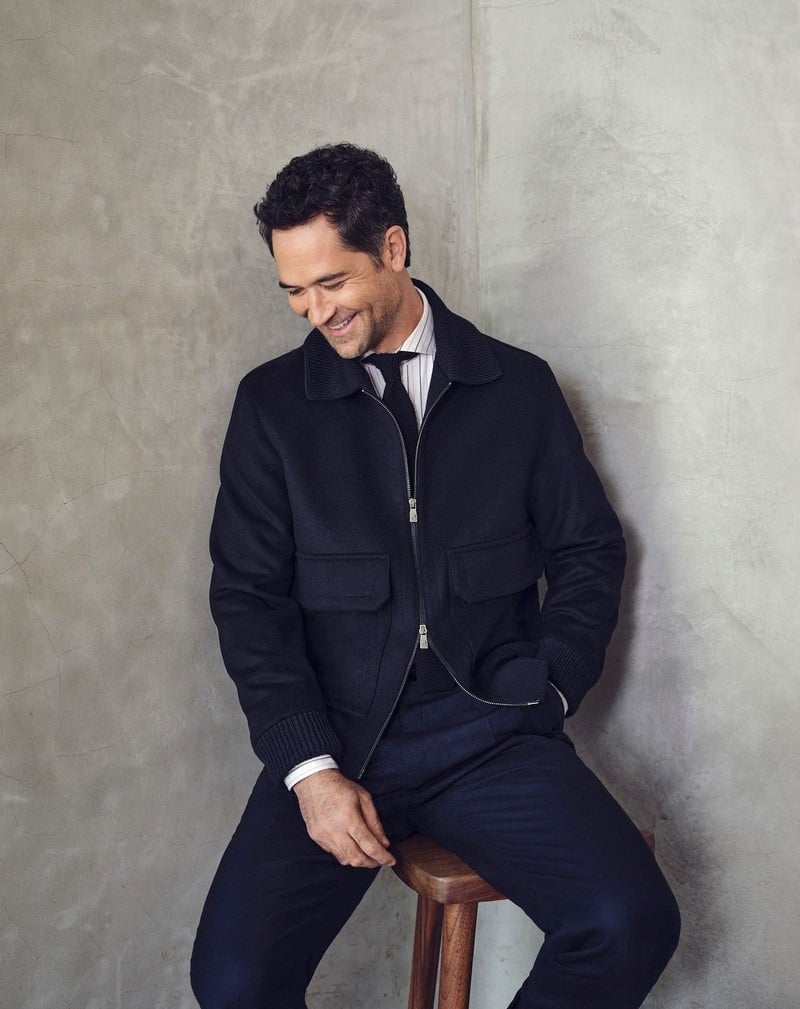
Corneliani has made tailoring its foundation since the company was established in Mantua in 1958. Its appeal lies in a measured relationship between the suit and casual clothes, with knitwear and understated outerwear sharing the tailored wardrobe’s attention to line. A zip-front jacket can look at home over a shirt and tie. For men easing away from daily suiting, the house offers a useful degree of continuity.
Dolce & Gabbana
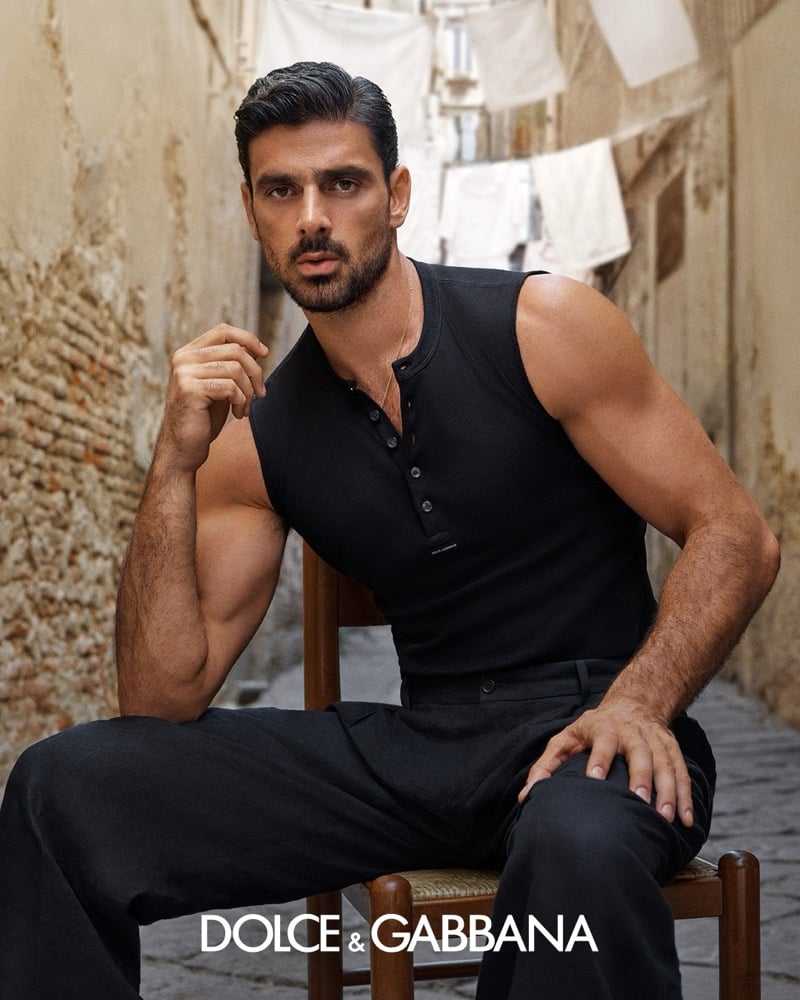
Dolce & Gabbana understands that restraint can be as theatrical as decoration. Sicilian references run through black tailoring and ribbed undershirts as surely as they do through ornate brocade. The men’s wardrobe moves between the intimacy of underwear and the ceremony of Alta Sartoria. Its strongest outfits often depend on that tension, giving a simple tank top the attitude of eveningwear or making a suit feel intensely personal.
Etro
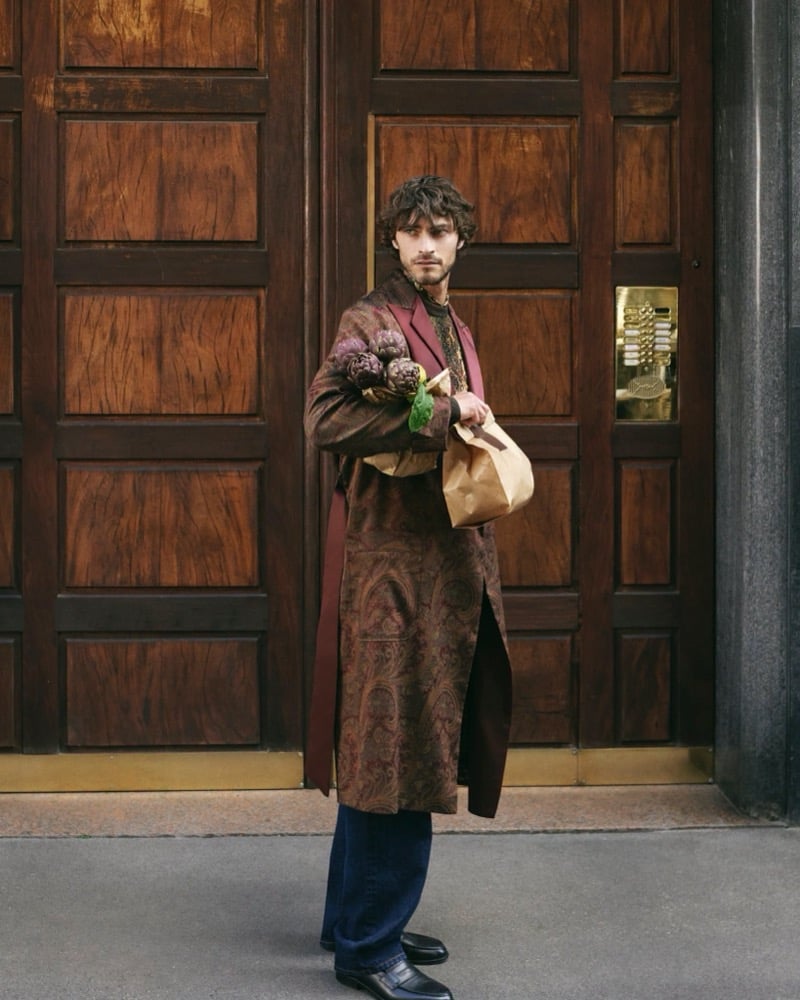
Etro starts with cloth and lets the wardrobe follow. Founded as a Milanese textile business in 1968, the house is best known for paisley, but its menswear is also about the interaction of pattern and texture. A printed shirt can loosen the mood of a tailored jacket; a richly patterned coat can become the outfit’s focus. It suits a man who enjoys color and wants more options than another plain sweater.
Fendi

Fendi brings Roman leather expertise to menswear with a taste for visual surprise. Suede and shearling give outerwear depth, while changes in proportion can make tailoring feel lighter or more playful. Maria Grazia Chiuri now leads the house, following the long menswear chapter shaped by Silvia Venturini Fendi. The distinction is in clothes that connect an artisan’s handling of materials with a designer’s willingness to disturb convention.
Ferragamo
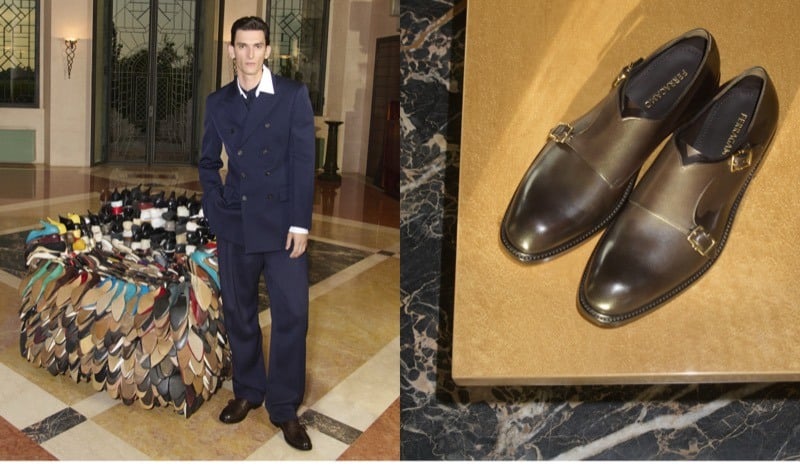
Ferragamo has grown far beyond the shoes that established its name. Maximilian Davis brings a controlled sensuality to the men’s wardrobe, using color and proportion to sharpen tailoring and leather outerwear. A fitted knit or a cleanly cut jacket can have as much impact as a decorative piece. The house is particularly relevant to men who want sleek clothes with a stronger fashion viewpoint than conventional business dress.
Giorgio Armani
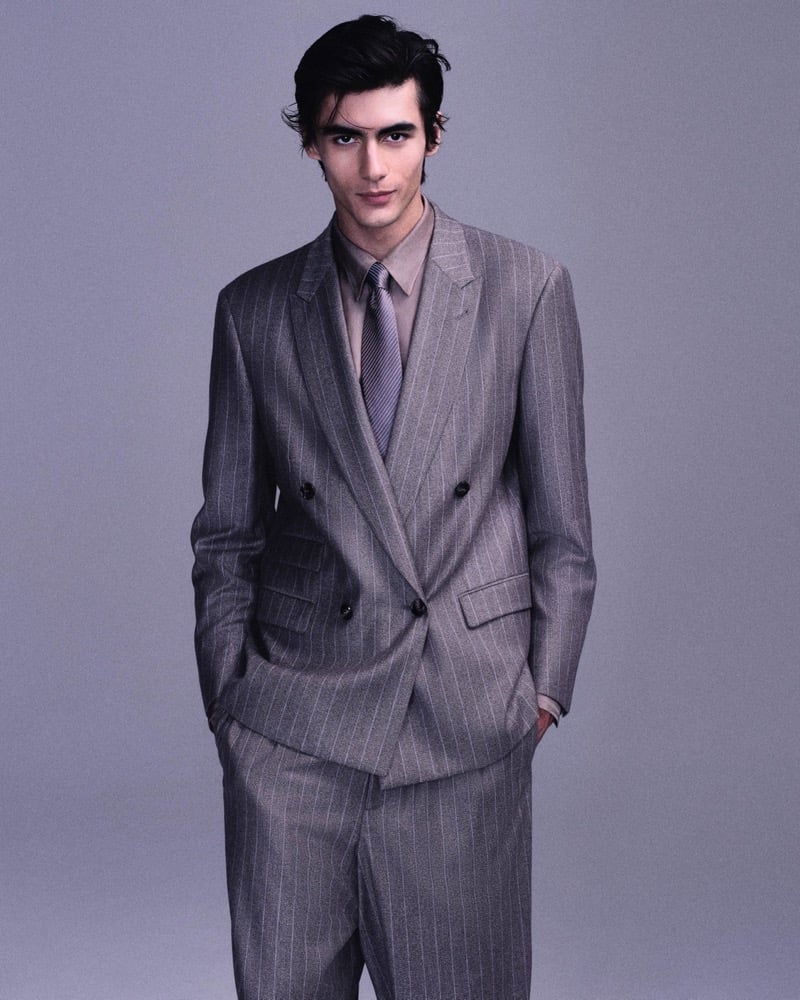
Giorgio Armani changed the relationship between a man and his suit by allowing the body more freedom. Soft shoulders and fluid cloth remain central to the main line, which extends that ease into knitwear and evening clothes. The distinction is visible when the wearer moves, not merely when he stands for a photograph. This is the Armani wardrobe for men drawn to drape and proportion, with Emporio Armani offering a separate expression of the house.
Gucci
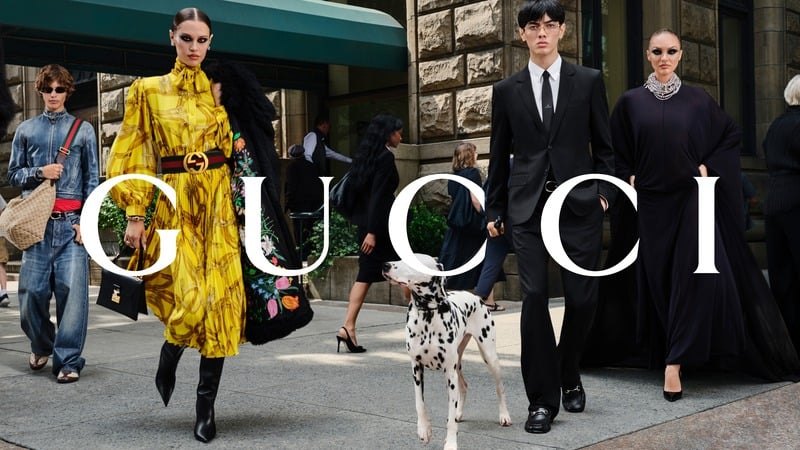
Gucci makes heritage available for reinvention. The Florentine house’s horsebit and GG motifs connect new collections to a long accessories history, while its men’s clothes move between tailoring and more conspicuous casual dress. Under Demna, recognizable Gucci identities become material for another interpretation. The useful question is how much recognition you want in an outfit, from the small signal of a loafer to a look built around the label’s imagery.
Isaia
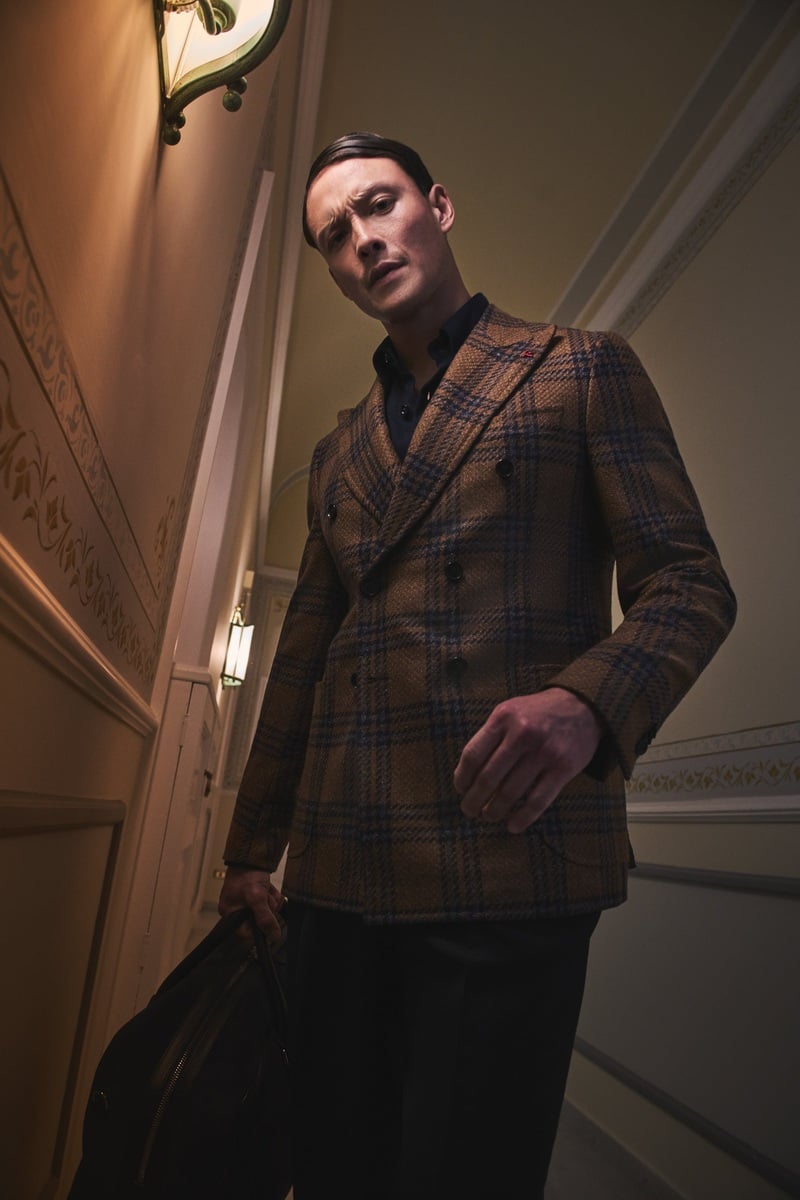
Isaia gives Neapolitan tailoring an appetite for color. Soft construction supports the ease of the jacket, while checks and textured cloth give the wardrobe more animation than the standard navy-and-gray rotation. The house extends that approach into knitwear and casual clothes, keeping tailoring connected to ordinary life. A patterned sport coat is a useful introduction, particularly for someone who likes a traditional garment with a less predictable personality.
Kiton
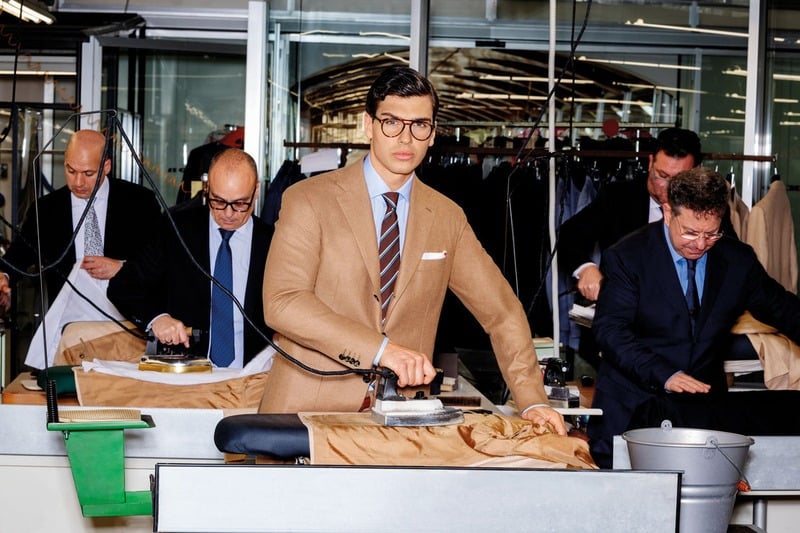
Kiton approaches clothing through the craft of the Neapolitan tailor. Founded in 1968, the house is known for handwork and exceptionally fine fabrics, with light construction central to the feel of its suits. The same appetite for material quality extends into knitwear and outerwear. Its appeal becomes clearer on the body than on a logo, especially for customers who care how a jacket feels through a long day.
Loro Piana
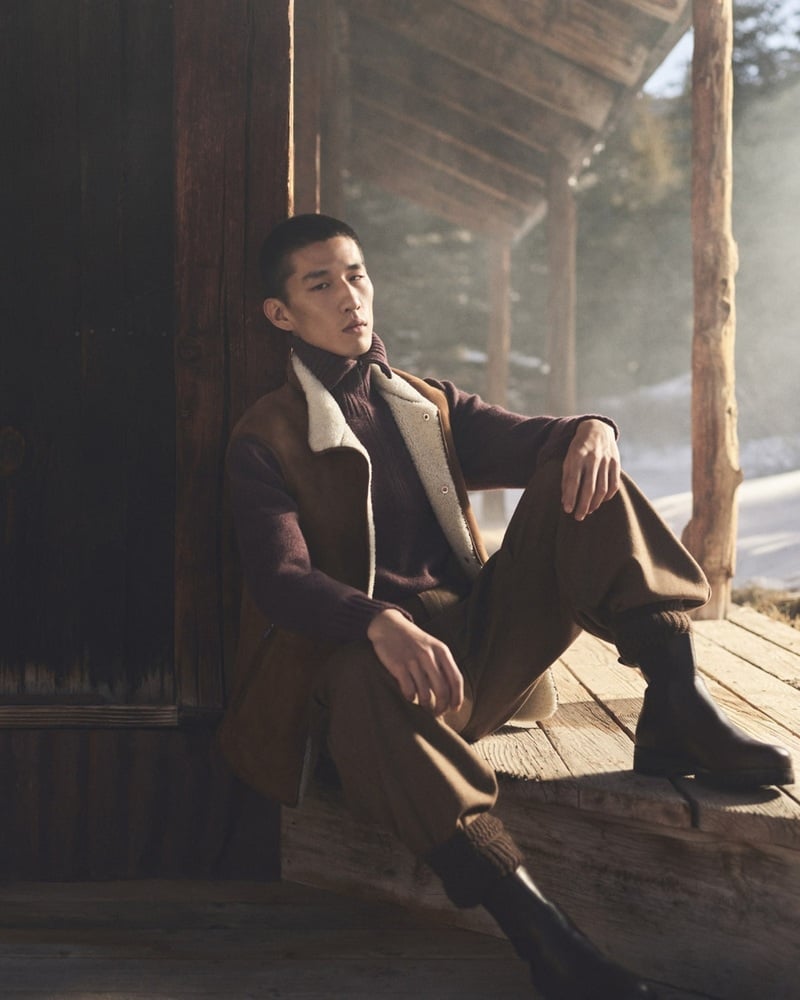
Loro Piana makes fabric the starting point of luxury. The house’s textile history informs cashmere knitwear and softly constructed outerwear, with its men’s wardrobe often favoring colors that allow texture to register. It is particularly convincing in clothes for travel and time away, when comfort matters but getting dressed remains a pleasure. The attraction is tactile, giving an apparently simple sweater or jacket much of the wardrobe’s importance.
Marni
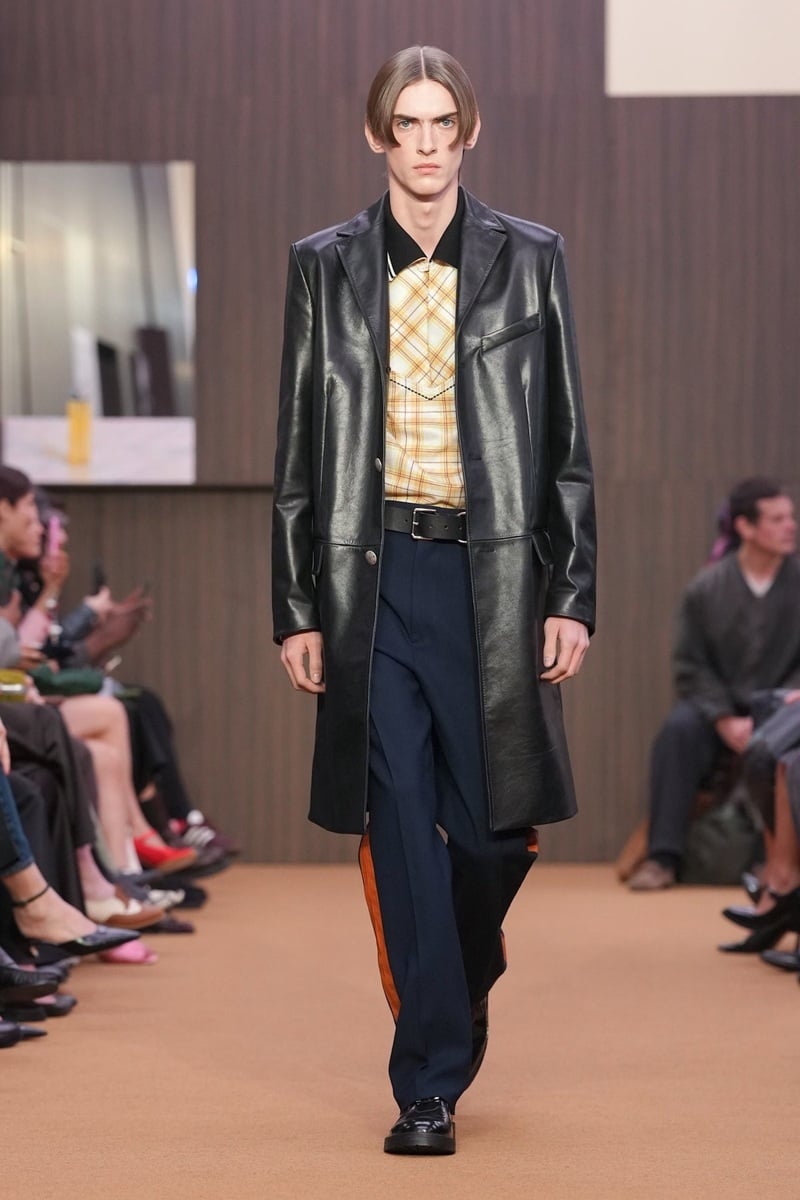
Marni lets a man enjoy the possibility that two unlikely clothes might belong together. Founded in Milan in 1994, the house has built a menswear identity around unexpected color relationships and altered proportions. A serious leather coat can sit over a checked shirt; an oversized knit can change the balance of ordinary trousers. Meryll Rogge now leads the house, continuing a design conversation in which eccentricity has a practical place in daily dress.
Missoni
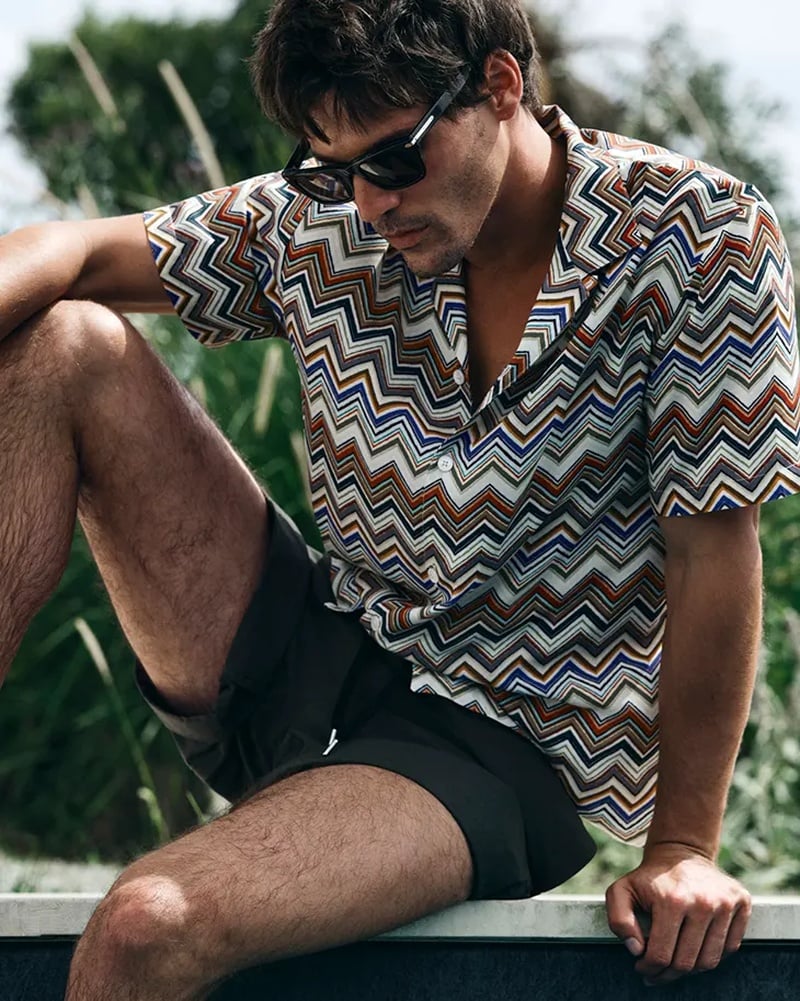
Missoni treats pattern as part of the fabric, not just something applied to it. Founded by Ottavio and Rosita Missoni in 1953, the house is known for zigzags, but its men’s knitwear offers a much broader education in color. Open-neck shirts and softly textured sweaters work particularly well with plain trousers. One expressive piece can change the character of an outfit, making head-to-toe pattern an option instead of an obligation.
Moschino
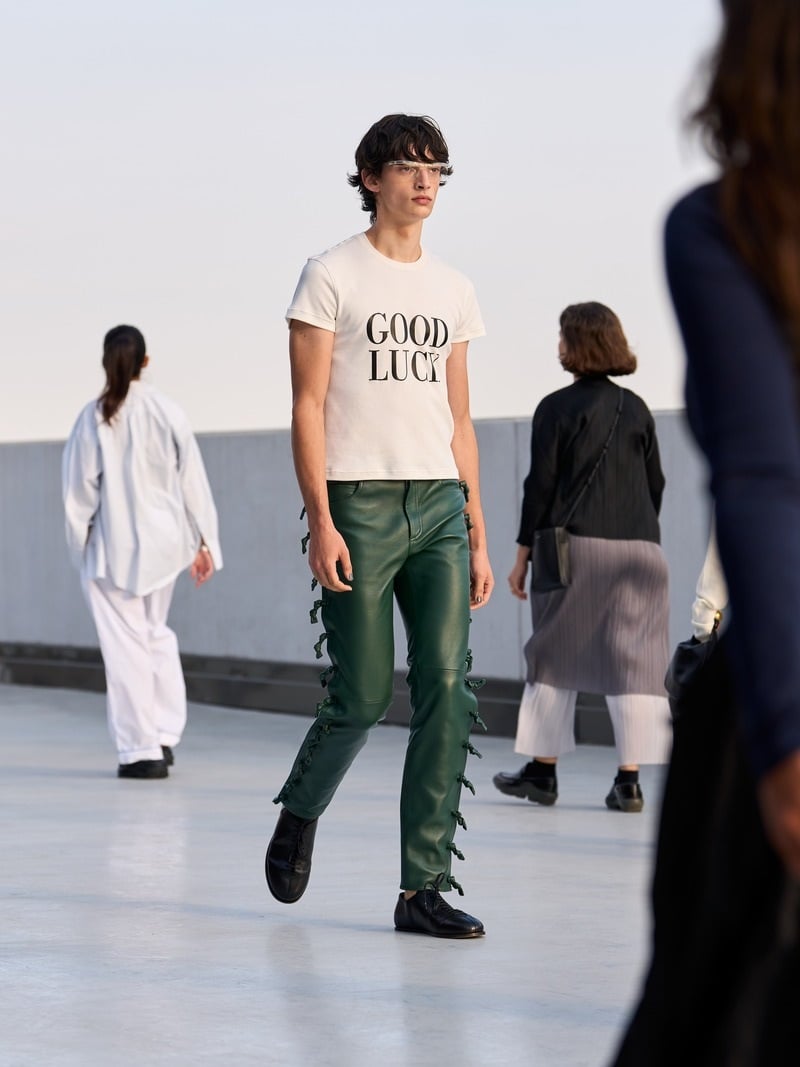
Moschino gives luxury clothes a sense of humor about their own importance. Franco Moschino founded the house in 1983, using recognizable wardrobe forms as the setting for visual jokes and pointed messages. Menswear can put a slogan T-shirt into a tailored context or turn an everyday detail into the point of an outfit. New creative directors Loris Messina and Simone Rizzo inherit a house where wit is part of the design brief.
MSGM
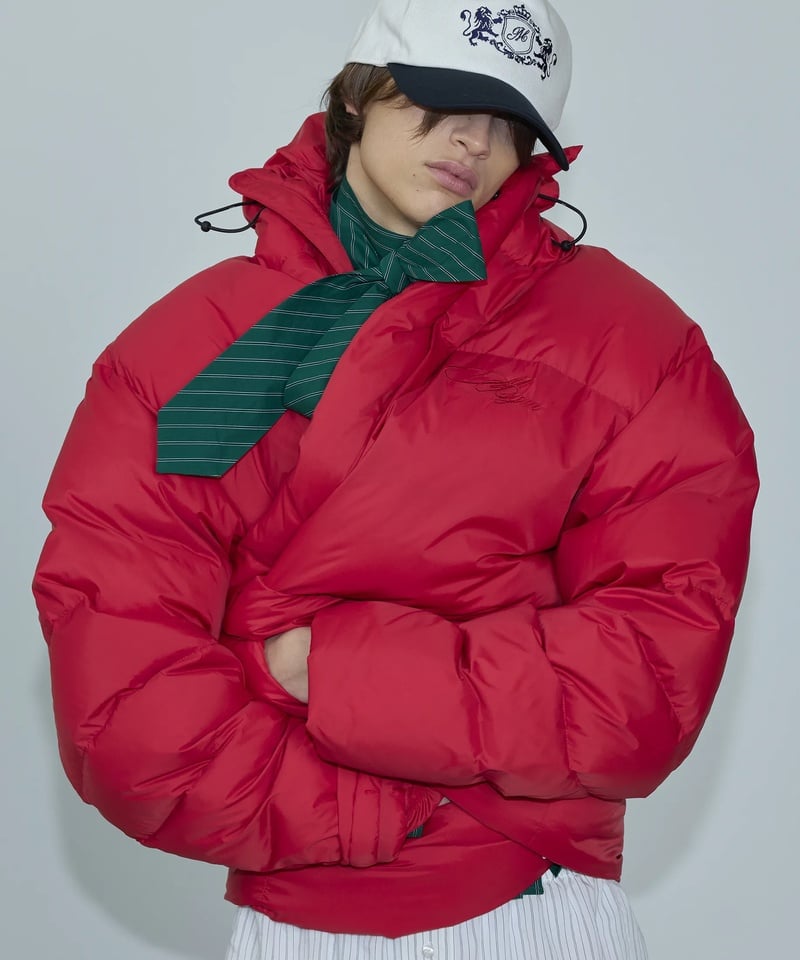
MSGM brings a younger, more immediate energy to Italian designer clothing. Launched in 2009 by Massimo Giorgetti with the Paoloni group, the label mixes sportswear influences with an enthusiasm for color and print. Tailoring can take on the looseness of casual clothes, while an assertive shirt changes the mood of a suit. It is a useful choice for men interested in fashion as an everyday activity, with room for experimentation beyond the established luxury houses.
Palm Angels
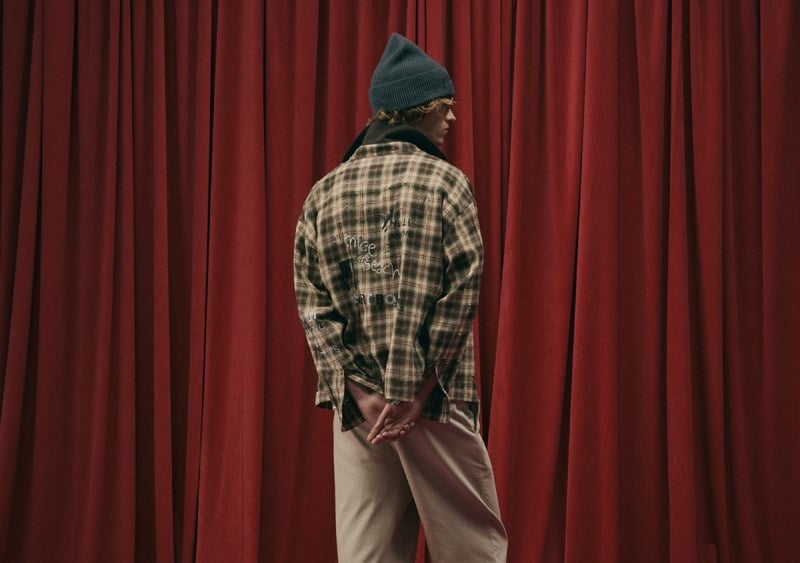
Palm Angels approaches American skate culture through an Italian fashion background. Francesco Ragazzi’s photographic interest in Los Angeles became a Milan-founded clothing label in 2015, explaining why its imagery can feel Californian while its origins remain Italian. Tracksuits and graphic casualwear are central to its identity, with checks offering another route into the wardrobe. The appeal lies in clothes that retain a streetwear attitude even when the outfit becomes more deliberately styled.
Prada

Prada makes the ordinary wardrobe less predictable. The Milanese house’s menswear, co-designed by Miuccia Prada and Raf Simons, draws much of its interest from proportion and unexpected combinations. A technical jacket can sit beside a formal trouser, or a small adjustment to a collar can change the mood of a shirt. It rewards men who enjoy clothes that leave a little room for interpretation.
Roberto Cavalli
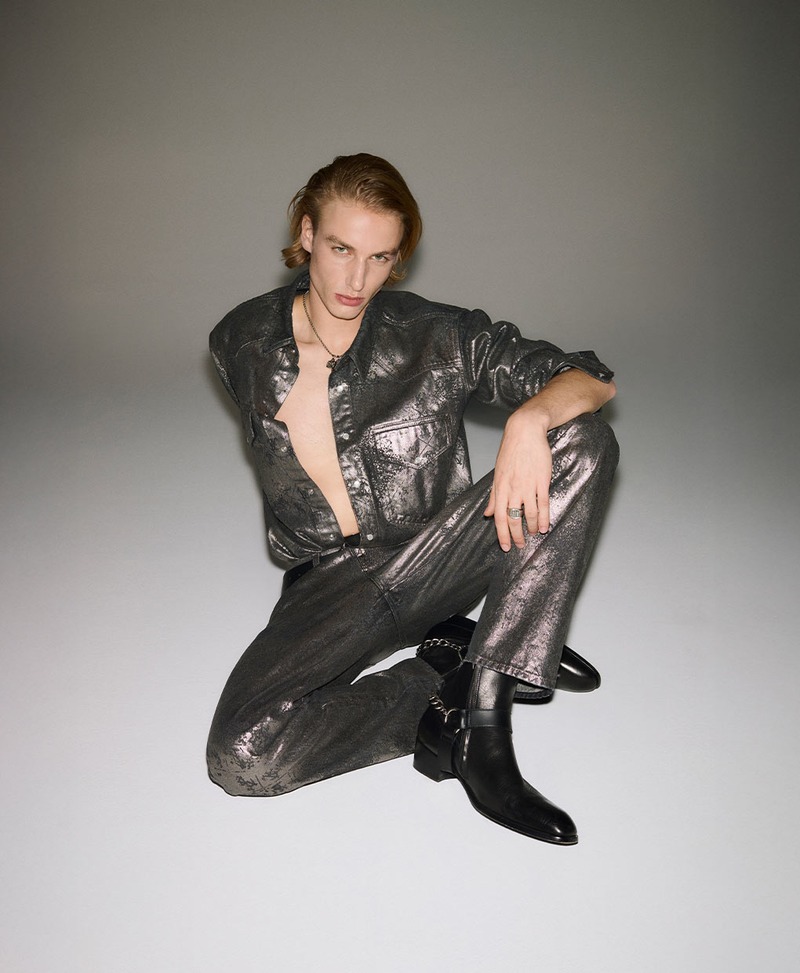
Roberto Cavalli dresses for the pleasure of being seen. The Florentine label’s animal imagery and decorated surfaces give men’s shirts and tailoring a late-night sensibility, while denim and leather bring that attitude into more casual clothes. Fausto Puglisi leads the house’s creative work. A printed shirt is a direct way into its world, particularly when the rest of an outfit gives the pattern enough space to register.
Stone Island
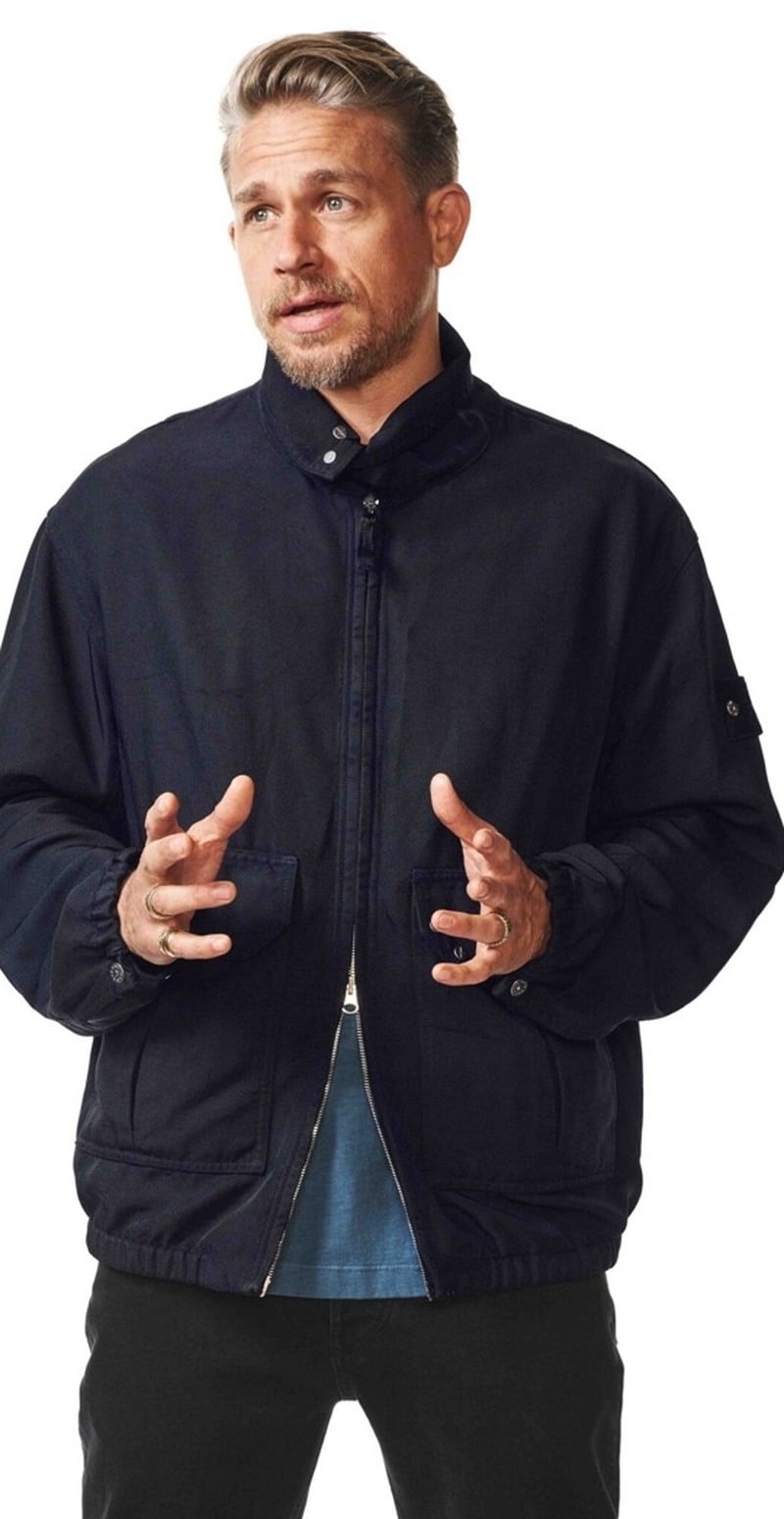
Stone Island treats the jacket as an ongoing material experiment. Founded by Massimo Osti in 1982, the Italian label built its reputation through dyeing and fabric treatments, with the sleeve-mounted compass badge becoming a recognizable signature. Its relationship with British football culture is a later chapter in that Italian history. Start with the garment itself, where texture or a particular finish can be more interesting than the badge that identifies it.
Tod's
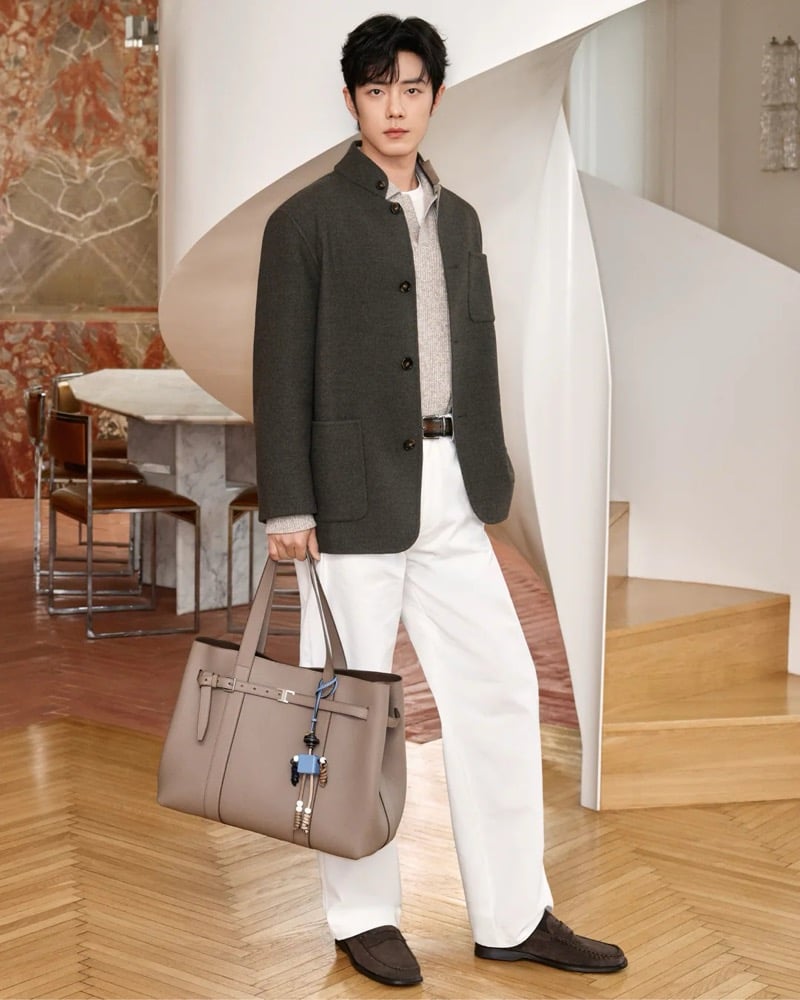
Tod’s extends the ease of its Gommino driving shoe into a men’s wardrobe. Supple leather outerwear and relaxed trousers suggest clothes for a day that can change direction, with craftsmanship expressed through the handling of materials. The Marche-rooted house is especially persuasive when suede does the work usually assigned to a blazer. It offers a practical route into Italian luxury for men who spend more time in casual clothes than suits.
Valentino
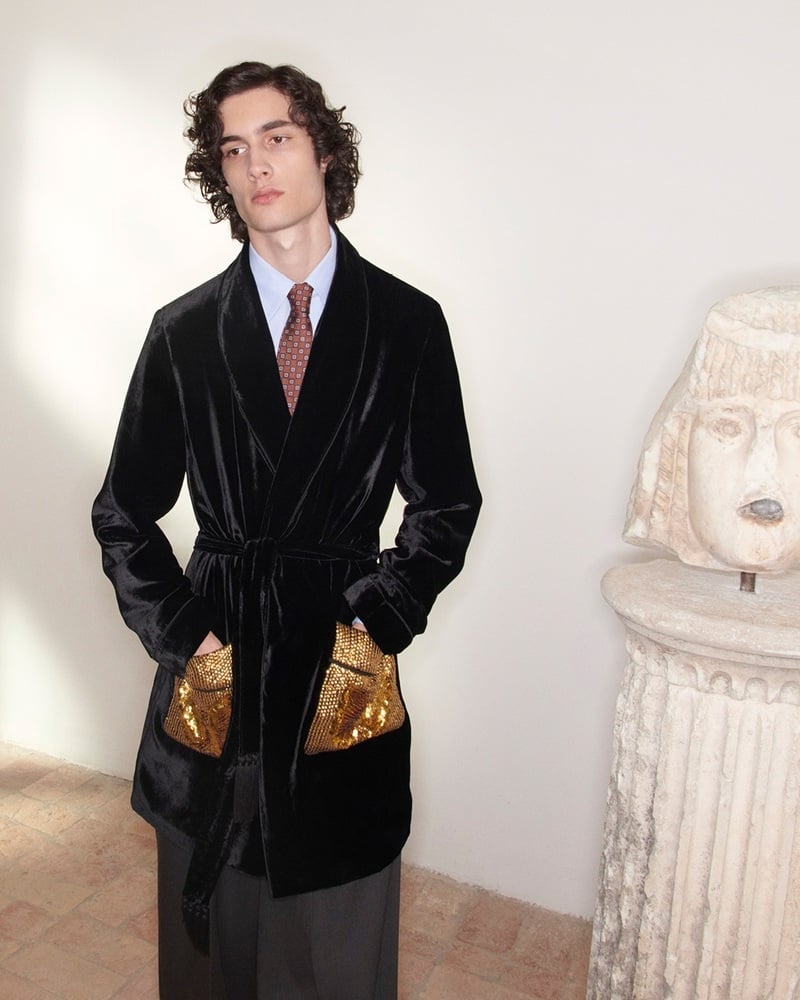
Valentino brings a couture house’s appetite for beauty to the men’s wardrobe. Founded in Rome in 1960, the label connects tailoring with romance, allowing decoration and a dramatic proportion to change the meaning of formal clothes. Under Alessandro Michele, that vocabulary has an expressive, richly layered character. A suit can become the starting point for personal adornment, appealing to men who find conventional eveningwear a little too predictable.
Versace
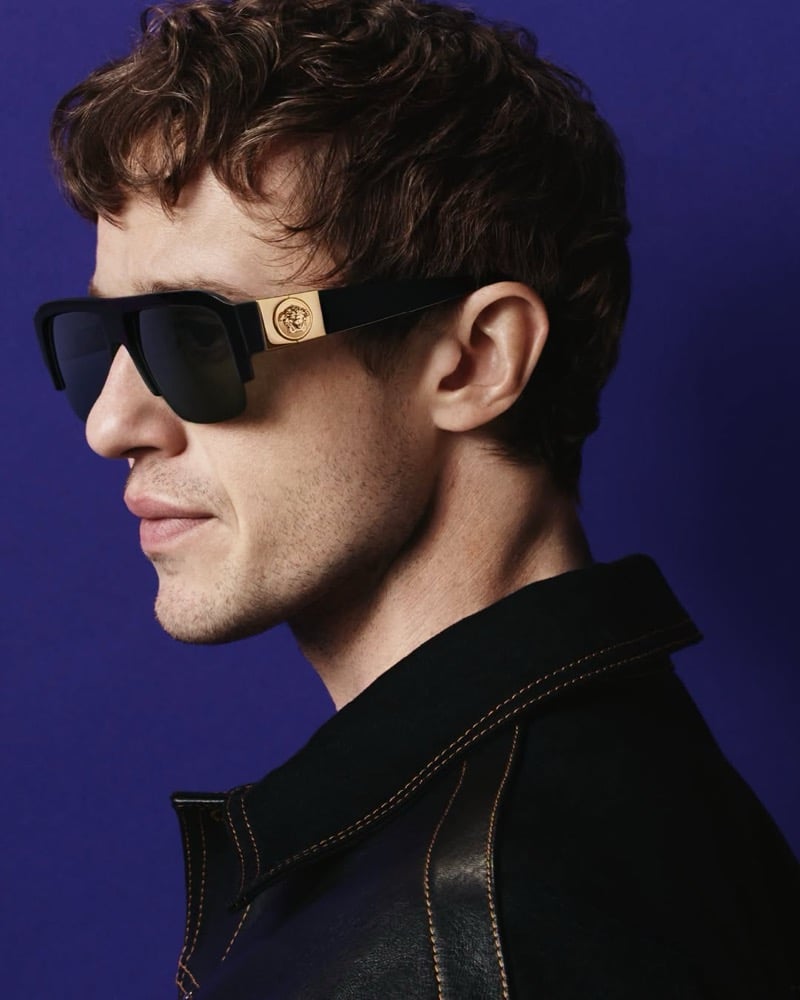
Versace has made sensuality part of its menswear identity since Gianni Versace founded the Milanese house in 1978. Printed silk and assertive tailoring suggest clothes for a man comfortable attracting attention, though a single leather piece can communicate the same attitude more quietly. Pieter Mulier now leads its creative direction. The Medusa and Greca remain recognizable signatures, but the clothes matter most when their cut gives the wearer something to live up to.
Zegna
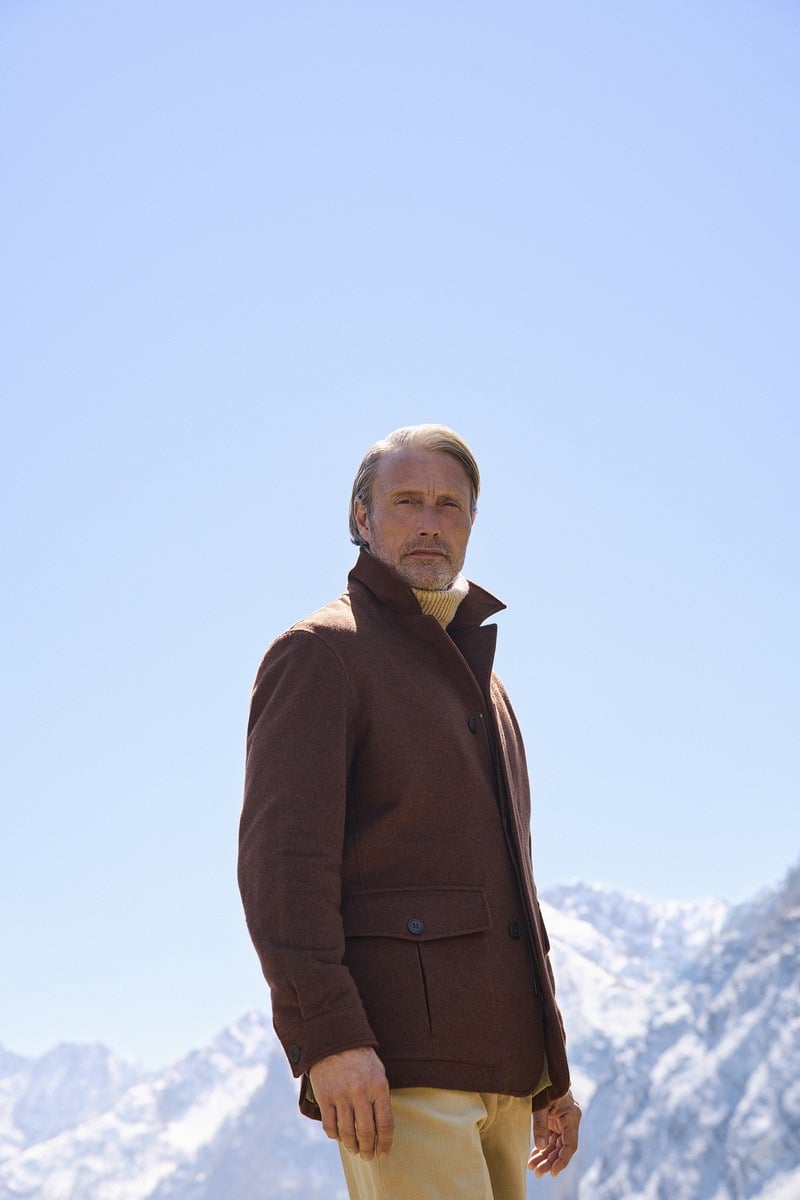
Zegna brings the knowledge of a textile mill to a wardrobe that increasingly treats tailoring as a flexible idea. Founded in Trivero in 1910, the house connects its fabric expertise with the relaxed proportions developed under Alessandro Sartori. An overshirt or soft jacket can supply the structure once expected from a suit. It is a strong destination for men who still care about cloth and cut after their dress code has loosened.
Finding Your Italian Wardrobe
The most useful distinction between Italian designer brands is often the one that changes how you get dressed. Boglioli can make a jacket feel less formal; Missoni can make a plain outfit more expressive. Begin with a garment that improves the wardrobe you actually wear. A label’s history becomes more meaningful when the clothes have a regular place in your life.