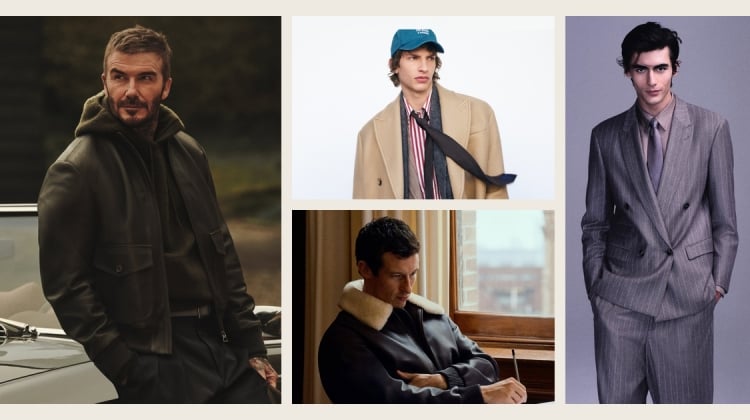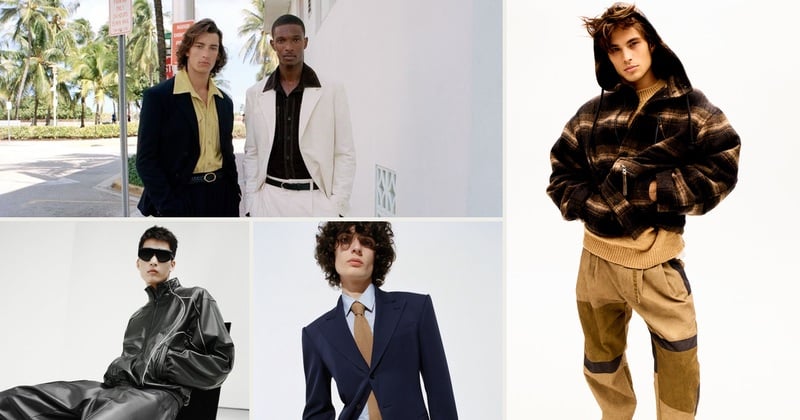
French designer brands offer several answers to the same wardrobe question. How much do you want your clothes to say? A leather jacket from Berluti speaks through its surface; Casablanca puts the picture on the shirt. Both belong to a wider idea of French style that can make a suit look discreet, theatrical, or ready for a very late dinner. Its French identity comes from the houses’ founding and creative histories, often shaped by designers who came to Paris from abroad. Ownership and a garment’s country of manufacture tell different stories.
French Designer Brands
AMI Paris
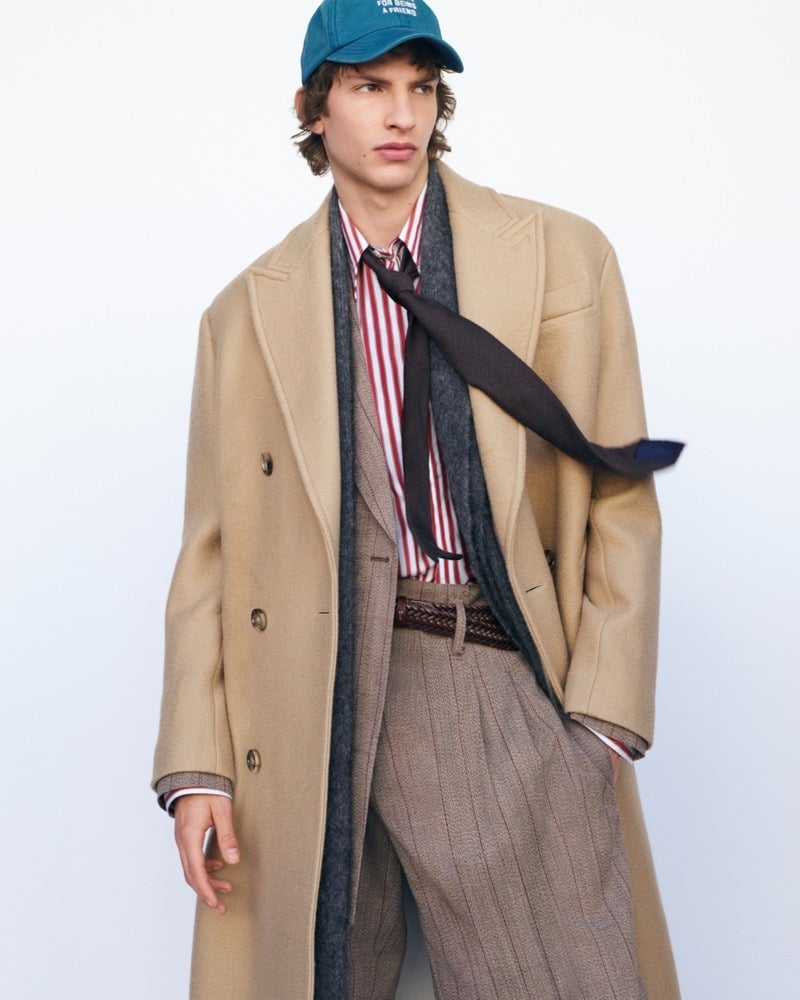
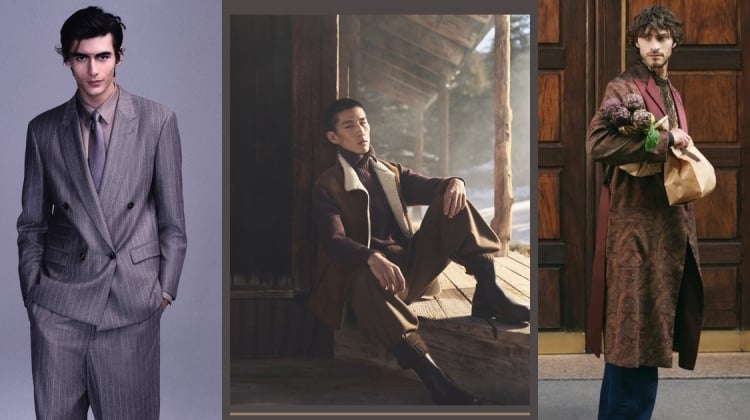
AMI Paris puts the pleasure of getting dressed ahead of the obligation to impress. Founded by Alexandre Mattiussi in 2011, the label builds around roomy coats and trousers that give tailoring an easy relationship with the body. A striped shirt or baseball cap can interrupt the formality, as in its fall-winter 2026 campaign. The heart logo is the quickest introduction, but the more useful lesson is proportion. AMI suits a man who wants an everyday wardrobe with the character of designer clothing, including on days when he leaves the logo at home.
Balenciaga
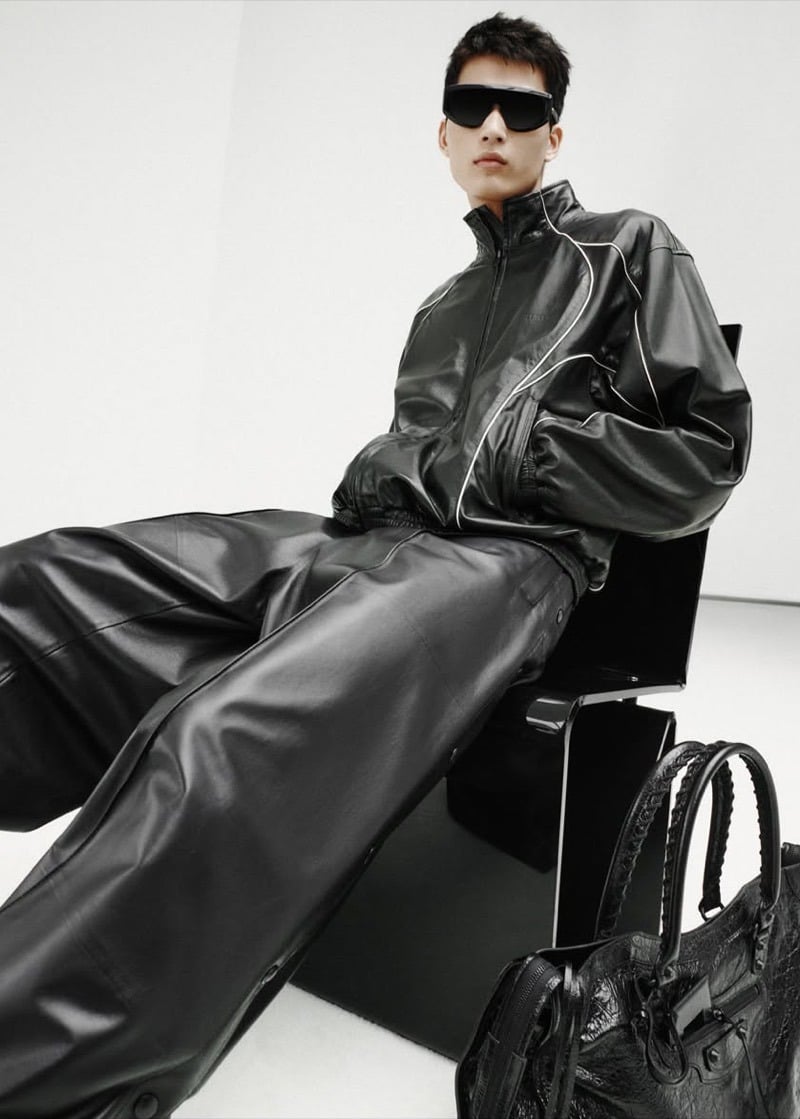
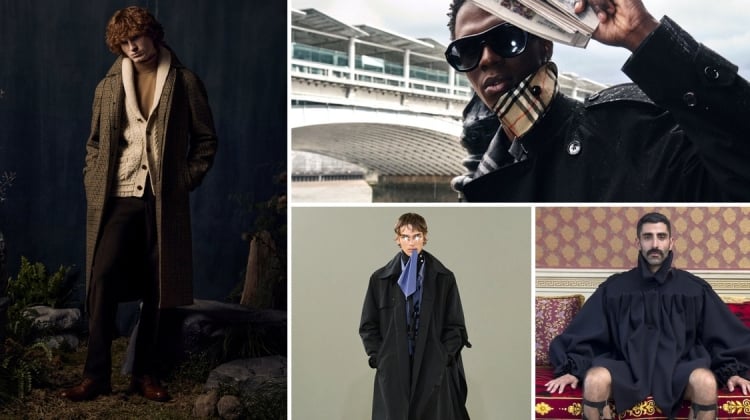
Volume changes the meaning of ordinary clothes at Balenciaga. A leather jacket can engulf the torso; trousers can make the shoes almost disappear. Cristóbal Balenciaga founded his house in Spain in 1917 and established its Paris operation in 1937, the basis of its lasting place in French fashion. Demna made oversized everyday dress central to its recent menswear before Pierpaolo Piccioli succeeded him in 2025. For the customer, the commitment is physical as much as cultural. These proportions change how you occupy a room, even when the starting point is a zip-up jacket.
Balmain
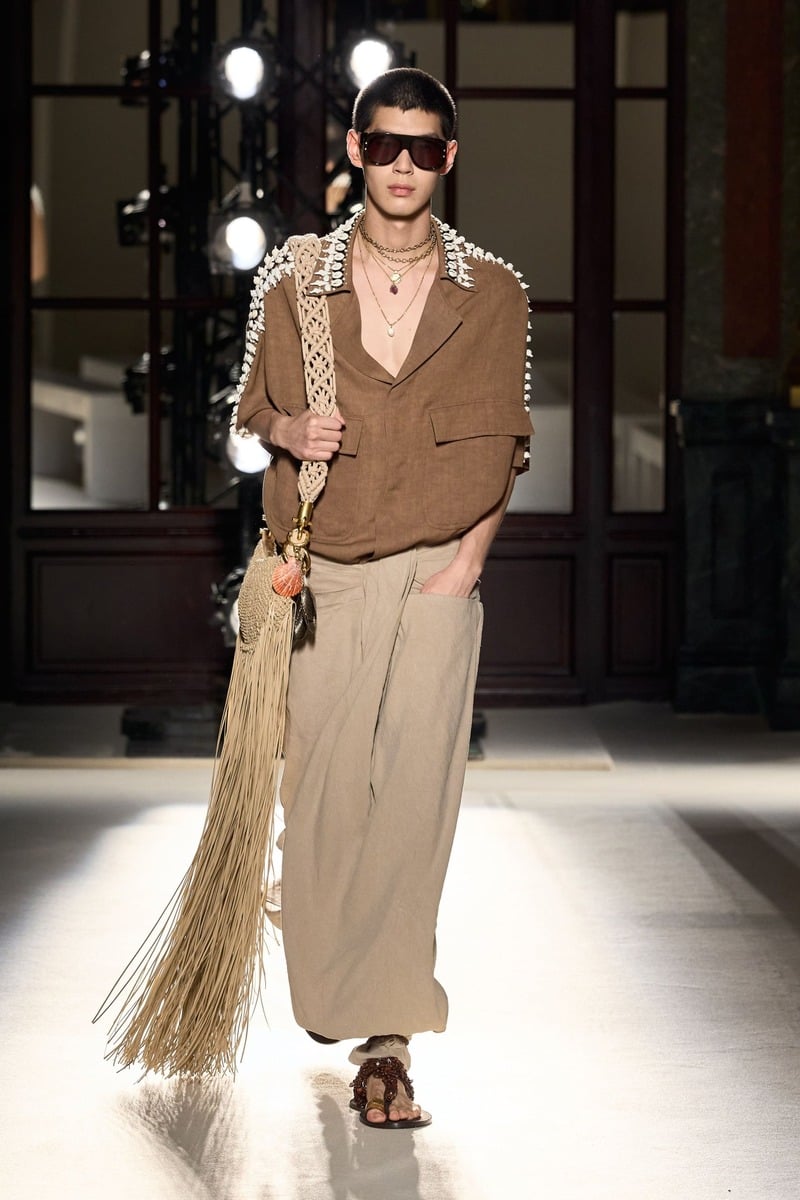
Balmain has a history of menswear that expects to be noticed. Pierre Balmain founded the Paris house in 1945; decades later, Olivier Rousteing made military detail and elaborate decoration part of its public identity. Antonin Tron became creative director in November 2025, so treating that embellished wardrobe as the house’s permanent setting misses a change in direction. Recent runway clothes allow an open-neck shirt and wide trousers to supply the drama through their shape. Balmain remains useful for men who enjoy display, with the silhouette worth watching as closely as the hardware.
Berluti
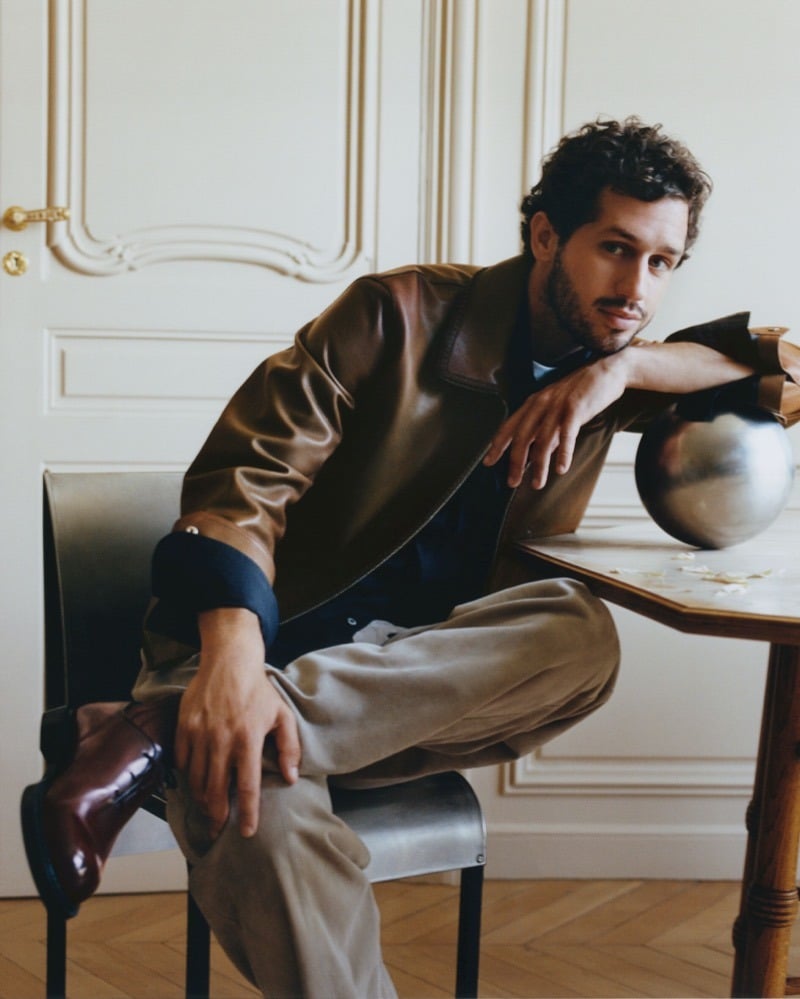
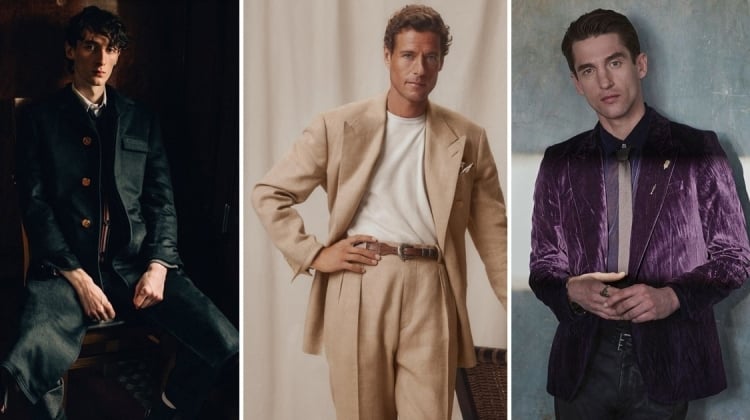
The shoe remains the most revealing introduction to Berluti. Alessandro Berluti, an Italian shoemaker, established the house in Paris in 1895. Its patinated leather gives brown and burgundy the depth of colors developed over time, an interest that extends naturally into jackets. Tailoring supplies a setting for that leatherwork, while knitwear makes the wardrobe less ceremonial. A supple blouson over pleated trousers is an especially clear expression of the proposition. Berluti dresses a man who enjoys the rituals of luxury but still wants to sit down and loosen his collar.
Casablanca
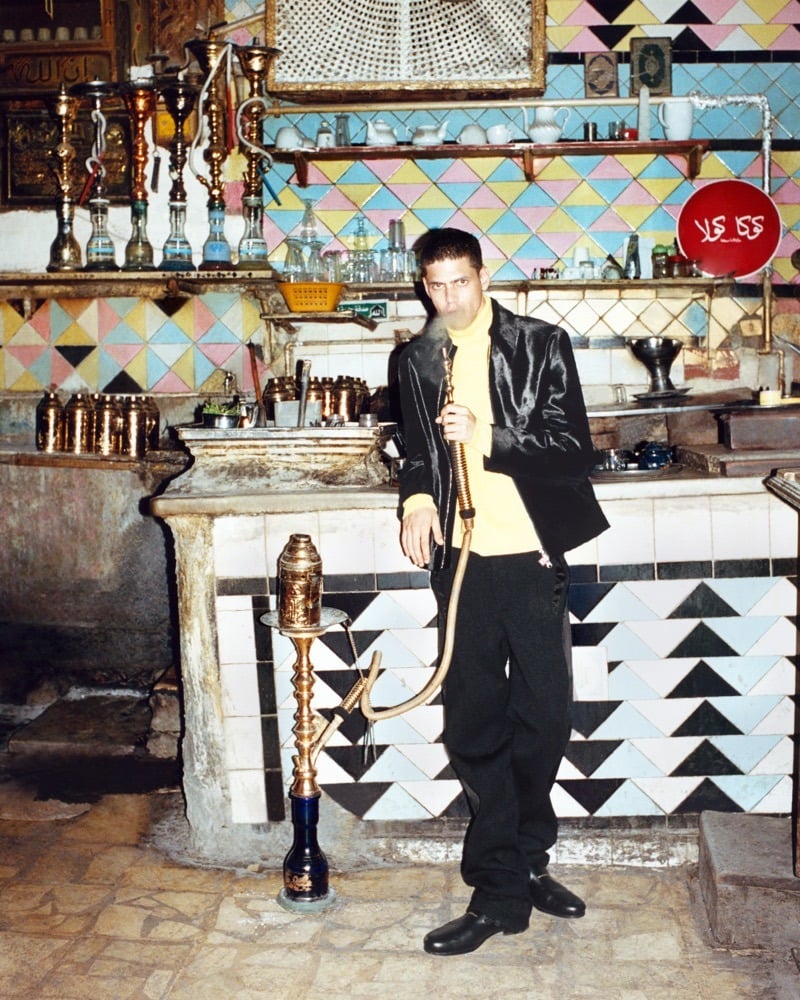
Casablanca dresses leisure as an occasion. Charaf Tajer founded the house in Paris in 2018, drawing on his French-Moroccan background and an appetite for travel. Printed silk shirts and knitted sportswear give the wardrobe its color, while tailoring lets it move beyond the resort. The fall-winter 2026 campaign places those clothes in Cairo’s cafes and streets, where their decorative confidence meets everyday life. The customer need not be on holiday. One illustrated shirt can change the mood of plain trousers, though the full Casablanca look is happiest when nobody is checking the office dress code.
Celine
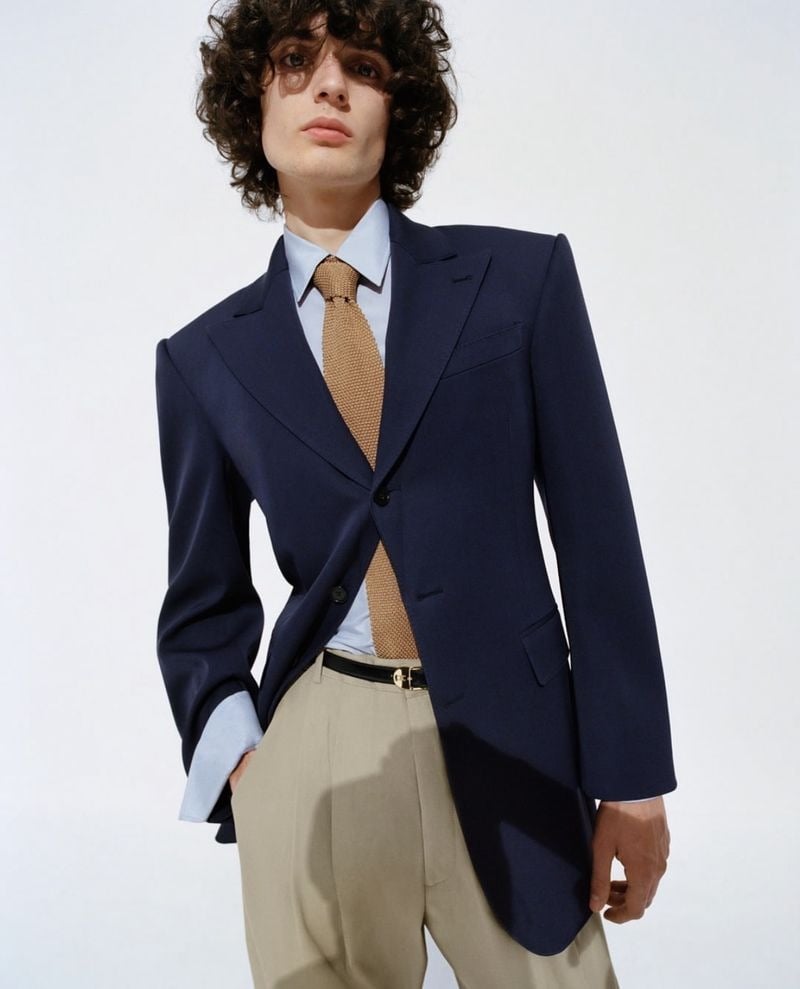
A blazer and pleated trousers can tell you more about the current Celine man than the lingering image of a skinny black suit. Hedi Slimane established the house’s modern men’s wardrobe through music and narrow tailoring; Michael Rider, who took over in 2025, has brought a broader, more preppy vocabulary. The summer 2026 campaign makes the shift legible through a navy jacket, pale shirt, and knit tie. For a customer drawn to leather goods and a complete designer wardrobe, Celine offers a way to dress formally while leaving room for an eccentric accessory or an unexpected proportion.
Dior Men

Dior Men’s history includes the severe line of Slimane’s suits and the sportswear-inflected tailoring of Kim Jones. Jonathan Anderson, who took charge in 2025, has made the meeting of different dress codes feel less predictable. A polo shirt worn with a tie and wool trousers is a useful example. Each piece is recognizable, but the combination asks for a second look. Dior appeals to a man who likes the discipline of dressing and enjoys disturbing it. The interest lies in how the clothes are worn together, as much as in any single purchase.
Givenchy
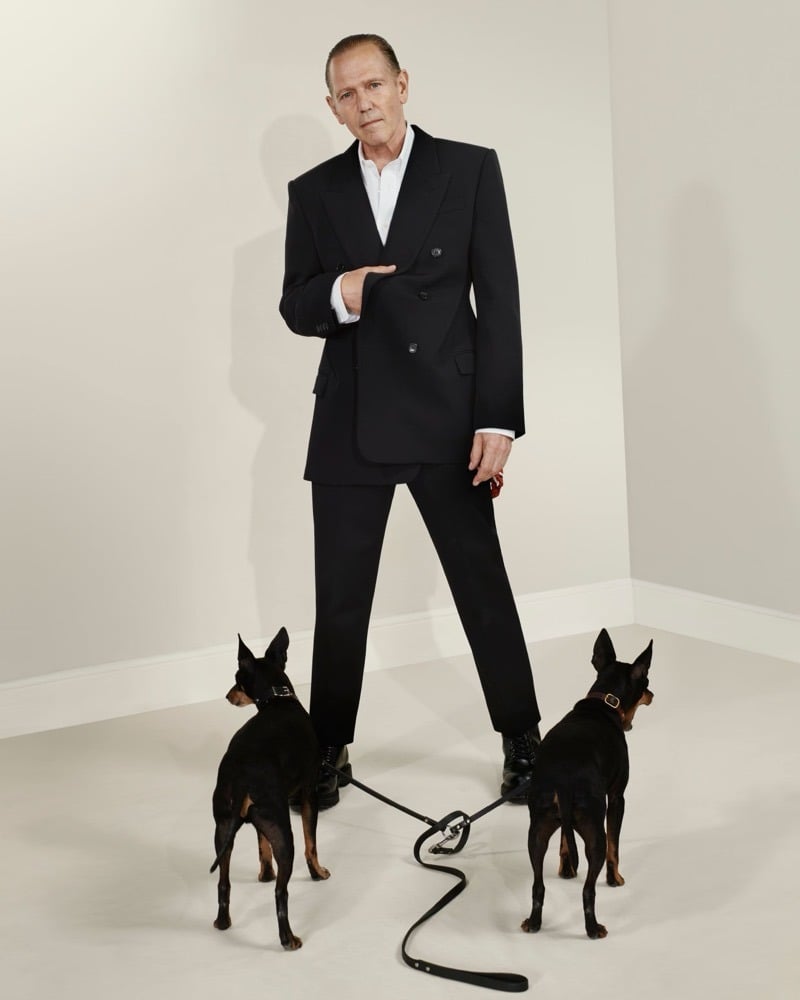
Givenchy can put a man in a dark suit and let the person supply the attitude. Founded in Paris by Hubert de Givenchy in 1952, the house has moved through markedly different ideas of menswear, from Riccardo Tisci’s graphic sportswear to Matthew M. Williams’s industrial hardware. Sarah Burton became creative director in 2024. Paul Simonon’s spring 2026 campaign appearance gives tailoring a convincing human setting, with an open shirt and the bearing of a musician. For the customer, the attraction is a tailored wardrobe that can look exacting and still accommodate a life outside formal occasions.
Hermès
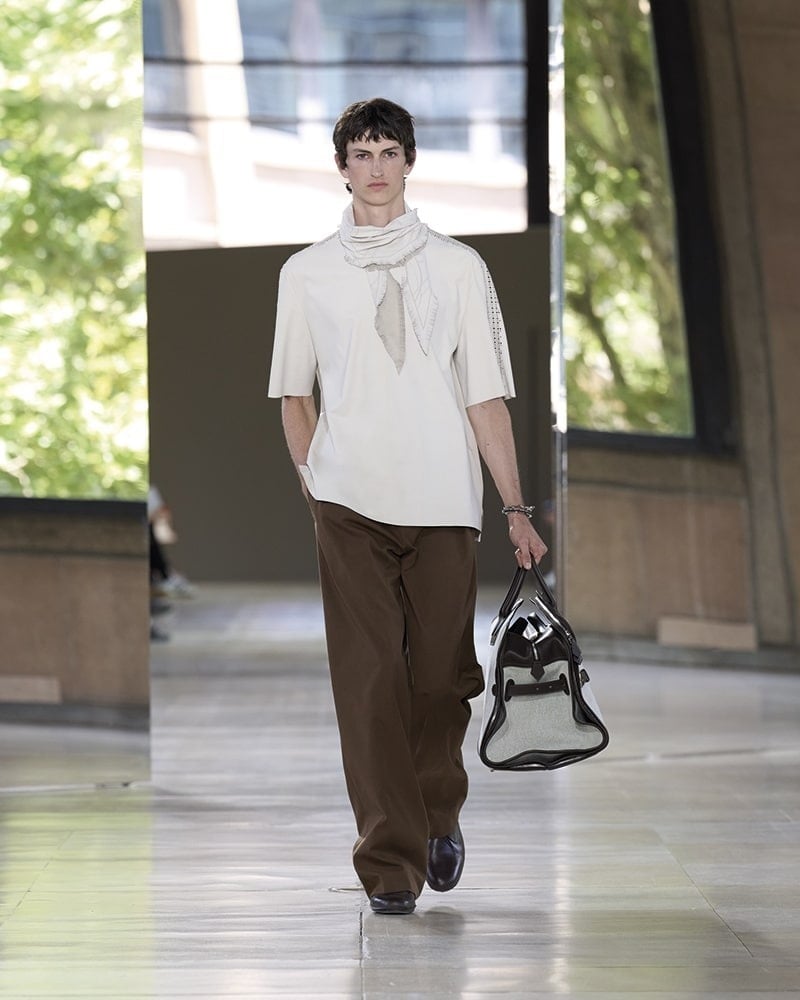
Hermès rewards a closer look. A shirt’s drape or the weight of a leather jacket can distinguish a piece whose outline seems straightforward. Véronique Nichanian developed that approach over nearly four decades, giving the men’s wardrobe an ease that depended on exact choices of fabric and cut. Grace Wales Bonner has been appointed to lead men’s ready-to-wear, with her first collection due in January 2027. Until that work arrives, the established proposition remains clear. Hermès is for men who want luxury to register through wearing the clothes, with recognition by strangers an optional extra.
Isabel Marant
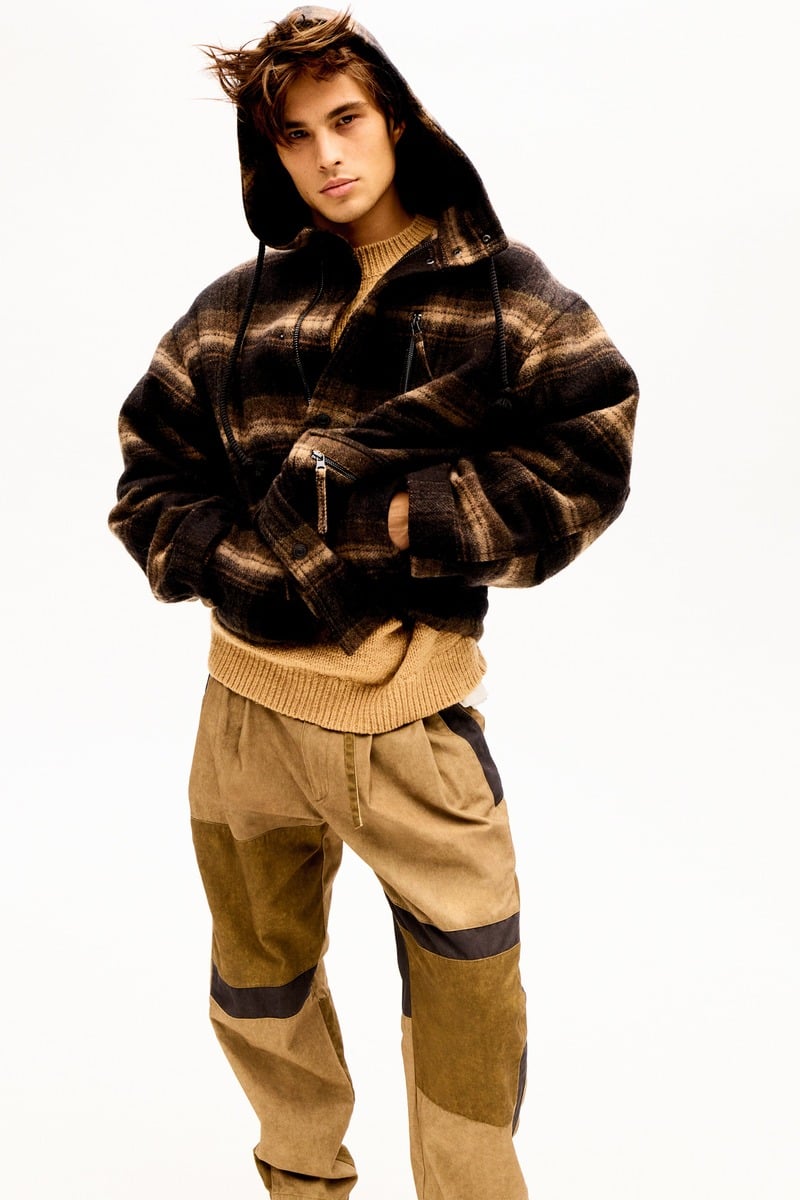
Isabel Marant gives designer menswear a useful dose of wear and tear. The Paris label introduced its men’s line in 2017, translating its founder’s casual sensibility into faded denim and soft layers. Workwear jackets and corduroy make the clothes easy to imagine in use; washed finishes keep them from looking newly issued. In the fall 2026 collection, the styling treats a shirt or jacket as something the wearer might already have made his own. It suits men who enjoy texture and a little disorder, especially when immaculate tailoring feels too much like somebody else’s life.
Jacquemus
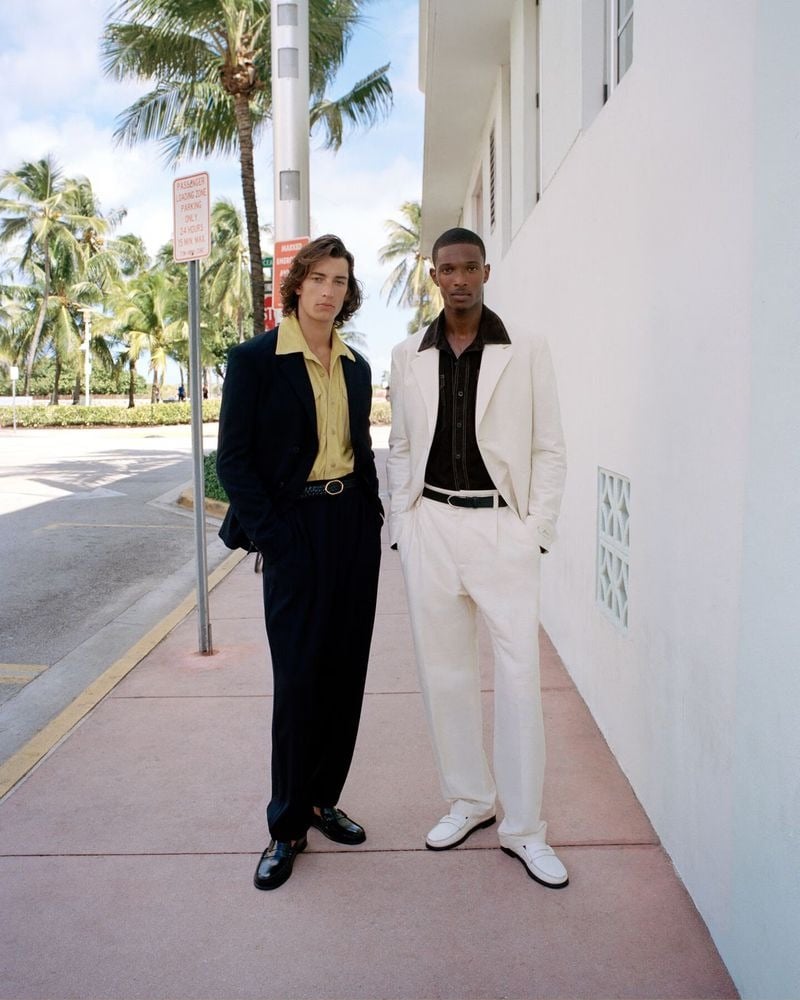
Proportion gives Jacquemus its particular view of the male body. A short jacket can make wide trousers look longer; an open shirt can loosen the mood of a suit. Simon Porte Jacquemus founded the Paris-based house in 2009 and introduced menswear in 2018, drawing on his upbringing in southern France. That background informs the warmth and informality, but the clothes are more deliberate than the usual holiday wardrobe. The fall-winter 2026 campaign’s contrasting suits show the appeal. Jacquemus is a useful choice for a man who wants tailoring with some sunlight in it.
Kenzo
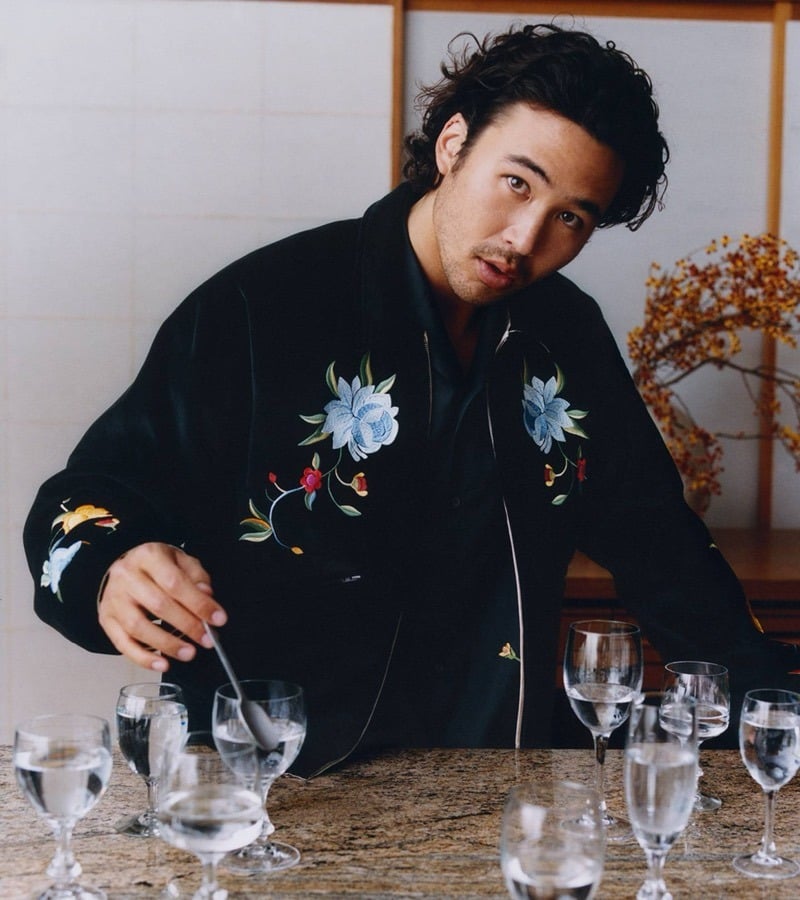
Kenzo brings a Japanese-Parisian history to clothes with a taste for color. Kenzo Takada founded the house in Paris in 1970, and its identity grew through the meeting of cultures, not a requirement that French fashion have a French-born designer. Nigo, appointed in 2021, adds his experience of Japanese streetwear to that inheritance. Embroidered outerwear and graphic knitwear make useful points of entry. A floral jacket can give an otherwise simple outfit its character, making Kenzo appealing to men who want playful clothes with more design interest than another printed sweatshirt.
Lanvin
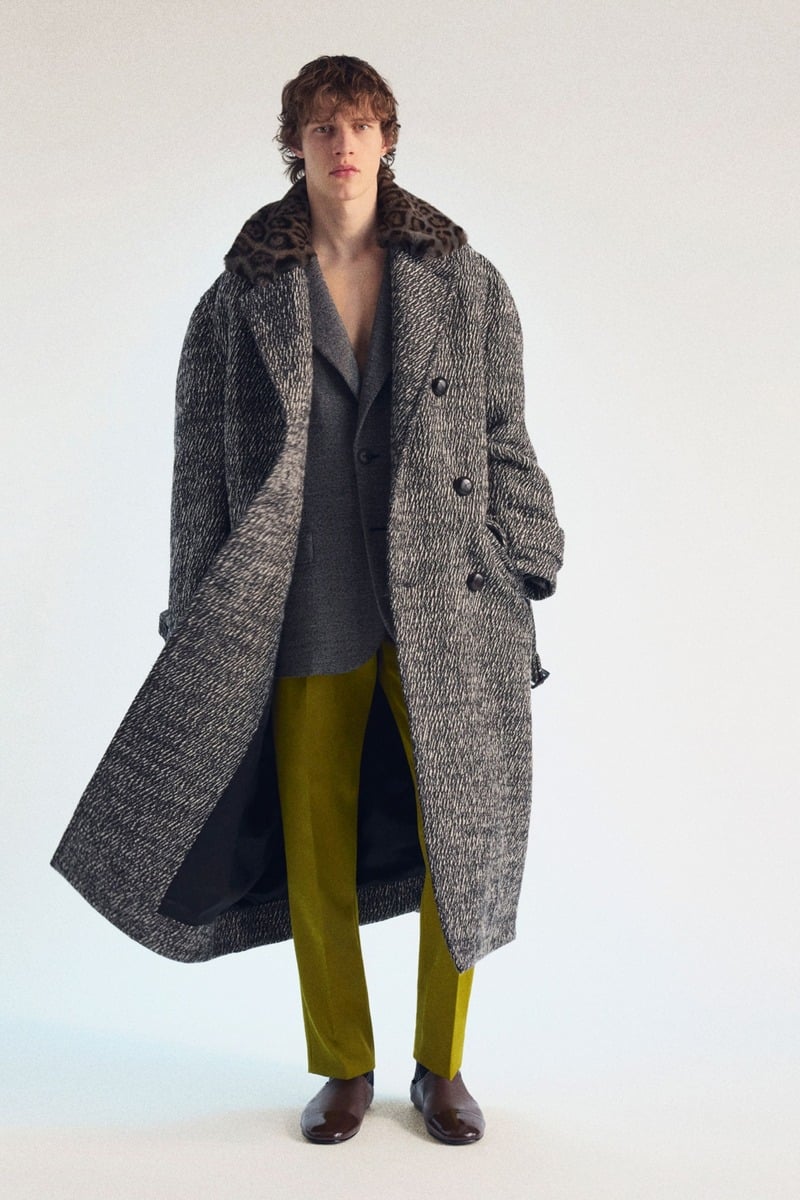
Softness has a long place in Lanvin’s menswear, even when the clothes begin with a suit. Jeanne Lanvin founded the Paris house in 1889 and introduced a dedicated men’s department in 1926. Much later, Lucas Ossendrijver helped make relaxed construction and unexpected material combinations part of its modern identity. Peter Copping, artistic director since 2024, has returned attention to the founder’s decorative vocabulary. A patterned collar against a textured coat shows how a small detail can enliven a conventional garment. Lanvin suits the man who enjoys dressing elegantly but finds strict correctness a little dull.
Lemaire
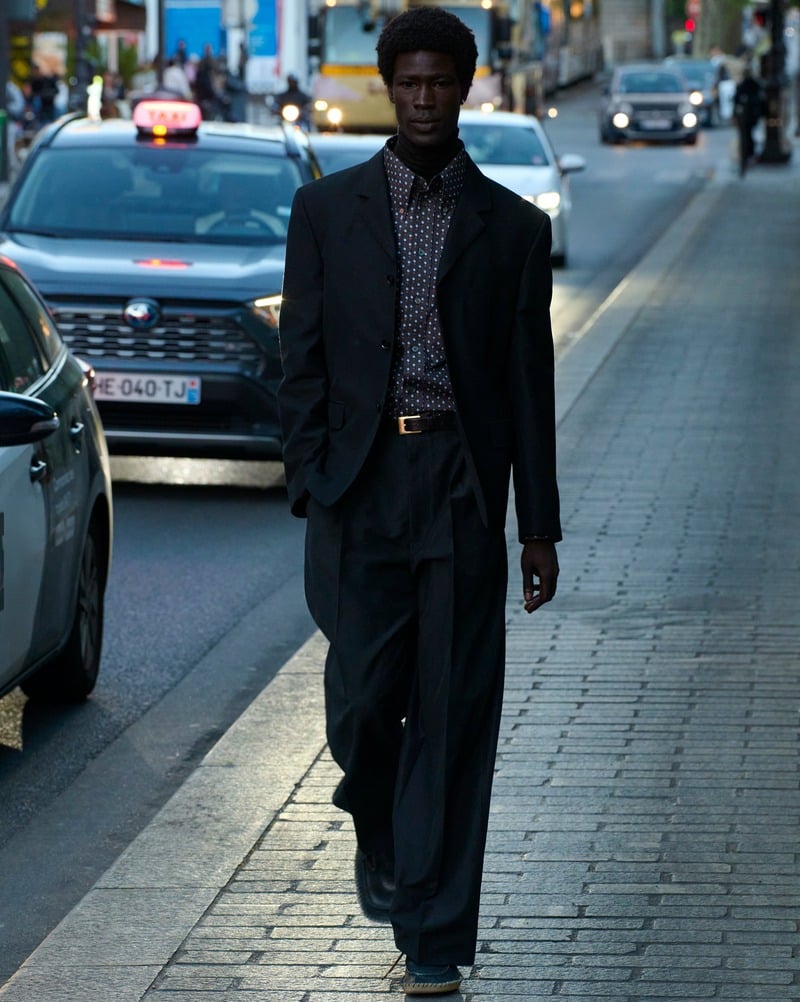
At Lemaire, the space around the body is part of the design. Christophe Lemaire founded his label in 1991 and now leads it with Sarah-Linh Tran. Loose trousers and curved outerwear let clothes overlap and move, often in neighboring shades that draw attention to fabric and shape. The effect is practical, though getting the proportions right takes more thought than simply buying everything large. The palette and relaxed cuts make it possible to wear new pieces beside older ones. This is a wardrobe to build gradually, with the interest in how the layers work together.
Louis Vuitton
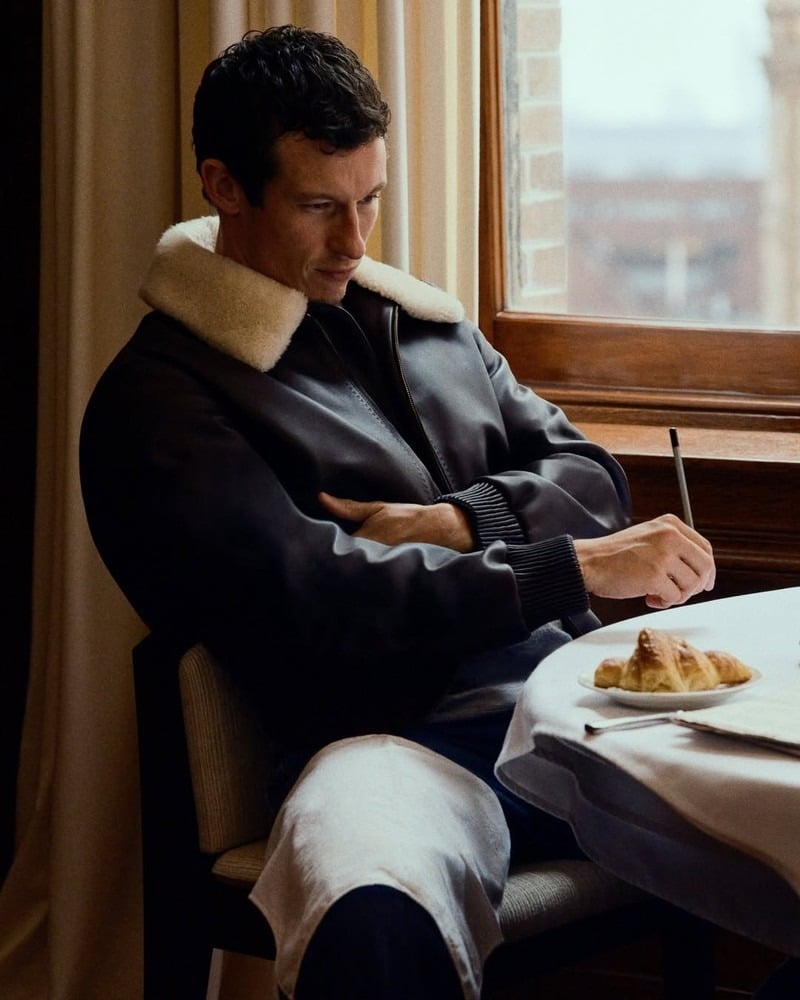
Louis Vuitton offers several levels of visibility within the same men’s wardrobe. Monogram and elaborate surfaces make recognition immediate, while a leather blouson or a tailored coat can express the house more quietly. Founded in Paris as a trunk maker in 1854, Vuitton expanded into ready-to-wear much later. Pharrell Williams, men’s creative director since 2023, connects that travel inheritance to his interests in music and everyday dress. The Trunk Edition collection shows the less demonstrative side. It is a useful reminder to look past the loudest runway image when deciding what belongs in an actual wardrobe.
Maison Margiela
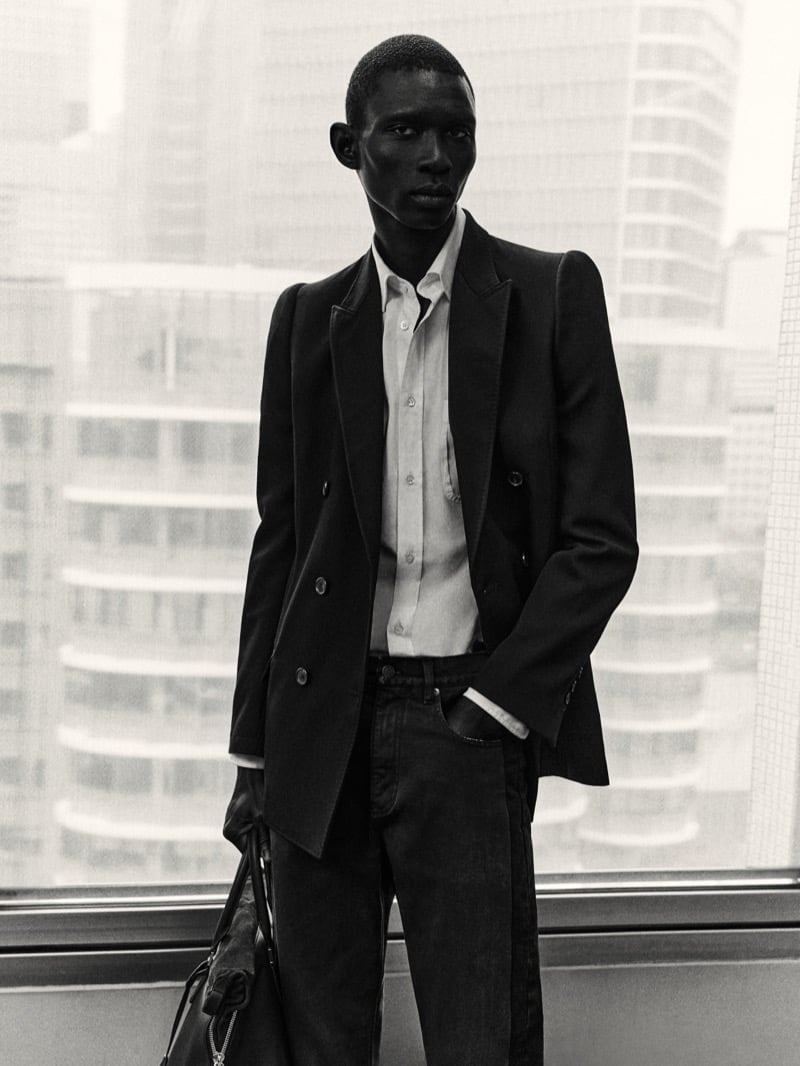
Maison Margiela asks the wearer to notice how a garment has been put together. Founded in Paris in 1988 by Martin Margiela and Jenny Meirens, the house gave exposed construction and altered proportions a central role in its identity. The four white stitches became a recognizable sign of that approach, even as the label questioned conventional branding. Glenn Martens became creative director in 2025. For men, the useful territory runs from displaced details on a shirt to a jacket whose shoulder changes the entire silhouette. It rewards curiosity, including the willingness to let something look slightly unresolved.
Saint Laurent
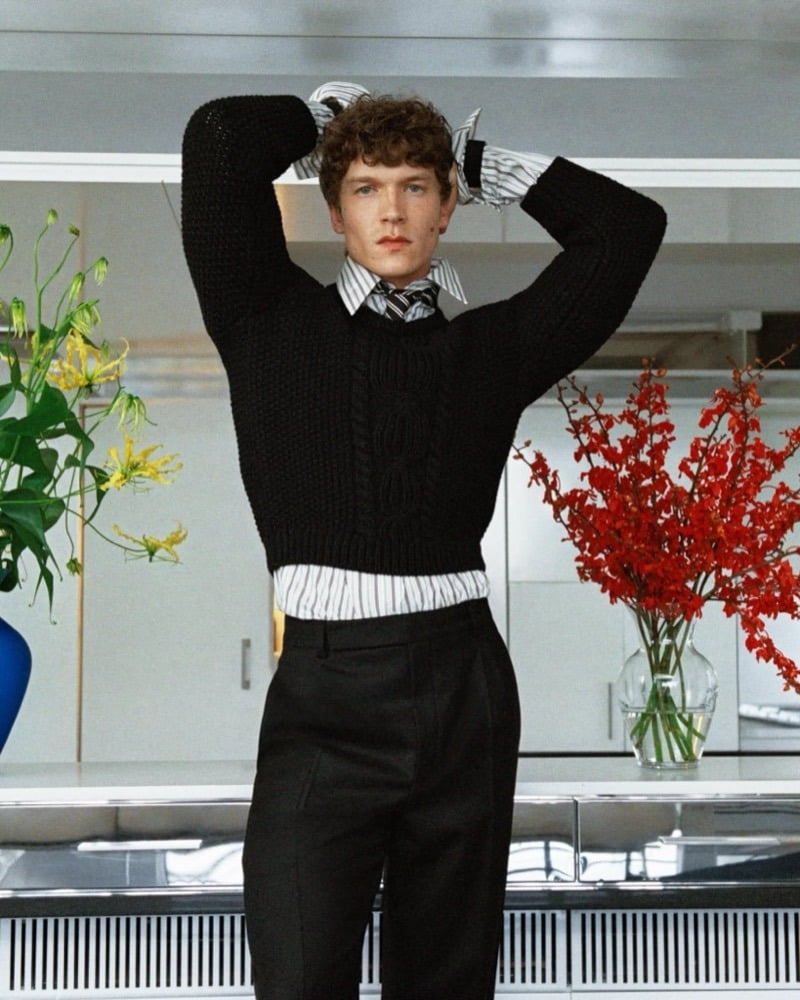
Saint Laurent understands the pleasure of dressing for an entrance. Yves Saint Laurent and Pierre Bergé founded the Paris house in 1961, and its men’s wardrobe has repeatedly tested the relationship between tailoring and seduction. Slimane’s narrow suits gave way to the broader shoulders and fluid trousers developed under Anthony Vaccarello, whose tenure ended in October 2026. Across those shifts, the clothes ask the wearer to commit to a silhouette. Even a sweater and trousers can look theatrical when the waist, shoulder, and length have been pushed into a particular relationship.
Choosing a French Designer Wardrobe
The useful comparison is between clothes, not reputations. Try a jacket over the trousers you actually wear, and notice where the shoulder falls and how the fabric moves. A house’s history can explain a design, but it cannot decide whether you will enjoy wearing it. Start with the piece that changes your own wardrobe for the better. Buying into the rest of the fantasy is optional.