Men’s fashion in the early 2000s looked like a collision between the mall, the music video, and the message board. Boy bands dressed in coordinated leather and white denim on TRL while pop-punk artists wore studded belts, cargo shorts, and checkerboard Vans on Warped Tour stages.
Digital culture spread those images faster than any decade before it, and reality TV pushed them into living rooms where teenagers had already started copying what they saw. The result was a menswear moment where a guy could wear a mesh tank top on Friday and a velour tracksuit on Monday, and both choices made sense inside the same week.
What Defined 2000s Fashion for Men?

The decade split in half. From 2000 to roughly 2005, 2000s men’s fashion ran wide: baggy bootcut jeans, cargo pants slung low on the hip, velour tracksuits in jewel tones, graphic tees layered under open button-downs, and trucker hats pulled low. Von Dutch caps, studded belts, wraparound shades, and chunky sneakers showed up across every subculture, from the hip-hop video to the pop-punk stage to the suburban skate park.
By 2007, the silhouette tightened. Skinny jeans replaced the bootcut. Slim blazers over band tees became the uniform of indie-rock layering, and Y2K tech aesthetics gave way to thrift-store texture. The same decade that started in FUBU ended in American Apparel.
Music, Media & the Internet

The digital revolution at the start of the 2000s changed how men encountered fashion before they ever walked into a store. Dial-up gave way to DSL, then to high-speed connections that turned shopping into something that happened between classes or after midnight. A teenager in Ohio could watch the same music video on repeat that a kid in London had seen that morning, then buy the outfit on Zappos or an early eBay streetwear listing before the weekend.
The iPod made playlists portable, and the artists attached to those playlists became style references that traveled in pockets. Music videos on YouTube, style blogs like The Sartorialist and Hypebeast, celebrity red carpet photos syndicated across gossip sites, and brand newsletters landing in inboxes every Tuesday all fed the same loop. A trend that once took a season to cross the Atlantic now took a week to cross a timeline.
Shopping & Style Online

Retailers figured out the new speed fast. Urban Outfitters, Aeropostale, and American Eagle all launched websites and early digital marketing campaigns that put their catalogs in front of teenagers already spending hours online. Aeropostale sold preppy casual, polos and layered tees in soft pastels priced for allowance money.
Urban Outfitters packaged vintage-inspired streetwear alongside apartment décor and obscure vinyl, positioning itself as a lifestyle for the art-school adjacent. American Eagle owned denim, building its reputation on fits from relaxed bootcut to the slimmer straight leg, with core essentials like henleys and hoodies filling out the rest of the floor.

Myspace profiles, AIM away messages, and early fashion blogs like Freshness and Kicksology turned style into something men participated in rather than observed. A skater in San Diego could post a photo of his dunks on a forum at noon and see the same pair referenced in a blog post by evening.
Runway show coverage started appearing on WordPress sites run by college students with strong opinions and fast typing speeds. That circulation created the feedback loop between the internet, retail, and self-expression that still governs how men discover and buy clothes today. The early 2000s digital-first style ecosystem was the first draft of the current one.
2000s Men’s Fashion Trends
Streetwear: Trucker Hats & Bold Graphics

Streetwear culture reached a wider audience in the 2000s, with the trucker hat becoming one of its most recognizable accessories. Its high crown and mesh back appeared on pop stars and skaters, then on teenagers copying their looks.

Von Dutch helped turn the cap into a celebrity favorite, its conspicuous branding suited to the casual confidence of the decade.

Graphics demanded similar attention. A Bathing Ape (BAPE) and Billionaires Boys Club favored prominent designs, while camouflage and monograms spread across entire garments.
Graphic Tees

Graphic tees were a staple of 2000s casualwear, with oversized logos and ironic slogans competing for space across the chest. Worn under hoodies or with low-rise denim, the printed T-shirt often supplied the outfit’s main point of interest.
Shirts


Flannel shirts carried over from 1990s grunge, worn open over graphic tees or layered under jackets. Hawaiian prints and paisley offered louder alternatives to plaid.
Denim shirts appeared with jeans as well as other casual trousers. Slim-fit button-downs gained traction later in the decade, following the move toward narrower tailoring.


H&M & Fast Fashion

H&M expanded across major U.S. markets during the 2000s, selling runway-inspired clothes at prices younger shoppers could afford. Frequent arrivals gave customers a reason to return as trends changed.
Designer collaborations brought another incentive. Partnerships with houses such as Comme des Garçons put designer collections on high-street racks, drawing queues from shoppers who might never have entered those designers’ own stores.

Sustainability also entered H&M’s agenda. The company began working with organic cotton in 2004, ahead of its Conscious Collection launch in 2011. These initiatives sat alongside the questions about waste and labor conditions raised by fast fashion’s growing scale.
Skinny Jeans

Skinny jeans returned through rock and indie music, with bands like Fall Out Boy and Arctic Monkeys revisiting the narrow silhouettes of punk predecessors such as the Sex Pistols and the Ramones. Kanye West helped bring slim-cut denim to a wider audience.

On the runway, Hedi Slimane’s reign at Dior Homme gave skinny jeans a luxury following. April77 and Cheap Monday specialized in the fit, while high-street retailers including Topman and Zara brought it to the mass market. Fans of Brendon Urie and Pete Wentz also found an affordable option in girls’ denim.


Suits & Tailoring

Tailoring narrowed during the 2000s. Boxy jackets and roomy trousers gave way to fitted cuts with narrower shoulders and lapels. Luxury labels like Gucci, Prada, and Dolce & Gabbana helped popularize the slimmer suit, with red carpets and prime-time TV bringing it to a wider audience.
Suit jackets also became everyday separates, worn over T-shirts or with jeans and sneakers. Matching trousers became optional. Three-piece suits returned with closer fits and lighter construction. Shirts grew slimmer too, while striped ties and textured knits offered alternatives to the plain office tie.


Tracksuits & Athleisure

Tracksuits were central to the decade’s athleisure, worn as everyday clothes by musicians, athletes, and their fans. Velour versions brought a plush texture to the slouchy trousers and zip-up jackets.
Juicy Couture, Adidas, and Sean John offered different takes on the look, from velour sets to sportswear rooted in the track and field. Matching tops and bottoms made getting dressed simple, even when the logos demanded attention.
Band Merchandise

Band merchandise let fans wear their musical loyalties. Boy bands like NSYNC and Backstreet Boys shared MTV airtime with pop-punk acts like Green Day and Blink-182, giving their fans different ideas about how to dress. Hot Topic made band tees and hoodies a mall purchase as well as a concert souvenir. MTV’s Total Request Live (TRL) kept artists and their clothes in daily view, encouraging fans to copy a look or buy the shirt.

Hipster Style

Vintage flannels and ironic tees gave hipster style its thrift-store character. Plaid shirts went over band tees, while rolled-up skinny jeans drew attention to boots. Beanies and thick-rimmed glasses completed a look that became recognizable enough to undermine its claims to nonconformity.
Later in the decade, closer-fitting shirts and simpler accessories softened some of the overt irony, though skinny jeans and plaid remained central.
Tinted Sunglasses

Tinted sunglasses ranged from slim metal frames with colored lenses to sporty wraparound designs associated with Y2K style. Worn with graphic tees or tracksuits, they could be as conspicuous as the clothes, especially when the lenses stayed on indoors.
Watches

Oversized chronographs and chunky bezels made watches hard to miss, while retro digital faces offered a different take on wristwear. Rolex, Omega, and TAG Heuer remained status purchases. Swatch and Casio offered more affordable options, often in colorful designs that appealed to younger buyers.
American Apparel

American Apparel built its appeal on made-in-USA basics, selling colorful tees and cotton hoodies that became part of the decade’s youth wardrobe.
Its advertising gave those simple clothes a more provocative image. Casual poses and everyday-looking subjects made the campaigns feel closer to snapshots than conventional fashion advertisements.
Later controversies and bankruptcy complicated the brand’s legacy, but its colorful basics remain closely associated with 2000s style.
Layering

Layering emerged as a defining habit of 2000s dressing. A short-sleeved tee over a long-sleeved shirt let contrasting colors or patterns show at the arms and hem, making two everyday basics into a more distinctive outfit.
Cargo Pants

Cargo pants were among the decade’s most divisive pieces. Their roomy fit and multiple pockets appealed to men who valued practicality, but the extra bulk drew criticism. Worn with graphic tees, hoodies, or skate sneakers, they became a staple of 2000s streetwear and youth culture.
Converse Sneakers

Converse All-Stars returned to mainstream fashion during the 2000s. Their canvas uppers and rubber toe caps worked with skinny jeans as easily as shorts, making them a regular choice across the decade’s casual looks.
Formal Footwear
Oxfords and derbies remained staples for special occasions amid the decade’s preference for sneakers. In black or brown leather, they gave even looser-fitting outfits a more formal finish.
Double Denim

Denim went head to toe in the 2000s, most memorably when Britney Spears and Justin Timberlake attended the 2001 American Music Awards in matching all-denim outfits. Widely mocked at the time, their coordinated looks took the Canadian tuxedo to red-carpet extremes.
Distressed finishes and acid washes added variety to denim jackets and jeans. The fabric also appeared in cargo pants and accessories, including hats and bags, giving denim enthusiasts plenty of ways to double up.
Scarves

Scarves became accessories for more than cold weather. Lightweight, patterned versions were draped loosely over T-shirts and blazers, adding another layer even when warmth was beside the point. Johnny Depp and Kanye West helped popularize the look, taking it from everyday outfits to the red carpet.
Polo Shirts & Abercrombie & Fitch
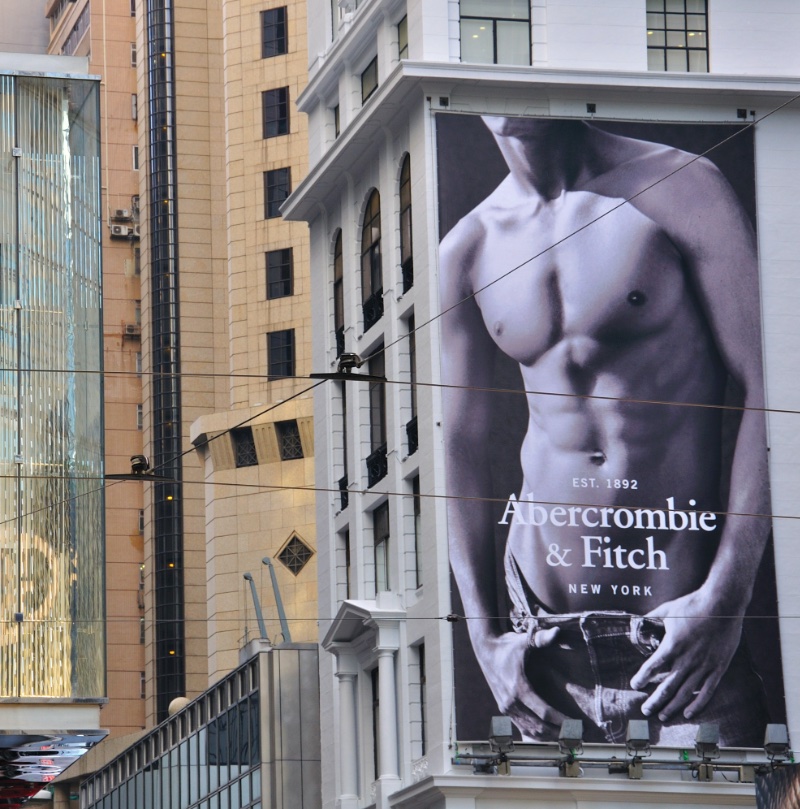
The popped collar became a signature of 2000s prep, especially on Abercrombie & Fitch polos. Flipping it up gave an ordinary shirt the attitude of a styling choice.
Abercrombie sold the rest of the wardrobe too, from jeans to flip-flops. Its dimly lit, heavily scented stores and advertising featuring athletic male models turned casual basics into an aspirational teenage uniform.
Millennial Pink

Pink became a more visible choice in men’s 2000s wardrobes, challenging the idea that certain colors belonged exclusively to women. Wearing it could still invite comment, which made a pink shirt a small but pointed expression of confidence.
Skater Style & Baggy Jeans

Skate culture helped keep baggy jeans and chunky sneakers in circulation throughout the 2000s. Wallet chains added hardware to the loose-fitting look, which spread well beyond the skate park.
Bucket Hats

The bucket hat returned in the 2000s, retaining its association with 90s hip-hop and artists like LL Cool J. Its soft crown and downward brim offered a relaxed alternative to the decade’s trucker caps.
Colored Jeans

By the mid to late 2000s, jeans came in bright reds and yellows as well as pastel shades, expanding the options beyond blue and black. A plain tee let the denim take the lead, while patterned shirts and cardigans gave men more ways to experiment with color.
Throwback Jerseys

Throwback jerseys connected 2000s style to earlier eras of sport, appearing in Nelly’s music videos and on NBA courts. Mitchell & Ness turned that nostalgia into a thriving business, reproducing jerseys whose team colors and retired players’ names appealed to sports fans and fashion buyers alike.
Cardigans

Cardigans found a younger following in the 2000s, shedding some of their conservative associations. Slim-fitting versions went over T-shirts or button-downs, while chunkier knits offered a softer alternative to a jacket. A wider choice of colors helped move the cardigan beyond its traditional wardrobe role.
2000s Grooming

The rise of the “metrosexual” brought men’s grooming into wider public discussion. Cleansers and moisturizers joined hair gel and pomade on bathroom shelves, while serums offered another step for the dedicated. Shaped eyebrows and regular skincare became more accepted parts of a man’s routine.
2000s Hairstyles for Men

Early 2000s hair favored gelled spikes and frosted highlights, with singers and pop-punk bands on MTV supplying plenty of references.

Mid-decade, indie and emo styles brought shaggier layers and side-swept bangs. Pete Wentz and Zac Efron became reference points for longer hair that fell across the forehead.

Buzz cuts offered an easy-care alternative throughout the decade. David Beckham helped popularize the faux hawk, which borrowed the mohawk’s raised center but kept hair at the sides.

By the late 2000s, slicked-back hair and defined parts offered a more controlled alternative to the shag, often with shorter sides.
2000s Facial Hair Trends

Short, carefully maintained stubble became a popular alternative to the clean shave. Beards tended to stay trimmed, while goatees and narrow chin straps were visible across hip-hop and pop scenes. Van Dyke styles combined a pointed beard with a separate mustache. Mustaches also returned among the indie crowd, often worn with the same irony as a vintage tee.
Y2K & 90s Influences

The 2000s wardrobe retained much of the previous decade’s grunge and hip-hop influence. Flannel shirts and ripped denim stayed in rotation, alongside oversized outerwear and combat boots.
Those clothes overlapped with the early Y2K aesthetic for men. Retro sneakers and baggy jeans could sit alongside newer graphics and futuristic accessories, making the turn of the millennium a mix of old habits and new references.
The Influence of 2000s Menswear

The decade helped make sportswear an everyday wardrobe and the suit jacket a casual separate. Hip-hop and skate culture brought loose proportions and heavy branding to the mainstream, while Justin Timberlake, Pharrell, and boy bands gave fans recognizable looks to follow.

The way those looks spread mattered just as much. MTV shared influence with fashion blogs and early social media, while fast fashion put versions of celebrity and runway outfits within reach of younger shoppers. Men had more references to draw from and more places to buy the clothes, accelerating the movement between subcultures and the mall. That exchange would gain speed in 2010s men’s fashion, as social media became a daily source of outfit inspiration.

Nostalgia for 2000s Style

Part of the appeal of 2000s style lies in how easily its clothes identify a moment. A trucker cap can summon the early decade, while colored skinny jeans recall its later music scenes. Revisiting those pieces offers a choice of references, from oversized sportswear to narrow tailoring. The decade had room for both, even if the men wearing them rarely agreed.