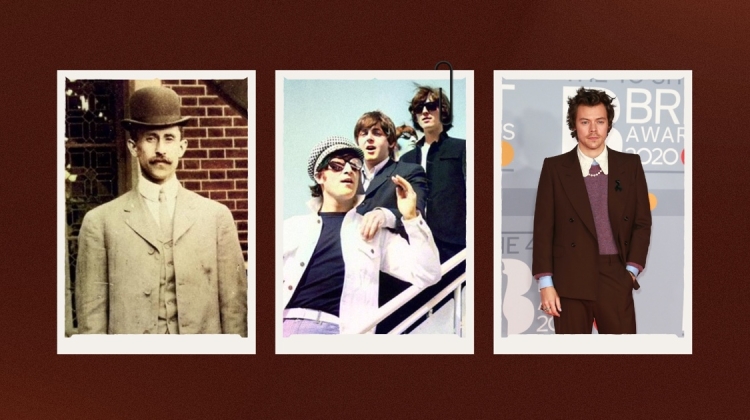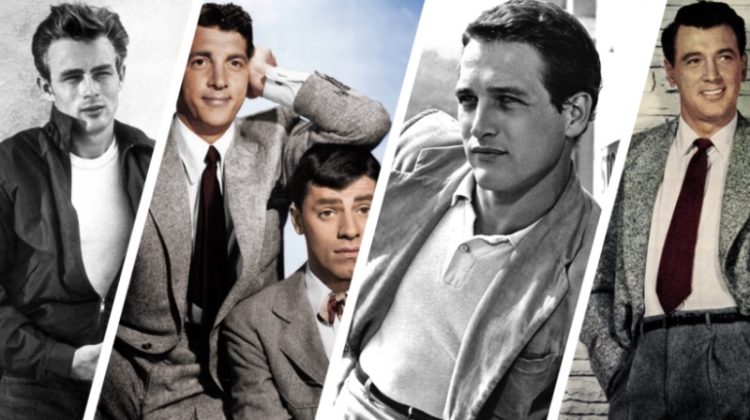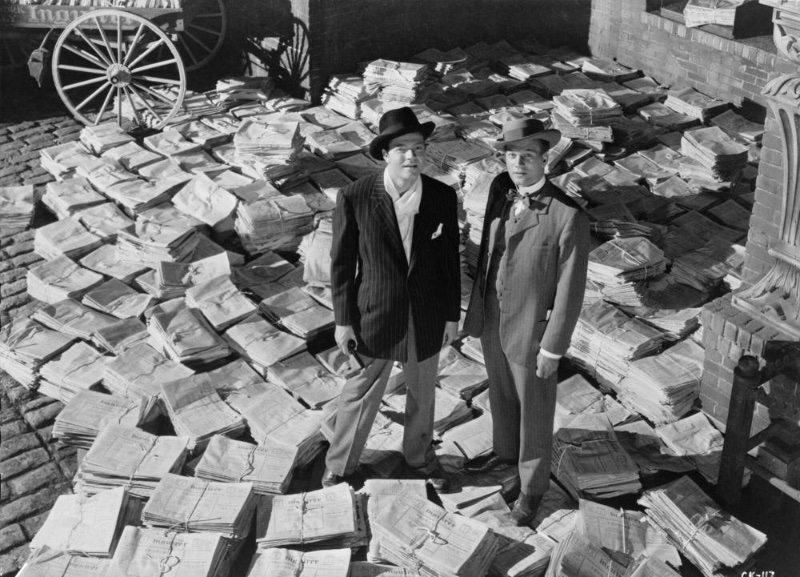
World War II had an immediate effect on 1940s men’s fashion, placing practical concerns and government restrictions ahead of seasonal trends. Wool and other materials essential to military production became subject to controls, while civilian clothing was increasingly designed to conserve fabric and labor. The decade began with broad shoulders and high-waisted trousers carried over from 1930s fashion, but wartime regulations soon influenced everything from suit construction to trouser width.
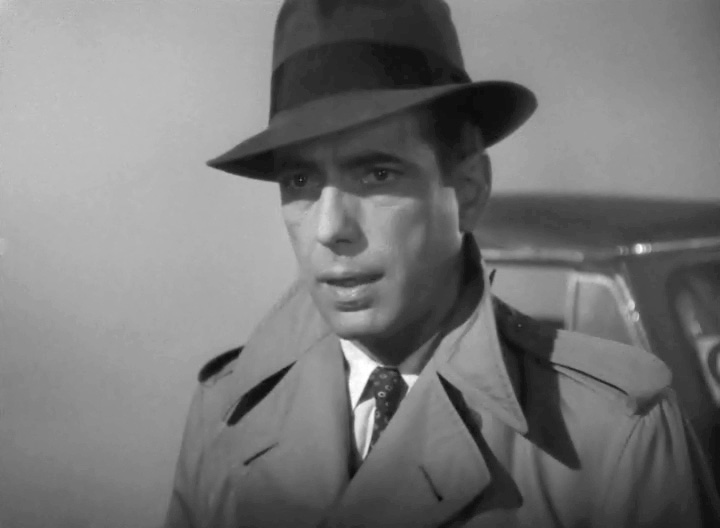
Hollywood remained an important source of men’s style during the 1940s, with actors such as Humphrey Bogart helping define the popular image of the well-dressed American man. Films such as Casablanca showcased suits, dinner clothes, trench coats, and military uniforms among the recognizable styles of the decade. The screen naturally presented a more glamorous version of menswear than many civilians experienced during wartime.
1940s Men’s Fashion
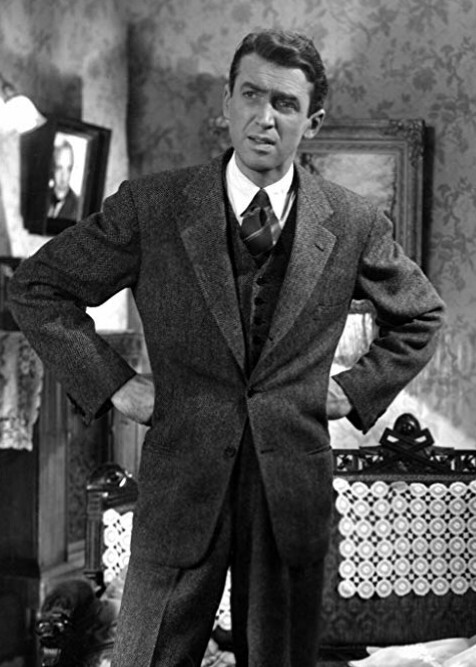
Forties men’s fashion changed considerably between the wartime and postwar years. Government restrictions affected civilian clothing during World War II, while military uniforms influenced outerwear and practical dress. After the war, fuller tailoring returned alongside a growing casual wardrobe.
What Did Men Wear in the 1940s?
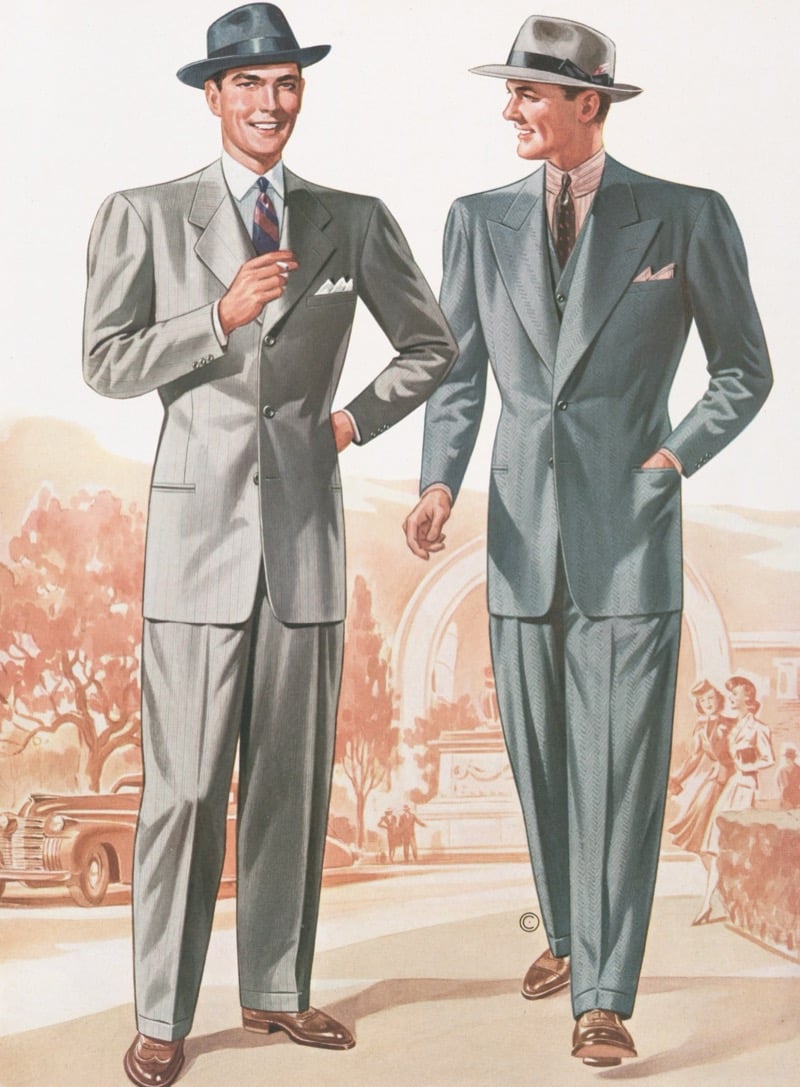
Men’s wardrobes in the 1940s ranged from tailored business clothing to workwear and an expanding selection of casual sportswear. 1940s suits for men typically featured strong shoulders and high-waisted trousers, although their proportions changed during World War II. Wartime fabric restrictions encouraged more economical cuts, eliminating details such as trouser cuffs and limiting the use of vests and excess material.
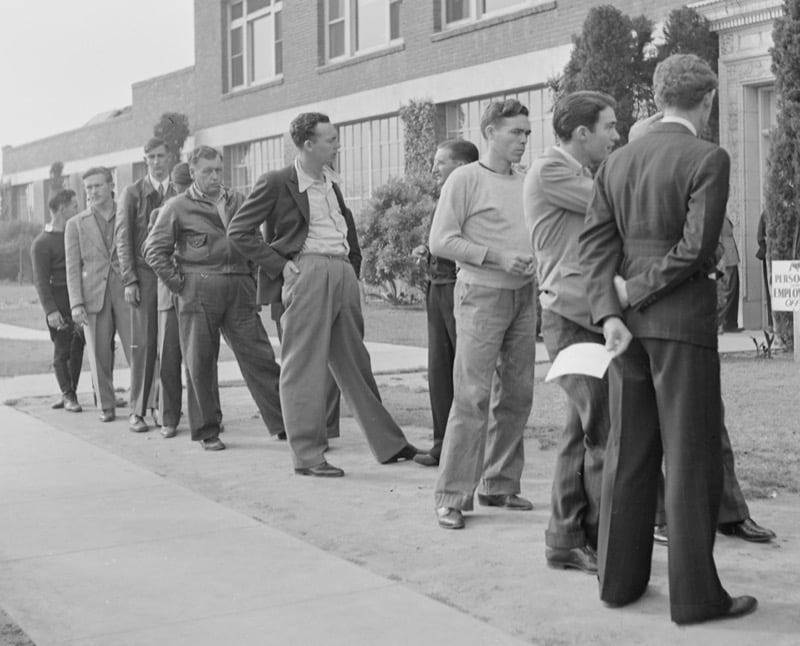
Dress shirts, ties, fedoras, and leather shoes completed more formal outfits. Away from the office, men wore knitwear, sport shirts, khakis, denim, work jackets, and increasingly recognizable casual styles such as aloha shirts and flight jackets. What a man wore depended heavily on his occupation, income, location, and occasion, making the decade considerably more varied than the familiar image of a man in a fedora and three-piece suit.
1940s Men’s Suits & Jackets
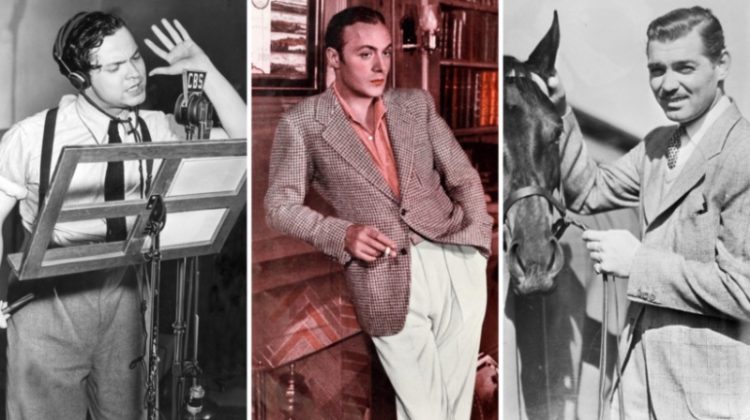
The suit remained central to 1940s men’s fashion, although its proportions and construction changed throughout the decade. Early in the decade, tailoring continued the strong shoulders, wide lapels, generously cut chests, and high-waisted pleated trousers established during the late 1930s. Shoulder padding emphasized the upper body, while jackets generally extended to the hip and frequently featured flap pockets.
The Esquire jacket promoted by Esquire magazine reflected this fuller silhouette. Single-breasted suits remained common, while double-breasted jackets with broad peak lapels offered another characteristic 1940s shape. White dress shirts accompanied business tailoring, and pinstripes appeared alongside solid navy, brown, gray, and charcoal suits.
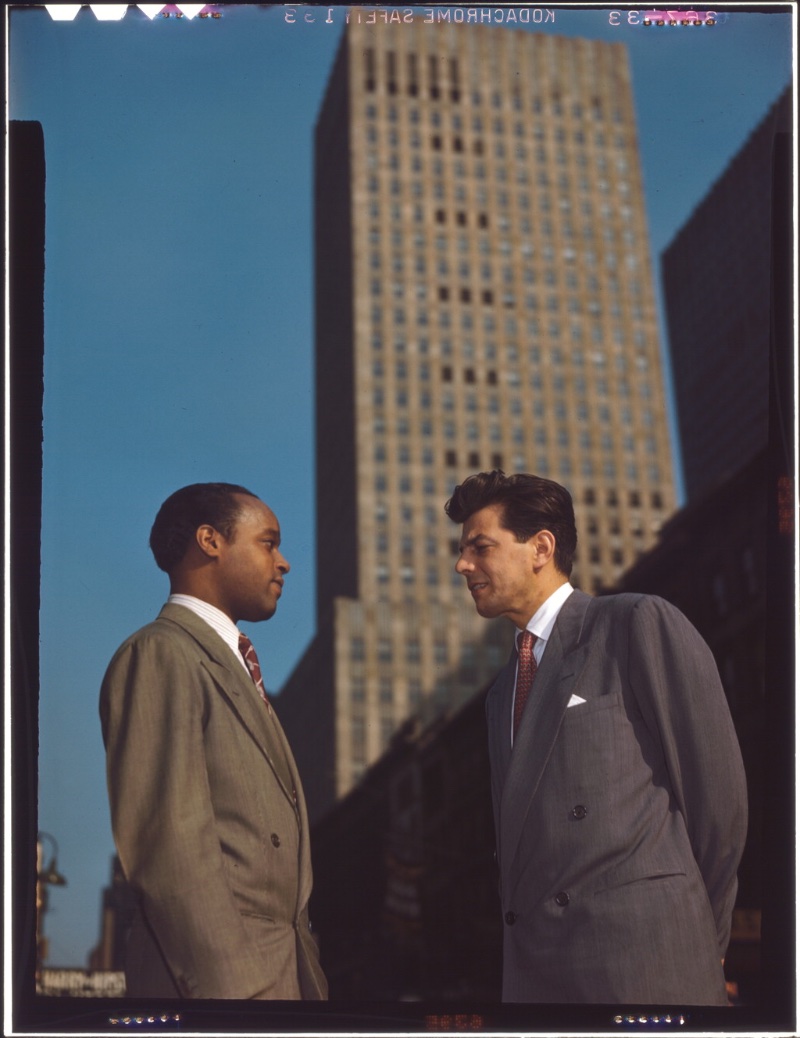
Wool was a principal suiting fabric, valued for its durability, warmth, and suitability for tailoring. During World War II, however, wool was essential to military production, and wartime regulations limited the amount of material available for civilian clothing. Fabric-saving rules affected suit construction and details such as trouser cuffs, extra pockets, and particularly generous cuts.
Once wartime restrictions eased, men’s tailoring grew fuller again. Jackets and trousers regained volume during the second half of the decade, setting the stage for the more expansive proportions associated with late 1940s and early 1950s menswear.
1940s Shirts & Ties
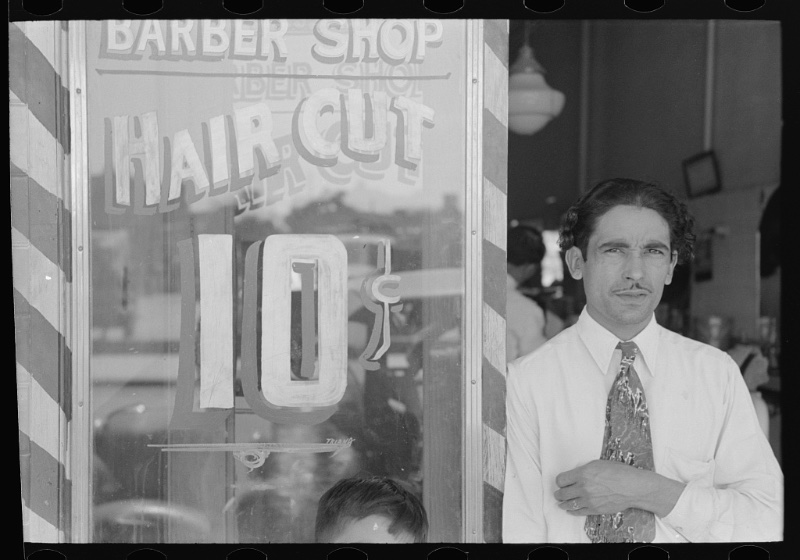
Dress shirts provided a relatively simple foundation for 1940s tailoring. Cotton shirts in white, light blue, gray, and other subdued colors were common, with both single and double cuffs appearing during the decade. Worn beneath the broad lapels of period suits, the shirt generally played a supporting role to a much more conspicuous tie.
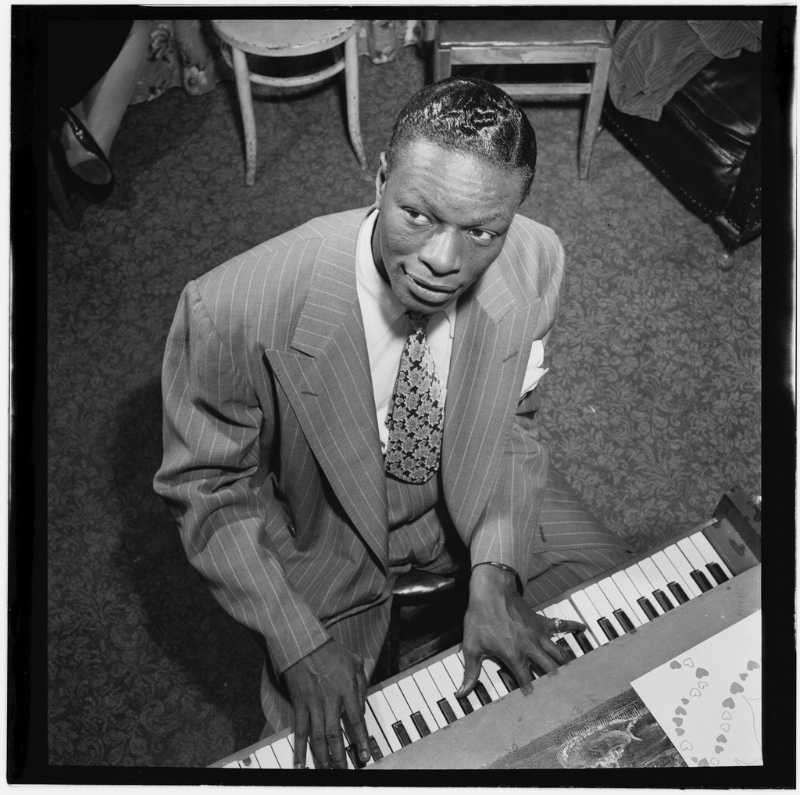
Men’s ties were typically wider than today’s versions and offered considerably more room for color and pattern. One of the decade’s most recognizable styles was the swing tie, a short, wide necktie associated with the Swing Era.
Designs could feature geometric patterns, abstract motifs, stripes, and pictorial scenes, with vivid colors becoming especially noticeable as the decade progressed. These expressive ties provided contrast to solid and pinstripe suits and became an accessible way to introduce pattern into an otherwise conventional business wardrobe.
1940s Trousers & Shoes
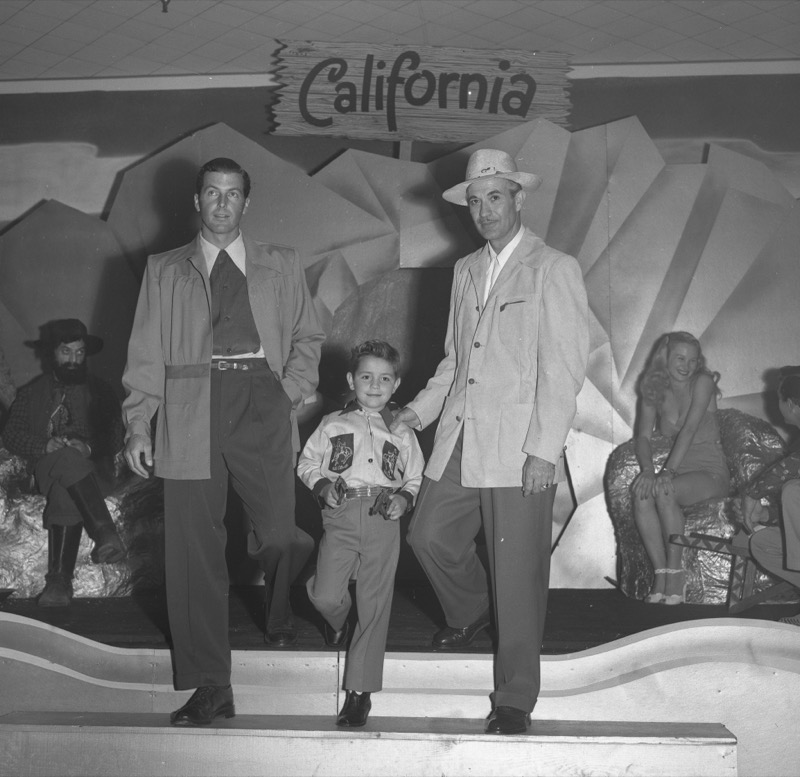
Men’s pants in the 1940s were typically high-waisted, with a full cut through the hips and thighs before tapering toward the ankle. Pleats were common, and trousers could be worn with suspenders or a belt depending on the style. Wool was widely used for tailored pants, while cotton, linen, and other lighter fabrics suited warm-weather clothing.
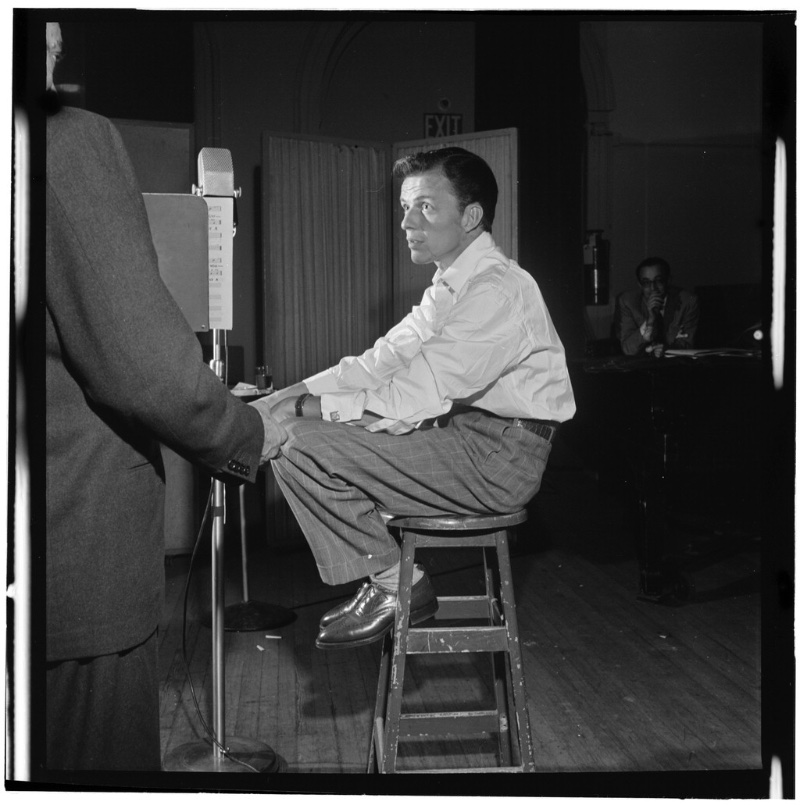
Leather Oxfords and brogues were staples of men’s footwear, particularly with suits and business clothing. Black and shades of brown were the most common colors, with shoes generally kept polished. Broguing ranged from relatively simple perforation to more decorative patterns, allowing the same basic shoe forms to work across different levels of dress.
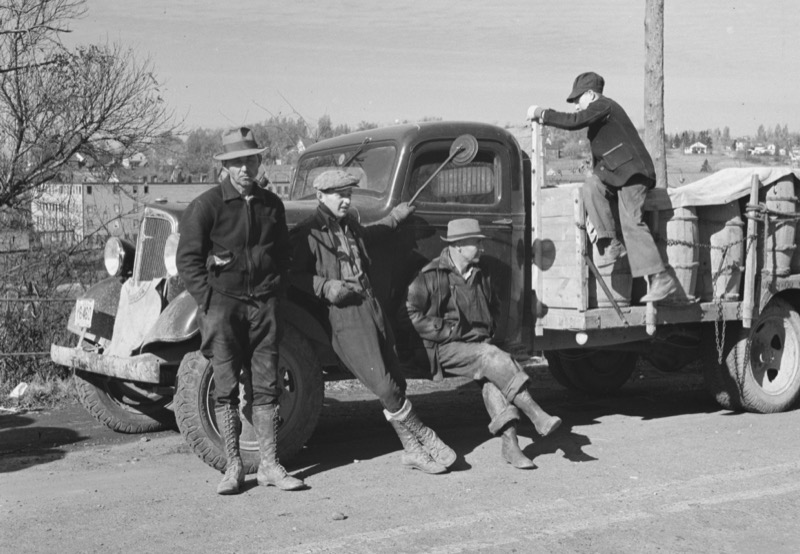
Boots provided a practical alternative for cold weather, outdoor work, and other situations requiring greater protection than a dress shoe. Their heavier construction also reflected the continuing importance of functional and work-oriented footwear alongside the decade’s more formal styles.
The Zoot Suit
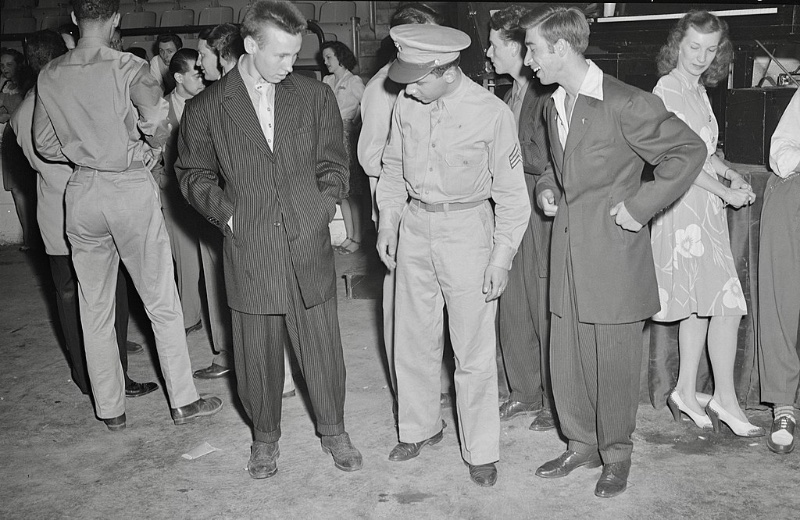
The zoot suit was an oversized suit defined by a long, broad-shouldered jacket and high-waisted trousers cut extremely wide through the leg before narrowing sharply at the ankle. Emerging from Black communities and jazz culture during the late 1930s, the style became particularly associated with young African American and Mexican American men during the 1940s. Its exaggerated proportions stood apart from the more conventional 1940s outfits for men associated with business and everyday dress, connecting the zoot suit with music, nightlife, and youth identity.
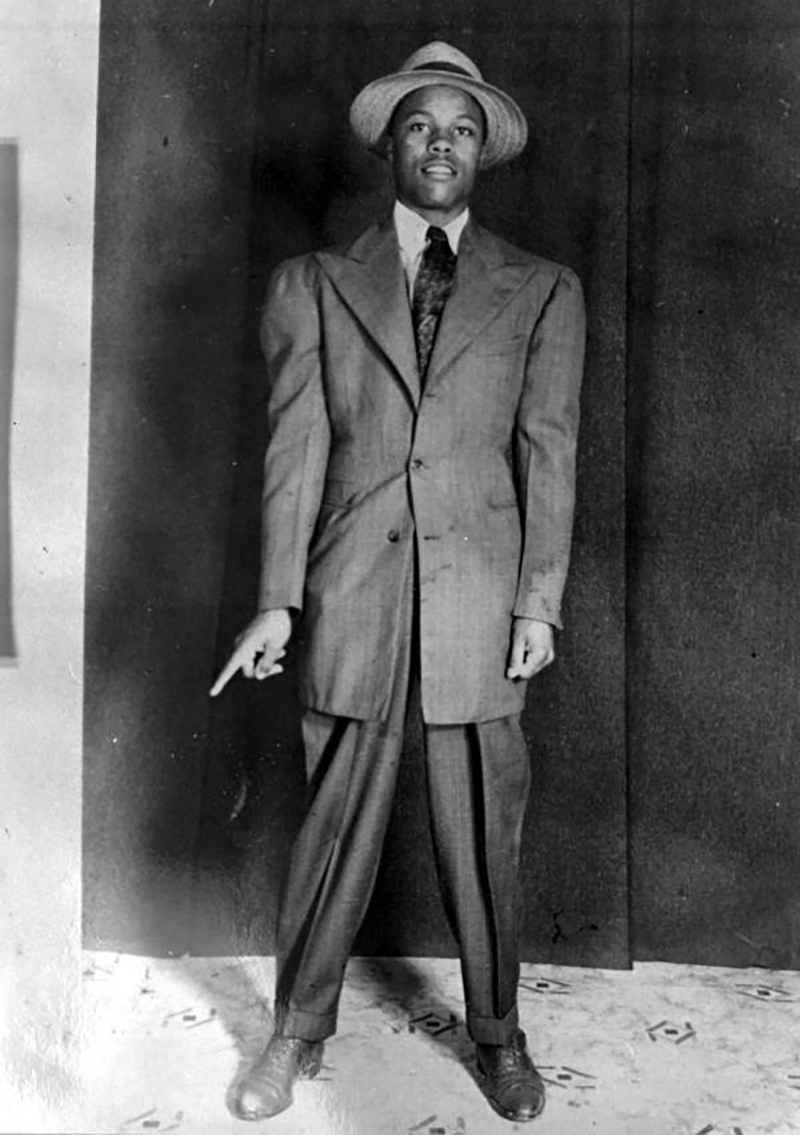
Long jackets featured padded shoulders and wide lapels, while the dramatically full trousers required considerably more fabric than standard tailoring. After the War Production Board introduced fabric-conservation rules in 1942, the zoot suit’s oversized proportions fell outside the limits established for newly manufactured civilian clothing. Wearing the style consequently took on added significance during wartime, when conserving wool and other materials was promoted as a patriotic responsibility.
These tensions contributed to the zoot suit’s political and cultural significance. In Los Angeles, hostility toward Mexican American youths, wartime anxieties, and the suit’s rejection of prevailing fabric restrictions converged during the 1943 Zoot Suit Riots, when servicemen and civilians attacked young men and stripped some of their suits. The episode made the zoot suit one of the decade’s clearest examples of clothing becoming entangled with race, youth culture, wartime patriotism, and public ideas about acceptable dress.
Hepcats & Swing Style
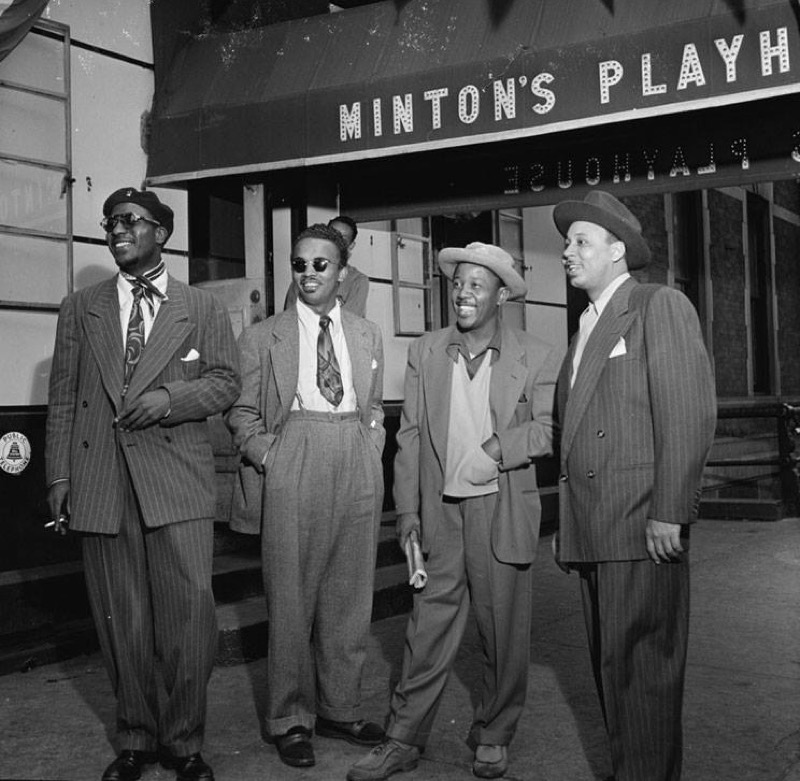
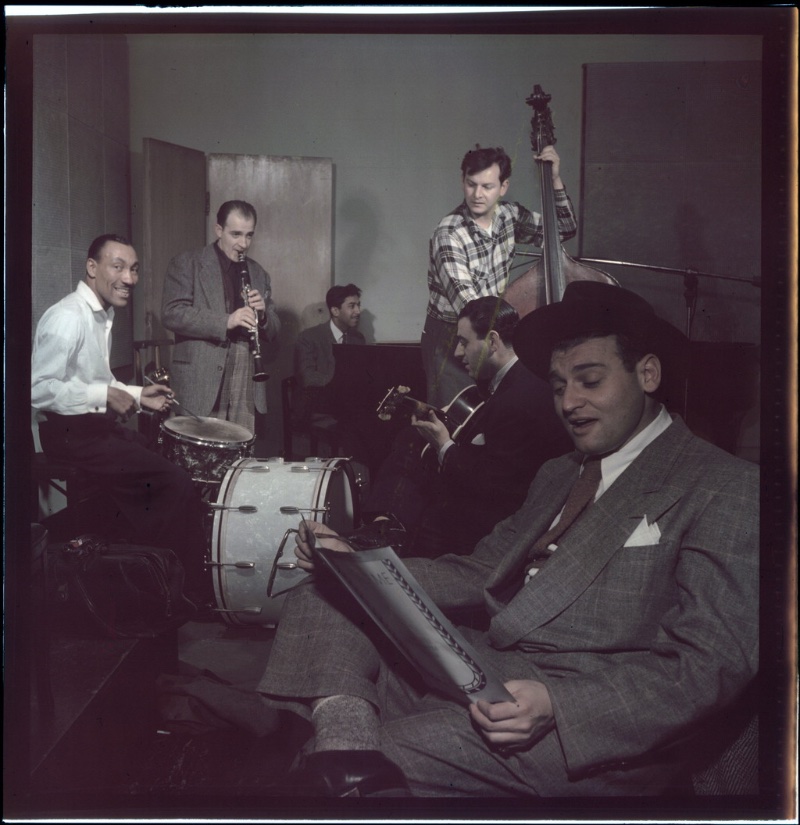
The jazz and swing scenes of the 1940s developed their own language around music, nightlife, and dress. Hepcats and hepsters were terms associated with people deeply immersed in jazz culture, while the term “hipster” emerged from the same world. Being “hip” suggested an awareness of the music, slang, and social codes surrounding the scene.
There was no single hepcat uniform, but clothing could signal participation in this culture. Zoot suits represented the most exaggerated expression, while jazz musicians and followers also wore relaxed tailoring, wide trousers, colorful shirts, and expressive swing ties. Within the broader landscape of 1940s men’s clothing, these styles offered a visible alternative to conventional business dress and became closely associated with the clubs, musicians, and dancing of the Swing Era.
The hipster subculture changed considerably after the 1940s. Its connections with jazz, slang, nightlife, and nonconformity carried into the Beat generation of the 1950s and subsequent 1960s counterculture. By the early 21st century, “hipster” had resurfaced with a substantially different cultural and fashion identity.
Casual 1940s Men’s Fashion
What did men wear in the 1940s when a suit was not required? Casual wardrobes included sport shirts, polo shirts, sweaters, lightweight jackets, high-waisted trousers, and shorts, with clothing varying according to work, leisure, sport, climate, and occasion. The decade’s informal clothing retained many of the proportions of tailored menswear, but expanding sportswear and leisurewear gave men a growing range of alternatives to the suit.
Casual Shirts
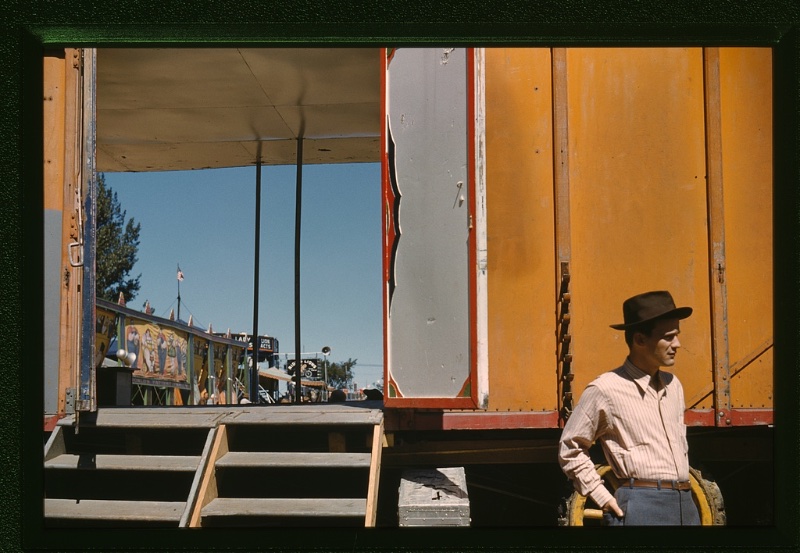
Short- and long-sleeved shirts formed an important part of casual 1940s men’s clothing. Cotton shirts appeared in white, light blue, tan, and other practical colors, while stripes, checks, and plaids offered alternatives to the solid dress shirts worn with suits. Open collars and short sleeves helped distinguish leisure shirts from more formal business styles.
Polo shirts also remained part of the casual wardrobe, particularly for sports and warm-weather wear. Meanwhile, the Hawaiian or aloha shirt, which had developed in Hawaii during the 1930s, gained wider recognition during the 1940s. Short sleeves, open collars, and colorful prints featuring tropical plants and other Hawaiian imagery made these shirts markedly different from conventional mainland menswear. Their popularity helped establish the printed sport shirt as an important part of postwar American casual dress.
Sweaters
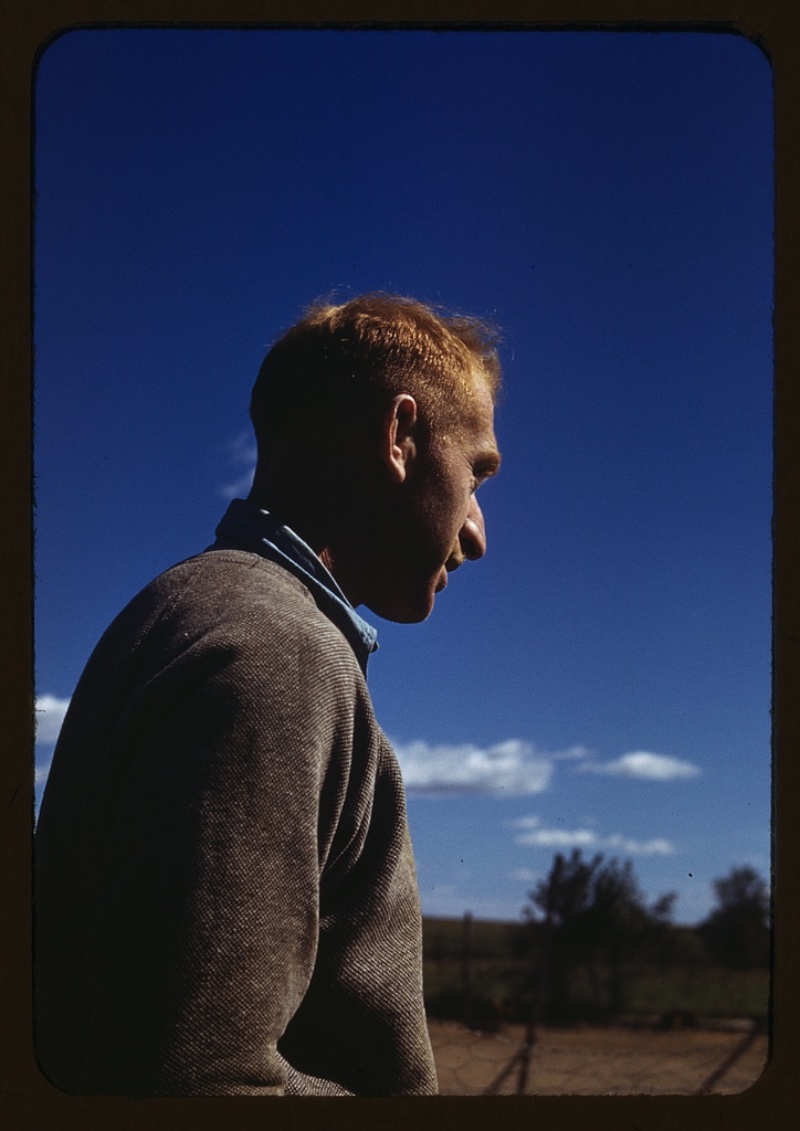
Sweaters provided an extra layer for work, leisure, and everyday wear. Crew necks, V-necks, cardigans, and sweater vests appeared in wool and other knitted fabrics, ranging from relatively simple knits to heavier styles suited to cold weather.
Solid navy, brown, mustard, and green were joined by patterned knitwear, including argyle. V-neck sweaters and cardigans could be layered over collared shirts, while crew necks offered a simpler option with casual trousers. This combination of knitwear, shirts, and high-waisted trousers provided an informal alternative to the suit while retaining the proportions associated with the decade.
Relaxed Jackets
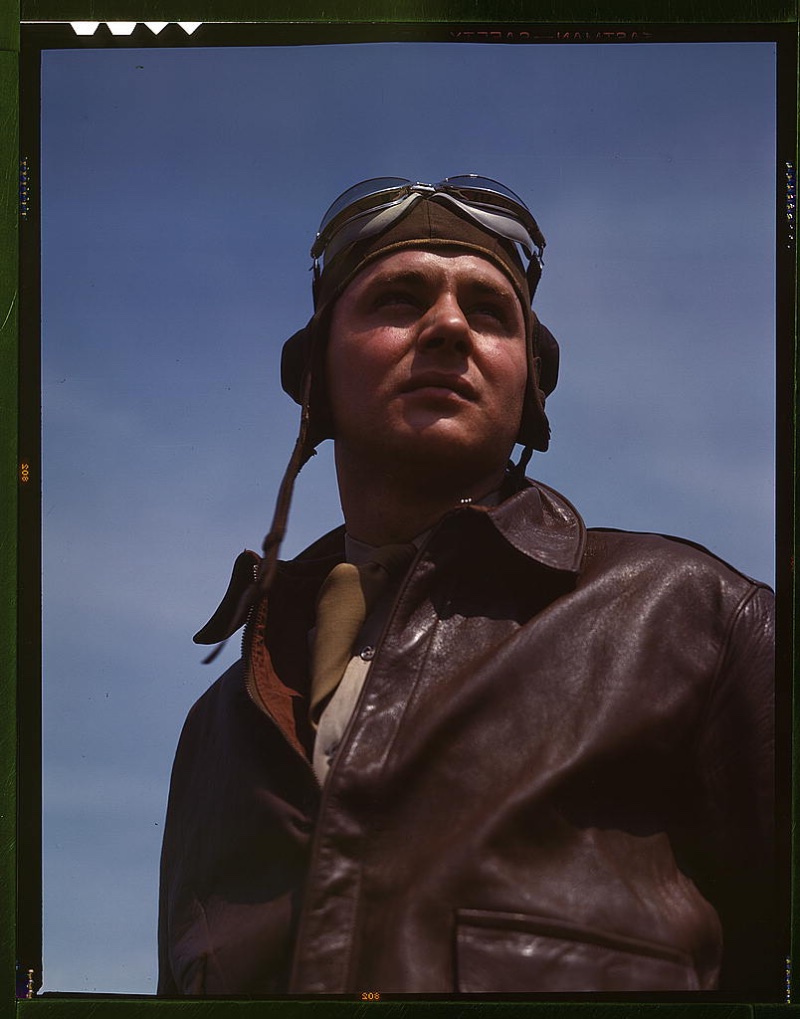
Military clothing had a visible influence on men’s casual outerwear, particularly through flight jackets. Leather bomber and aviator jackets were designed for pilots, with practical features that could include zip fronts, fitted waists and cuffs, and warm shearling or fur collars. Different military models varied considerably, but their functional shapes helped establish the flight jacket as an enduring form of men’s outerwear.
Lightweight casual jackets also offered alternatives to tailored coats and sports jackets. Baracuta had introduced its G9 jacket in Britain before World War II, although the “Harrington jacket” name and the style’s strong association with youth culture came later. Leather and denim jackets also appeared in work and casual settings, bringing durable fabrics and utilitarian construction into the broader 1940s wardrobe.
Leisure Pants
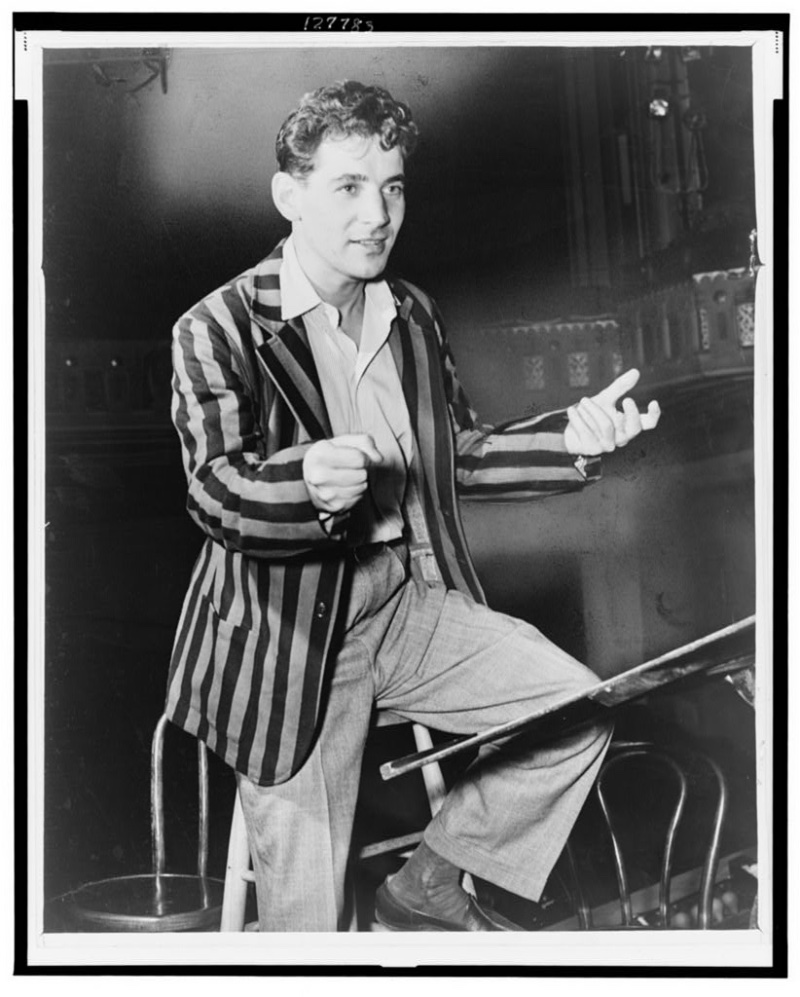
Casual trousers generally retained the high waist and generous proportions seen throughout men’s clothing of the period. Pleated trousers and loose, straight-leg styles appeared in wool, cotton khaki, corduroy, and denim, giving men options for leisure, work, and informal settings. Brown, navy, khaki, and other practical colors were common.
For warm weather and sporting activities, men also wore high-waisted shorts, often cut to around the knee. Paired with casual shirts, knitwear, or sports jackets, these trousers and shorts expanded the range of informal 1940s men’s clothing beyond the suit.
1940s Workwear & Blue-Collar Style
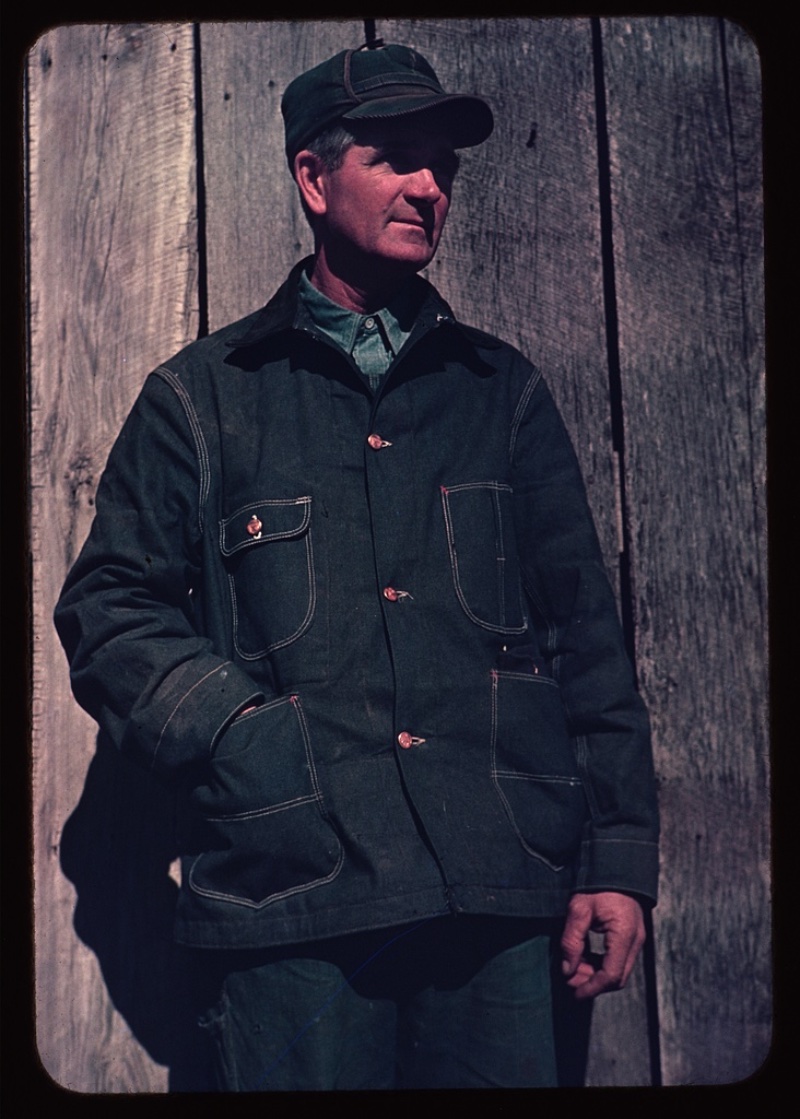
Blue collar style in the 1940s was shaped primarily by the demands of manual labor. Denim, canvas, heavy cotton, chambray, and flannel provided the durability required for factory, agricultural, construction, and other physical work. Heavy-duty trousers and jeans were worn with sturdy work boots, while the looser cuts of work clothes allowed greater freedom of movement than conventional tailoring.
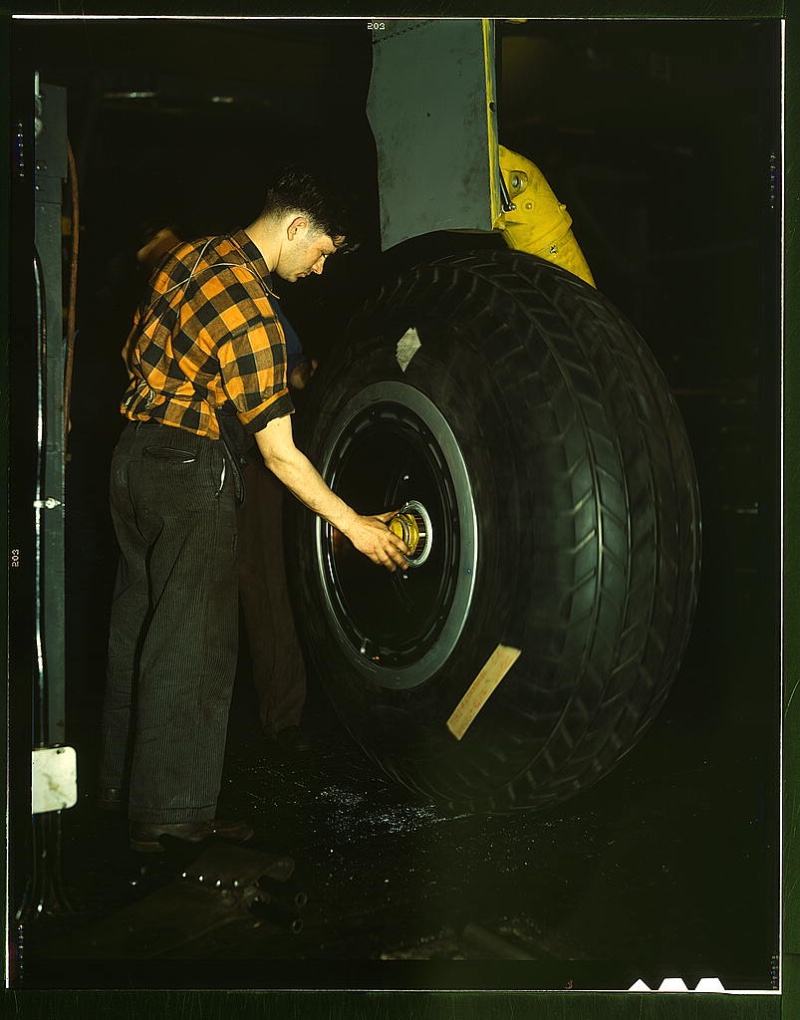
Chambray shirts and plaid flannels were practical choices for everyday work, often layered beneath denim chore coats, dungaree jackets, or leather jackets. Overalls were another established part of 1940s workwear. Typically made from denim or canvas, they featured a bib front, adjustable shoulder straps, and multiple pockets for tools and personal items. Worn over work shirts, their adjustable fit and generous cut made them particularly useful for agricultural and industrial labor.
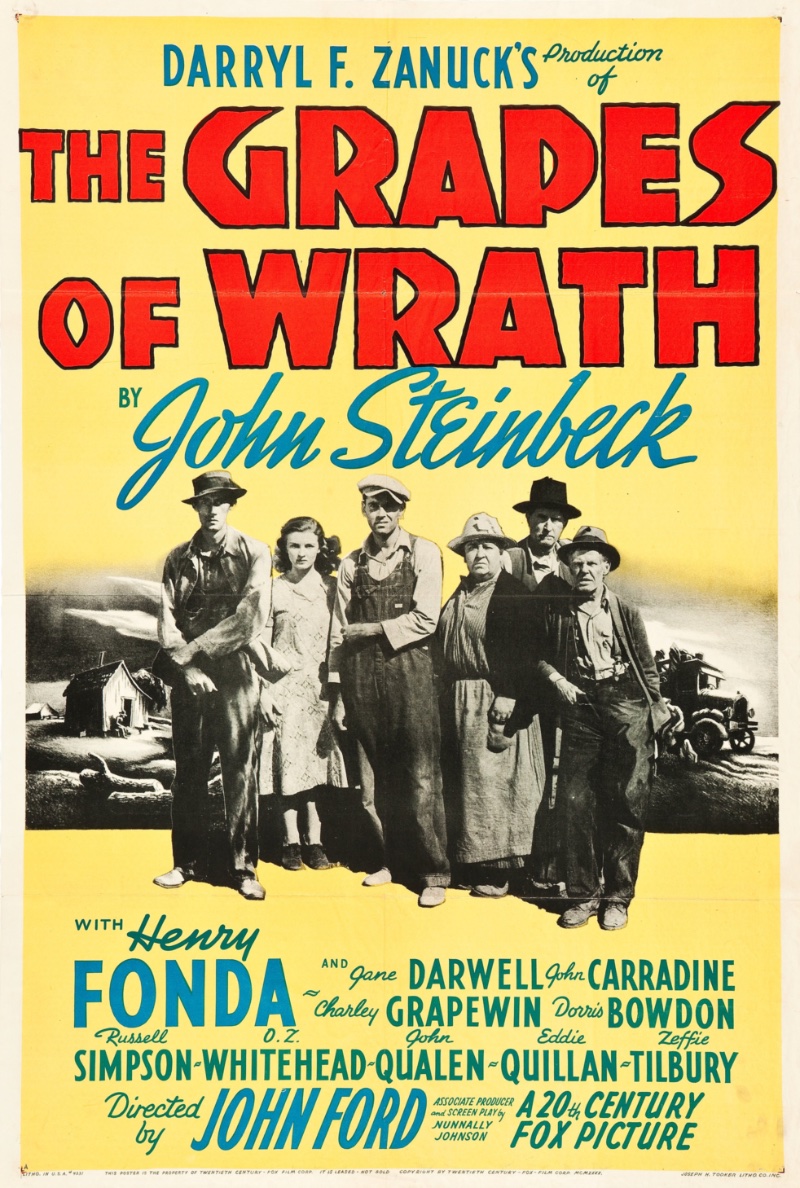
Workwear also became highly visible during World War II as American factories expanded production and industrial workers became central to the war effort. Away from the factory floor, Hollywood offered its own image of working-class dress. Henry Fonda’s Tom Joad in The Grapes of Wrath (1940), adapted from John Steinbeck’s Depression-era novel, helped cement an image of practical American clothing that carried from the late 1930s into the new decade.
Many of these garments eventually moved beyond their original occupational settings. Denim jeans, chambray shirts, flannel shirts, chore coats, leather jackets, and work boots became lasting components of American casual menswear, giving 1940s blue collar clothing an influence well beyond the workplace.
1940s Men’s Hats & Accessories
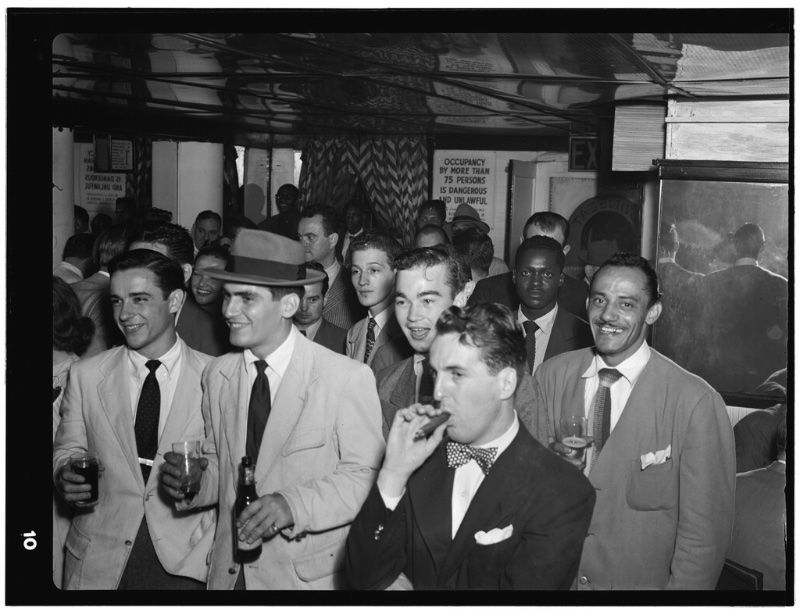
Hats remained a regular part of men’s dress during the 1940s. Felt fedoras accompanied suits and city clothing, while flat caps, newsboy caps, and bill caps appeared in more casual and working-class settings. Hat choice often reflected the occasion, occupation, and clothing worn with it.
Wristwatches were increasingly established as practical everyday accessories, commonly featuring round cases and leather straps. Leather belts were worn with trousers and casual clothing, although suspenders remained another option, particularly with higher-waisted trousers.
Bandanas also appeared in 1940s men’s clothing, especially in workwear, where they could be worn around the neck or used for practical purposes. Their simple printed patterns and versatility also allowed them to function as casual accessories, adding color to otherwise utilitarian clothing.
1940s Men’s Hairstyles
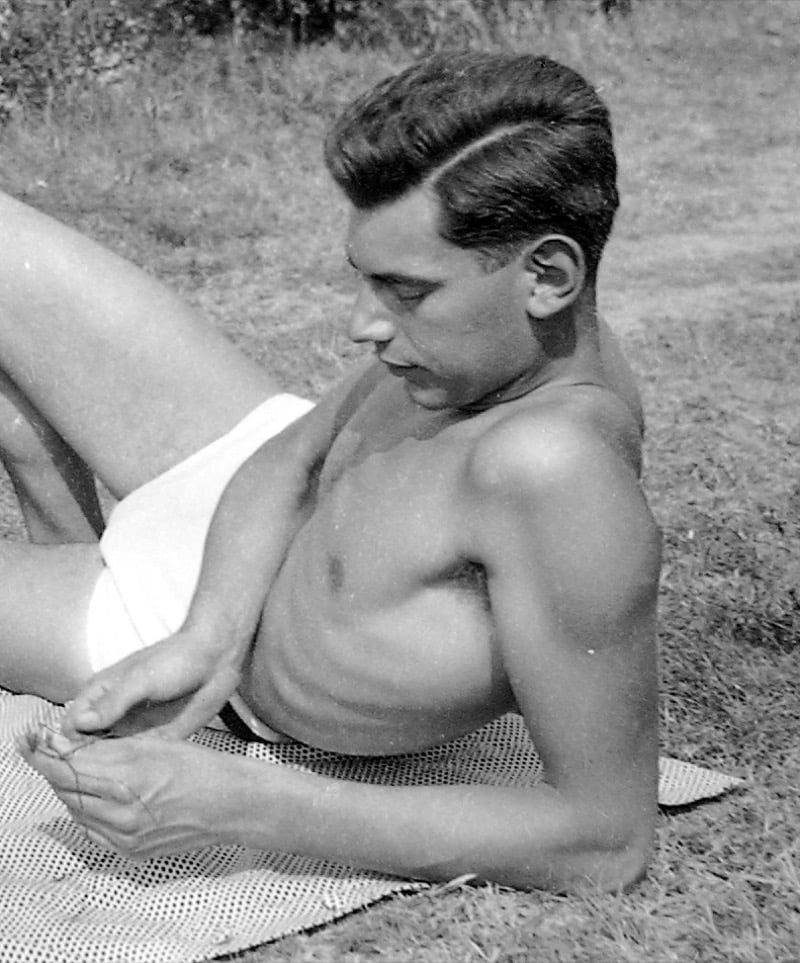
1940s men’s hairstyles generally kept the sides and back short while leaving enough length on top to comb into place. Side parts were common, with pomade or hair tonic used to create a neat finish. Men could wear the top combed back, swept to the side, or shaped into a modest wave.
Military service encouraged shorter, practical haircuts during World War II, while Hollywood stars such as Cary Grant and Clark Gable represented the more groomed side of the decade. By the late 1940s, longer and more pronounced pompadour styles were also appearing, anticipating some of the men’s hairstyles associated with the 1950s.
How WWII Changed Men’s Fashion
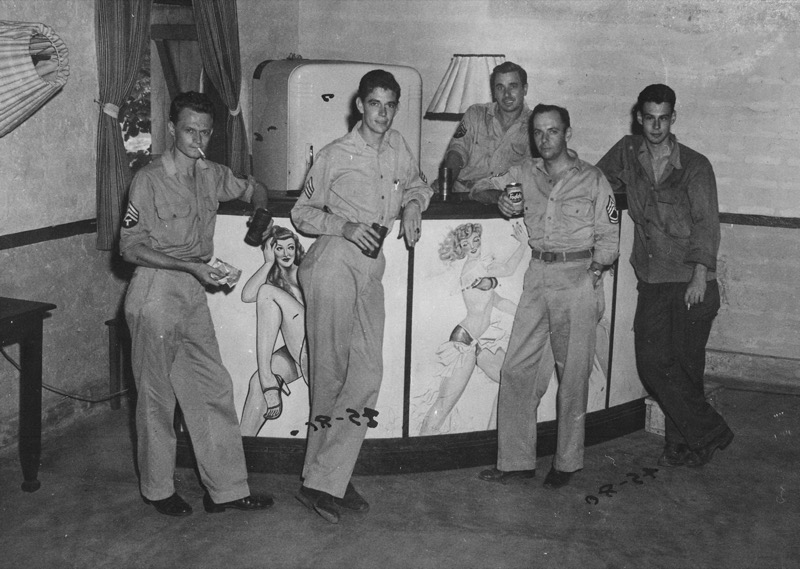
World War II reshaped men’s clothing as governments redirected wool, leather, and manufacturing capacity toward military needs. In the United States, the War Production Board introduced restrictions in 1942 intended to conserve wool used for civilian suits and overcoats. 1940s wartime fashion for men consequently became more economical in its use of fabric, even as the basic conventions of tailoring remained recognizable.
The regulations reached into specific details of a man’s suit. Trouser cuffs were eliminated, trouser width was limited, coat lengths were restricted, and two-trouser suits disappeared from new production. Vests could no longer accompany double-breasted suits, while double-breasted tuxedos, full-dress coats, and cutaway coats were also removed from production. The War Production Board estimated that these changes allowed manufacturers to produce 26 percent more suits from the available material.
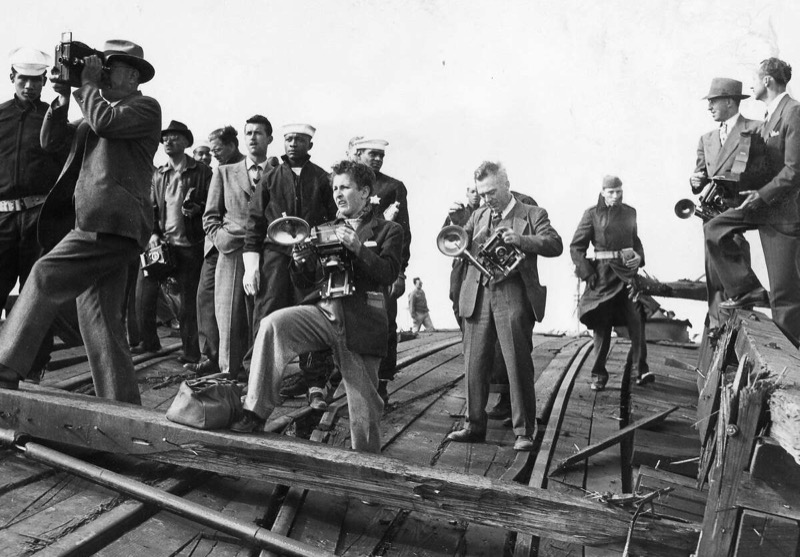
Military service also made uniforms an unavoidable part of the decade’s visual culture. Flight jackets, field clothing, khaki, sturdy footwear, and other practical garments exposed millions of men to clothing designed around function. Civilian workwear assumed greater visibility as factories expanded wartime production, further reinforcing the place of durable clothing alongside conventional tailoring.
Wartime conditions differed by country. Britain introduced clothes rationing and Utility Clothing in 1941, standardizing production and limiting the range of fabrics available while encouraging civilians to repair and extend the life of existing garments. In both Britain and the United States, wartime controls demonstrated how directly material shortages and industrial policy could influence what men wore. When restrictions eased after the war, the return of fuller trousers and more generous tailoring made the change in men’s fashion readily visible.
The Legacy of 1940s Fashion
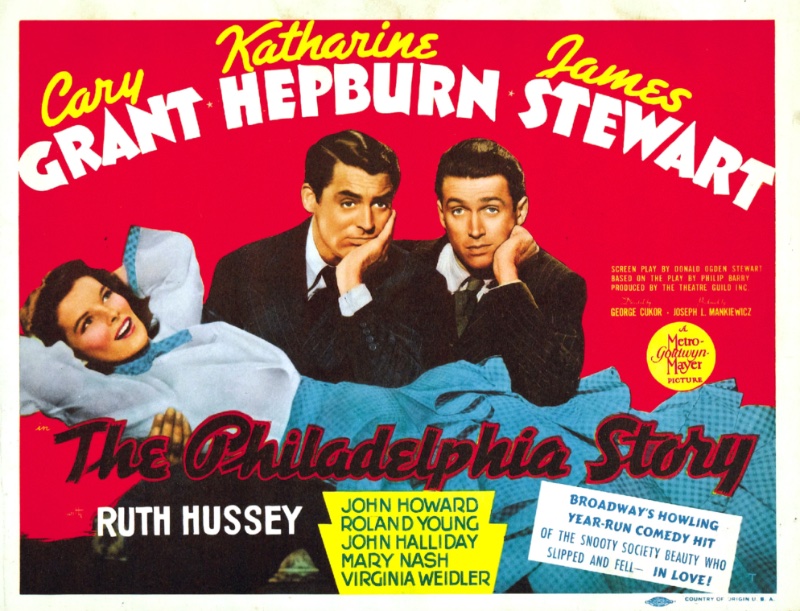
The legacy of forties fashion reaches beyond any single silhouette. Wartime restrictions and military clothing influenced civilian dress, followed by a postwar return to fuller tailoring. At the same time, casual shirts, knitwear, denim, flight jackets, and practical workwear occupied an increasingly important place alongside the suit.
Many of these clothes remain part of menswear today. High-waisted trousers and relaxed tailoring periodically return to fashion, while Oxfords, brogues, chore coats, leather jackets, aloha shirts, and workwear have long since moved beyond their original settings.
By the end of the decade, men’s clothing was moving beyond wartime austerity toward a broader postwar wardrobe. The 1950s would take this further as Ivy style, youth culture, denim, sportswear, and new ideas about casual dress gave menswear increasingly distinct identities.