The differences between types of beanies for men come down to a few visible details. A folded cuff changes the edge around your face, a longer crown creates slouch, and a short fisherman fit leaves the ears exposed. The beanie can work with a tailored coat or something more hipster, but the right choice starts with fit and the weather. Learn what each name describes, then choose the shape that works with the clothes you actually wear.
Types of Beanies for Men
Beanie names describe different things, from the shape of the crown to the finish at the edge. These categories overlap. A knitted beanie can also be cuffed, slouchy, or topped with a pom-pom. Look at how each detail changes the fit and how it works with your men’s clothing.
Cuffed Beanie

A cuffed beanie has a folded edge that adds a second layer around the forehead and, when pulled low enough, the ears. On styles with an adjustable fold, rolling it higher shortens the hat; lowering it increases coverage.
Start here if you want one everyday beanie. A moderate cuff works with a tailored coat as easily as a denim jacket, and the fold gives the hat a defined edge.
Slouch Beanie
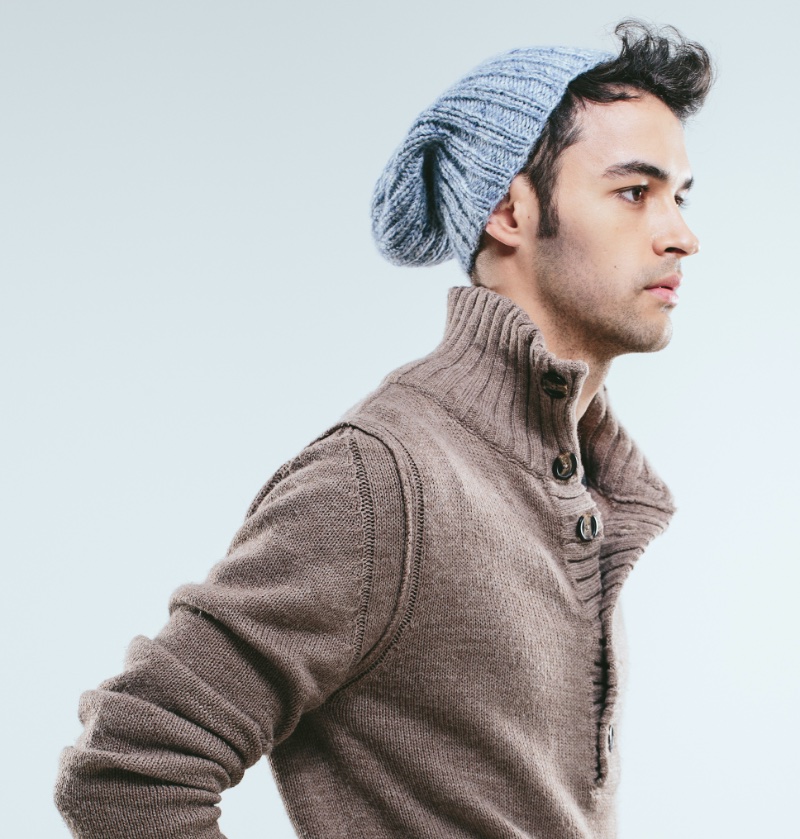
The slouch beanie has extra length through the crown, allowing fabric to fall toward the back of the head. The slouch belongs behind you, not over your eyes.
Its softer outline suits a casual outing. Keep the amount of drape in proportion to the rest of the outfit; a little excess fabric is often enough.
Knitted Beanie

Knitted beanies are defined by construction, not a single silhouette. Fine-gauge knits sit close to the head, while thicker yarns and pronounced ribs create more volume. Many of the other styles here are knitted too.
A textured knit works alongside flannel shirts and boots. Judge warmth by the fiber, density, and lining, since a loose chunky knit can let wind through.
Cuffless Beanie
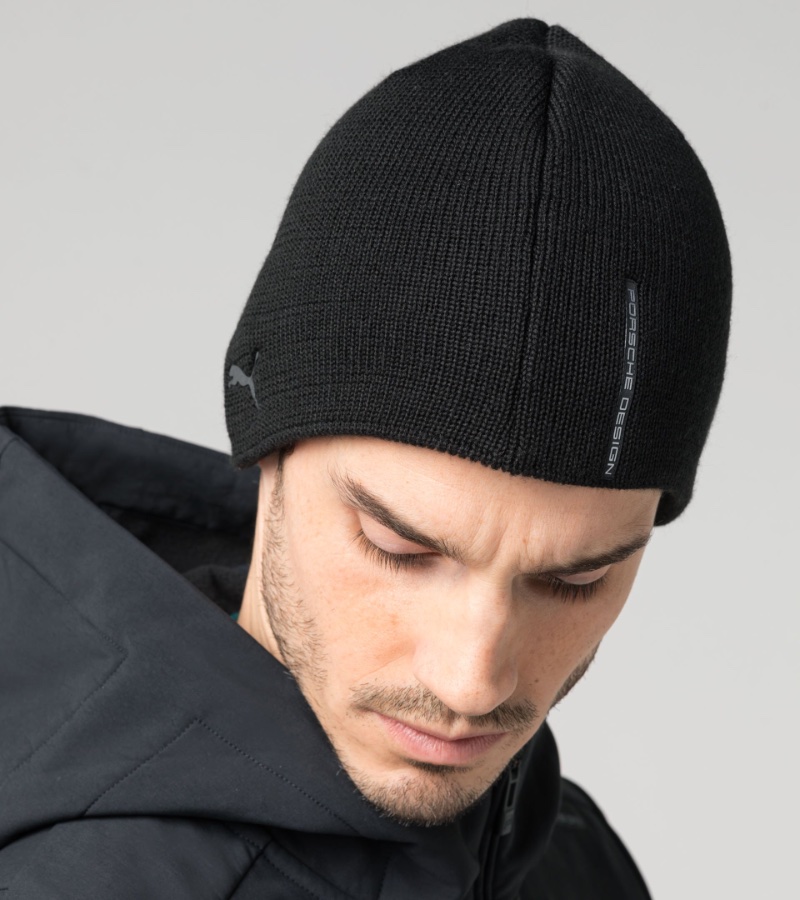
A cuffless beanie has an unfolded lower edge. It can fit closely like a skullcap or have enough length to slouch, depending on the cut.
The single edge creates less bulk around the forehead. Wear it with a simple t-shirt and jeans when you want the hat to follow the head’s outline.
Fisherman Beanie

The fisherman beanie is a short style with a turned-up cuff, typically worn above the ears or just touching their tops. It has no projecting visor. The compact fit is its appeal, though exposed ears make it a poor choice when full cold-weather coverage matters.
Wear it with an Irish sweater or a work jacket to keep that practical clothing connection. Choose a longer cuffed style when the temperature calls for it.
Bobble Beanie
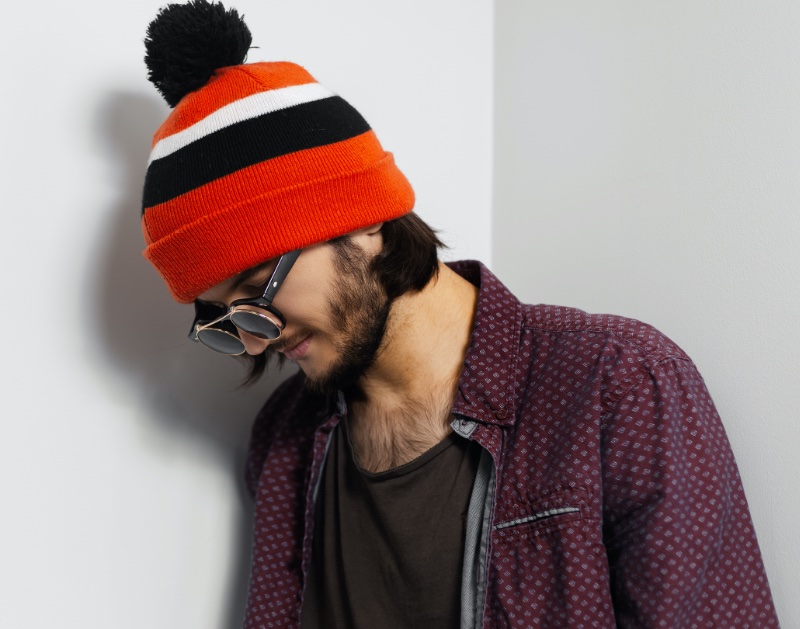
A bobble beanie has a pom-pom at the crown. The decoration can sit on a fitted hat or a longer style, so check the underlying shape as well as the bobble.
It brings a sporting, winter-holiday mood to everyday outerwear. If the hat has strong stripes, let it supply the pattern instead of adding a competing scarf.
Brimmed/Visor Beanie
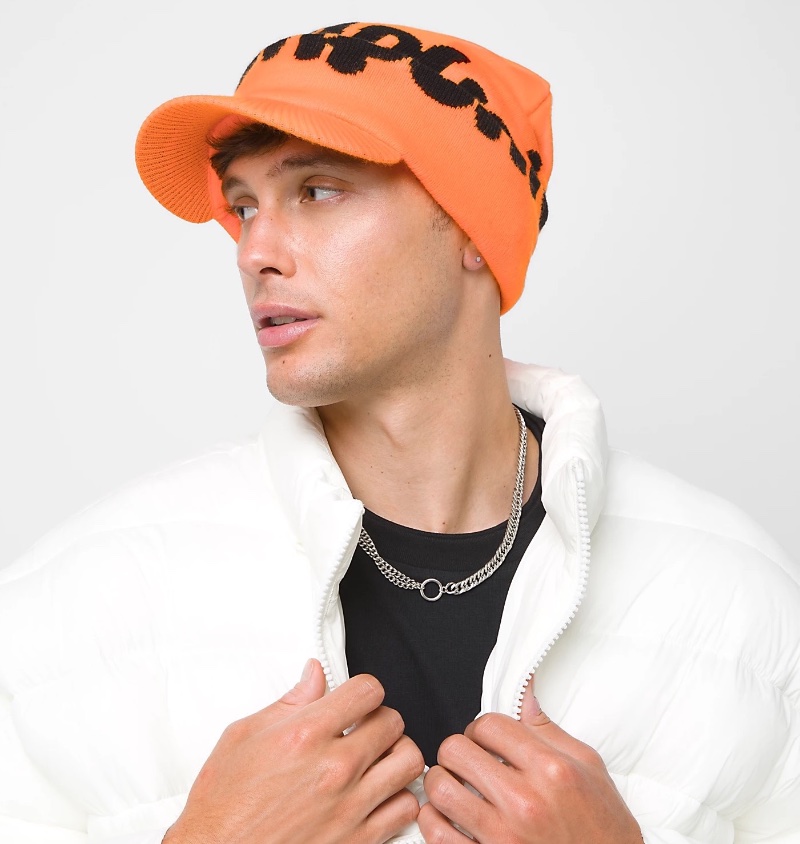
A brimmed or visor beanie adds a projecting peak to a soft cap. The peak shades the eyes; it does not provide extra ear coverage. That depends on how far the body of the hat extends.
This hybrid has a more casual character than a plain cuffed beanie. Try it with a simple jacket, keeping the peak clear of your eyebrows so it sits comfortably.
Earflap Beanie
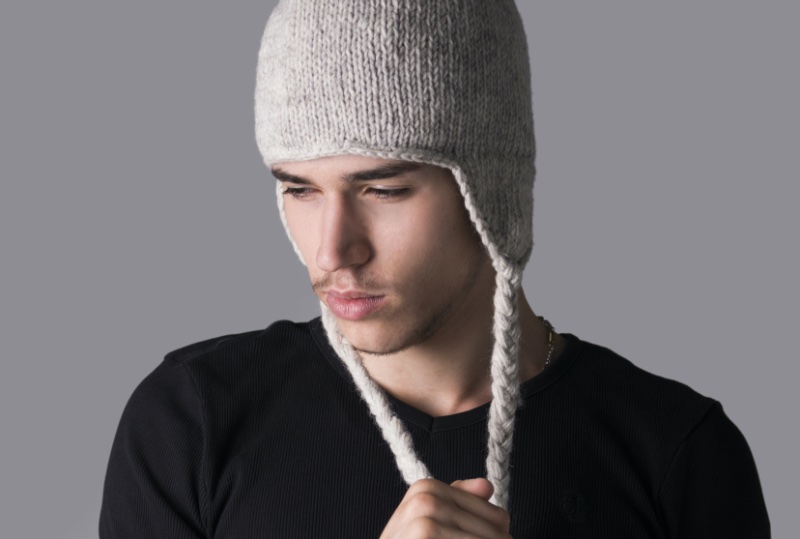
An earflap beanie extends down at the sides to cover the ears. Some versions have ties that secure beneath the chin, helping the hat stay in place.
Choose it for coverage first. Check that the flaps reach your ears comfortably and that any ties can be kept out of the way.
A heavy-duty parka works naturally with the shape. The hat’s lining and knit density still matter in wind.
Personalized Beanie
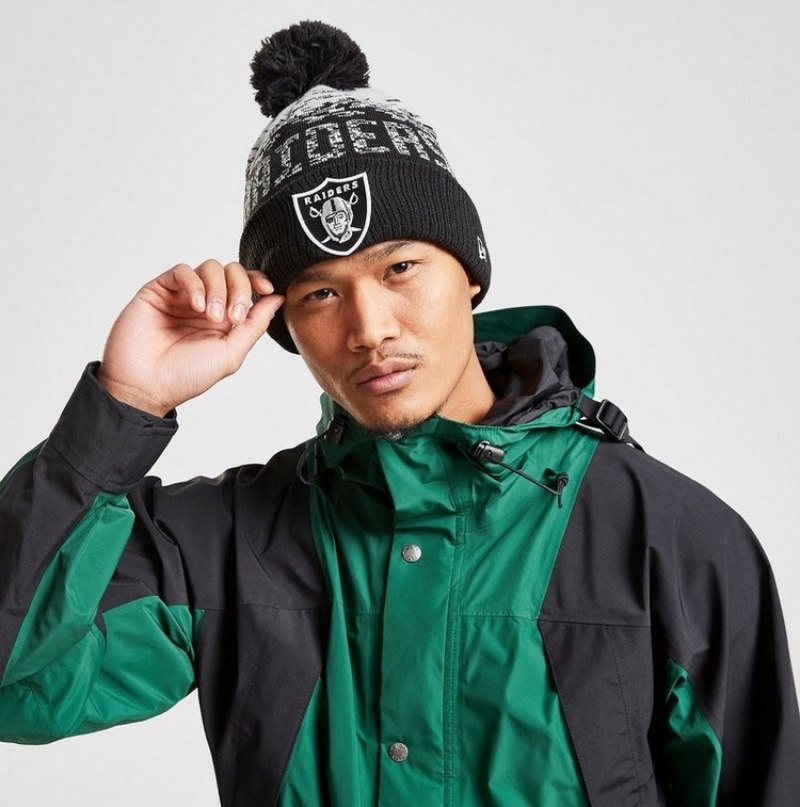
Personalized beanies use details such as monograms, custom embroidery, or patches to make a standard shape individual. Decoration changes the look, not the basic fit.
Team merchandise is a related option, though a ready-made Raiders hat is branded, not custom-made. Pick the underlying cuff and crown shape before choosing the logo.
Beanie Materials
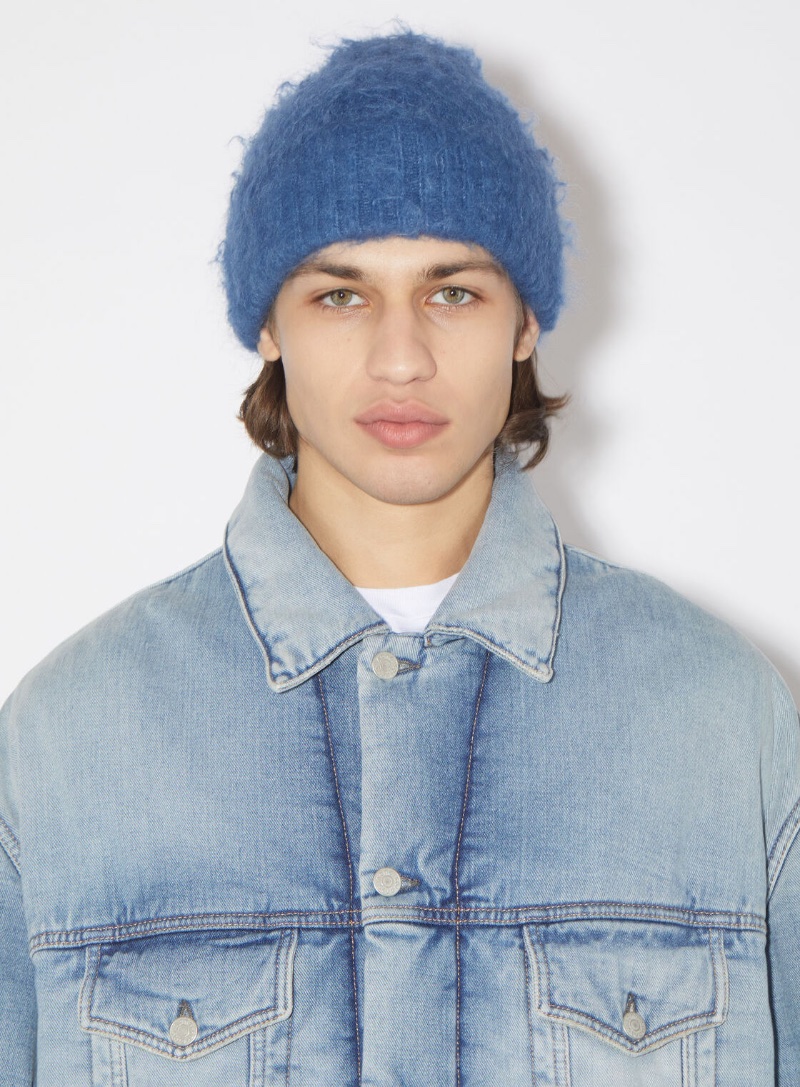
Natural fibers such as merino wool and cashmere are common choices for warmth. Merino is useful for changing activity levels, while cashmere appeals for its soft feel. Neither a luxury label nor a high price guarantees that a hat will suit your weather.
Cotton works for milder, dry conditions but is less useful when it becomes wet in the cold. Acrylic can provide warmth, while nylon often appears in blends. Synthetic does not automatically mean less insulating.
Read the composition and care label, then check thickness and lining. The same scrutiny applies to designer beanies. Try the hat against your forehead to check for irritation.
Choose the Right Color

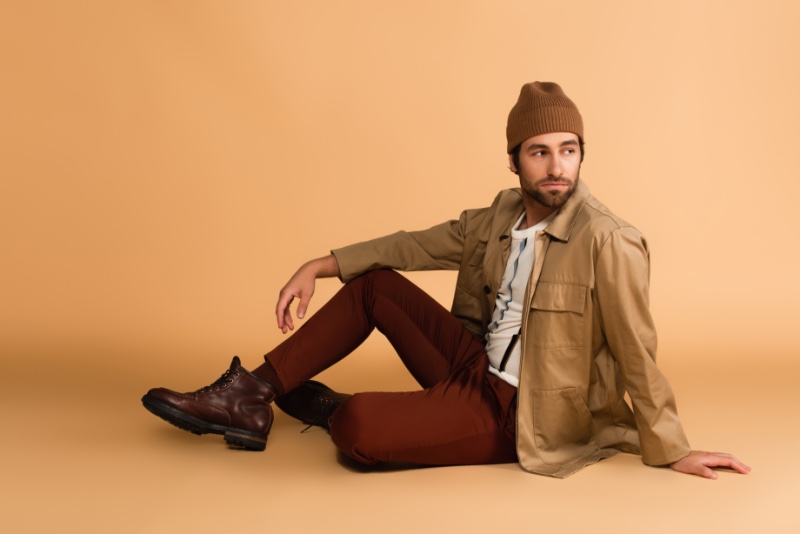
Choose a beanie color that works with the outerwear you wear most. Gray is an easy starting point with navy, while brown can suit earthy jackets and knitwear.

A brighter hat puts color close to your face. Try it with your coat on, since the relationship between those two pieces will be more visible than the match to your shoes.
Repeating one small color from elsewhere in the outfit can connect the hat to the clothes. An exact match is optional.

Red offers a strong contrast against gray outerwear. There is no need to turn every outfit into a color-wheel exercise.
For a quieter approach, try the monochrome trend and vary the knit texture so the hat still has definition.
Consider Your Face Shape

Your face shape can help you compare proportions, but it does not rule out a beanie style. The height of the crown and width of the cuff change the outline around your face.
If you want to emphasize length, try a little height at the crown. To reduce that effect, choose a shallower hat and wear the edge lower on the forehead.
A thick cuff adds width around the temples; a close-fitting knit leaves more of your natural outline visible. Compare both before deciding which you prefer.
Check the hat with your usual glasses and hairstyle. Comfort and the full silhouette tell you more than a rigid rule for round or square faces.
Styling Beanies & Hair

With shorter hair, a close-fitting beanie can sit directly against the head. Leave a little fringe showing if you want to soften its front edge.
Longer hair or a voluminous mane may need a roomier crown. A slouch style can accommodate more hair, but a cuffless edge alone does not guarantee extra space.
Arrange the hair before pulling the hat on. If the band feels tight or leaves an uncomfortable mark, try a different size or stretchier knit.
When to Wear Beanies

Let the weather decide the weight of the hat. A dense knit is useful on cold days, while a lighter version can work on a cool spring morning.
A beanie belongs naturally in a winter ensemble, especially when its texture connects with the coat or sweater. Pull it over the ears when warmth is the priority.
In hot weather, a beanie is a styling preference, not a cooling accessory. Pair them with shorts on a cool day if that combination suits you, but choose by temperature, not the color of the yarn.
Beanies with a Purpose
Winter Beanies
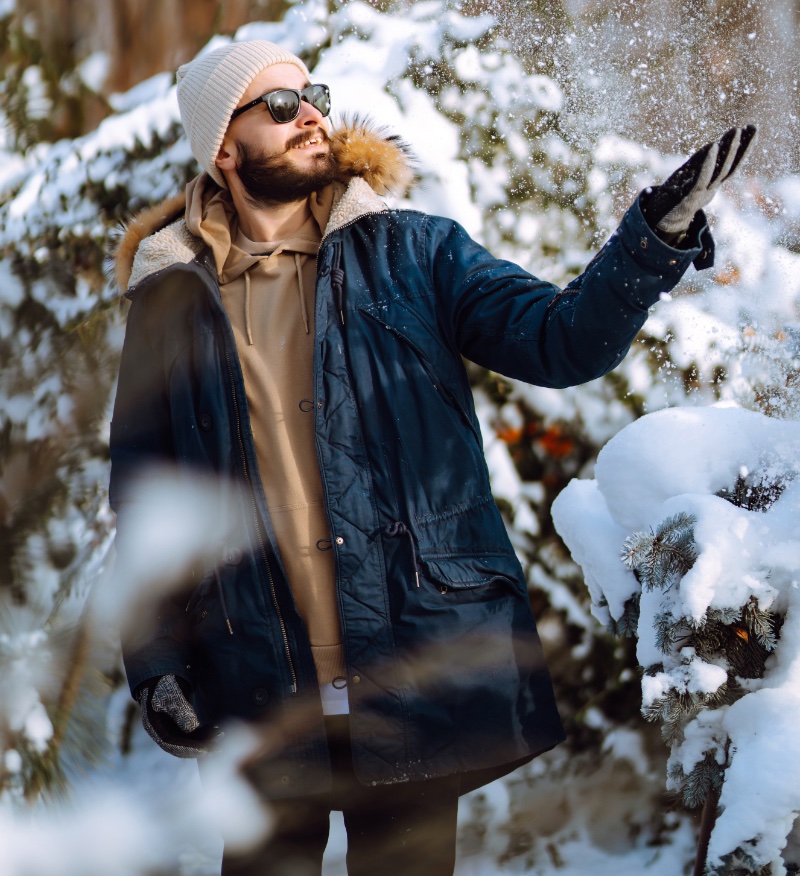
Winter beanies need enough coverage to protect the ears, plus a knit or lining that provides useful insulation. Wool and synthetic options can both work.
A fleece lining or doubled fabric can add warmth. Whether you’re pairing it with a puffer jacket or a wool coat, check that the hat sits comfortably beneath the hood.
Sport Beanies
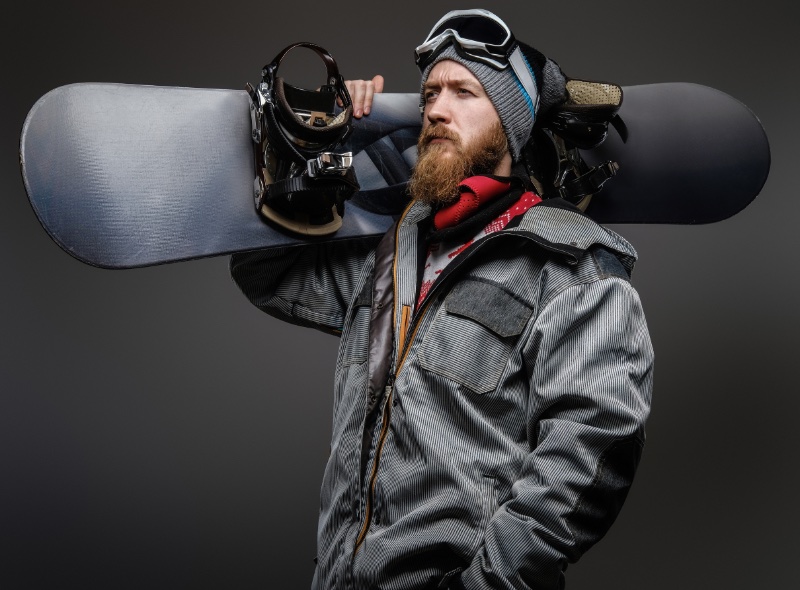
Sports beanies prioritize managing warmth and sweat during activity. Lightweight synthetic fabrics and merino blends are common options, with weight chosen for the conditions.
A running hat and a thick snow-sports beanie serve different needs. For helmet sports, follow the helmet maker’s guidance on headwear and fit; a bulky hat can interfere with it.
Hiking Beanies

A hiking beanie should suit the pace and forecast. A light hat may be enough while climbing, with a warmer option useful during exposed stops.
Choose a fabric that handles moisture well and packs easily. In rain or strong wind, use an appropriate hood too; an ordinary knitted beanie is not weatherproof.
Fashion Beanies
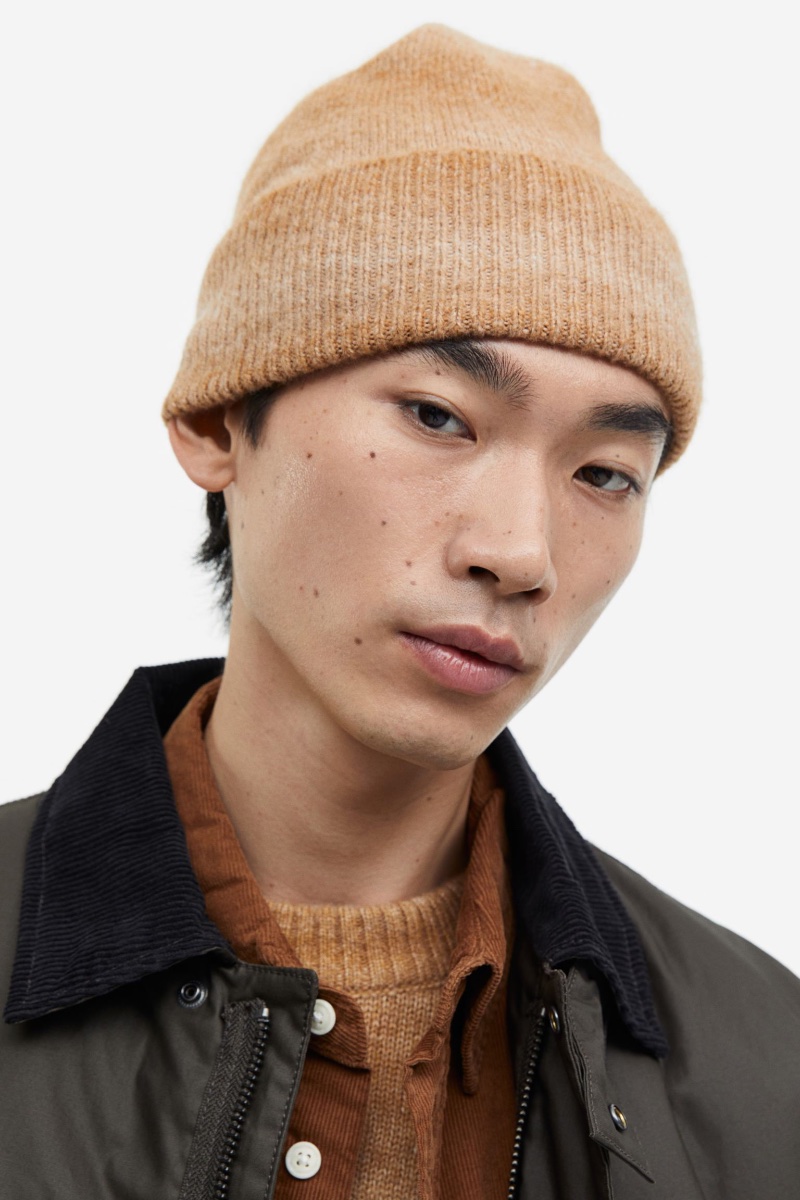
Fashion beanies emphasize appearance through unusual yarns, patterns, or embroidery. This is a use label, not a separate construction, and the hat can take any of the shapes above.
Let a gradient or textured yarn do the work against simple outerwear. Check the fit as carefully as you would with a plain hat, especially when an oversized crown is part of the design.
Beanies in Pop Culture

A beanie can become a recognizable part of a character’s wardrobe. Its shape is simple enough for color and the way it is worn to do much of the identifying work.
In The Life Aquatic with Steve Zissou, Bill Murray wears the red cap as part of Team Zissou’s uniform. The short red hat is a useful example of how a basic accessory can define an entire look.
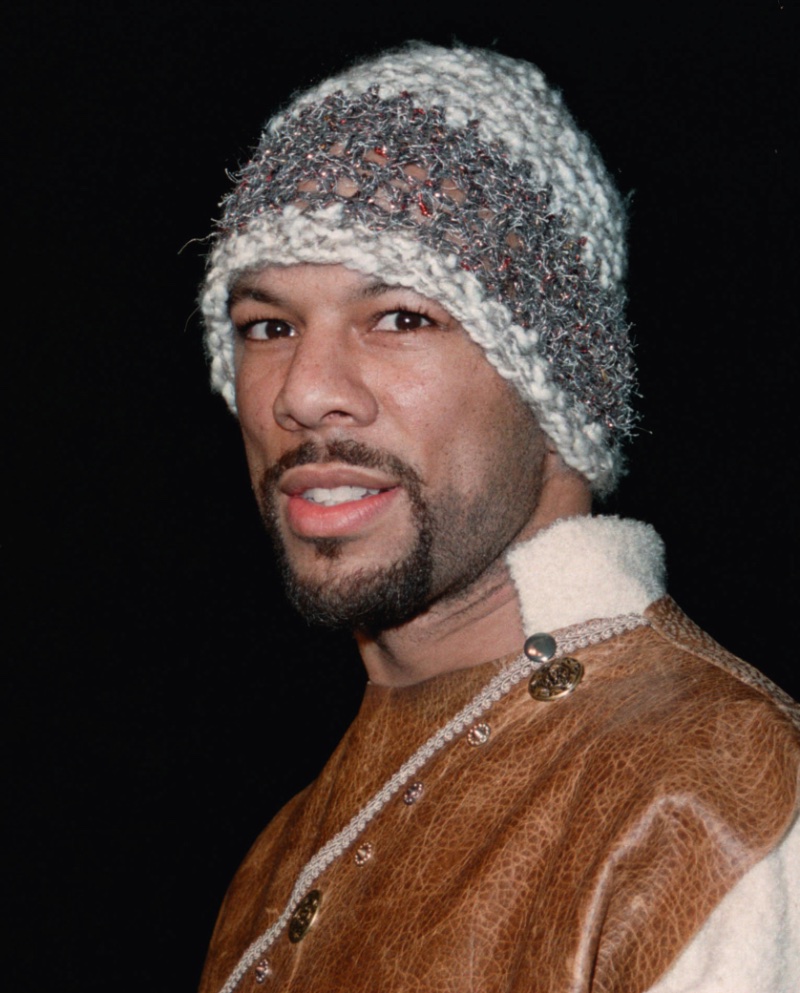
The beanie also fits the layered, informal clothing associated with Kurt Cobain and ’90s alternative culture.
Common, pictured in a textured knit cap, shows a different approach. Here, the surface of the knit matters as much as the outline.

David Beckham wears a softer, slouchier version. It has a more relaxed effect than the short red cap, despite belonging to the same broad family of hats.
Fashion brands offer their own versions, but a recognizable label is optional. The useful lesson from these examples is how much crown height, texture, and color can change a simple cap.
Choosing an Everyday Beanie
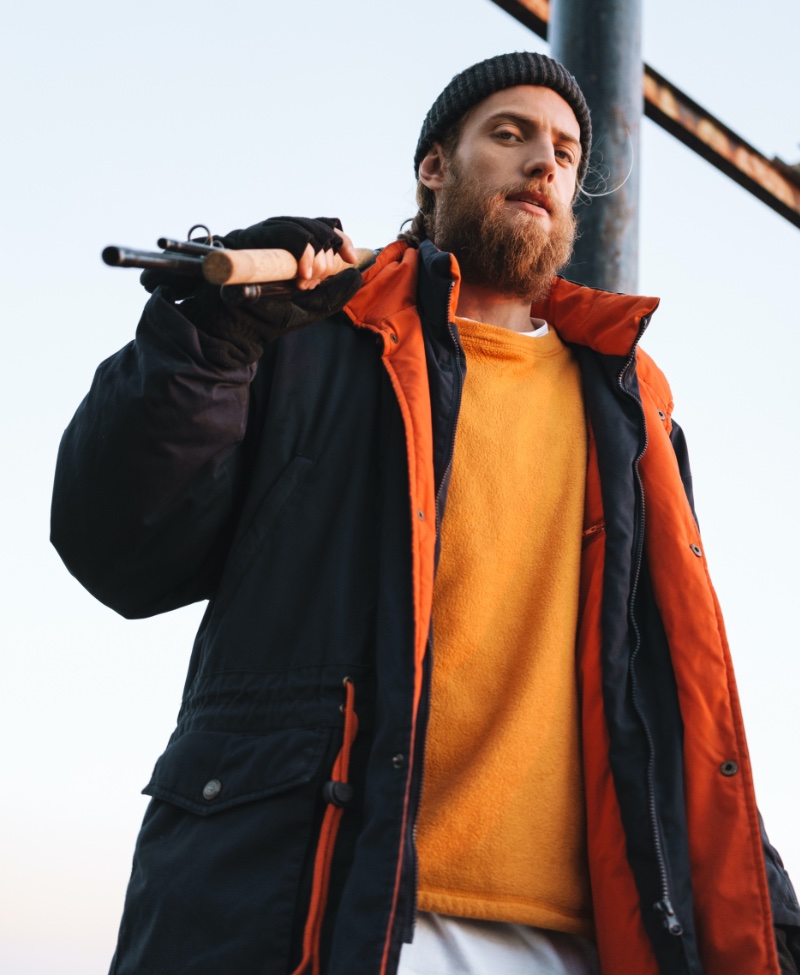
The beanie’s connection to its workwear image comes through most clearly in practical clothing. With a weatherproof jacket, its job is to add warmth and fit around the collar or hood.
It also belongs to the wardrobe of skaters, where a soft cap works with loose shirts and casual layers.
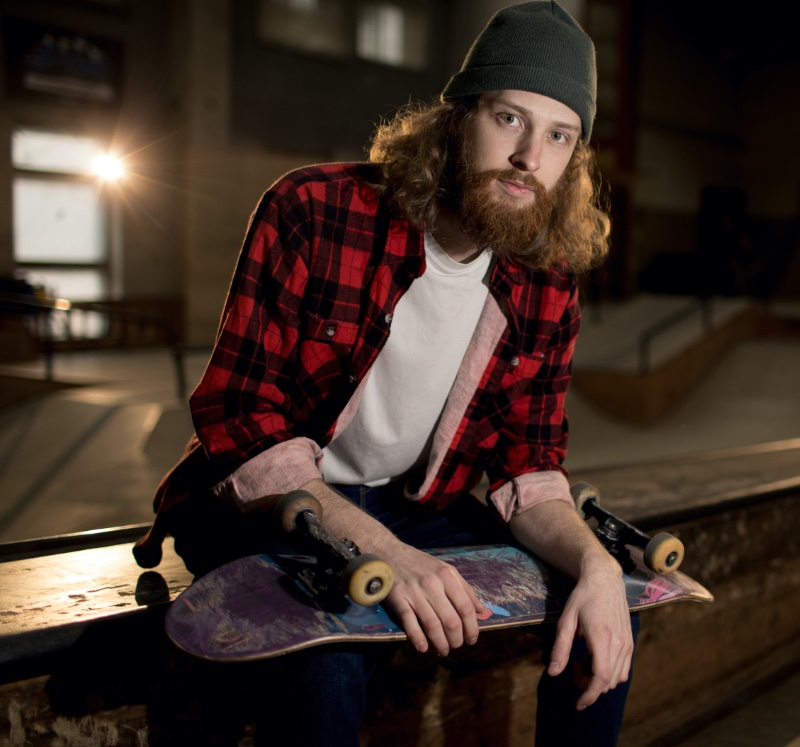
The 1990s remain a useful reference for that relaxed styling. Borrow the proportions that suit your clothes instead of treating the whole decade as a costume.
For an everyday choice, start with a comfortable cuff and enough length to cover your ears. Add slouch only if you like the extra volume.
A ribbed hat can connect a leather jacket to the knitwear beneath it. Keeping those textures related is often more effective than matching every color.
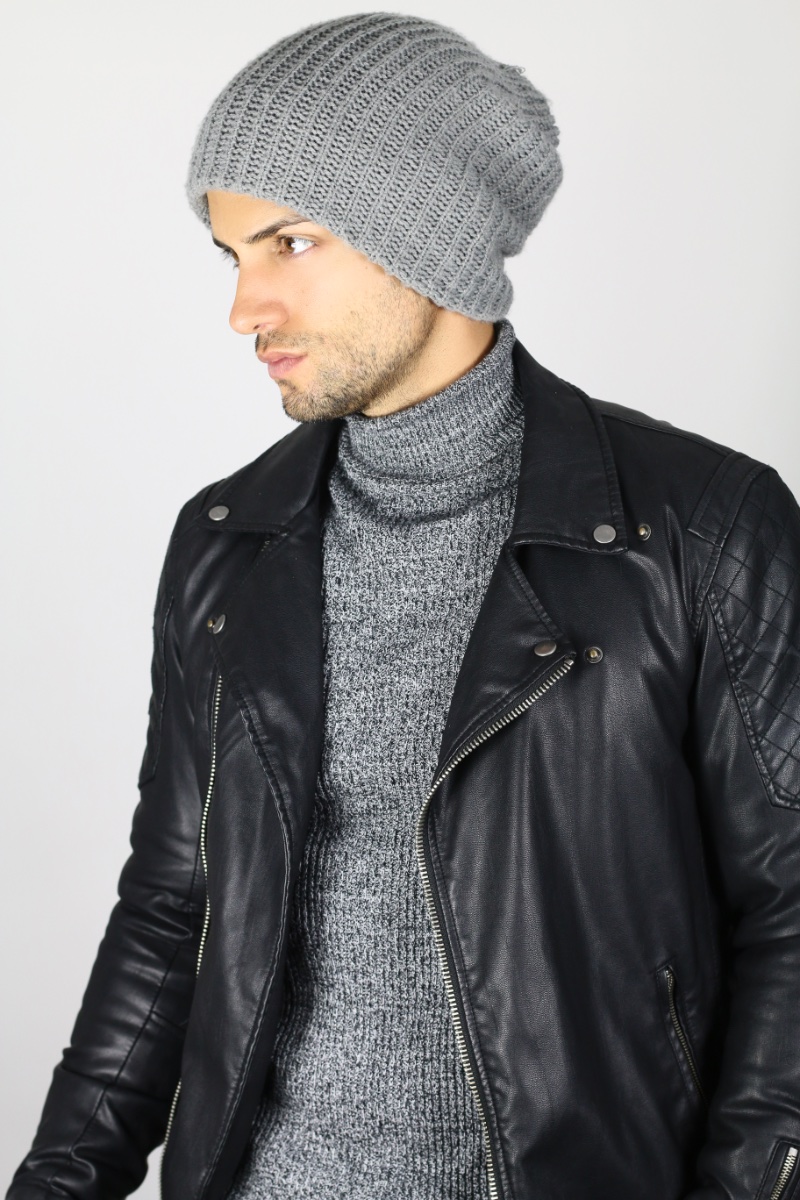
The best test is ordinary use. A beanie that stays put, feels comfortable, and works with your usual coat is the one you will reach for again.