A winter coat makes an introduction before you do. A wool overcoat lends a little authority to jeans; a puffer puts even tailored trousers on casual terms. Beneath either, the sweater and shirt determine what happens when you arrive and take it off. Winter outfits for men become more interesting when the whole combination receives the same attention as the jacket.
The season rewards texture, too. Corduroy gives a plain sweater some company, leather sharpens soft knitwear, and a scarf can change the character of a coat you have worn for years. These are useful adjustments to clothes already in rotation, with warmth built into the decisions.
Winter Outfits for Men

The most convincing winter outfits still look like the person wearing them. A man who favors tailoring can find his cold-weather uniform in a turtleneck and wool trousers, while someone devoted to denim might start with a lined jacket. The forecast determines the insulation; personal taste determines the rest.
Quilted Vest & Knitwear

A quilted vest has a country-weekend association that survives the trip into town. Over a crewneck sweater, it borrows something from men’s après-ski style, especially when the knit has visible texture. Carpenter pants give the combination a practical bent; slim-fit chinos make it more suitable for lunch. Suede desert boots finish the outfit on dry days, with a coat added when the temperature drops.
Leather Puffer & Dark Trousers

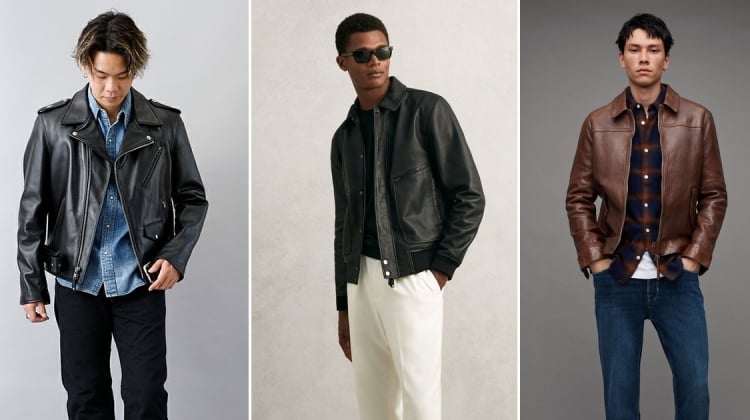
Leather changes the puffer’s associations. The quilting retains its outdoor character, while the surface brings it closer to the city jacket worn over dark trousers and boots. A plain sweater gives the jacket the attention it warrants. When choosing a puffer jacket, try it over your usual knitwear; its shape should accommodate the clothes that make it useful.
Sport Coat & Turtleneck

The turtleneck has a particular talent for making tailoring feel easy. Its continuous neckline replaces the business of collar and tie with something more relaxed, while the sport coat keeps the outfit attentive to its surroundings. Dressing for the office can be as simple as fine-gauge merino and wool trousers, then top it off with a sports coat. Derbies keep it closer to tailoring; leather chukkas suggest a less formal workplace.
Sweater & Corduroy Pants

Corduroy gives the everyday sweater a change of context. Its ribs introduce a slightly bookish, slightly outdoorsy quality that feels particularly at home in winter. A smooth pullover lets wide-wale cords register, while a heavier knit works with finer ribs. Brown leather boots connect with the fabric’s earthy character, making durable corduroy pants an appealing alternative to weekend denim.
Fair Isle Sweater & Everyday Trousers

Fair Isle suggests a certain enthusiasm for winter, even when the wearer has mixed feelings about the weather. The pattern provides enough detail for the outfit, with plain trousers picking up a shade from the knit. Dark denim keeps stylish holiday knits casual, while wool trousers make the same sweater suitable for dinner. Its working season extends well past December.
Velvet Dinner Jacket & Evening Trousers

Velvet looks particularly persuasive after dark. The fabric catches light across the lapels and sleeves, giving a blue dinner jacket enough interest to hold its own against simple evening trousers. It is a natural starting point for NYE style, with the shirt and accessories guided by the invitation. Black-tie events require the corresponding evening-dress details; a wool overcoat completes the journey there.
Three-Piece Suit

A three-piece suit gives winter dressing a sense of occasion. The waistcoat adds warmth through the torso and keeps the shirt partly covered when the jacket opens. Fabric weight matters, particularly when a cold journey ends in a heavily heated venue. An overcoat that closes comfortably over the tailoring completes the outfit, preserving the suit’s shape beneath it.
Winter Layers & Fabrics

Layering gives winter clothes much of their appeal. A glimpse of checked knitwear changes a plain coat, while a shirt collar gives a soft sweater a more deliberate finish. Each piece should contribute to the combination and remain comfortable beneath the next. The coat still needs to close.
Puffer Jackets & Lined Corduroy

The puffer’s volume is part of its appeal. Straight-leg trousers give that shape a convincing foundation, particularly with boots or heavier sneakers. A sweater beneath supplies texture where the jacket opens. Insulation and construction determine the warmth, so the styling decision starts with a jacket suited to the conditions.

Lined corduroy takes the outfit toward workwear. The collar frames the face, and the ribbed fabric gives a plain shirt or sweater something to play against. Denim feels like a natural companion, though wool trousers can bring a more dressed approach. Add heavier outerwear when the jacket’s lining reaches its limits.
Choosing Knitwear by Weight

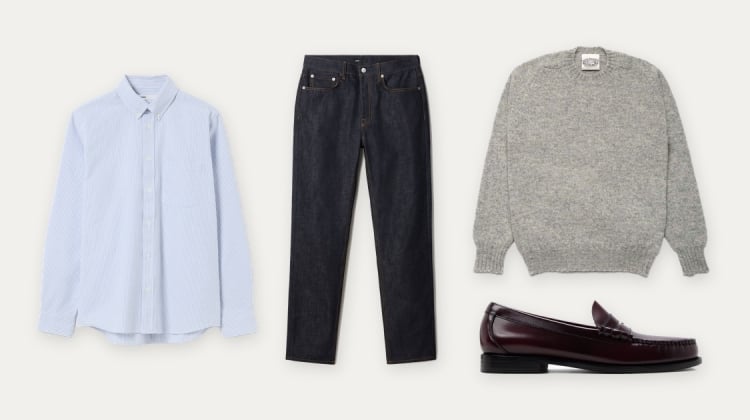
A sweater’s appearance tells only part of its story. A thick cotton knit may look ready for the cold while serving best in a heated interior or on a milder day. Wool offers another option when insulation takes priority. Fine-gauge versions slide beneath tailoring; heavier stitches turn the sweater into the outfit’s focus. Choose the weight with your coat in mind, since competing sleeves can make even an attractive combination a chore to wear.
Layering Under a Topcoat

The topcoat has a useful effect on casual clothes. Its length gives jeans and a sweater a more composed outline, particularly when the trousers fall cleanly over the shoes. Layering is essential in winter fashion, but thickness needs some judgment. A comfortable base beneath insulating knitwear leaves the coat free to do its part.

Soft terry separates give a coat a more off-duty setting. In white, they also make an appealing study in texture, with the outer layer determining how far the outfit can travel into winter. Terry loungewear serves a different purpose from close-fitting thermal underwear. The same attention applies to outerwear: a lighter option, like a trench coat, may call for extra insulation beneath it.
Winter Outfit Colors

Winter’s heavier fabrics give color a different quality. Green looks deeper in brushed wool, and blue softens across a ribbed sweater. A plaid jacket offers a ready-made palette, with one shade repeated in the trousers or knitwear to connect the outfit.
Green & Earth Tones

Deep green has an easy relationship with navy and brown. Used in trousers, it moves the outfit away from the usual dark denim while remaining straightforward to wear. The cut matters as much as the shade: jogger cuffs give corduroy a casual character that suits shorter jackets and uncomplicated footwear.

Earth tones make several textures feel comfortable together. A brown flannel jacket can sit above denim or cords, with a lighter shirt breaking up the darker layers near the face. Olive offers a similar flexibility. The interest comes from the fabrics as much as the individual colors.
Light Blue Knitwear

Light blue gives charcoal trousers a welcome change of company. The combination has the ease of neutral dressing, with enough contrast to make the sweater register beneath a dark coat. Ribbing adds another point of interest, especially when the rest of the outfit stays smooth and simple.
Winter White
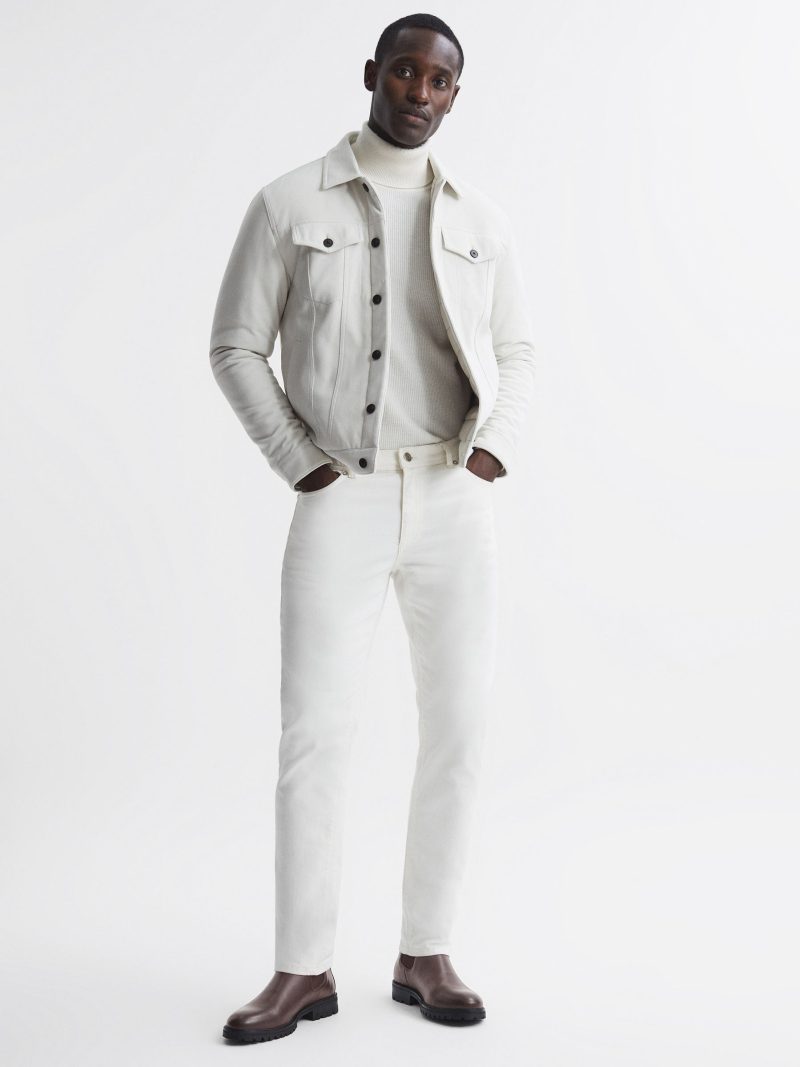
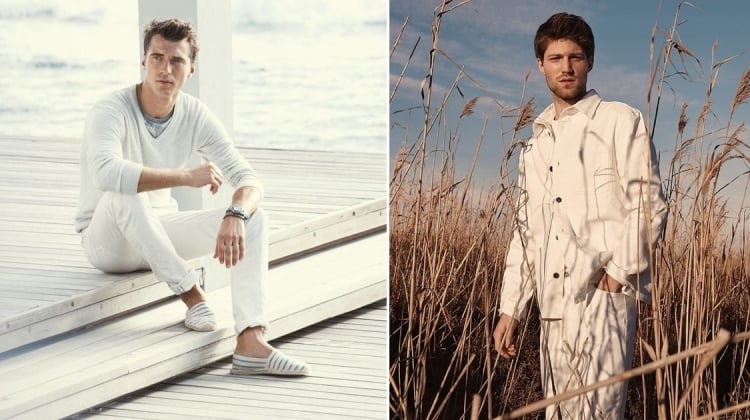
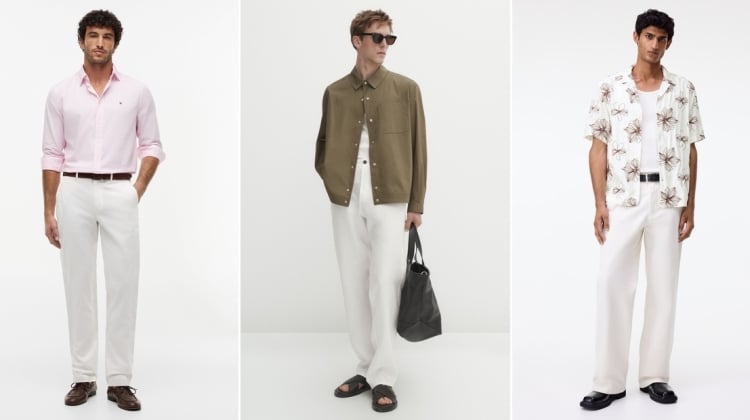
An all-white outfit has a certain confidence in winter. Cream knitwear and white denim give it depth, their different surfaces becoming more apparent within the limited palette. A jacket adds another texture and sets the outfit’s level of formality. Dry pavement is the ideal accomplice; slush introduces a less appealing shade of gray.
A Colored Cardigan

A blue cardigan can change the mood of clothes you already wear. Over a plain shirt and dark trousers, its color becomes the main event, framed by the coat when you head outside. The open front keeps the shirt involved and allows the outfit to loosen up indoors. It is a small change with a visible effect.
Winter Wardrobe Essentials
Turtlenecks & Cardigans

Options like turtlenecks give winter clothes an immediate sense of purpose. The covered neckline looks assured beneath a coat, with fine merino suited to tailoring and heavier knits at home with denim. Red makes the choice more expressive, particularly against gray or navy.

Where the turtleneck creates a continuous line, the cardigan sweater invites another layer into view. A shirt collar gives a fuzzy knit some definition, while a T-shirt makes it feel more relaxed. Button placement changes the proportions, allowing more of the shirt or trouser waist to show.
Leather Jackets, Parkas & Teddy Jackets

A leather bomber draws attention to the waist, making it an effective companion for higher-rise trousers. The smooth surface offsets a textured sweater, and the shorter hem gives the outfit a compact shape. Choosing the right jacket also means assessing its lining; leather’s visual toughness and its insulating qualities are separate matters.

A well-chosen parka suits days when the weather has a say in your plans. Its length covers more of the body, while an adjustable hood and cuffs help close the gaps. Assess the insulation and weather protection, then try it over your usual outfit. The clothes underneath should still move easily.

A teddy jacket gives casual dressing a softer edge. Its fuzzy surface looks particularly effective against straight-leg denim or smooth cotton trousers, which give the texture a clear counterpart. The high collar adds to the enveloping effect. Check wind protection alongside the appealing surface when choosing it for colder days.
Boots for the Forecast

Chelsea boots bring a clean line to winter trousers, especially when the hem falls just over the shaft. Among traditional boots, they are an adaptable choice for dry-weather dressing. Snow and persistent rain require closer attention to traction and weather protection. A handsome leather upper is one consideration; the sole decides how confidently you cross the street.
Winter Accessories
Knit Beanies

Knit beanies offer a laid-back vibe that can soften the formality of an overcoat or follow the casual lead of a puffer. Scale helps connect the two pieces. A thick cuff holds its own above heavier outerwear, while a closer-fitting cap keeps the outline compact.
Scarves

The scarf is often the easiest place to be a little more expressive. A pattern can connect a plain sweater to a coat, while an oversized knit changes the proportions around the shoulders. Its weight should suit the collar it sits inside. Once wrapped, the coat should still fasten comfortably.
Gloves

Leather gloves have an affinity with tailoring, completing the line from coat sleeve to hand. Insulated weather-resistant styles make more sense for extended time outdoors. Fit them with enough finger movement and a secure wrist, then keep them where you will remember them. Winter dressing gets considerably less elegant when your hands are buried in your pockets all day.