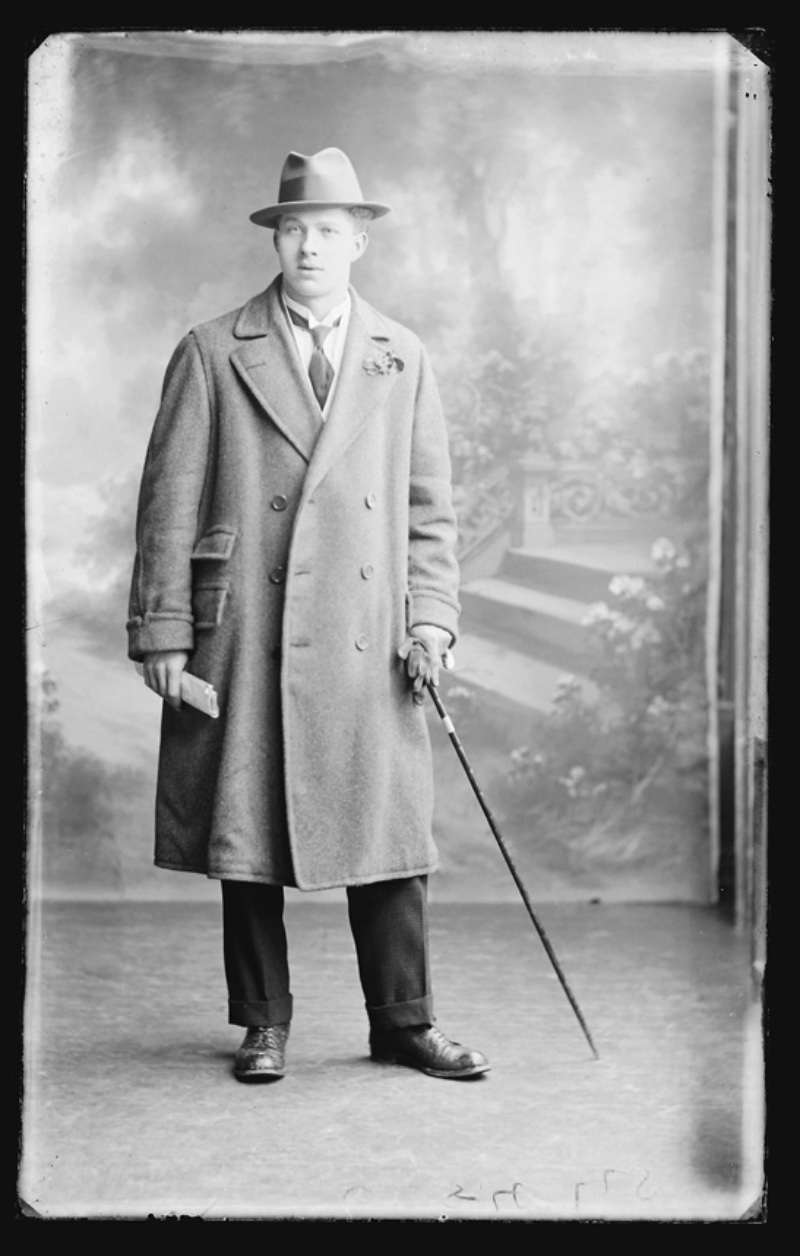

1920s men’s hats were an everyday part of men’s fashion and style, but the choice went beyond keeping out the rain. A cloth cap suited the golf course or a working day; a top hat belonged to a different set of appointments.
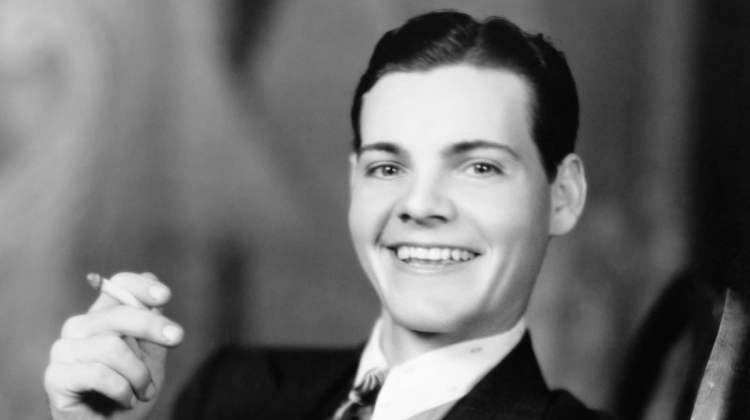
After slicking their hair back with brilliantine, men could finish their look with headwear that said something about the occasion and their place in it.
1920s Men’s Hats for All Occasions
The decade’s hats ranged from soft, packable caps to rigid formal styles. Material mattered as much as shape, with felt offering cooler-weather coverage and woven straw providing a lighter summer option.
Many remain wearable today. Understanding their differences helps distinguish an everyday accessory from something better suited to a period costume.
Flat Cap
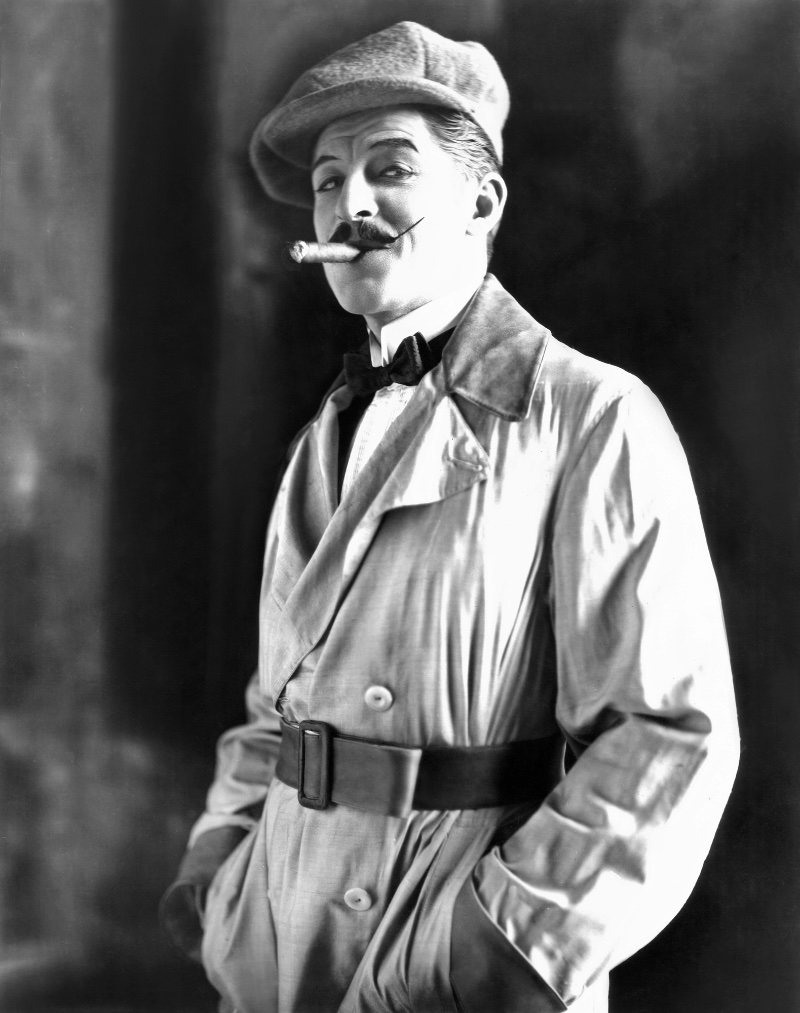

The flat cap served casual and sporting wardrobes, worn by working men as well as stylish golfers. Its low crown slopes toward a short, stiff peak.
The related newsboy cap has a rounder, fuller shape, typically constructed from eight panels meeting beneath a button. Names such as driving cap, ivy cap, and cabbie cap overlap in everyday use, but they do not all describe identical construction.
Linen and cotton offered lighter options for warm weather, while wool tweed and corduroy suited cooler days.
Top Hat
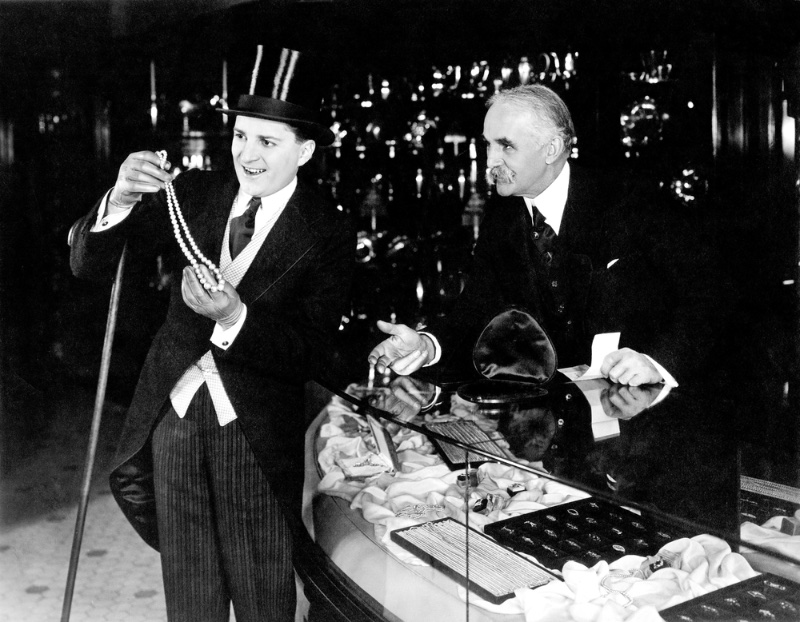
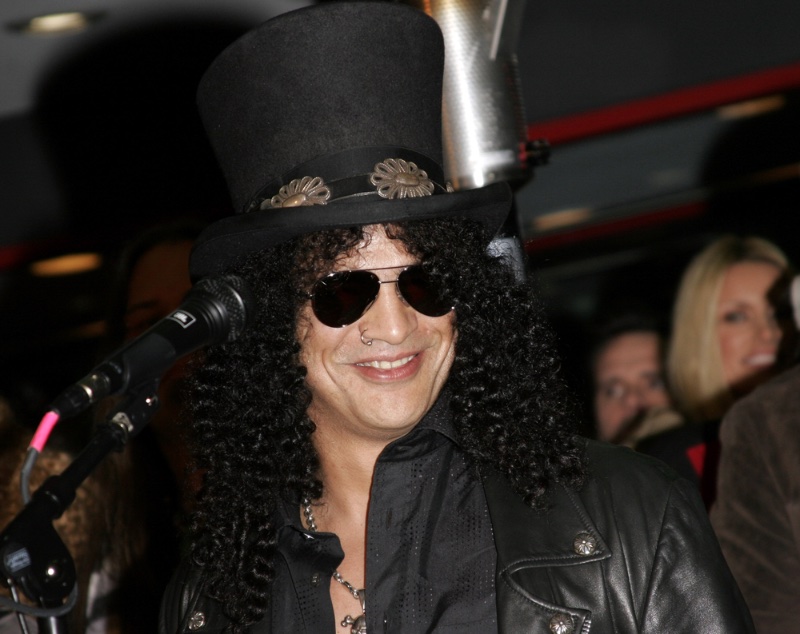
By the 1920s, the top hat was principally formal headwear, associated with morning dress and evening tails. Its tall crown made it an unmistakable marker of occasion, even as softer hats offered more practical choices for daily wear.
The contrast survives in its modern appearances. At a wedding it follows a dress code; on Slash, it becomes a signature.
Bowler Derby Hat
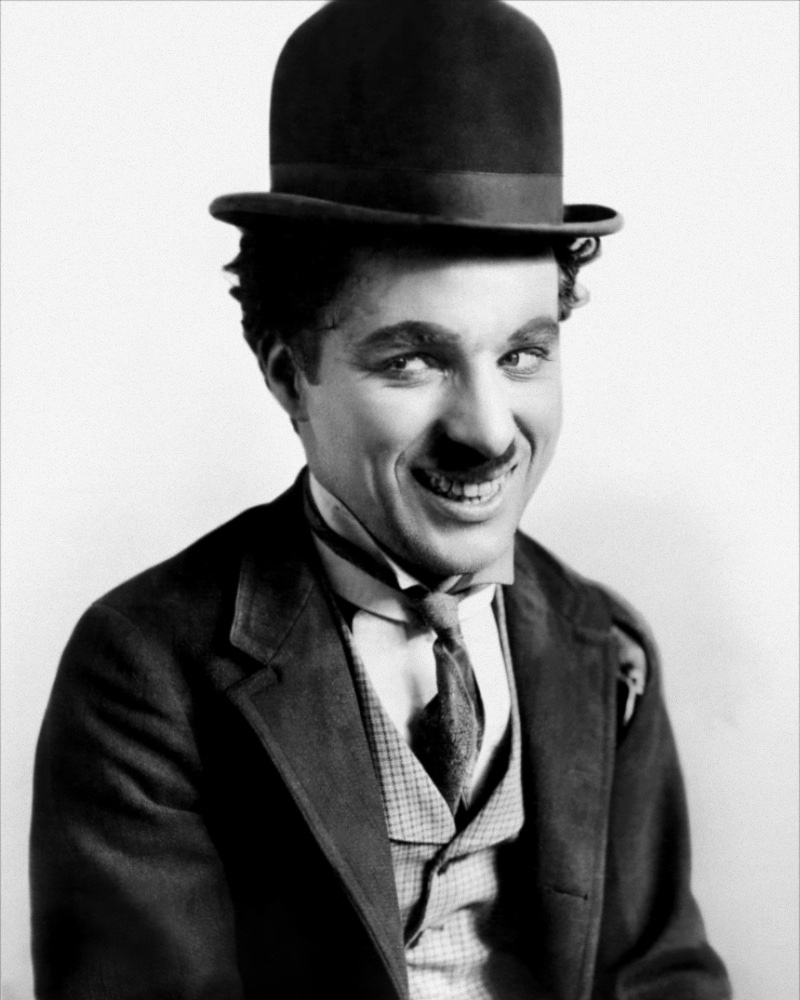
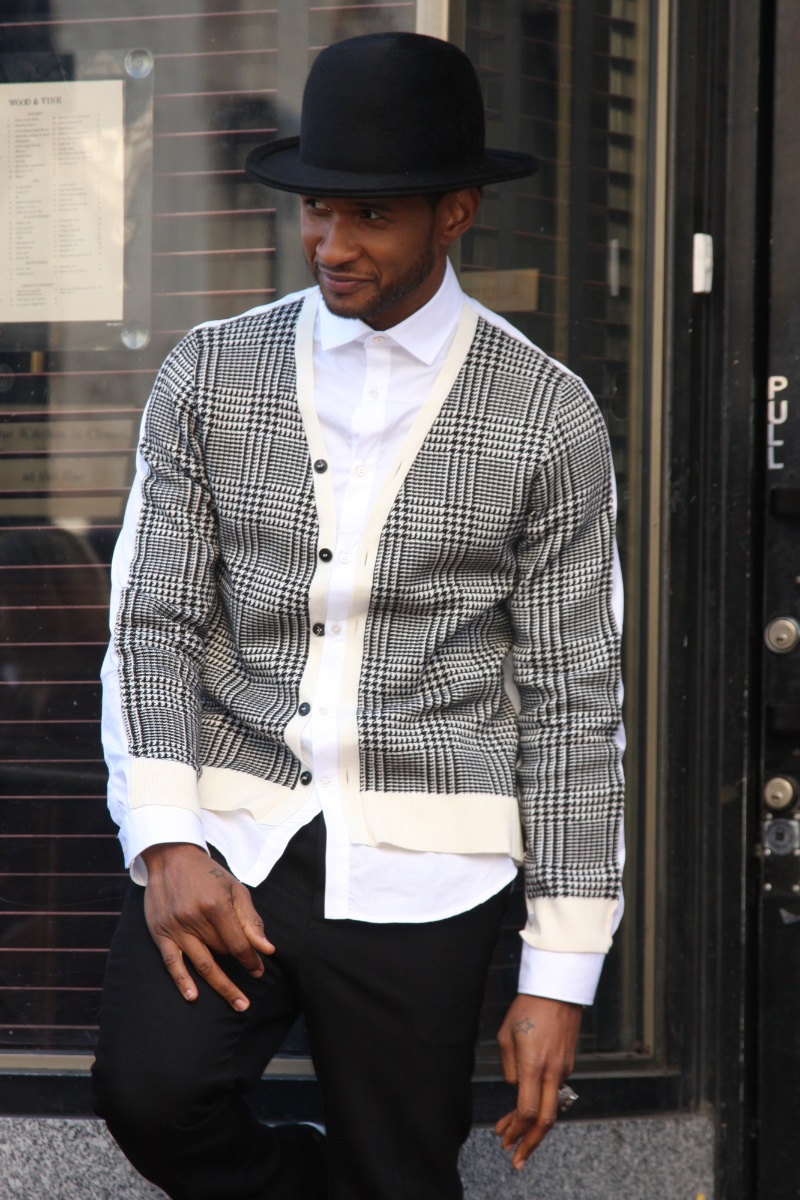
The bowler, also called a derby, is defined by its stiff felt body and rounded crown. Its origins were practical, developed to protect gamekeepers from low branches while riding, before it became part of urban dress.
A homburg is a separate style. Its crown has a central crease, while its bound brim curves upward at the edge. That indentation distinguishes it from the bowler’s smooth dome.
Straw Boater Hat
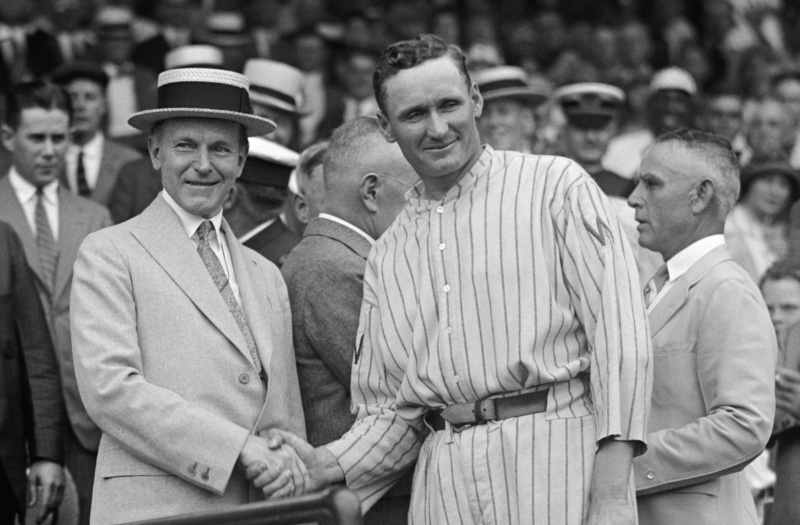
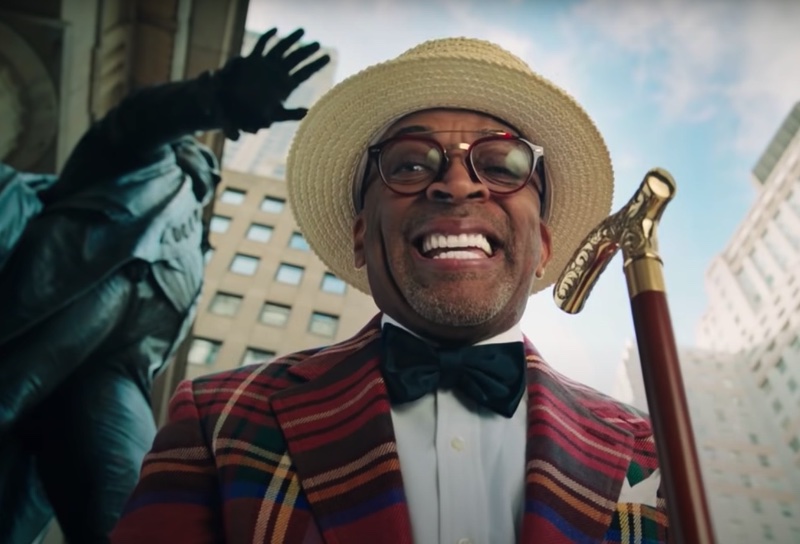
The boater, or skimmer, brought a rigid shape to summer headwear. Its flat crown and straight brim set it apart from softer straw hats, with a ribbon band providing the main decoration.
Associated with boating and warm-weather leisure, it could also accompany a suit. The photograph of Calvin Coolidge shows that straw headwear could belong to public life as readily as a day by the water.
Gambler Hat
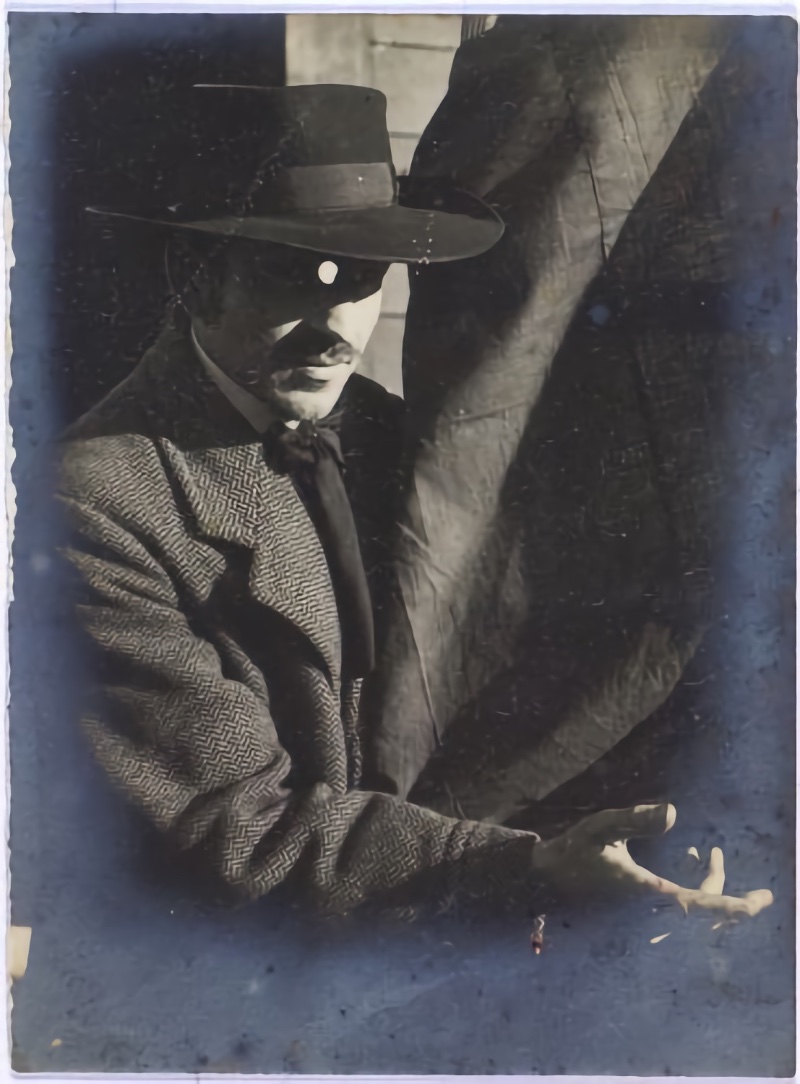
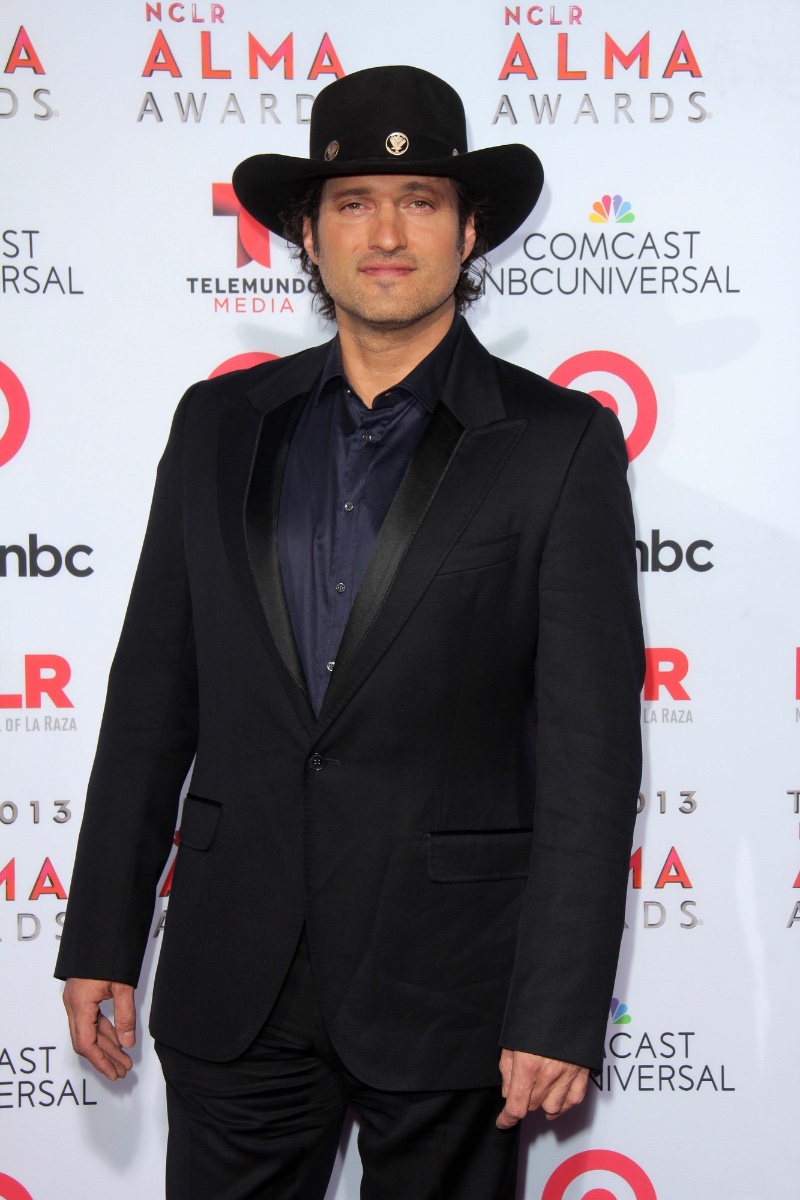
The gambler hat offers a broader-brimmed alternative to the city’s smaller felt styles. The name is commonly applied to hats with a low, rounded crown, often with a circular crease around the top.
Its silhouette overlaps with Western headwear, though hat names and shapes vary between makers. The broad brim is the useful distinction here, giving the face more shade and the overall look a wider outline.
Fedora & Trilby Hats
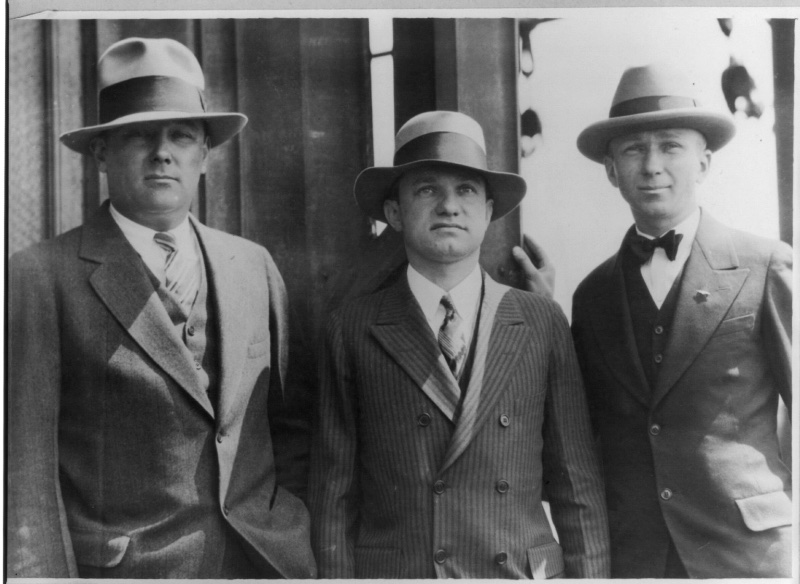

The fedora became an enduring part of men’s dress through its soft felt construction and shaped crown. Brim widths varied, as did the creases and pinches used to give each hat its outline.
The trilby belongs to the same broad family of soft felt hats. In current usage, it usually has a narrower brim, often turned down at the front and up at the back. Historical naming was less consistent, so a single brim measurement is a poor definition of every 1920s example.
Both styles could accompany tailoring, offering a softer alternative to the bowler’s rigid form.
Panama Hats
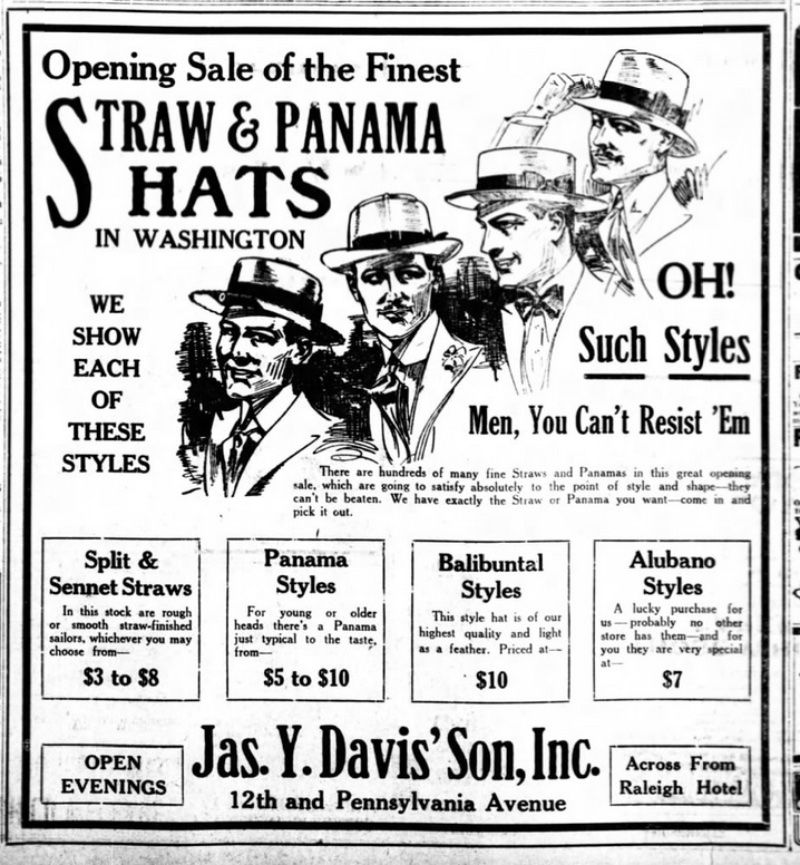

Despite their name, traditional Panama hats come from Ecuador, where artisans weave them from toquilla straw. The term describes their material and craft tradition, not one fixed crown or brim shape.
For summer dressing, a Panama offered a lighter alternative to felt. Its flexible woven construction also gave it a different character from the rigid, flat-topped boater.
1920s Hats Popularized by Peaky Blinders
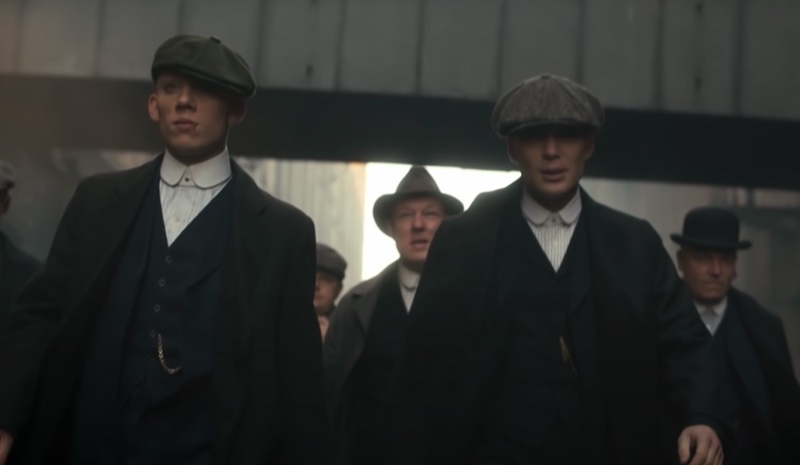
The historical crime drama Peaky Blinders gave peaked cloth caps renewed visibility through Thomas Shelby and his Birmingham gang. Worn with overcoats and tailored suits, they became central to the series’ image.
That screen association can obscure how varied the decade’s headwear was. A Shelby-style cap represents one part of the wardrobe, not a universal 1920s uniform.
1920s Hats Today

The easiest way to wear these hats today is to start with the clothes you already own. A flat cap works naturally with textured outerwear, while a Panama suits lightweight summer tailoring.
Fit and proportion matter more than assembling every period accessory. A hat should complement the outfit; it does not require a matching pocket watch.