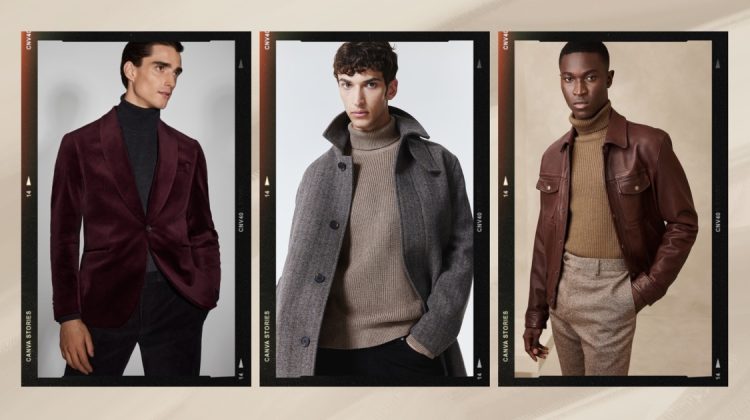
A tieless suit might seem like a faux pas to some, but it offers a more relaxed approach to tailoring. Although the traditional suit and tie ensemble has long been a staple in men’s fashion, changing dress codes have made room for alternatives. The question is less whether to ditch the tie than how to make the rest of the outfit work.
The Timeless Suit & Tie
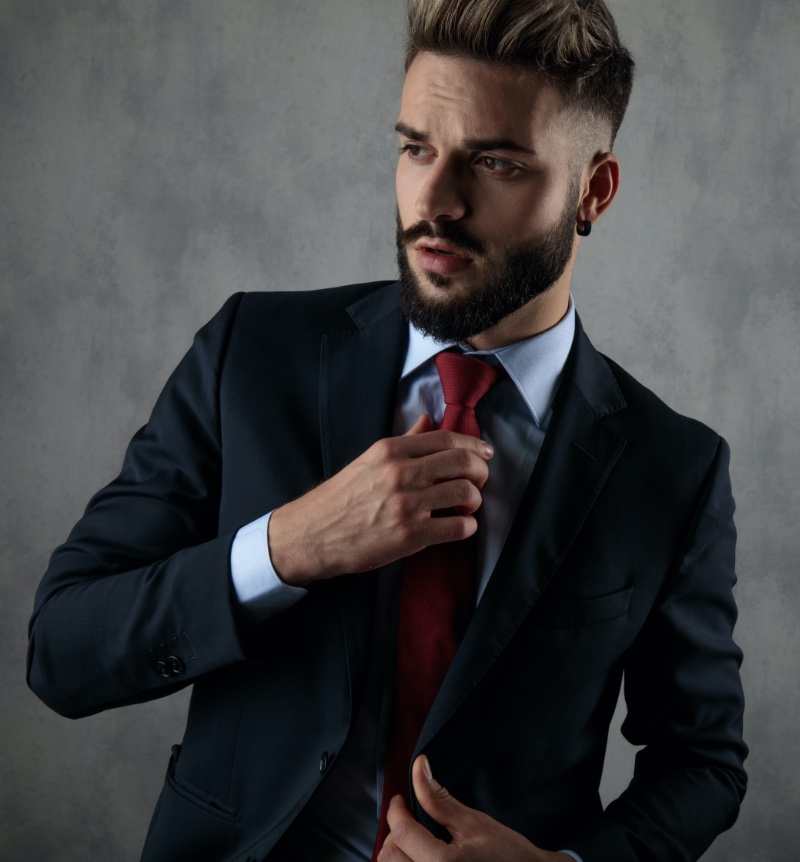
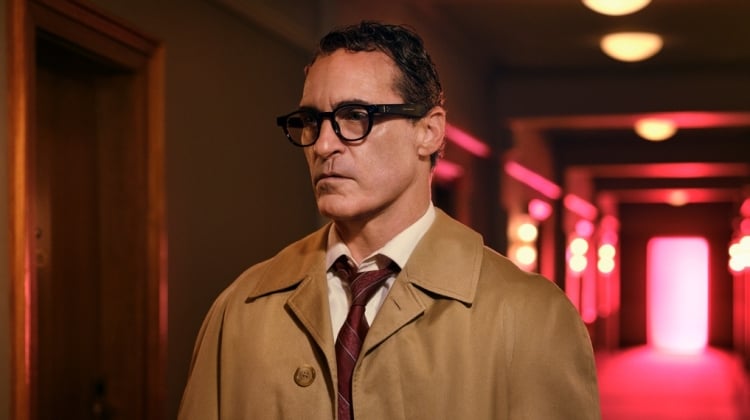
The suit and tie traditionally complement each other. In an article for The Spectator, Jonathan Miller explored this relationship, emphasizing how the tie offers a chance for self-expression within the constraints of formal wear.
Miller referenced sociologist Mathieu Bock-Côté, who once abstained from ties but grew to value their contribution to masculine style. Through color and pattern, the tie gives an understated suit a focal point.
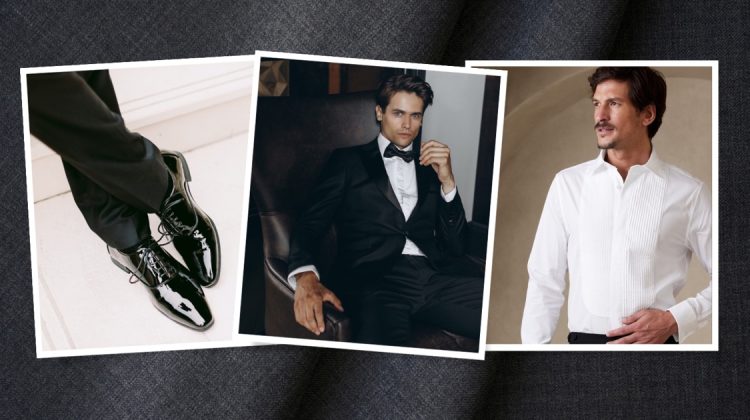
Going tieless changes that balance. The shirt collar and neckline become more noticeable, giving traditional tailoring a more relaxed character.
The Tieless Suit’s Modern Attitude
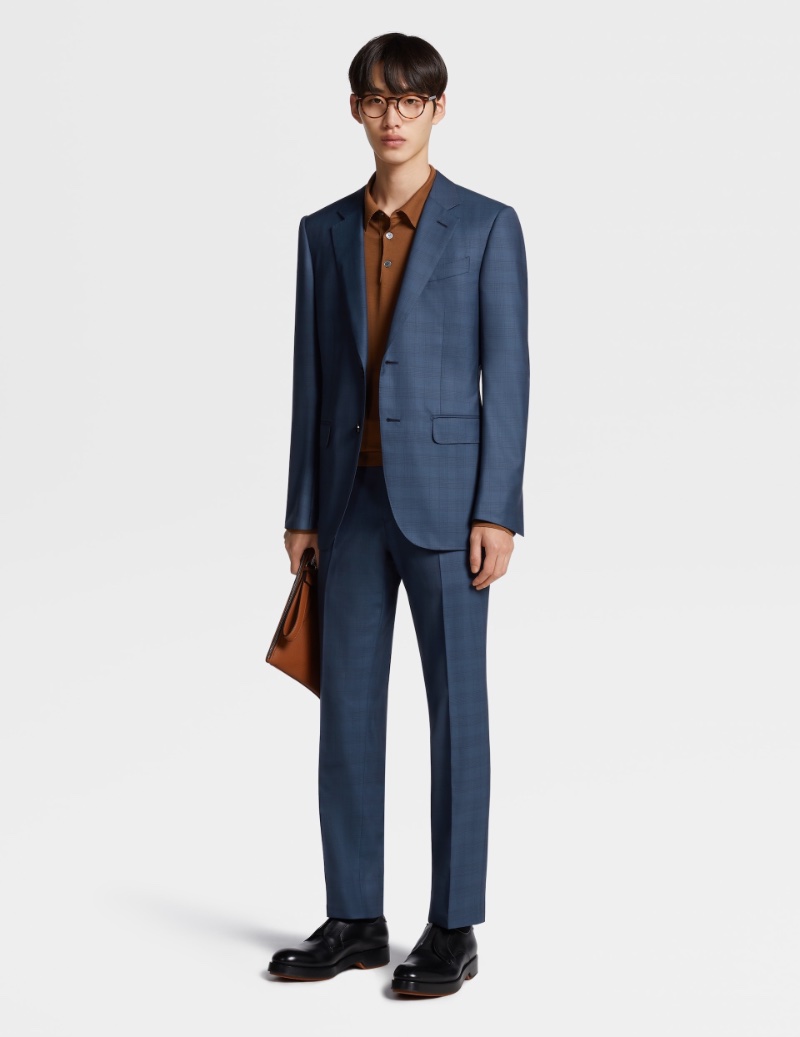
Ermenegildo Zegna offered a candid perspective on the decline of the tie. In a discussion about the suit’s place in modern fashion, reported by Emily Hawkins for City A.M., he declared, “Let me be clear—the suit is not dead. But the tie is!” His distinction leaves room for tailoring even as men reconsider what belongs beneath it.
Zegna’s stance reflects changing expectations in professional settings where a more relaxed dress code prevails. At the Financial Times’ Business of Luxury Summit, he described knitwear as the “new tie,” suggesting another way to dress a suit for daily life.
Changing Attire Choices
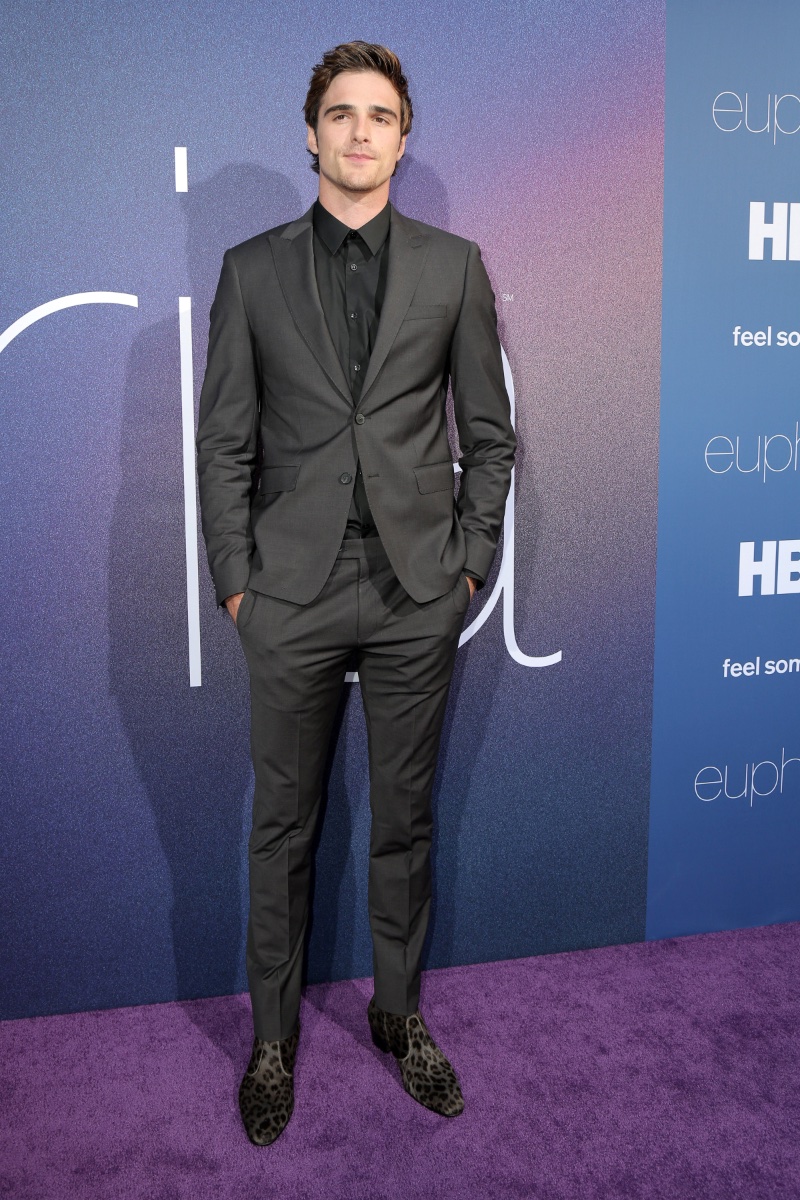
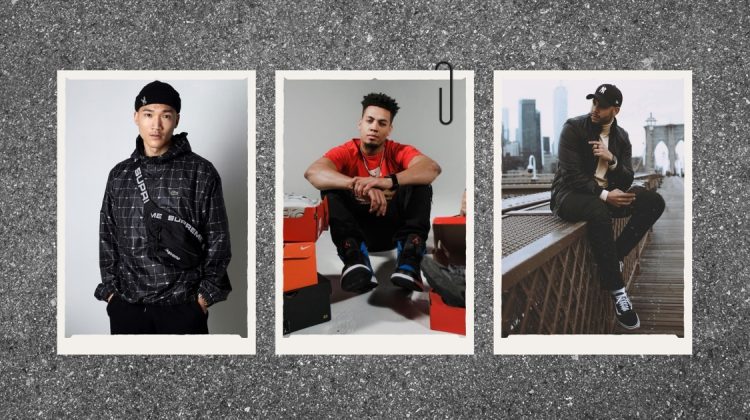
The shift toward relaxed attire became particularly visible in the post-pandemic era. An open-neck shirt offers one modest adjustment to the business suit, while sneakers take it further. Zegna also discussed colorful sneakers as a popular addition to suits.
These choices allow men to keep the structure of tailoring while changing its mood. The result depends on the clothes themselves. An open dress shirt stays closer to business attire than a knit polo or T-shirt.
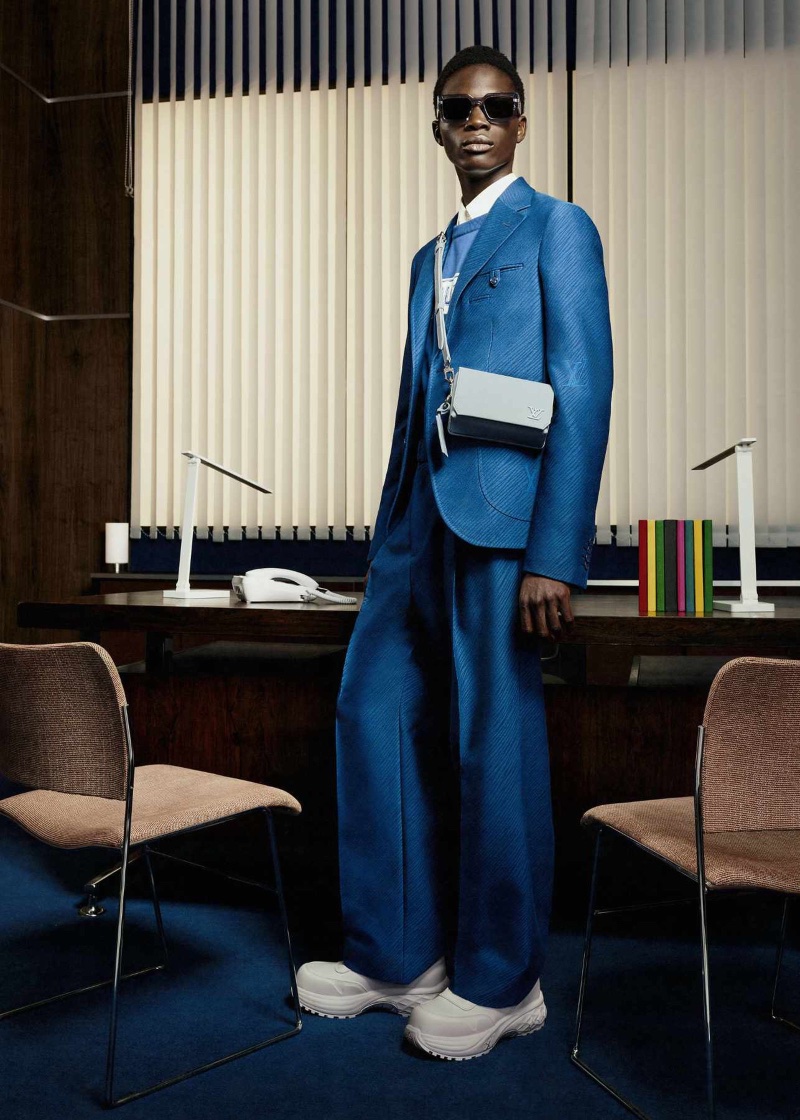
Louis Vuitton’s pre-fall 2024 collection takes the idea further through broader tailoring and chunky sneakers. Here, the silhouette changes along with the footwear.
For everyday wear, that distinction is useful. Removing the tie does not automatically make a suit casual, just as adding sneakers does not make every suit work for leisure. The essence of formal wear remains in the cut and the way its components work together.
Wearing a Tieless Suit
Accessorizing with Flair
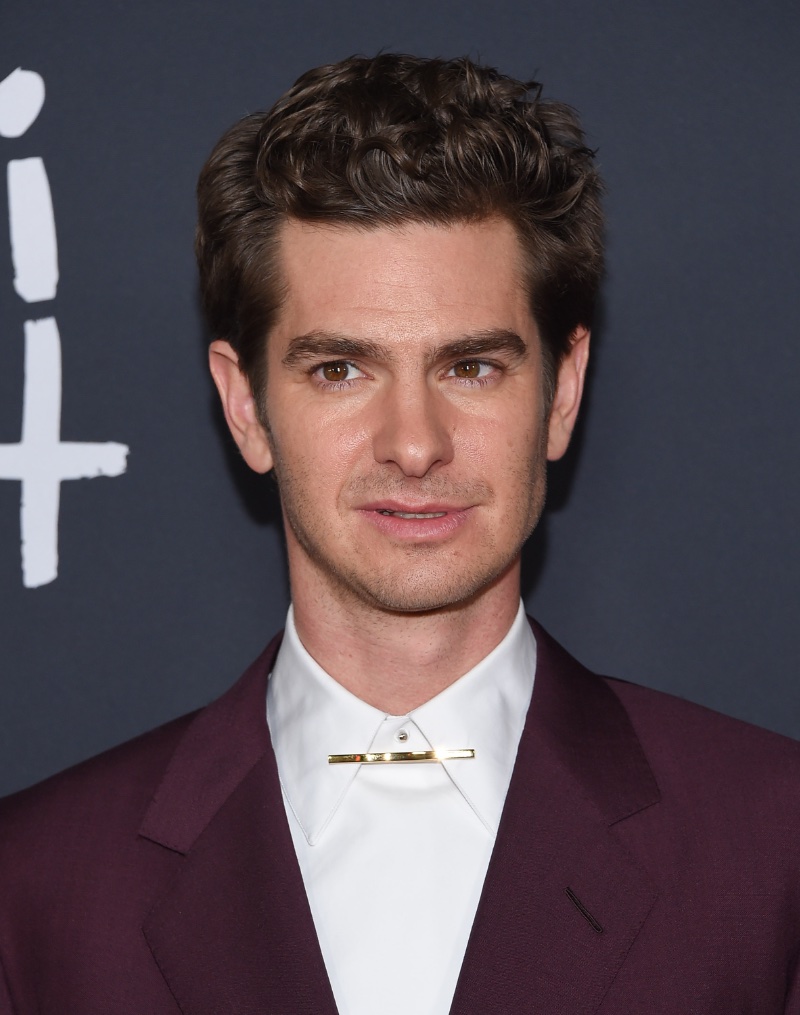
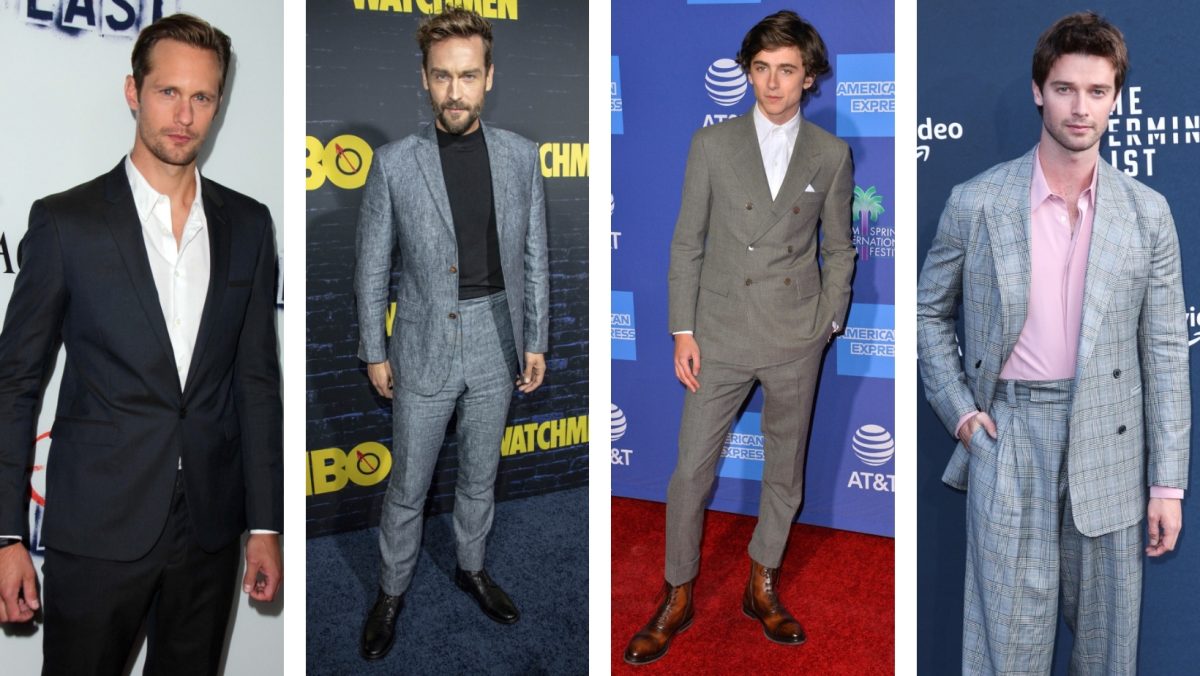
When the tie is omitted, other accessories become more noticeable. A pocket square can introduce color, while a collar bar, as worn by Andrew Garfield, draws attention to the neckline itself.
Necklaces offer another option, especially with an open shirt. Choose an accessory that suits the outfit instead of treating the missing tie as a space that must be filled.
Getting the Fit & Neckline Right
A suit’s “drop” commonly refers to the difference between its nominal jacket chest size and trouser waist size. It is a sizing guide, not a measure of how far to unbutton a shirt.
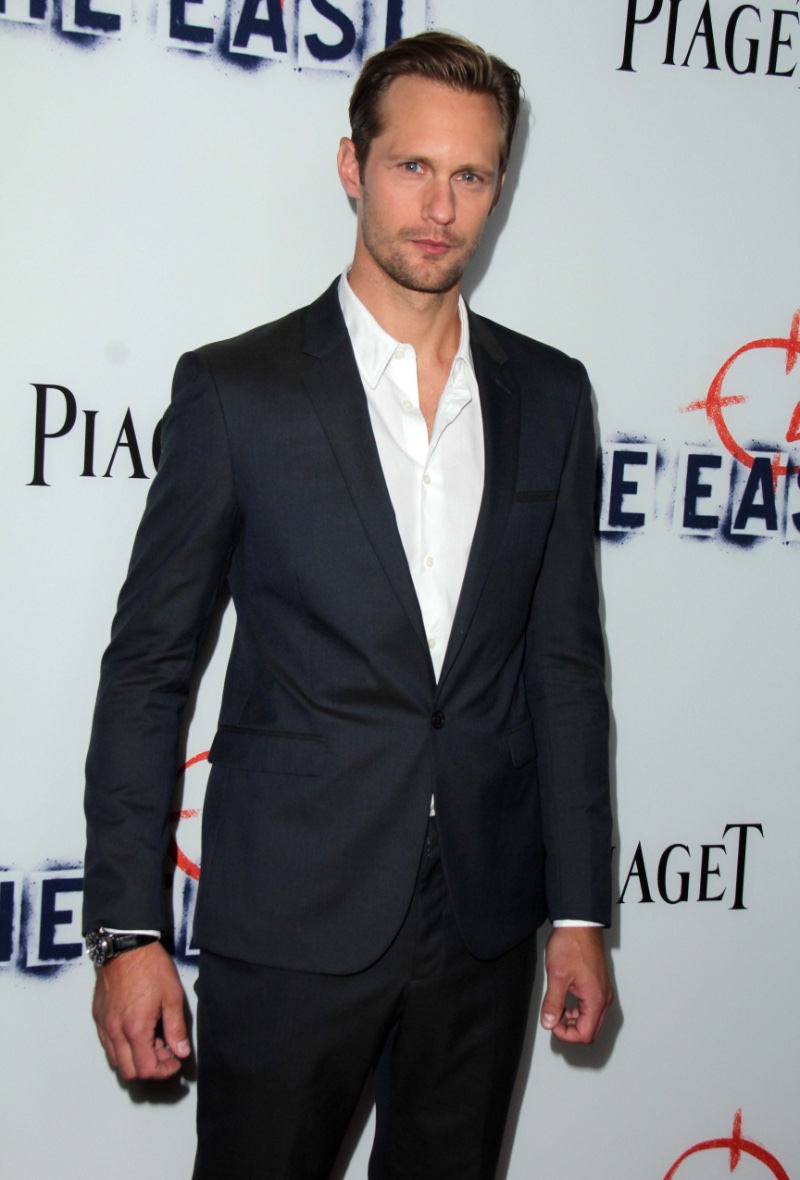
For a relaxed neckline, start by undoing the top button. A second can work depending on the shirt and occasion, as Alexander Skarsgård’s open-neck look demonstrates. Keep the collar sitting securely beneath the lapels so the opening looks deliberate.
Exploring Pattern
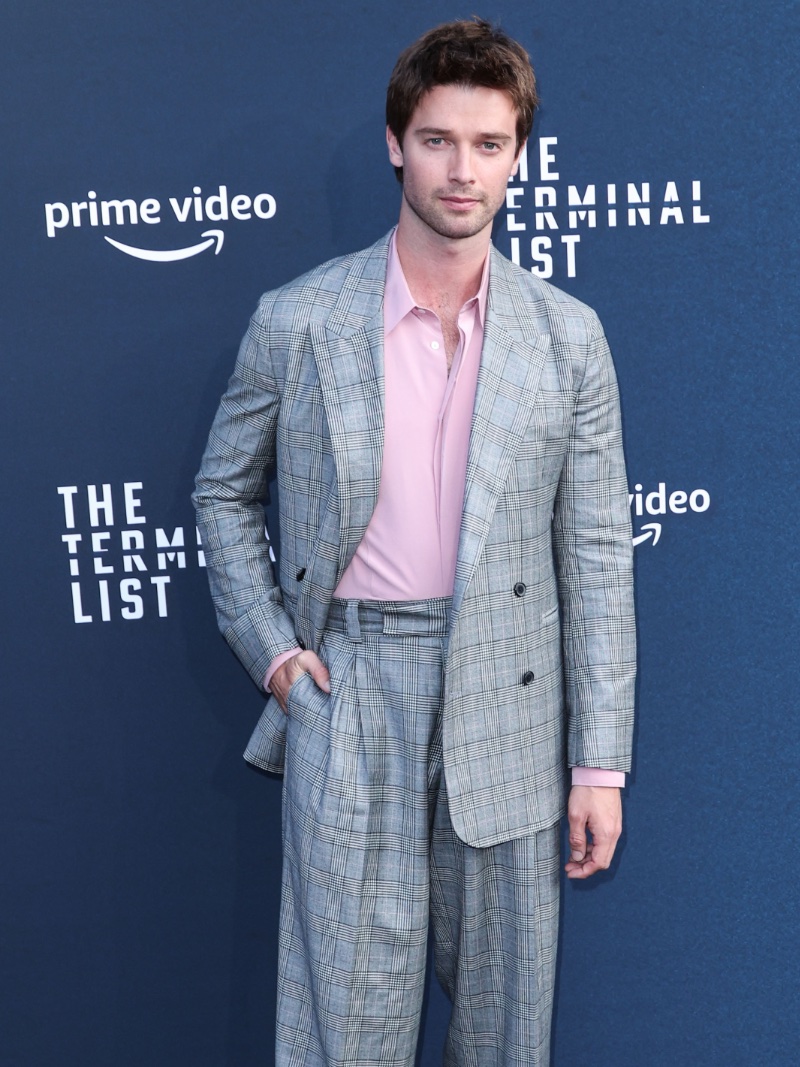
Bolder patterns can give a tieless suit more character. Pronounced pinstripes or windowpane checks bring visual interest that a tie might otherwise supply.
A plain shirt keeps the combination manageable. Patrick Schwarzenegger’s checked double-breasted suit and pink shirt show how color can contribute even when the shirt itself has no pattern.
Buttoning Up with the Air Tie
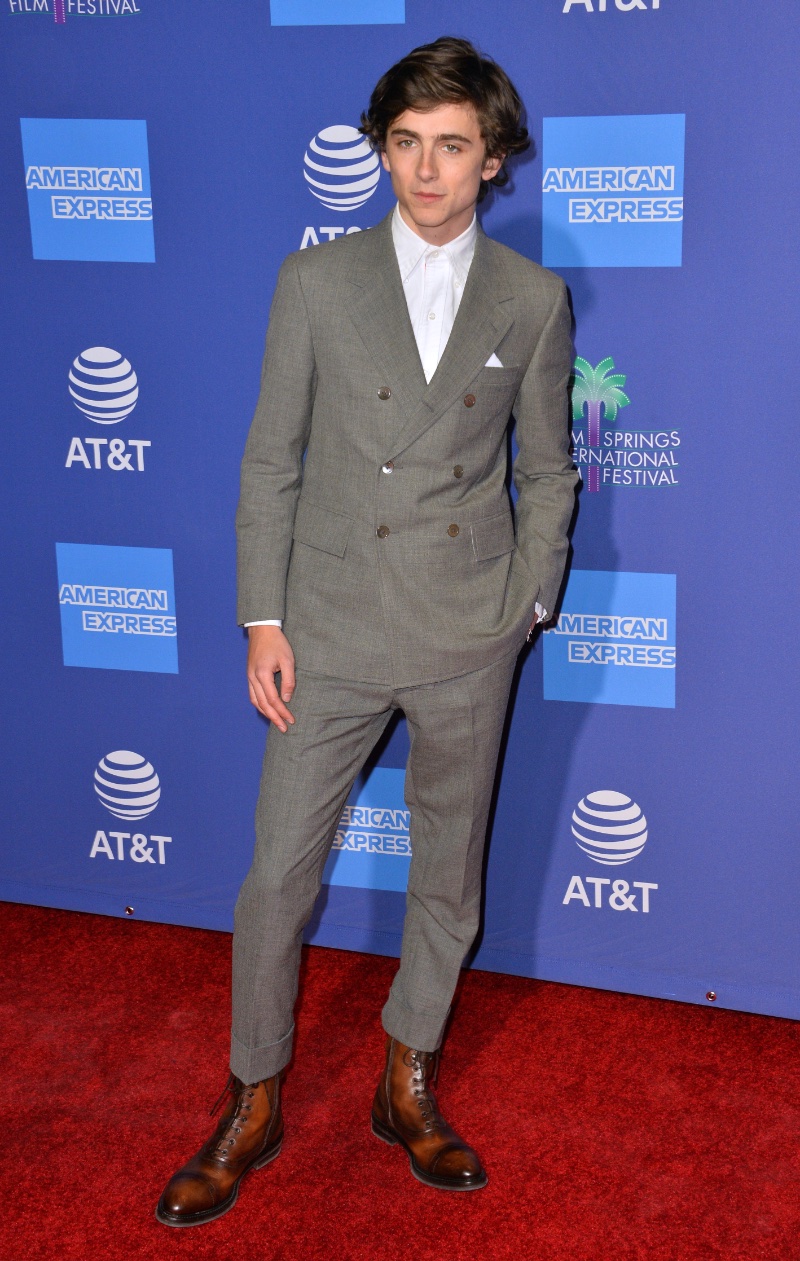
The “air tie” offers a different approach. Fasten the shirt completely and leave the neck bare, as Timothée Chalamet does with his double-breasted suit.
The closed collar gives the outfit a more graphic line. A slim fit is optional; what matters is that the shirt fits comfortably at the neck and its collar holds its shape.
Understanding the Occasion
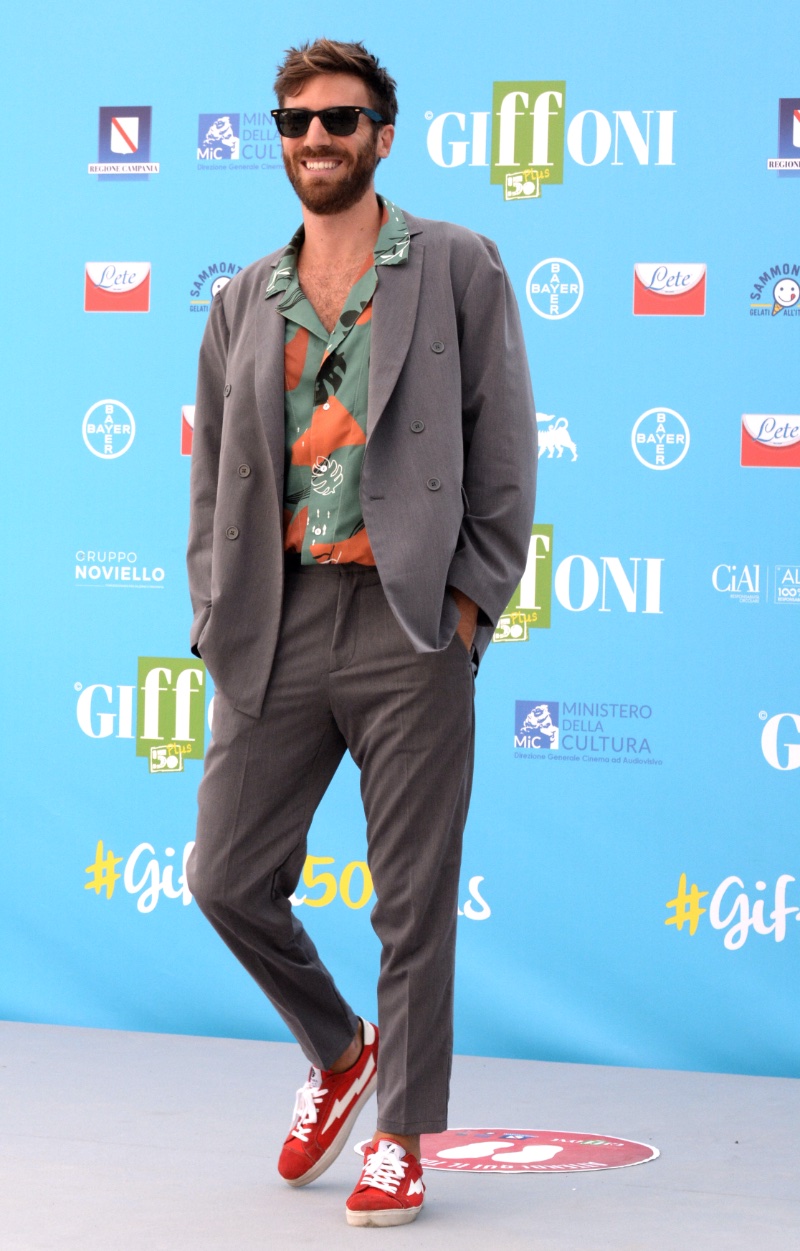
Not every occasion suits a tieless ensemble. A formal gathering may call for a conventional suit and tie, while a relaxed office or some beach weddings allow more flexibility. Check the stated dress code before assuming the setting makes a tie optional.
Nicolò De Devitiis’s Cuban-collared shirt and red sneakers place his suit firmly in leisure territory. It is a more casual proposition than simply opening the collar of a dress shirt.
Making the Tieless Suit Work
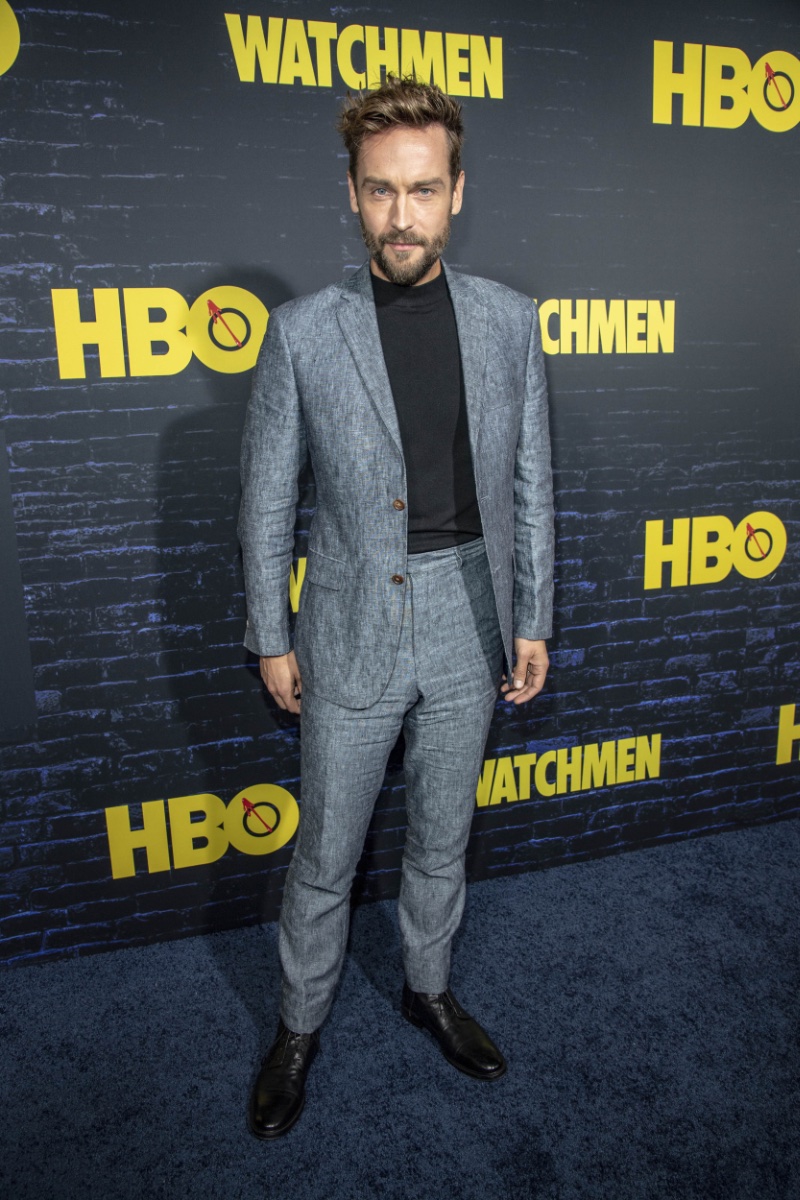
Tom Mison’s linen suit and mock-neck sweater demonstrate another possibility. Knitwear replaces the shirt, changing both the texture and the line beneath the jacket.
From colorful sneakers to the buttoned-up air tie, the options offer different degrees of formality. Choose according to the suit and the occasion. The tie remains useful, but it no longer has to be the starting point for every tailored outfit.