Semi-formal attire for men puts the suit back in a social setting. The navy two-piece that handles Monday’s meetings can dress for a wedding on Saturday, though the shirt and tie may deserve a change. Among men’s fashion codes, semi-formal rewards that type of judgment. The clothes should acknowledge the invitation and still feel like yours.
Semi-Formal Attire for Men

Start with a matching suit and a dress shirt, then add a tie and leather dress shoes. Navy and charcoal cover most invitations; lighter tailoring comes into its own at daytime celebrations. A suit can feel businesslike or celebratory depending on what surrounds it. A floral tie, for instance, gives the office regular a weekend engagement.
What the Dress Code Means

On contemporary invitations, semi-formal generally means a suit-based outfit. Emily Post recommends a dark suit and tie with leather dress shoes, with greater formality for evening events. That gives you a reliable starting point. The host’s instructions tell you how far you can take it.
There is plenty of overlap with cocktail parties, where an interesting fabric or patterned tie often feels at home. Black tie events move into tuxedo territory. Dressy casual allows a more relaxed approach to separates, while business casual takes its cues from work. Semi-formal sits firmly on the dressed-up side of that conversation, with a jacket very much part of the outfit.
Suits, Separates & Fit


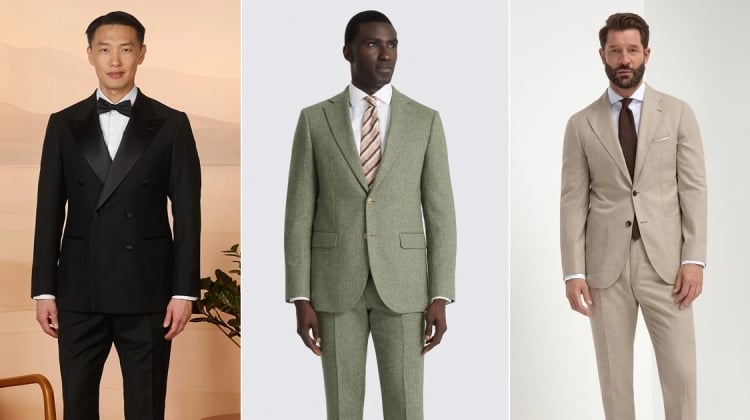
A tailored suit has the advantage of looking complete from the start. Matching cloth connects the jacket and trousers, leaving you to decide what mood to give them. Single-breasted tailoring is an adaptable choice; a double-breasted jacket puts more emphasis on the chest and lapels. A white shirt and a restrained tie let those proportions speak.
The fit should serve you through the whole event. Shoulders follow your own, lapels lie flat, and the jacket closes smoothly at the waist. Trousers should sit securely and meet the shoes cleanly. Sit down during the fitting, too. A suit that looks handsome in the mirror still has dinner to get through.
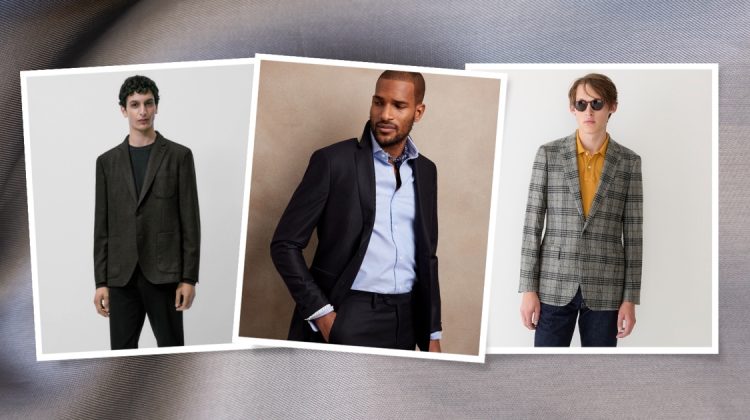
A tailored sports coat and wool trousers can work when the host welcomes separates. Give the two pieces enough contrast to look chosen together: a navy jacket with gray trousers is a dependable example. A sports coat with chinos belongs to a more casual interpretation that the invitation should make clear. When shopping for men’s suits, think about your actual calendar. The suit worth buying is the one you’ll look forward to wearing again.
Shirts, Ties & Small Details
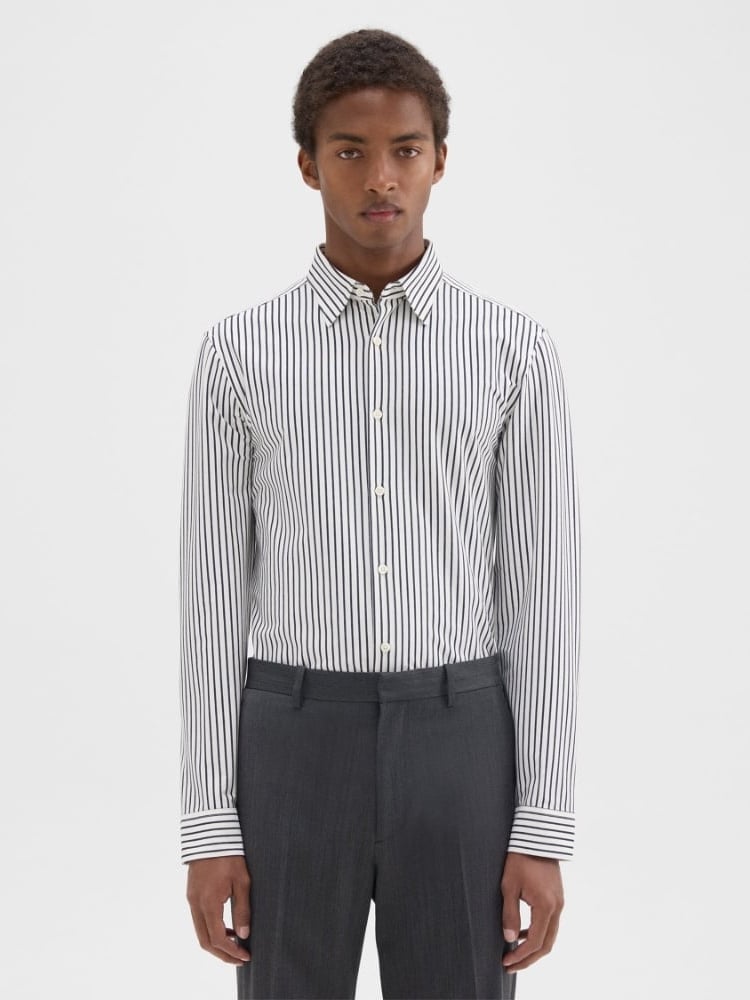
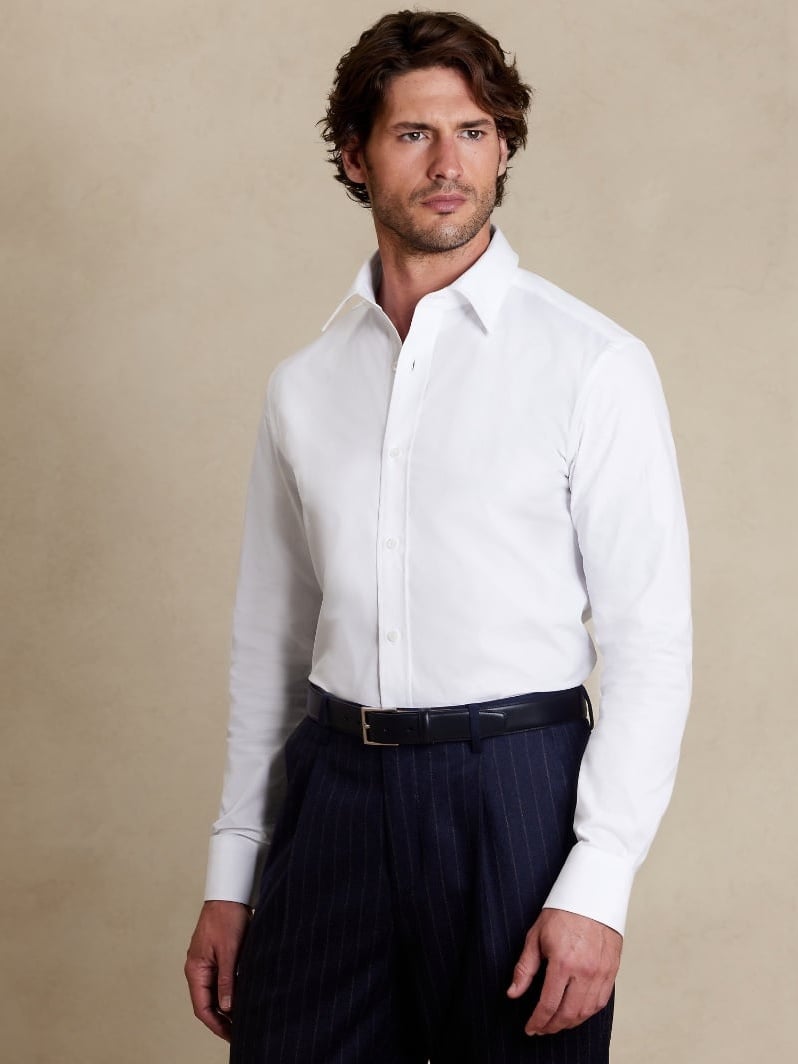
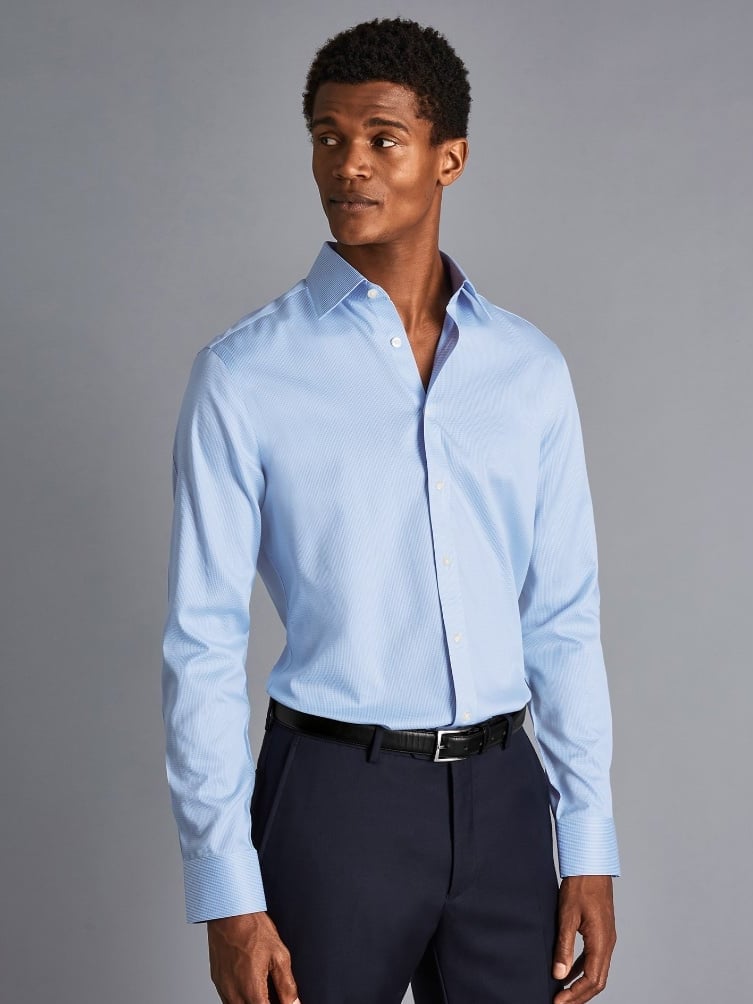
A white or light blue dress shirt is useful precisely because it lets the rest of the outfit develop around it. Fine stripes add another layer of pattern, especially under plain tailoring. The style of a dress shirt matters most around the face. Choose a collar that sits comfortably inside the jacket and holds the tie knot in proportion.
Button cuffs handle most invitations. French cuffs bring a little more ceremony to getting dressed and give cufflinks something to do. Either way, a sliver of shirt cuff should show beneath the jacket sleeve. It is a small detail that helps the clothes look as though they belong to the same outfit.
The necktie is often where a suit’s personality emerges. A small floral print feels celebratory; a textured solid takes a quieter approach. Keep its width in conversation with the lapels. A pocket square can pick up a color from the shirt or tie while introducing a different pattern. The result feels more personal than a matching set. Choose a leather belt that works with the shoes, or let side-adjuster trousers keep the waistline simple.
Shoes That Finish the Outfit
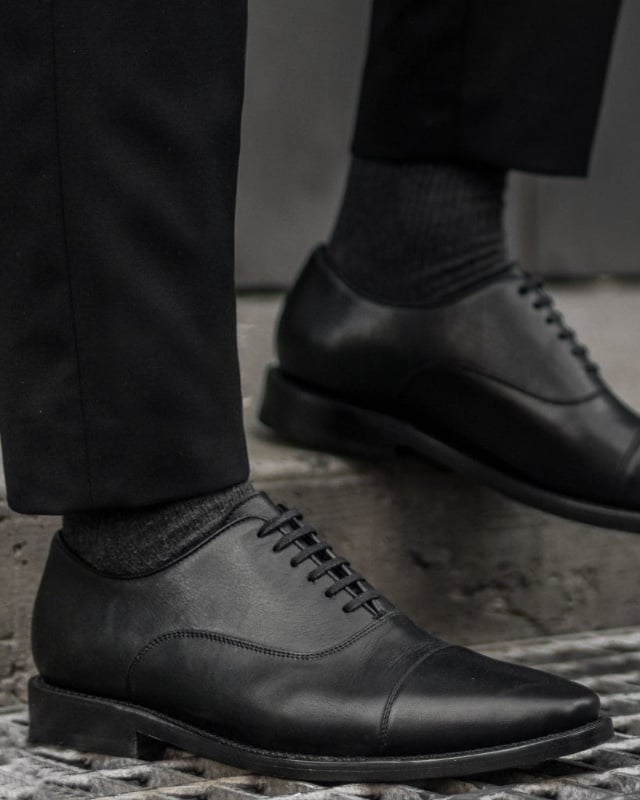
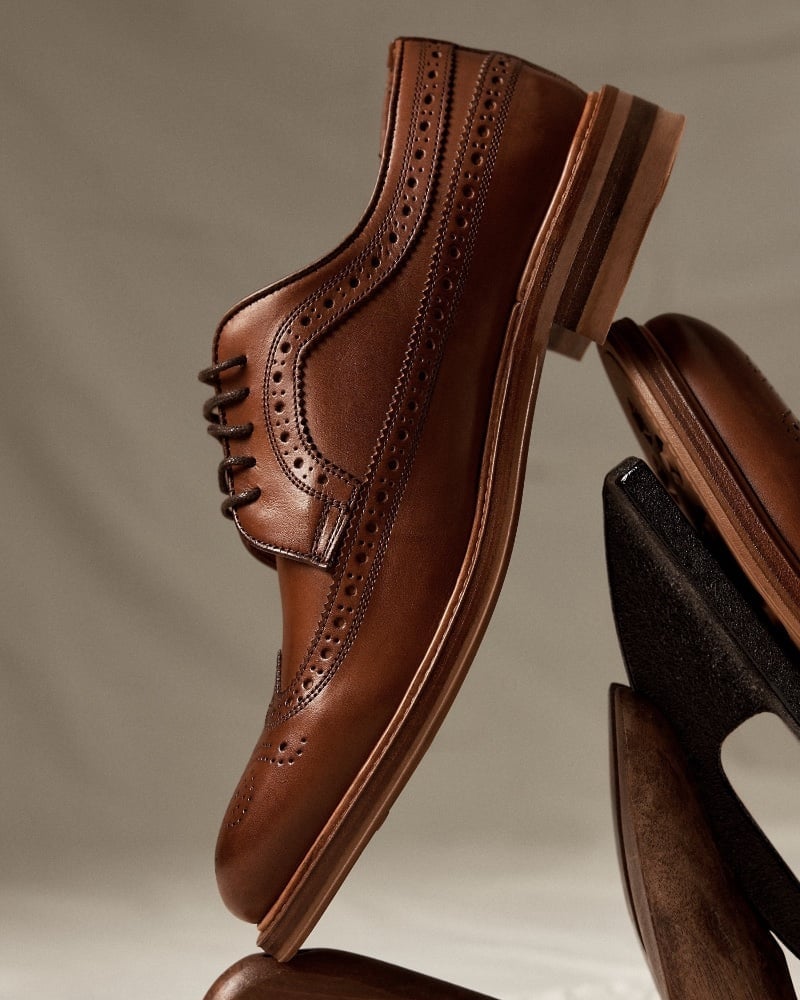
Black leather Oxfords give dark tailoring a firm, dressy finish, particularly after sunset. Dark brown leather works naturally with navy and most gray suits. When choosing semi-formal shoes, look at the shape as well as the label. A fine-soled loafer with an elongated toe has a different relationship to tailoring than a chunky weekend version.
Brogue describes the decorative perforations, which can appear on several shoe styles. More detailing generally gives the shoe a more casual character. Clean leather and well-kept soles matter whatever you choose. Socks close to the trouser color keep the line continuous when you sit; the tie can handle the introductions.
Daytime & Summer Events

Lighter tailoring looks particularly at home in daylight. A light grey suit can take you through an afternoon wedding and plenty of summer invitations afterward. Here, a fine check and floral tie give the outfit some sociability. The patterns differ in scale, so each remains clear, while brown loafers keep the overall effect relaxed.
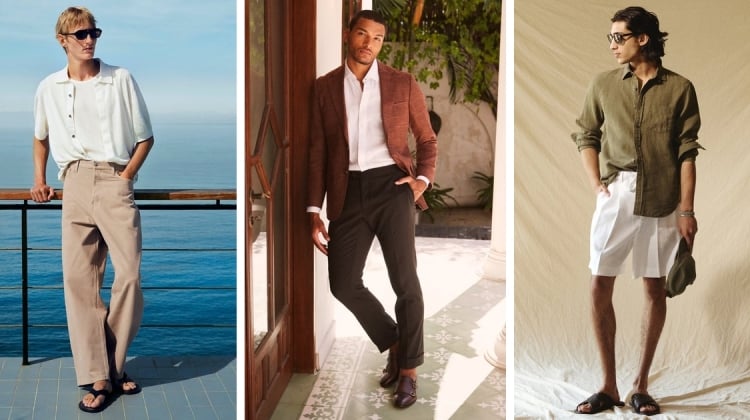
Fabric makes the difference once the temperature rises. Lightweight wool and wool-linen blends offer alternatives to heavier cloth; linen develops the creases that are part of its character. Leather penny loafers can suit a relaxed daytime celebration when the invitation permits them. Lace-ups take the same suit in a dressier direction. You can dress for the heat and still look dressed for the event.
Evening Events
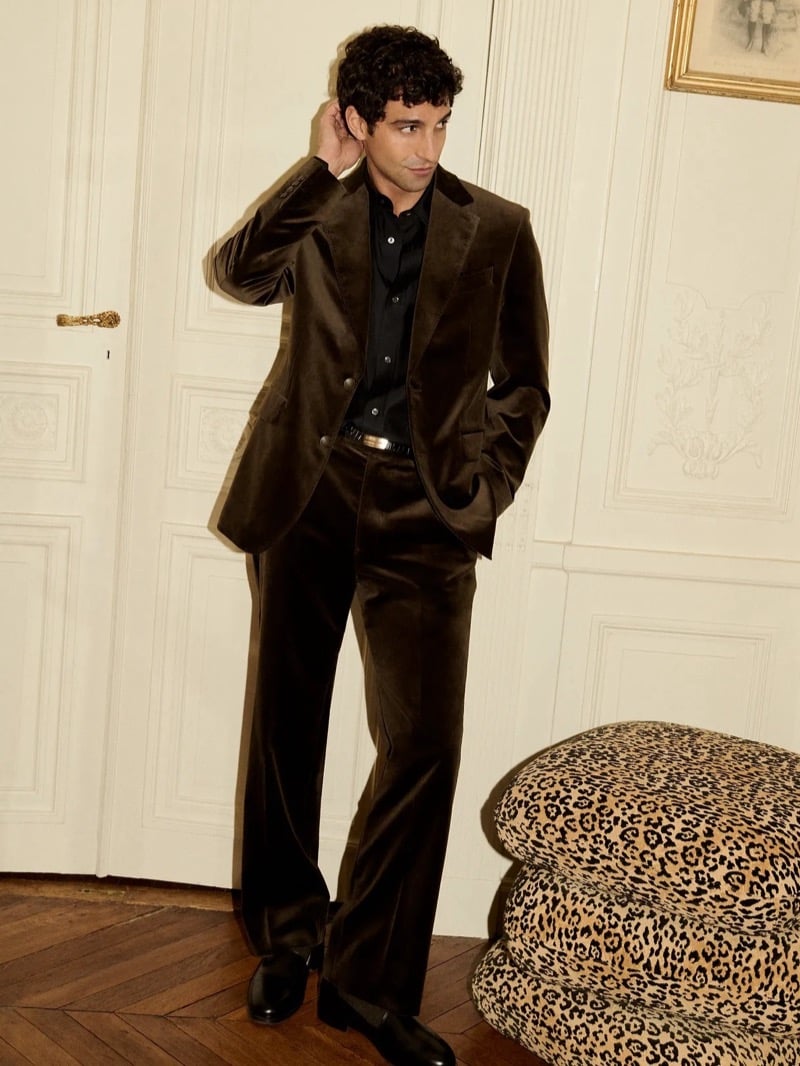
Evening gives a dark suit a different atmosphere. Navy or charcoal with a white shirt and dark silk tie looks at home over dinner, especially with black leather shoes. A restrained pattern in the tie can keep the combination from feeling like a return to the office. For social parties, texture offers another route.
Brown velvet and a black shirt bring a little seventies feeling to the evening. The fabric catches the light, giving a simple suit shape more depth, while the dark shirt keeps the effect concentrated. This is a possibility for a festive dinner or party where the host welcomes an expressive outfit. Smaller changes can work just as well: rich hues in fall might arrive through a burgundy tie or a deep green pocket square.
When an Open Collar Works
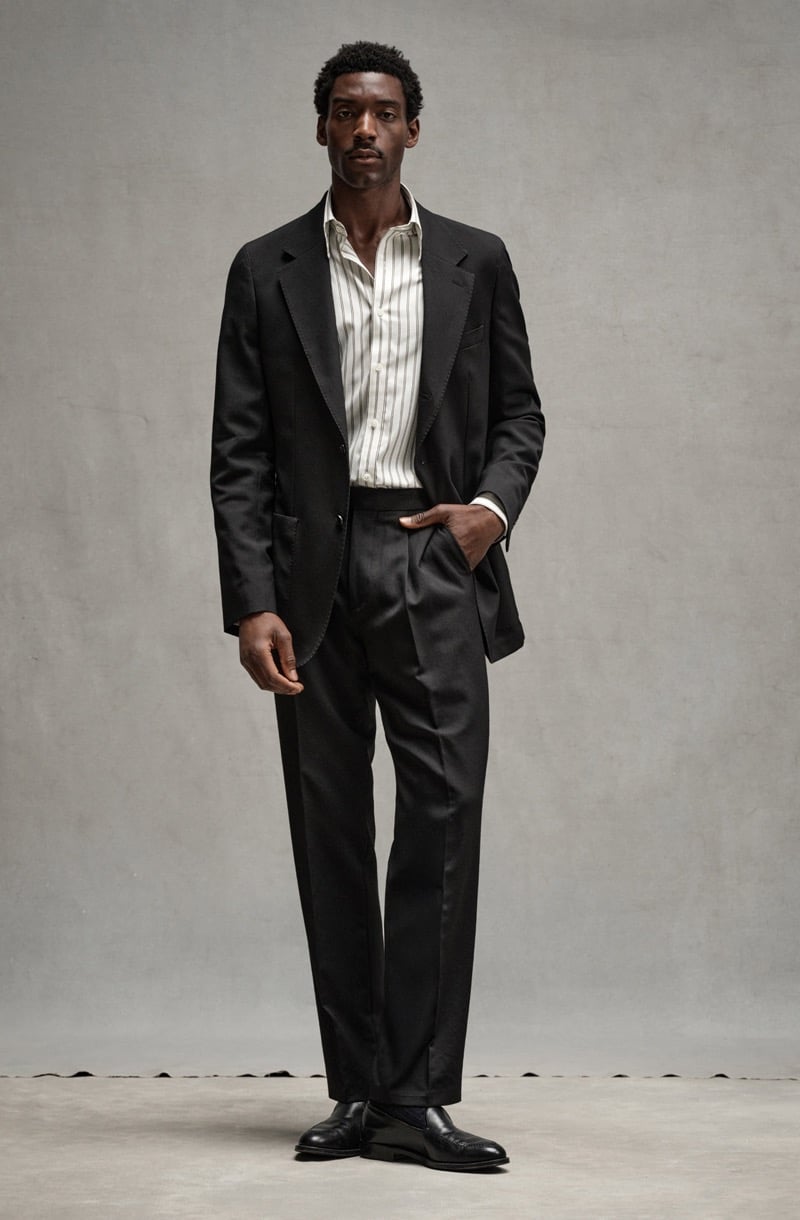
An open collar changes the mood of a suit immediately. It works best when that relaxed attitude matches the host’s expectations. Keep the matching tailoring and dress shoes, then choose a shirt whose collar sits securely beneath the lapels. The striped shirt shown here adds interest across the chest, while the dark suit gives the combination its shape.
For an unspecified semi-formal invitation, arrive in a tie and take your cue from the setting. If an open collar is welcome, keep the shirt tucked and the collar arranged. The appeal is in looking comfortable with the choice, as though the outfit began that way.
Semi-Formal Wedding Attire

At a wedding, the couple’s plans take priority over your preferred interpretation of the dress code. A dark suit and tie suit an evening reception; lighter tailoring may feel right for an afternoon celebration. The beige jacket here offers a daytime color reference, with separates dependent on the couple’s guidance. A navy suit can be equally appropriate in daylight, particularly with a lighter shirt and a celebratory tie.
When dressing for beach weddings, establish whether you’ll be standing on sand or dining at a venue overlooking it. That detail can change your footwear plans considerably. Let the stated dress code guide the outfit, then ask about any practical uncertainties ahead of time. Once you’re there, the clothes should let you get on with being a guest.