Black tie can be a relief. The invitation arrives, the tuxedo comes out, and most of the decisions have already been made. "Smart casual" asks more of a man and tells him considerably less. Dress codes sit somewhere between social courtesy and wardrobe shorthand, explaining what an occasion expects while leaving varying amounts to personal taste. Learning the language helps you enjoy the clothes instead of spending the evening wondering about them.
Dress Code Types for Men
Men's dress codes run from everyday casual to white tie, though office clothes and evening wear follow different paths. A navy suit might take you through a client meeting and a wedding reception; the shirt and tie help explain which one you have dressed for. Other labels, including beach formal and festive, tell you about the setting or spirit of the occasion. The table gives the essentials, with the finer distinctions below.
| Dress code | What to wear | Jacket & tie | Footwear |
|---|---|---|---|
| Casual | Jeans or chinos with a T-shirt, polo or casual shirt | Usually optional | Sneakers, boots or loafers |
| Dressy casual | Trousers or chinos with a collared shirt | Blazer useful; tie usually optional | Loafers or leather lace-ups |
| Smart casual | Tailored separates, knitwear or a collared shirt | Depends on the venue | Loafers, boots or restrained sneakers |
| Business casual | Chinos or dress trousers with an office-appropriate shirt or knit | Jacket varies; tie usually optional | Loafers or leather lace-ups |
| Business formal | Matching dark suit and dress shirt | Suit jacket and tie | Leather dress shoes |
| Semi-formal | Suit and dress shirt, adjusted for time and season | Suit jacket; tie a safe choice | Leather dress shoes |
| Cocktail | Suit with more expressive evening accessories | Jacket expected; tie depends on host | Dress shoes or dress loafers |
| Formal | Tuxedo or dark suit, depending on the invitation | Confirm the host's meaning | Formal leather shoes |
| Black tie optional | Tuxedo or dark suit and white shirt | Bow tie with tuxedo; necktie with suit | Formal leather shoes |
| Black tie | Tuxedo with a formal white shirt | Dinner jacket and black bow tie | Black evening shoes |
| White tie | Evening tailcoat and matching trousers | White waistcoat and white bow tie | Black patent evening shoes |
Casual Dress

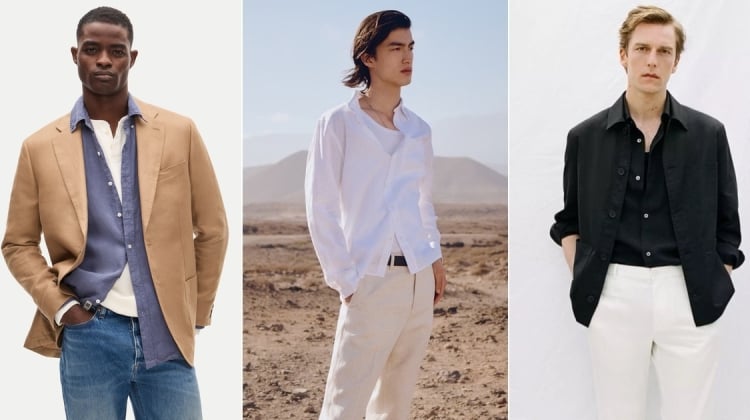
Casual dress is where most men spend much of their lives, and where their preferences tend to show most clearly. The jeans have a favorite wash; the sneakers may say more about their owner than his work suit does. For an invitation, give those everyday clothes a little attention. A polo and straight-leg jeans suit an informal lunch, while a cotton shirt and chinos feel right for dinner with friends. Clean shoes and clothes that fit make the outfit look chosen, even when getting dressed took five minutes.
Dressy Casual
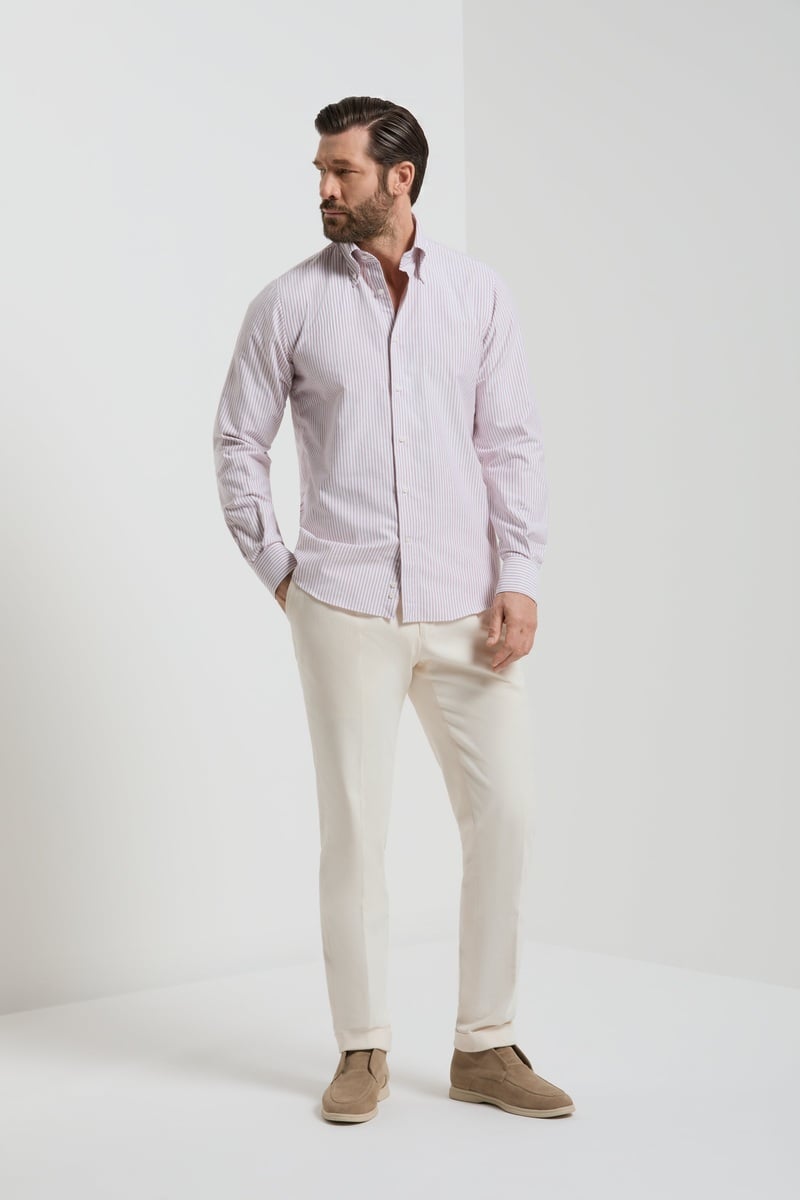
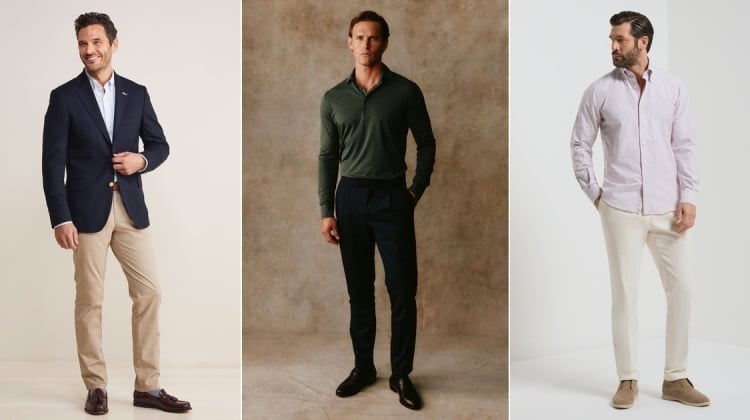
Dressy casual gives relaxed clothes a sense of occasion. Wool trousers and loafers can do much of that work, especially with an open-collar shirt and a softly tailored sport coat. The jacket acknowledges the invitation; taking it off later feels entirely natural. This is useful territory for restaurant dinners and birthday parties, where dressing up is part of the pleasure. Dark jeans may work for some hosts, while a wedding usually makes trousers the wiser choice. A tie is generally optional.
Smart Casual
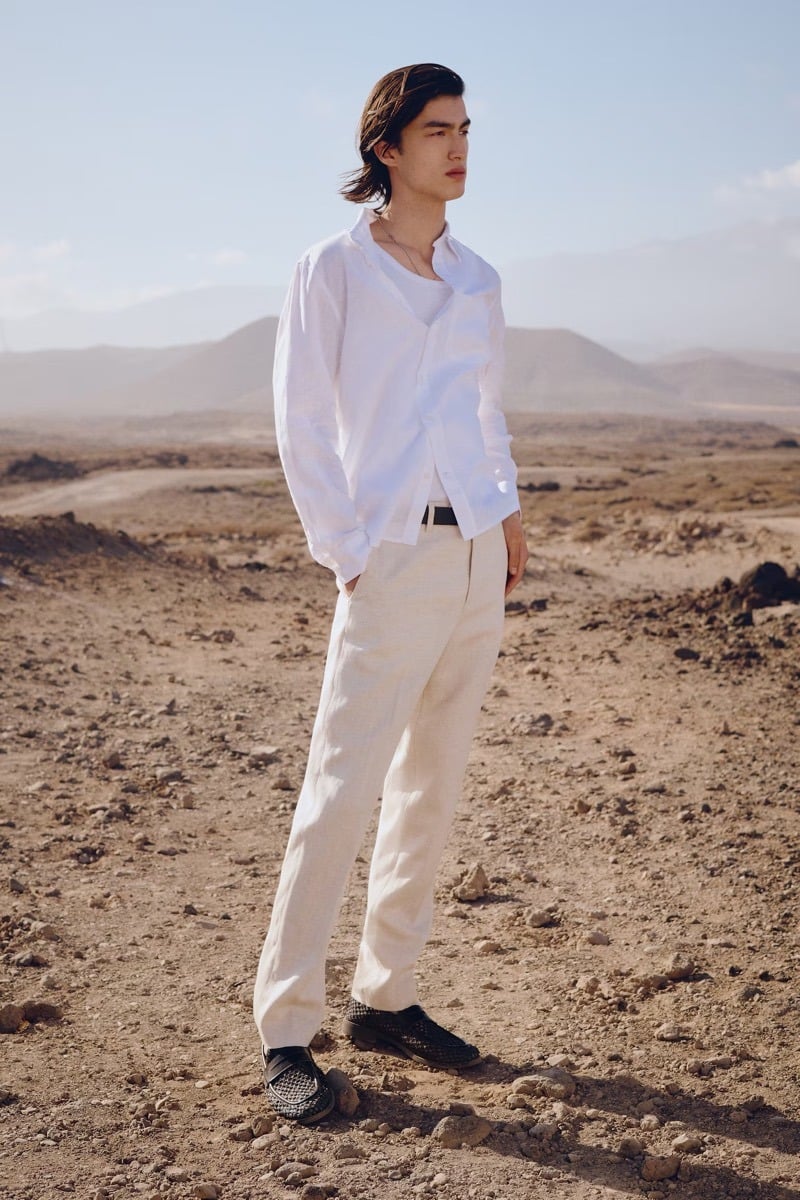
The smart casual dress code overlaps with dressy casual and depends heavily on the company you keep. A knit polo softens a blazer's business associations, while tailored trousers give a casual shirt a sharper outline. That exchange is the appeal: clothes from different parts of the wardrobe start to look at home together. Dark denim or restrained sneakers can fit the brief where the venue allows them. "Elevated casual" usually suggests similar attention to everyday dressing, though the host may have a particular interpretation. Leather shoes offer a useful starting point when the wording gets ambitious.
Business Casual
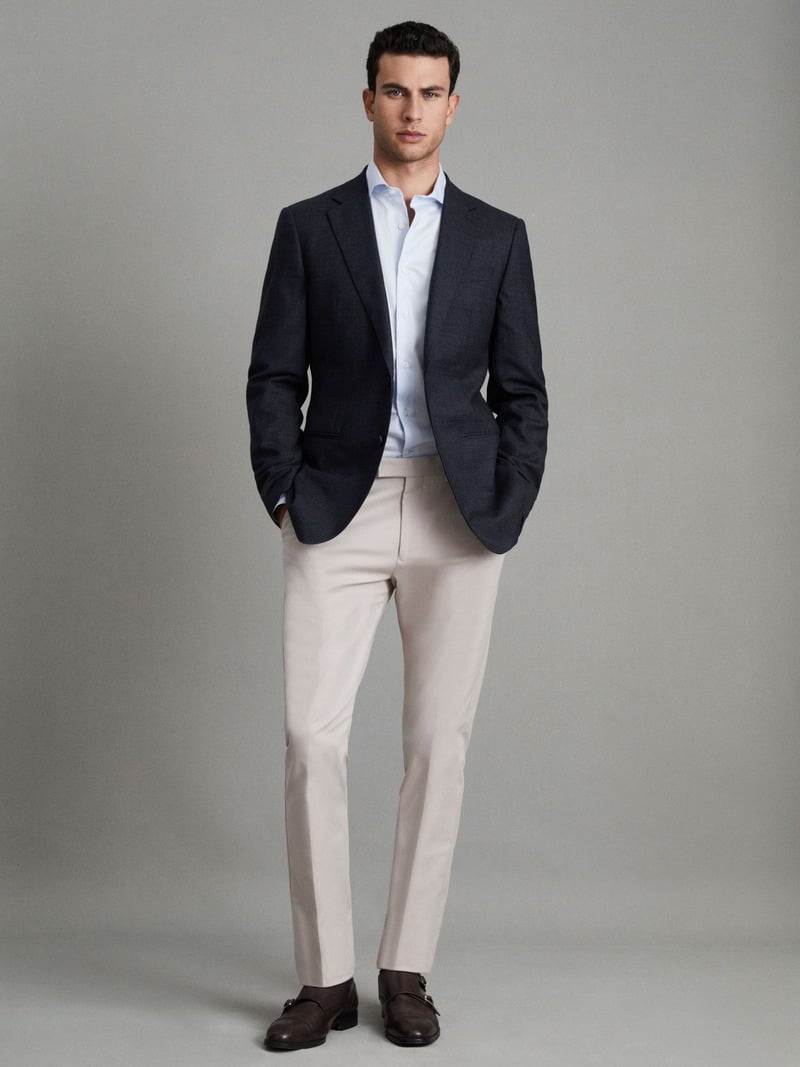
Business casual dress for men is shaped by the office, which makes observation as useful as any shopping list. Chinos and a button-up shirt may be standard at one company; another expects wool trousers and a blazer. Loafers or leather lace-ups help either outfit feel ready for work, and a fine-gauge sweater can take over when the jacket comes off. Compared with traditional business attire, the flexibility lies in separates and a tie that is usually optional. Check the policy on denim and sneakers before taking casual Friday too personally.
Business Formal Attire
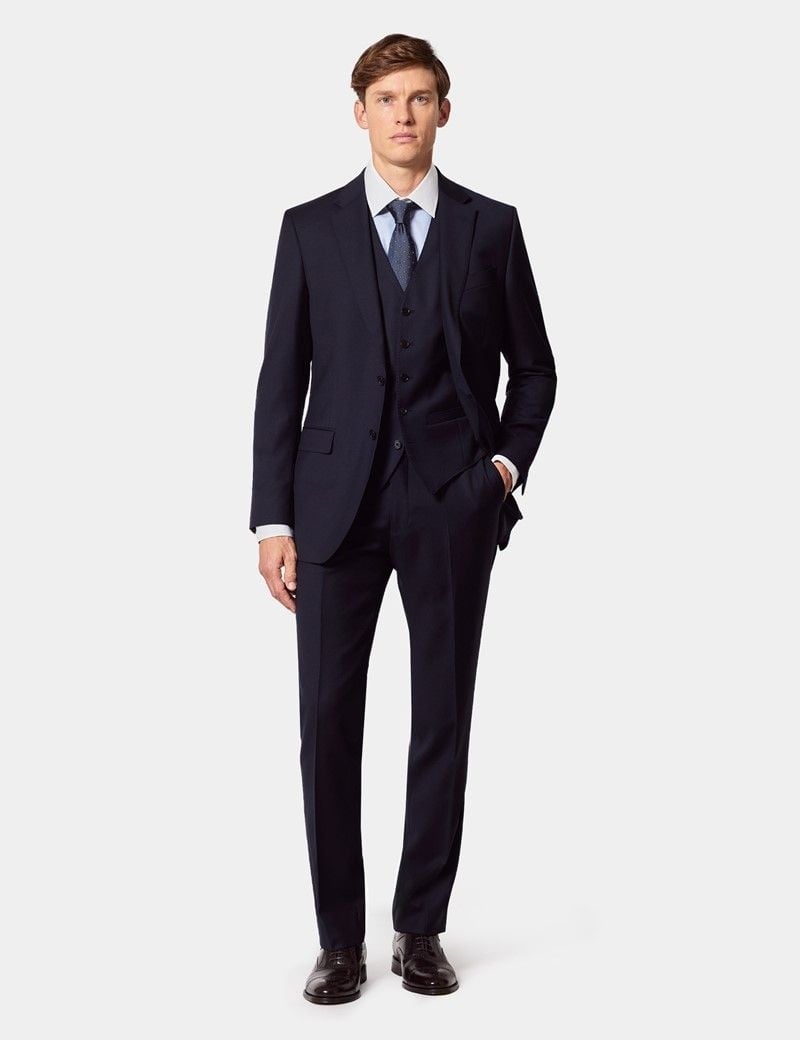
Business formal attire gives the matching suit a clear job to do. Navy or charcoal establishes a restrained foundation, with a dress shirt and conservative tie keeping the focus on the person wearing them. Leather dress shoes belong here, as does tailoring that sits comfortably through a long meeting. Business professional often describes similar clothes, subject to the employer's expectations. For a job interview, research the company and role first. An attentive fit says more than an elaborate pocket square.
Semi-Formal Attire
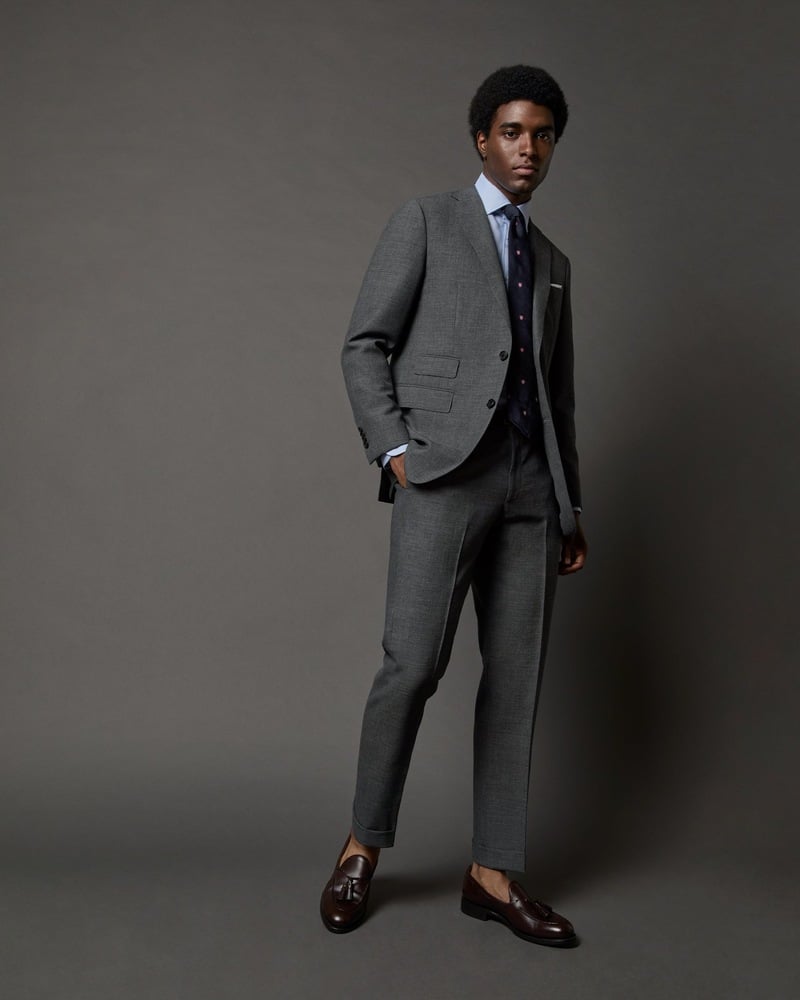
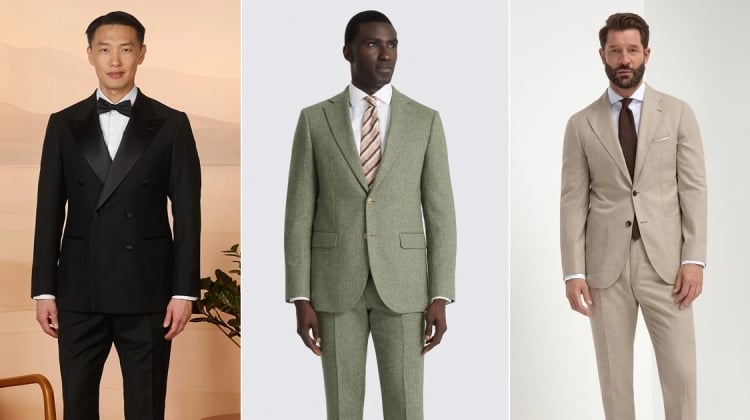
Semi-formal attire on a contemporary invitation generally calls for a suit and dress shirt, with a tie as the dependable choice. The character of that suit can change with the occasion. Navy wool feels appropriate for an evening wedding; a lighter fabric and color make sense at a summer garden reception. Leather dress shoes give both a finished appearance. Semi-formal and cocktail often occupy similar territory, so let the venue and time guide the details. The same level of effort can look quite different in daylight.
Cocktail Attire

The cocktail dress code lets a suit enjoy itself. A dark two-piece and dress shirt remain a dependable evening choice, but the tie can have more texture and the pocket square a little color. It is a social occasion, and the clothes can acknowledge that. A comfortable cut helps the suit move from standing conversation to a seated dinner. "Casual cocktail" often suggests a blazer with tailored trousers and an open collar, though the host's interpretation matters. Establish that before deciding the party calls for jeans.
Formal Dress Code

Formal dress for men is a broad phrase with consequences for the wardrobe. An evening host may mean a tuxedo or accept a dark suit and tie, so a little clarification is useful when the invitation stops at "formal." Explicit black tie wording gives a more precise instruction. The formality of a business suit belongs to another setting, even when its dark wool and restrained accessories suit an event as well. For respectful funeral attire, the family's wishes and relevant customs come first. Understanding the occasion gives the clothes their purpose.
Black Tie

The standard black tie attire is a tuxedo with a formal white shirt and black bow tie, finished with black evening shoes and the appropriate waist covering. Much of its appeal comes from that consistency. Satin lapels catch the light, the white shirt frames the face, and the details reward attention at close quarters. Black or midnight blue is the classic choice for the dinner suit; a white dinner jacket with black tuxedo trousers offers an established warm-weather variation. Black tie is evening dress, so follow any separate instructions for a daytime ceremony.
Black Tie Optional
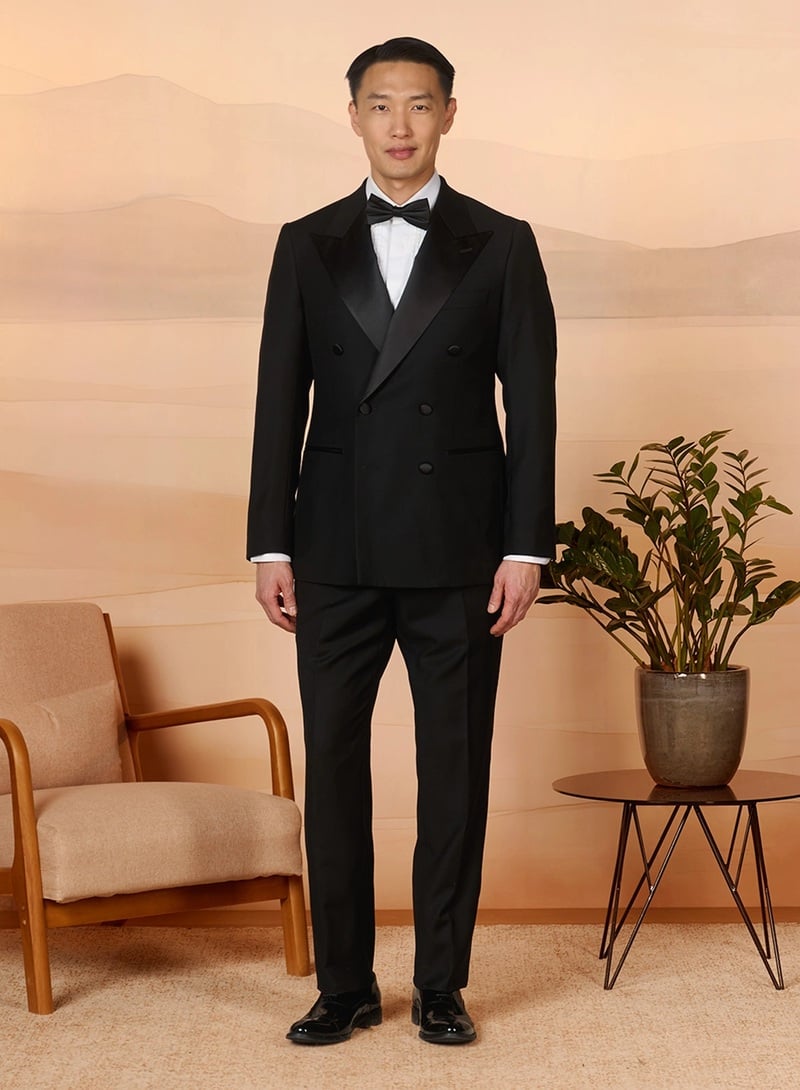
Black tie optional accommodates the man who owns a tuxedo and the man who reaches for his best dark suit. Both can dress appropriately for the same evening. With a suit, choose a white dress shirt and conservative tie, finishing with dark leather dress shoes. Navy or charcoal keeps the effect suitably formal. The invitation offers flexibility around owning evening wear; the suit still needs its tie.
Creative Black Tie

Creative black tie invites a personal interpretation of evening tailoring. Velvet gives a dinner jacket depth under artificial light, while a patterned bow tie can bring character to an otherwise traditional tuxedo. Concentrating the interest in one element helps the outfit hold together. The occasion supplies the other half of the brief, since a fashion benefit and a family celebration may have different ideas about creative freedom.
White Tie

White tie is full evening dress, a level of ceremony that announces itself through the tailcoat. A black evening coat and matching formal trousers are worn with a stiff-fronted white wing-collar shirt, white waistcoat and white bow tie. Black patent evening shoes complete the traditional outfit. Its precision is part of the experience, with the proportions of the waistcoat and coat deserving particular attention. An invitation this formal is a reason to arrange the whole outfit early and check how the pieces sit together.
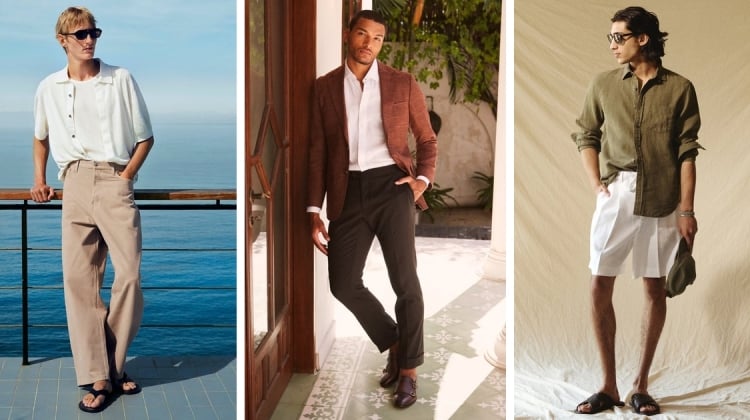
Resort Casual
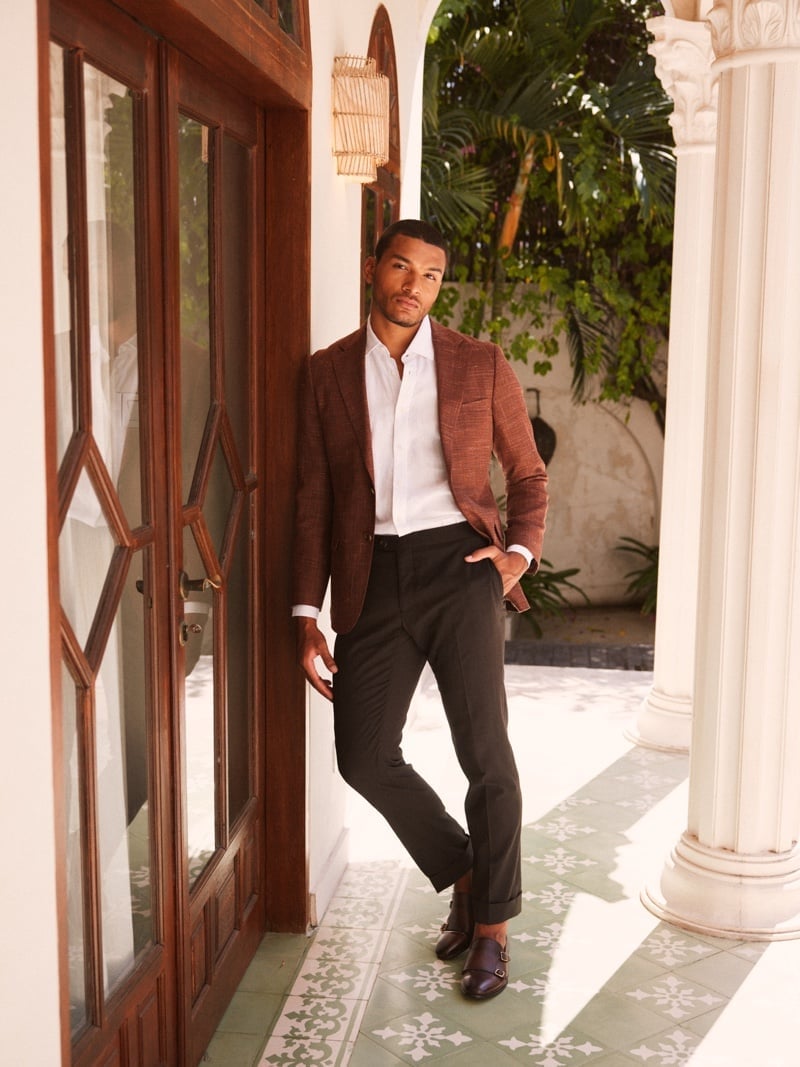
Resort casual is the point in a holiday when the linen shirt starts doing more than shading your shoulders. Worn with lightweight trousers and loafers, it feels ready for dinner while retaining the ease that makes resort wear appealing. Some venues accept tailored shorts during the day; evening dining may bring firmer expectations. Check the property's policy on footwear and trousers before packing. The view may be tropical, but the restaurant can still expect you to change for dinner.
Beach Formal
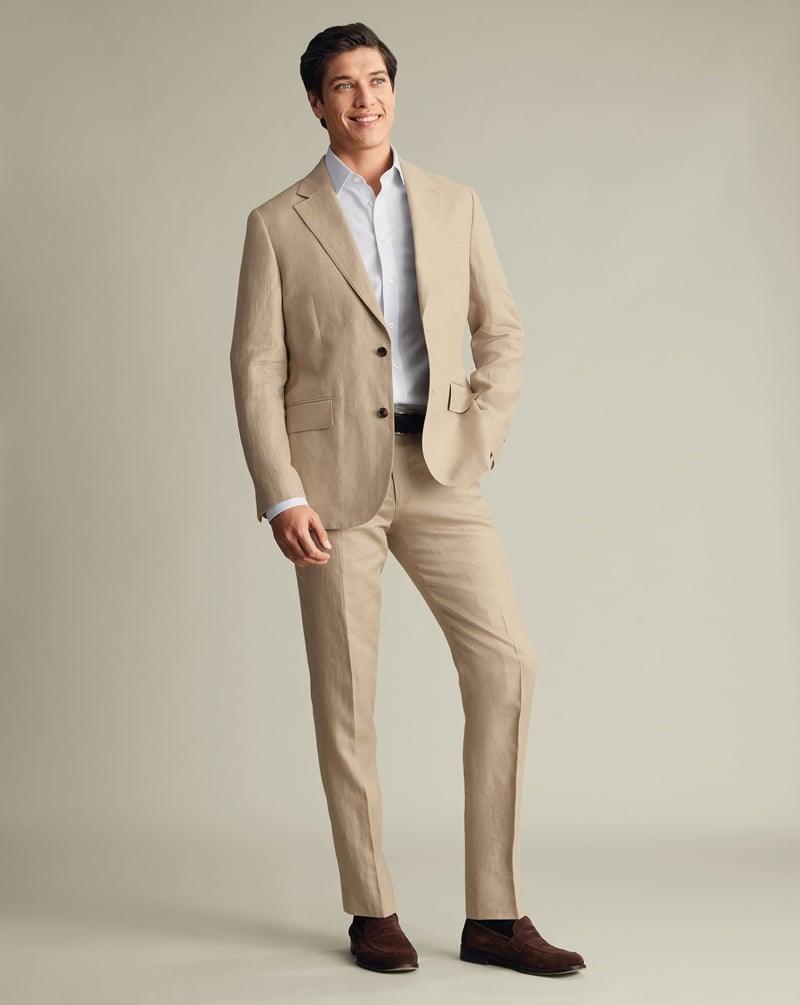
For formal beach attire, tailoring takes the weather into account. A linen suit accepts a few creases as part of its character, while a breathable wool blend offers another approach to dressing for the heat. Wear a dress shirt and follow the invitation's guidance on a tie. Loafers can work when the setting permits them, though it helps to establish whether the ceremony involves sand or a paved terrace. The location changes the practical decisions; the clothes still acknowledge a significant occasion.
Festive Attire

Festive attire gives men a reason to wear the jacket that spends most of the year waiting for an invitation. Burgundy velvet and richly colored silk feel at home at an evening celebration, with dark trousers keeping the outfit grounded. At a more relaxed gathering, a patterned sweater can provide the seasonal gesture. Take the host's expected level of dressing as the starting point, then enjoy the color or texture. Enthusiasm for the party can be expressed through clothes you would happily wear again.
Reading the Invitation

The invitation gives the starting point; its time and venue help fill in the details. When the wording leaves a decision unresolved, a concrete question does the work. "Are you expecting tuxedos or dark suits?" gets you closer to an answer than a debate over what "dressy" might mean. Follow the employer's policy for work and the couple's instructions for a wedding. Getting those expectations clear leaves you free to concentrate on the enjoyable decisions, including which tie you have been waiting for a reason to wear.