Milan, Paris, London, and New York have spent decades telling men how to dress, often disagreeing along the way. The traditional fashion capitals of the world helped turn the suit into everything from a sign of professional success to an expression of youthful defiance. Their influence reaches well beyond the runway. It shows up in the jacket a man buys for work, the way he wears his trousers, and the life he imagines those clothes might give him.
What Makes a Fashion Capital?

A fashion capital needs an industry behind the image. Designers depend on skilled makers, and a collection needs buyers who can get it into stores. Fashion schools supply new talent, while magazines and photographers help turn a particular way of dressing into something men recognize and want. The Museum at FIT traces a city’s fashion status to this meeting of culture and commerce. The clothes need an audience as much as a catwalk.
Then there is the city itself. New York’s streets gave an H&M style feature its urban context, while Milan supplied the backdrop for a Harper’s Bazaar Men Thailand editorial. The appeal is partly architectural and partly aspirational. A coat photographed on a Milanese street suggests that its wearer has somewhere interesting to be.
The Big Four Fashion Capitals
Each of the four built its reputation through a different relationship with clothes. Milan turned designer ready-to-wear into an international business. Paris drew talent into the orbit of its luxury houses. London put the establishment’s wardrobe in the hands of its challengers, while New York made everyday dressing a subject worthy of a designer’s attention.
Milan

Milan helped make the designer suit part of a man’s ambitions. Its rise as a modern fashion capital was tied to Italian ready-to-wear and the textile expertise that supported it. Manufacturers could translate a designer’s ideas into clothes sold internationally, bringing a recognizable point of view to the department-store rail. Buying Italian became a way of buying into a particular image of success.
Giorgio Armani gave that success a softer shoulder. His approach to construction changed how a suit sat on the body, allowing the wearer to look assured and move naturally. The house’s spring-summer 2027 collection continued that thinking through loose jackets and draped layers. The tailoring looked expensive, but the man appeared to have other things on his mind.
There are plenty of other Italian men in Milan’s fashion imagination. Prada gives conventional clothes an oddness that rewards a second look. Versace and Dolce & Gabbana understand the pleasure of being noticed. Zegna approaches the wardrobe through its textile heritage, while Ferragamo brings a history of leather expertise. Together, they show how many different desires the city’s industry can dress.
Paris

Paris has long understood the value of a designer’s name. Its court fashions attracted international attention before modern haute couture developed in the nineteenth century. Charles Frederick Worth opened his Paris house in 1858, helping establish a system in which clients sought a couturier’s vision. The name inside a garment became part of its appeal.
That relationship between authorship and aspiration extends into menswear. Louis Vuitton presented relaxed suits and open-neck shirts at Place Georges-Pompidou for its spring-summer 2026 collection. Travel, central to the house’s history, became a way of thinking about how men dress across cultures. A striped shirt and a broad pair of trousers belonged to a larger fantasy of a life spent moving through the world.
Paris’s appetite extends to designers who arrived with very different ideas about beauty. Rick Owens and Comme des Garçons made the city a stage for challenging the male silhouette. Hermès offers another relationship with luxury, rooted in leatherwork and the experience of wearing the clothes. Givenchy and Saint Laurent add their own histories of desirable men. The city attracts attention because these visions can coexist, each asking for a different commitment from the wearer.
London
London has a gift for making respectable clothes look troublesome. Savile Row established a tailoring tradition associated with status and exacting standards. The city’s youth cultures understood that changing the wearer could change the message. Mods dressed meticulously on their own terms. Punk made the challenge more explicit, with Vivienne Westwood’s clothes and the leather motorcycle jacket giving dissent a wardrobe.
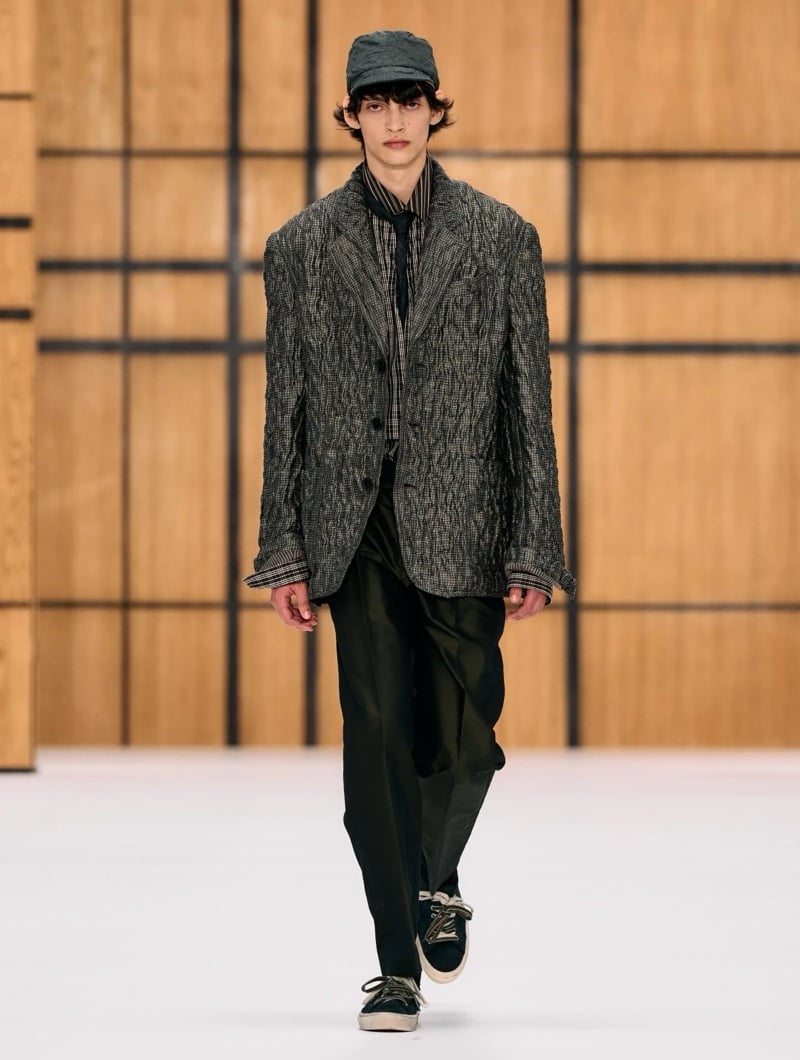
The pleasure of interfering with convention survives in Burberry. For summer 2027, a crinkled check blazer appeared over a shirt and tie, with a cap and sneakers taking the formality down a few degrees. The clothes suggested a young man who knew the rules well enough to enjoy adjusting them. British heritage looked more interesting after someone had put his own stamp on it.
London’s fashion schools helped sustain that appetite for experiment, with designers such as Alexander McQueen giving technical skill an unruly imagination. London Collections: Men launched in June 2012 to give British menswear a dedicated showcase. The calendar has changed since then, while British designers continue to take their ideas abroad. A London education can remain visible long after a collection has moved to another runway.
New York
New York knows that fashion has to find a customer. Its garment industry and department stores gave American designers access to a national audience, with magazines helping sell the accompanying dream. Eleanor Lambert’s Press Week in 1943 brought attention to American fashion during World War II and laid the foundation for New York Fashion Week. The city’s designers had a platform from which to propose their own ideas of American life.
Sportswear became one of its most persuasive answers. Adaptable separates made everyday dressing a design subject in its own right. Calvin Klein gave the American wardrobe a controlled sensuality, while Ralph Lauren offered entire lives to dress for. Michael Kors brought aspiration to practical clothes. New York’s runways also drew designers from beyond the city, including Billy Reid and John Elliott, alongside the work of Robert Geller. American style had several accents.
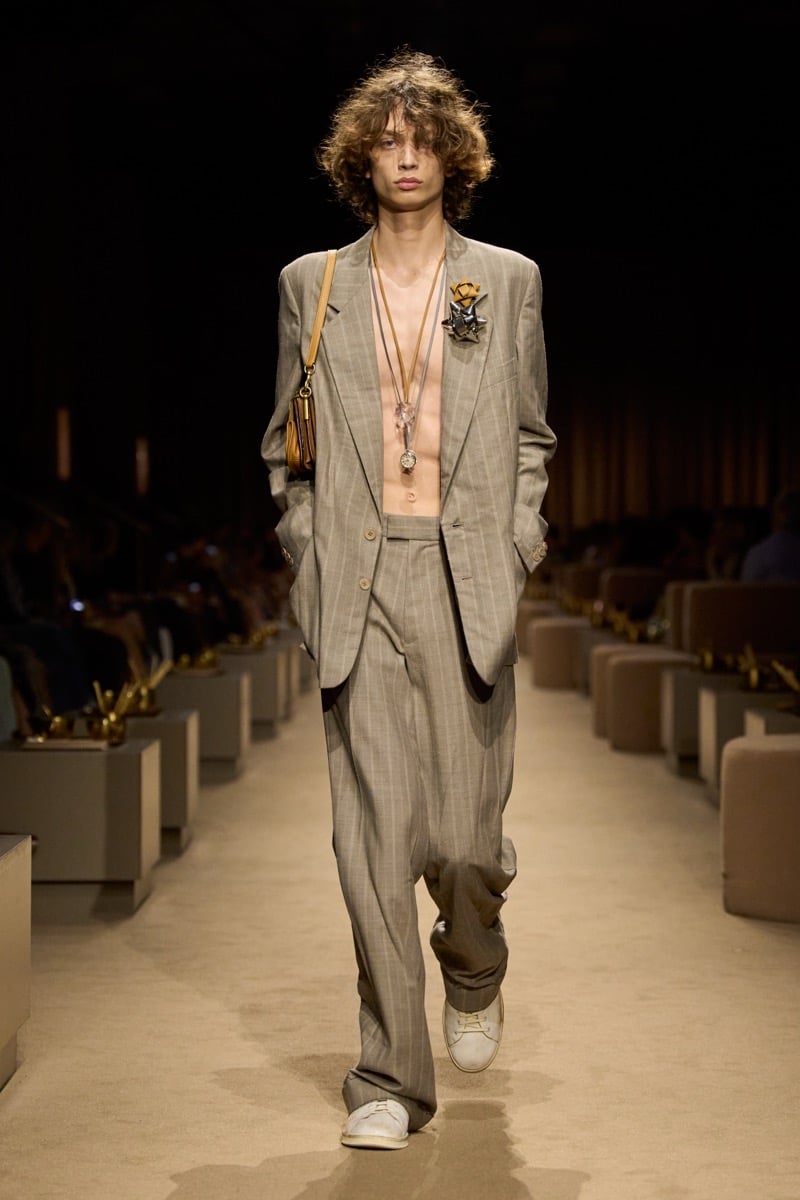
Coach approached that wardrobe from a younger perspective for its spring 2027 collection. An oversized pinstripe suit appeared with a bare chest and sneakers, its associations with office life redirected toward someone with other plans. A shoulder bag kept the house’s leather-goods business in view. The look understood a very New York proposition: personal reinvention is also something you can sell.
Beyond the Big Four
Fashion influence also develops in cities with different industries and audiences. Tokyo’s devotion to denim and Antwerp’s design education have shaped wardrobes far beyond their borders. Seoul and Copenhagen bring their own ideas about how men want to look, with local runways giving those ideas a public life.
Tokyo
Tokyo rewards the man who notices the details. Its fashion culture has made a study of American workwear, then taken that knowledge into denim shops and independent labels where the smallest change can justify an entirely new obsession. At the same time, Japanese designers have expanded the possibilities of proportion, making an oversized shirt or an unusually broad trouser leg feel like a personal choice worth pursuing.
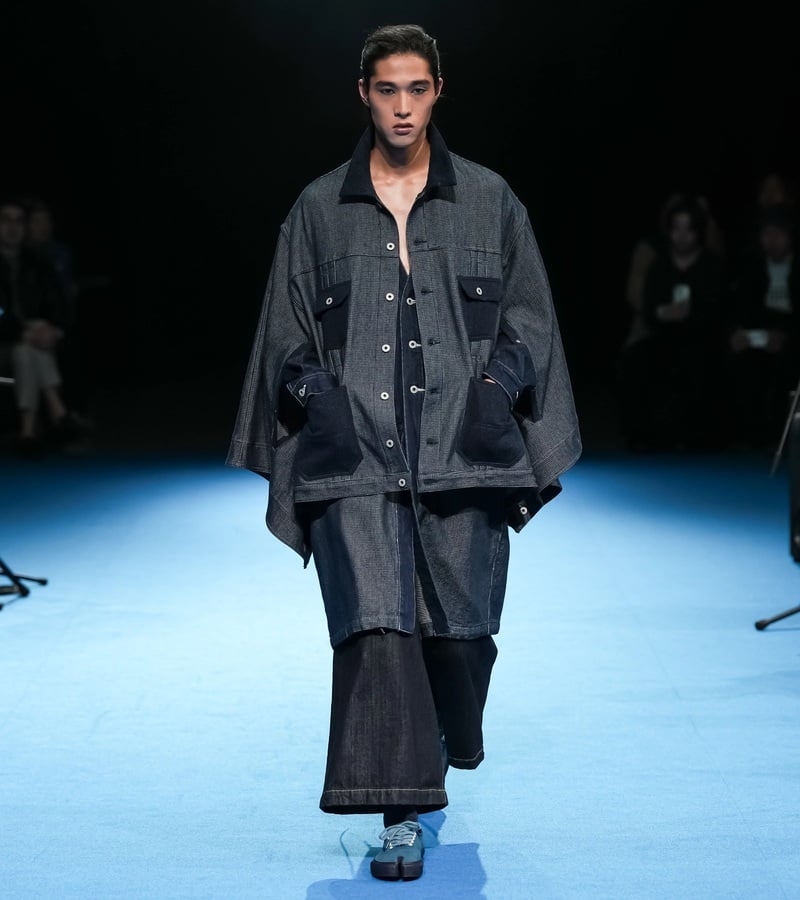
FDMTL brought those interests to its fall-winter 2026 runway at Shibuya Hikarie. Layered indigo fabrics and contrasting panels gave denim a complexity usually associated with more formal clothes. The volume changed how the outfit moved, while the workwear references kept it connected to something useful. Tokyo’s influence often begins there, with close attention to a garment other people might take for granted.
Seoul

Seoul understands the relationship between getting dressed and being watched. Korean music and screen culture have given fashion a vast international audience, with performers turning a jacket or hairstyle into something fans can recognize instantly. The city’s fashion identity moves between that public spectacle and the experiments of its own designers and street dressers.
Gucci acknowledged Seoul’s pull when it staged its cruise 2024 show at Gyeongbokgung Palace. A metallic bomber and trousers opened at the knees brought a futuristic sportswear attitude into a historic setting. The Italian house had traveled to Seoul to enter a conversation already happening there. A fashion capital can attract visiting luxury brands while continuing to develop its own vocabulary.
Copenhagen
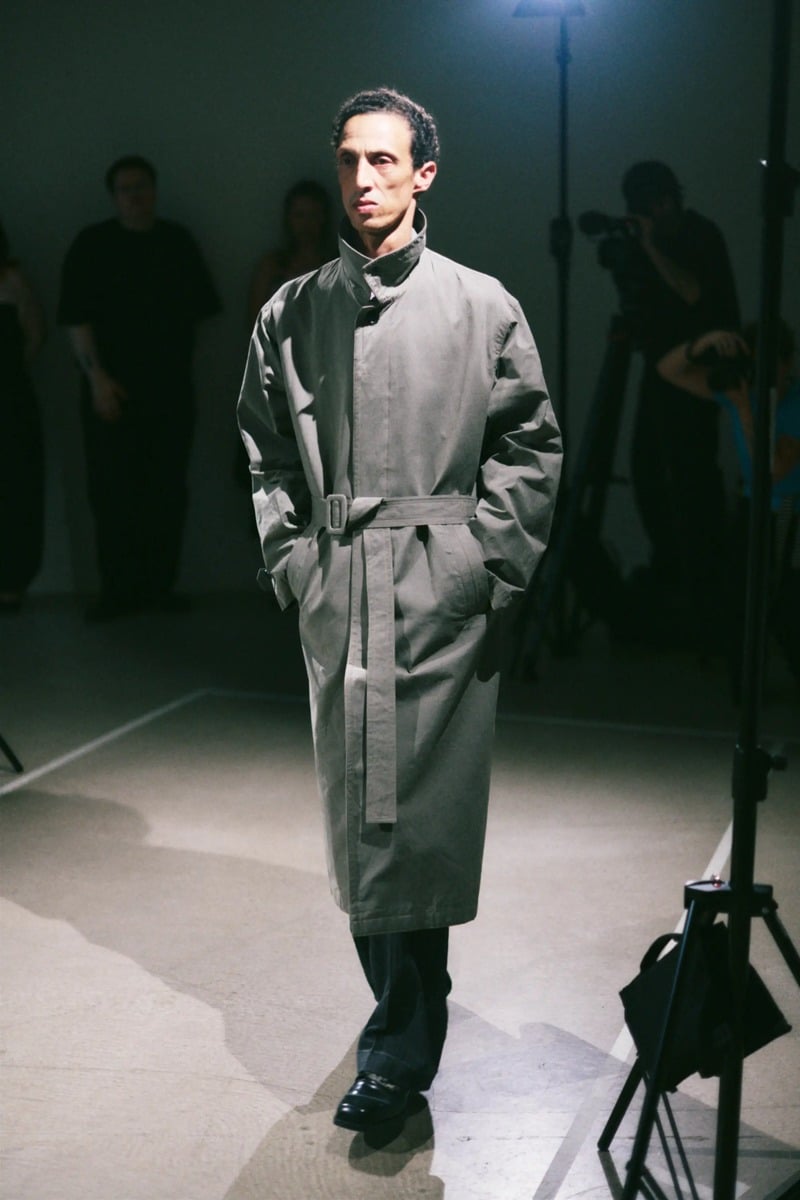
Copenhagen has helped make everyday dressing a subject of international fashion attention. Its menswear appeal often comes from recognizable clothes adjusted through fit and styling. A coat can do the work of an entire outfit when its proportions are right, and a man can look interested in fashion while getting on with his day.
mfpen explored that territory on its spring-summer 2027 runway in Copenhagen. A long gray coat, drawn in at the waist, gave an ordinary outerwear shape a more expressive silhouette. The effect depended on proportion and the way the fabric fell. That attention to clothes people might actually live in gives Copenhagen an identity that travels well beyond the fashion-week photograph.
Antwerp
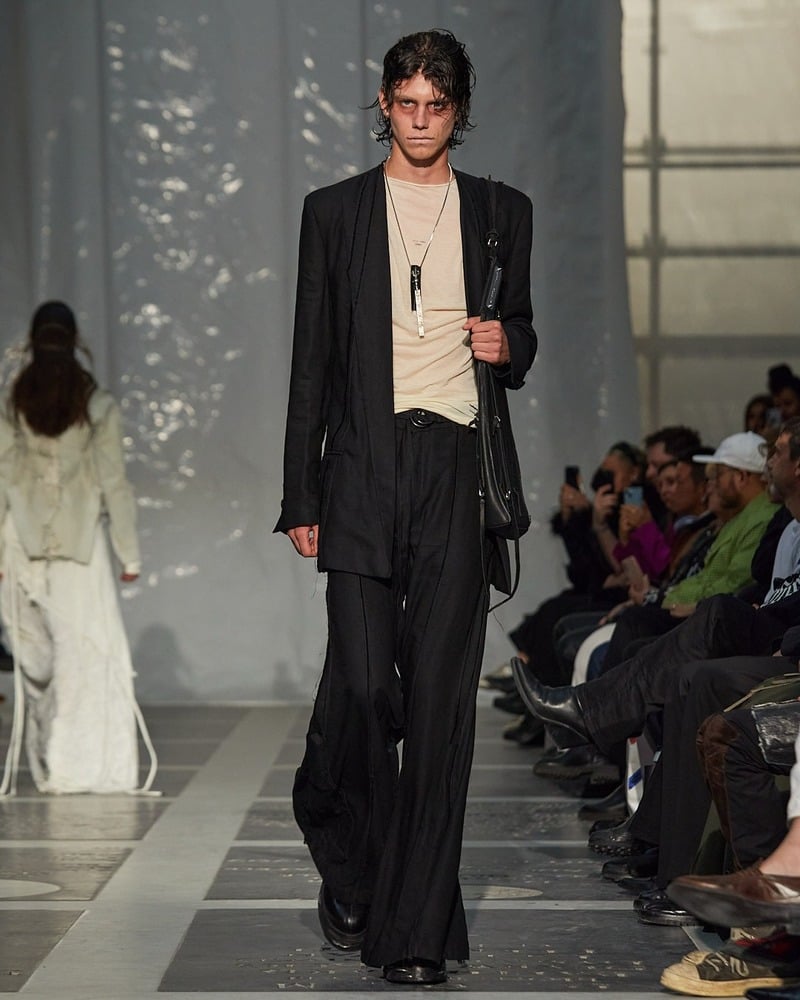
Antwerp’s reputation begins with an education in thinking differently about clothes. The Royal Academy of Fine Arts helped produce designers whose individual approaches became an international attraction. The Antwerp Six brought that talent to wider attention at London’s British Designer Show in 1986. Their influence made a relatively small Belgian city central to the conversation about what fashion could be.
That history continues through designers building businesses of their own. Marcel Sommer presented his debut runway show, Mane Solis, in Antwerp in June 2026. A long black jacket and wide trousers stretched the proportions of tailoring, with a light T-shirt bringing the look closer to daily life. The clothes proposed another way to wear a suit, a fitting ambition for a city whose fashion reputation rests on independent thought.
The fashion-week calendar keeps changing around these identities. Milan and Paris have dedicated menswear schedules, while men’s collections also share runways with womenswear. London’s 2012 showcase and New York Fashion Week: Men’s, introduced in 2015, were chapters in a longer effort to give menswear its own stage. Does Menswear Even Need a Fashion Week? was already a question worth asking in 2017.