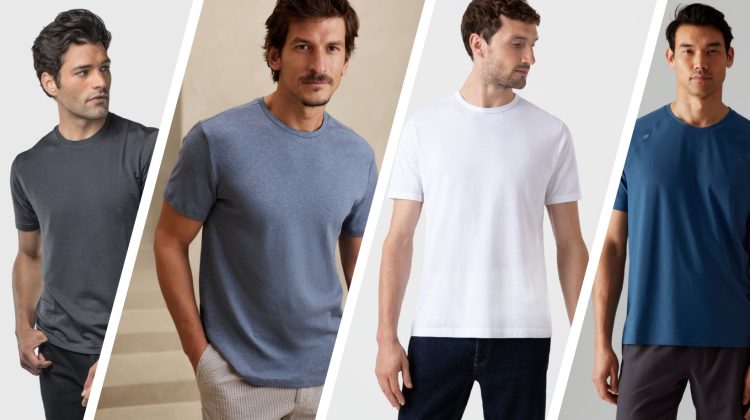
A tie can appear in all three office dress codes. What changes is the outfit around it. Business casual gives men latitude to combine shirts, knitwear, and separate trousers; business professional usually calls for a matching suit and tie; business formal asks for the most conservative version of that combination.
Understanding business casual vs business professional starts with that shift from individual pieces to a complete suit. Business formal tightens the choices further, although employers sometimes use “professional” and “formal” to mean the same thing. The company’s written policy remains the deciding factor.
Business Casual vs. Business Professional
| Clothing | Business casual | Business professional | Business formal |
|---|---|---|---|
| Jacket | Optional blazer or sport coat | Matching suit jacket | Dark, conservative suit jacket |
| Shirt | Button-up shirt; polos where permitted | Dress shirt | Usually a white or light blue dress shirt |
| Trousers | Chinos or tailored trousers | Matching suit trousers | Matching dark suit trousers |
| Tie | Usually optional | Generally expected | Expected |
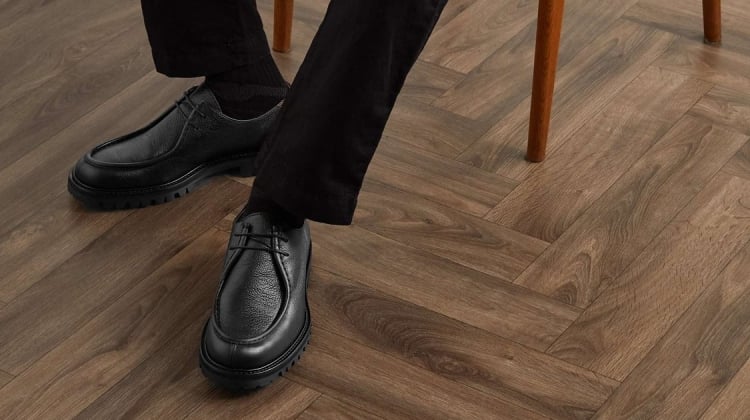
| Shoes | Loafers, derbies, or other office-appropriate shoes | Leather dress shoes | Conservative leather dress shoes, often black |
| Overall approach | Coordinated separates | Complete business suit | Restrained suit, shirt, and tie |
These are starting points for interpreting a policy. One employer may accept a polo and chinos as everyday office wear; another may expect a blazer even on a casual day. Dress for the expectations attached to your workplace and the particular occasion.
What Changes Between the Dress Codes?
The matching suit is the clearest dividing line. Chinos and an Oxford shirt sit comfortably within business casual. Add a patterned tie and the combination gains a collegiate character, but it remains an outfit built from separates. A matching wool jacket and trousers establish the foundation of business professional attire.
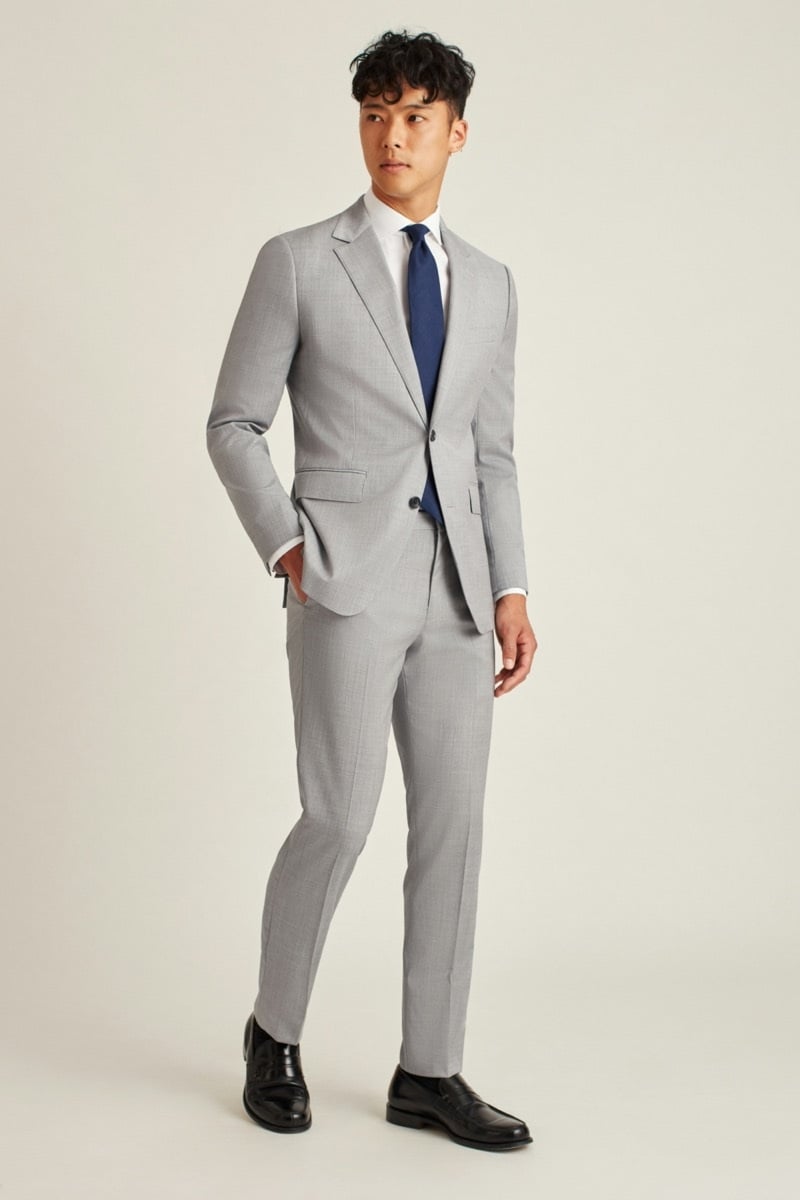
Business formal involves a smaller adjustment. A medium gray suit and patterned tie may suit an ordinary professional working day. For a more formal meeting, a dark navy suit, white shirt, and restrained tie reduce the visual distractions. The difference comes from the complete combination, including footwear and accessories.
Business Casual
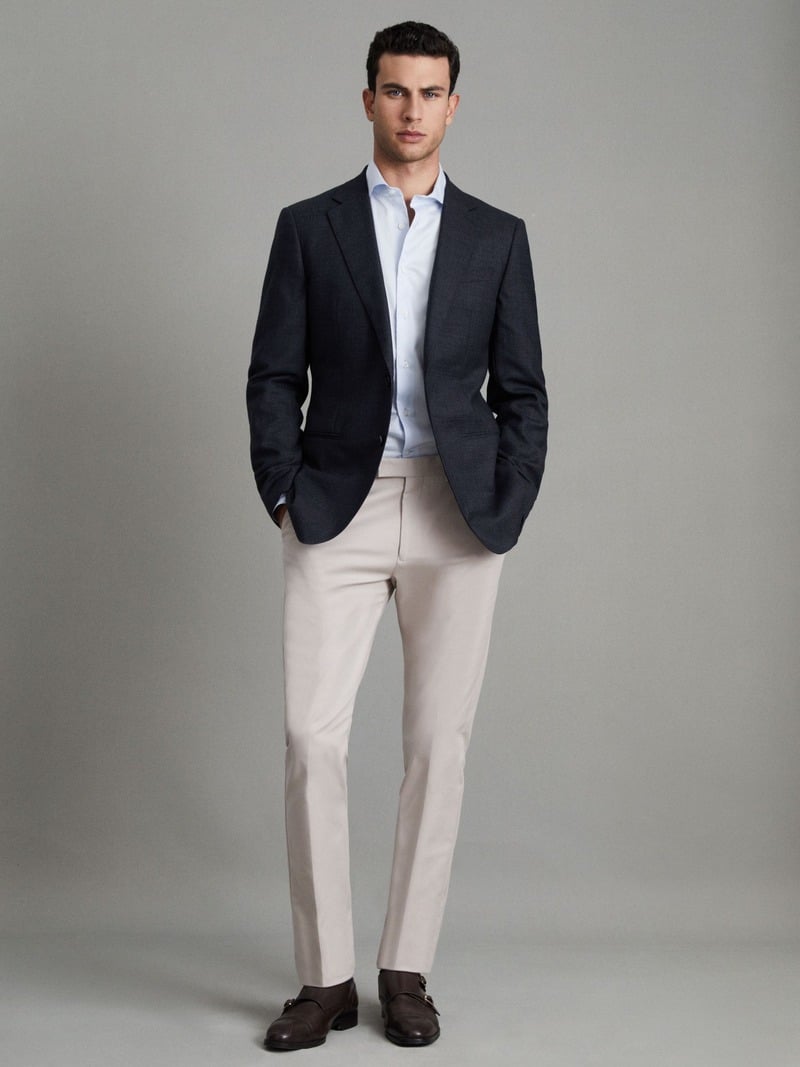
Business casual gives a man more say in how he dresses for work. The clothes still acknowledge the office, but their appeal comes from combinations that feel personal. A cotton shirt can sit beside wool trousers; a fine knit can take the place of a jacket.
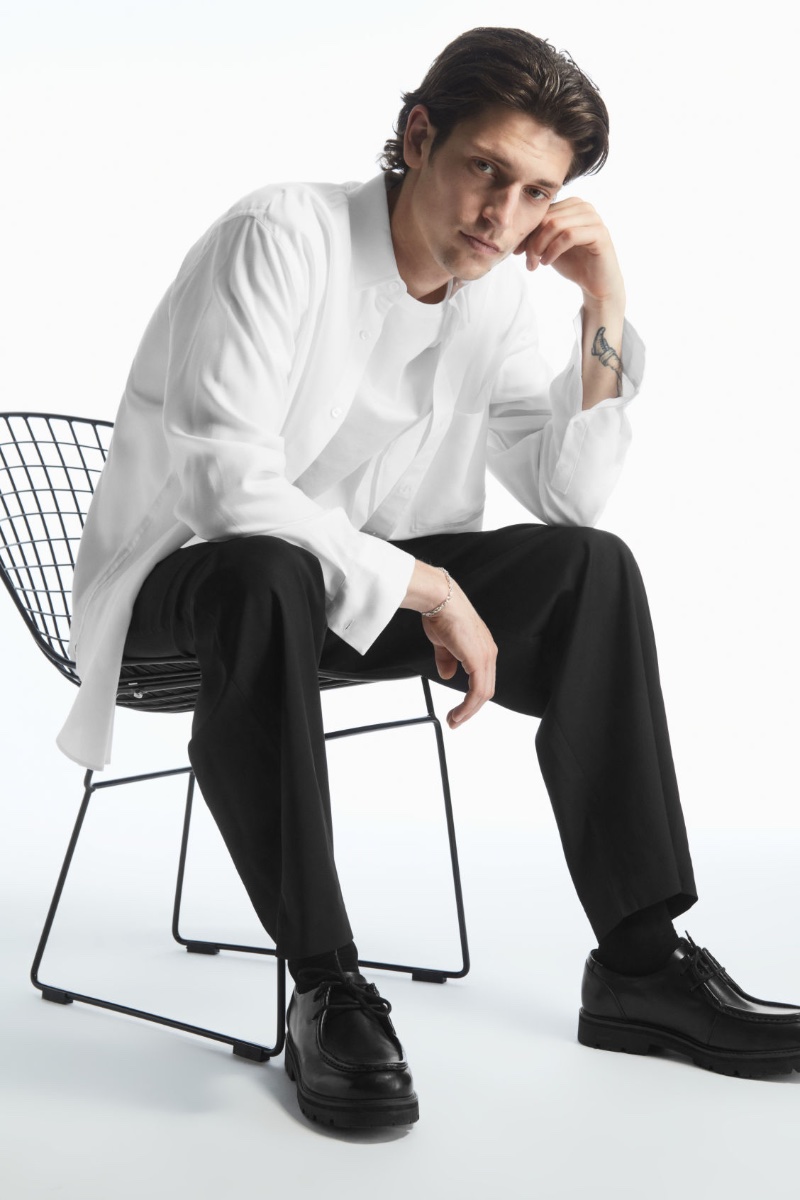
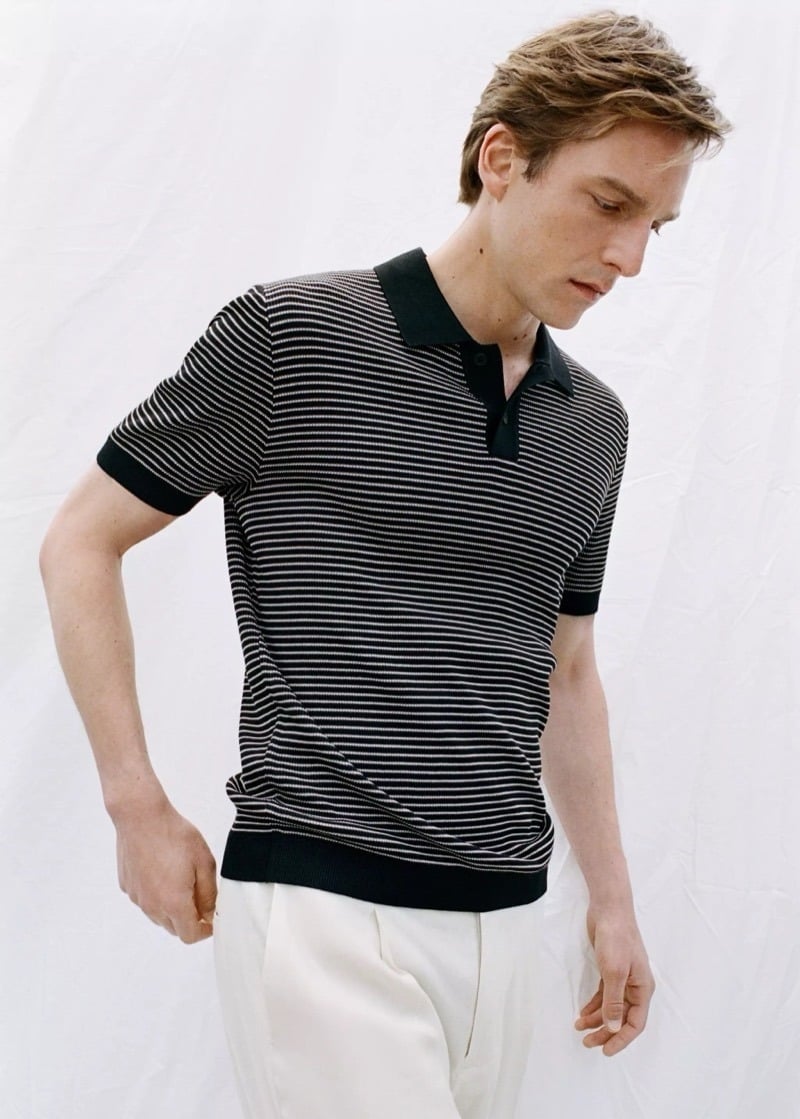
The strongest outfits keep some structure in the clothes. Tailored trousers give a polo a more deliberate line, especially when its hem is tucked and the shoes are leather. A button-up shirt worn open over a T-shirt introduces a more relaxed attitude. That second combination belongs in an office that explicitly accepts the casual end of the code.
Shirts, Trousers & Optional Ties
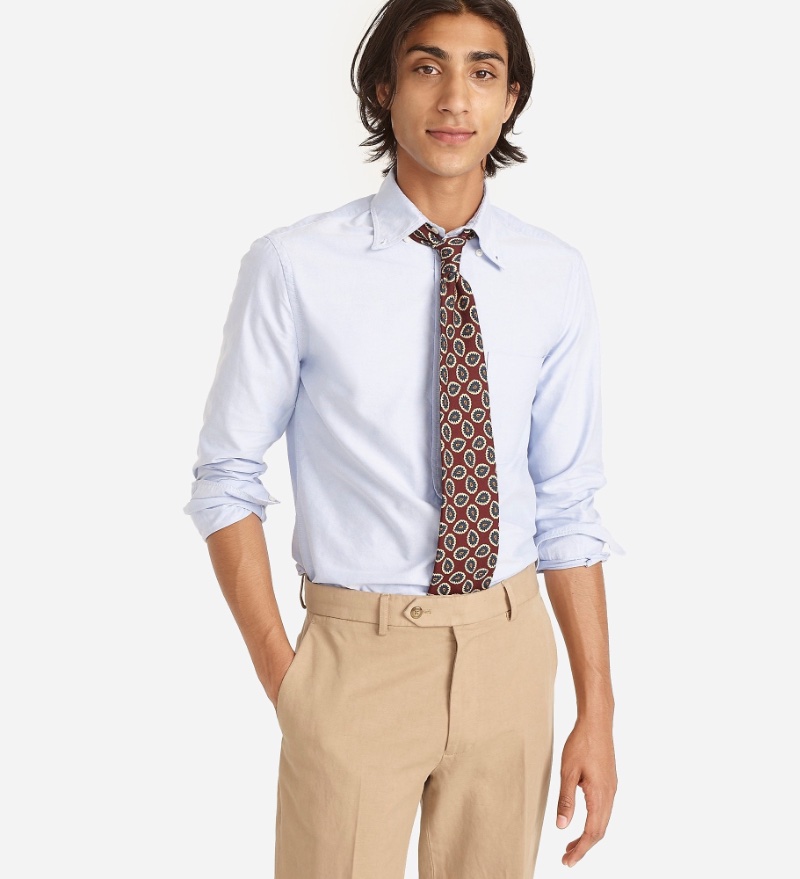
A collared shirt and chinos provide a dependable starting point. Choose a shirt that sits comfortably at the neck and trousers that hang cleanly through the leg. Their fit does much of the work, particularly when there is no jacket to bring the outfit together.
A tie can be a personal choice here. Worn with an Oxford shirt and cotton trousers, it brings an element of prep to the working wardrobe. Keep the knot properly fastened for a more conservative office; loosely styled brand photography demonstrates an attitude, not necessarily the company policy.
Where Jeans Fit

Some workplaces accept dark, intact denim as business casual. Others exclude jeans entirely. Permission matters more than the price of the denim or the jacket worn above it.
When jeans are allowed, a straight or slim cut and restrained wash make them easier to combine with office clothes. The dedicated business casual jeans guide covers those choices in detail.
Business Professional

Business professional attire usually begins with a matching suit, dress shirt, and tie. The jacket and trousers share a fabric, giving the outfit a continuous line. That unity is what separates it from even a carefully coordinated blazer-and-chinos combination.
Navy and gray are practical starting points. A medium gray suit can accommodate a striped shirt and patterned tie while retaining its business character. Navy pinstripes bring a more traditional corporate association, particularly when worn with a blue shirt and leather lace-ups.
Personal Style Within a Suit
The suit supplies the framework, leaving smaller choices to the wearer. A textured tie can soften the effect of smooth wool; a fine shirt stripe adds interest beneath a plain jacket. Keep the scale of patterns different enough that each remains legible.
Shoes also influence the result. Loafers can work in some professional offices, as they do with a gray suit and patterned tie. Lace-up dress shoes are a more dependable choice when the policy is conservative or the expectations are still unclear.
A suit worn with a polo or T-shirt belongs to a more relaxed interpretation of tailoring. For a business professional instruction, begin with a dress shirt and tie unless the employer specifies otherwise.
Business Formal

Business formal is best approached as the most restrained version of business dressing. A dark navy or charcoal suit provides the foundation, supported by a white or light blue shirt and a conservative tie. Black leather Oxfords are a dependable footwear choice.
The intention is a composed, consistent outfit. Socks should cover the leg when seated, the shirt collar should sit comfortably beneath the jacket, and trouser hems should meet the shoes cleanly. These details have more effect than an elaborate pocket square or conspicuous watch.
Conservative Does Not Mean Complicated
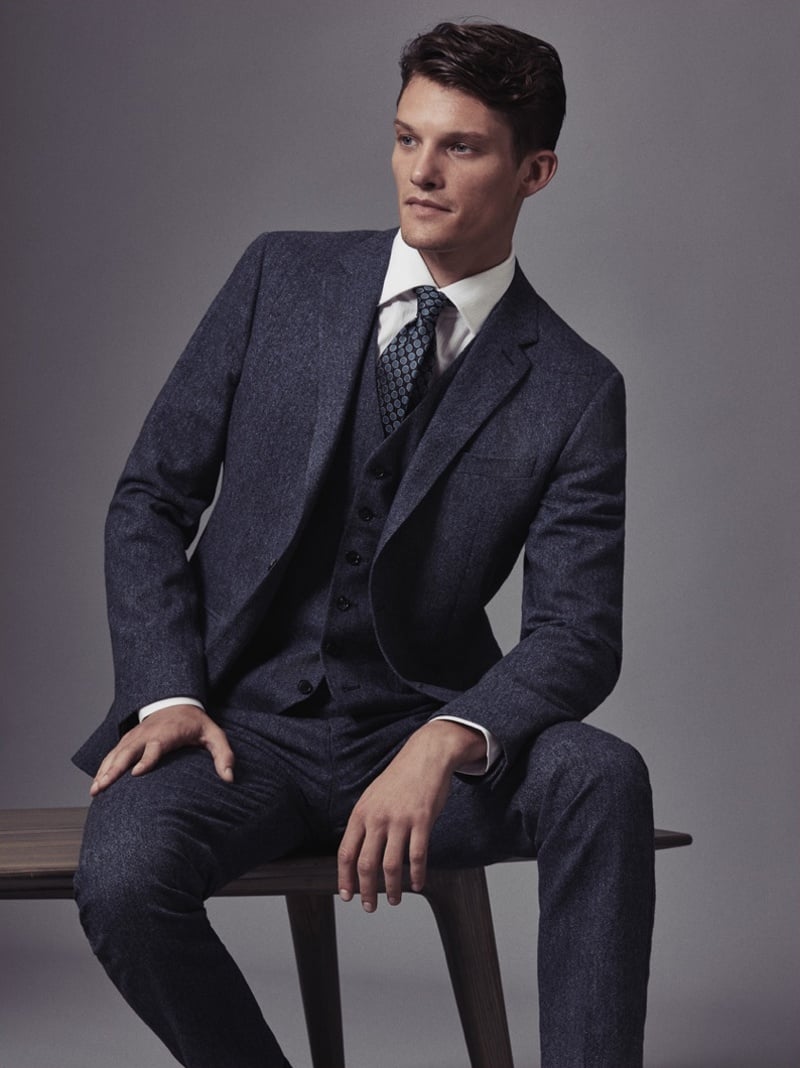
A two-piece suit is sufficient for most business formal requirements. A waistcoat is optional, and a double-breasted jacket is a stylistic choice. Neither automatically makes an outfit more appropriate than a well-fitting single-breasted suit.
Likewise, a dark tonal shirt-and-tie combination can look sophisticated in fashion photography, but a white shirt is the more dependable interpretation of a strict business formal policy. It creates a clear separation between the face, tie, and jacket.
Business formal also differs from black tie. A tuxedo belongs to an evening dress code and should be worn when the invitation requests it. A formal business meeting generally calls for a business suit.
Choosing the Right Code for the Day
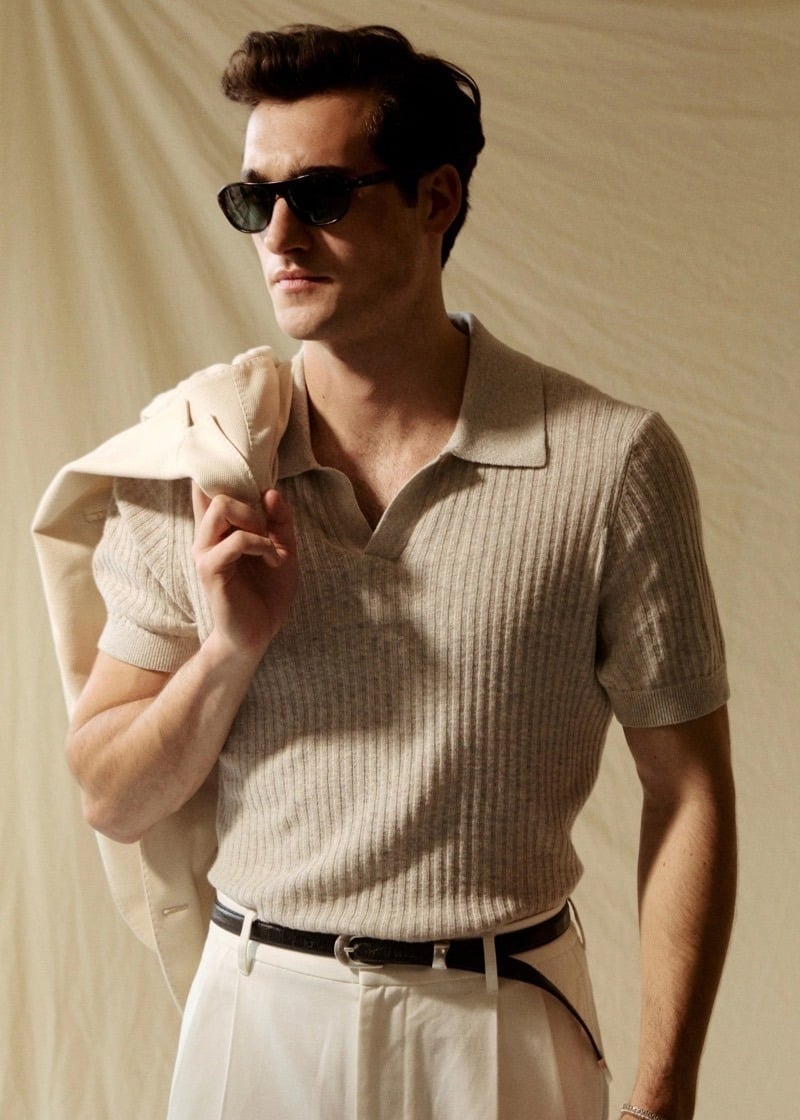
Start with the employer’s instructions, then consider the occasion. An everyday office policy may differ from the expectation for a presentation or external meeting. Client contact alone does not determine the dress code; many client-facing workplaces operate comfortably in business casual.
For an interview, ask the recruiter what attire is expected. A suit remains appropriate in many professional settings, while other employers may specifically request business casual. Clear information is more useful than guessing from a job title. The interview attire guide offers more guidance on dressing for that first meeting.
When the instruction is vague, ask a concrete question: “Would you recommend a suit and tie, or a shirt with tailored trousers?” That answer tells you more than another round of debating what “smart” means. Once the expectations are clear, the clothes become a matter of fit and personal taste.