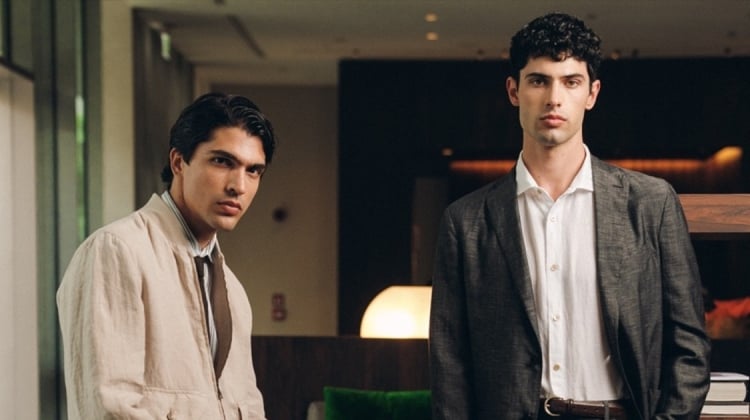
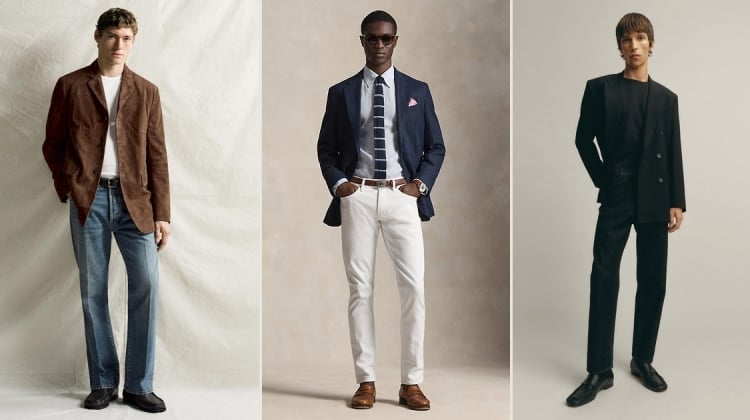
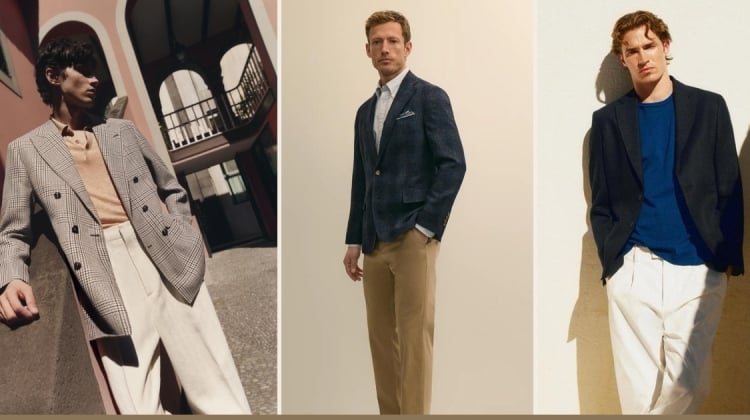
Cowboy clothes have a way of changing how a man stands. A higher waist straightens the torso, boots add a little height, and a hat makes even a trip to the bar feel like an entrance. The western aesthetic has plenty of romance attached to it, but a cowboy outfit for men also succeeds on practical terms.
Denim looks better with wear. A western shirt gives a plain pair of jeans some character. The question is how much of that identity you want to take on, whether it begins with boots beneath your usual trousers or extends all the way to the brim.
Cowboy Outfits for Men
Casual Cowboy Outfits

A tucked western shirt and straight-leg jeans have an appealing certainty about them. The waist is defined, the belt is visible, and the trousers fall over the boots. There is very little fuss, even when the buckle has something to say.
Washed denim makes this combination especially approachable. A faded shirt against darker jeans gives the outfit some depth, while brown leather adds warmth. The clothes can feel personal long before you have put years into wearing them.

A cotton T-shirt takes the same idea somewhere more relaxed. With jeans and cowboy boots, it lets the footwear set the tone. Add a denim jacket and the shape becomes broader through the shoulders, particularly above a higher waist.
Closely matched denim looks deliberate; a clear difference in washes feels more casual. Either approach benefits from jeans comfortable enough to sit in. Western dressing involves chairs, too.
Modern Cowboy Outfits

A western shirt can travel surprisingly far from blue jeans. Worn with cream trousers, a light shirt takes on a sunnier disposition. The yokes and snaps remain, but the combination feels suited to lunch on a terrace as easily as an evening at a country bar.
That flexibility is part of the appeal. A shirt with restrained detailing can sit beneath a sport coat or work open at the neck with tailored trousers. An untucked version feels relaxed when the hem is designed for it, while a tucked shirt brings the waist back into focus.
Proportion does much of the updating. A shorter jacket and a higher rise give the legs a longer line. Fuller trousers can balance a pronounced boot toe. These are small decisions, but they determine whether the western detail feels integrated into the outfit.
All-Black Cowboy Outfits
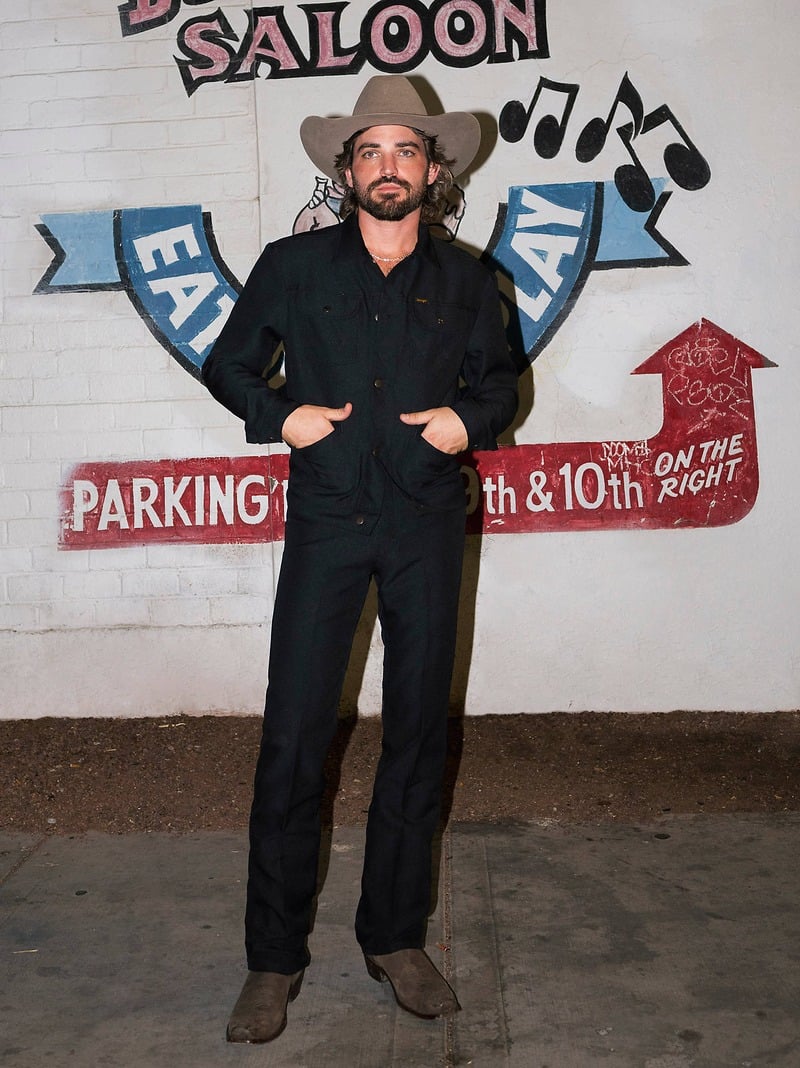
Black gives western dressing an after-dark appeal. A shirt and trousers in closely related shades create a long line, leaving texture to supply the differences. Washed black denim looks softer beside a smooth belt; a jacket gives the upper half more shape.
Brown leather works here, too. Against the black clothing in the Wrangler look, brown boots and a brown hat make the outfit feel warmer and more lived-in. Black leather takes it in a more severe direction, extending the dark line down to the toe.
For a black cowboy boots outfit, the opening of the jeans deserves attention. Fabric that falls freely over the shaft keeps the silhouette intact. A narrow hem that catches halfway down the boot turns walking into a running adjustment.
How to Style Cowboy Boots

Cowboy boots change the fit of the trousers above them. The shaft adds width around the calf, and the heel changes where the hem meets the foot. Jeans that sit perfectly over sneakers may suddenly look short.
Straight-leg jeans often give the shaft enough clearance. Bootcut jeans add width below the knee, allowing the fabric to fall over the boot more easily. A modest break at the front usually works for everyday wear, with the back hem clearing the ground. Some western jeans are worn longer for a stacked effect, though the fabric should still let you move comfortably.

For everyday outfits, trousers worn over the shaft keep the boot connected to the rest of the clothing. The toe appears beneath the hem, doing enough to announce itself.
Tailoring asks for a little more attention. Lightweight cloth can reveal the outline of a boot, so the lower leg needs sufficient width to drape smoothly. Take the boots to the alterations appointment. They are part of the fit.
Western Wedding Outfits
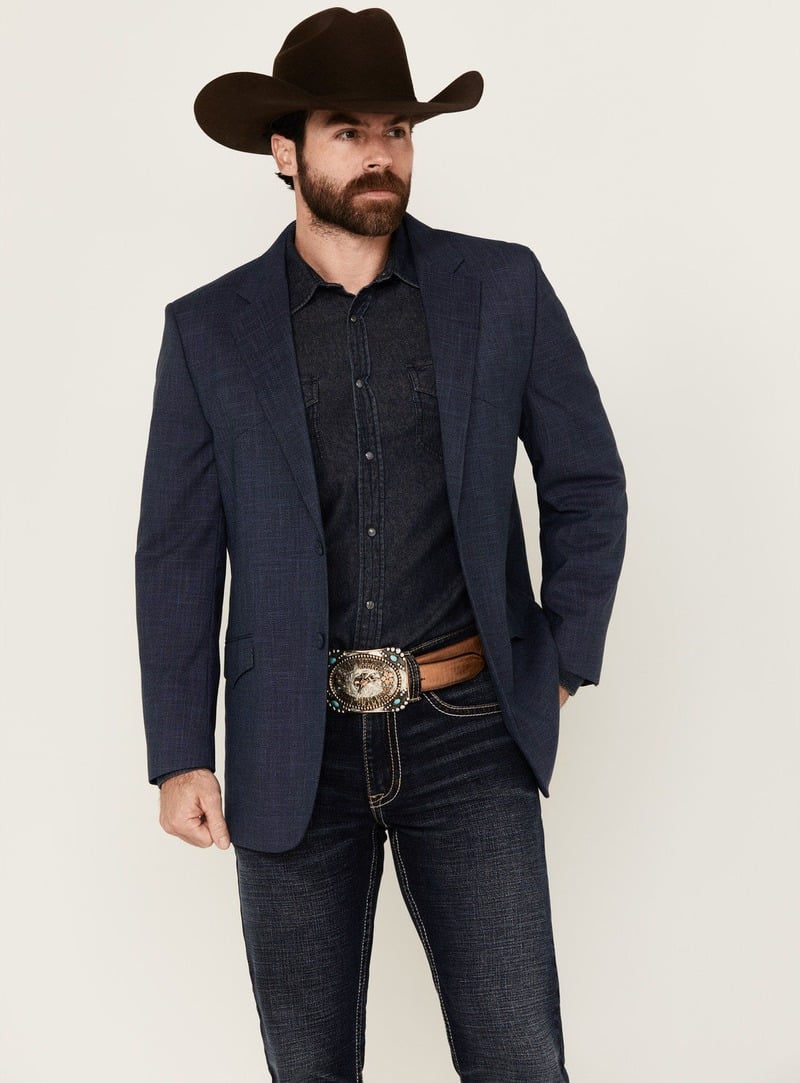
Western wedding clothes can be wonderfully specific to the people getting married. One couple expects suits and boots; another welcomes pressed jeans beneath a sport coat. The invitation tells you which wedding you are attending.
Where denim is welcome, a jacket gives it a more ceremonial character. The Cody James look uses closely related blues to connect the sport coat with the western shirt and jeans. A brown hat adds contrast, while the decorative buckle puts the western identity at the center of the outfit.
An even wash and intact hems help jeans feel appropriate to the occasion. A large buckle already commands attention, so a relatively simple shirt gives it a clear setting.

A more formal invitation calls for a suit or tailored trousers and a jacket. Clean leather cowboy boots can provide the western detail when the couple welcomes them. A bolo tie offers another route, with the collar framing it as part of the outfit.
Black tie has its own expectations. Follow the couple’s instructions about western accessories, and give the evening clothes the attention the occasion deserves.
Core Western Pieces

The hat: A cowboy hat changes the scale of an outfit. The brim broadens the upper half, while the crown adds height. Felt gives the look weight; straw feels lighter in warm weather. Fit matters as much as shape. A hat you keep reaching up to steady will soon become a chore.

The shirt: Shoulder yokes and snap fastenings give a western shirt its identity before embroidery enters the picture. Denim is an adaptable starting point. More decorative versions can become the focus of an outfit, especially above plain jeans.

The belt: A tucked shirt turns the belt into a visible decision. Its width should suit the trouser loops, and the buckle can be as discreet or assertive as your taste allows. Brown leather works easily with blue denim and adds warmth to black clothing.

The jeans: The rise sets the waistline, while the leg determines how the jeans meet the boots. Higher waists work particularly well with tucked shirts. Straight and bootcut shapes are useful starting points, with the final choice depending on the boots and how you like your jeans to fall.
Cowboy Costume vs. Everyday Western Wear

A cowboy costume uses recognizable details to establish a character quickly. Everyday western wear develops through repetition. The shirt becomes one you reach for, and the boots begin to work with more of your wardrobe.
Halloween and themed parties can be an excuse to try the full look. For regular wear, start with the pieces that appeal to you and give them ordinary outings. A hat feels like less of an event once you have worn it a few times. The clothes become yours through use, which is a fitting outcome for a style so invested in the idea of independence.