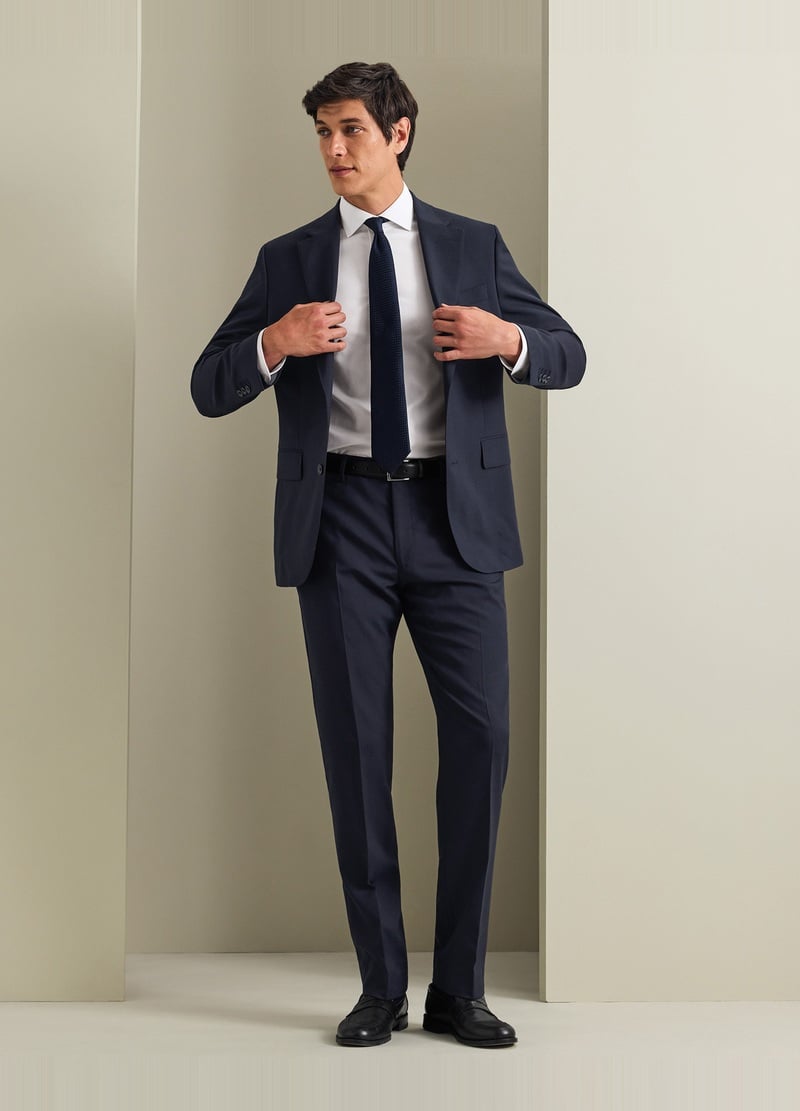
Business formal is the most formal business dress code, one step above business professional. For men, it means a dark matching suit with a white dress shirt, a conservative silk tie, and black leather dress shoes.
This is tailoring for occasions when the invitation has already made the main wardrobe decisions. An important corporate ceremony or formal client event calls for clothes that acknowledge the occasion. Personal taste comes through in the jacket’s proportions and the choice of silk at the collar. The pleasure is in getting those small decisions right.
Business Formal for Men
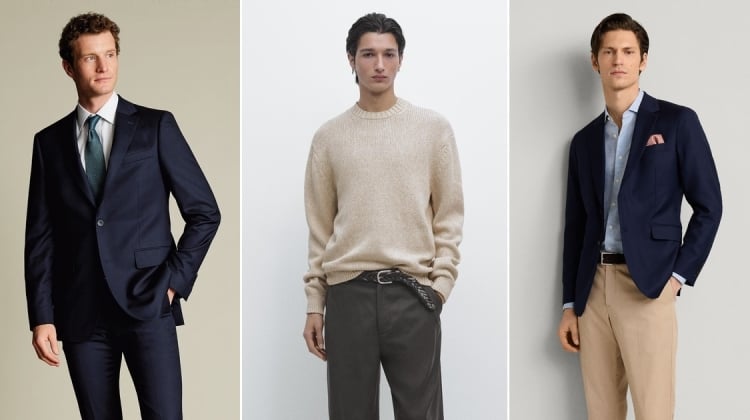
A matching suit gives business formal attire for men its authority, creating a continuous line from jacket to trousers. Navy and charcoal define a white shirt and allow personal choice in the tie while remaining useful across a working wardrobe. Black also meets the brief.
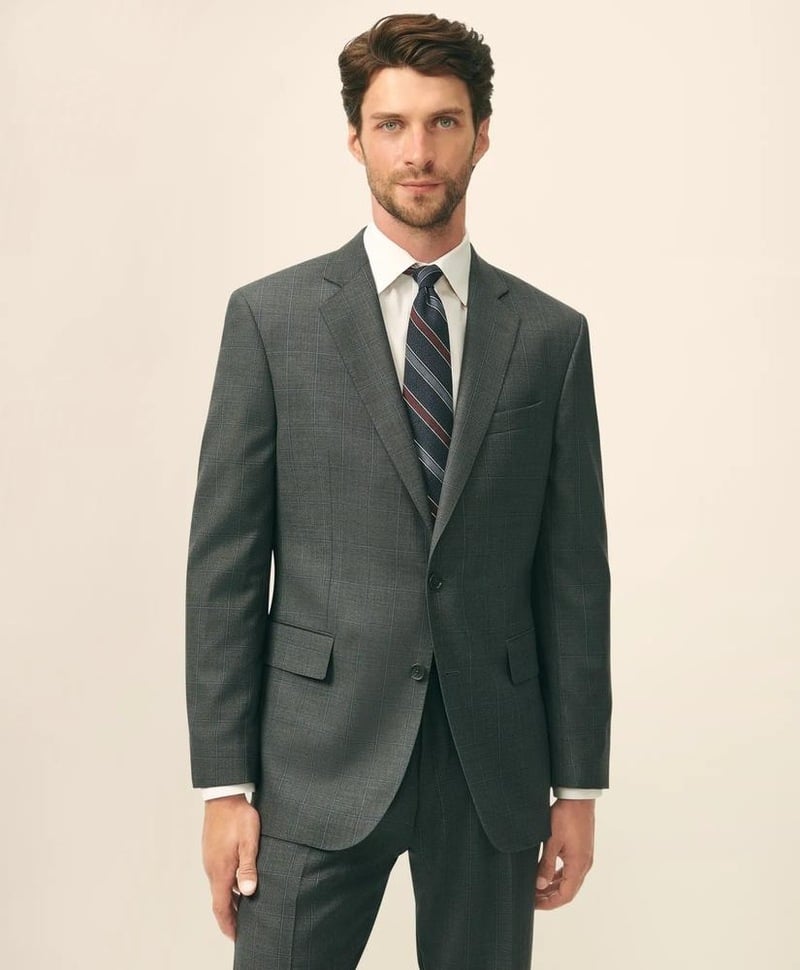
Choose worsted wool for its smooth surface and clean drape, with a weight suited to the weather and journey. A solid suit is safest for strict occasions; fine stripes and subdued checks work when the host permits variation. The windowpane shown here stays close to the ground color, adding interest at conversational distance while preserving the suit’s unity.
Fit should balance appearance with comfort through dinner. The jacket should follow the shoulders, cover the seat, and fasten comfortably, while trousers fall cleanly toward the shoes with a slight break. A two-button, single-breasted jacket with notch lapels is an accessible starting point; well-fitting double-breasted tailoring is equally appropriate. Choose the version you enjoy wearing. The occasion supplies enough novelty on its own.
The White Dress Shirt
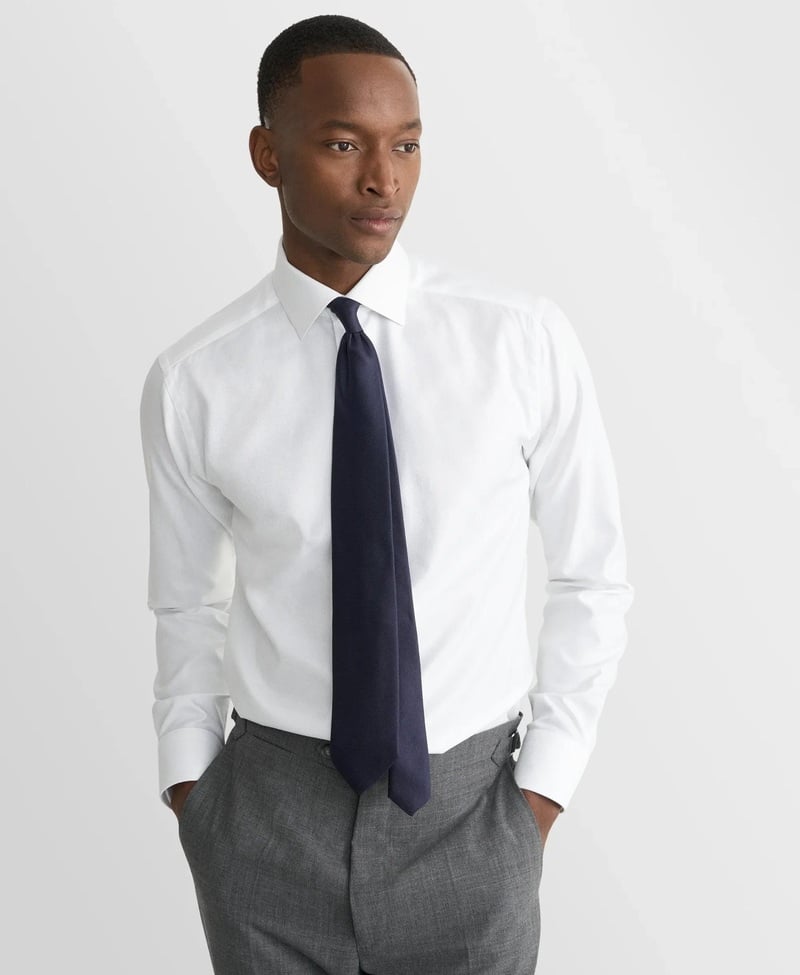
A white shirt brings light to dark tailoring and gives the tie a clear background. Its usefulness is partly aesthetic and partly practical. Among the available dress shirt colors, white is the one that asks the fewest questions before a formal appointment.
Poplin offers a smooth finish, while twill brings a diagonal weave and a little more texture. Either can look right beneath a dark suit. A comfortable collar matters more than the distinction: it should close easily and sit against the neck, with enough space for the knot.
French cuffs are a traditional choice for the stricter end of business formal. The folded fabric adds a little ceremony at the wrist, along with an opportunity to wear cufflinks. Button cuffs can also be appropriate unless the host specifies otherwise. Let a small amount of shirt cuff show beneath the jacket sleeve so the layers look connected.
The Silk Tie
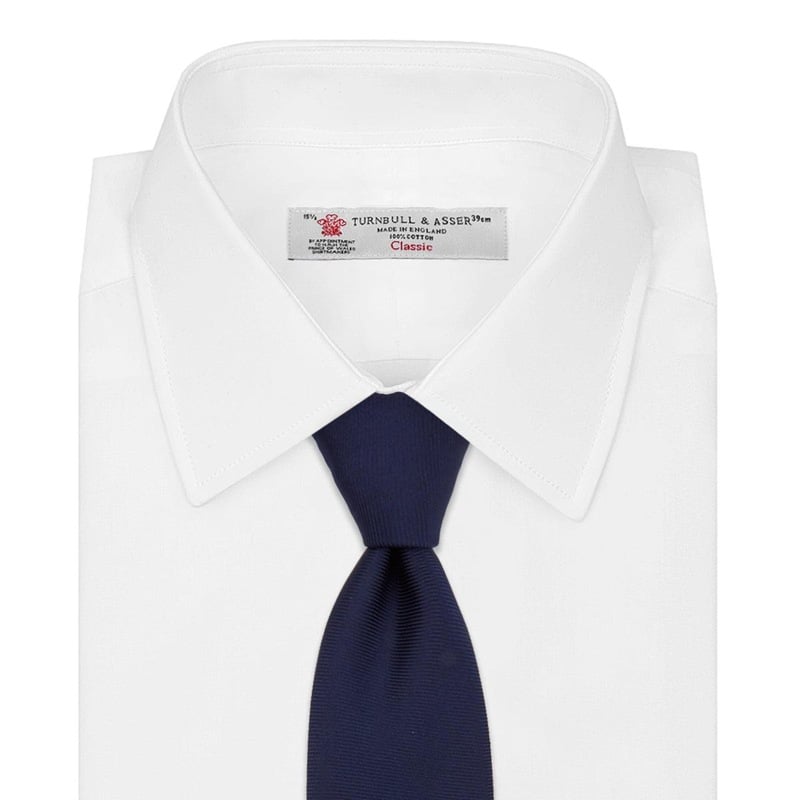
The silk necktie is where a restrained outfit can show some feeling. Navy has depth against a white shirt, especially when the weave gives the surface texture. Burgundy is another dependable choice, while a quiet stripe introduces pattern to a solid suit.
Keep the scale sympathetic to the clothes. A tie should relate to the lapels, and the knot should fit comfortably inside the collar. A four-in-hand works with many shirts and has an appealing informality in its slight asymmetry, even when the rest of the outfit is exact.
The blade should finish around the waistband, with the narrow end secured behind it. Small repeating motifs are perfectly workable, but save novelty designs for an occasion that welcomes the joke.
Black Oxfords & Dark Socks
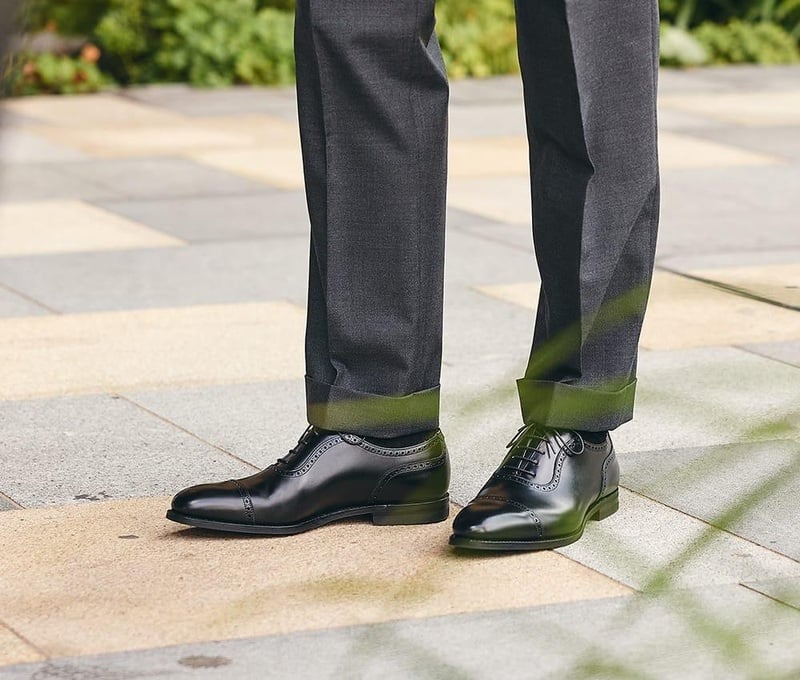
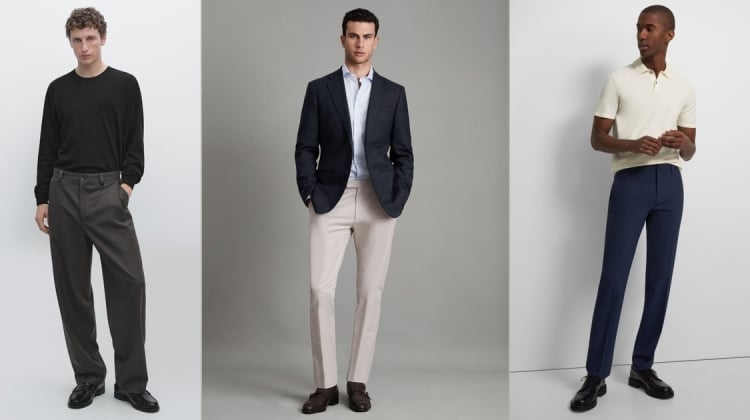
Black leather Oxfords put the suit on a firm footing. Closed lacing gives them a compact shape, and a plain cap toe is particularly useful for strict business occasions. Modest broguing, as shown here, adds decoration while retaining the tailored outline.
Condition counts. Clean leather and maintained heels make a frequently worn shoe look ready for an important evening. A discreet rubber sole can be sensible in wet weather; its practicality is compatible with a formal shape. Brown shoes and loafers suit more flexible invitations.
Dark socks should continue the line of the trousers, usually navy with navy and charcoal with charcoal. Choose enough length to keep the ankle covered when seated. A trouser hem rises during a meeting or dinner, making the sock more visible than it seemed beside the wardrobe.
The Dress Belt
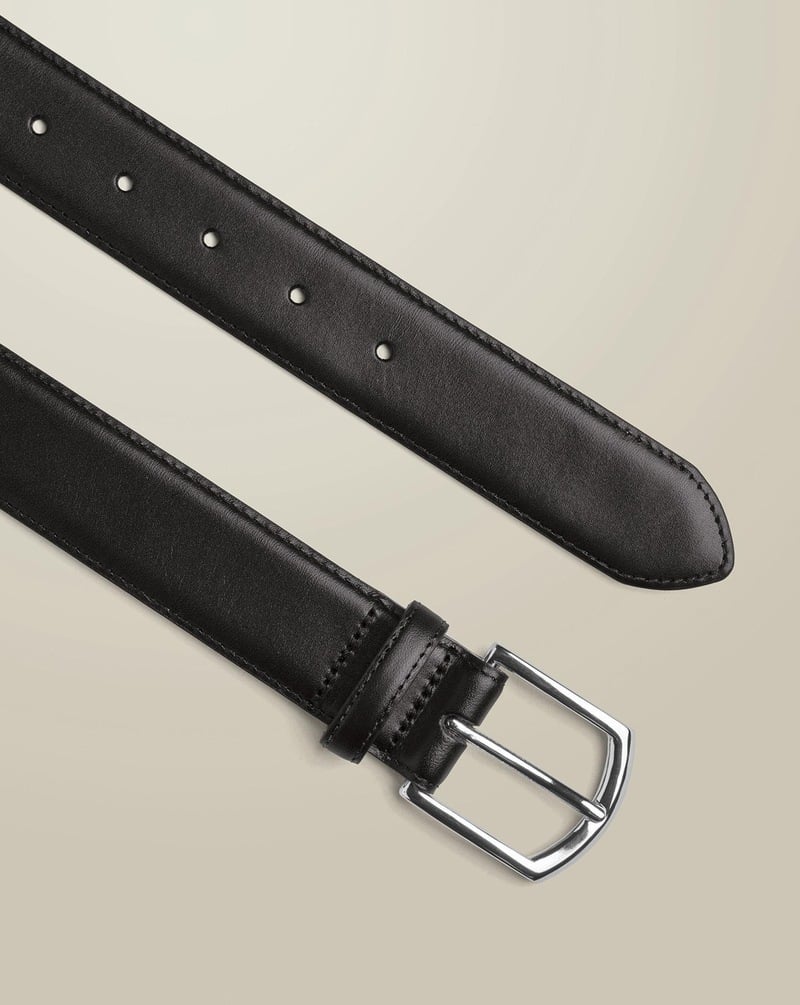
A smooth black belt is the natural companion to black shoes. A simple buckle keeps the waistband in proportion to the tailoring, particularly once the jacket is open. Large hardware has a habit of becoming the outfit’s most memorable feature.
Side adjusters offer another approach and leave the front of the trousers uninterrupted. Both systems work when the waistband fits securely. The belt’s job is to hold the trousers in position; pulling several folds of cloth through the buckle is a matter for the tailor.
Cufflinks, Pocket Squares & Dress Watches
Formal accessories are most enjoyable at close range. Small silver cufflinks or restrained mother-of-pearl designs give French cuffs a finish that becomes apparent as the hands move. Their scale should suit the shirt and the person wearing it.
A white linen pocket square brings a point of contrast to a dark jacket. A straight fold connects naturally with the shirt. Give the tie its own color or texture; an exact matching set tends to suggest that the accessories arrived in the same gift box.
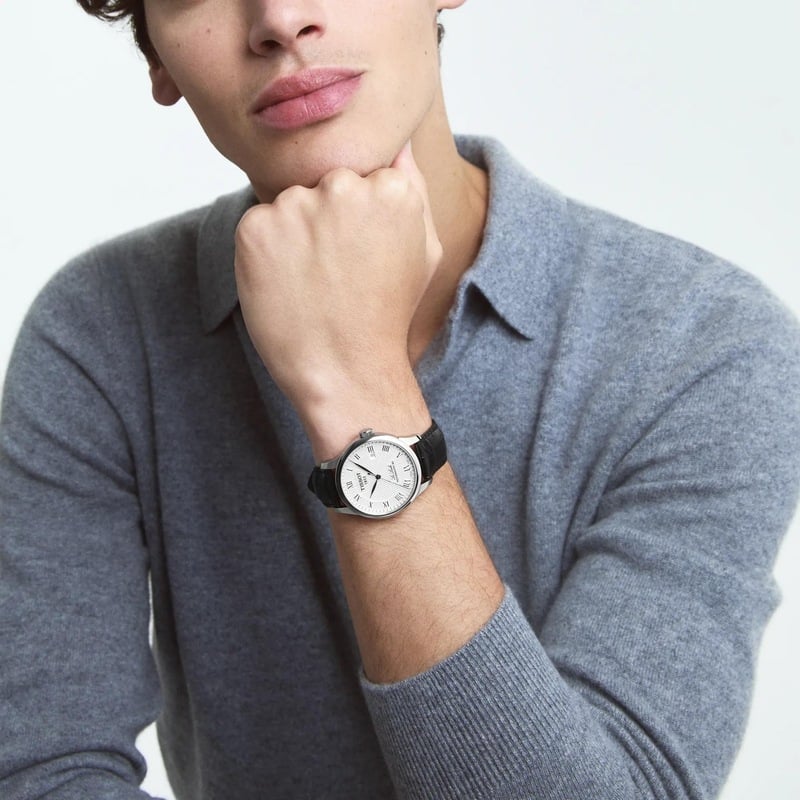
An elegant watch is optional, but a slim case makes sense beneath a shirt cuff. A dark leather strap is an easy choice for formal business attire, with the added advantage of working across the rest of the week. These pieces can become personal constants, even when the suit changes.
Grooming & Clothing Care
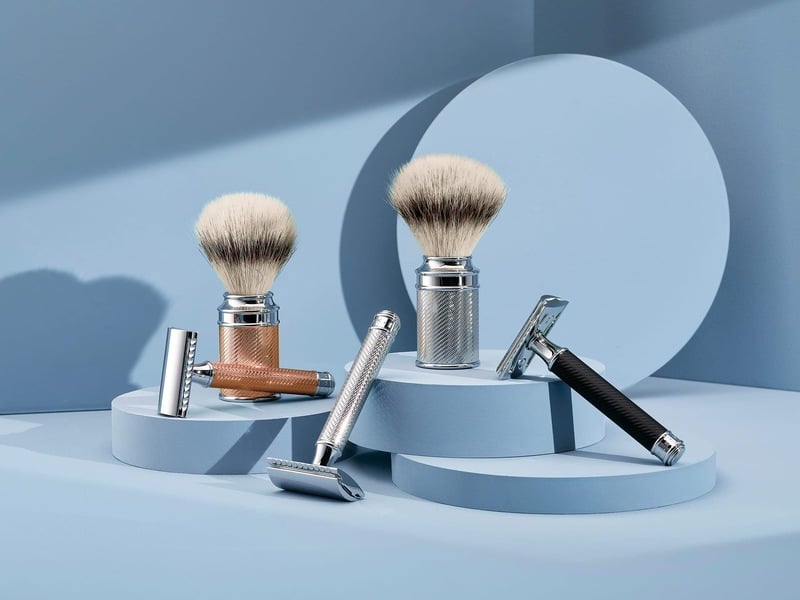
The preparation behind an outfit often registers before its labels. A pressed shirt gives the collar definition, while a quick pass with a clothes brush restores the jacket’s surface. Air the suit between wears and use a supportive hanger to help preserve its shape.
Grooming follows the same principle. A clean shave is one option; a beard with a maintained shape is another. Professionally styled hair can follow your natural texture and still look appropriate for a formal occasion. Keep fragrance close to the skin, especially when the evening involves shared tables.
Religious dress and disability-related needs also belong in the conversation about attire. Clarify practical requirements with the organizer so the clothes work for the person wearing them.
Galas, Evening Events & Tuxedos
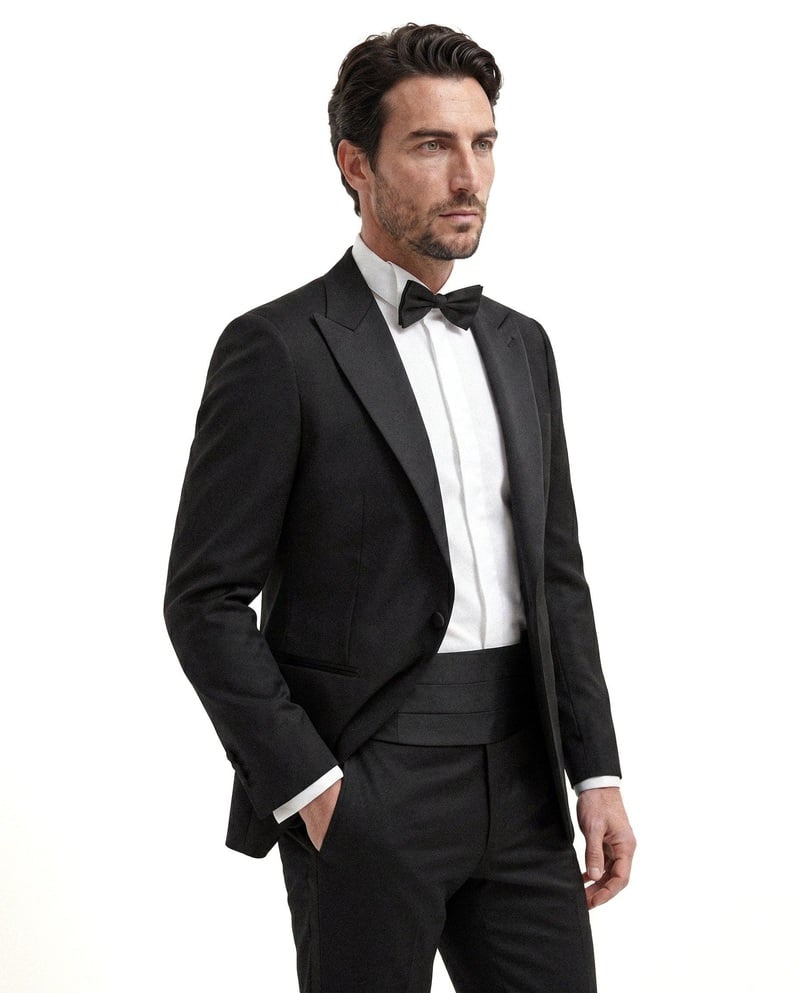
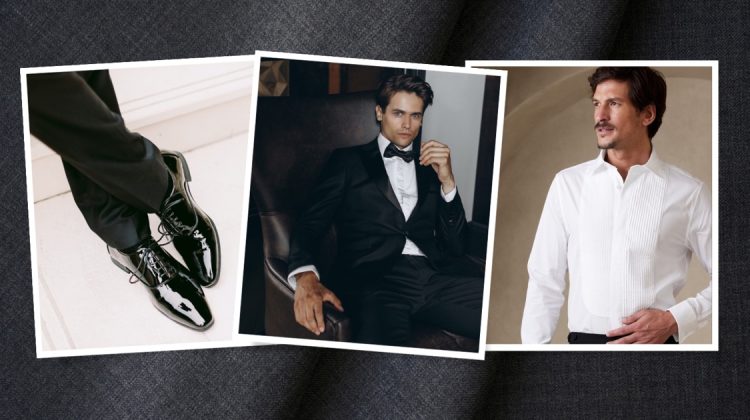
A business invitation can lead to an evening in a tuxedo, but the wording determines when that change happens. Business formal ordinarily means a dark suit and tie. Black tie calls for a tuxedo with a formal white shirt and black bow tie. The dress code changes even if the guest list is drawn entirely from the office.
A gala venue alone is insufficient guidance. Read the invitation before renting a dinner jacket, and ask the host when a phrase such as “formal business gala” leaves the expectation unclear. It is a small question that can prevent a very conspicuous entrance.
Business Formal vs. Business Professional
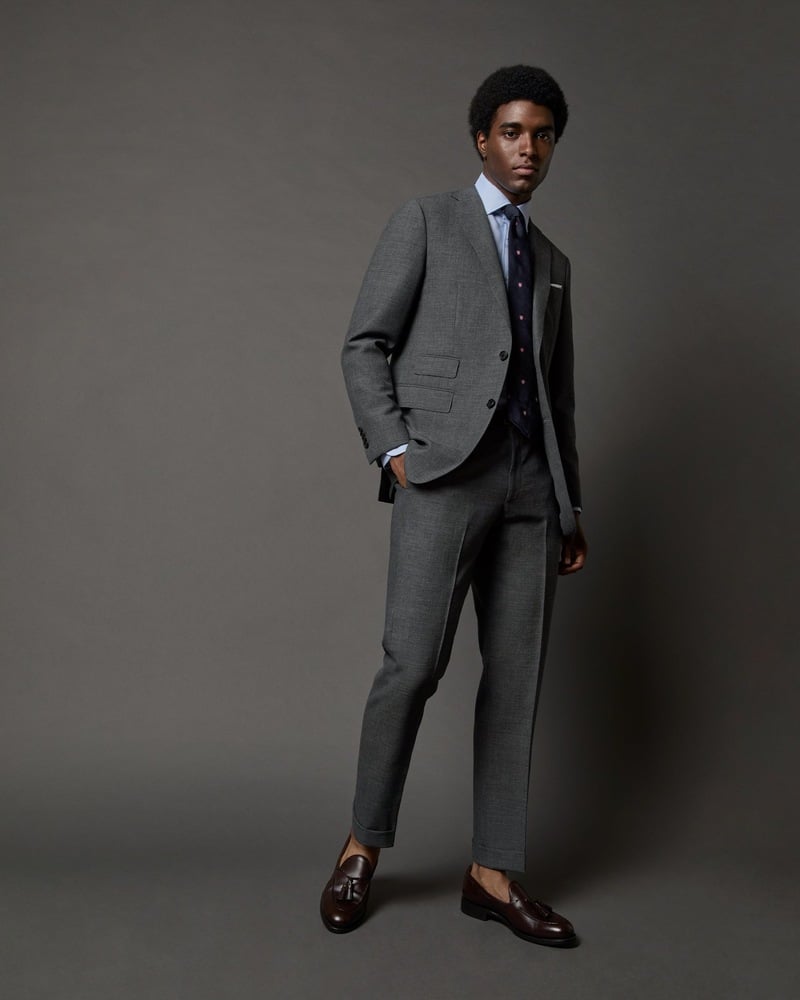
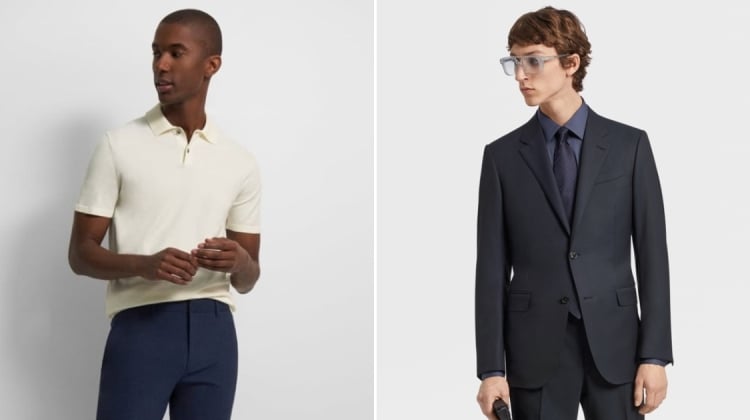
Business formal takes the conservative end of business professional and makes it the expectation. The dark suit, white shirt, and restrained tie become the dependable combination, while everyday professional dressing may permit a broader range of colors and patterns.
Terminology varies between employers, so the host’s instructions settle the distinction. Business casual allows greater flexibility, explored in the comparison of business casual vs. business professional.
Mistakes to Avoid
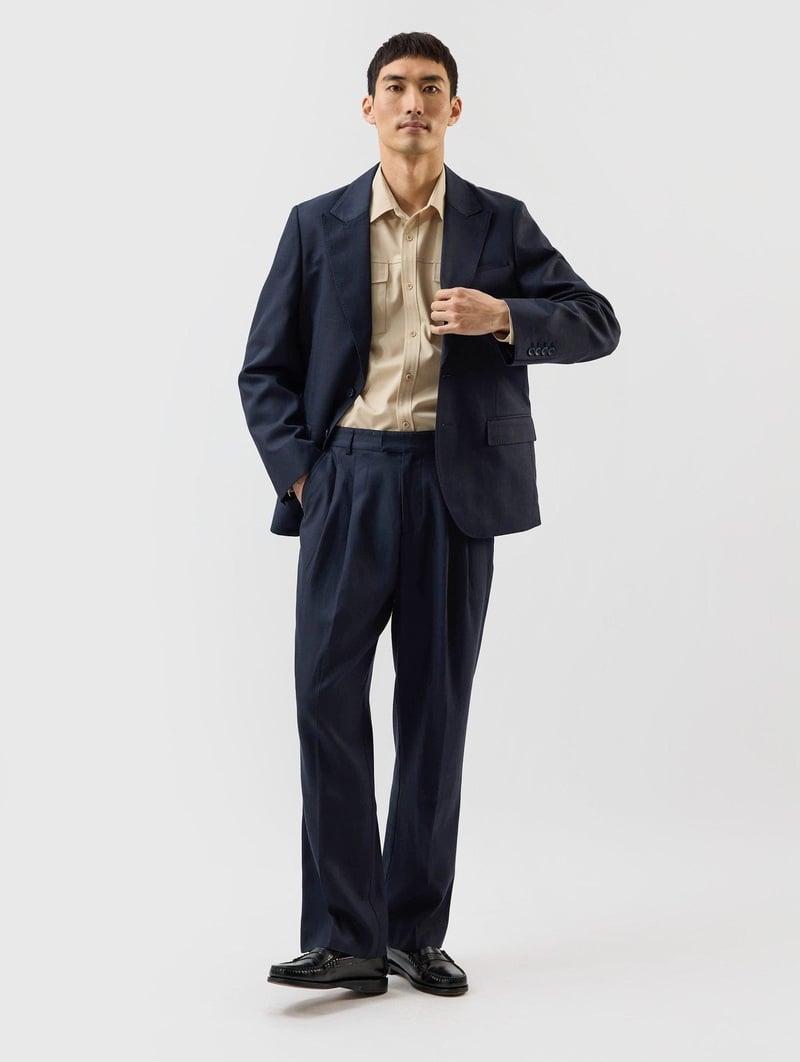
An outfit can contain several smart pieces and still miss the invitation. The open collar that works at the office or the loafers worn to lunch may take a suit below the formality expected at the event. Business formal depends on the complete combination.
Fit deserves the same attention as the dress code. A strained jacket fastening becomes especially visible against a plain white shirt, and excess trouser length distracts from the shoes. Allow time for alterations, then try on the full outfit before the day arrives. New shoes also benefit from an outing before they are asked to manage a long reception.
Finally, read the occasion accurately. Job interview attire follows the employer’s expectations; a formal corporate ceremony may set a stricter brief. Once the clothes are right, they should feel comfortable enough to let you get on with the conversation.