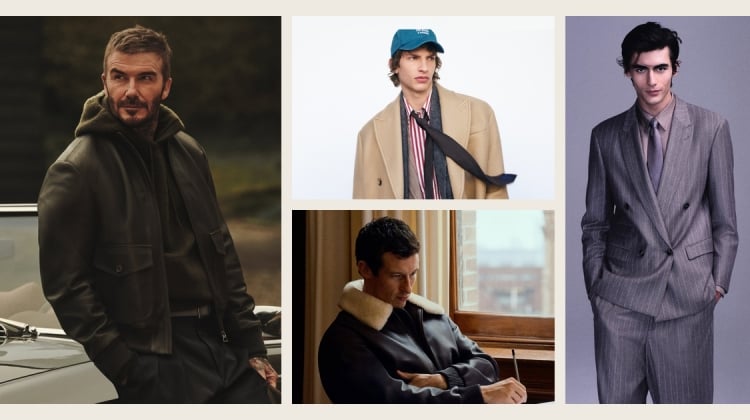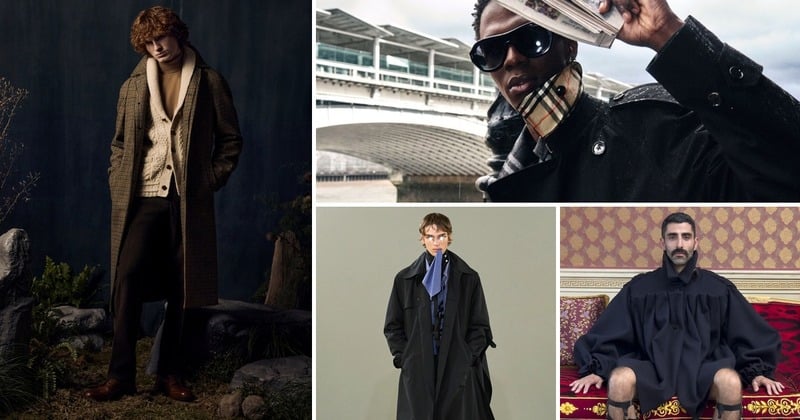
British menswear is rarely far from a uniform, even when it is busy taking one apart. The discipline of military tailoring runs through Savile Row, while motorcycle clothing and schoolboy knits have supplied generations of designers with something to reinterpret. British designer brands draw on that shared wardrobe in very different ways. Some offer the reassurance of an excellent shirt or raincoat. Others use the same conventions to question who gets to look respectable in the first place.
British Designer Brands
These labels span established luxury houses, specialist makers, and independent designers. Their British identity comes from their origins and creative character, extending beyond where the clothes are manufactured or who owns the business today.
Belstaff
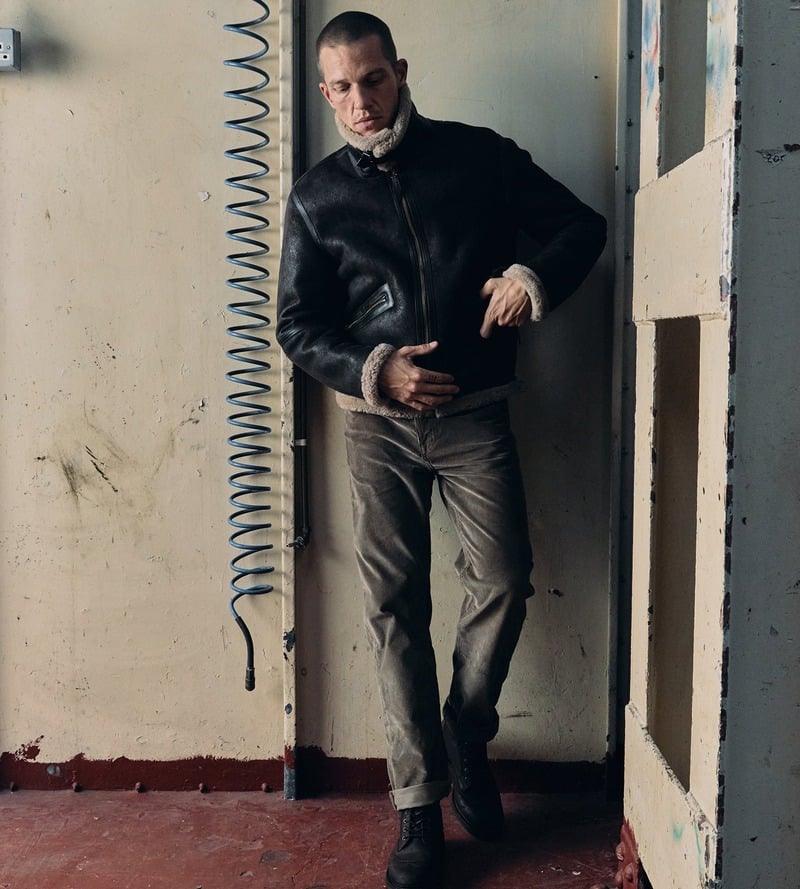
Belstaff approaches a wardrobe through its outerwear. Founded in Stoke-on-Trent in 1924, the label built its reputation on protective clothing, and the belted, four-pocket Trialmaster jacket still explains much of its appeal. Waxed cotton develops a weathered surface; leather gives the same practical shapes a tougher attitude. The surrounding clothes tend to support that central purchase, with knitwear and straightforward trousers keeping the jacket in focus. For men drawn to British style through motorcycles and open roads, Belstaff offers a useful alternative to the country-house version of heritage dressing.
Burberry
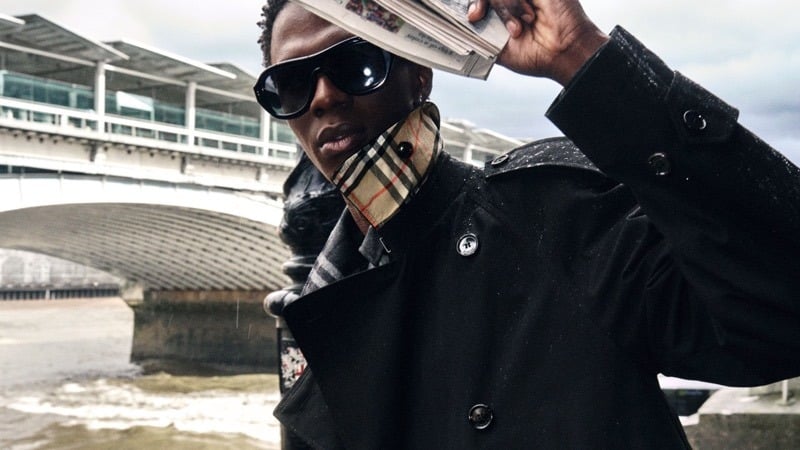
The trench coat remains the clearest introduction to Burberry. Thomas Burberry established his business in Basingstoke in 1856 and developed gabardine in 1879, giving the house a lasting relationship with weatherproof clothing. Under Daniel Lee, that inheritance extends into a wardrobe where sturdy boots and relaxed outerwear meet the recognizable check. A Burberry coat can work over a suit, but its proportions also make sense with jeans and a sweater. The appeal lies in that flexibility, with British outdoor clothing adapted to a life spent largely in town.
Craig Green
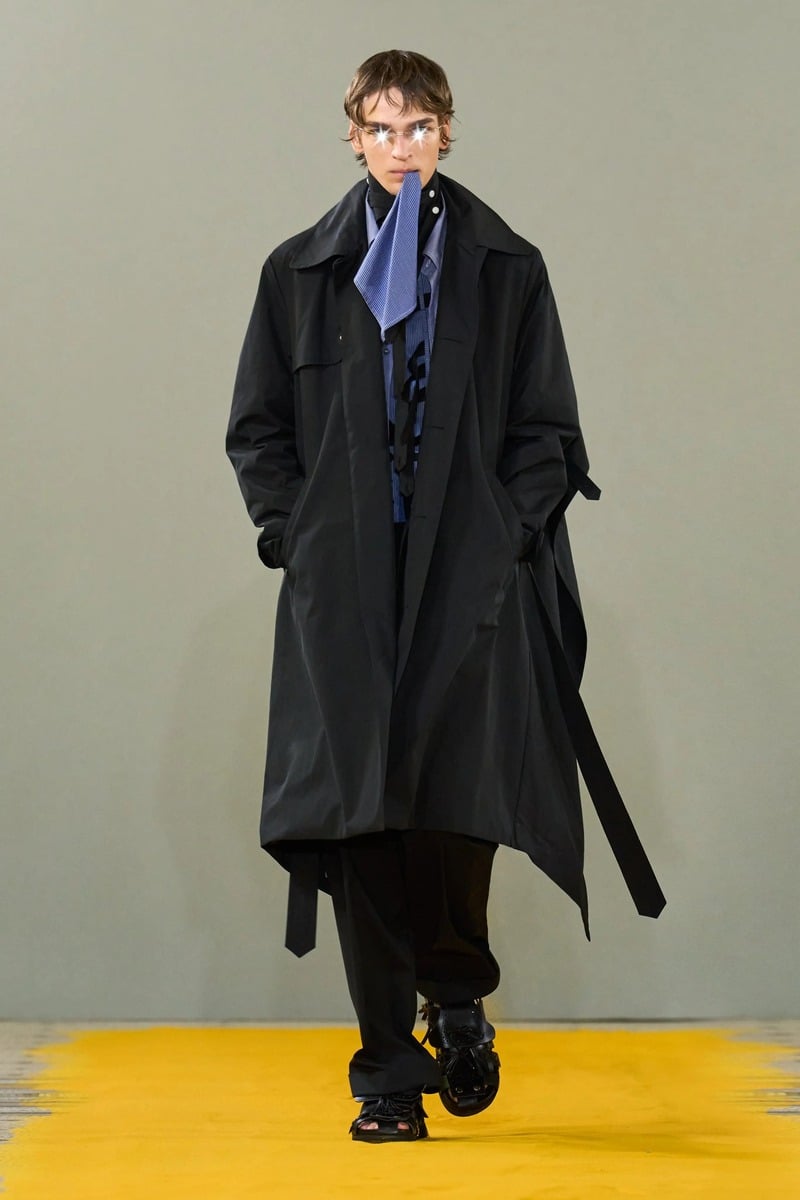
Founded in London in 2012, Craig Green starts with the visual language of workwear and uniform, then changes how it sits on the body. Quilted jackets, adjustable ties, and layered panels can turn practical construction into something unexpectedly ceremonial. Even the more approachable pieces retain that attention to fastening and proportion. This is a label for someone interested in the shape of an outfit as much as its individual garments. A single jacket can alter the reading of plain trousers, giving everyday clothing a degree of strangeness that feels deliberate and wearable.
Drake’s
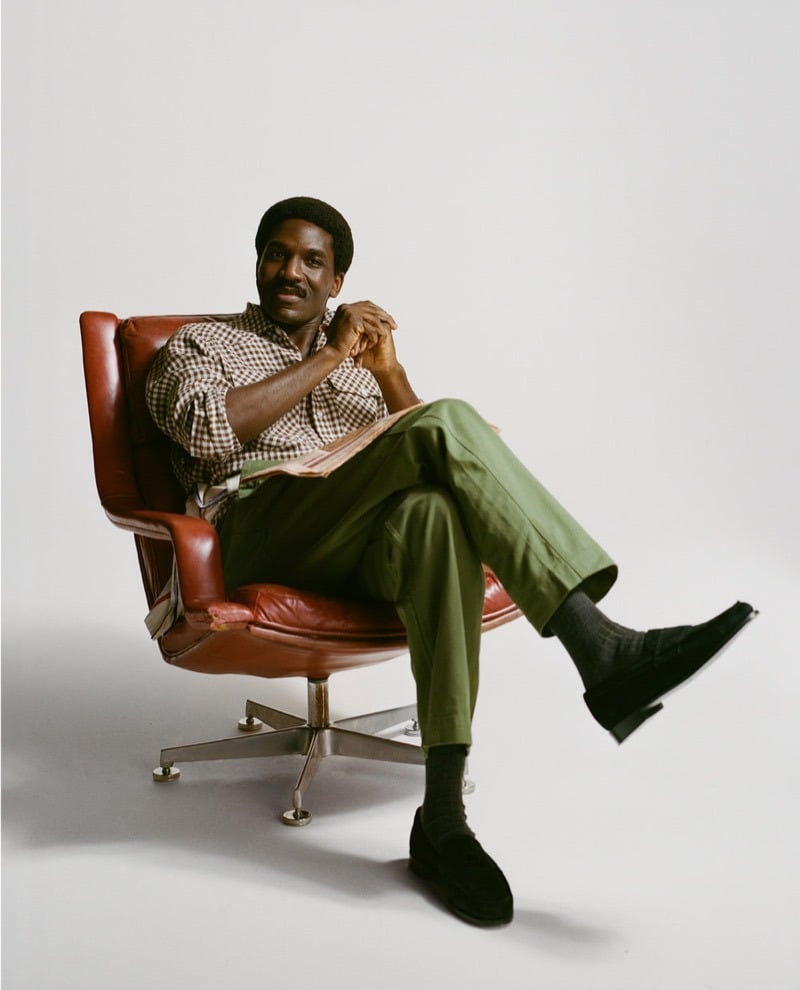
Drake’s makes a persuasive argument for keeping the tie after abandoning the office dress code. Founded in East London in 1977 as a maker of scarves, the company expanded through neckwear before developing a complete wardrobe under Michael Hill. Soft tailoring sits alongside denim and workwear, with patterned accessories giving otherwise straightforward clothes their personality. The combinations invite use and repetition. An oxford shirt can go beneath a tailored jacket one day and a chore coat the next, while full trousers give both outfits a similar ease. The distinction is in the styling as much as the individual purchase.
Dunhill
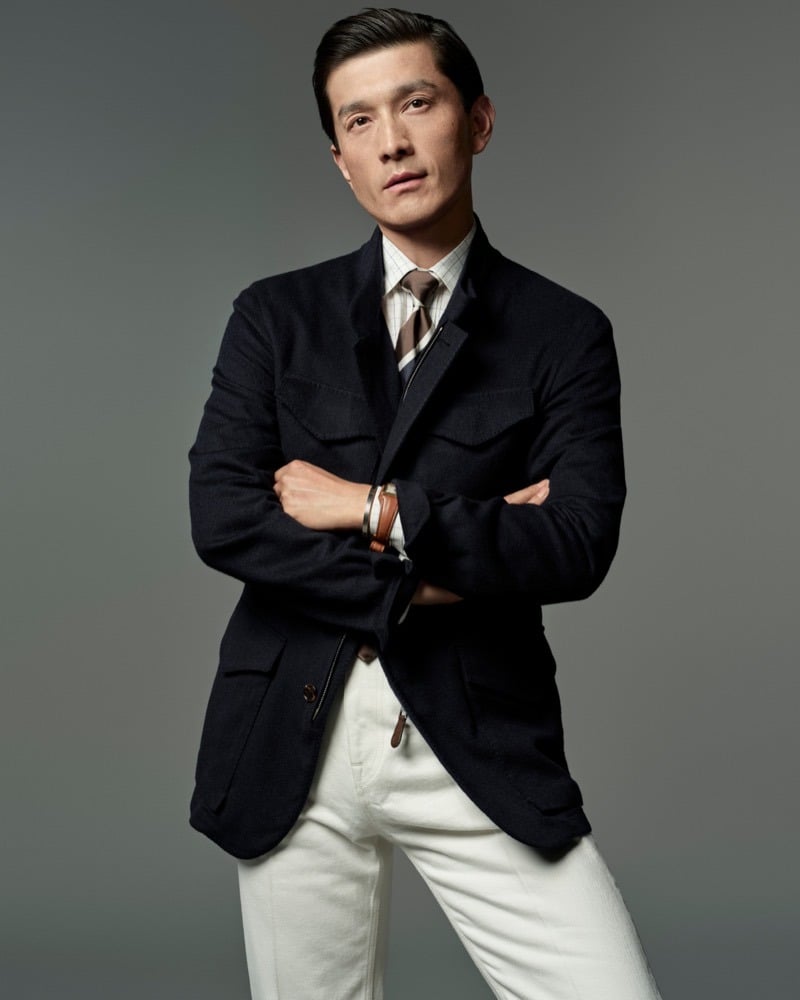
Dunhill offers one of the most complete expressions of British luxury menswear, linking tailored clothing to the leather goods and accessories that surround it. Its origins in motoring equipment help explain why a coat or bag belongs naturally beside a suit. Creative director Simon Holloway has emphasized English classicism, bringing attention back to the cut of a jacket and the way a wardrobe works across occasions. The resulting clothes suit men who enjoy dressing formally but still expect a sweater or suede jacket to receive the same attention as their tailoring.
Gieves & Hawkes
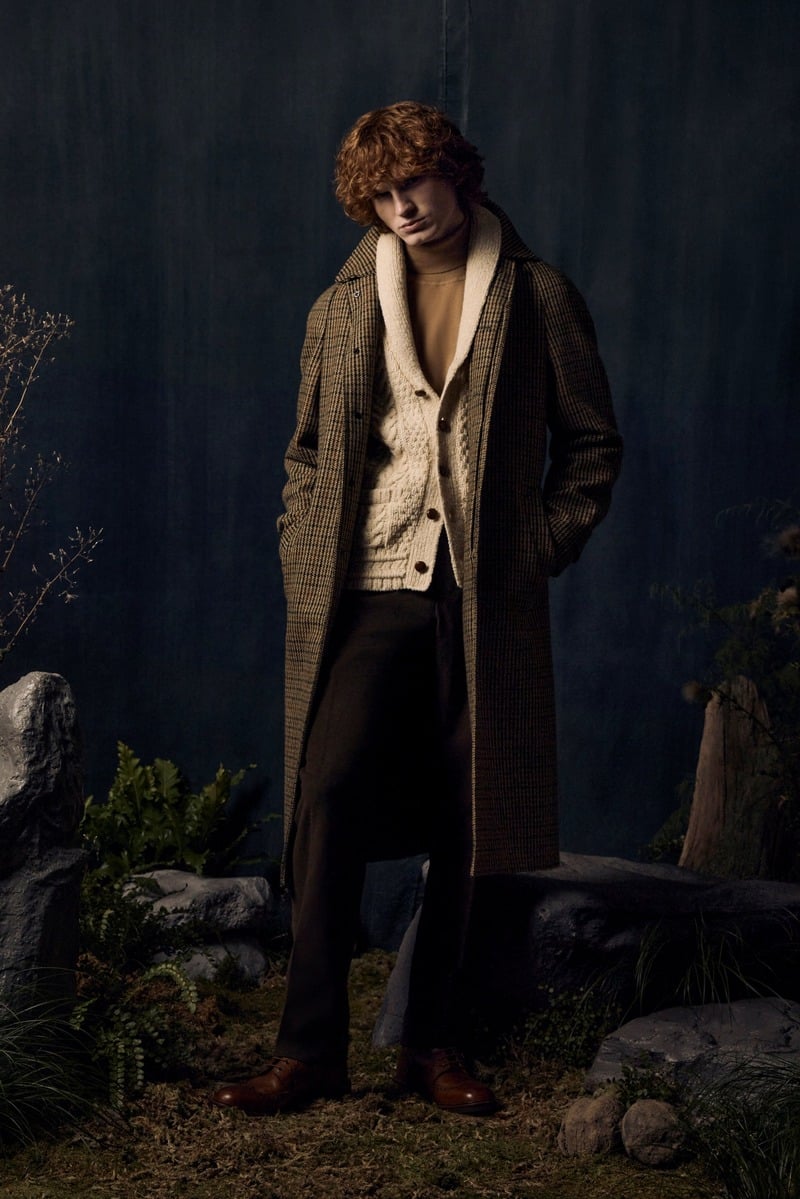
At Gieves & Hawkes, the suit has a direct connection to uniform. Hawkes was founded in 1771 and Gieves in 1785; the businesses joined in 1974, combining their respective military histories at No. 1 Savile Row. That background helps explain the house’s association with structured tailoring and a composed silhouette. Bespoke, made-to-measure, and ready-to-wear offer different routes into its wardrobe. The useful question is how much formality a man wants from his clothes. Gieves & Hawkes gives a jacket enough definition to look purposeful, with seasonal separates extending the conversation beyond the matching suit.
Jimmy Choo
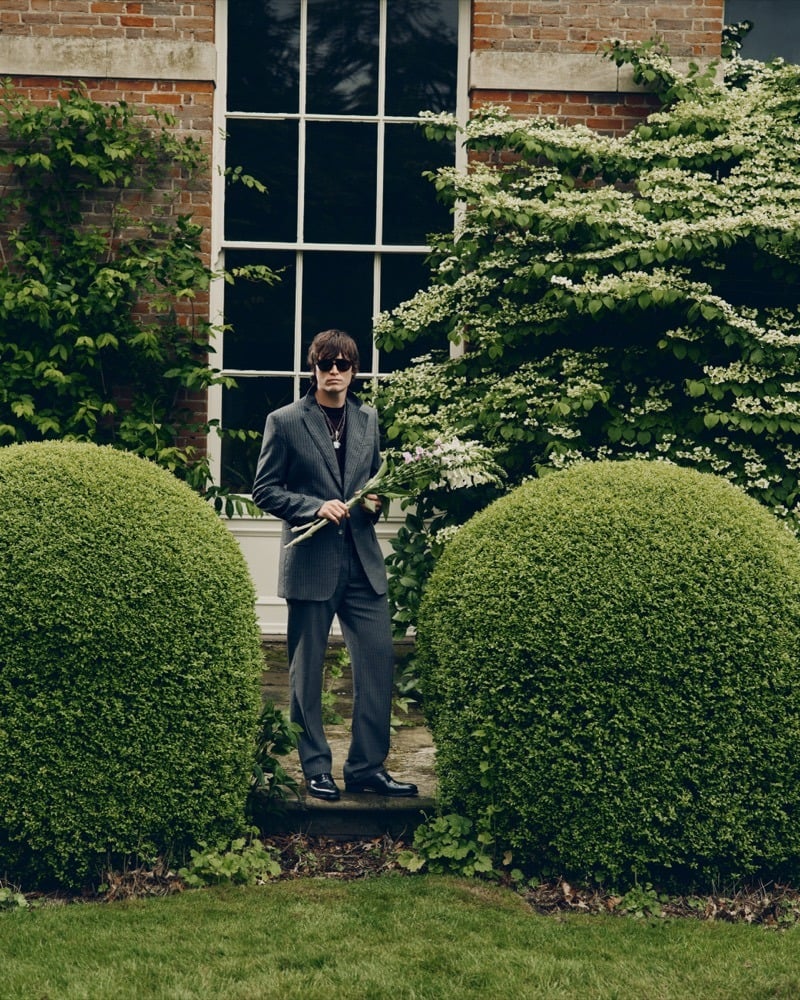
London-founded Jimmy Choo brings a more decorative instinct to men’s footwear. The brand was established in 1996 by Jimmy Choo and Tamara Mellon, building on the shoemaker’s earlier bespoke business. Under Sandra Choi, men’s shoes move between evening slippers and heavy-soled boots, with embellishment often supplying the point of difference. The attraction is easy to understand when the rest of an outfit is restrained. A detailed loafer or glossy dress shoe can change the mood of dark tailoring, introducing some of the pleasure usually reserved for women’s occasionwear.
JW Anderson
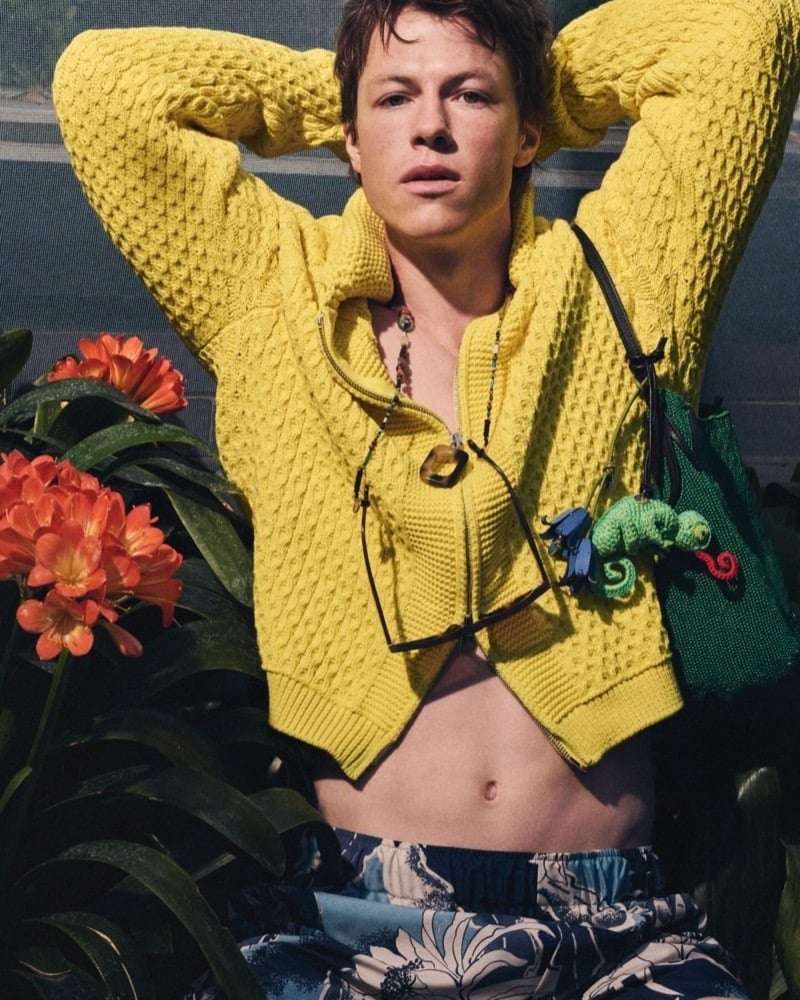
JW Anderson treats the boundaries of a man’s wardrobe as open to negotiation. Jonathan Anderson established the London label in 2008, using menswear to test unexpected proportions and borrow freely across conventional gender divisions. A cropped knit or exaggerated trouser can make an ordinary outfit feel newly unfamiliar. The label’s expanding interest in craft and objects belongs to the same curious sensibility. For the wearer, the most useful approach is often selective. One unusual piece can supply all the disruption an otherwise simple wardrobe needs.
Mackintosh
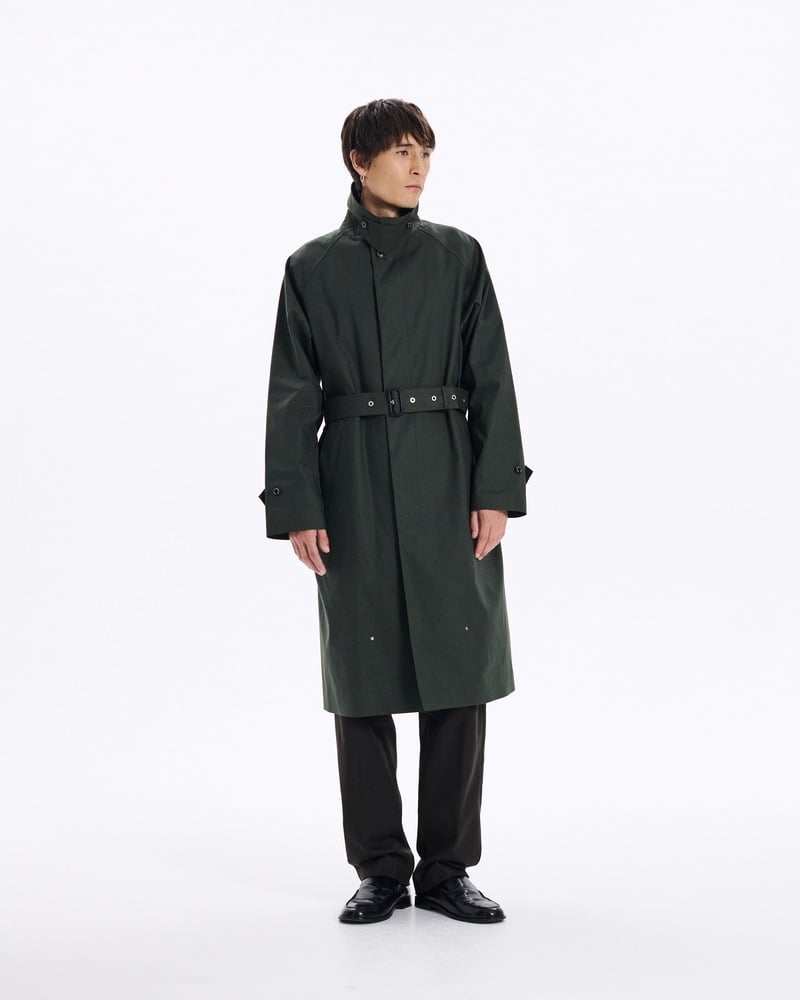
Mackintosh puts the coat before the rest of the outfit. Its history reaches back to Charles Macintosh’s development of rubberized waterproof cloth in 1823, a technical invention that became part of British everyday dress. The label’s clean raincoat shapes retain that practical logic, with room to cover tailoring and a surface that lets construction do the talking. Rubberized classics sit alongside a wider outerwear offer, so material matters as much as silhouette when choosing a piece. A long, straight coat supplies an especially useful line over fuller trousers, giving casual clothes some of the authority of formal dress.
Margaret Howell
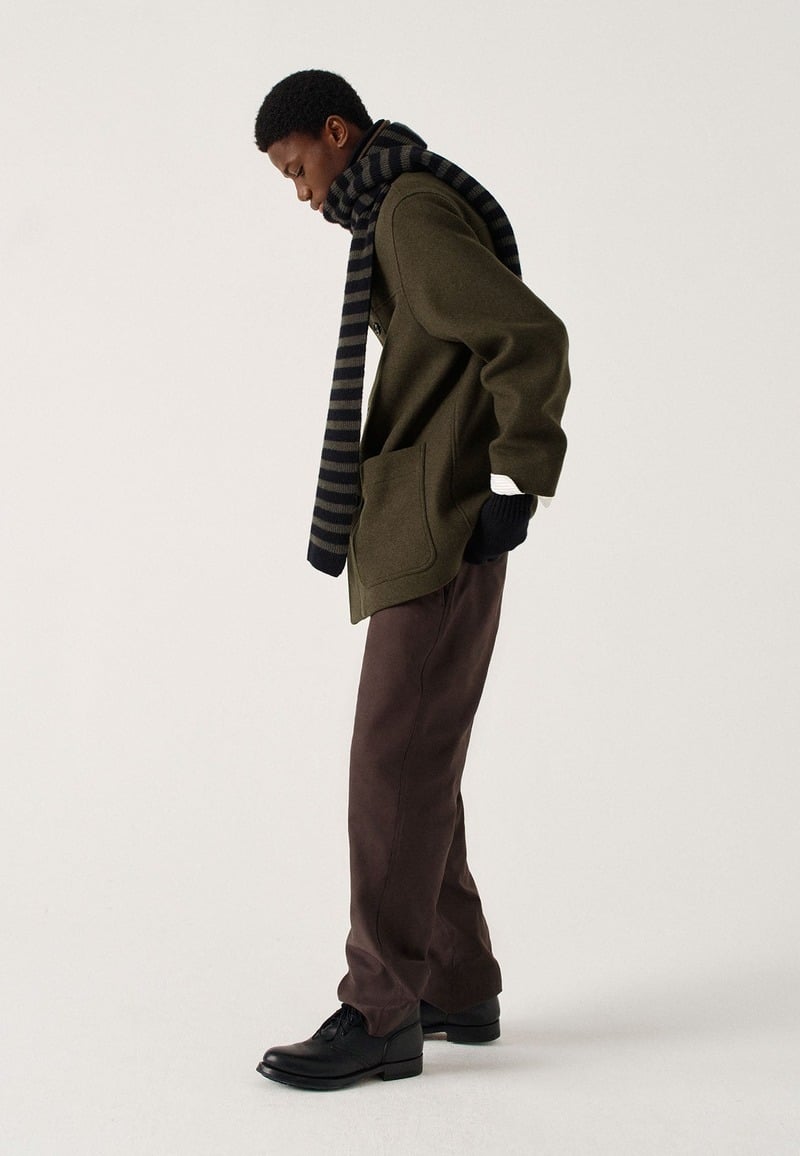
Margaret Howell finds character in the clothes men tend to overlook. A cotton shirt’s collar, the weight of a wool jacket, or the way trousers break over shoes can determine the whole outfit. Howell’s work draws on British fabrics and functional clothing, with a relaxed fit that leaves room for the wearer. The attraction becomes clearer through use, as separate pieces find their place together. These are clothes for someone who enjoys texture and proportion but has little interest in dressing for spectacle. The shirt remains a particularly good introduction to the label’s approach.
McQueen
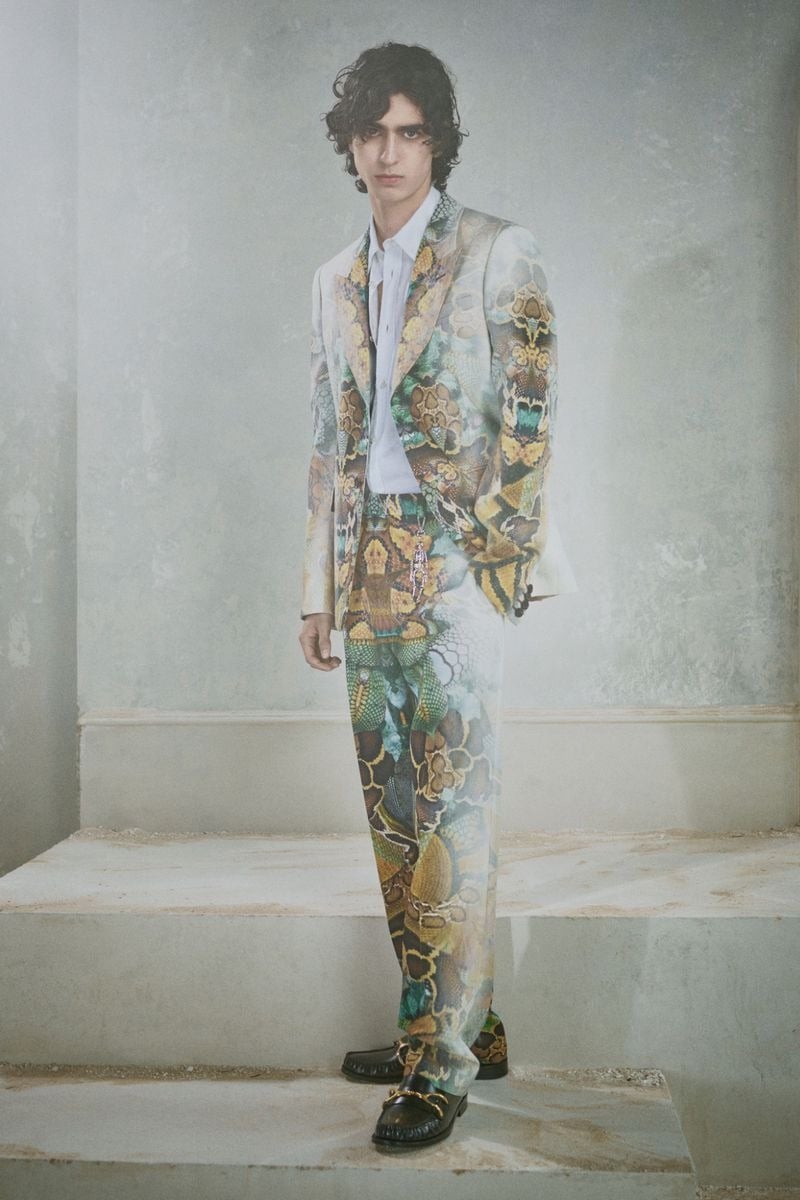
The tension between discipline and provocation runs through McQueen. The founder’s Savile Row training gave the London house a technical foundation for experiments with the male silhouette, and tailoring remains central to its identity. A shaped jacket can look severe; a floral treatment can make the same form romantic or unsettling. That range separates McQueen from a straightforward purveyor of statement clothing. The house is most interesting when the drama comes from the cut itself, allowing a suit to communicate something more complicated than professional competence or good manners.
Paul Smith
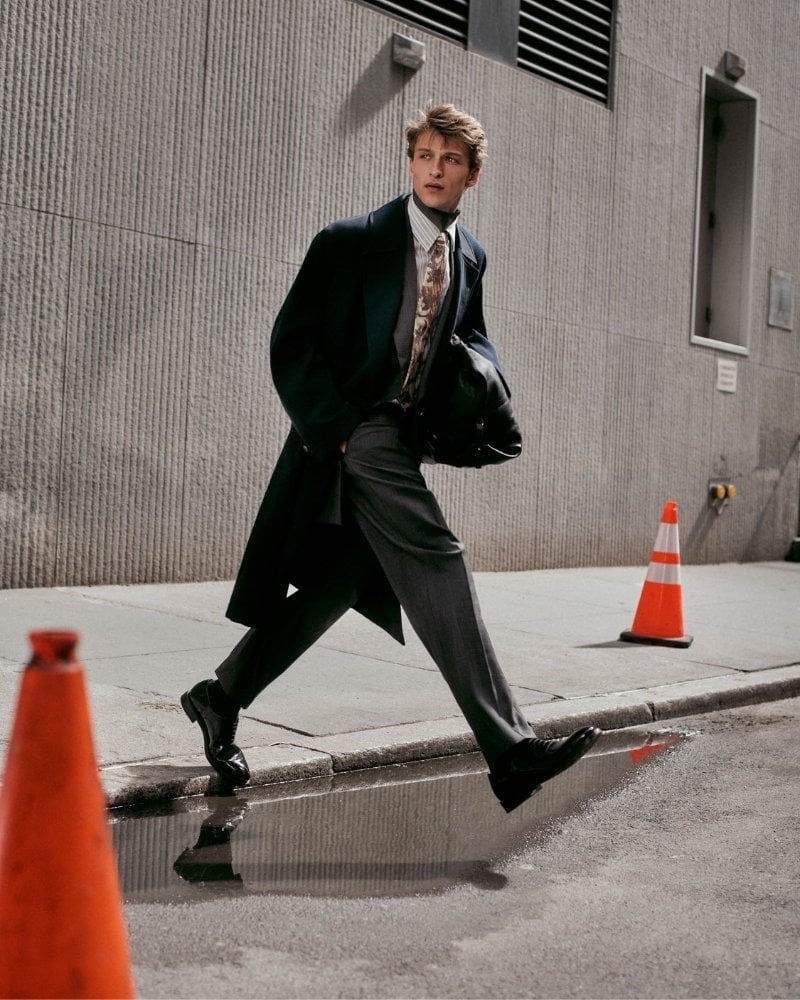
Paul Smith understands how little it can take to change a conventional outfit. A shirt print or an unexpected lining gives a tailored wardrobe a personal inflection, while the clothes remain recognizable enough for daily use. The business began with a small Nottingham shop in 1970, and that shopkeeper’s curiosity still helps explain its mix of references. Color is often the invitation, but the suit remains an important part of the offer. For a man who likes traditional menswear and wants some freedom within it, Paul Smith leaves plenty of room to experiment.
Sunspel
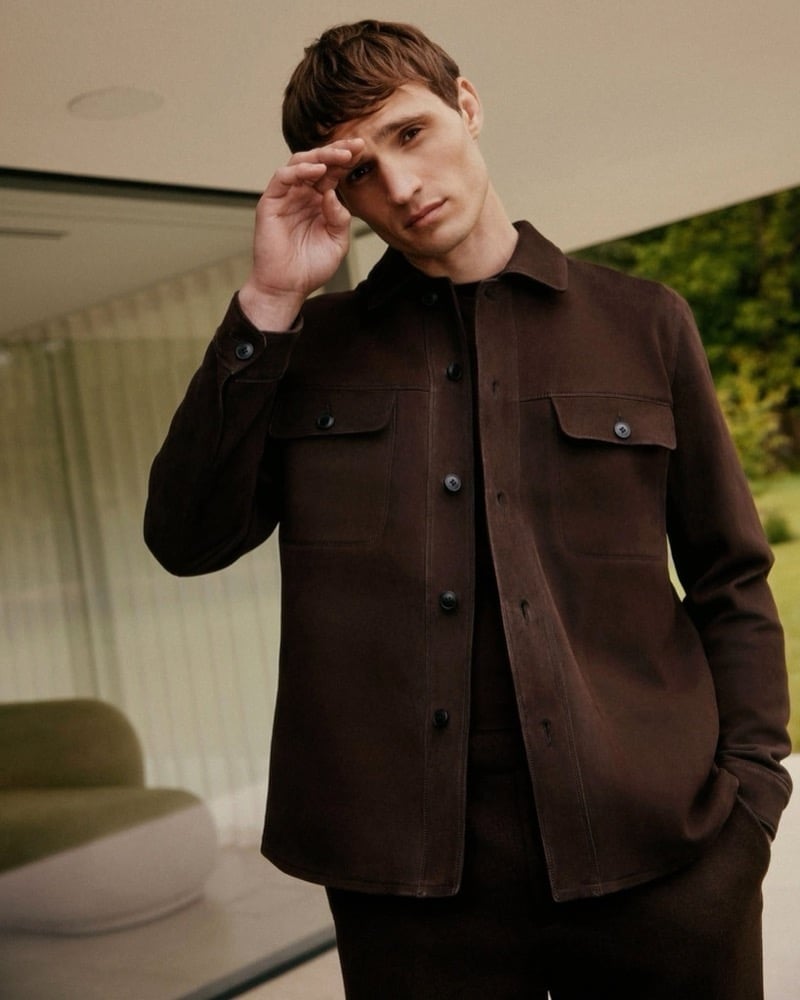
Sunspel locates luxury close to the skin. Its origins in a Nottingham hosiery and underwear business founded in 1860 explain the continuing emphasis on fabric and comfort, particularly in T-shirts and polos. These pieces ask the wearer to notice small differences in weight and feel. The wider collection builds outward from that foundation, with knitwear and suede outerwear giving simple outfits more texture. Sunspel suits a wardrobe in which the same garments receive frequent use. Its appeal depends less on a visible signature than on how satisfying an ordinary piece of clothing can become.
Turnbull & Asser
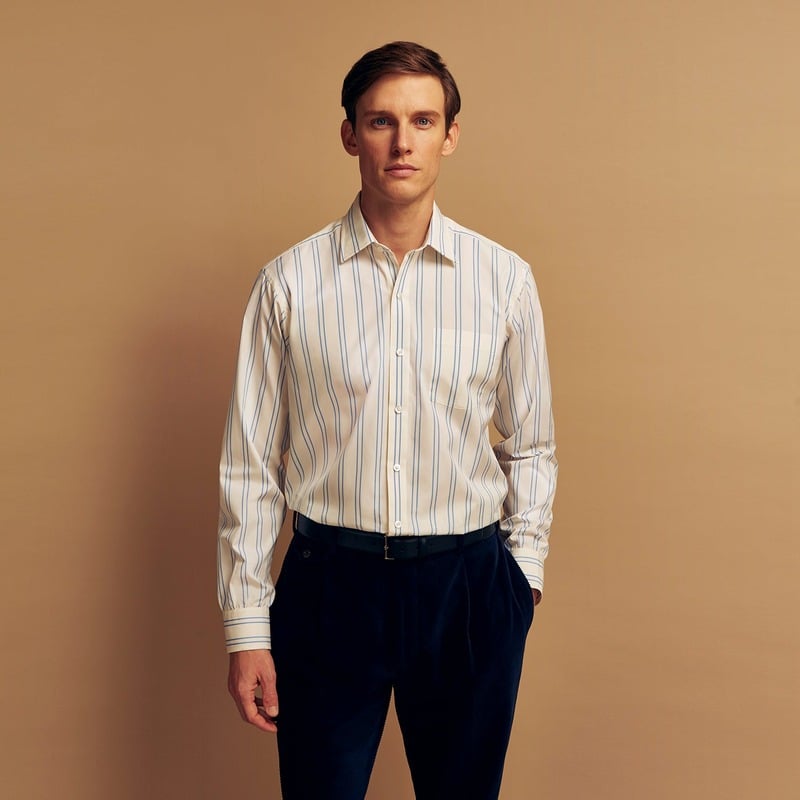
Turnbull & Asser gives the shirt a leading role. Founded in 1885, the Jermyn Street house is associated with English-made shirts whose collars and cuffs help define the look of tailoring. Stripes and saturated colors can make that contribution more assertive, especially beneath a dark jacket. Bespoke offers an individual fit, while ready-to-wear provides a more immediate introduction to the house. The point extends beyond formal dress. An expressive shirt can give plain trousers enough interest for an evening out, keeping the pleasure of dressing up after the tie has come off.
Vivienne Westwood
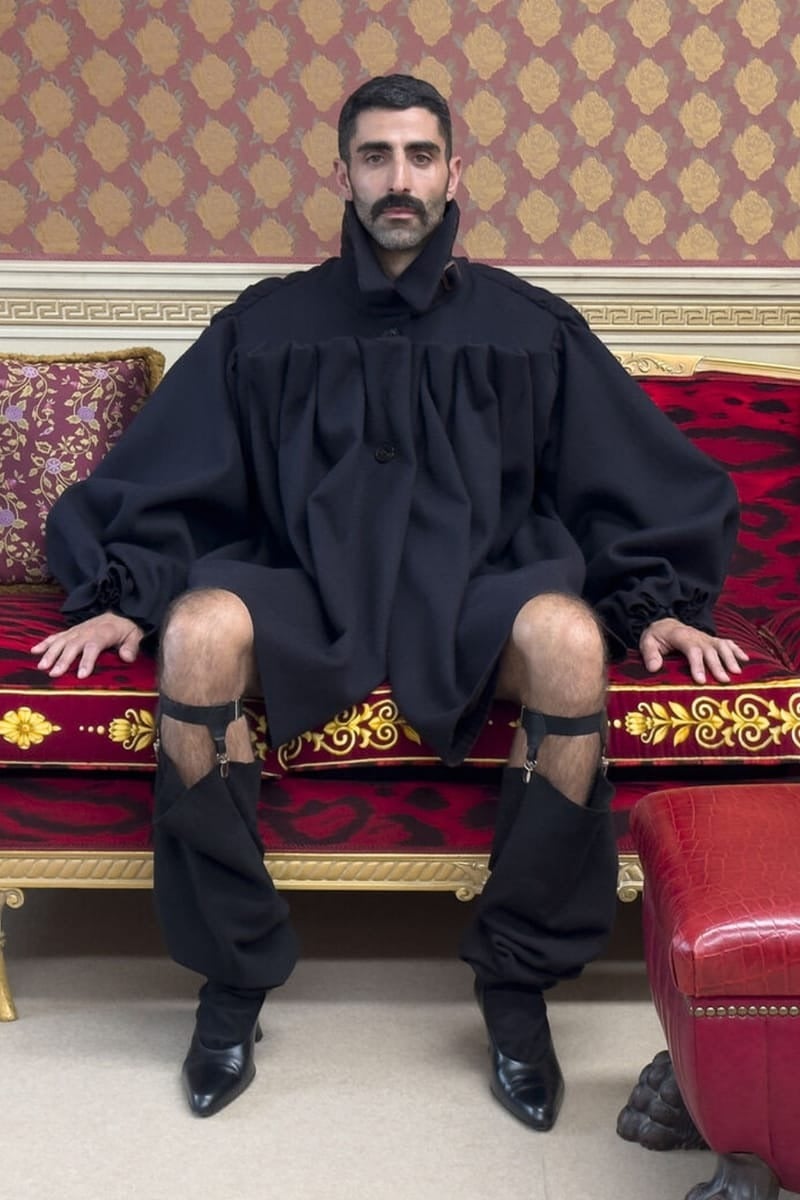
Vivienne Westwood approaches British dress as material for an argument. The label’s history joins punk’s challenge to respectability with a deep interest in older forms of clothing, making tartan and tailoring available for continual reinvention. Andreas Kronthaler continues that approach through clothes that play with scale and drape. A jacket may twist expectations of fit, while trousers can turn a conventional outfit into something more theatrical. The result appeals to men who enjoy the social signals of dress and want to interfere with them. Westwood’s rebellion has always involved knowing the rules closely enough to manipulate them.
Wales Bonner
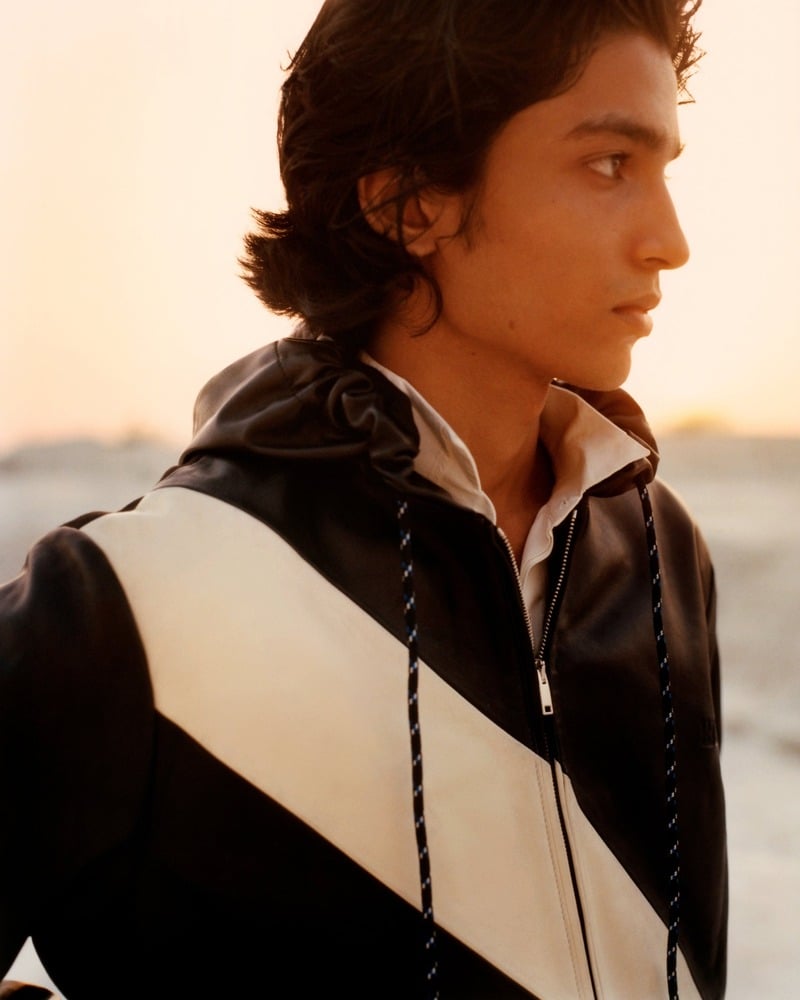
Wales Bonner broadens the conversation about British style through an engagement with Black cultural history and the African diaspora. Grace Wales Bonner launched the label in 2014, beginning with menswear and developing a language in which tailoring meets the intimacy of sportswear. A track jacket can share an outfit with tailored trousers, while decorative details introduce another register of craft. The main collection rewards attention beyond the label’s widely recognized footwear collaborations. Its most persuasive clothes make sporting and formal references feel connected, offering an approach to elegance shaped by a wider range of histories.
Choosing a British Label
Start with the garment that matters most to your wardrobe. A raincoat, a shirt, or a tailored jacket will reveal more about these labels than a shared claim to British heritage. The differences become useful when they meet an actual preference, whether that means a precise fit or a willingness to disturb one.