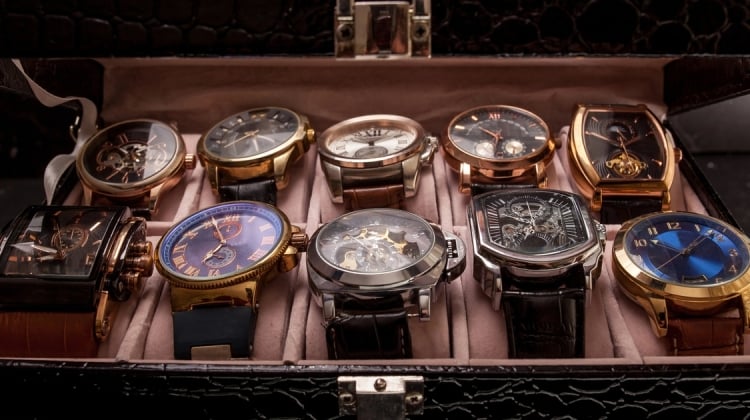
A phone case can undo what a good pair of trousers gets right. Add a thick shell to a phone and the result may be a pocket that bulges or a jacket that no longer hangs as intended. Like a wallet, a case earns its place through everyday usefulness as much as appearance.
An iPhone Duo case should be comfortable in your hand and easy to slip into a pocket. A slim design can help keep pocket bulk manageable, but thickness alone says little about grip or how well the case fits. The useful question is how it works with the phone and the clothes you actually wear.
Keeping Pocket Bulk in Check

A case adds another layer to something you may already keep in a close-fitting pocket. Reinforced corners and thick bumpers can offer useful protection, though their size can be awkward in fitted trousers.
A low-profile case limits that added volume. Pay attention to the edges as well as the back panel, since projecting corners can catch on pocket openings. A smooth outline should make the phone easier to retrieve, particularly from an inside jacket pocket.
There are limits to what a case can solve. If the phone pulls at the fabric or presses against your leg when you sit, a roomier pocket or a bag may be the better home for it.
Choosing a Material
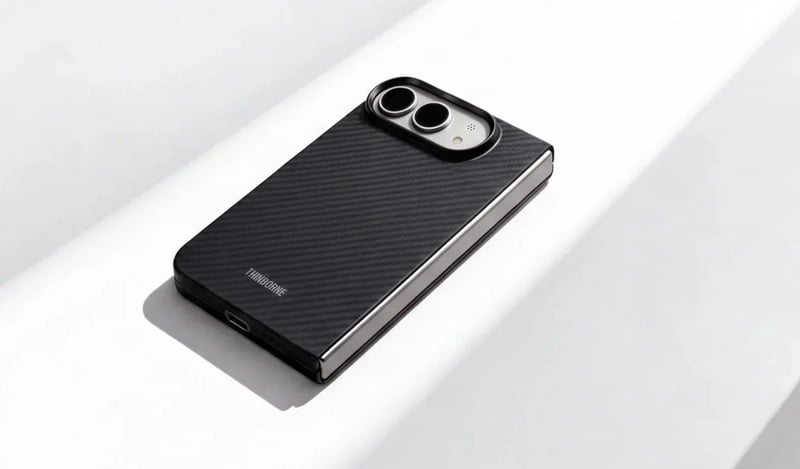
Material changes both the look of a case and the experience of holding it. A finish that looks appealing on a desk may feel slippery during a commute or drag against a pocket lining.
Aramid fiber suits those who prefer a woven surface and a thin profile. ThinBorne uses 600D aramid fiber for its iPhone Duo case, offering a technical-looking alternative to a smooth plastic shell. Its appeal is the combination of texture and low bulk, although material alone should never be treated as proof of drop protection.
Silicone has a softer feel and can provide useful grip. The trade-off is that some finishes collect lint or catch against fabric, which becomes more noticeable in close-fitting pockets.
Clear plastic keeps the phone’s original color visible, though scratches and discoloration can affect its appearance over time. Leather offers a more traditional accessory finish, developing wear that may appeal to someone who already enjoys a well-used wallet. Leather-look alternatives vary, so examine their texture and edge finishing before buying.
Checking Fit & Function
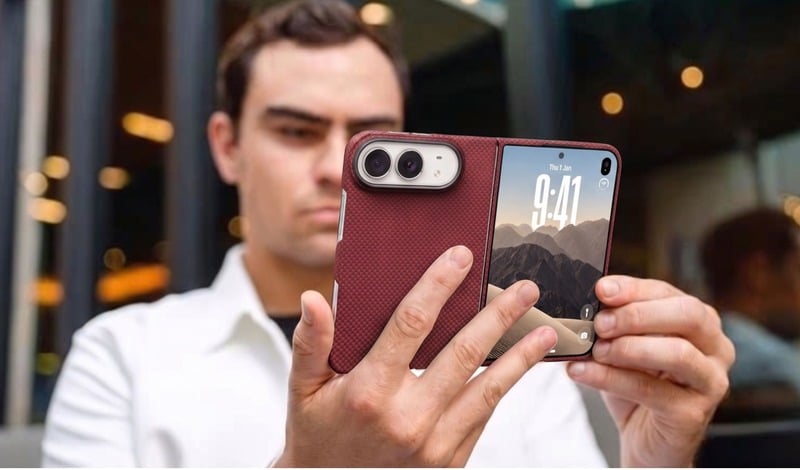
A well-fitting case should stay secure during everyday use, with no shifting edges or loose corners. Button access matters too, especially if you use the phone one-handed. Check that openings leave enough room for your charging cable and that the case feels comfortable around the edges.
Look closely at screen coverage. Some cases have raised borders, while others leave more of the front exposed. A thin back panel does not establish how much protection the screen receives, and a product photograph may not make those differences obvious.
For magnetic accessories, check the case’s stated compatibility with your charger or mount. This model lists MagSafe compatibility, but fit and charging performance should still be checked with the accessories you intend to use.
Matching Protection to Daily Use
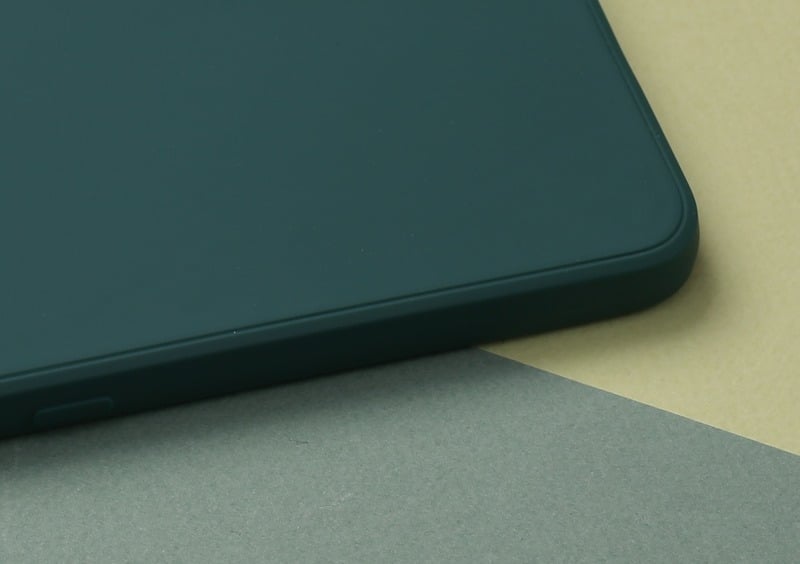
Slim and rugged cases make different compromises. A lightweight shell may suit someone concerned mainly with surface scratches and handling comfort. Frequent drops or outdoor work may call for more coverage, even if that adds volume.
Read the specific protection claims instead of relying on terms such as “premium” or “high-tech.” ThinBorne describes its case as intended for everyday bumps and scratches, with limited protection against minor drops. It also states that the design has no raised front lip.
That distinction matters. A slim case should be chosen with a clear understanding of what remains exposed. Careful handling helps, but it does not turn a minimal shell into a rugged one.
Working with Your Wardrobe

A phone case does not have to match your belt or watch strap. Think of it as another small accessory whose color and texture should feel comfortable alongside what you already own.
Matte black or navy is an easy starting point for a wardrobe built around tailoring. A woven finish can add texture next to smooth wool, while a restrained leather case may appeal to someone who prefers traditional accessories.
Casual dressing leaves more room for color. A brighter case can be useful inside a dark bag as well as offer a small change from neutral clothing. There is little reason to coordinate every detail of an outfit around it.
The final test is practical. Hold the phone and sit down with it in the pocket you use most often. The right case should feel secure in your hand and comfortable in your clothes. Those qualities will matter long after the novelty of a new finish wears off.