The wallet is one of the few accessories a man handles every day, yet it often gets replaced only after the seams give way. By then, its contents may have changed as much as his wardrobe. A card holder suits someone who pays by phone; a bifold still has a purpose when cash comes out regularly. The different types of wallets reflect these habits, and their effect on an outfit is tangible. Tailored trousers reveal every extra layer, while a chain hanging from jeans makes the wallet part of the look.
Types of Wallets
Wallet names describe different things. A bifold takes its name from the way it folds, a metal wallet from its material, and a passport wallet from what goes inside. The categories overlap, so a slim zip wallet can belong to several at once. The useful distinction is how each one handles your daily essentials.
| Wallet format | Main advantage | Tradeoff |
|---|---|---|
| Bifold | Cards and full-length bill storage | Thickness increases as it fills |
| Trifold | Several panels for organizing cards | Folded layers add depth |
| Card holder | Compact storage for essential cards | Limited cash capacity |
| Money clip wallet | Card slots plus a clip for bills | Cash remains folded |
| Long wallet | Bills stored flat | Needs a larger pocket or bag |
| Travel wallet | Documents and currency together | Larger than most everyday formats |
Bifold Wallet

The bifold is the straightforward answer to cash and cards. It folds once through the center, usually opening to card slots on either side and a full-length bill compartment behind them. In thin leather, it has an understated character that works with a suit as readily as jeans. Its open layout makes the contents easy to survey, though old receipts can turn it into a filing system.
Trifold Wallet

A trifold folds three panels over one another, giving cards and identification more surfaces of their own. That extra organization appeals to the man who uses several physical cards and wants to see where everything belongs. The compromise comes when the wallet closes, stacking those panels into a thicker package. It can suit looser pockets, but the depth deserves attention if your trousers fit close to the leg.
Credit Card Holder

A credit card holder puts the emphasis on the cards you actually use. Slots line a small, flat case, sometimes with a central pocket for a folded banknote. The format suits card or phone payments and sits discreetly beneath tailoring. Access matters as much as capacity, particularly when the center slot is tightly packed.
Slim Wallet


Slim is a description, so the term covers everything from narrow card sleeves to pared-back bifolds. These designs reduce the wallet’s outline inside a pocket, making them useful with fitted chinos or lightweight trousers. The design asks for some cooperation, though. A collection of loyalty cards will test the premise.
Money Clip Wallet

The money clip wallet gives occasional cash a place beside a compact set of cards. Banknotes fold beneath a clip, positioned either outside the case or within it. The result has a direct, slightly old-fashioned appeal, even in a modern card-case format. Its usefulness depends on the clip holding a few notes securely and releasing them readily when the bill arrives.
Metal Wallet

Metal wallets exchange leather’s flexibility for a firm structure, often made with aluminum or titanium. Cards sit in a stack, held by tension or housed in a case with an ejector mechanism. Carbon-fiber designs occupy similar territory, although carbon fiber is a composite material. The appeal is compactness and a more technical appearance, with rigid walls that help resist bending. In a pocket, that firmness is noticeable too, making the case’s edges as relevant as its card capacity.
Coin Pocket Wallet

A coin pocket wallet acknowledges that cash spending still produces change. A small pouch, usually closed by a snap or zipper, keeps coins separate from cards and banknotes. It can be part of a bifold or trifold, adding a practical feature to an established shape. The extra weight becomes obvious as the pouch fills, so this is a useful choice for regular coin use, with a little restraint at the till.
ID Card Wallet

An ID card wallet gives identification a visible place behind a transparent window. That small detail becomes useful when a work pass or student card comes out repeatedly throughout the day. The format can be a compact case or a full folding wallet. An exterior window puts the card immediately to hand; an interior one covers its details when closed. Staff may still ask to see the card outside the sleeve.
Cell Phone Case Wallet

A phone wallet brings the cards to the object already in your hand. It may be built into a case, fixed with adhesive, or attached magnetically as a removable sleeve. For someone who uses a phone for most payments, a few physical cards on the back can be enough. Compatibility and grip deserve attention, since a magnetic attachment holds the sleeve to the phone while the sleeve itself must retain the cards. It also puts more of the day’s essentials in one place, which is convenient until that place is misplaced.
Zip Wallet

The zipper gives this wallet a defined boundary, closing around part or all of its perimeter. Loose receipts and small items stay contained, provided the interior has suitable compartments. Compact versions have the feel of a small leather case, while long versions approach an organizer. The hardware adds a little depth and becomes part of the design, especially against textured leather. Weather protection depends on the materials and seams as well as the closure.
Long Wallet

The long wallet keeps banknotes flat and arranges cards along an extended interior. Its proportions suit a jacket pocket or bag, bringing a touch of ceremony to an ordinary payment. It also asks more of the clothes around it. In a shallow jeans pocket, the top may remain visible; inside a jacket, the same shape can sit much more discreetly. The appeal is clear for anyone who likes notes and receipts to stay unfolded.
Checkbook Wallet

A checkbook wallet gives a book of checks its own compartment, usually alongside card slots and sections for bills or receipts. It shares the long wallet’s proportions, with a purpose tied to a particular habit. For someone who writes checks regularly, keeping the paperwork together is still sensible. The fit should account for the checkbook and its cover, since an elegant case is of limited use when the contents strain the edges.
Hipster Wallet

The hipster wallet is generally a larger bifold, with extra width or height accommodating more card slots. Despite the name, its defining feature is capacity. It suits a man whose everyday card collection has outgrown a standard billfold but who still prefers a folding wallet. Dimensions vary by maker, so check its closed size against your pocket.
Chain Wallet

A chain wallet makes its attachment part of the outfit. The chain clips to a belt loop or another fixing point, tethering a bifold or longer wallet to the clothes. Its association with biker culture gives the metal a clear context beside worn denim and leather. Chain length changes how it hangs, from a short loop at the hip to a more conspicuous drape. Secure hardware matters, but so does liking the line it draws across your jeans.
Key Wallet

A key wallet folds a cover around hooks or loops, keeping keys together and their exposed edges away from neighboring pocket contents. Some include card slots, turning two small accessories into one. The appeal is order, particularly when loose keys have become an accompaniment to every step. A large car fob can complicate the arrangement, so the size of the keys matters more than the number of hooks.
Belt Wallet

A belt wallet moves storage to the waist through a loop or another fastening. The pictured pouch makes that practical purpose visible, adding a utility detail to jeans. Smaller versions hold little more than cards and cash, while larger ones approach compact belt bags. It makes sense when pocket storage is awkward or already occupied. The attachment needs to suit the belt, and the pouch should sit comfortably as you move or take a seat.
Passport Wallet


A passport wallet gives a travel document a protective cover, often adding slots for the cards needed along the way. The compact format can sit inside a jacket or bag, keeping the passport separate from loose receipts. Larger versions overlap with travel organizers. Check that the passport slides out readily when border staff request it.
Travel Wallet

The travel wallet is for journeys with paperwork. Its larger interior may separate boarding passes and documents, with additional sections for currency. There is a particular pleasure in having the right item ready at a counter. The organizer should fit your travel bag and the documents you use, with an everyday wallet available for smaller outings.
How to Choose a Wallet

The contents of an old wallet can tell you what the next one needs to do. Remove expired cards and accumulated receipts, then look at what you use each week. Cash calls for somewhere to put banknotes; regular coin use justifies a pouch. Try the loaded wallet in the trousers you wear most, especially lightweight fabrics that reveal its outline.
Material changes how it feels in use. Metal provides a rigid enclosure, while fabric offers a lighter option. For wet weather, check the product’s water-resistance specifications.
Lining and reinforcement also add thickness. Judge the finished wallet with your cards inside, including how readily they slide out.
Bifold vs. Trifold Wallet

A bifold opens across two panels for quick access; a trifold adds another panel for organizing cards. That extra fold also stacks more layers in the pocket. Compare the wallets with your usual cards and cash inside, since slot arrangements and leather thickness can matter as much as the number of folds.
Money Clip vs Wallet
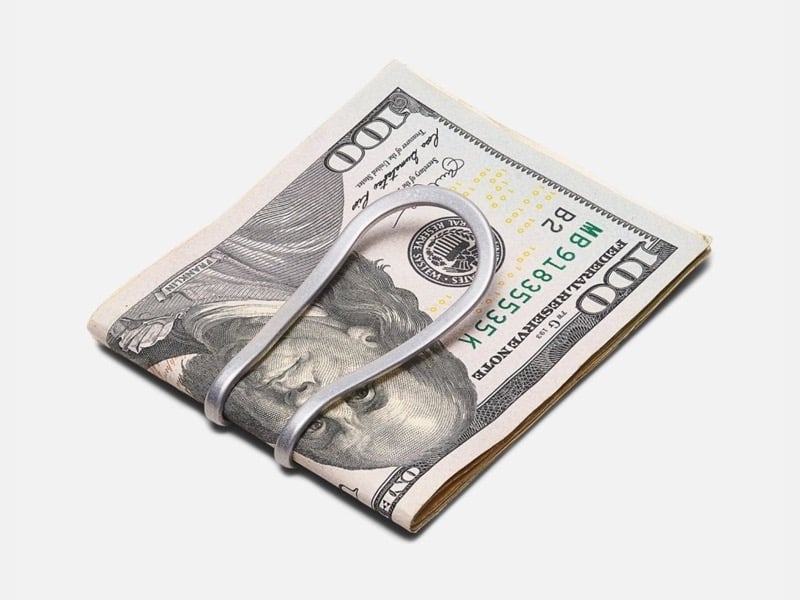
A money clip grips folded banknotes in a compact stack, making it useful when cards already have a separate case. There is a small sense of occasion in taking one out for the dinner bill, too. A wallet adds separate compartments for cards and cash. A money clip wallet combines the two, keeping a few notes beside your everyday cards.
Best Leather for Wallets

The best leather for a men’s leather wallet depends on the surface you enjoy handling and how it responds to daily use. Grain descriptions, retail labels, and tanning methods tell you different things.




Full-grain leather: The natural grain surface remains intact, including variations and small marks. It suits someone who enjoys leather developing an individual appearance, though coatings influence how readily patina shows.
Top-grain leather: Leather from the hide’s upper layer. Retail descriptions often use the term for a sanded, finished surface with a more uniform appearance. Ask whether the grain has been corrected and how it is coated.
Genuine leather: This identifies real leather but reveals little about its layer or finish. Look for a more specific material description before judging quality.
Bonded leather: Leather fragments or fibers combined with a binder to form a sheet. Check the composition and warranty, since repeated folding tests the surface and backing.
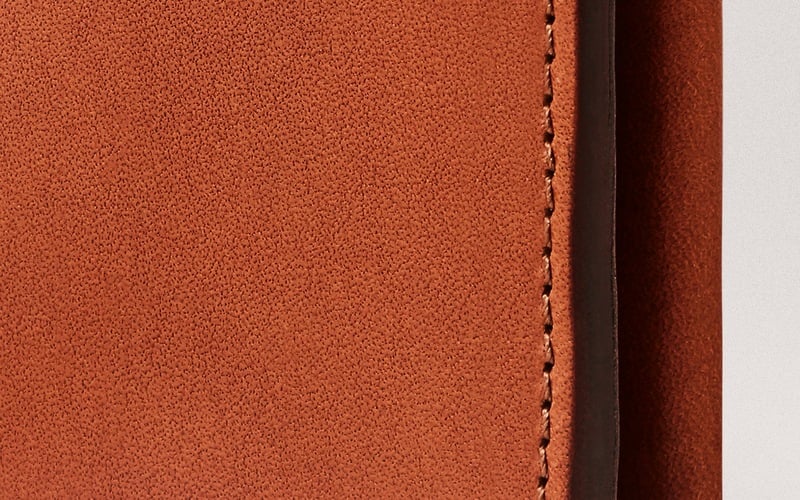
Tanning is a separate distinction. Vegetable tanning uses plant extracts and can produce pronounced changes with handling; chrome tanning uses chromium salts and can also produce durable leather. The Leather Working Group explains both methods. Assess ethical sourcing in leather production through traceability and manufacturing practices.
Follow the maker’s care instructions for the finish. If the wallet gets wet, dry it away from direct heat; use conditioner only when recommended.
Wallet Security Features

RFID blocking addresses a specific function, interfering with compatible contactless reading while cards remain enclosed. Its effectiveness depends on the product and frequency. Visa notes that its contactless transactions use the same security as contact chip cards. Treat the feature in proportion to its purpose, alongside secure closures and card slots that hold their contents. A lost wallet or compromised online account calls for a different response.
Wallet Cost & Construction

A wallet can be a discreet way to enjoy fine leather or a small display of allegiance to a favorite label. Price may reflect either. Examine stitching for even spacing and check that edges are finished consistently. Clips, snaps, and zippers should fasten securely and operate smoothly. Read the warranty’s coverage and exclusions, especially for hardware and surface wear.