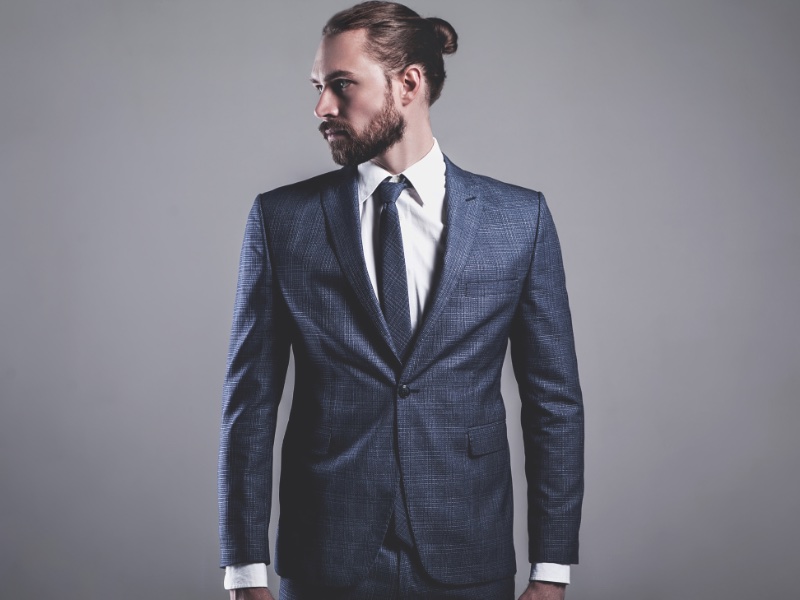
When a tie was part of the office uniform, the choice could feel automatic. Now that open collars are common, putting one on says a little more about the man wearing it. A knitted tie with a soft jacket has an informality of its own; a broad patterned blade under a double-breasted suit suggests someone who enjoys being dressed. Both start with the same small decision at the collar.
Types of Ties
The different types of ties take their names from shape, width, fabric, or construction, so the categories often overlap. A skinny tie can be silk, and a seven-fold tie can have a conventional width. Bow ties and bolos change the shape altogether, while neckerchiefs belong to the wider family of neckwear.
Classic Necktie
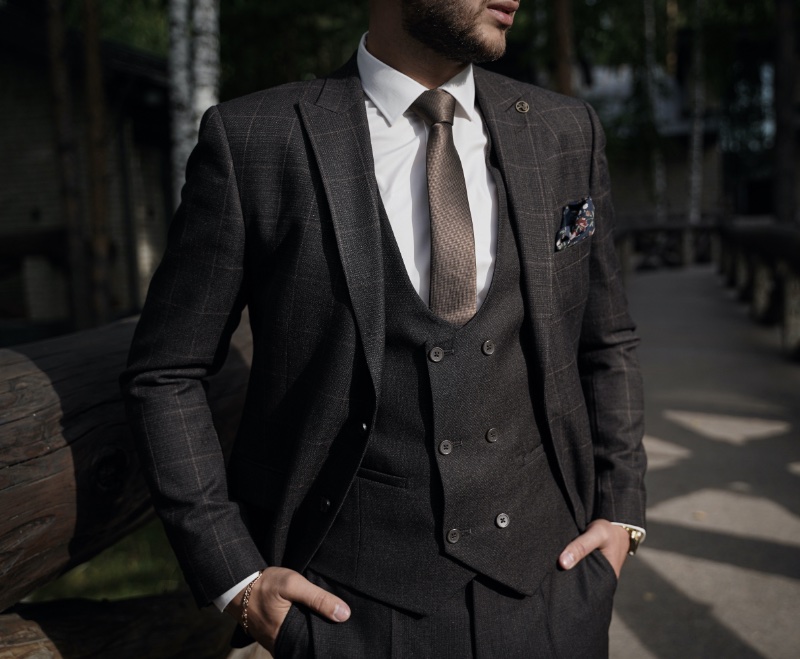
The classic necktie is the long, usually pointed tie that most men first encounter with a school uniform, a job interview, or a wedding suit. Also called a four-in-hand tie, it offers the greatest scope for changing the mood of tailoring through fabric and pattern. Four-in-hand also names a knot, though the tie itself can be fastened with a half-Windsor or another knot suited to the collar.
Smooth silk brings a dressier finish to a suit; a matte weave softens the effect. A small repeating motif can give a plain shirt some interest, while a striped tie draws on the more traditional language of business dress. Its width should have a relationship to the lapels, since the two sit close enough to invite comparison.
Skinny Tie

The skinny tie draws a fine line down the shirt front, with an appeal closely tied to midcentury tailoring and 1960s Mod style. Narrow lapels and a compact collar give it a natural setting. There is a certain fastidiousness to the whole look, even when the man wearing it has a guitar instead of a briefcase.
A small four-in-hand knot keeps the proportions in step. Against a broad-lapeled jacket, the same narrow blade creates a sharper contrast, taking the outfit away from period accuracy and toward personal styling.
Knit Tie
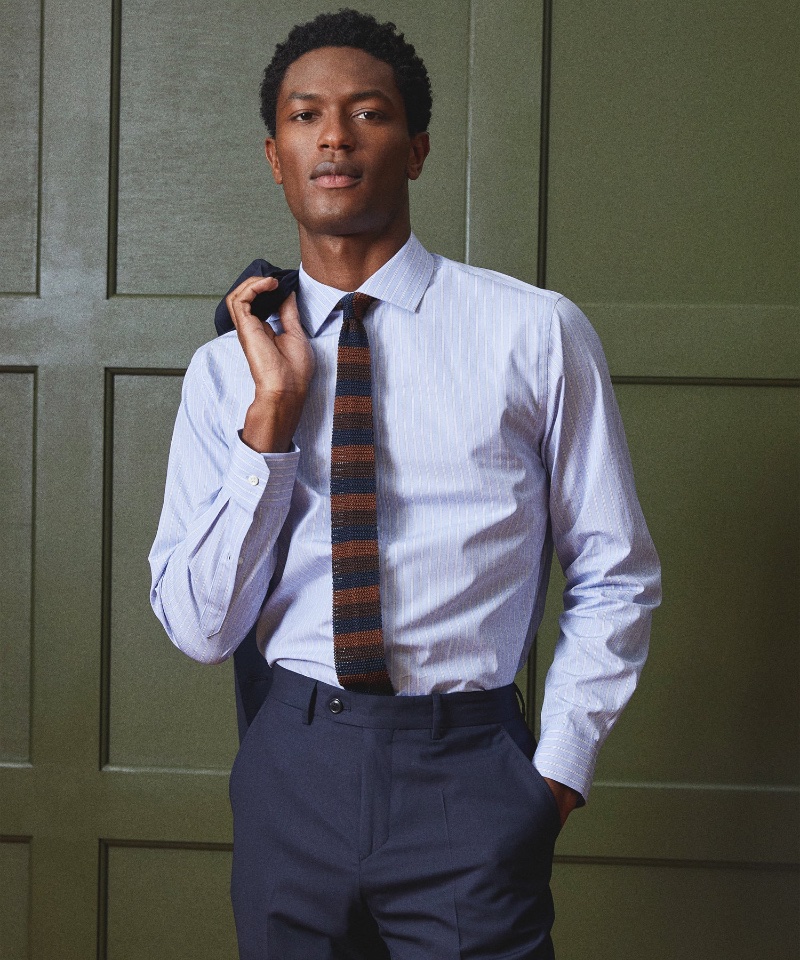
The knit tie brings texture to a part of the wardrobe usually associated with smooth silk. Many end in a square tip, although pointed versions exist. With an Oxford shirt and a soft jacket, it makes wearing a tie feel quite ordinary again, which is part of its charm.
For smart-casual occasions, a dark knit is a useful link between tailoring and more relaxed clothes. Silk versions can have a lively, almost pebbled surface, while wool knits look at home against flannel and tweed.
Seven-Fold Tie
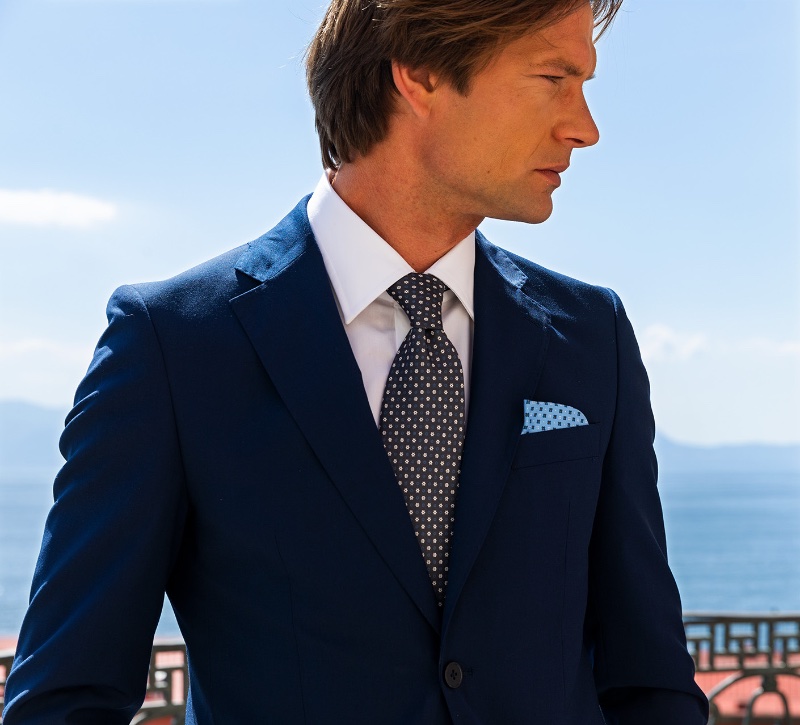
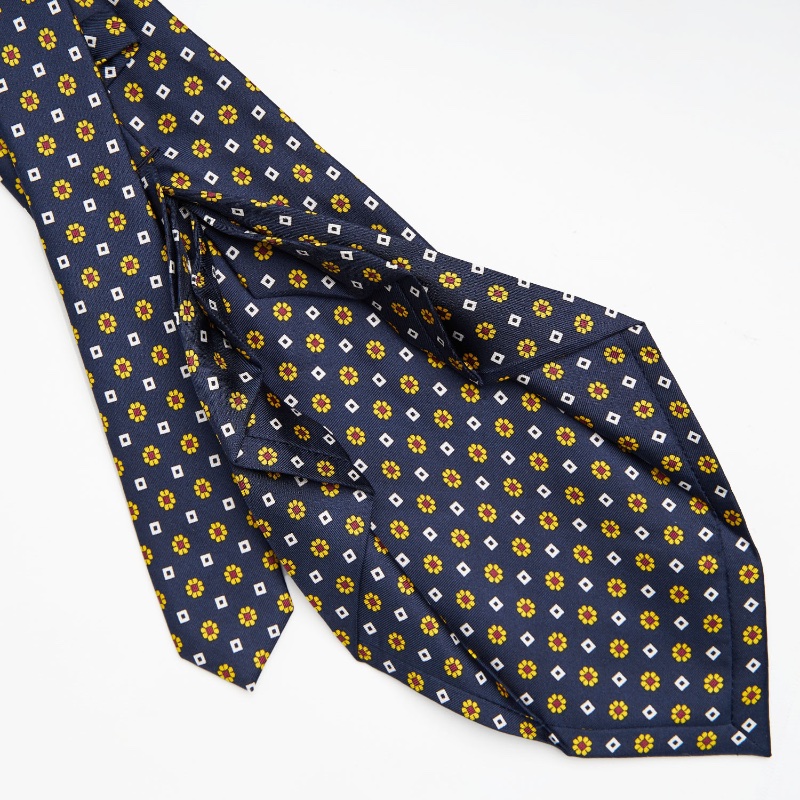
A seven-fold tie rewards a closer look at how the thing is made. The fabric is folded back on itself to build the body, using more silk than a conventional construction and often producing a fuller blade and knot. Finishing varies by maker, so the number of folds is the beginning of the conversation about quality.
The attraction is in the handling and drape, details that become apparent when the tie is knotted and worn. A restrained print can make a seven-fold tie part of an everyday business wardrobe; the construction may be elaborate even when the effect is quiet.
Bow Tie
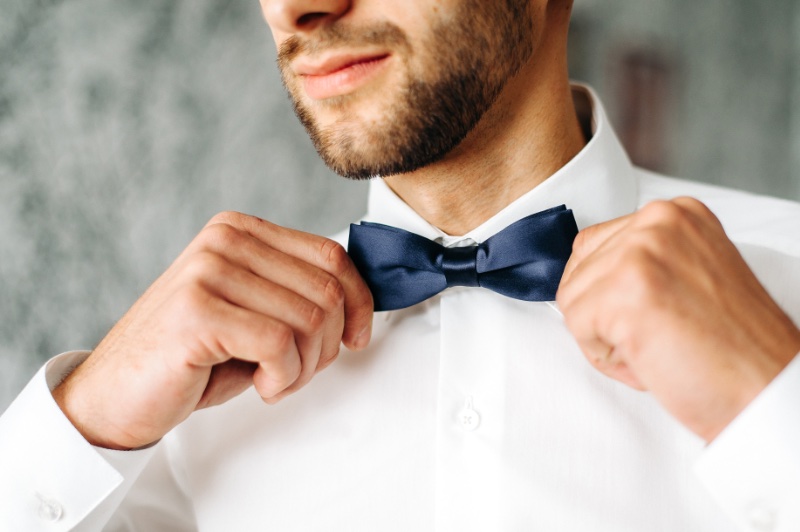
The bow tie leaves the shirt front exposed and places the emphasis at the face. With evening dress, its role is established: black silk with a dinner suit, white with white tie. In daytime clothes, a patterned bow with seersucker or tweed announces a more personal attachment to the style.
A self-tied bow has small irregularities that suit the occasion, especially once the rest of the outfit is in order. Pre-tied versions keep a fixed shape. Either way, the size of the bow should sit comfortably with the face and collar; an oversized one can quickly become the evening’s main event.
Western Bow Tie
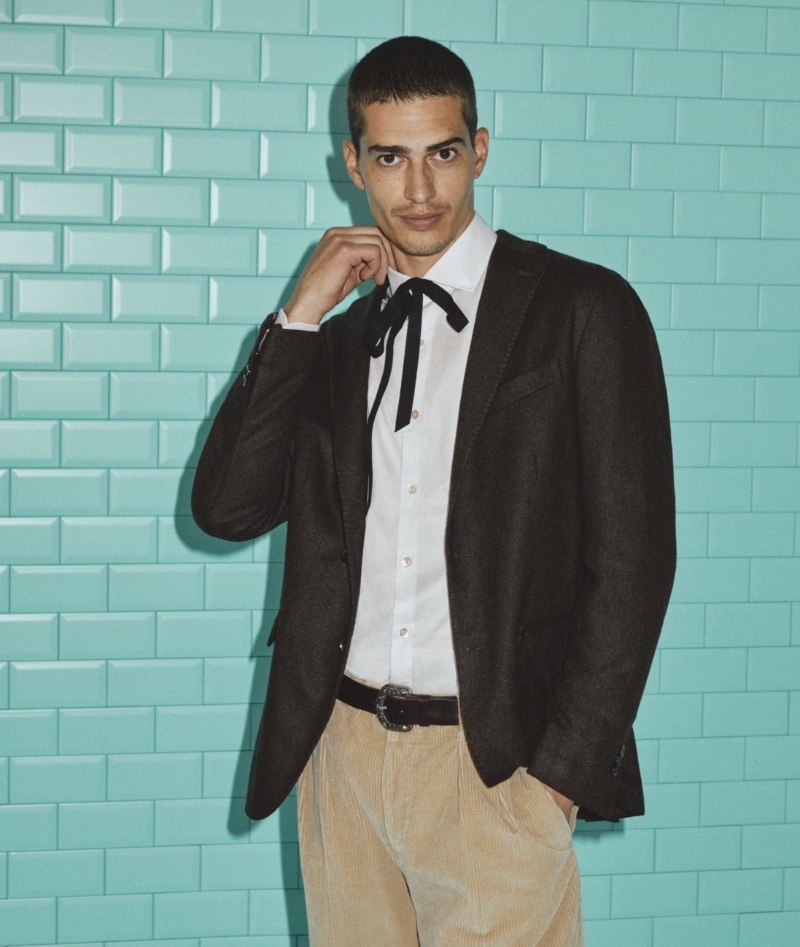
The Western bow tie uses a narrow strip or ribbon, often leaving long ends beneath the bow. Its fine lines bring a different character to the collar from the fuller conventional bow. Worn with tailoring, it suggests an interest in Western dress that can be subtle or wholehearted.
A plain jacket gives the ribbon space to register. Add an embroidered shirt and boots, and the reference becomes more explicit. The attraction lies in how much character such a small amount of fabric can give the clothes around it.
Bolo Tie
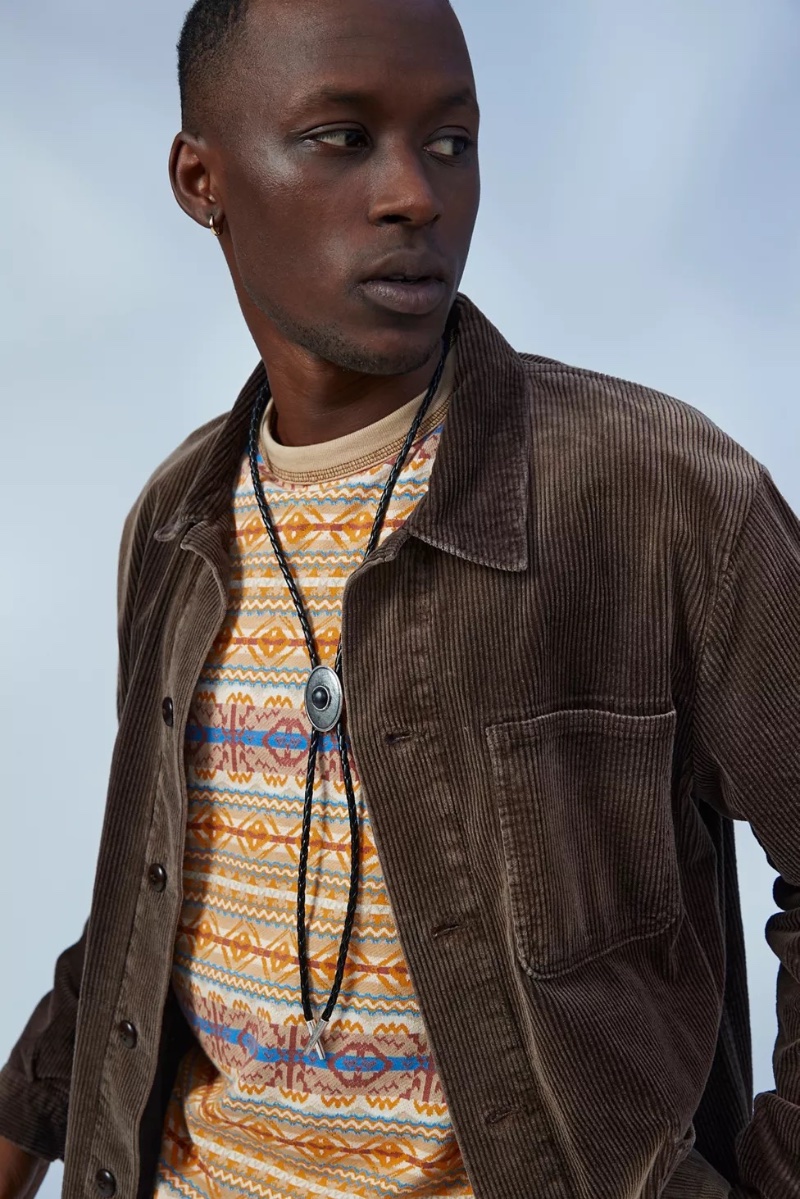
The bolo tie consists of a cord held by a decorative slide, with metal tips at the ends. The slide is the point of interest, bringing metalwork or stone into an accessory usually judged by its fabric. Its Southwestern associations also give it a cultural identity of its own.
A slide worn close to a fastened collar gives the arrangement a dressed appearance; lowering it against an open shirt makes it more relaxed. Broad collars provide an especially sympathetic backdrop, connecting the bolo to the expressive accessories of 1970s fashion.
Cravats & Ascots
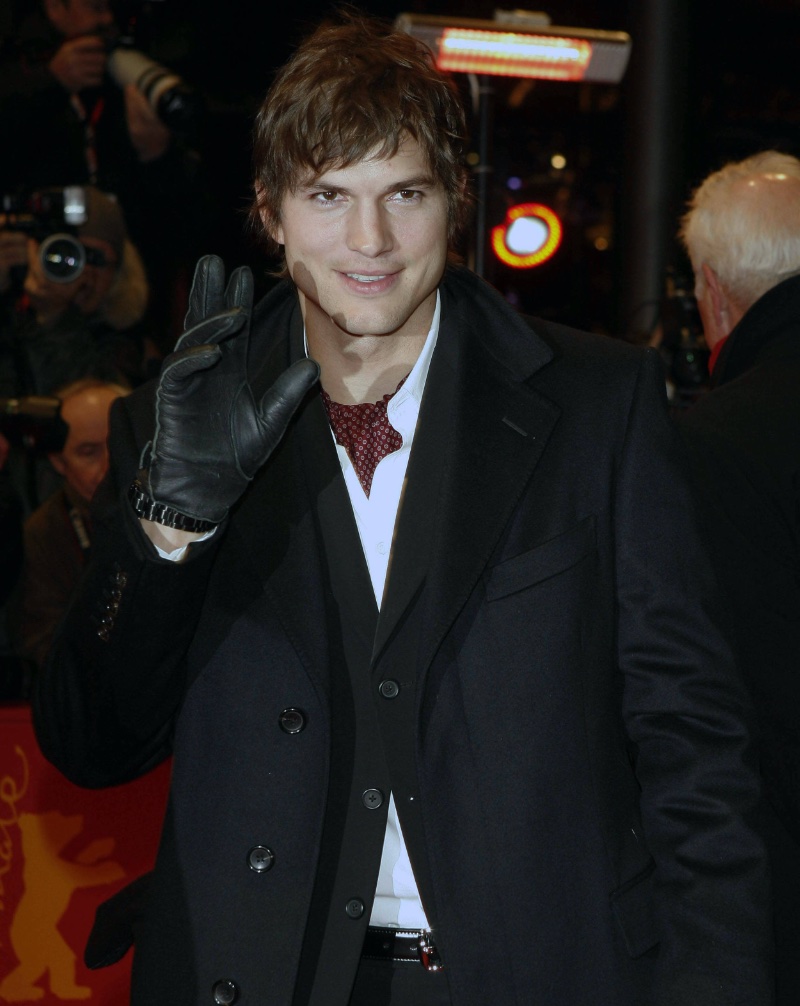
Cravat is a broad term for neckwear, though modern British usage often means a soft scarf tied at the neck and tucked inside an open shirt. In the United States, that casual arrangement is frequently called an ascot or day ascot. It adds color at the neckline while letting the shirt stay open, with a suggestion of someone who dresses for his own amusement.
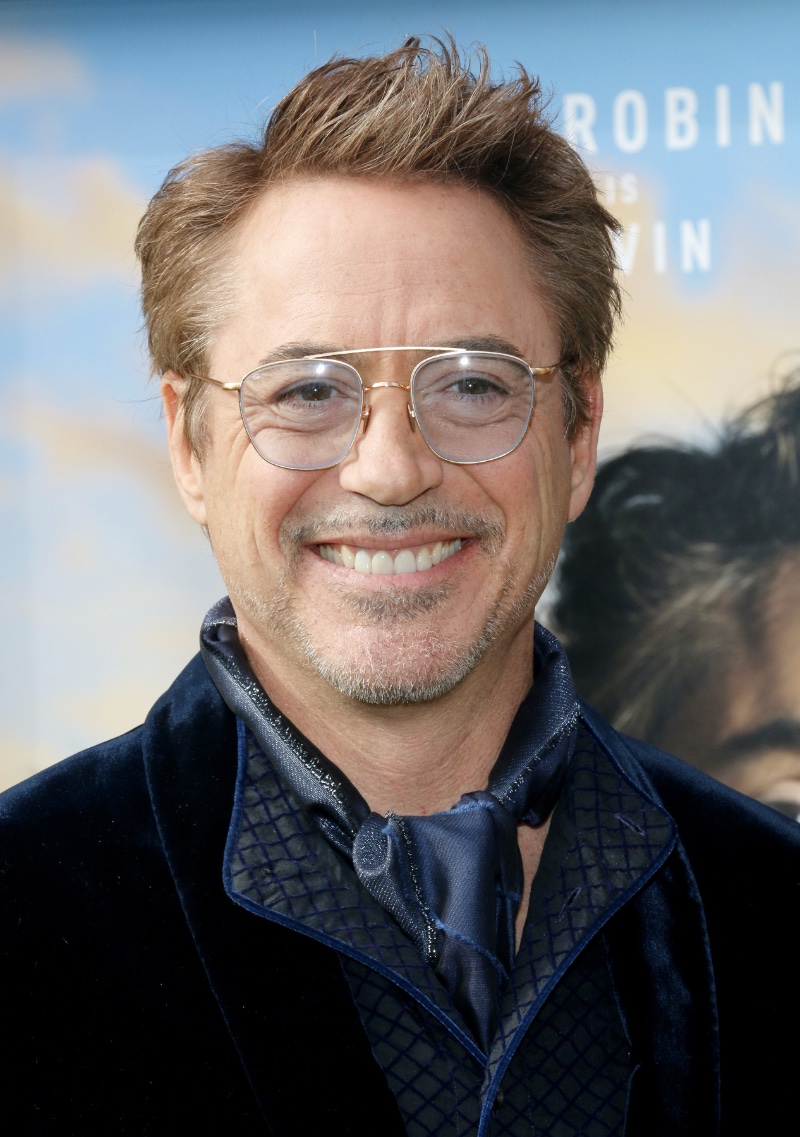
The formal ascot is a separate proposition, traditionally worn over the shirt collar with morning dress. A soft day cravat has a more relaxed role, even if its associations are theatrical. A simple jacket gives it a convincing setting; the wearer supplies the confidence.
Neckerchief
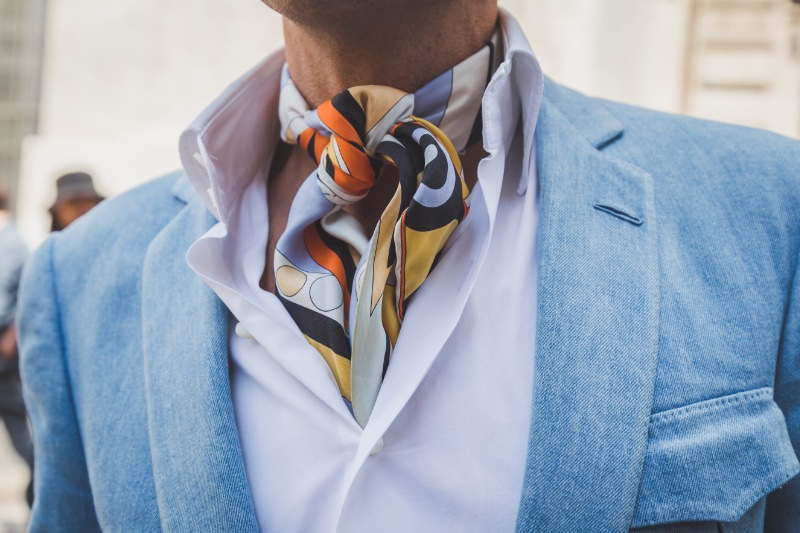
The neckerchief is a small scarf folded and tied around the neck, with associations that run through workwear and uniforms. Against a denim shirt or plain T-shirt, it puts color close to the face and adds a detail that feels personal. The clothes can stay uncomplicated while the knot does a little of the talking.
A compact fold keeps the effect discreet. More exposed fabric gives a loose shirt and jacket a fuller neckline. As casual neckwear, the neckerchief offers a different way of finishing an outfit from the buttoned-collar formality of a tie.
Clip-on Tie
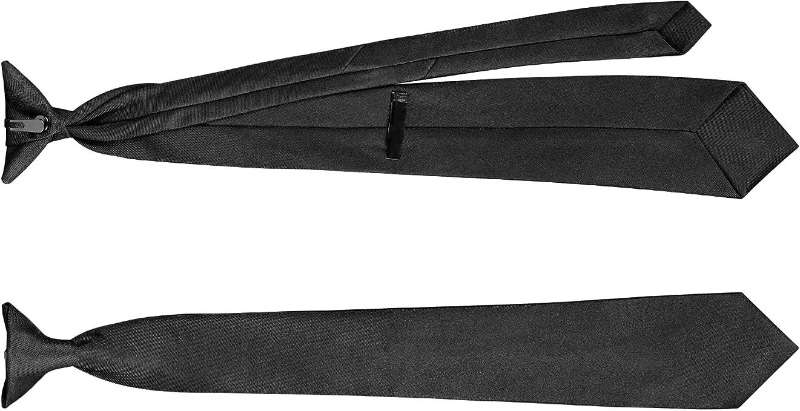
The clip-on tie has a fixed knot and attaches at the collar. Its simpler fastening can be useful for accessibility or uniforms, and its practical purpose deserves a straightforward assessment. Length and width still matter, as does the way the knot sits against the shirt.
The fixed shape makes the collar fit especially important. A visible gap or a blade that stops too high is harder to adjust than on a self-tied version, so it pays to check the tie with the shirt it will actually accompany.
Kipper Tie
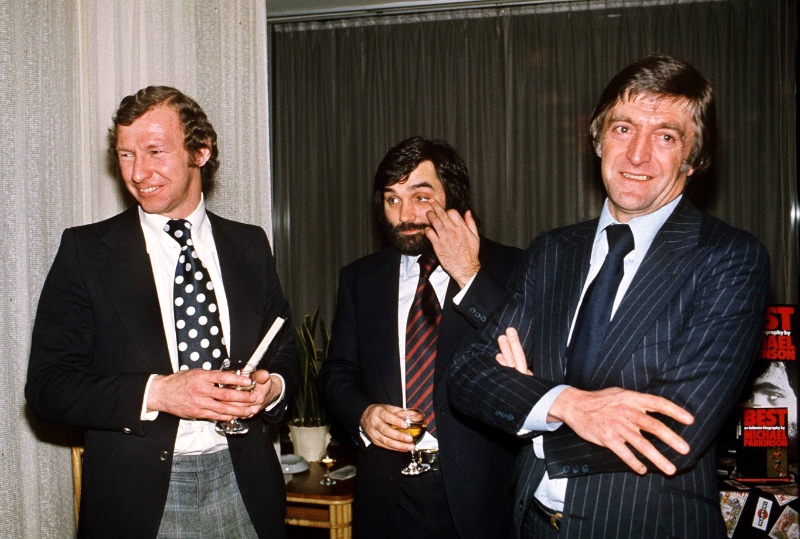
The kipper tie takes width seriously. Its broad blade, often covered in an assertive print, belongs to the same late-1960s and 1970s British wardrobe as expansive lapels and extended shirt collars. In the right company, those proportions have a logic of their own.
Wearing one today means enjoying that scale. A broad tie and broad lapels can look entirely at home together, even when the pattern seems ready to conduct its own interview. The rest of the outfit benefits from a little restraint.
Choosing a Tie
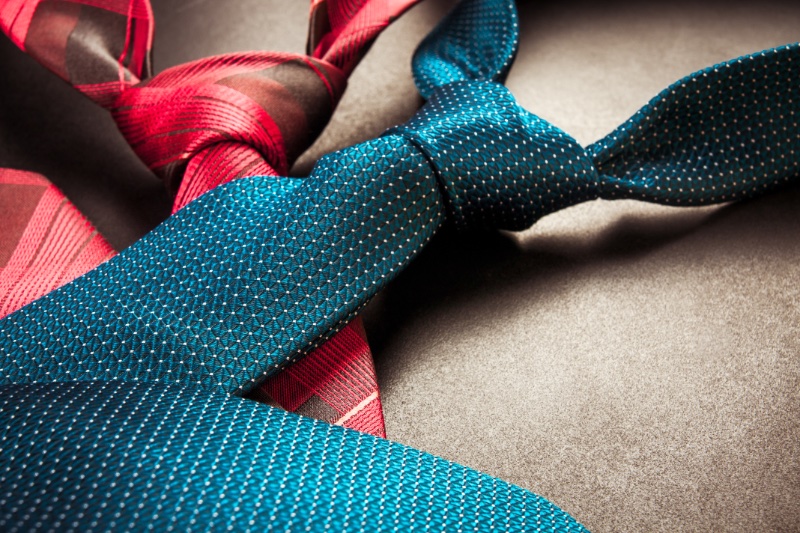
The occasion establishes the first part of the choice. Business dress generally calls for a long necktie, while a black-tie invitation points to a black bow. Beyond those conventions, the suit style sets the proportions. Broad lapels can support a wider blade, and a thick fabric will make a larger knot than a fine silk.
For most conventional neckties, the front tip should reach the waistband and the knot should meet the closed collar. Once those details are right, pattern becomes a matter of appetite. A quiet tie can let the cut of a jacket lead, while a more expressive one gives a restrained suit some personality.
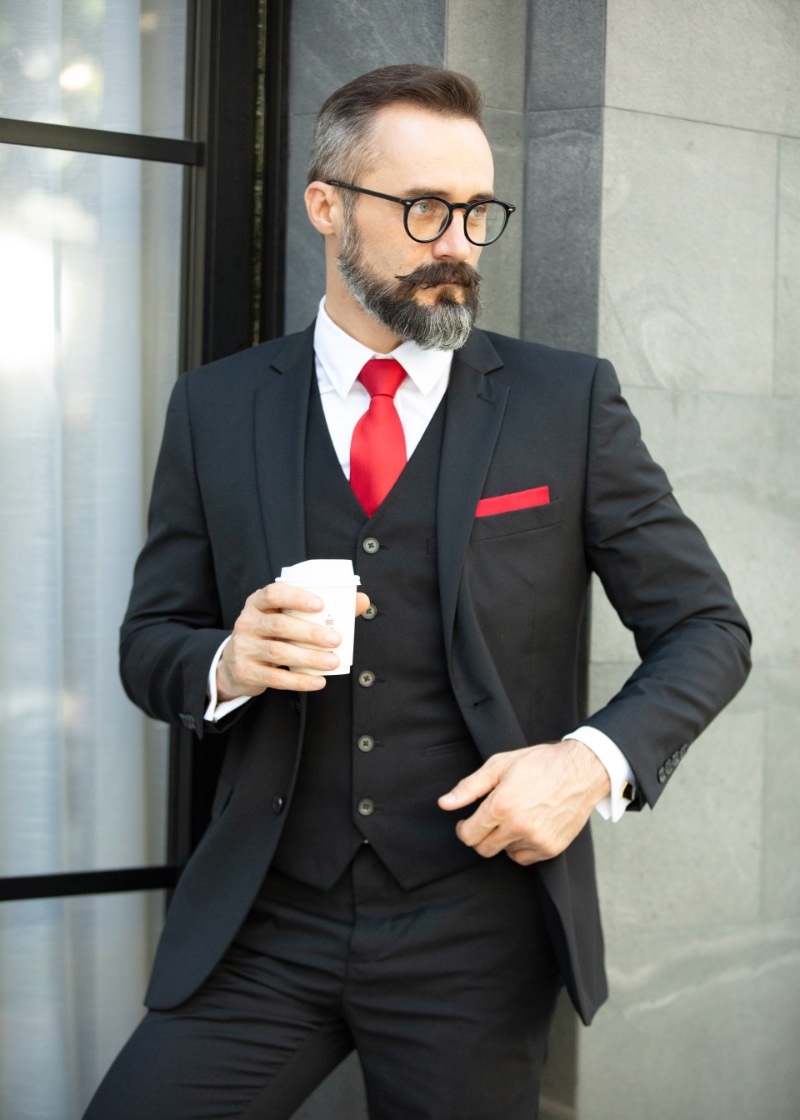
A pocket square can pick up a color from the tie while changing the pattern or texture. Exact matching has a coordinated formality; a related but different square looks more individual. An open-collar suit remains an option, including for corporate events where the dress code allows it. Choosing the tie gives the wearer another way to make the suit his own.


