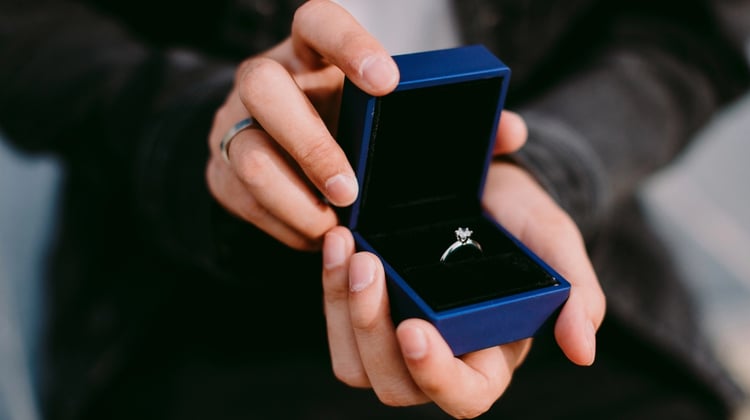
Knowing she likes diamonds leaves plenty unresolved when buying a necklace for a girlfriend, wife, or partner. The fine chain she wears to work may have little in common with the jewelry she chooses for a wedding, even if both feature the same stone.
For the man making the purchase, the useful starting point is her wardrobe. A necklace should work with her clothes and the pieces she already owns, including when it marks an exceptional occasion. The specifications become easier to navigate once there is a clear idea of what she would enjoy wearing.
What Does Her Existing Jewelry Reveal?
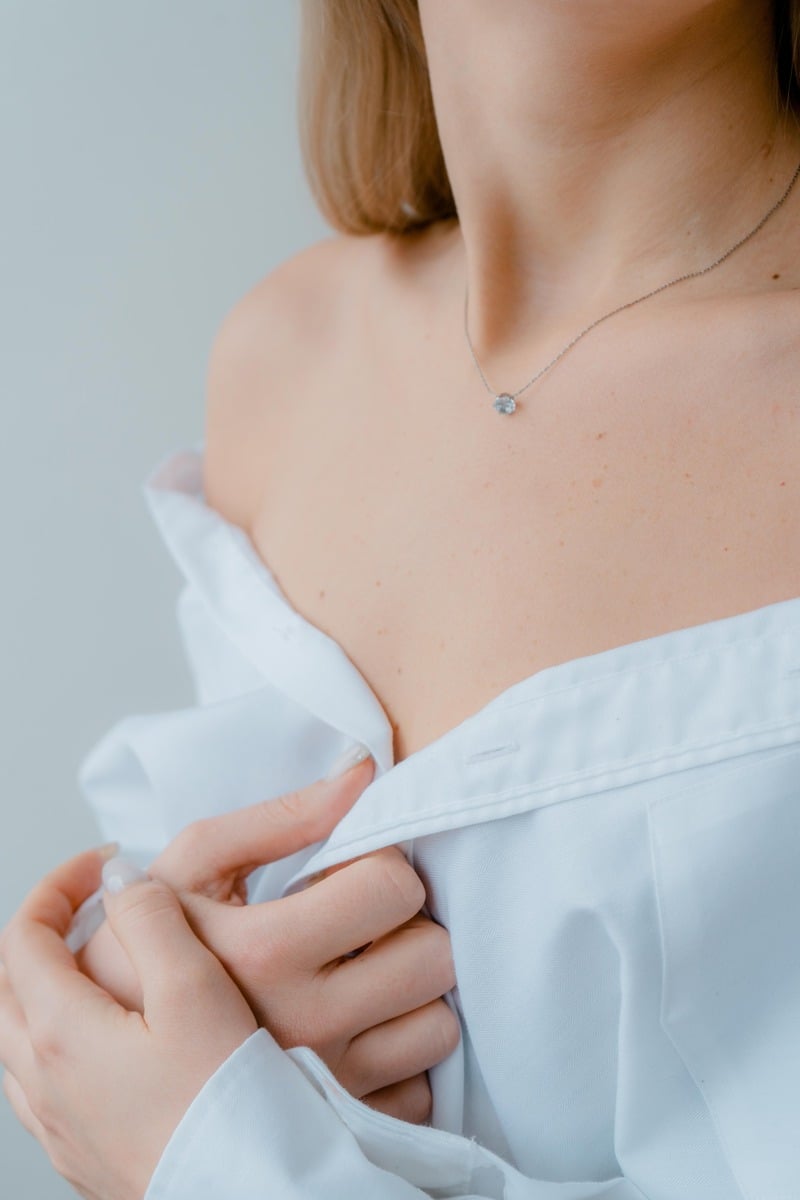
The pieces she reaches for regularly offer the strongest clues. Small studs and a fine chain suggest a preference for delicate jewelry, while larger earrings and heavier links may point toward a necklace with more visual weight. Notice how she combines them, too. Someone who layers necklaces will have different requirements from a woman who wears one favorite pendant every day.
That favorite may also have sentimental value, making it worth thinking about how a new necklace could sit alongside it. The same applies to metal color. Some women mix gold and silver freely; others have built a collection around one finish. Following those preferences gives the gift a connection to her style while leaving room for a design she has yet to discover.
Should the Necklace Have a Pendant or Diamond Stations?
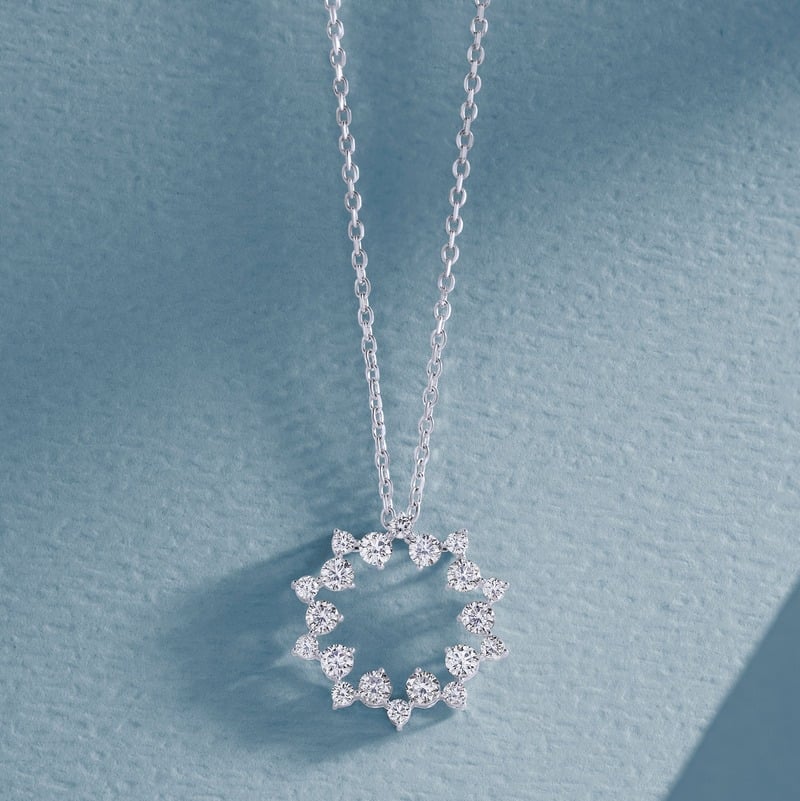
A pendant creates a focal point suspended from a chain, whether it features a single diamond or several stones arranged into a motif. The chain contributes its own texture, with different chain styles ranging from oval cable links to squared box links. Its thickness helps determine whether the pendant leads or shares attention with the chain.
A station necklace distributes diamonds at intervals, leaving stretches of chain visible between them. The phrase diamonds by the yard commonly appears in shopping descriptions for this spaced-diamond look. It describes the design, not a requirement that the necklace measure a yard. Gilded New York’s collection includes bezel-set lab-grown diamond versions.
A delicate station style can work among other fine necklaces, while a pendant offers a central detail for someone who prefers one piece at a time. The setting affects the look as well. A bezel surrounds the diamond’s edge with metal; prongs secure it with small metal claws. Check side views to see how far the setting projects from the skin, especially for a necklace intended for frequent wear.
How Much Diamond Weight Makes Sense?
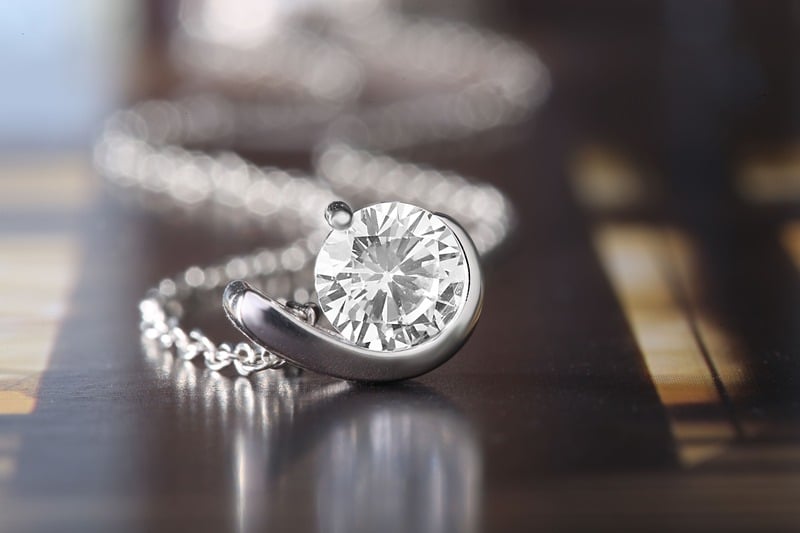
Carat measures diamond weight, and the distinction between individual and total weight matters. As GIA explains, total carat weight combines all the diamonds in a piece. One carat spread across numerous stations will look different from a pendant with a one-carat center stone.
For an understated necklace, examine the size of each diamond and the spacing between them. More prominent designs may use larger stones or position them closer together. Measurements in millimeters and photographs on a person help put those details into proportion.
Weight also belongs alongside the other quality information. Shape describes the diamond’s outline, while cut concerns how it has been fashioned, including proportions and finish. Color and clarity describe further characteristics. Check whether the stated information applies to a central stone or a range across the necklace, and establish which stones any accompanying grading report covers.
The description should identify whether the diamonds are natural or laboratory-grown. Laboratory-grown diamonds have essentially the same chemical, physical, and optical properties as natural diamonds, though their origin differs. If she has expressed a preference, let that guide the purchase.
Which Metal Will Work With Her Jewelry?
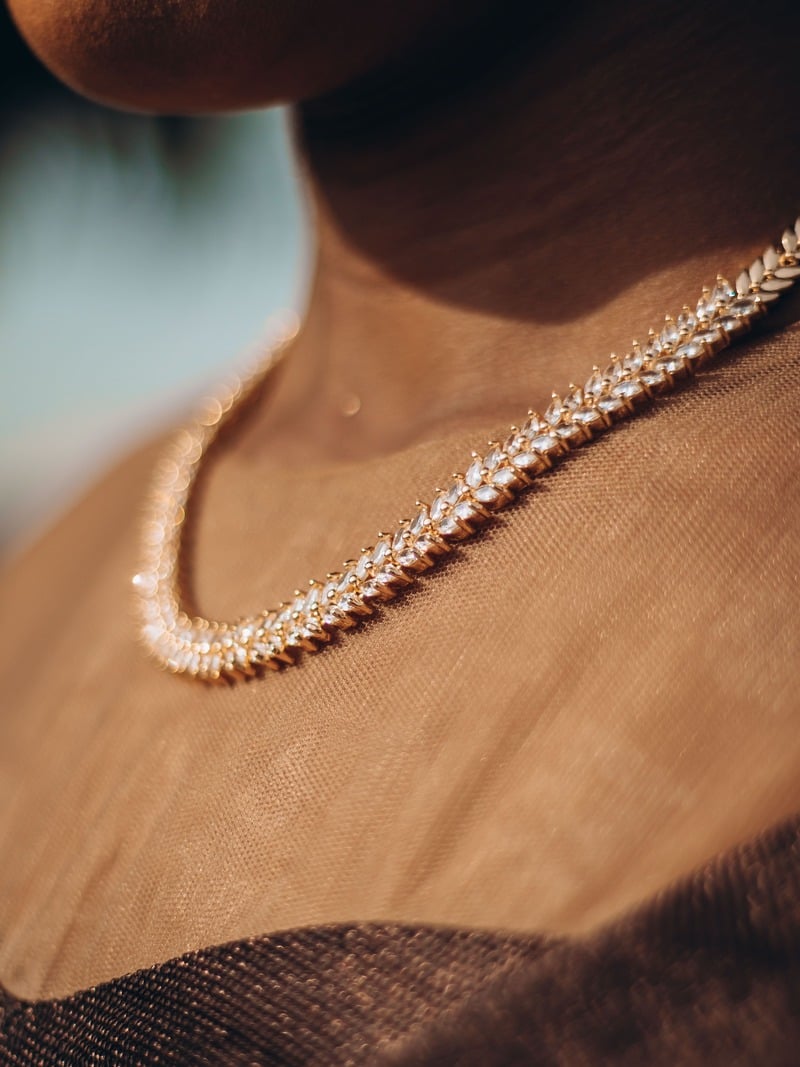
Her usual earrings provide a useful reference for metal color. Yellow gold brings warmth, white gold offers a cooler finish, and rose gold introduces a pink tone, but her own preferences matter more than a general rule about complexion.
Gold purity is a separate question, measured in karats. Eighteen-karat gold contains 75 percent gold, while 14-karat contains approximately 58.3 percent. Those figures describe the alloy’s composition, leaving construction and diamond quality to be assessed separately.
Read the full material description, since solid gold, gold plating, and gold vermeil refer to different constructions. White gold is often rhodium plated, so ask about maintaining the finish. If she has a known metal sensitivity, confirm the actual alloy with the jeweler.
What Necklace Length Will Suit Her?
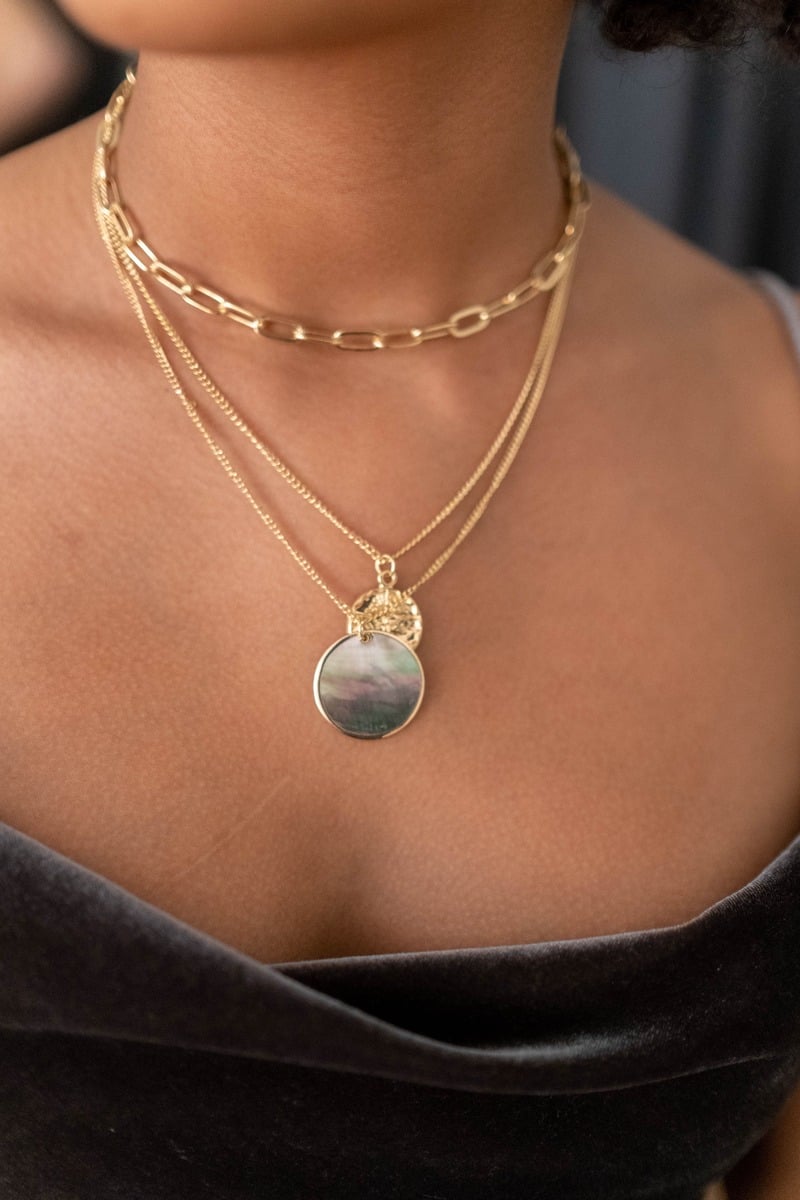
Length determines how a necklace meets her clothes. A chain that works inside an open shirt may sit against the edge of a crewneck, while a pendant can become the focal point of one neckline and disappear beneath another.
Sixteen and eighteen inches are common starting points, but fit varies from person to person. A necklace she already enjoys offers the clearest reference, measured end to end with its clasp included and any pendant drop recorded separately. Adjustable fastening positions provide some flexibility.
For layering, compare where the pendants land as well as the chain measurements. Different lengths can still bring two pendants together, so the complete design matters more than the chain length alone.
What Should Be Checked Before Giving It?
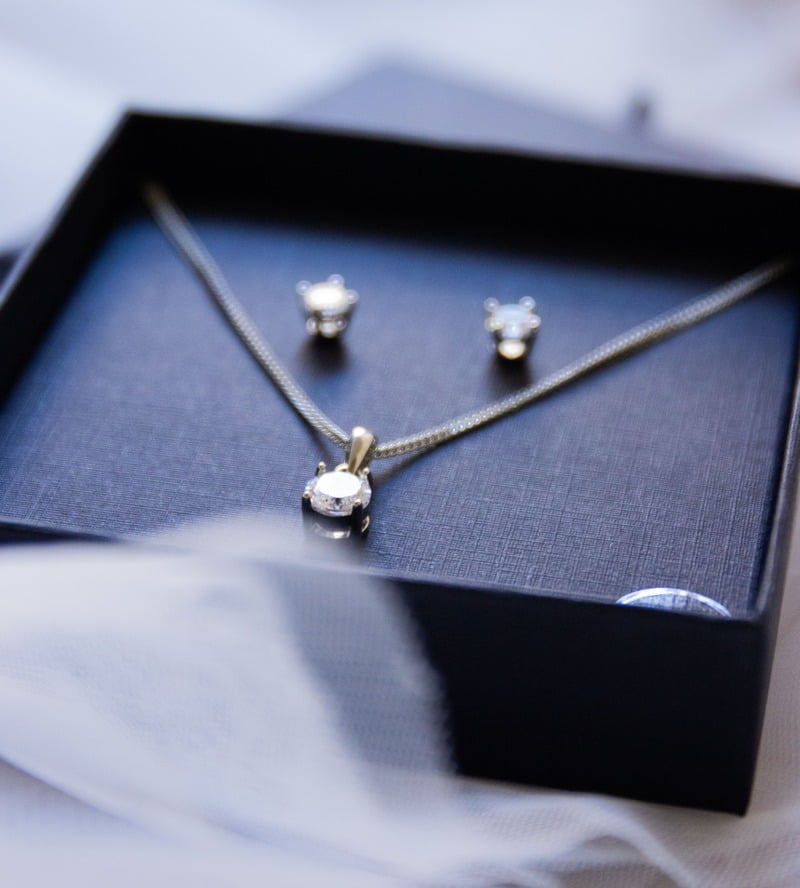
An anniversary or significant birthday gives the gesture a clear context, but her habits should determine the scale of the necklace. A small piece worn regularly can mark a major occasion very well. In a newer relationship, consider whether the meaning of the gift feels comfortable for both people.
Before ordering, confirm that the chain is included and check the exchange terms, particularly for personalized pieces. Ask how the clasp operates and what care the necklace requires, including cleaning and professional inspections.
Leave time for delivery and any adjustment, and keep a gift receipt available. If she prefers another length or design, choosing it together gives her a say in the piece she will wear.