A bartender’s shirt helps set expectations before he takes an order. A white Oxford suggests a different evening from a faded work shirt, even when both men serve the same drink. In restaurants, bars, and cafes, clothing becomes part of the welcome. It tells guests something about the place, while the man wearing it still has six hours left on his feet.
That gives the uniform two jobs. It needs to express the venue’s personality and function through the less photogenic parts of service. Reaching for glassware, clearing tables, and working beside an espresso machine all test decisions that might look convincing in a fitting.
A Uniform with a Point of View
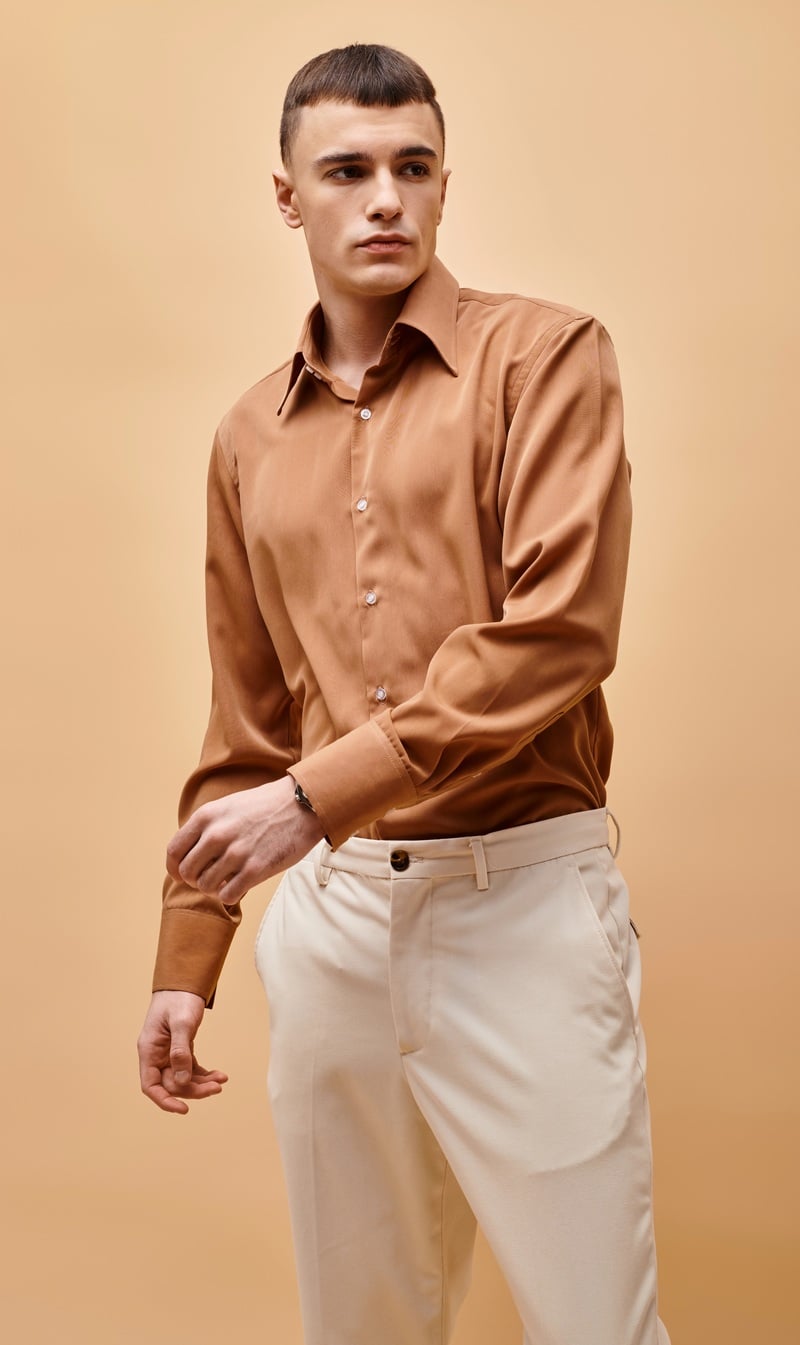
The most persuasive service clothing starts with the establishment. An intimate neighborhood restaurant might favor soft cotton shirts and dark trousers, giving staff an approachable appearance that suits regular customers. A cocktail bar with more ceremony might choose a tucked shirt and waist apron, using a defined waistline to bring formality to the interaction.
In a cafe, the practical vocabulary of workwear style feels particularly relevant. Patch pockets and sturdy fabrics suggest hands-on work, a useful association when customers can watch their coffee being made. The choice of color changes the impression, too. Olive and tobacco tones can complement timber counters; black creates a more graphic outline against stainless steel.
The principle behind creative workwear is to treat these details as part of a coherent identity. A shared apron or shirt can make a team recognizable while allowing for different fits. Consistency comes from the relationship between the clothes, leaving each man able to move and work comfortably.
Dress for the Actual Shift
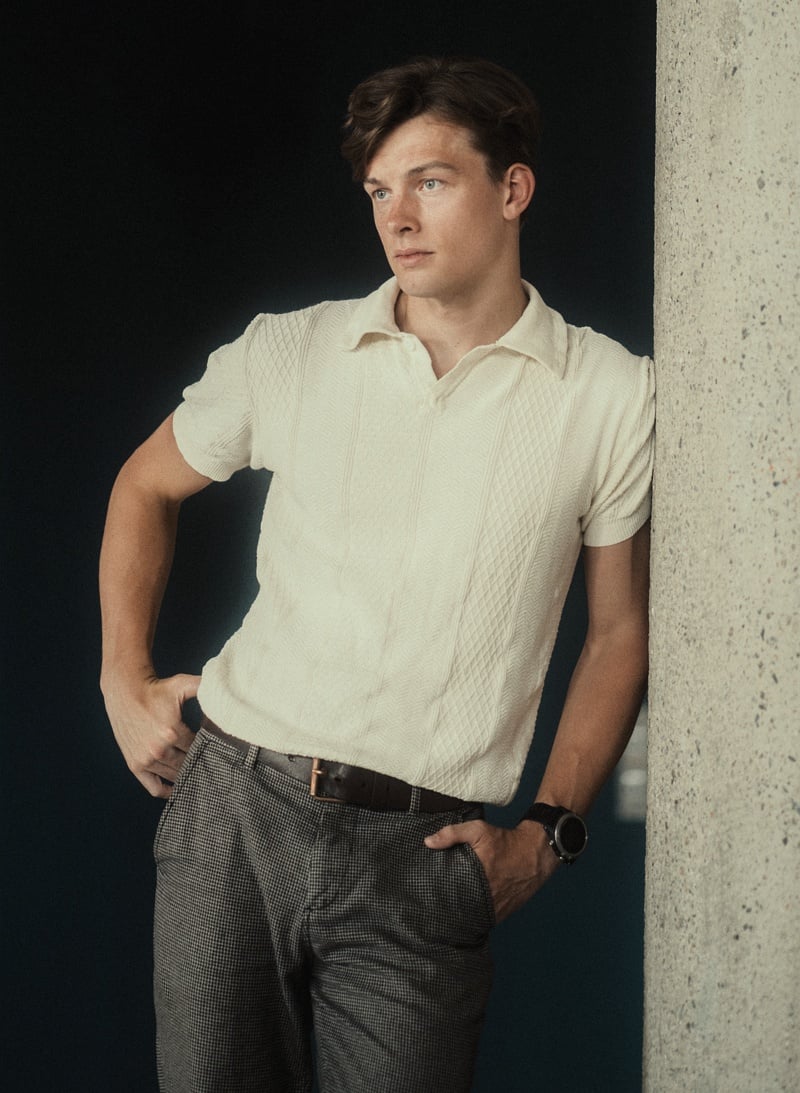
Fit becomes especially important once service starts. A shirt should allow a full reach across a counter, with sleeves that stay secure when adjusted. Trousers need ease through the seat and thighs for bending, while hems should clear the floor. An apron pocket is useful when its contents remain accessible through the movements the job requires.
Fabric deserves the same practical scrutiny. Weight, laundering instructions, and the heat of the working environment all matter. A heavy overshirt might suit a host beside the entrance yet become an unwelcome layer for someone tending a busy coffee station. Testing an outfit through a shift reveals more than judging it on a hanger.
Footwear belongs in that assessment from the beginning. OSHA’s restaurant safety guidance recommends appropriate waterproof, non-slip footwear for food preparation work. The visual line of a shoe matters, but its suitability for the working surface deserves priority.
Let the Wearer Belong
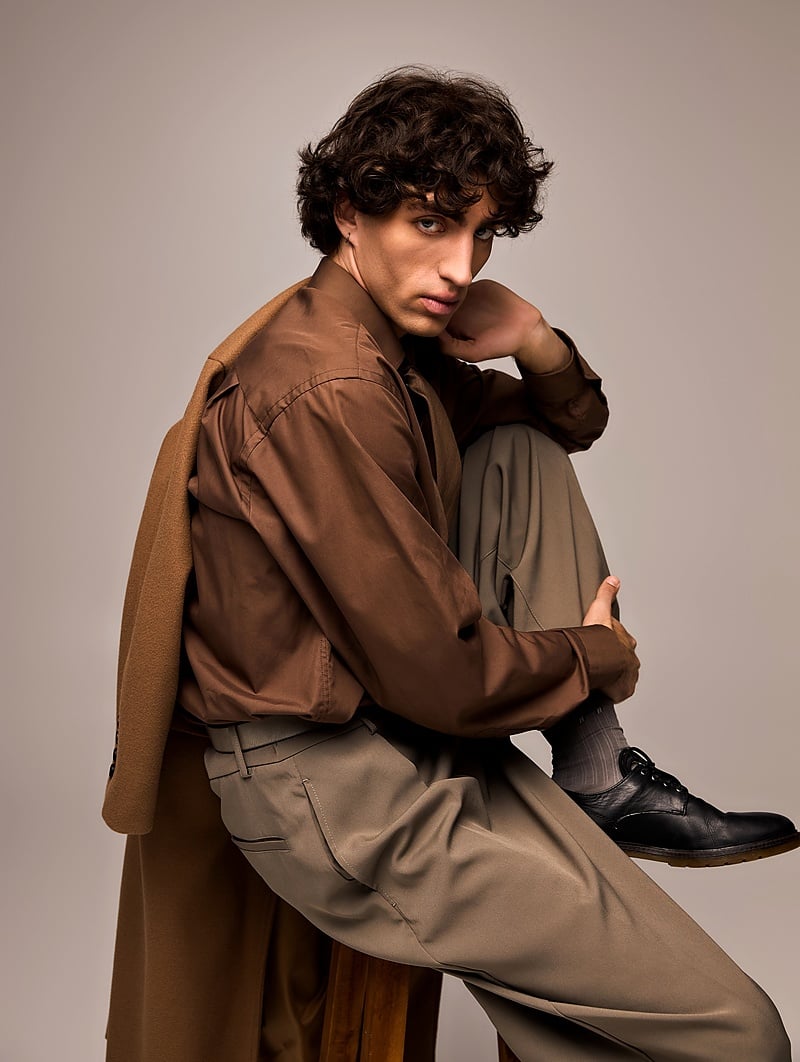
Service is personal, and clothing affects how a man approaches it. A collar that constantly needs adjusting becomes a distraction. A fit he feels comfortable wearing lets him turn his attention toward the guest.
That is where a uniform becomes convincing. Its character remains visible as the evening gets busy, and its practical details help the staff get through the work. By the last order, the clothes should still feel like part of the service.