A graphic T-shirt can tell people where you belong before you say a word. That social function sits at the heart of streetwear’s history. Surf shops, skate crews and hip-hop communities gave everyday clothing meanings that extended beyond its original purpose. A sneaker could identify a musical allegiance; a shop logo could signal membership in a scene. As those references traveled between California, New York and Tokyo, streetwear developed into a global fashion culture. Its influence grew through the people who wore the clothes and decided what they meant.
History of Streetwear from Surf & Skate Culture

California’s surf and skate scenes helped establish a wardrobe built for movement and repeated wear. T-shirts and casual trousers suited lives organized around a board, while graphics gave ordinary clothes a recognizable identity. A logo could connect its wearer to a local shop or a particular crew.
Stüssy helped turn that identity into an international network. Shawn Stüssy’s background was in shaping surfboards in Laguna Beach, where his handwritten signature became a mark that could also work on clothing. In the early 1980s, printed tees offered a more accessible way into his world than a custom board.
The label’s reach extended beyond surfing. Friends involved in music, skating and design formed the International Stüssy Tribe, connecting cities including London, New York and Tokyo. The clothes circulated through relationships between people whose tastes crossed the boundaries of individual scenes.
That breadth matters. Streetwear could accommodate a surfer and a DJ because a shared reference was often enough to make the connection. A T-shirt was easy to produce, easy to wear and capable of communicating an entire world through a single graphic.
Hip-Hop & the Power of Personal Style
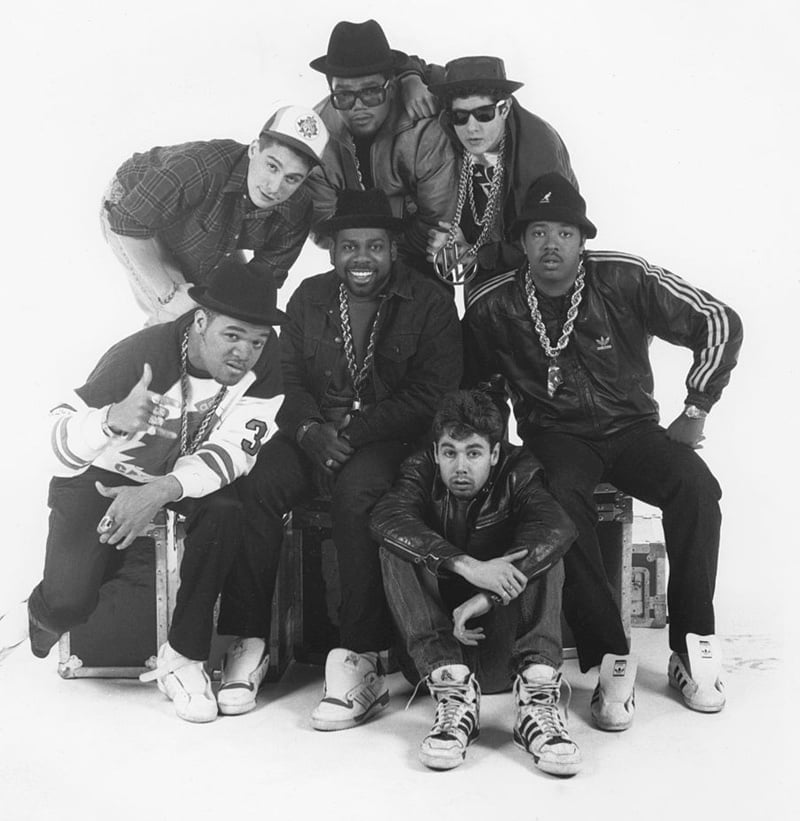
Hip-hop developed its own influential relationship with everyday clothing. In New York, performers and their audiences turned athletic pieces into expressions of local identity. Styling gave the clothes a meaning that their manufacturers could never fully control.
Run-DMC’s tracksuits and shell-toe sneakers made a particularly direct connection between music and dress. The group released “My adidas,” in 1986, celebrating a basketball shoe that had acquired another life through its wearers. The look was accessible enough to copy, yet immediately associated with the group.
Headwear told a similar story. Kangol Kid’s attachment to his namesake caps developed into an endorsement relationship. Artists could create commercial value for a label through choices already established within their communities. Their taste became part of the product’s appeal.
Basketball contributed another powerful form of identification. The Air Jordan 1 arrived in 1985, offering fans a material connection to Michael Jordan’s emerging career. Sneakers could express admiration for an athlete as readily as an allegiance to a musician. Sport and music helped make footwear a subject people followed in its own right.
Dapper Dan & Luxury on Local Terms
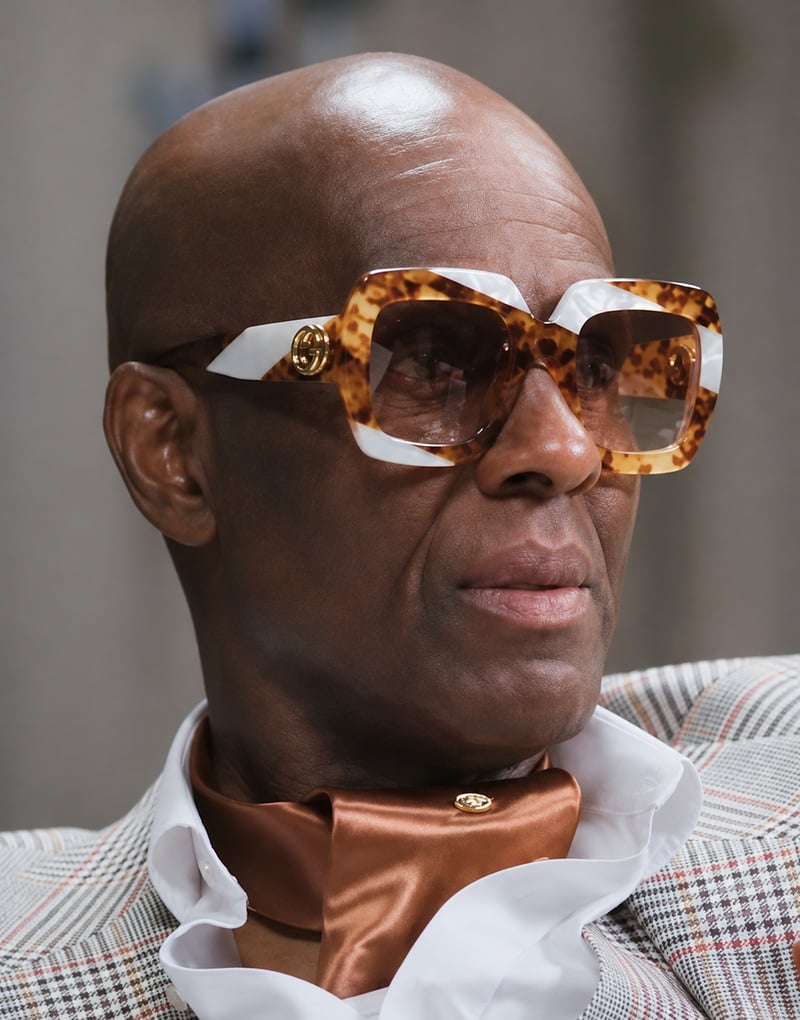
Dapper Dan approached that relationship through custom clothing. His Harlem clients wanted clothes that reflected their success, and his work during the 1980s gave luxury imagery a scale and confidence suited to their lives.
He reworked recognizable designer motifs into garments shaped around his customers’ tastes. Sportswear and luxury aspiration occupied the same wardrobe. The prestige of a logo became material for a more personal form of dress, with the wearer helping determine its meaning.
This is an essential part of streetwear’s relationship with fashion. The desire for expensive clothing was present long before luxury houses began courting streetwear customers. Harlem already had its own ideas about what success should look like.
Dapper Dan’s later partnership with Gucci brought that history into an official collaboration. A new Harlem atelier offered bespoke pieces using the house’s fabrics and hardware. It acknowledged a designer whose authority had first been established among his own clients.
The 1990s & the Importance of the Shop
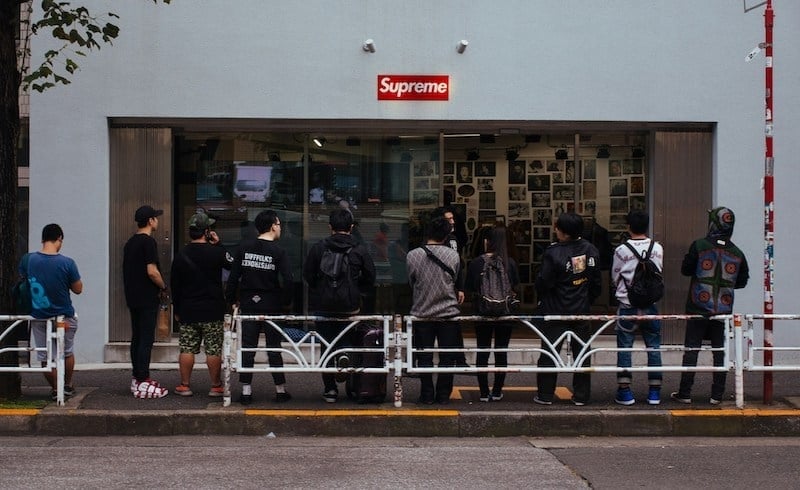
During the 1990s, streetwear gained more places to gather and more ways to reach an audience. Record shops and clothing stores helped circulate taste alongside magazines and music videos. Seeing an outfit on a performer could introduce a label; finding the shop that stocked it made the connection tangible.
Supreme opened on New York’s Lafayette Street in April 1994. Founded by James Jebbia, the skate shop became a meeting place as well as a retailer. Its identity came from the people who spent time there and the cultural references they shared.
The distinction between shopping and belonging was particularly useful to a label whose simplest product could be a T-shirt. The purchase offered a connection to the shop’s world. As Supreme’s reputation traveled, its logo became recognizable to people who had never visited Lafayette Street.
Hip-hop’s commercial growth also made room for clothing businesses speaking directly to its audience. FUBU put that ambition into its name, “For Us, By Us.” Its success made ownership part of the fashion conversation. The communities creating demand could also build the companies supplying it.
Across these businesses, the clothes varied. What connected them was the authority of people close to the culture, whether that meant a skate shop’s staff or entrepreneurs who understood how their customers wanted to dress.
Japan’s Ura-Harajuku Scene
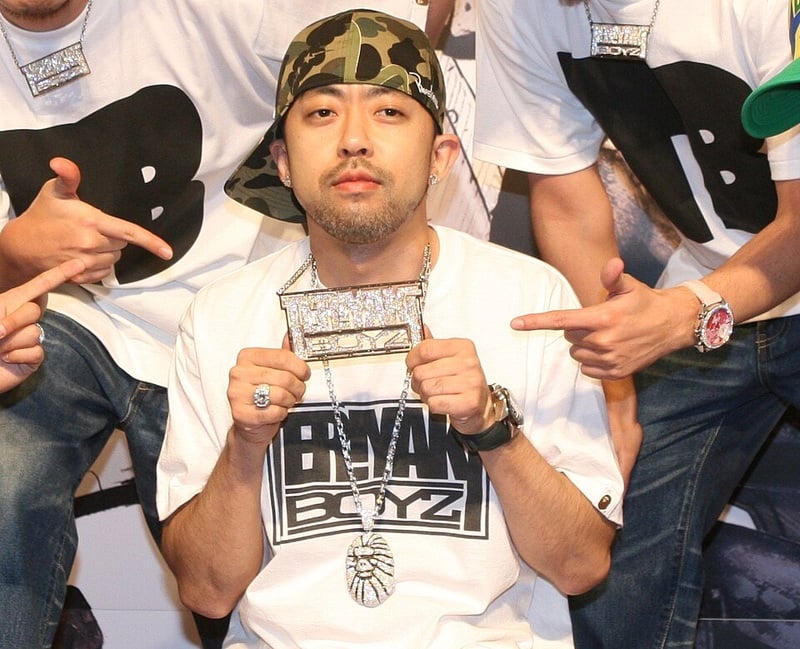
Tokyo developed into a creative center in this exchange. In 1993, Nigo and Jun Takahashi opened NOWHERE in the backstreets of Harajuku. The shop brought American sportswear into contact with local design, with Takahashi’s Undercover offering another perspective on youth culture.
Nigo introduced A Bathing Ape that same year. Its graphic identity drew on popular culture, while small production runs made particular pieces difficult to obtain. The clothing invited collecting as well as wearing, with the ape motif and camouflage helping build a recognizable visual world.
Hiroshi Fujiwara was another important connection between Tokyo and overseas scenes. His travels and work across music and fashion helped circulate references that Japanese designers would interpret in their own ways. Ura-Harajuku became a place where imported influences could develop into something specific to the neighborhood.
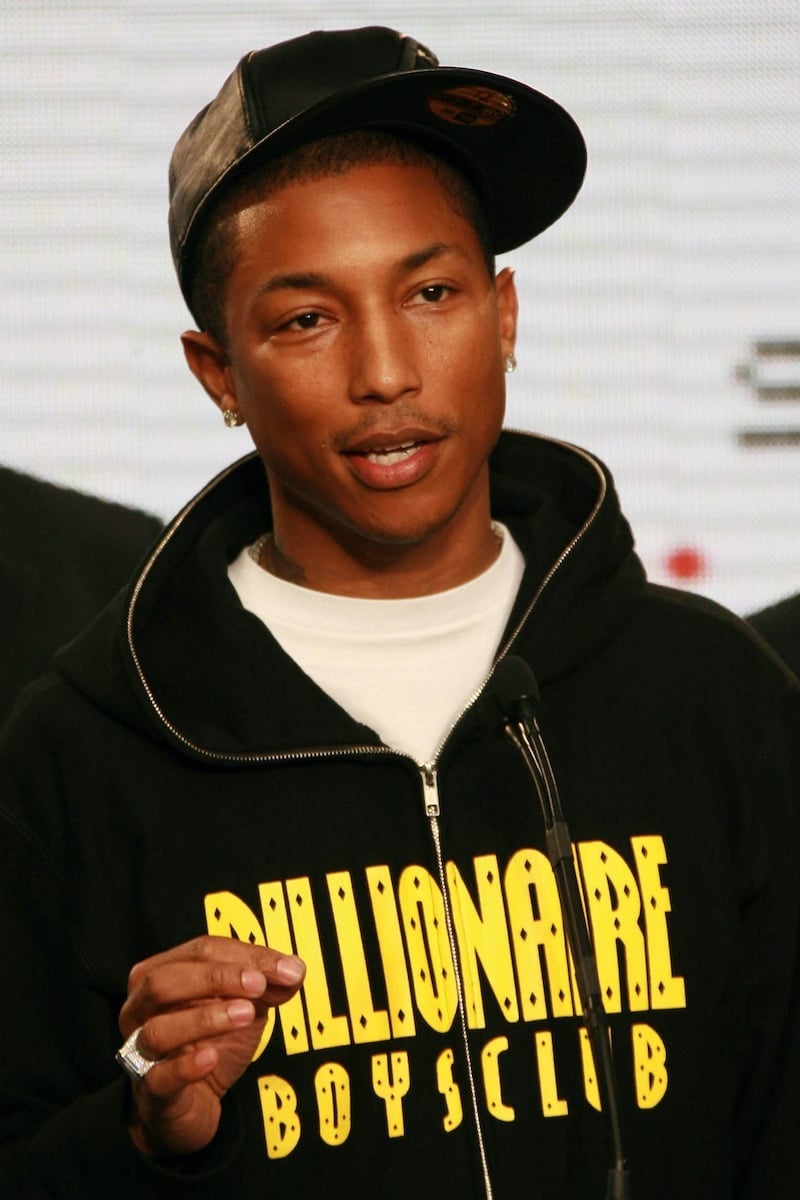
The exchange then traveled back across the Pacific. American musicians wore Japanese labels, introducing those clothes to audiences following their style. Pharrell Williams and Nigo extended the relationship by founding Billionaire Boys Club & ICECREAM in 2003. Their partnership connected music and graphic clothing through a shared enthusiasm for design.
The Internet Changes Access
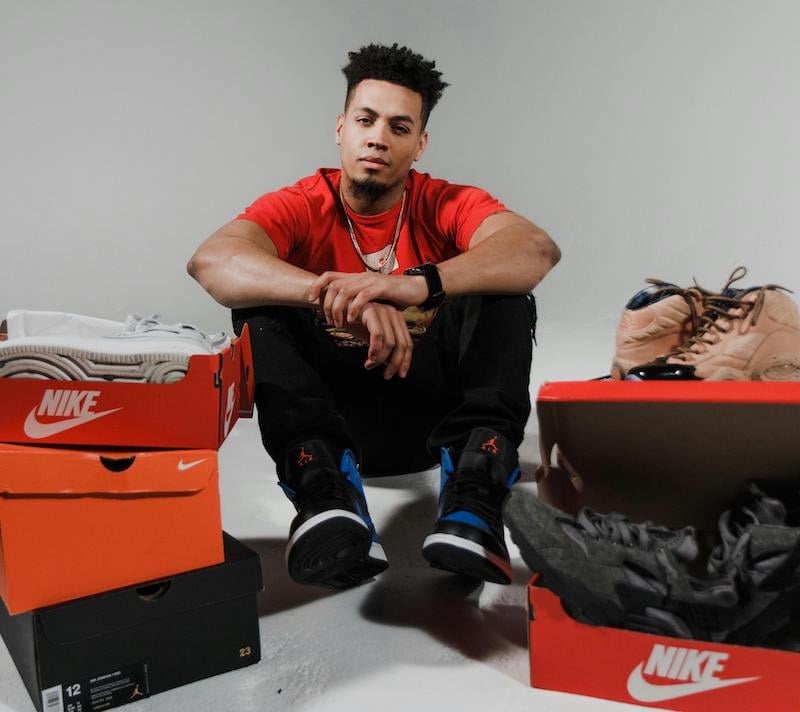
Online discussion gave streetwear’s existing networks a much larger meeting place. Forums and blogs allowed people to compare purchases, identify unfamiliar labels and follow releases beyond the reach of their local shops. Knowledge that once depended on a visit or a personal introduction could travel through a photograph and a link.
That access changed the audience’s relationship with scarcity. A small release could attract attention across several countries at once. People could learn what they had missed as quickly as they learned what was available.
Social media accelerated the process. An outfit worn by a musician could circulate immediately, and a shop queue became an image in its own right. The culture’s social signals grew more visible, making the relationship between enthusiasm and status increasingly difficult to untangle.
Streetwear’s retail habits became influential too. Anticipation around a release gave a basic garment the sense of an event. Fashion companies could learn from the way independent labels maintained attention between conventional seasonal collections.
From Collaboration to Creative Leadership
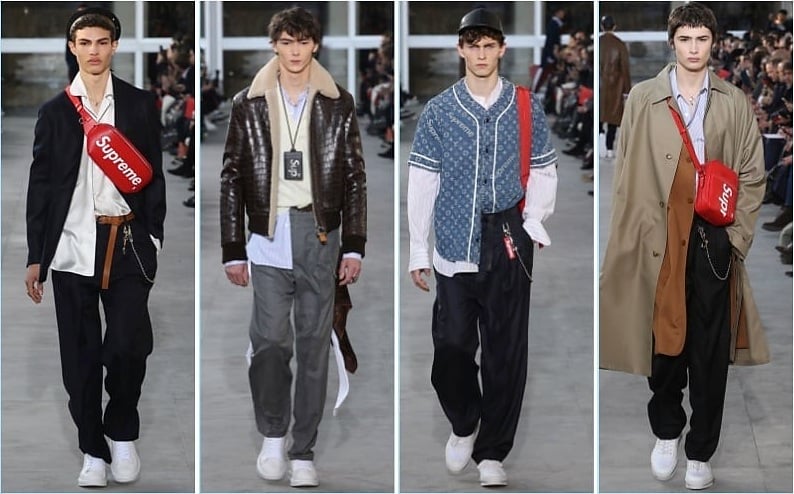
The luxury crossover became especially visible when Louis Vuitton presented its Supreme collaboration for fall-winter 2017. Under Kim Jones, the collection placed Supreme’s identity alongside the house’s monogram across clothing and leather goods. Each label brought an audience and a different source of prestige.
The appeal extended beyond putting two names on the same product. Supreme had built desirability through a skate-shop culture; Vuitton had established its reputation through luxury craftsmanship and heritage. The collaboration treated both as valuable forms of authority.
Virgil Abloh’s appointment as Louis Vuitton’s men’s artistic director in March 2018 made the institutional shift more consequential. The founder of Off-White took responsibility for a major house’s menswear. His work brought the references of the audience that followed him into the structure of a luxury collection.
Streetwear’s influence could now shape who led a fashion house, as well as what appeared on its runway. The progression from independent clothing to creative leadership gave a generation another route into institutions that had once seemed distant.
What the Clothes Still Mean
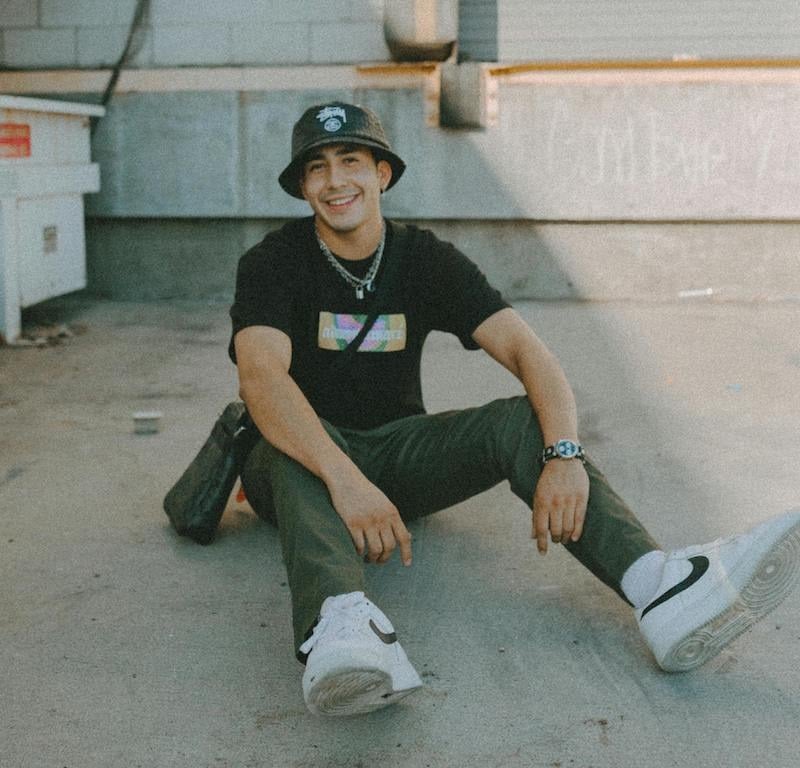
The history of streetwear explains why two apparently similar T-shirts can hold very different value for their owners. One might recall a particular shop or a period of musical discovery. Another might express admiration for a designer whose work made fashion feel accessible.
Those attachments helped turn local clothing businesses into international names. They also explain why streetwear’s commercial success can provoke arguments about authenticity. As more people buy into a scene, the meaning of belonging to it changes.
The most revealing question remains who gives the clothes their significance. A fashion house can supply the fabric and a label can supply the graphic. The people wearing them supply the associations that make someone else want the same thing.