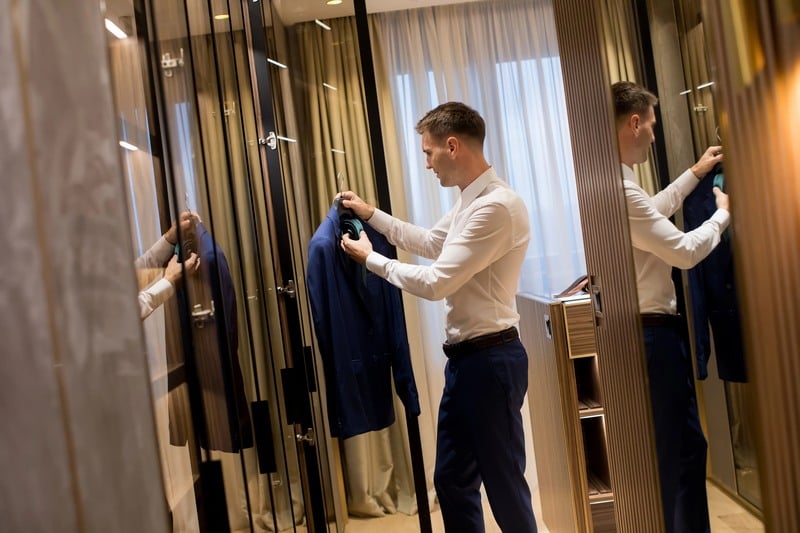
A good suit deserves better than a crowded rail. So does the jacket you wear every weekend, currently wedged behind something you haven’t touched in years. When getting dressed starts with searching through overloaded drawers, the problem may be the furniture as much as the amount you own.
A custom wardrobe offers the chance to plan storage around the way you dress. If tailoring dominates your working week, hanging space takes priority. If you live in knitwear and jeans, shelving and drawers deserve more attention. The expensive finish is optional. A layout that reflects your clothes and daily habits is the reason to commission one.
Start With the Clothes You Own

Before choosing doors or wood samples, take stock of what needs a home. Your wardrobe essentials are a useful starting point, particularly the pieces you reach for most often. A wardrobe full of tailoring calls for a different arrangement from one dominated by folded knitwear and denim. Long coats need sufficient hanging room; shoes need shelves that suit their dimensions.
Custom wardrobes should begin with that inventory. Count the garments you hang, measure the longest pieces, and note which categories already overflow their allotted space. If you share storage, assess each person’s needs separately. Dividing everything down the middle may look fair on a drawing, but it rarely accounts for two different ways of dressing.
Pay attention to the smaller items, too. Belts and watches are easily lost in deep drawers. Shallow compartments or removable dividers can give them a clear place, making it easier to see what you own.
The aim is to make clothing accessible, with enough room to return each piece after use. A complicated fitting earns its place only if it solves an actual problem.
Work With the Bedroom’s Dimensions
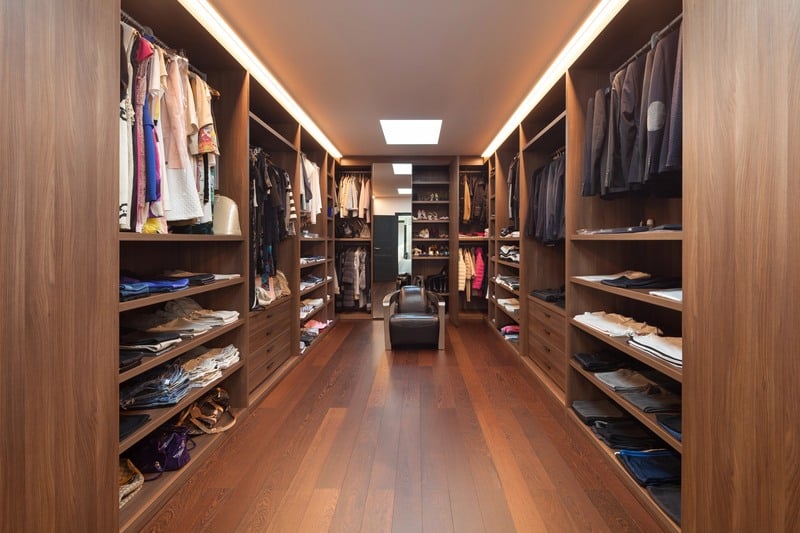
A sloping ceiling or awkward recess can make ready-made furniture difficult to position. Made-to-measure cabinetry allows the layout to respond to those dimensions, turning lower sections into storage for folded clothes or shoes.
Start with a measured plan that records windows and radiators, along with the clearance needed to open doors and drawers. Check how the wardrobe will affect movement around the bed. Storage that accommodates every jacket but leaves you squeezing through the room has solved only half the problem.
In taller bedrooms, upper cupboards can hold seasonal clothing or luggage. Keep everyday pieces within comfortable reach, particularly if bending or stretching is difficult.
There is also a point at which more cabinetry becomes too much. Covering every available wall can make a bedroom feel enclosed. A smaller installation with a useful interior may serve the room better than a larger one designed chiefly to maximize capacity.
Choose Doors for Everyday Life
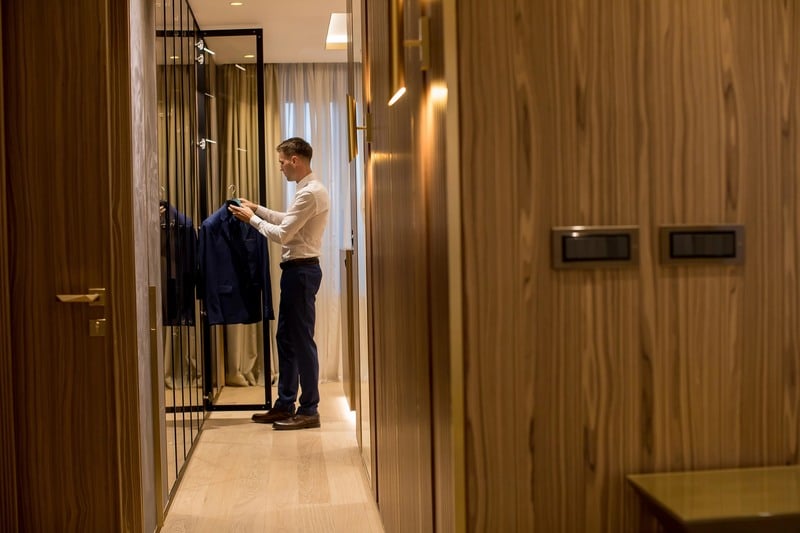
Showroom wardrobes tend to contain immaculate shirts and carefully spaced accessories. Your bedroom has to accommodate laundry day.
Glass-fronted cabinets suit someone who enjoys arranging their clothes and keeping the contents on view. Solid doors offer a calmer backdrop when shelves are less orderly. Neither choice is inherently more luxurious; the useful question is how much of your storage you want to see.
Mirrored doors provide a place to check an outfit, though fingerprints become part of the maintenance routine. Timber introduces texture and warmth, but inspect samples in the bedroom before committing. A finish that looks light in a showroom may appear much darker under your evening lighting.
Consider the interior finish alongside the doors. You will encounter both daily, and the inside should be easy to clean as well as pleasant to look at.
Spend on Construction Before Extras
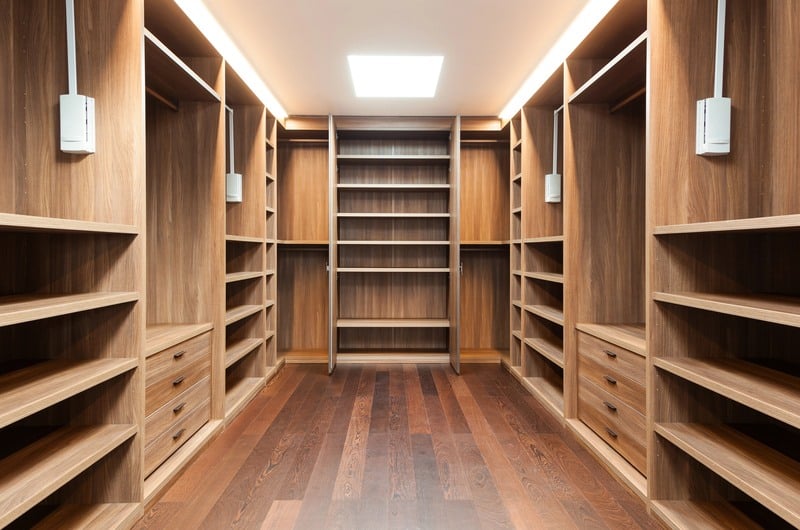
Lighting and pullout accessories can quickly expand a modest brief. Before adding them, establish what the basic cabinetry includes and where quality matters most.
Test the drawers. Check that doors align and ask what loads the shelves are designed to support. Find out whether hinges and runners can be replaced using readily available parts. A handsome exterior loses its appeal quickly when a drawer sticks every morning.
Then assess the extras against your routine. Interior lighting may be useful in a dark corner. An accessory tray may solve a persistent storage problem. Features that looked impressive during a demonstration can be less compelling when you imagine using them on a busy weekday.
Request an itemized quotation covering materials and installation. Confirm whether electrical work or wall preparation costs extra, and clarify which fittings are included before agreeing to the final design.
Set a Budget for the Whole Project
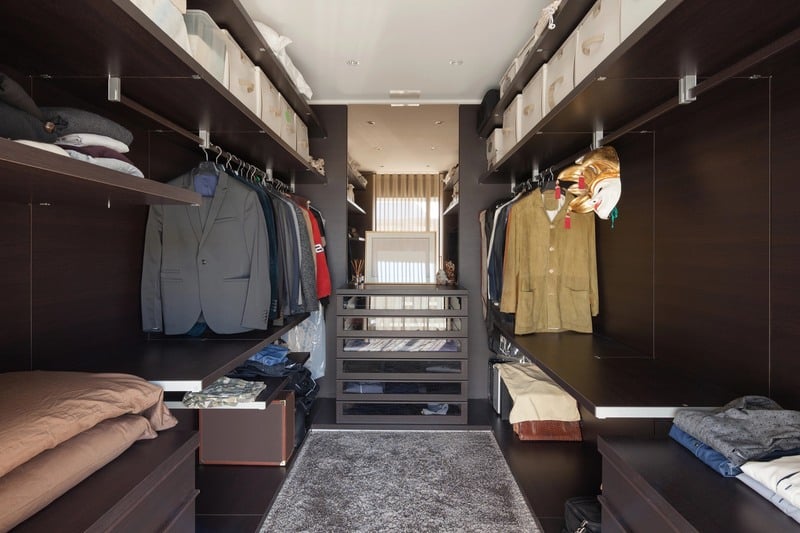
The cabinetry price is only part of the planning. Allow for any associated work, and decide early which features you would remove if the quotation exceeds your budget. It is easier to simplify a drawing than an installation already underway.
For a wardrobe included in a wider renovation, home equity loans may enter the financing discussion. These loans are secured against the property, so failure to repay can put the home at risk. Assess the interest and fees alongside the repayment commitment before borrowing.
Keep the decision grounded in how the wardrobe will serve you. An elaborate installation should not depend on an assumed increase in the property’s resale value. Prioritize a useful layout and workmanship you can assess.
Plan for a Changing Wardrobe
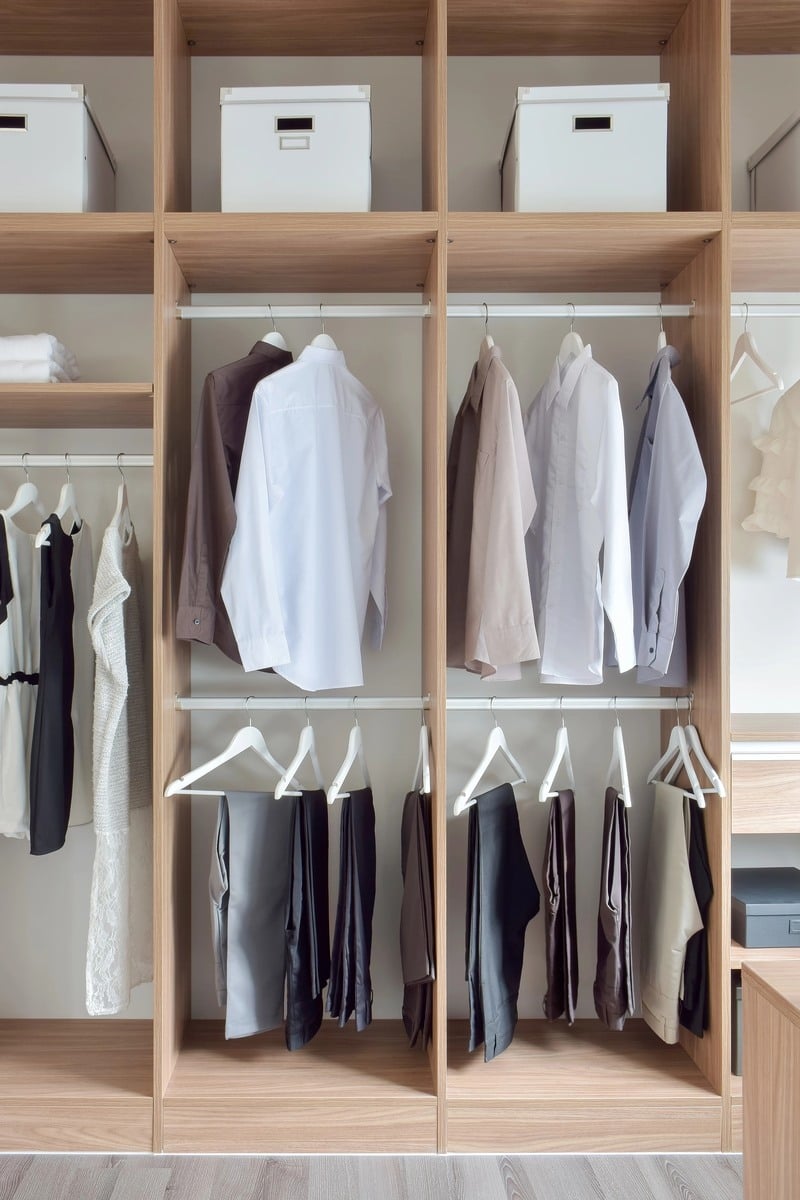
The cabinetry may outlast several changes in your personal style. Someone wearing suits throughout the working week today may need more casual storage later. A shared wardrobe may eventually have to accommodate a different balance of belongings.
Adjustable shelves and removable drawer dividers give the interior some flexibility. Ask which sections can be reconfigured and which will remain fixed. Also check access to lighting components and other fittings that may eventually need repair.
A custom wardrobe succeeds when the planning becomes easy to forget. The coat has room to hang, the drawer closes on the first attempt, and getting dressed no longer begins with moving something out of the way.