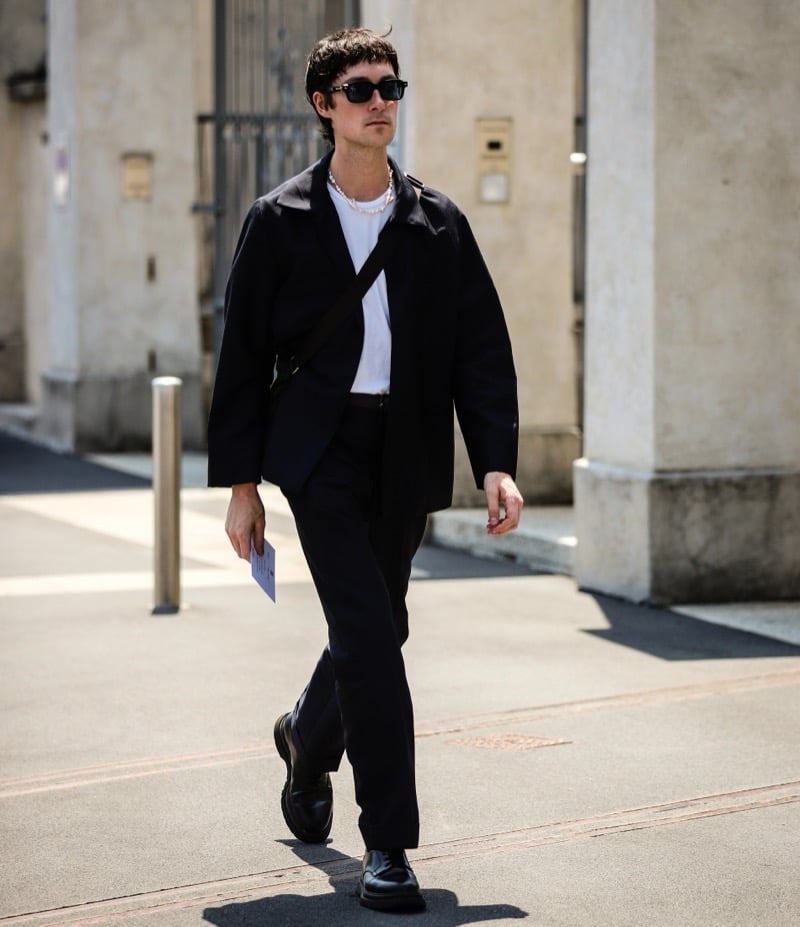
The price gap between two seemingly similar pieces of clothing can be substantial. A cotton T-shirt from one label may cost several times more than another, even when the fiber content on the tag looks nearly identical. The difference can come down to fabric weight, construction, finishing, production, design, or simply the value attached to a name.
That makes the real question less about whether expensive fashion is worth it and more about what, exactly, the higher price is buying.
There is no universal answer. Some premium clothes justify their price through materials, construction, fit, or longevity, while others ask the customer to pay heavily for design, scarcity, marketing, or brand recognition. Knowing the difference makes it easier to decide when spending more makes sense.
The Case for Investing in Premium Fashion
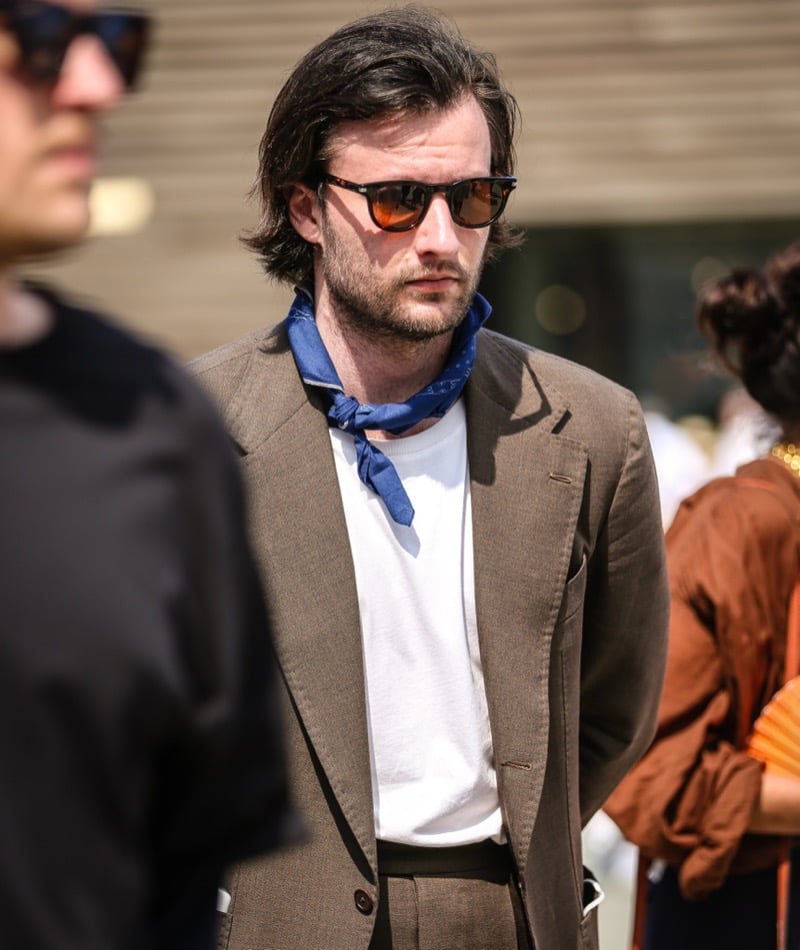
Higher prices can come with meaningful improvements in quality. Two T-shirts labeled 100% cotton, for example, can differ considerably in fabric weight, yarn quality, knit, finishing, and construction. Those distinctions affect how a garment feels, fits, washes, and wears over time.
Brands that spend more on fabrics, manufacturing, pattern cutting, and finishing may produce clothes that fit better and withstand repeated wear. The label alone does not guarantee any of those qualities, but the garment itself can provide evidence for the higher price.
Longevity also matters in a market shaped by brands that perpetuate the fast fashion cycle. A low initial price loses some of its appeal when a garment quickly stretches, pills, fades, or needs replacing. Buying fewer pieces that hold up over time can make more sense financially as well as reduce unnecessary consumption.
Cost, then, is better judged over the life of the garment than at the checkout alone. A piece worn for years may ultimately offer more value than a cheaper alternative replaced several times.
The Case Against Premium Fashion Brands
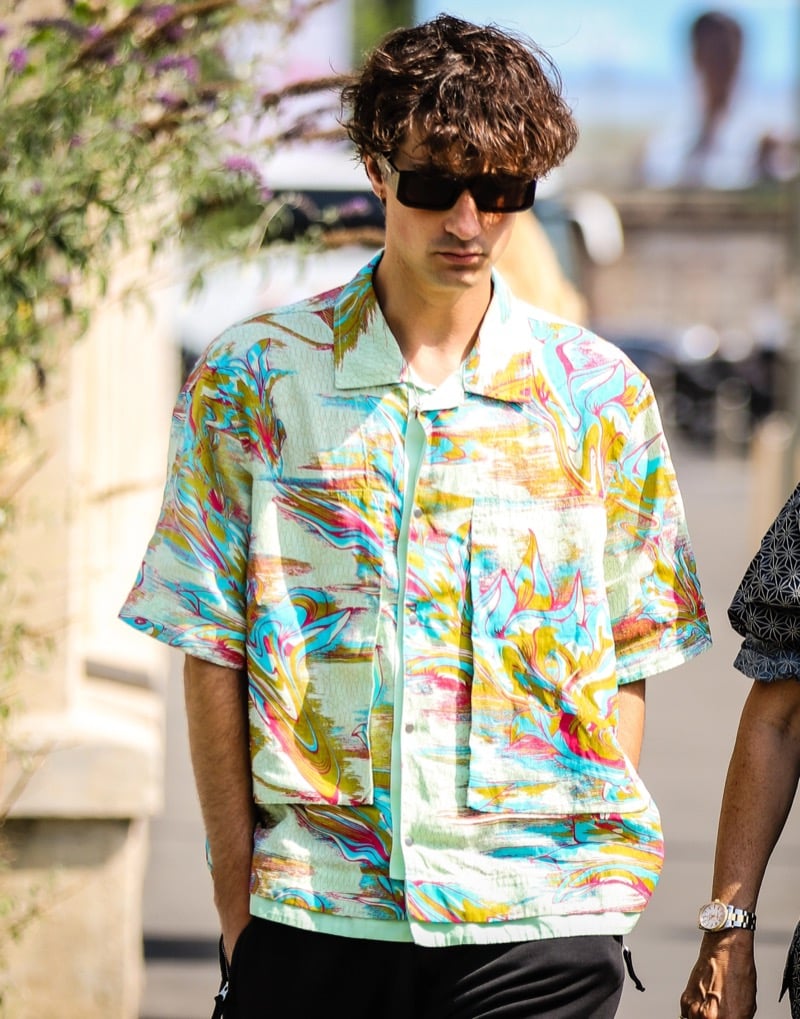
Price is still an imperfect shorthand for quality. Luxury and premium fashion include costs that have little to do with how long a garment will last, from advertising and retail environments to exclusivity and the cultural value of the label itself.
A higher price can also coexist with ordinary materials or construction. Learning to assess fabric, seams, hardware, finishing, and fit is therefore more useful than relying on the name sewn into the garment. Fiber content deserves attention too, although natural fibers are not automatically superior in every application. Cotton, wool, linen, leather, synthetics, and blends each perform differently depending on the garment and how it will be worn.
At the upper end of fashion, price can also reflect design, limited production, craftsmanship, creative direction, and brand desirability. The appeal of designer brands for men often rests partly on those qualities. They may matter to a buyer, but they are different from durability. A $1,000 pair of jeans does not need to be ten times better made than a $100 pair to find a customer. Fashion has always sold ideas and identity alongside cloth, from couture to contemporary luxury. The useful question is whether those less tangible qualities matter enough to you to justify the premium.
Choosing When to Buy From Expensive Clothing Brands

Spending more makes the strongest case when the difference is tangible. Better fabric, a noticeably better fit, specialist construction, useful design details, repairability, or proven longevity can all justify paying more. When two options perform equally well for your needs, the less expensive one may be the smarter purchase.
It also helps to separate quality from prestige. A large price difference may represent genuine handwork or uncommon materials, but it can just as easily reflect scarcity and brand positioning. Decide which of those things you actually value before paying for them.
How to Buy Better-Quality Clothing on a Tighter Budget
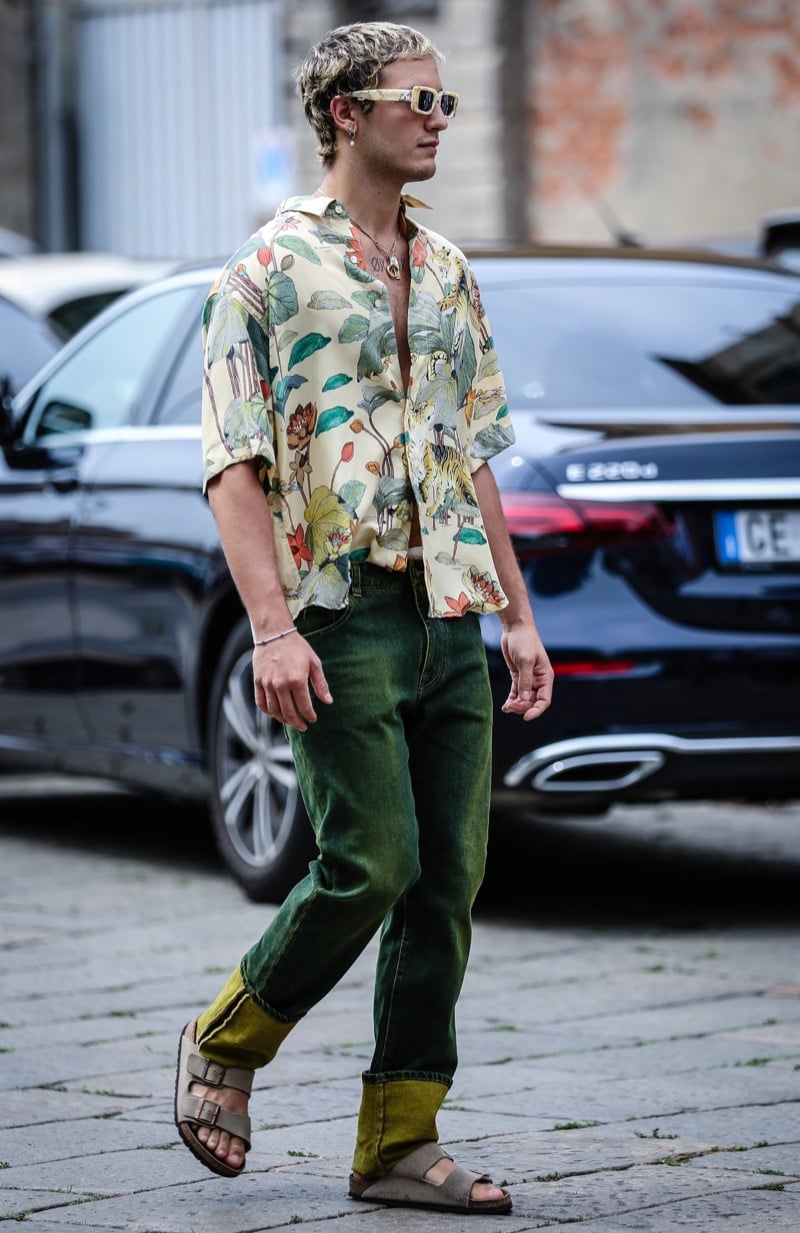
Buying better clothes does not require paying full retail for every purchase. Shopping selectively, waiting for markdowns, and making room in an existing wardrobe can bring stronger pieces within reach while discouraging impulse purchases.
Sell What You No Longer Use
Clothes that no longer fit or get worn can be sold through resale platforms, consignment stores, or local shops, turning unused pieces into money for future purchases. Other valuables can serve the same purpose. Haven Coin & Jewelry, for example, notes that coins and jewelry containing precious metals may retain resale value. The point is simple. Before adding to a wardrobe, it can be worth looking at what is already sitting unused at home.
Wait for Sales
Premium retailers and brands regularly mark down seasonal merchandise. Waiting for a sale can make a well-made piece considerably easier to justify, particularly when it is a wardrobe staple you already intended to buy. A discount is useful when it lowers the price of the right item, not when it persuades you to buy the wrong one.
Shop Out of Season
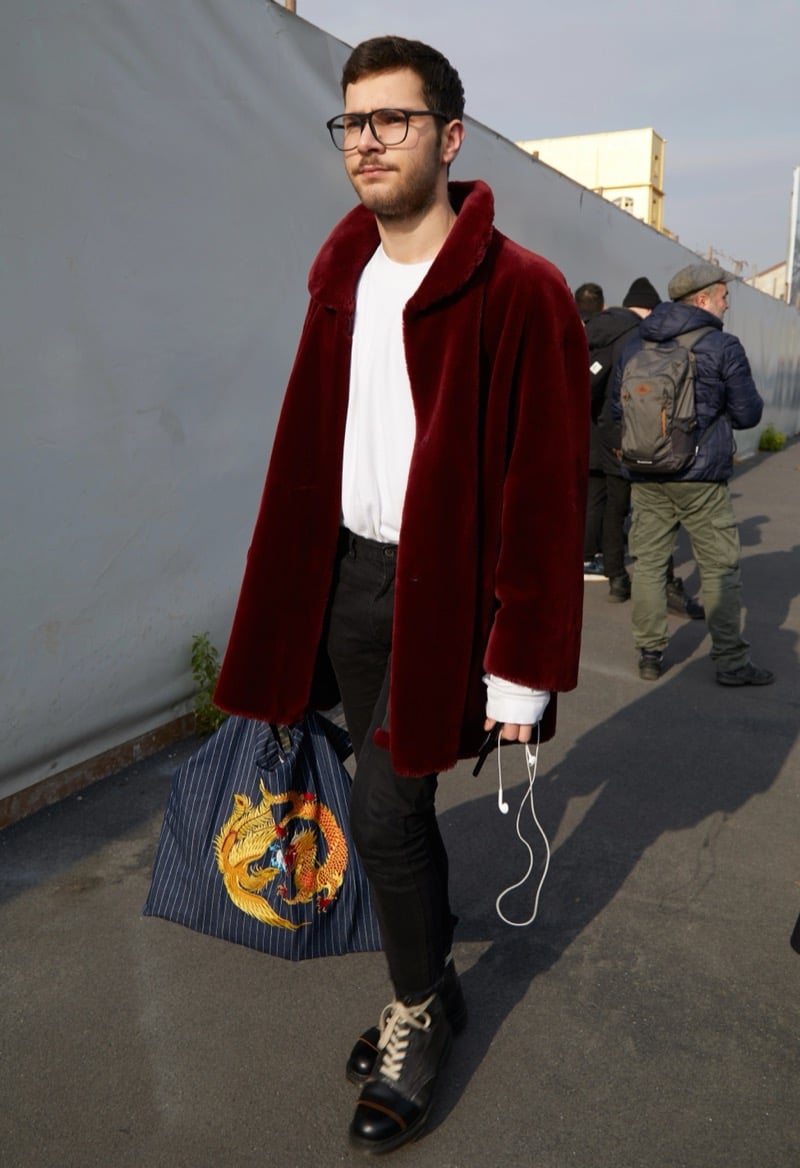
Seasonal timing can create similar opportunities. Coats, knitwear, and boots often become less expensive as retailers make room for spring merchandise, while warm-weather clothing may be discounted as fall approaches. Shopping ahead works best for pieces with enough staying power to remain useful when their season comes around again.
Expensive fashion is worth the money when the qualities you value justify the price. Sometimes that means superior fabric or construction. In other cases, it may mean an exceptional cut, a designer’s point of view, or simply a piece you expect to wear for years. Thinking in terms of cost-per-wear can put the decision into perspective. The strongest purchase is not automatically the cheapest or the most expensive. It is the one whose price, use, and value still make sense after the label stops doing the talking.