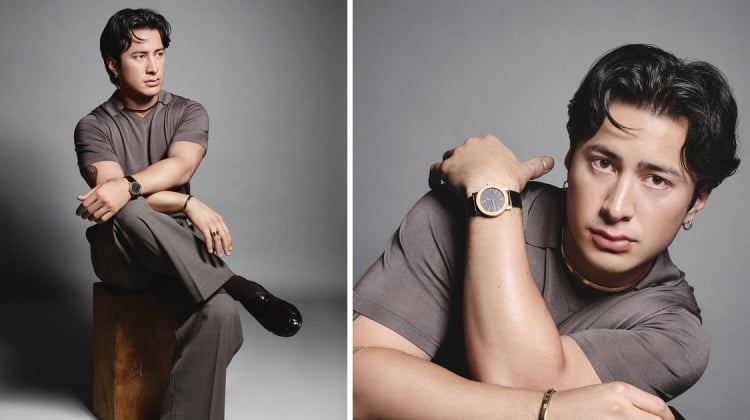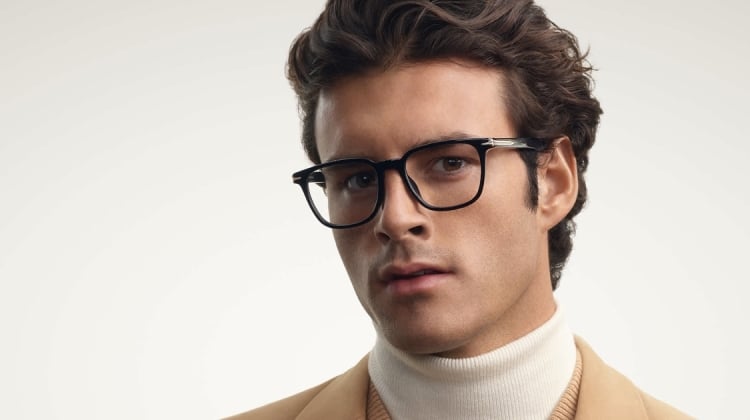
Men’s accessories are in a subdued moment. A watch, a belt, or a cap now functions as part of a man’s personal style, chosen for fit and relevance instead of size or brand recognition. The pull is toward practical pieces that mean something to the person wearing them. In a wardrobe with fewer, more adaptable pieces, the right accessory finishes a simple outfit and keeps the proportions clean.
The shift connects to a broader change in menswear, where pieces are made to outlast a single season. Trends still cycle. Even so, a well-made leather belt, a textured scarf, a traditional watch, or a well-chosen cap stays relevant while the rest of an outfit changes around it. The focus has shifted from accumulating accessories to keeping a small number that hold up over time.
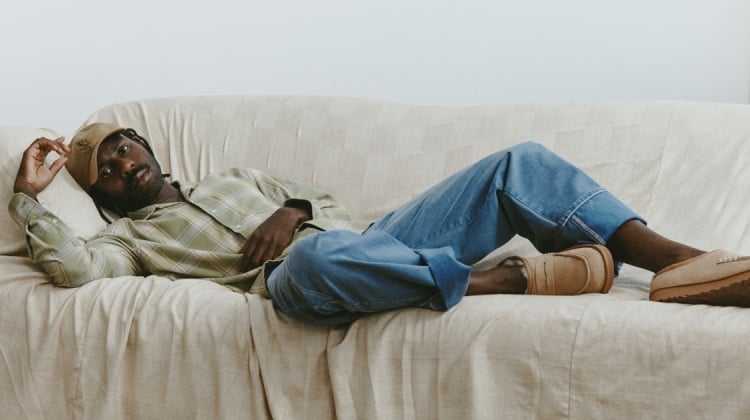
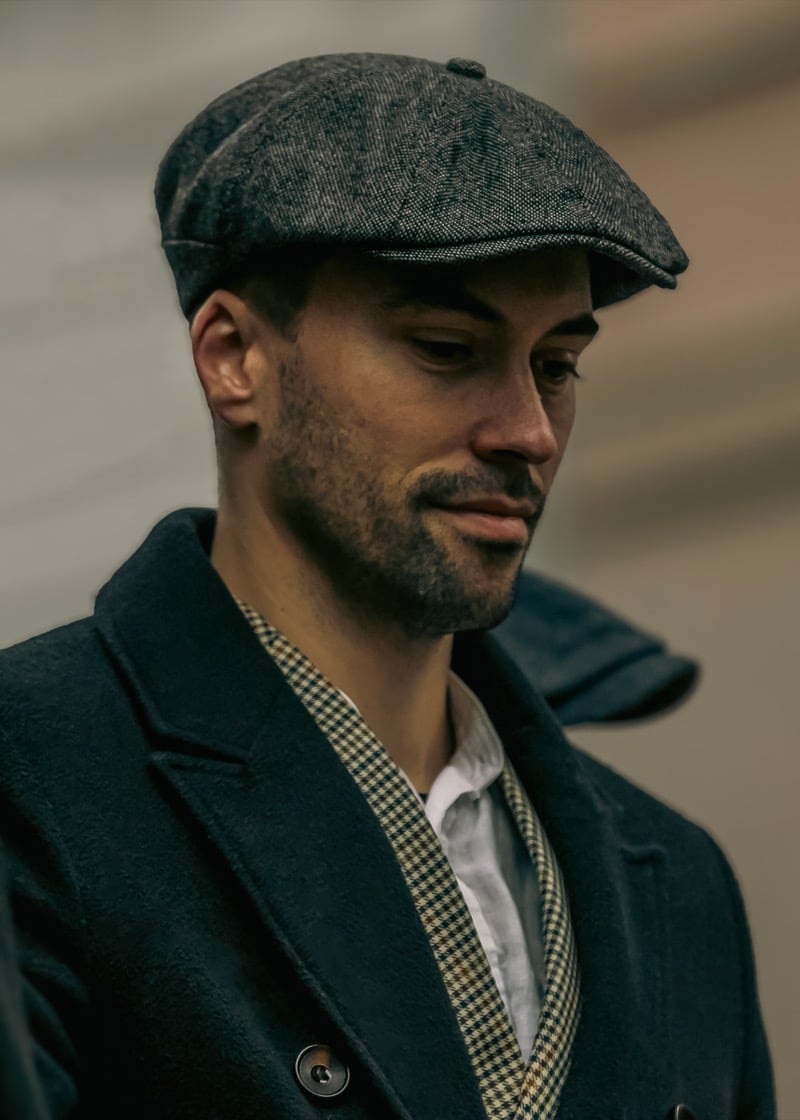
Headgear shows this change clearly. A flat cap or driving cap changes the character of an outfit by itself, whatever else the wearer has on. An Irish hat adds texture and craftsmanship to a modern wardrobe for men experimenting with traditional silhouettes. Flat caps, Donegal tweed driving caps, Harris Tweed forms, newsboy caps, and more casual baseball styles show the range traditional headwear now covers, as seen in collections like those at Creative Irish Gifts.
Matching an accessory to a man’s current style matters more than replacing an entire wardrobe to suit it. A tweed flat cap pairs with dark denim, a plain sweater, and modern sneakers as a textured detail, instead of requiring a matching jacket, waistcoat, and polished brogues. A traditional wool cap works the same way with a casual jacket or an overcoat.
Function Comes First
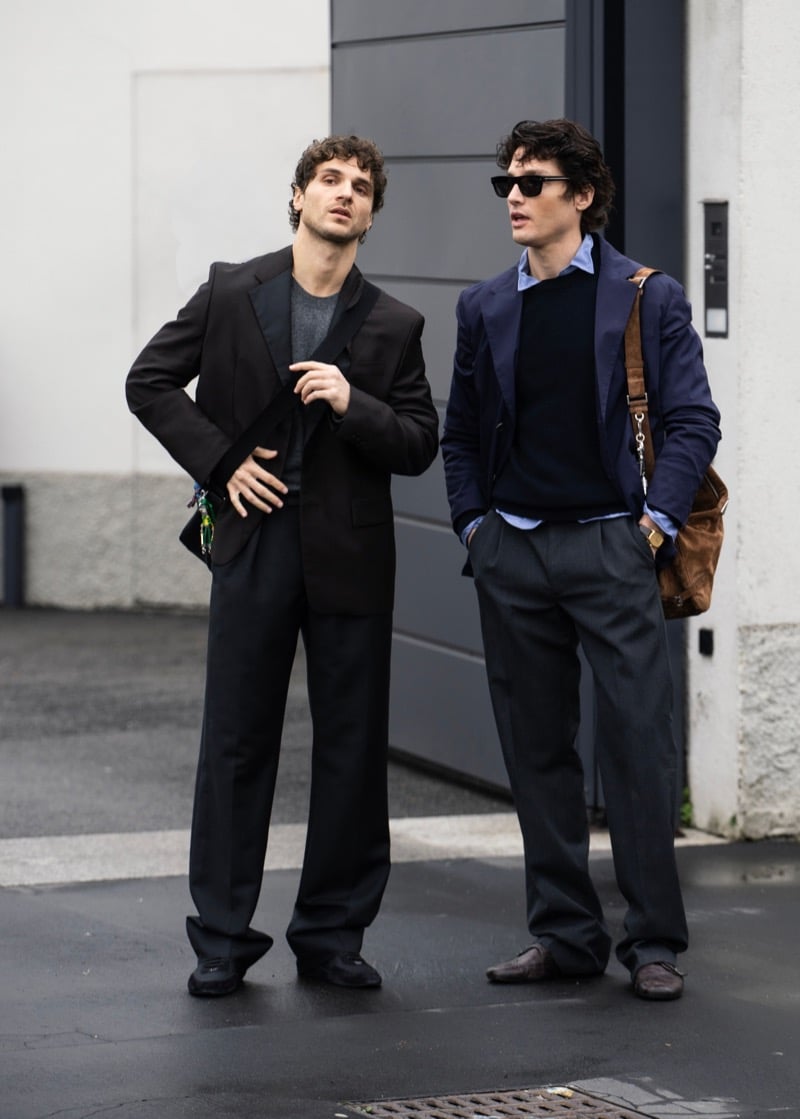
The most popular accessories serve a function first. Daily menswear increasingly runs on comfort and practicality, and accessories follow the same rule.
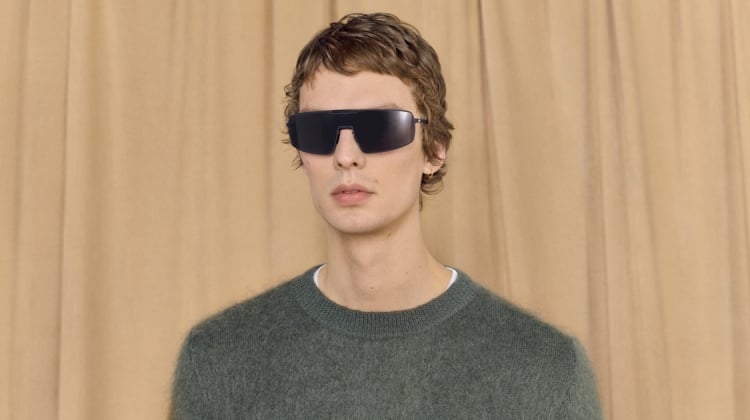
A bag holds what a man needs for the day, and a watch stays legible at a glance. Sunglasses work the same way, protecting the eyes while sitting comfortably against the face. A hat follows the same rule, providing warmth or shade instead of just finishing a look.
A piece fits into daily life more readily when it serves a practical purpose. Traditional accessories outlast fashion cycles because they depend on more than aesthetics alone.
Texture Can Replace Branding
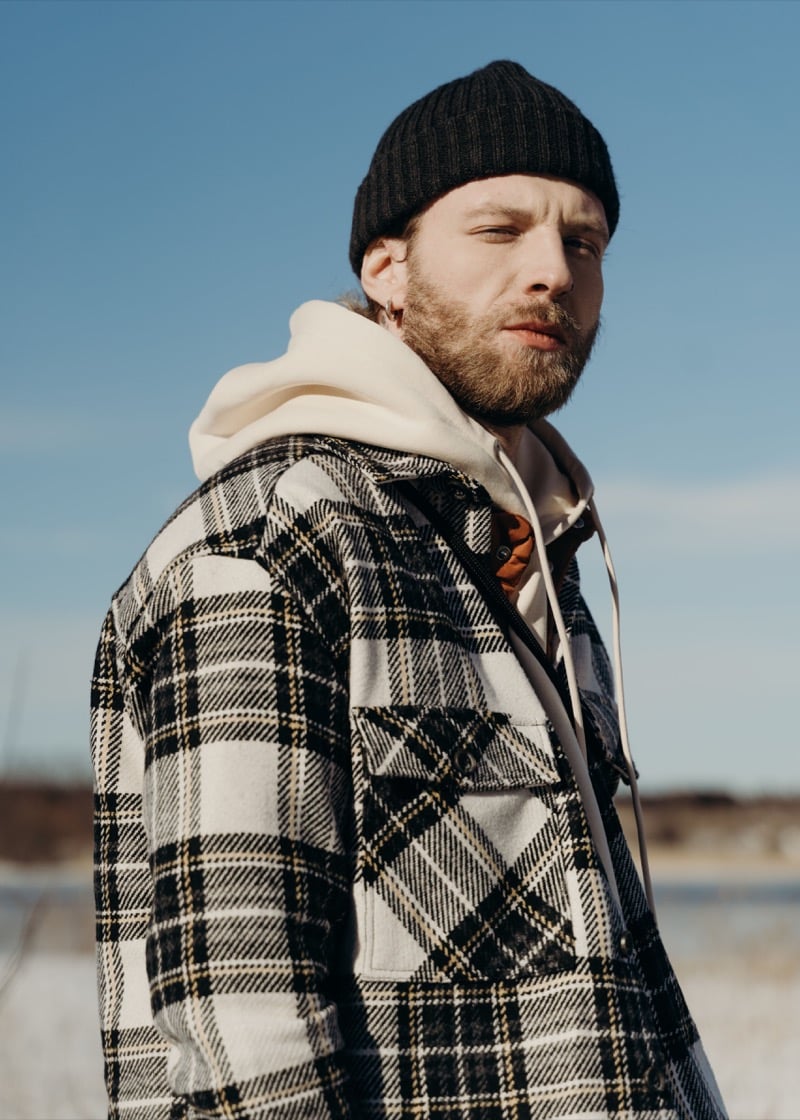
For years, visible branding was the simplest way for an accessory to stand out. More men now get the same effect from the material itself.
Wool, tweed, suede, leather, canvas, and brushed cotton add visual depth on their own, apart from any noticeable logo. A textured hat makes a monotone outfit more interesting, and a rough leather belt adds grain to simple tailoring in the same spirit. A woven scarf continues the pattern, making a plain coat feel more intimate.
This approach also makes accessories easier to wear often. The material defines the outfit’s character on its own, apart from any trend or brand name.
Complementary Tones Outweigh Exact Matches
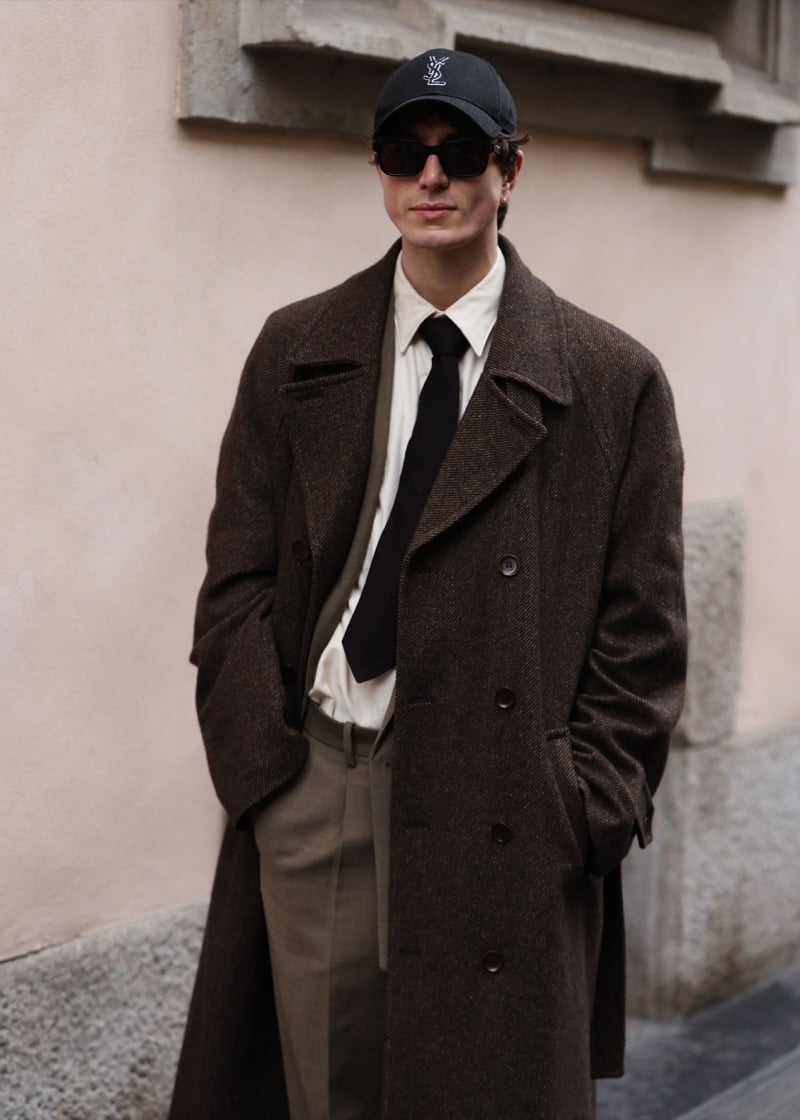
Accessories now pair by complementary tone instead of an exact color match. A brown belt pairs with black or navy shoes just as well as with matching brown leather. Likewise, a hat holds its own next to a jacket in a different color family. The same logic extends to a coat and pants, which form a coherent outfit even in different, complementary shades.
Modern menswear treats these pairings loosely. Brown and navy complement each other, as do charcoal and olive. Cream softens almost any darker palette.
An outfit assembled piece by piece over time feels more natural than one bought as a matching set.
The New Definition of Luxury
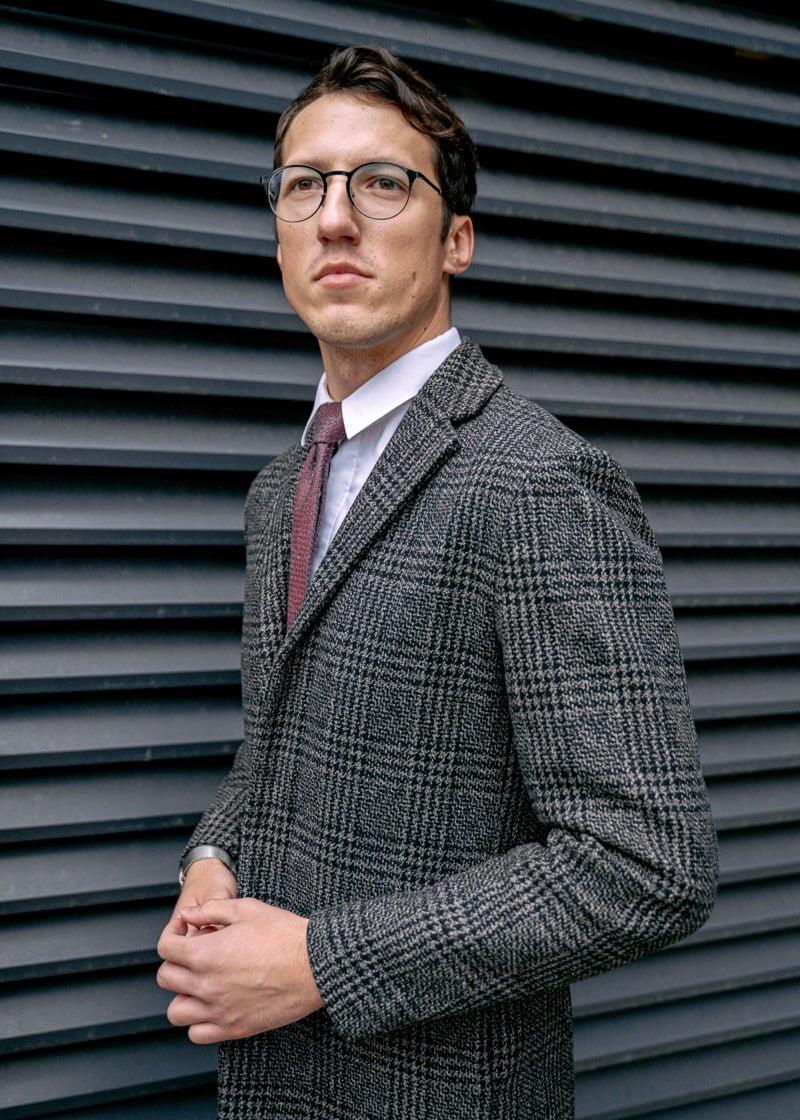
Luxury in men’s accessories now extends past a recognizable name or an obvious display of status. Increasingly, the appeal lies in choosing something well made that feels specific to the person wearing it.
Material, craftsmanship, and the way an accessory ages make a piece feel more personal over time. A leather belt develops a patina, wool softens with wear, and a favorite watch becomes familiar through years of use. These qualities give accessories a value that goes beyond what a logo can communicate.
The best pieces also hold a lasting place in a wardrobe. An accessory that works across different settings and continues to feel right season after season becomes part of how a man dresses.
A Smaller, More Personal Collection
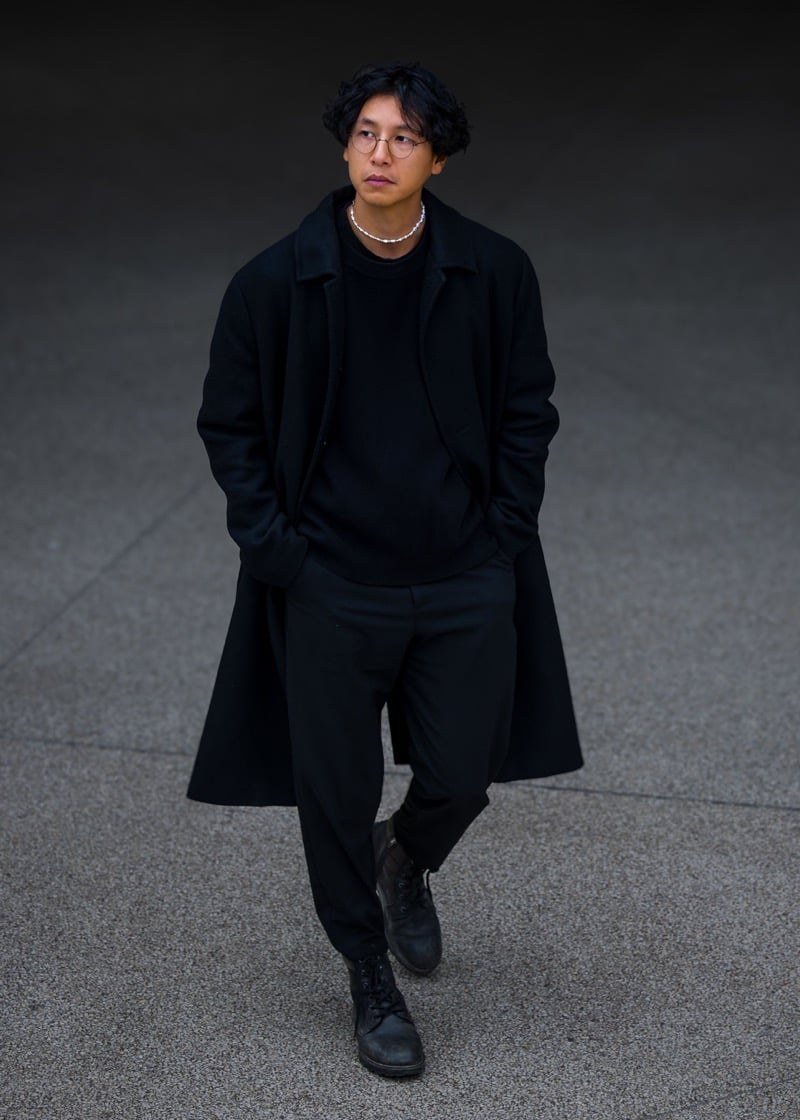
A smaller accessories collection sharpens a man’s style instead of narrowing it. The strongest wardrobes favor a handful of pieces the wearer reaches for again and again, over a drawer full of watches, hats, and belts that rarely get worn.
A tweed flat cap worn soft at the brim, or a belt gone supple at the buckle, says more about a man’s style than any logo could. That is the direction men’s accessories are heading now, toward fewer pieces, chosen well and worn until they belong to the person wearing them.