“Outdoor shoes” sounds like a single category, but a shoe that feels great on a paved park loop can slide on wet rock, and a rugged hiking boot can feel like overkill on a flat gravel path or a travel day through an airport. Terrain, weather, distance, and support change from one outing to the next, and the shoe should change with them. Fit-for-purpose beats brand loyalty every time a man laces up before heading outside.
Choose by Terrain, Not Marketing
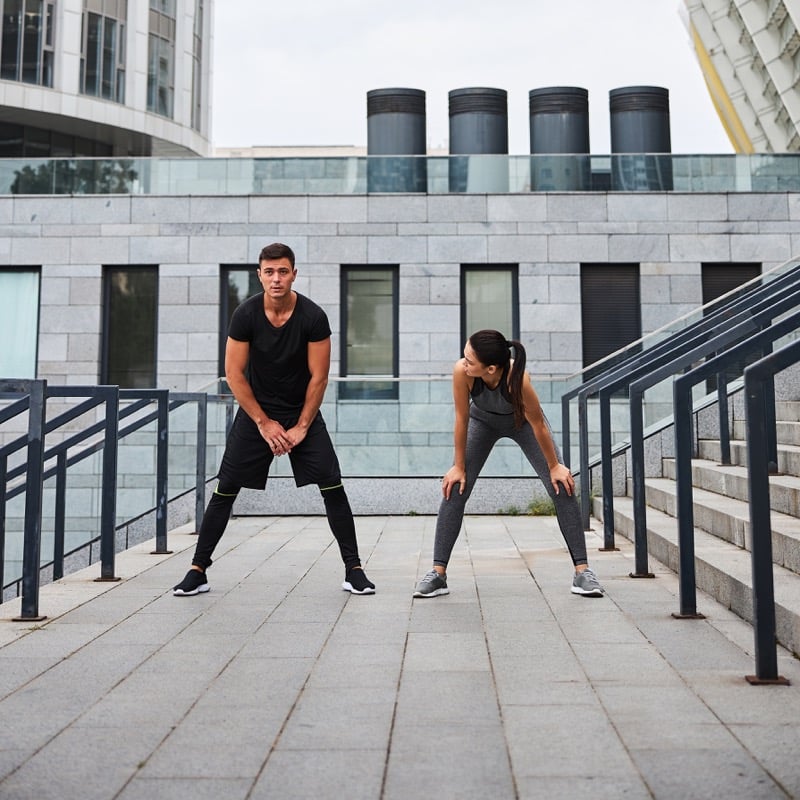
Outdoor footwear works best when it is chosen by terrain and movement, not by how a shoe looks on a shelf. Trail-specific geometry changes from one shoe to the next, and heel width, arch shape, and cushioning density all shift how a shoe grips a rutted trail. Merrell applies that same standard to women’s trail running shoes as it does to its men’s line, tuning fit and grip for different bodies moving over identical terrain. A shoe made for the foot and the ground beneath it outperforms a shoe made to a generic template every time.
Hiking & Day Hikes
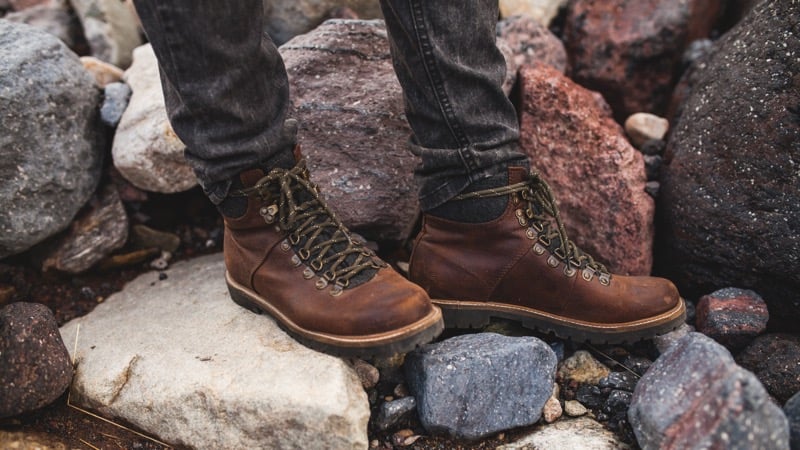
For maintained trails and moderate day hikes, low-cut hiking shoes handle the work at a fraction of a boot’s bulk. The best hiking shoes for men in this category pair a grippy outsole with a stable midsole, a protective toe cap, and a weight that does not wear on the legs by mile six. Hiking boots make sense when ankle support, a heavier pack, rough scrambling terrain, or wet weather demand more structure than a low-cut shoe provides.
Waterproof hiking shoes solve one problem and create a tradeoff. A waterproof membrane keeps puddles and morning dew out, but it also traps heat and cuts down on breathability, so feet run warmer on dry, sunny hikes than they would in a mesh shoe. For most three-season day hikes on established trails, a well-made pair of hiking shoes handles rock, root, and mud at a fraction of a full boot’s weight.
Trail Running & Fast Hikes
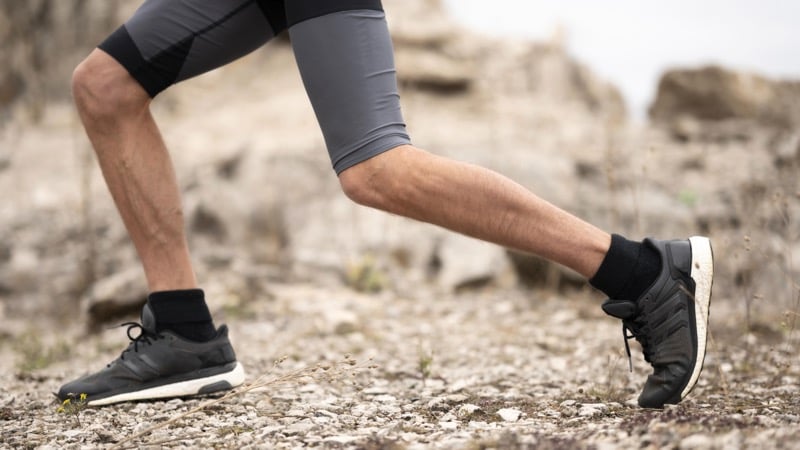
Trail shoes separate from road-running shoes in three places. Deeper lugs grip loose ground, tougher uppers shrug off rock and brush, and a lower, wider platform holds the foot steady on side-sloped terrain. Men who run trails at pace, prefer a lighter shoe, or split time between running and hiking get more from a trail runner than a hiking shoe. The aggressive tread that grips mud and scree does little for a paved greenway, so trail running shoes make the most sense once the ground gets uneven.
Trail running shoes for hiking work well for anyone who wants one shoe for both a walking and a running pace. The tradeoff is protection. A trail runner’s lower-profile build gives up some of the toe and ankle coverage a hiking shoe offers on rockier routes.
Camping & Mixed-Use Weekends
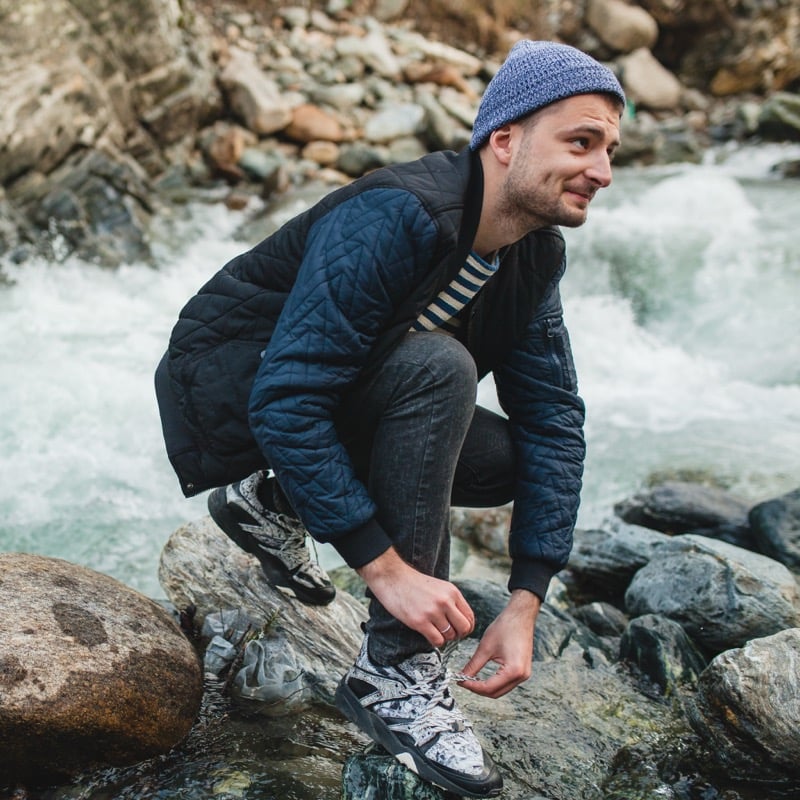
A campsite does not demand technical gear, but it does demand more than a canvas sneaker. Wet grass, loose gravel, and uneven ground wear down a flat canvas sole fast, and a shoe with no traction underfoot turns a short walk to the fire pit into a slip risk. A durable outdoor sneaker or a lightweight hiking shoe, made with a firm outsole and a water-resistant upper, covers campsite walking, short nature trails, and general weekend movement in a single pair.
Versatility holds real value for the occasional outdoor enthusiast. A shoe that handles a short hike Saturday morning and a walk into town Saturday night removes the need to pack two pairs for one trip, and that is worth more to most men than shaving a few ounces off a specialized shoe they will wear twice a year.
Walking, Sightseeing & Travel
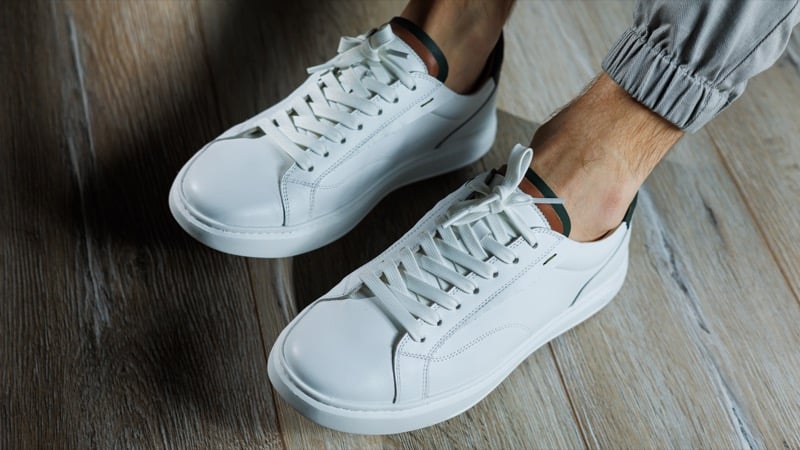
Long city walks, travel days, boardwalks, and easy park paths reward a different set of priorities. Cushioning, breathable materials, a comfortable heel, and a sole that flexes while still holding the foot steady underfoot all matter more here than they do on a trail. The best walking shoes for men balance support with a low enough profile to wear from a flight to a full day on foot, and maximum cushioning is not automatically the right answer since too soft a midsole can leave the foot working harder to stabilize with every step.
A clean technical sneaker passes between airport, café, and trailhead more convincingly than a bulky hiking boot, and the same low-profile runners and retro trainers that fill out a normal sneaker rotation often do the job. Sole thickness and upper material matter as much as looks here, and knowing the types of sneakers made for different terrain makes the right pick easier once pavement turns to gravel.
Water, Beach & Wet-Weather Activities
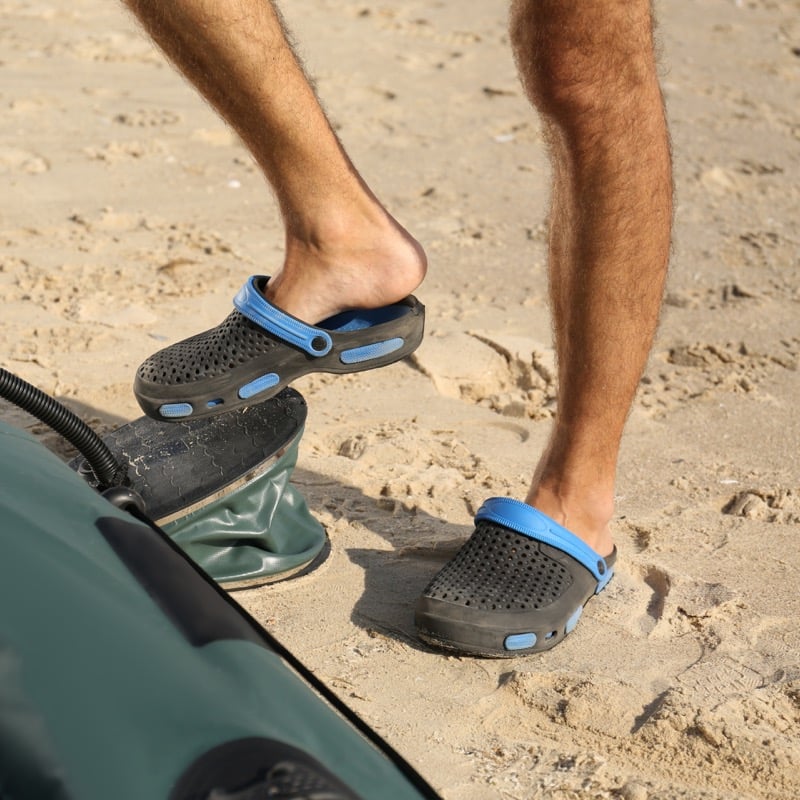
Water shoes and waterproof shoes solve two different problems. Water shoes prioritize drainage, grip on slick rocks, and a secure fit that will not slip off in a current, while waterproof shoes prioritize keeping rain and puddles out from above. Hiking water shoes combine both traits for creek crossings and wet trail sections, pairing a quick-drying upper with enough traction to handle slick stone.
Waterproof shoes for men should not get confused with water-resistant shoes. Water resistance holds off light rain and splashes for a limited time, while full waterproofing uses a sealed membrane made to keep feet dry through sustained wet conditions.
Cycling & Casual Outdoor Sports
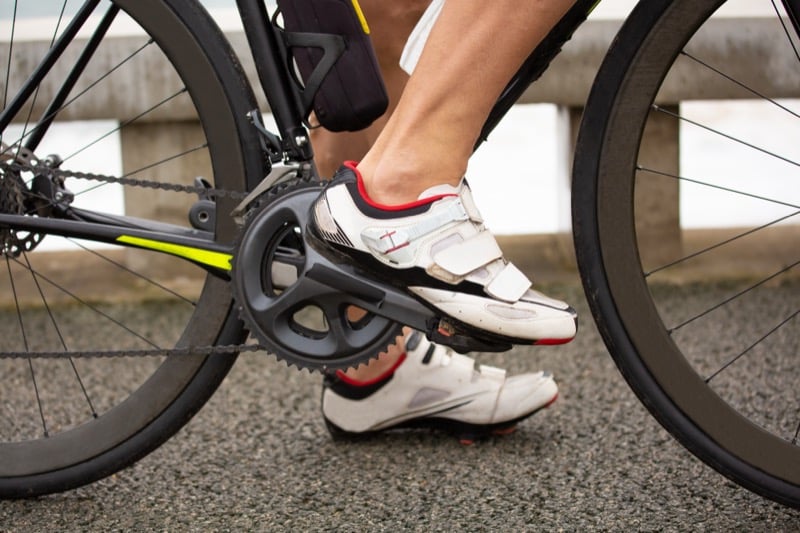
Cycling shoes matter once pedaling efficiency becomes the priority, with a stiff sole and a cleat system designed to transfer power directly into the pedal stroke. Casual riders who are not clipping in get more day-to-day use from a stiff-soled outdoor sneaker with solid pedal grip. Sports that involve lateral movement, including tennis and pickleball, call for a proper court shoe made for quick stops and side-to-side cuts, since a hiking shoe’s tread and stiffness fight that kind of footwork.
How to Choose the Right Pair
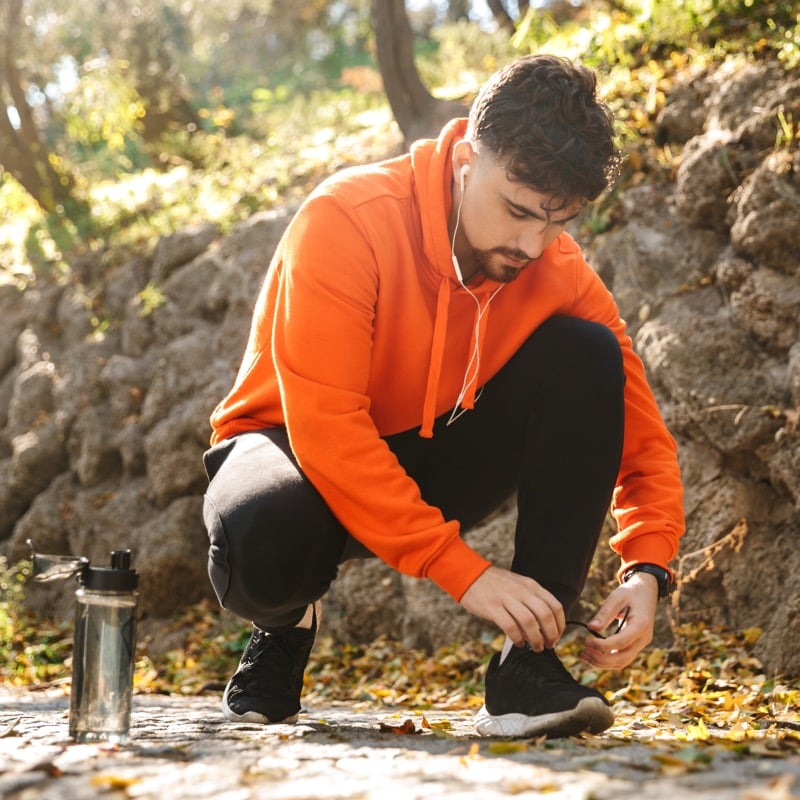
Terrain sets the starting point. Paved paths, packed dirt, rock, mud, and sand each reward a different outsole. Weather narrows the choice between breathable mesh and a water-resistant or fully waterproof build, and distance and pace determine how much cushioning and structure the foot needs for a given outing.
Support covers cushioning, stability, heel hold, and toe protection, while fit comes down to a thumb’s width of space in the toe box, a secure heel, and no pressure points after the laces are tied. The American Podiatric Medical Association’s guidance on choosing shoes for sports backs up the same standard for any activity-specific shoe, not just hiking boots.
Any new pair benefits from a few short outings before a full day on the trail, since a boot or shoe that feels fine in a store can behave differently after three hours of movement. Choose the least shoe that safely handles the terrain, and the most comfortable shoe that will get worn. A solid pair of hiking shoes or trail shoes gives most casual outdoor enthusiasts more range than a heavy boot bought out of habit, and the boot can wait in the closet until a route with real elevation and loose rock calls for it.