Few shoes reveal a man’s allegiances as quickly as his sneakers. A scuffed canvas high-top suggests a different wardrobe from a spotless leather low-top, even when both are worn with jeans. The main types of sneakers draw on those associations, along with differences in shape and construction.
Some began as sporting equipment; others borrow the appearance for everyday dress. Knowing which is which helps explain why one pair sits naturally beneath a suit and another looks most at home with a skateboard nearby.
Types of Sneakers

Sneaker categories are usefully untidy. A high-top can be made from canvas or leather, and a retro runner can also be a dad shoe. Some names describe the upper, others the silhouette or the sport behind it. Think of them as overlapping descriptions, with each revealing something about how the shoe looks, feels, or works.
Low-Top & Court Sneakers

Low-tops finish below the ankle, giving trousers a clear stopping point and showing a little sock or skin above the shoe. Court sneakers bring a sporting history to that compact shape, drawing on tennis and basketball designs. The Stan Smith from Adidas shows why the combination has traveled so well into everyday dress. Its simple upper can sit beneath chinos or casual tailoring, letting the clothes set the tone. For actual court time, choose a model designed for the sport; the lifestyle interpretation has a different job.
Canvas Sneakers

Canvas sneakers take wear personally. The woven upper creases, the rubber edge picks up marks, and the shoe gradually becomes part of the owner’s daily uniform. That character suits denim and work pants, especially when the rest of the outfit has a little history of its own. Converse is an obvious reference, with canvas shapes that work under narrow jeans as readily as wider trousers. The material appears across high-tops and slip-ons too, so lining and sole construction help determine how each version feels.
Slip-On Sneakers

The slip-on reduces a sneaker to its pull-on upper and sole, usually with elastic panels doing the work of laces. In checkerboard, the Vans version can supply all the pattern an outfit needs. Plain canvas or leather versions have a quieter relationship with shorts and loose cotton trousers. Their appeal is the quick, casual gesture of pulling them on, though the fit has to cooperate. A secure heel and comfortable fit across the foot matter particularly when laces are absent.
High-Top Sneakers

High-tops bring the shoe into the trouser conversation. Their above-ankle collar can sit fully exposed beneath a cuff or disappear under a wider hem, producing two quite different effects. Canvas versions keep the outline relatively light; padded leather adds bulk and a stronger sporting reference. There is pleasure in that choice, whether the aim is a flash of color beneath denim or a heavier base for loose trousers. Collar height describes the silhouette. Athletic performance depends on the complete design.
Minimalist Leather & Dress Sneakers

Minimalist leather sneakers make their argument through small decisions. The curve of the toe, the height of the sole, and the finish of the leather become more noticeable as decoration recedes. A tonal sole gives the shoe a continuous outline; white rubber creates a brighter break beneath the upper. That restraint works particularly well with chinos and relaxed tailoring, where the sneaker can shift the outfit toward casual dress. Versions exist across the price range, making construction and fit more useful points of comparison than the promise of luxury.

The term “dress sneaker” usually points toward this end of the wardrobe. The Thursday Boots example combines black leather with a white sole, a simple contrast that works beneath cuffed trousers. It belongs in the discussion of business casual shoes, particularly where an office accepts sneakers with tailoring. Dress expectations still matter. An occasion calling for formal footwear gives the traditional dress shoe its purpose.
Retro Running Sneakers

Retro runners bring the texture of old athletic footwear into ordinary clothes. Textile panels meet suede or leather overlays, giving the upper more variation than a plain court shoe. New Balance is a recognizable reference for this meeting of sports design and everyday dress. Beneath denim, the effect feels casual; under wool trousers, the same shoe introduces a useful change of texture. The running reference may be historical, so a pair intended for regular exercise needs its own performance credentials.
Chunky & Dad Sneakers

Chunky sneakers give an outfit a heavier footing through built-up soles and layered uppers. The dad shoe occupies a related, slightly wryer territory, taking the practical athletic shoe and treating its apparent ordinariness as an attraction. The Air Max 90 from Nike shows how overlays and visible cushioning can give a sneaker a fuller profile. Straight or wide trousers answer that volume above. Retro and chunky frequently overlap, though plenty of older running shapes remain slim.
Basketball Sneakers

Basketball sneakers retain the visual language of court equipment, from padded collars to panels that wrap around the foot. Performance versions address traction and cushioning alongside the demands of changing direction, and they appear in low as well as high cuts. Off the court, that construction can become the center of an outfit. Jordan designs have made the connection between basketball and personal identity particularly visible. Simple jeans give the shoe space to register, while a wider trouser leg can absorb more of its bulk. Retro releases and lifestyle editions should be distinguished from models intended for play.
Skate Sneakers

Skate sneakers have a working relationship with the clothes above them. Flat-looking profiles sit naturally under denim and work pants, linking the shoe to the skater aesthetic even when the board stays at home. On performance versions, grip and reinforcement address the abrasion and control involved in skating. Flexible vulcanized construction and more structured cupsoles offer different experiences underfoot. The familiar shape alone tells only part of the story, since casual and skate-specific editions can use different cushioning and reinforcement.
Running & Training Sneakers

With performance sneakers, the intended movement comes first. Running shoes are built around repeated forward motion, while training shoes address a wider range of movements, including lateral work and lifting. That difference can be felt beneath the foot, where the cushioning and geometry serve different demands. Their technical appearance may also appeal with casual clothes, but a gym routine or regular run deserves a shoe chosen for the activity.

Weightlifting shoes take specialization further, often with a firm raised heel, and belong in a separate category from general cross-trainers. The fastening plays a supporting role in all of these designs. Replacement Nike laces, or another compatible set, can refresh a worn pair and adjust how the upper closes. The sole and construction still determine the shoe’s underlying function.
Trail Sneakers

Trail sneakers wear their purpose visibly. Tread patterns and protective upper details respond to uneven ground, giving the shoe a technical character that also suits cargos and outdoor jackets. The attraction in everyday dress is partly that sense of equipment put to another use. On a trail, the details become practical again: terrain and the manufacturer’s stated purpose help determine the choice. Road racing calls for a different assessment, while waterproofing is an additional feature offered on certain trail models.
Sneaker Boots

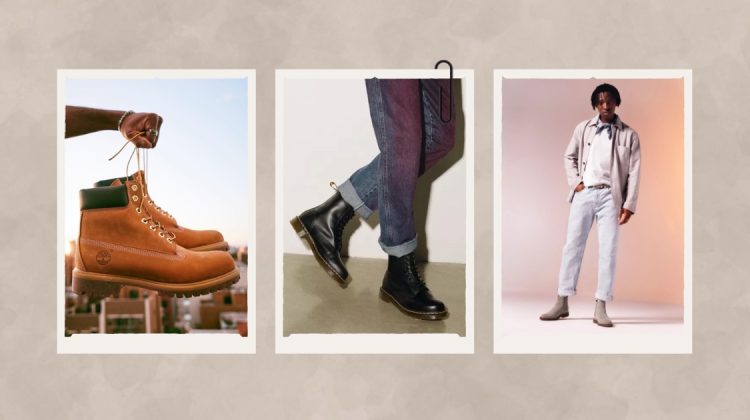
Sneaker boots extend the silhouette upward, combining a boot-height upper with sneaker-like construction or styling. Beneath jeans, they give the hem a taller shape to meet, especially when a cuff reveals the lacing. Some lean toward outdoor footwear; others use the height mainly for visual effect. The label is broad enough to accommodate both, making materials and lining worth a closer look. Weather protection comes from the actual construction, beyond the suggestion of ruggedness.
Weather-Resistant Sneakers

Weather-resistant sneakers bring a more practical streak to the everyday rotation. A technical upper can make sense on a wet commute, particularly for someone who prefers sneakers with most of his clothes. Water-repellent finishes and waterproof construction offer different levels of protection. GORE-TEX identifies a specific waterproof footwear technology; warmth also depends on insulation and lining. The original Adidas selection illustrates the overlap with hiking-inspired designs. The useful question is how the shoe handles the conditions underfoot.
Boat-Shoe Hybrids

Boat-shoe hybrids bring a stitched moccasin-style toe and deck-shoe details to a sneaker-like rubber sole. That combination changes the mood beneath shorts or lightweight chinos, adding the character of a casual leather shoe to an otherwise sporty outline. The gray suede example has enough texture to hold its own against a plain cotton trouser. Nautical references explain the appearance; the specific outsole and construction determine its suitability for water or slippery surfaces.
Espadrille Hybrids

Espadrille hybrids move the sneaker toward a summer wardrobe through rope detailing at the sole. With linen trousers or other summer wear, that woven edge connects the shoe to the textures above it. Lace-up versions can look especially appealing when a conventional sports sole would feel visually heavy. Construction varies, with some designs using rope as trim around a rubber outsole. The distinction matters when judging how the shoe will wear.
Designer Sneakers

Designer sneakers apply a fashion house’s identity to shapes that may already be familiar. Gucci can make a white low-top recognizable through a stripe, while a more exaggerated design can turn the sole itself into the attraction. Buying into that identity is part of the appeal. The question for the wardrobe is how much attention the shoe should command, followed by a closer assessment of its construction and finish. A discreet designer sneaker and an oversized one can serve very different tastes at a similar price.
Materials, Fit & Buying Details

Materials can change the character of a sneaker as much as its shape. Smooth leather looks different beneath tailoring from textured suede; textile uppers introduce another feel altogether. Allbirds illustrates the textile-led approach. Environmental claims call for specific information about materials and production, with recycled content forming one part of that picture. For a leather pair worn frequently, appropriate leather shoe care helps preserve the finish that made it appealing in the first place.

Fit brings the discussion back to the person wearing the shoe. Specialist options, including those offered by Anodyne, may warrant a closer look at widths and footbed construction. A removable footbed can matter when accommodating an existing insole, while therapeutic or recovery claims need product-specific support. For any everyday pair, the practical details are immediate. The heel should feel secure, the upper should sit comfortably across the foot, and the socks worn for trying on should reflect how the sneakers will actually be used.

Collecting introduces another set of values. A limited release or collaboration may appeal because of its story, while handcrafted production invites scrutiny of how the shoe was made. These descriptions can apply to almost any sneaker shape. Retailers such as Nordstrom also group shoes by brand and price, organizing the market in ways that say little about the silhouette. A rare pair still has to work with your clothes if it is going straight onto your feet.
Choosing Sneakers for Your Wardrobe

The trousers often reveal which sneaker works. A slim sole leaves the line of the leg relatively uninterrupted, while a chunky shoe gives wider hems a stronger base. Leather can connect casual footwear to tailoring; canvas adds a more worn-in texture. Once those proportions work, color and branding decide how much of the attention lands at your feet.
| Sneaker type | Defining feature | Everyday clothing context |
|---|---|---|
| Low-top court | Below-ankle collar and court-inspired shape | Chinos, jeans, casual tailoring |
| Canvas | Woven textile upper | Denim and casual cotton trousers |
| Slip-on | Pull-on construction | Shorts and relaxed trousers |
| High-top | Above-ankle collar | Cuffed denim or wider hems |
| Minimalist leather | Simple paneling and restrained decoration | Chinos and relaxed tailoring |
| Retro runner | Earlier athletic styling and layered panels | Denim and casual separates |
| Chunky or dad | Built-up sole or bulky athletic shape | Straight and wide-leg trousers |
| Skate | Board-oriented design or styling | Work pants and denim |
| Trail | Terrain-focused tread and upper features | Outdoor clothing and cargos |
A useful sneaker rotation reflects actual habits. One everyday pair may do most of the work, with separate footwear for exercise. Another shape becomes worthwhile when it changes how you enjoy the clothes already in your wardrobe. A canvas high-top can alter the line of old jeans; a textured runner can give wool trousers a more casual character. Those are reasons to reach for a pair long after the excitement of opening the box.