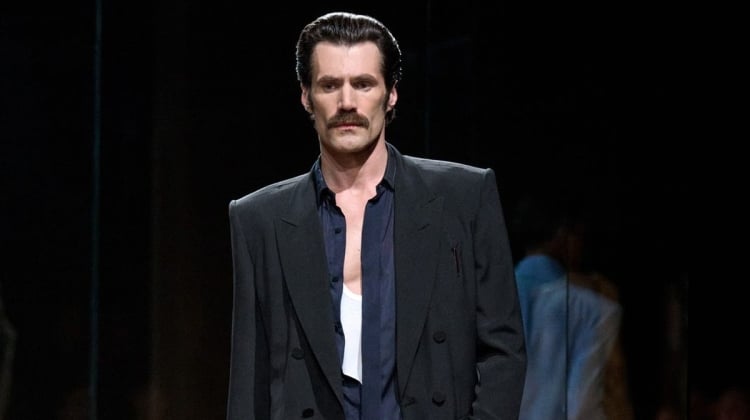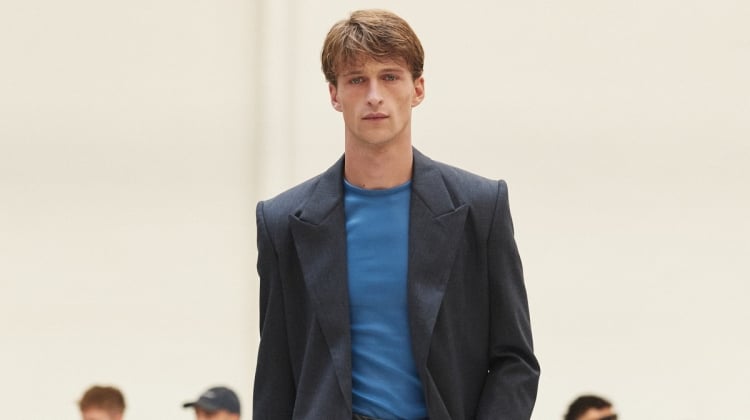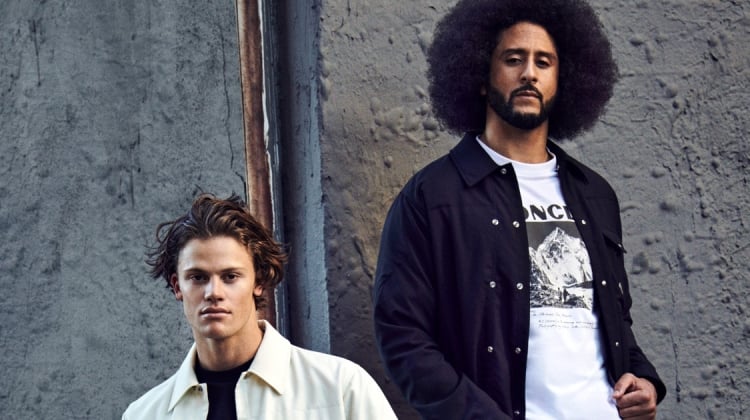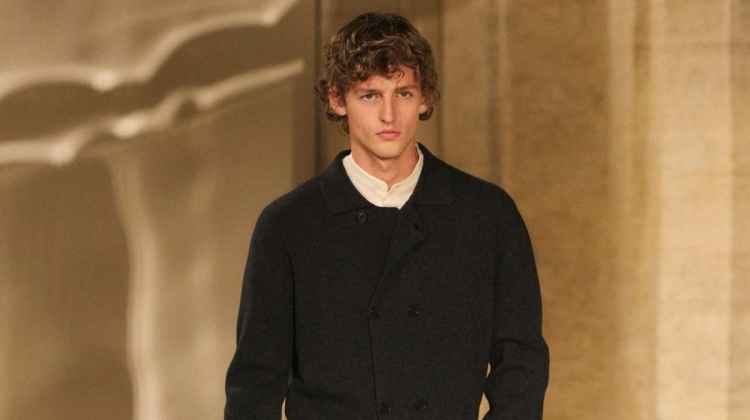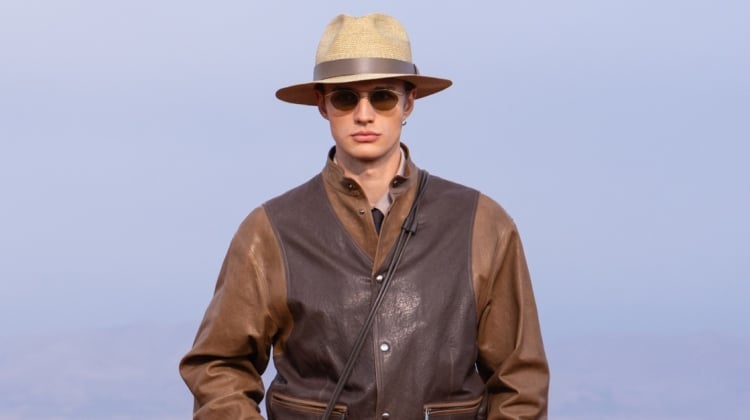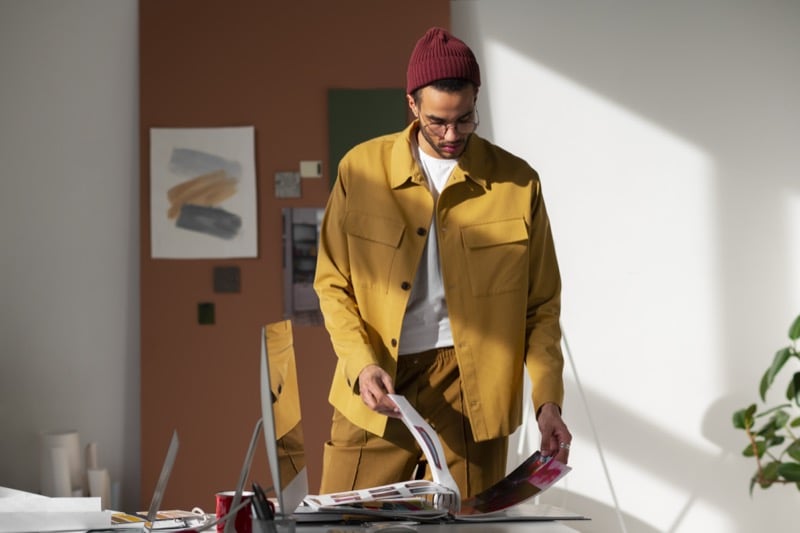
Freelance fashion design has become a viable full-time career, driven in part by the shift toward remote work. A laptop, a design program, and a client roster can replace the rent, utilities, and staff a traditional studio demands. Jerry Lorenzo grew Fear of God outside the traditional design house system, proof that the path can reach the top tier of menswear.
Succeeding as a freelance clothing designer takes more than creative talent. It takes essential skills, a strategy for finding fashion design clients, and a legal foundation for the business. The right software, a working client pipeline, and a signed contract turn that potential into a functioning business.
Essential Skills & Tools for Working Without a Studio
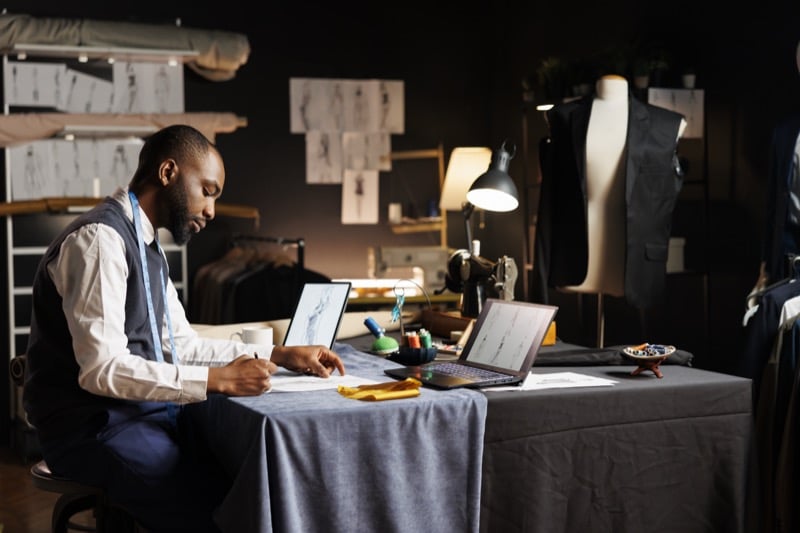
Computer literacy stands at the core of successful freelance clothing designer work. Mastering digital software lets you send sketches your freelance clients can review and modify quickly. Sketches can be created using traditional mediums like sketchpads and pencils, or contemporary digital art programs that offer more flexibility.
Adobe Illustrator remains the industry standard for technical flats and tech packs. Most fashion schools teach it as the primary tool. Procreate dominates iPad sketching for early-stage concept work and color exploration. Style3D Studio handles AI-powered fabric simulation, CLO handles realistic draping, and Browzwear rounds out the options for 3D visualization and manufacturing-friendly outputs.
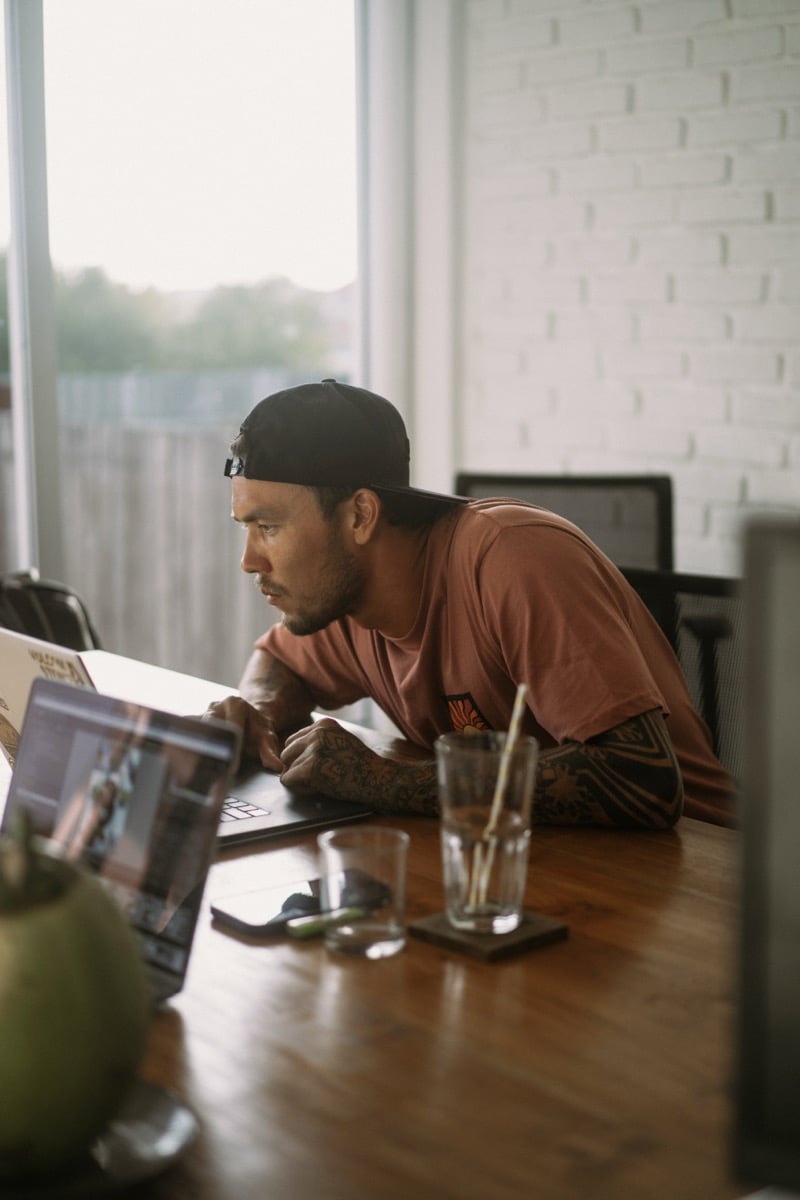
Free alternatives have gained serious ground. Free and browser-based tools continue to expand designers’ options, but the U.S. Bureau of Labor Statistics identifies proficiency with CAD and graphics software as an important occupational skill for fashion designers. Blender offers resilient 3D clothing design capabilities. Tailornova provides three free pattern downloads monthly, and Valentina delivers pattern-making tools for exact measurements.
Remote collaboration requires dedicated communication setup. Slack keeps client conversations sorted by project, while Loom simplifies design reviews through video messages. Cloud storage platforms like Google Drive or Dropbox handle secure file exchange for proprietary designs.
Your workspace setup matters for sustained productivity. Monitor positioning at eye level reduces neck strain. Maintain proper desk height so your forearms stay parallel while typing, and secure good lighting to minimize eye fatigue.
How to Find Fashion Design Clients & Get Hired
Portfolio websites function as your professional calling card when you pursue fashion designer freelancer job opportunities. Platforms like Format allow you to build sites starting at USD 10.00 monthly. You can display sketches, finished garments, and styling work with high-quality photos from multiple angles. Behance connects you with recruiters from companies like Google and Apple. The platform also offers job listings and talent networking features.
Freelance platforms provide access to paying clients right away. Upwork lists typical fashion design rates ranging from USD 20.00 to USD 50.00 per hour. However, rates vary widely by tier. Beginner rates sit around USD 30.00, intermediate at USD 48.00, and advanced specialists command USD 80.00 or more per hour. MakeMine offers a vetted alternative and connects you with designers who spent 10+ years at brands.
Networking is still the fastest path to freelance clothing designer opportunities. LinkedIn profiles need professional headshots and headlines beyond simple titles. Connection requests that are personalized outperform generic invitations. Fashion shows and industry panels give you the chance to meet professionals face-to-face.
Cold emailing works when you create a dream client list first. You can research brands through Instagram tags, website contact pages, and LinkedIn company searches. Pitches should be short with clear subject lines, relevant portfolio links, and collaboration proposals that are specific. Most replies happen after the second contact, so follow up within five to seven days.
Legal & Business Setup for Freelance Fashion Designers
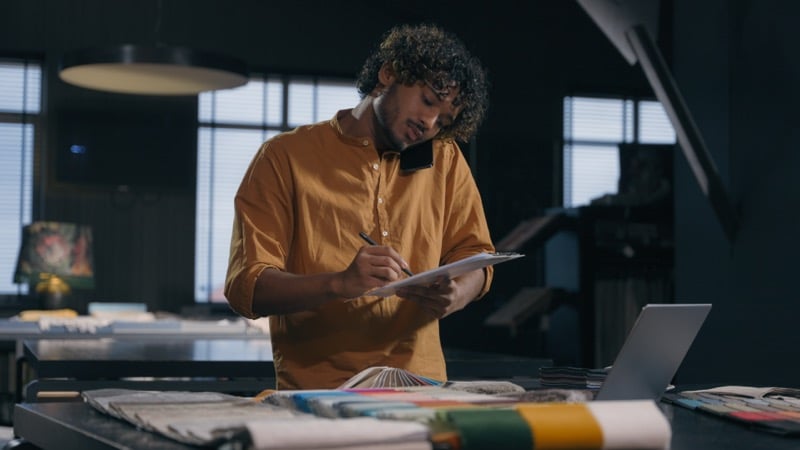
Written agreements protect your work and income because a freelance fashion designer contract establishes clear boundaries before projects begin. A legal products platform like ConsumerShield provides professionally drafted forms and guides that can help independent designers put their business arrangements in writing.
Contracts need specific deliverables, not vague descriptions. Define what you’re creating, including the number of concepts, revision rounds, and file formats you’ll deliver. Payment terms should specify your total fee, deposit amount, and when remaining payments are due. Deposit arrangements should reflect the project’s size, material costs, and risk. One university career guide recommends 25% to 50% upfront or an installment plan for larger projects instead of treating 50% as a universal requirement.
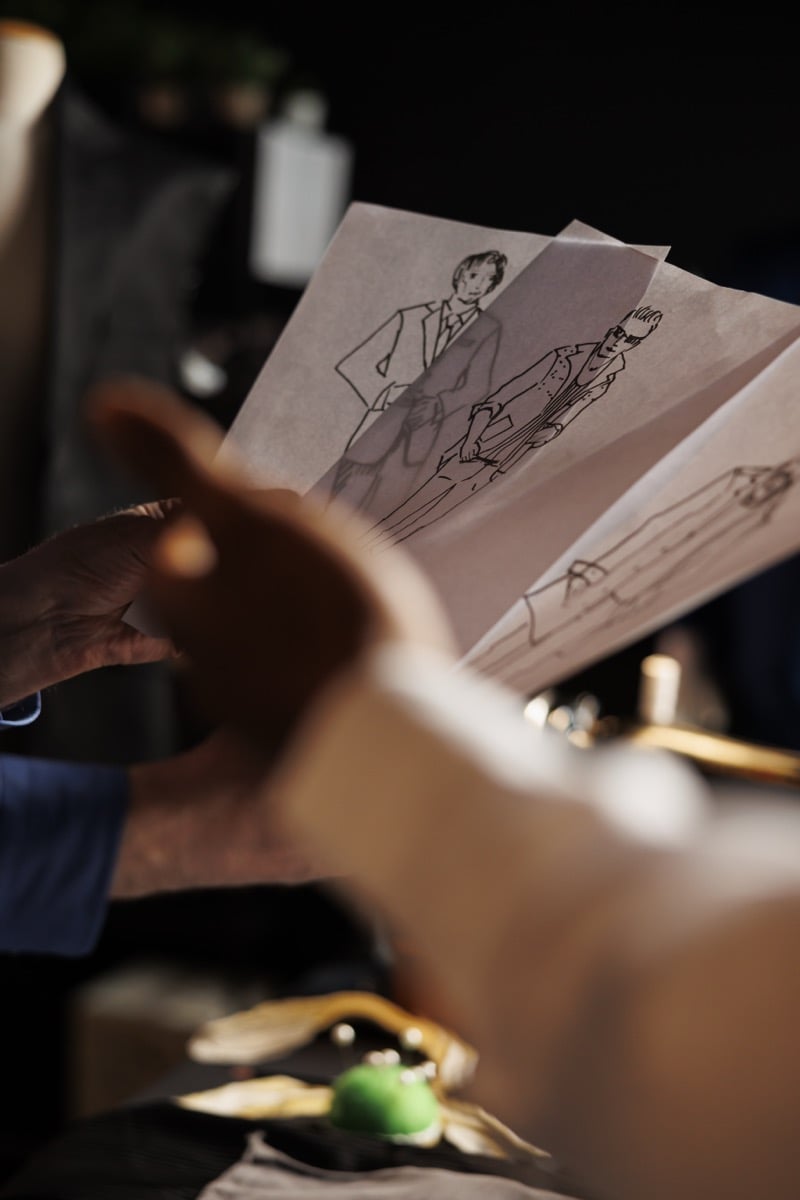
Copyright law directly affects your income. Original sketches generally receive copyright protection once they are fixed in a tangible form. Clothing is treated as a useful article, so copyright covers only its separable artistic clothing features, meaning elements identifiable apart from the garment’s function that contain sufficient original expression. Copyright in a sketch protects the drawing itself, so a similar garment can still reach the market, while original textile prints and surface graphics may receive their own protection.
Invoicing software handles payment tracking and automated reminders. Payment deadlines depend on the contract and applicable law. In New York City, for example, the freelance timely-payment rule requires payment by the contract date or within 30 days after completed work when the contract leaves the payment date unspecified. Professional liability insurance may cover certain claims that a designer’s mistake caused financial harm, but intellectual-property allegations involving resemblance to protected work may be excluded or require separate coverage.
Freelancers may need non-disclosure agreements to protect proprietary information and written proposals requiring client approval before work begins. In the United States, self-employed federal tax rules generally require freelancers to file an annual income-tax return and, when applicable, make quarterly estimated tax payments.
From Sketchbook to Sustainable Business
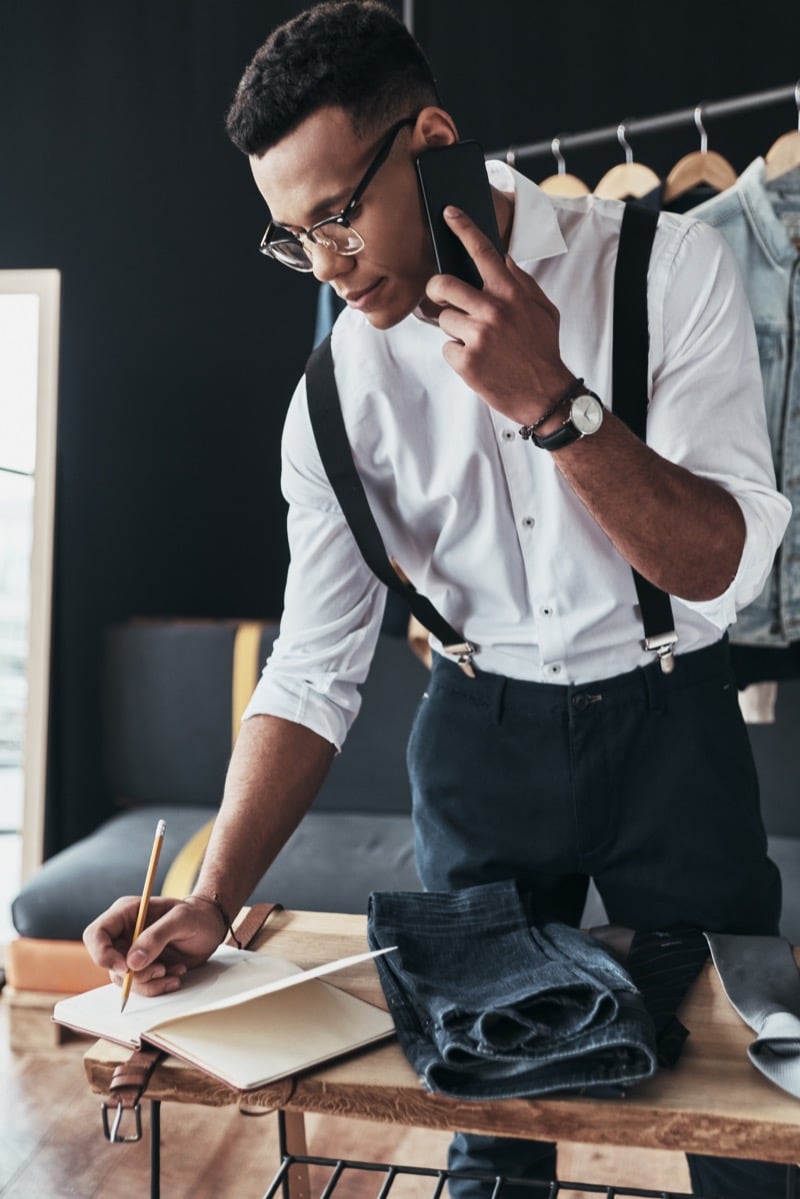
A laptop, dependable software, and a defined home workspace can support a thriving freelance fashion design career. Mastering digital tools, building a strong portfolio, and understanding legal protections set you apart from the competition. Start with one freelance platform to gain experience, then expand your client base through networking and targeted outreach. The right foundation turns a sketchbook and a laptop into a client roster that pays on your terms.