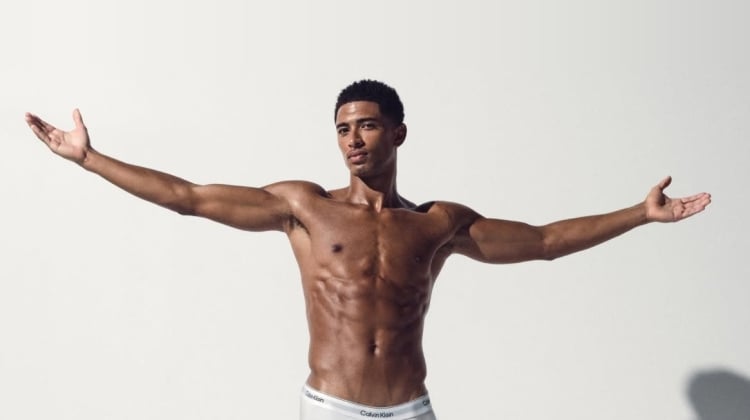
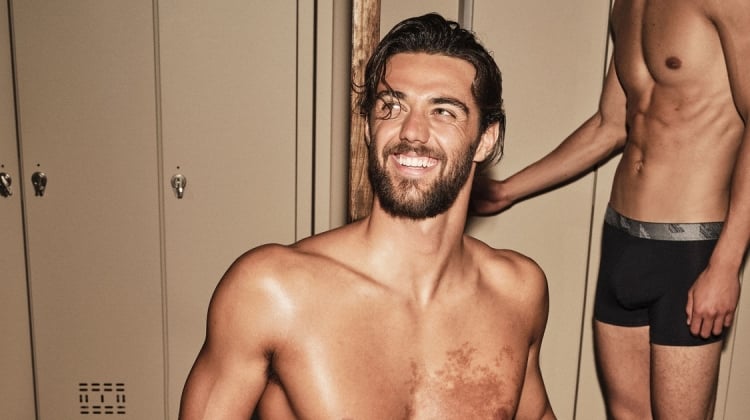
Men will debate the break of a trouser leg and then buy the same underwear they have worn for a decade. Yet the layer beneath those trousers helps determine how they sit, how freely you move, and whether you spend the afternoon making discreet adjustments. Men’s underwear types deserve a little of the attention usually reserved for the clothes on top.
A well-rounded wardrobe includes the things you reach for on an ordinary Tuesday. Underwear belongs in that company, alongside your socks. The choice is personal, but the differences between cuts are practical enough to explain.
Men’s Underwear Types

The names tell you something about the shape of men’s underwear, particularly the length of the leg and coverage at the back. Rise and fabric complete the picture. A brief and a boxer short offer quite different experiences beneath the same jeans, while two brands’ interpretations of a trunk can be surprisingly far apart.
| Type | Cut & coverage | Useful for |
|---|---|---|
| Briefs | Fitted, full seat, exposed thighs | Minimal leg fabric beneath trousers |
| Boxer briefs | Fitted with an extended leg | More thigh coverage |
| Trunks | Fitted with a short, square-cut leg | Shorter shorts and a compact fit |
| Boxers | Loose shorts with a full seat | Relaxed trousers and lounging |
| Bikini briefs | Narrower sides and higher-cut legs | A more revealing brief |
| Jockstraps | Front pouch and rear straps | Frontal support with an open back |
| Thongs & G-strings | Front coverage and a narrow back | Minimal rear coverage |
| Compression shorts | Close-fitting, stretchy shorts | Athletic layering |
| Long underwear | Extended legs, often ankle-length | Cold-weather layering |
Briefs

Briefs keep the fabric close to the body and leave the thighs exposed. That compact shape has a practical advantage beneath slim-fit trousers: the leg of the pant can fall directly over the thigh, with less underwear fabric to gather when you sit.
Much of a brief’s character comes from its rise. A low waistband sits nearer the hips; a higher one extends up the torso and changes the proportions. Both can work. The useful distinction is where the waistband meets your trousers and whether the leg openings hold securely as you move.
Boxer Briefs

Boxer briefs take the fitted seat and pouch of briefs and extend the fabric down the thighs. For men who prefer more coverage, that extra leg can be the difference between underwear they tolerate and underwear they buy again. It also places fabric between the upper thighs during walking.
Length matters more than the broad label suggests. A short leg may creep upward, while a longer version reaches farther down the thigh. The hem should hold its position comfortably, and the fabric should recover after stretching. Beneath narrow jeans, those details become more persuasive than another logo waistband.
Trunks

Trunks shorten the boxer brief into a compact, square-cut shape. They retain a fitted seat and a little upper-thigh coverage, with a higher hem that works beneath shorter shorts. For anyone who likes the shape of boxer briefs but prefers less leg fabric, they offer a useful middle ground.
The terminology gets less precise at the shop rail. One brand’s trunk may resemble another’s short boxer brief, so the inseam measurement tells you more than the name. A pair that rolls upward every time you walk calls for a different leg opening or length, even if the size on the label seems right.
Boxers

Boxers hang away from the body, bringing the feel of a loose short to the underwear drawer. Woven cotton gives them a different drape from fitted jersey, although knitted boxers are available too. Their relaxed cut suits fuller trousers and makes the transition to an evening on the sofa particularly straightforward.
Boxers are versatile, provided the pants above them accommodate the fabric. Straight-leg jeans and fuller chinos give the shorts space to move; narrow trousers can push that volume into folds around the seat. The appeal is the loose fit, so the rest of the outfit should let you enjoy it.
Bikini Briefs

Bikini briefs pare back the conventional brief with narrower sides and higher-cut leg openings. Many sit low on the hips, creating a more revealing shape that makes the underwear itself part of the aesthetic choice. Coverage is reduced at the sides while the thighs remain exposed.
The waistband’s position matters beneath fitted pants, especially low-rise jeans. A narrow side panel also changes how the garment sits on the hips. Pouch fit and secure leg openings keep that abbreviated shape comfortable in actual wear.
Jockstraps

Jockstraps have a construction all their own. A waistband holds the front pouch, while two straps pass beneath the buttocks, leaving the back open. The result is frontal support and very little fabric across the seat.
Jockstraps have evolved into fashion underwear as well as athletic garments, with decorative waistbands and a wide choice of pouch fabrics. The athletic association deserves a distinction, though: a fabric pouch and a protective cup perform different jobs. Sports equipment should be chosen for the activity, even when the everyday version borrows its appearance.
Thongs & G-Strings

Thongs provide front coverage with a narrow strip of fabric running between the buttocks. G-strings take the reduction further, using a thinner string at the back and usually a minimal waistband. Both leave most of the seat exposed, making the amount of coverage an explicit part of the choice.
That construction can reduce fabric across the back beneath fitted clothing, although seams at the pouch and waist may still show. As with any closely fitted underwear, comfort depends on the shape staying in position through movement. A minimal cut still has to fit.
Compression Shorts

Compression shorts bring a firmer, stretchy fit to athletic dressing, generally with more thigh coverage than trunks. Some serve as a base layer beneath sports shorts; others are designed to be worn on their own. Their role should be clear from the product description.
The rest of the kit matters, especially when shorts already have a built-in liner. Another fitted layer adds fabric at the waist and crotch, which can change the feel during training. A useful pair stays comfortable through the movements your activity requires, with seams and hems positioned accordingly.
Long Johns / Long Underwear

Long johns, or long underwear, extend down the legs, often to the ankles. They give winter wear an extra layer of insulation, with lighter and heavier versions suited to different conditions. Their contribution is felt most clearly when the walk from the station becomes part of the weather forecast.
A base layer also changes the fit of the trousers above it. Smooth fabric at the knees and ankles helps, as does enough space in the pants to bend and sit comfortably. Follow the maker’s layering guidance, including whether the garment is intended to sit directly against the skin.
Underwear Fit & Construction

The right size is a starting point; the cut decides the rest. A waistband should stay in position when you sit, and the pouch should accommodate you comfortably. Pinching at the legs or pulling across the front suggests that something needs adjusting. Sometimes that means a larger size. Sometimes it means a different rise or pouch shape.

Seams have an unusually intimate working day. A thick join across the pouch or a raised hem at the thigh can become more noticeable with every hour, particularly beneath fitted trousers. Flatter construction may feel smoother, but the location of the seam matters as much as its finish.
Fly design is another small detail with daily consequences. Vertical and horizontal openings offer different access, while a closed front keeps the construction simpler. Habit often makes the decision here. Whichever you prefer, the panels should lie comfortably against the body.

A new cut deserves a trial beneath the pants you wear most before you commit to a multipack. Sitting down will tell you things a standing mirror cannot. So will walking around for a while. Underwear has succeeded when you can get on with your day and leave it alone.
Underwear Fabrics

Cotton spans loose woven boxers and fitted jersey briefs, which is why the fiber name alone says little about the final fit. A woven boxer has a different drape from a stretchy knit. Add elastane and the fabric gains stretch, making the blend worth checking alongside the silhouette. For everyday wear, the decision often comes down to which of those textures you prefer against your skin.

Modal is a manufactured cellulosic fiber used in soft, flowing fabrics. Finer versions, often described as micro modal, give underwear a light, soft feel. TENCEL’s modal family identifies its micro version by that finer fiber size. The finished garment’s weight and blend still shape the experience, and its care label deserves a glance before laundry day.

Blends combine fibers for different purposes. Elastane supplies stretch, while polyester and nylon appear frequently in athletic underwear. Claims about moisture management should be judged at product level, where the fabric’s construction and finishing can be assessed alongside its composition.
Silk brings a smooth feel to lightweight boxer shorts and asks for a little more attention to care. Cooling finishes and odor-control treatments likewise belong to the individual product, each with its own specifications. The list of ingredients is useful; the finished fabric is what you wear.

There is a practical argument for keeping more than one cut in the drawer. Close-fitting trousers may favor briefs, another pair of jeans may feel better over longer boxer briefs, and loose boxers can take the evening shift. Matching the layer underneath to the clothes above is a small decision that pays off all day.