A shirt spends much of the day moving with you, even if the fitting mirror only shows it standing still. Sit down, reach forward, and check what happens across the chest before deciding on a size. For a dress shirt or a casual button-front, getting expert advice can help with the details, but the first test is whether the cut suits both your body and the way you want to dress.
Shirt Fit
Fit describes the relationship between the shirt and the body. A close cut follows the torso, while a fuller one lets the fabric fall more freely. The aim is to choose the silhouette, then check that the shirt behaves as expected when you wear it.
A shirt with lots of fabric through the body can work as a relaxed shape, especially beside wider trousers. Excess cloth becomes a problem when it bunches awkwardly where you tuck it in or interferes with a jacket. At the other extreme, pulling between the buttons usually means the chest or waist needs more space.
Fit names vary between brands. One label’s regular cut may resemble another’s slim, so compare the size charts and, where available, garment measurements. A size label is a starting point for trying the shirt on.
A tailor may be able to reduce fullness or adjust sleeve length, depending on the construction. Major changes to the collar or shoulders are less straightforward. Begin with a shirt that fits those areas reasonably well before budgeting for alterations.
Understanding Fit Labels
Regular, slim, and skinny describe relative fullness within a brand’s range. They do not assign a shirt to an occasion, and they are not the only available cuts. Fabric and styling also affect how each one looks on the body.
Classic/Regular Fit

A classic or regular fit generally leaves more space through the chest and waist than the same brand’s slimmer options. That fullness can make a tucked shirt look softer above the waistband and can be useful beneath a sweater or jacket.
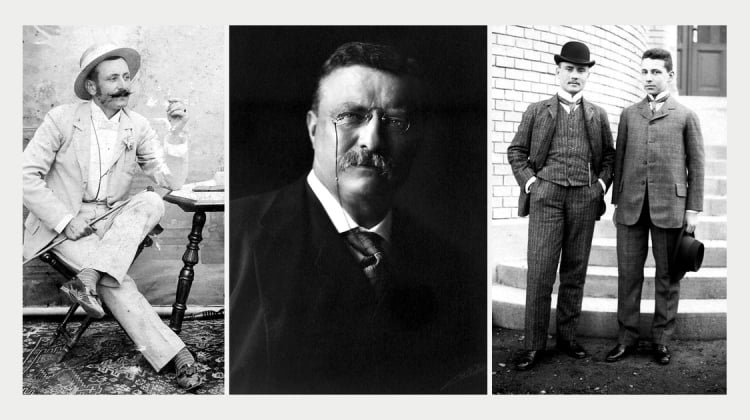
The seated photograph shows why movement matters when assessing this cut. Try the shirt while sitting as well as standing, checking the front buttons and the fabric across the back. Choosing a fuller shape can be a style decision in its own right.
Slim Fit

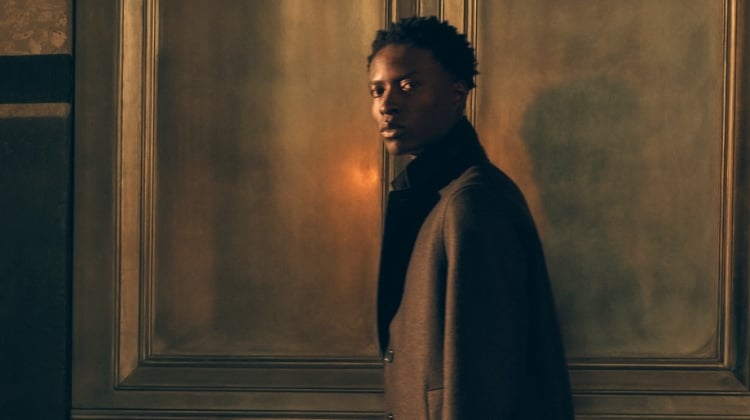
A slim fit usually reduces fabric through the body, often with more taper at the waist. It can create a close outline when tucked into trousers, as the white shirt shown here demonstrates. Armhole height and sleeve shape still vary by brand; the word slim does not guarantee either.
Check that the taper suits your proportions. A shirt that fits the chest may pull at the waist, or the reverse. Stretch can change how the fabric moves, but it should not have to compensate for a cut that feels restrictive.
Skinny Fit

A skinny fit typically sits closer to the torso and arms than a slim cut from the same range. It emphasizes the line of the body, particularly when worn with narrow trousers. That is an aesthetic preference, not a test of physique or confidence.
Fasten the shirt and move normally before deciding. If the placket gaps or the sleeves pull uncomfortably when you reach, compare another size or cut. The silhouette should remain wearable beyond the pose in the mirror.
Which Fit Should I Choose?
When comparing men’s shirts, start with the parts that affect your routine. If you wear a tie, fasten the collar and check that it feels comfortable. With your arms relaxed, assess the sleeve length; then reach forward to see how the back and shoulders respond.
Consider how you will wear the hem too. A shirt intended to stay tucked needs enough length for ordinary movement, while an untucked design should fall at a point that suits the trousers and your proportions. Try it with the clothes you expect to wear most often.
Once you find a cut you enjoy, note the brand, size, and fabric composition. That gives the next purchase a useful reference, although another style from the same label may still fit differently.