Liking a label is a starting point. Working for it means understanding how the clothes reach the customer, and where your skills fit into the process. Someone has to decide how many navy sweaters to order, how to display them, and how to persuade a customer to try one on. Each decision involves a different job.
Design tends to attract the attention, yet it’s only one route into the business. The U.S. Bureau of Labor Statistics projects little or no change in fashion designer employment from 2025 to 2035, with about 2,500 openings annually. Looking beyond the design studio opens up other possibilities, from buying and merchandising to marketing or store operations. The first task is choosing which work you actually want to do.
Choose a Department Before You Apply
Enthusiasm for a brand becomes more persuasive when you can explain how you’d contribute. Applying for an assistant buying position and a social media role with identical materials leaves the hiring team to work out your interests for you.
Start with the responsibilities. Depending on the company, merchandising can involve planning a collection’s product mix and tracking its commercial performance. Buying focuses on selecting stock for a retailer or sales channel. Visual merchandising shapes how customers encounter the clothes, while marketing and PR build the conversation around them. Read several job descriptions in each area to understand how a particular business divides the work.
Then connect those responsibilities to your own inclinations. Perhaps you enjoy working through sales figures, or you notice how a window display changes your opinion of a jacket. Those instincts offer a more useful direction than a general ambition to “work in fashion.” Focus on one or two departments, then look for assistant or coordinator positions whose requirements match your experience.
Make Your Resume Relevant to the Role

Fashion encourages self-expression, but a resume still has a practical job. Clear headings and legible type help someone find your experience quickly. Let the content explain your suitability, and give visual work a separate portfolio if the application calls for one.
Early experience often deserves a closer look. Maintaining displays in a clothing store involves product presentation. Helping customers choose trousers develops an understanding of fit and shopping habits. Organizing a college fashion show may involve budgets and deadlines, depending on your responsibilities. Describe what you actually handled, then connect it to the position you’re pursuing.
Be specific about results where you have the evidence. Include sales targets you met or the scale of an event you helped organize. Accuracy matters more than making every task sound managerial.
If you’re building a resume from scratch, Zety’s resume builder offers templates you can use to organize the information. Treat the first version as a base, then adjust the emphasis for each application. The same retail job might supply commercial experience for an assistant buying role and display experience for a visual merchandising position. Lead with the part relevant to the vacancy.
Show Your Judgment with One Focused Project
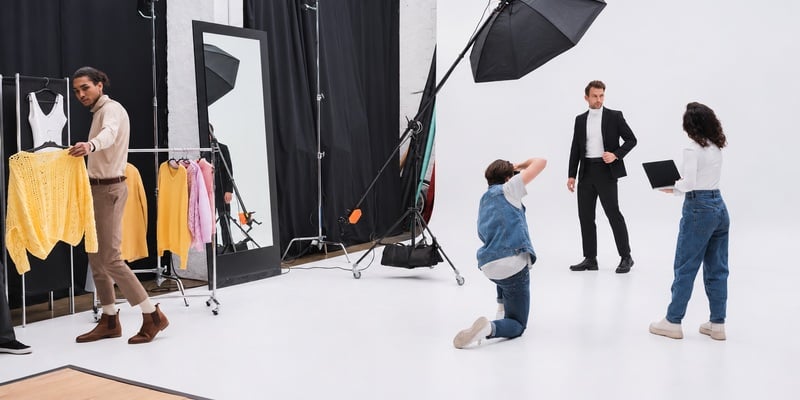
A short project gives an employer something concrete to discuss beyond your employment history. It also lets you demonstrate how you think about the brand as a business.
Choose a task suited to the department. For visual merchandising, develop a window concept around the current collection and explain your product choices. For marketing, propose a small social campaign with a clear audience and purpose. For buying or merchandising, examine one category, such as men’s knitwear, and suggest an adjustment to the assortment using publicly available information.
Keep the scope manageable. A concise proposal with a clear explanation of your decisions is easier to discuss than a sprawling presentation. Label speculative work as your own exercise, and distinguish your observations from information you can verify. You can suggest why a particular sweater might appeal to the customer while acknowledging your access to sales data is limited.
Follow the application instructions when deciding whether to include the project or bring it to an interview. Its value lies in giving the conversation a starting point: here’s what you noticed, here’s your proposal, and here’s why you chose it.
Get to Know the Brand on the Shop Floor
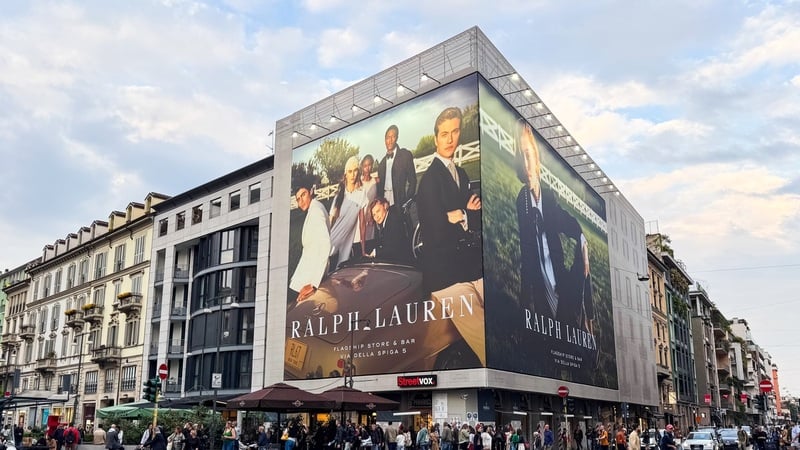
Visit a store before the interview if you can. The campaign presents the brand’s ambition; the shop floor shows how customers encounter it. Notice which products occupy the entrance and how the displays connect individual pieces into outfits. Pay attention to the questions customers ask, while respecting staff and their work.
An online visit can be useful too. Follow the path from the homepage to a product page, examine how garments are styled, and look at how the site explains fit. Use those observations to prepare specific questions about the role.
Your interview outfit can reflect the same attention. At a streetwear label, proportion and footwear may say more than a conventional suit. A tailoring house offers a different context. Choose clothes appropriate to the business and comfortable enough to let you concentrate on the conversation. You’re showing an understanding of its customer, with your own judgment still visible.
During the interview, connect something you observed to the work you’d like to do. Ask about the thinking behind a display or how the team introduces a new category. Afterward, send a brief thank-you email referring to a specific part of the discussion. By then, your interest in the brand should have become something an employer can assess: an understanding of the work and a credible contribution you could make.