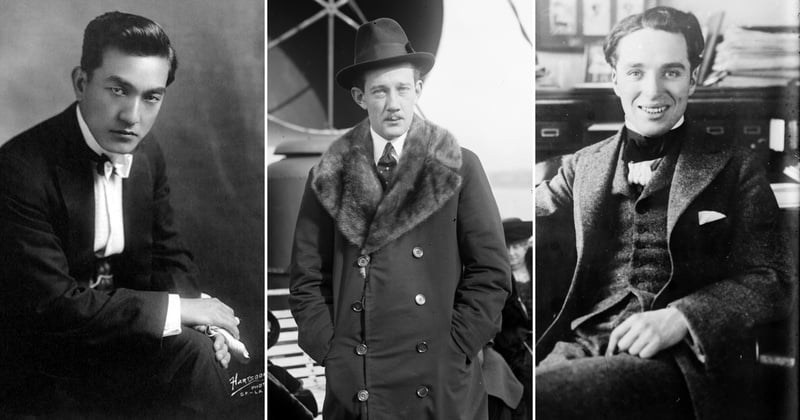
Men in the 1910s could dress down in a suit. Business clothes sat below evening tails on the scale of formality, while sport and outdoor work made their own demands. The occasion mattered as much as the garment. Looking respectable at a desk called for a different wardrobe from keeping warm at sea or moving across a tennis court.
Within Western menswear history, these distinctions ran through the cut of a jacket and the stiffness of a collar. Class and occupation shaped which clothes a man owned and how often he could change them. World War I also fell within the years 1910–1919, giving protective clothing an urgent purpose alongside the decade's smart suits and handsome hats.
1910s Fashion for Men
Suits & the Everyday Silhouette
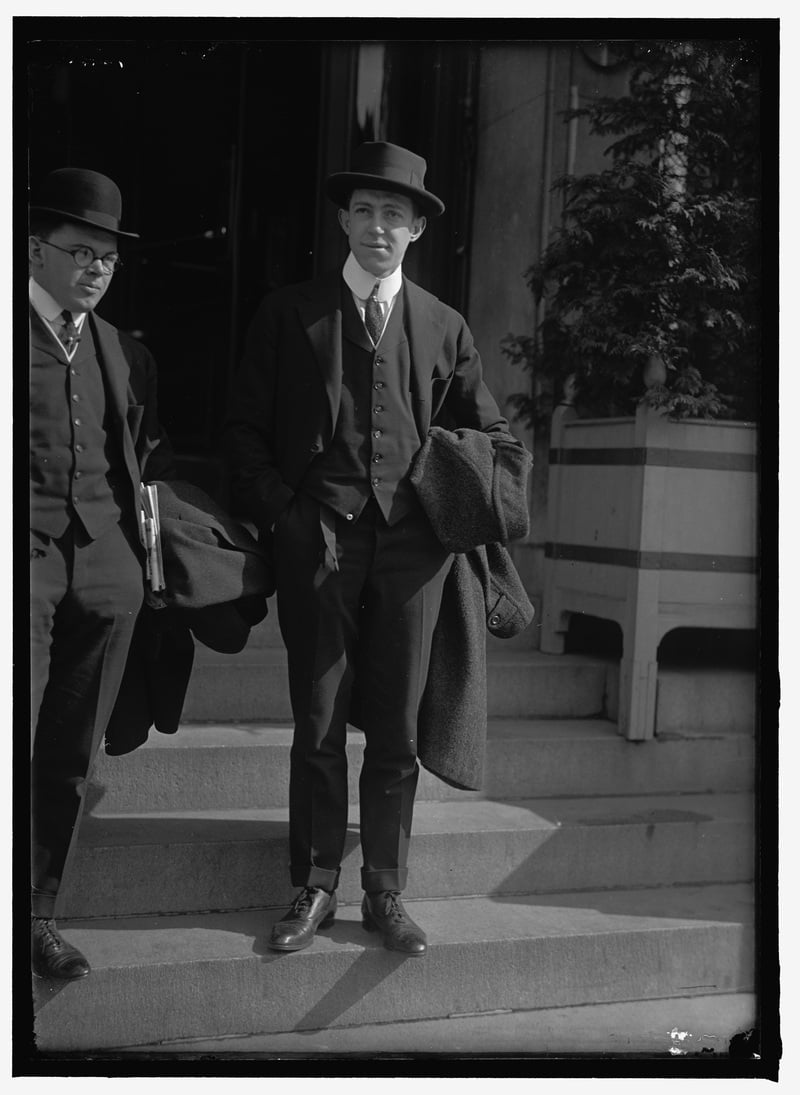
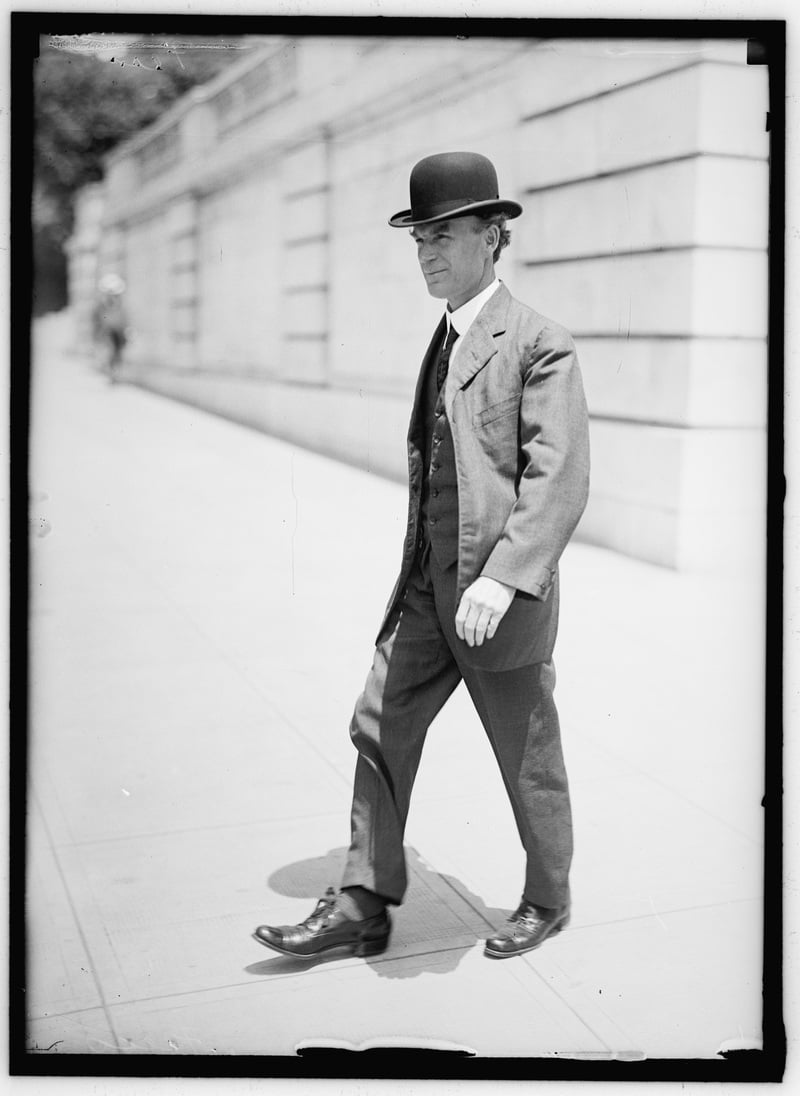
For business and travel, the matching suit was a dependable way to look appropriately dressed. The lounge suit, also called a sack or sacque suit, belonged to this everyday wardrobe. Matching waistcoats made these three-piece outfits, with the shirt visible chiefly at the collar and jacket opening.
Ready-made clothing gave men choices within the shared formula. One 1911 department-store catalogue advertised both two-button and three-button sack suits. The department store offered another route into a tailored wardrobe alongside the custom tailor. Cloth quality and fit still distinguished the results, as did the care a man took of his clothes.
Proportion did much of the work. Jackets covering the hips met trousers sitting higher than many contemporary low-rise styles. Trouser legs narrowing toward the ankle could give the suit a long, continuous line, although cuts varied. Anyone borrowing from the period has to think about jacket length and trouser rise as much as tightness.
Shirt Collars & Ties
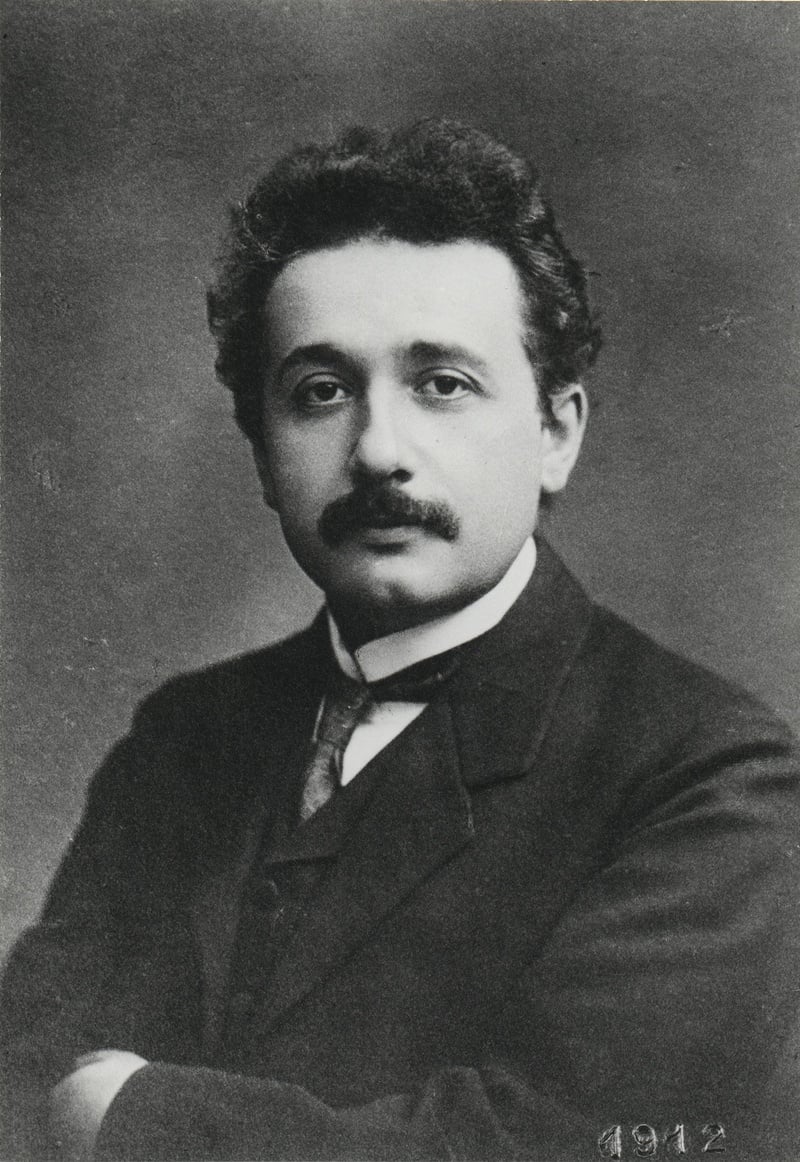
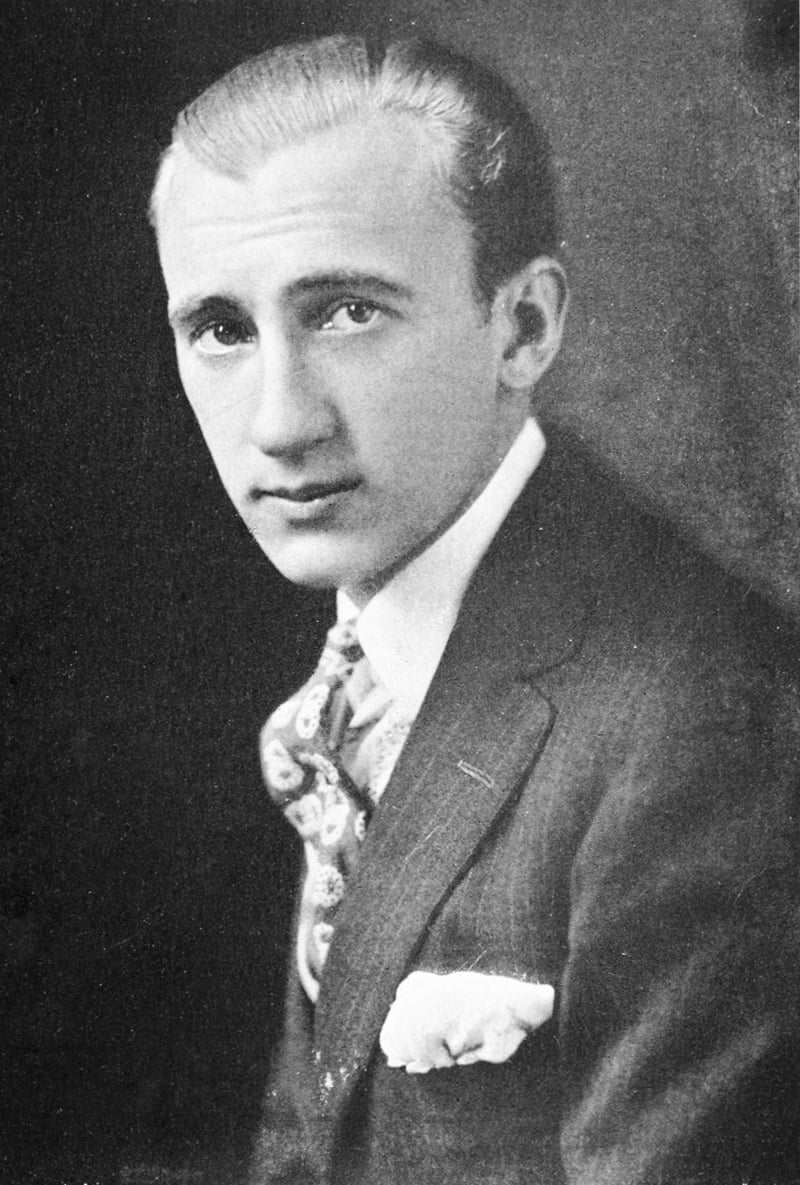
The collar was a small piece of clothing with considerable social authority. High, stiff styles framed the face and kept the neckline formal. With a detachable collar, this highly visible part of the outfit could be changed separately from the shirt.
Soft collars belonged to the same decade. Outing shirts and work shirts offered more forgiving necklines, while summer advertisements sold soft-collar styles alongside conventional tailoring. Men had options beyond a lifetime spent negotiating starch.
Neckwear gave dressed-up men another way to distinguish themselves. Four-in-hand ties and bow ties changed the character of an outfit, and the knot had to make sense beneath the chosen collar. Pattern brought personality close to the face. Proportion kept the combination balanced, with collar and tie working as a partnership.
Waistcoats & Personal Details
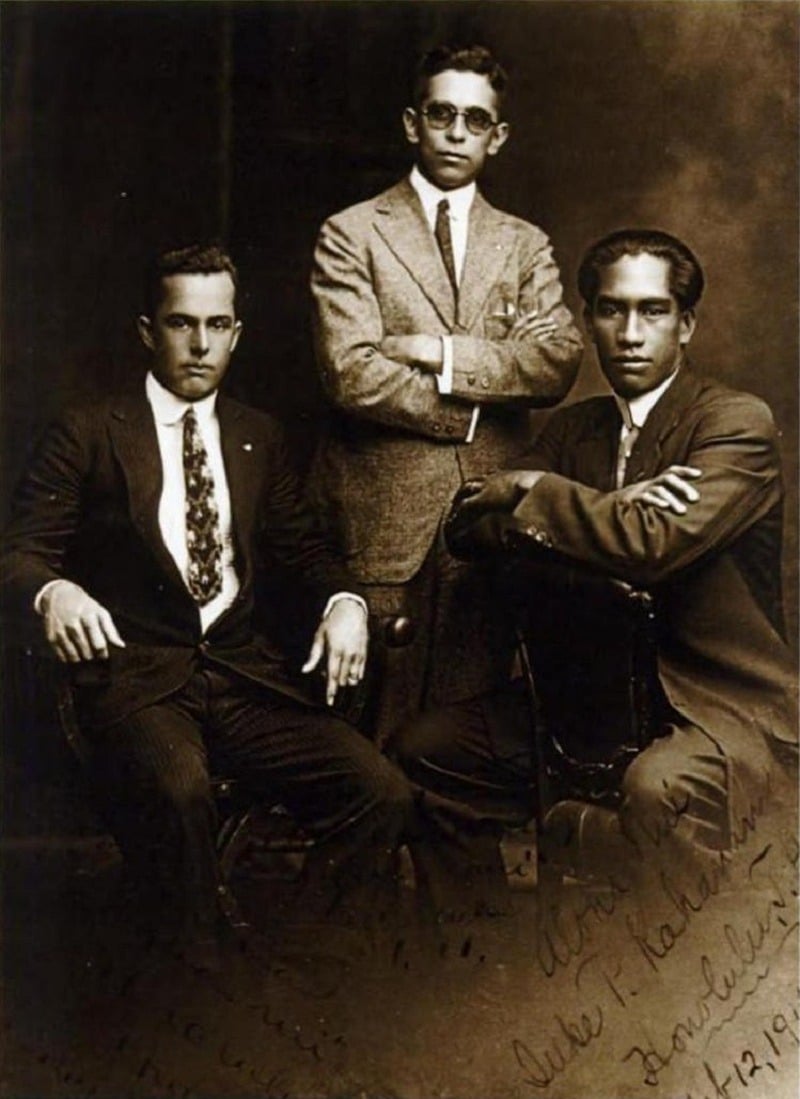
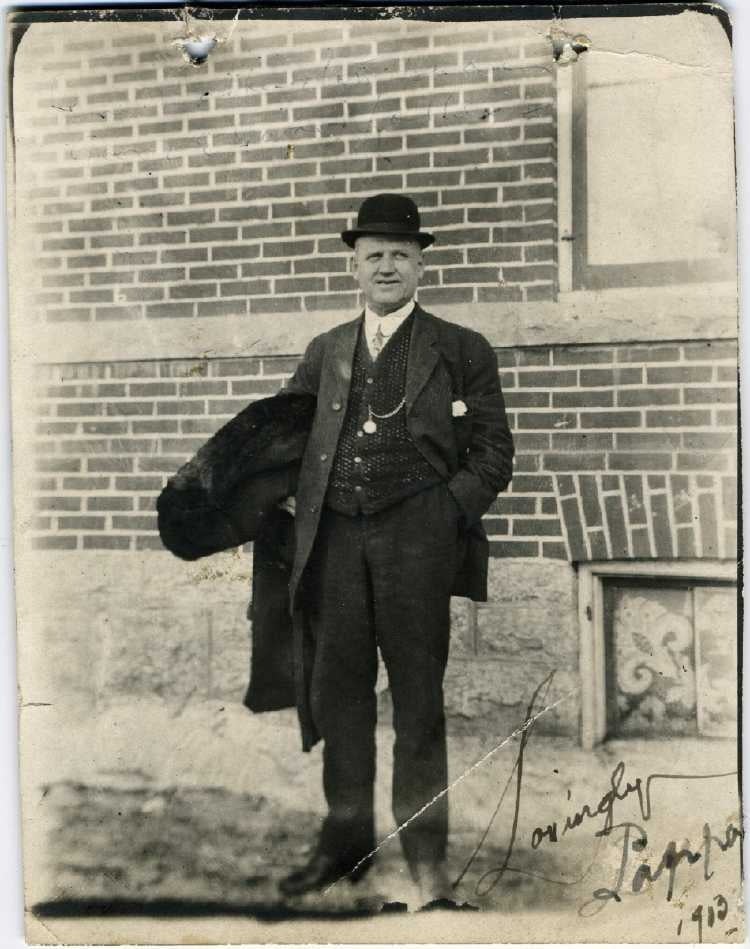
Waistcoats kept a three-piece suit looking complete as the jacket opened. Covering the shirt around the waist helped hold the outfit together visually, while the waistcoat's neckline determined how much shirt front and neckwear appeared above it. Even this middle layer had a say in the silhouette.
Among men dressed to a similar level of formality, smaller details became useful expressions of taste. Watch chains crossed waistcoats, and pocket squares gave jackets another point of interest. Individuality could live comfortably inside a shared dress convention.
Hats also had a place in this social order. One 1912 dress chart listed derby and soft felt hats for business dress, with other headwear prescribed for more formal occasions. Choosing a hat meant choosing where an outfit sat on the scale of formality as well as which shape suited its wearer.
Summer Suits & White Shoes
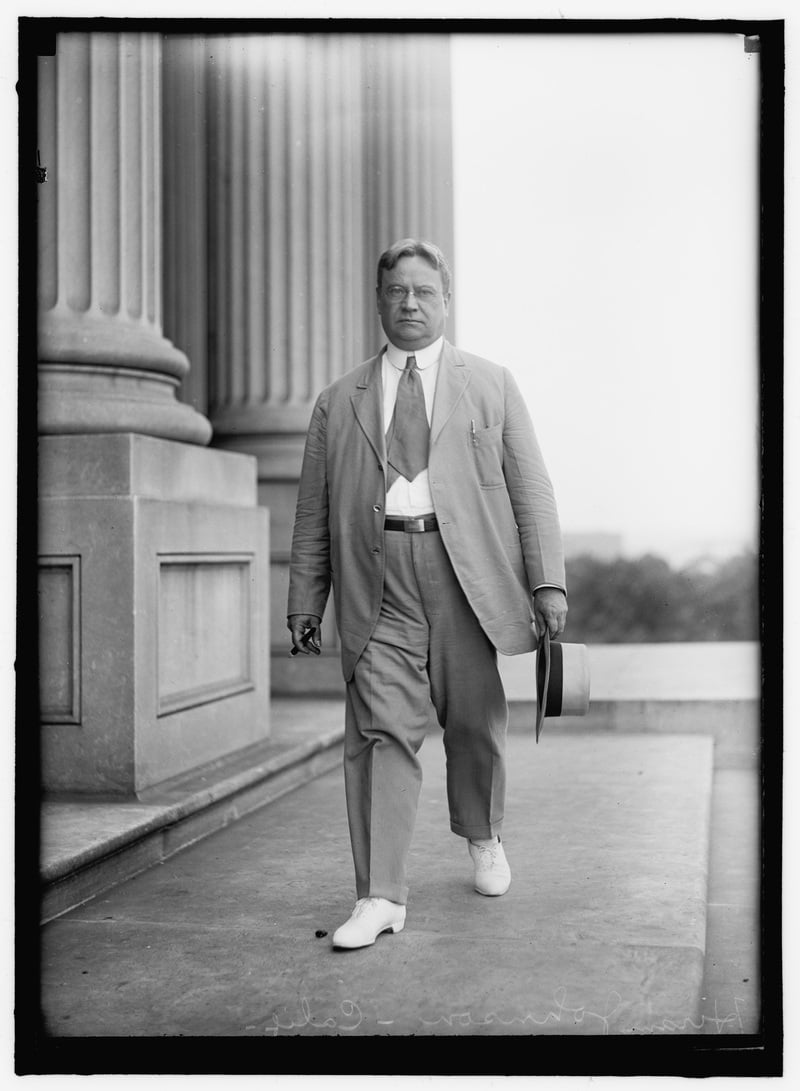
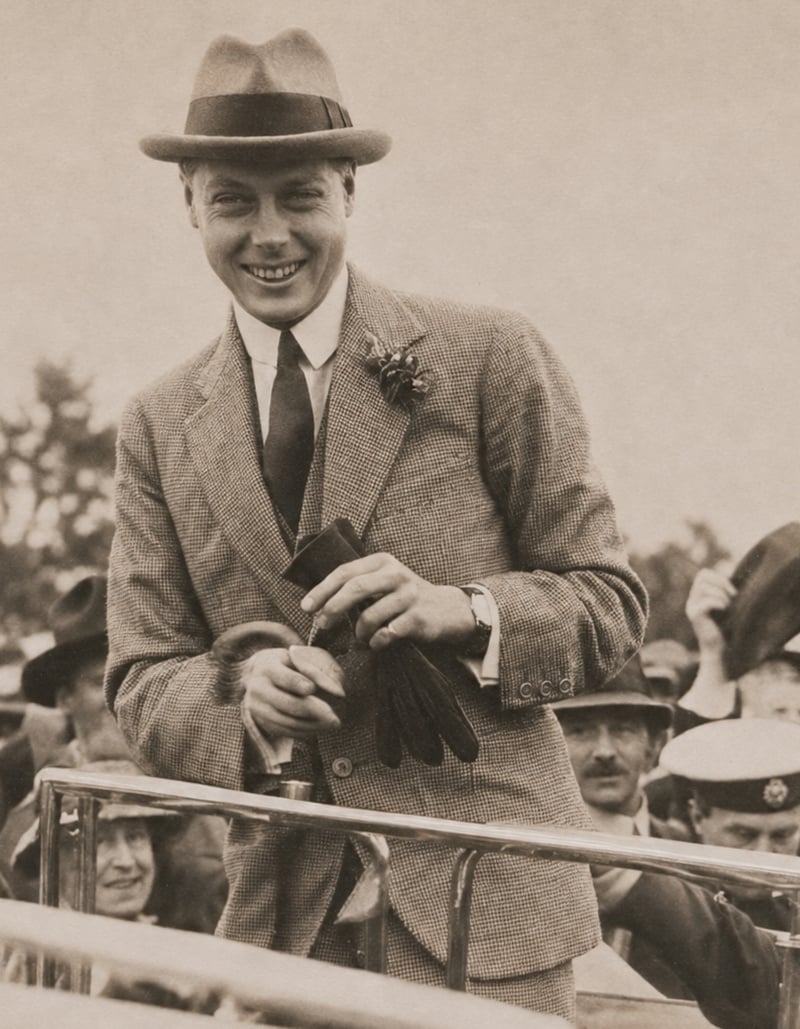
Heat gave men a reason to rethink the suit's cloth and layers. Weight and weave mattered, even when a photograph offers few clues about either. Retailers treated summer comfort as a selling point in its own right. One 1916 advertisement promoted lightweight all-wool fabrics alongside silk shirts and straw hats.
Summer also changed the balance of the outfit. White trousers and footwear created stronger contrasts with a jacket, while checks introduced variety within the suit itself. Leaving out the waistcoat revealed more of the shirt front and could bring a belt into view.
The aim was to stay dressed for public life while making tailoring more comfortable in the heat. Fewer layers and a more open neckline allowed seasonal adjustments within the coordinated outfit.
Blazers & Sporting Knitwear
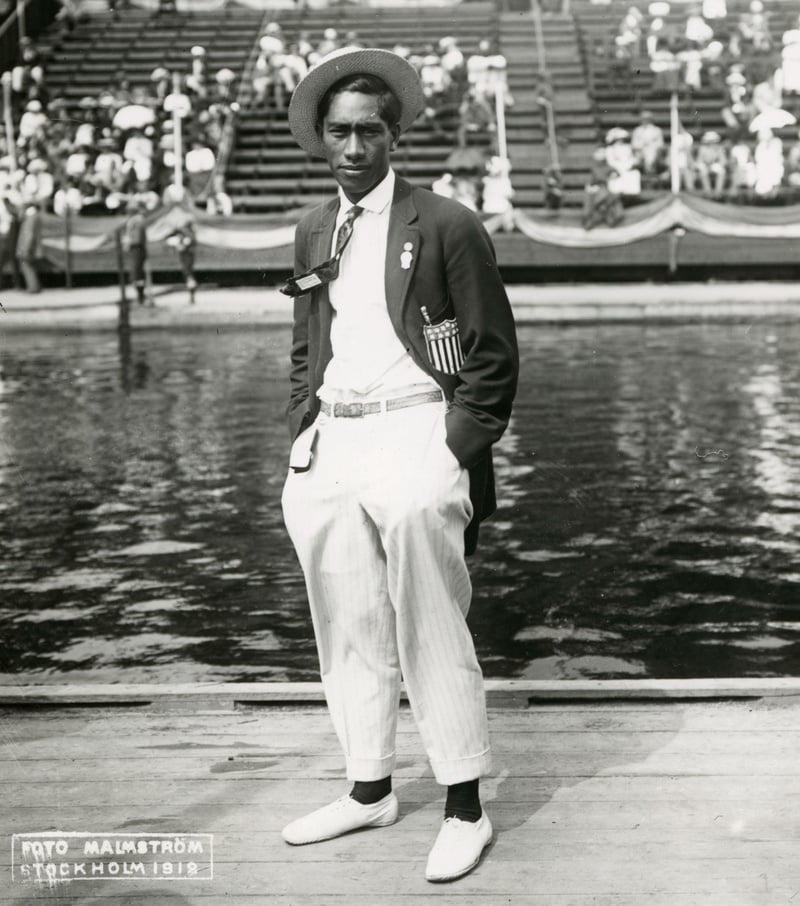
Recreation gave men reasons to build an outfit from separates. Blazers kept the structure of a tailored jacket and worked with contrasting trousers. Their badges could announce a sporting or club affiliation. Even away from business, clothes said something about where a man belonged.
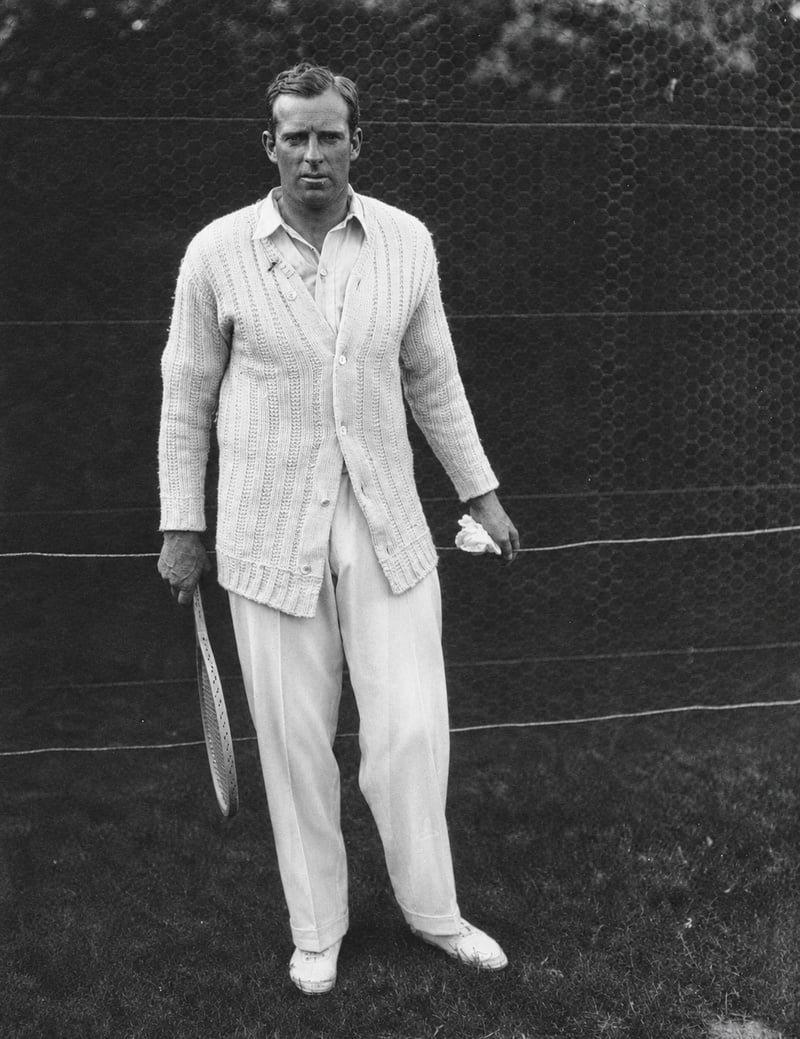
Knitwear made its contribution through movement. Sweater jackets and coat sweaters appeared in period catalogues as alternatives to tailored outer layers. Flexible construction accommodated activity, while button fronts made adjustments possible as conditions changed. An open shirt collar took the outfit further from business dress.
These clothes changed how the wardrobe worked together. Coordinated separates gave a man enough structure to look dressed for recreation and enough flexibility to take part.
Golf Clothes & Practical Proportions
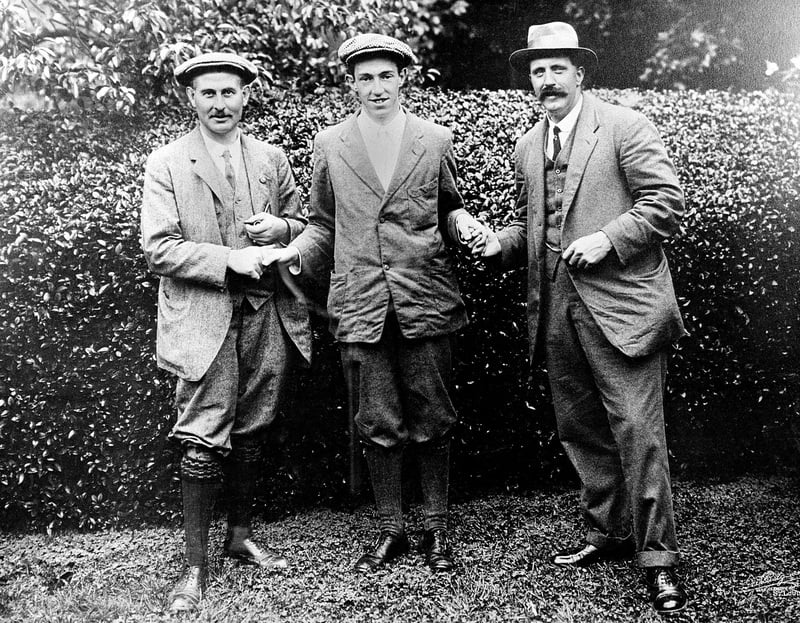
Golf took men outdoors while keeping a connection to the tailored wardrobe. Period outing guidance included tweed knickers and Norfolk jackets among its options. Broader advice for outdoor recreation also found uses for business clothes, leaving men more than one acceptable way to dress for an afternoon outside.
Knickerbockers changed the proportions from the waist down. Shorter trousers and long stockings gave the leg a different outline from full-length suit trousers, bringing footwear into greater prominence. They also kept more trouser fabric away from the ground.
For anyone borrowing from the decade today, the whole silhouette matters. Period sportswear had its own relationship between jacket, trousers, and stockings. Adding a flat cap to a contemporary outfit supplies only one small part of it.
Overcoats & Winter Dress
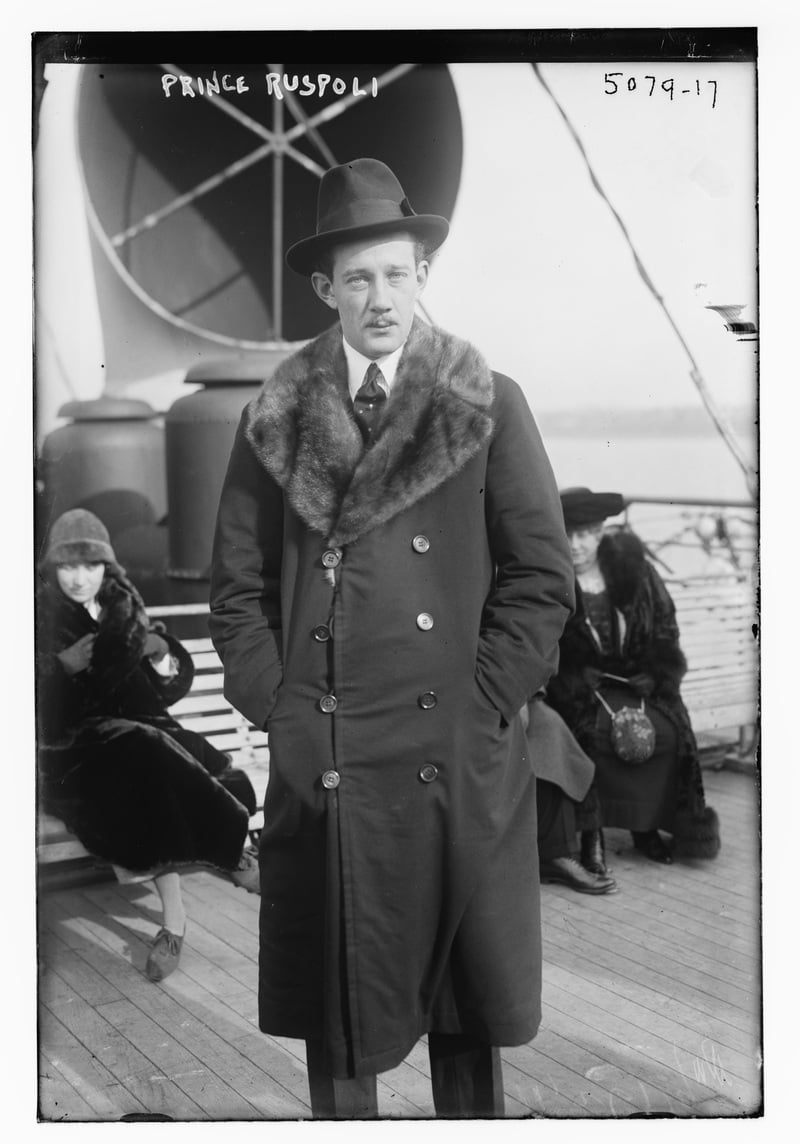
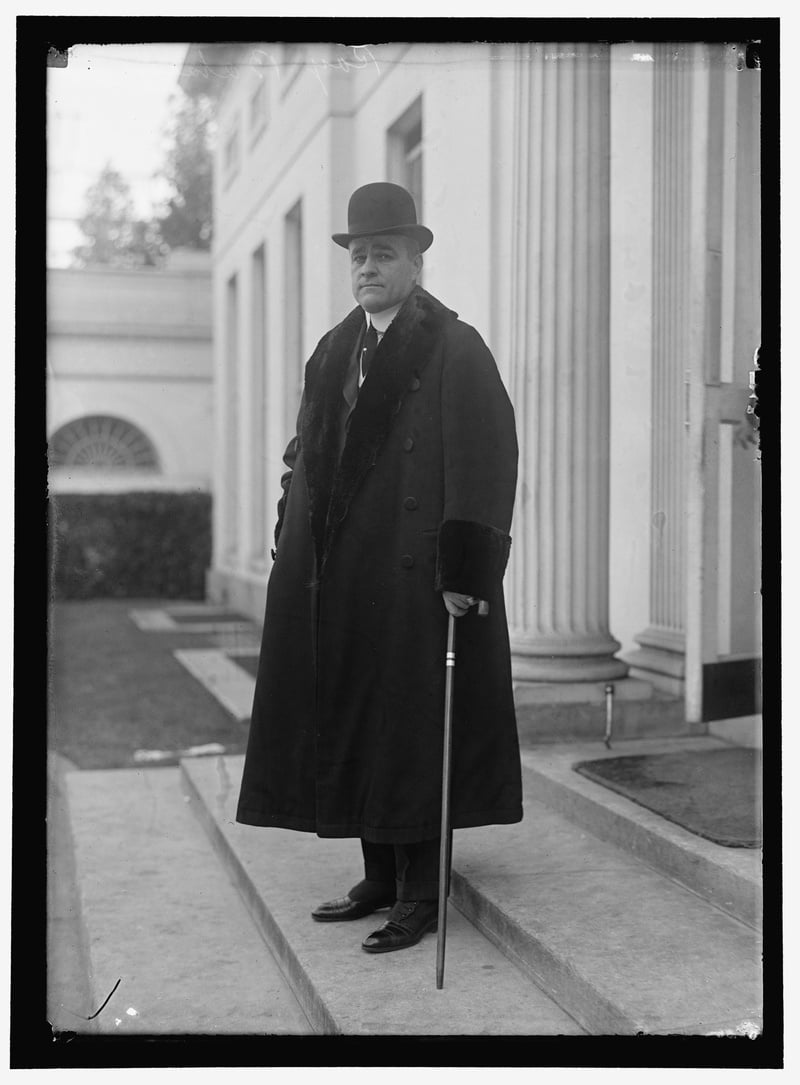
Outerwear had to accommodate both the weather and the clothes underneath. Length and fastening changed the outline of the whole figure. Double-breasted fronts added visual weight across the torso, while belts drew attention back to the waist.
Winter coats also put taste and means on public display. Fur at the collar or cuffs made protection from cold conspicuous. Once the coat was fastened, the suit beneath could become a relatively private matter. The outer layer did the introducing.
Men also had other ways to express a preference. Retail advertising in 1916 listed Chesterfields and belt-back overcoats. Keeping the suit restrained left the coat to say more about its wearer.
Working Clothes & Expedition Layers
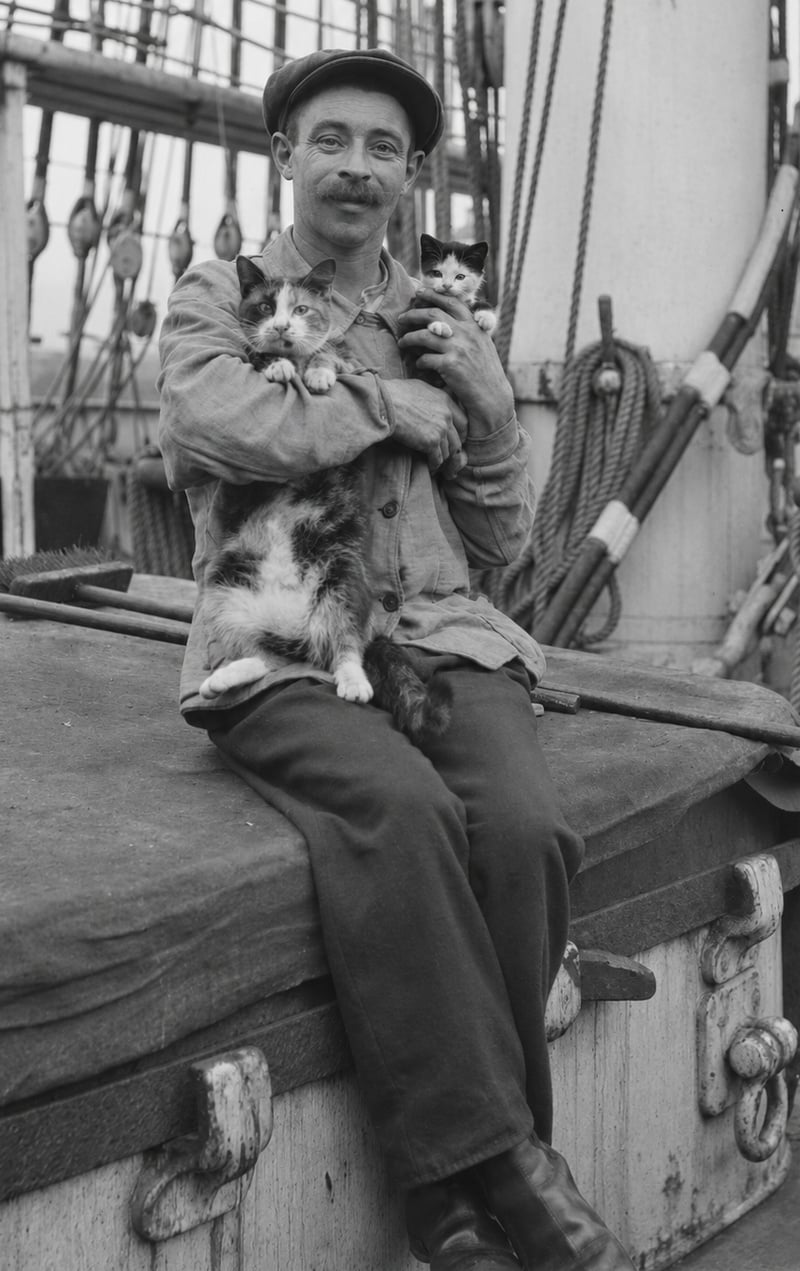
Work clothes began with the job. Contemporary catalogues gave work shirts their own categories, offering soft attached collars and useful pockets. Buying one answered a different need from buying a formal shirt, even when both came from the same retailer.
Protection and movement could take priority over the uninterrupted line of a suit. Jackets had to accommodate the layers beneath them, and fit had a practical test. On deck or outdoors, a man needed to be able to do his work in the clothes he wore.
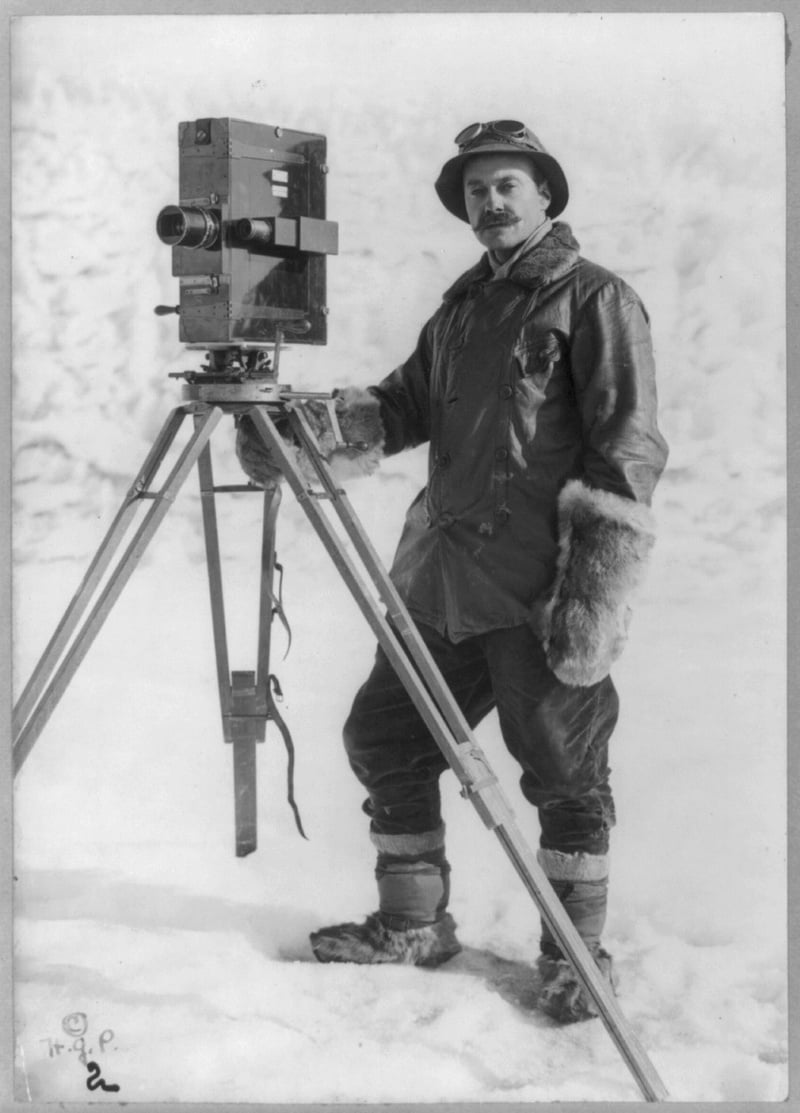
Expedition dress pushed these demands further. Extreme cold required layers and protective accessories suited to the environment. These specialized clothes belonged to the same decade as the tailored wardrobe, shaped by the work a body had to perform. Getting dressed for an expedition meant preparing for the job as well as the weather.
Wartime Coats & Civilian Tailoring
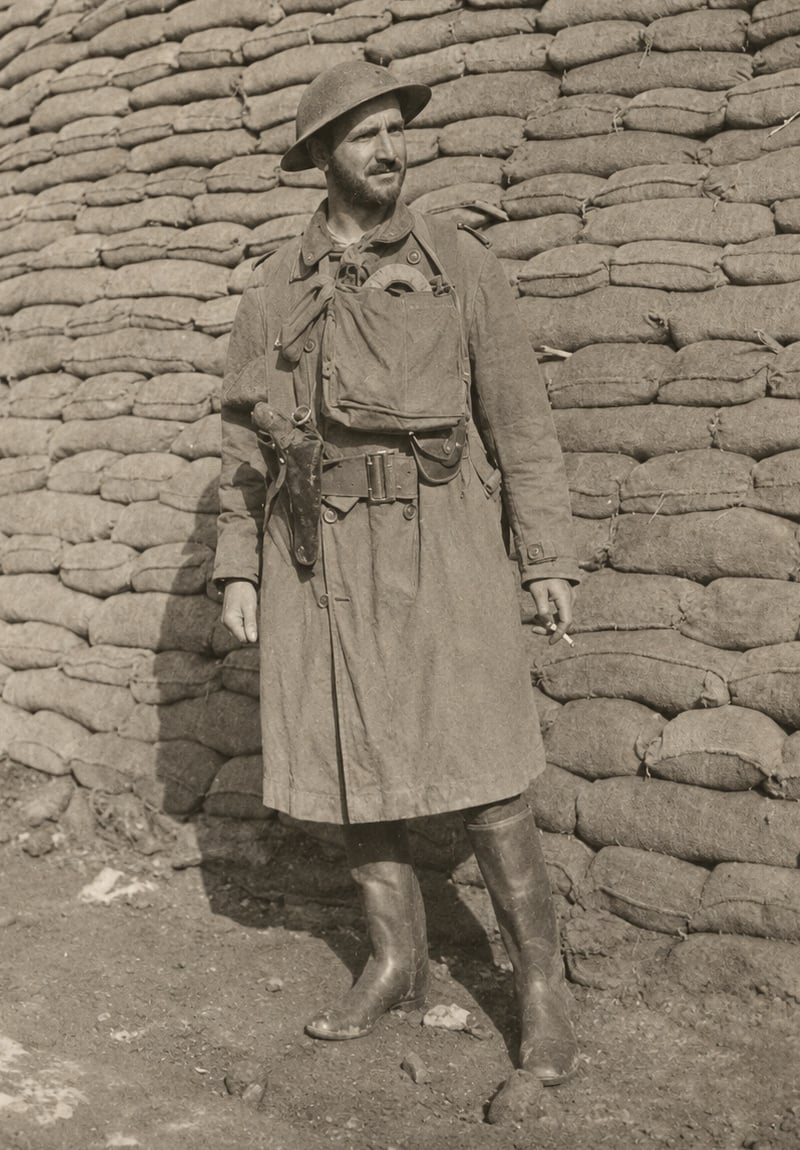
World War I gave protective clothing an urgency far beyond ordinary bad weather. The trench coat brought several practical responses together, with ways to secure the neck and wrists and adjust the fit over other clothes. Its shape was closely connected to its use.
At the Australian War Memorial, a surviving wartime example was privately purchased and made from cotton gabardine. Its collar closed for bad weather, wrist tabs tightened the sleeves, and a belt controlled the fit around the body. The recognizable silhouette served the demands of wearing a coat in exposed conditions.
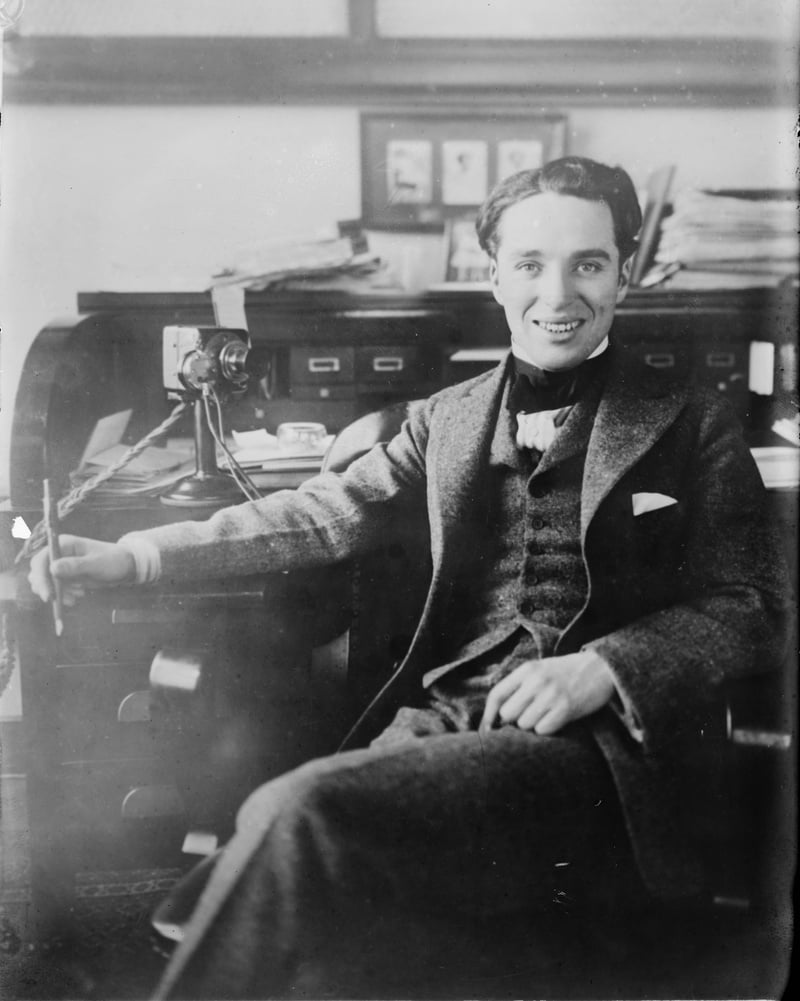
Military and civilian wardrobes continued alongside each other. Men still conducted business and attended social occasions during the war, although their circumstances differed enormously. The tailored suit and clothing required for service both belonged to the decade's experience of getting dressed.
Evening Dress & the Dancing Silhouette
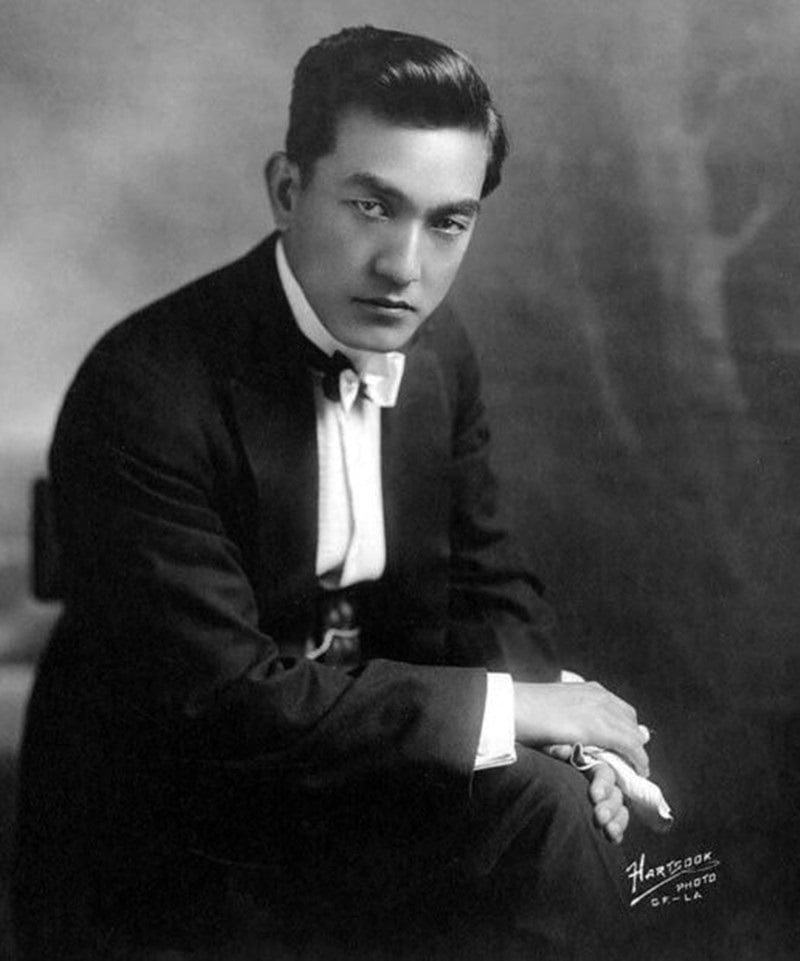
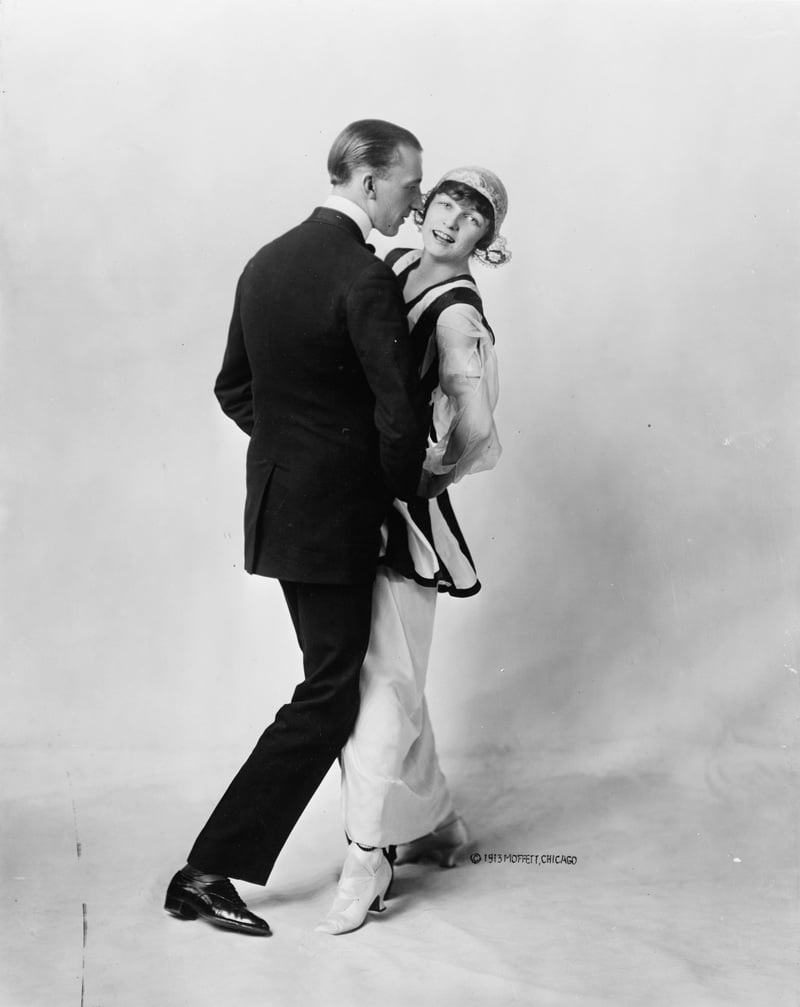
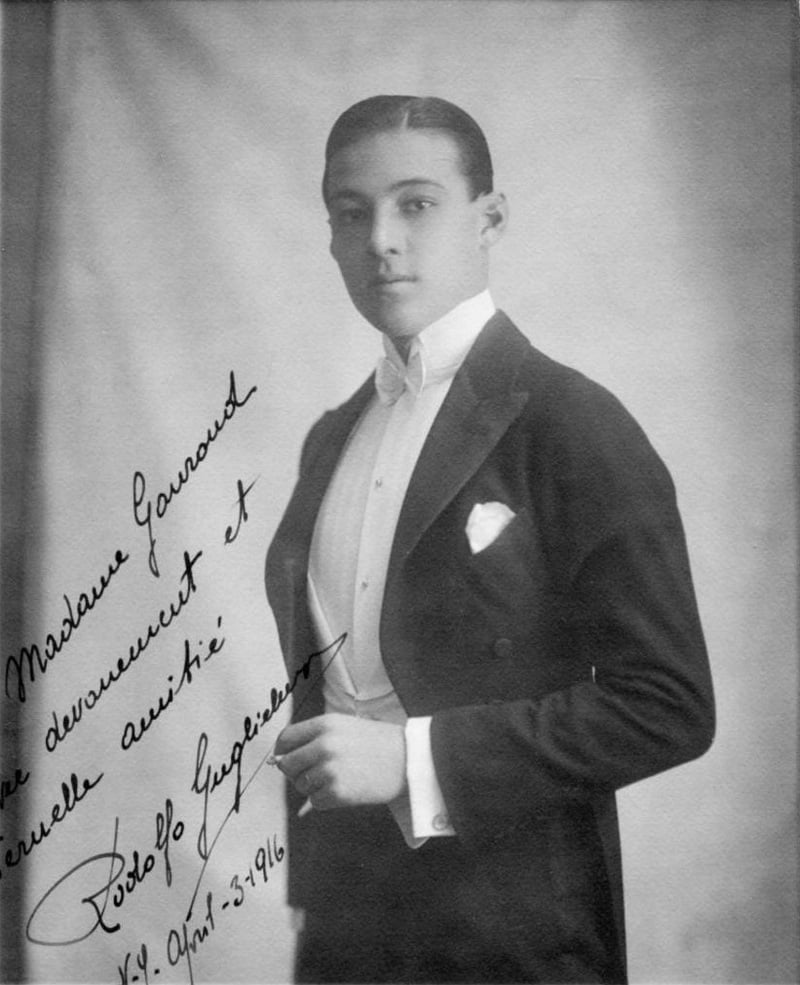
Evening dress had a hierarchy of its own. Period guidance distinguished the tailcoat, worn with a white waistcoat and white neckwear, from the dinner jacket worn with black neckwear. Both called for attention to the shirt front and collar. Each represented a different level of formality.
Daytime had its own rules. The morning coat belonged to a separate category of formal dress, as surviving garments such as a 1912 morning suit show. Its coat, waistcoat, and trousers answered an occasion's daytime requirements. The hour could matter as much as how dressed-up an event seemed.
Fit and proportion still allowed a man to make these conventions his own. The amount of white shirt showing and the cut of a waistcoat affected the result, as did the line of the trousers. Formal clothes also had to see him through an evening of sitting and dancing. Meeting the dress code was only the beginning of wearing them well.
Dressing for the Occasion
Knowing how formally to dress was part of knowing how to behave. In the 1910s, clothes could acknowledge a workplace or a host's expectations while leaving choices about proportion and detail to the wearer. Style developed through those decisions, including when a softer collar or fewer layers suited the occasion. Access to a varied wardrobe depended on means, but personal taste still shaped how a man wore the clothes available to him. Sporting clothes would gain further ground in 1920s fashion for men.