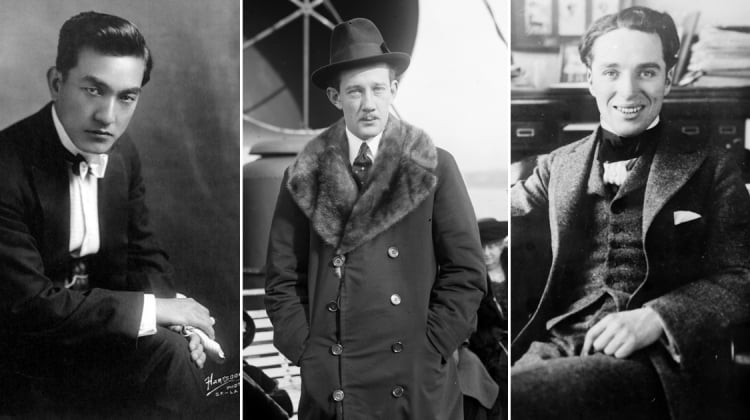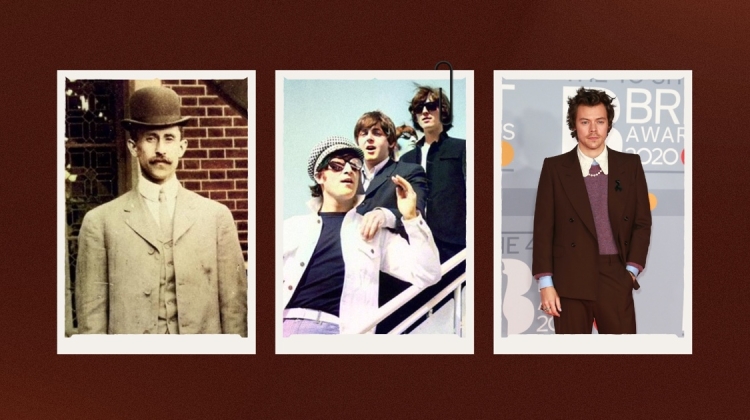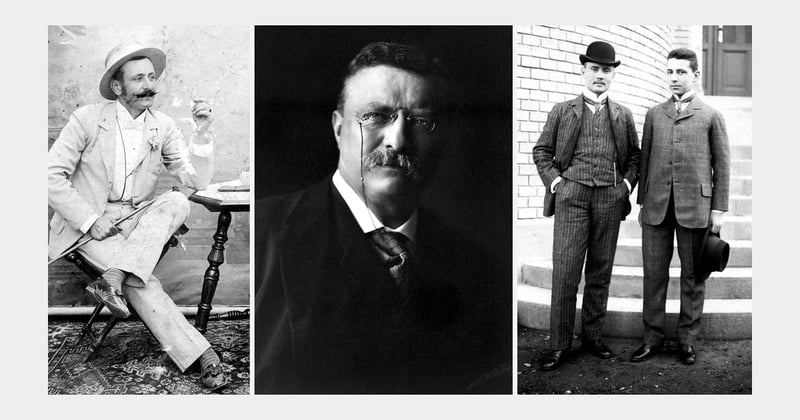
The Western tailored wardrobe of 1900–1909 gave men a shared outline and plenty of ways to make it personal. Jackets framed waistcoats, trousers rose to the waist, and a carefully chosen collar brought the face into focus. Hat brims and neckties supplied differences small enough to seem ordinary, yet large enough to change the impression.
Within men’s fashion through the decades, these years belong to a world of established dress codes and expanding consumer choice. A manufacturer could sell several versions of a business suit, while a working man needed clothes suited to his hands as much as his social standing. Money, occupation, and climate shaped how far any man could participate. The fashionable wardrobe was an aspiration, and the clothes actually worn told a wider story.
1900s Fashion for Men
The Three-Piece Suit
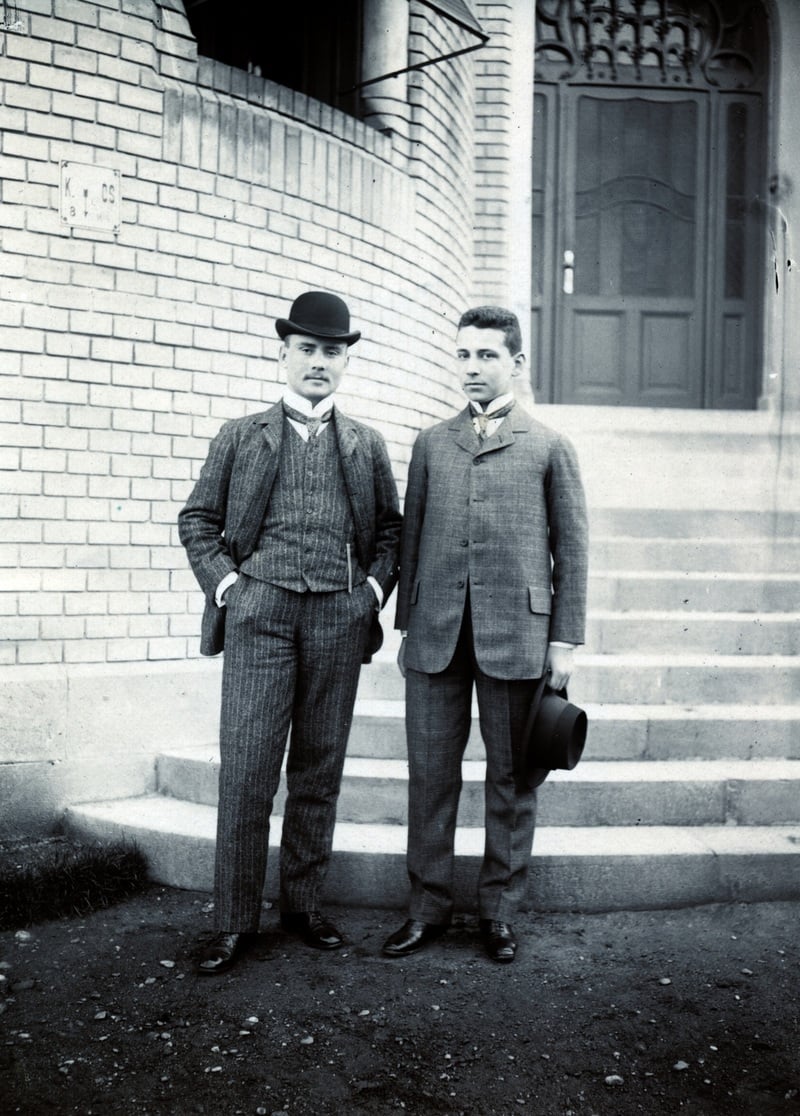
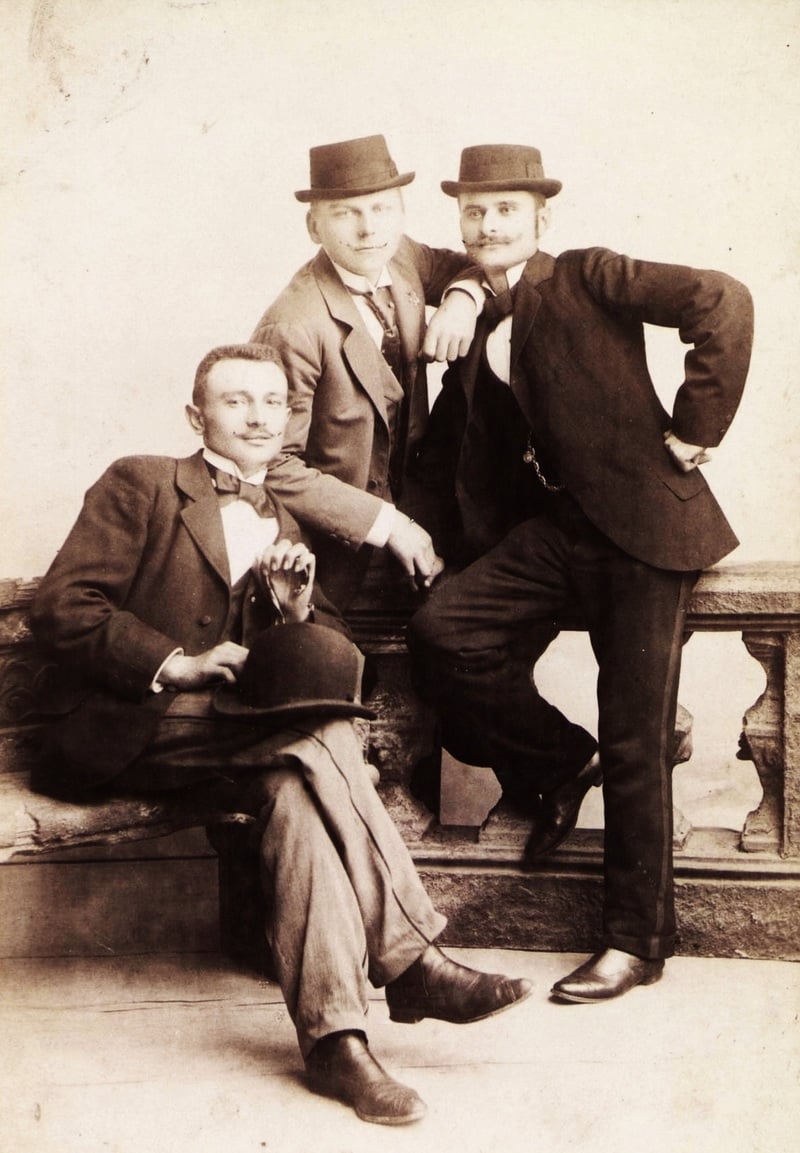
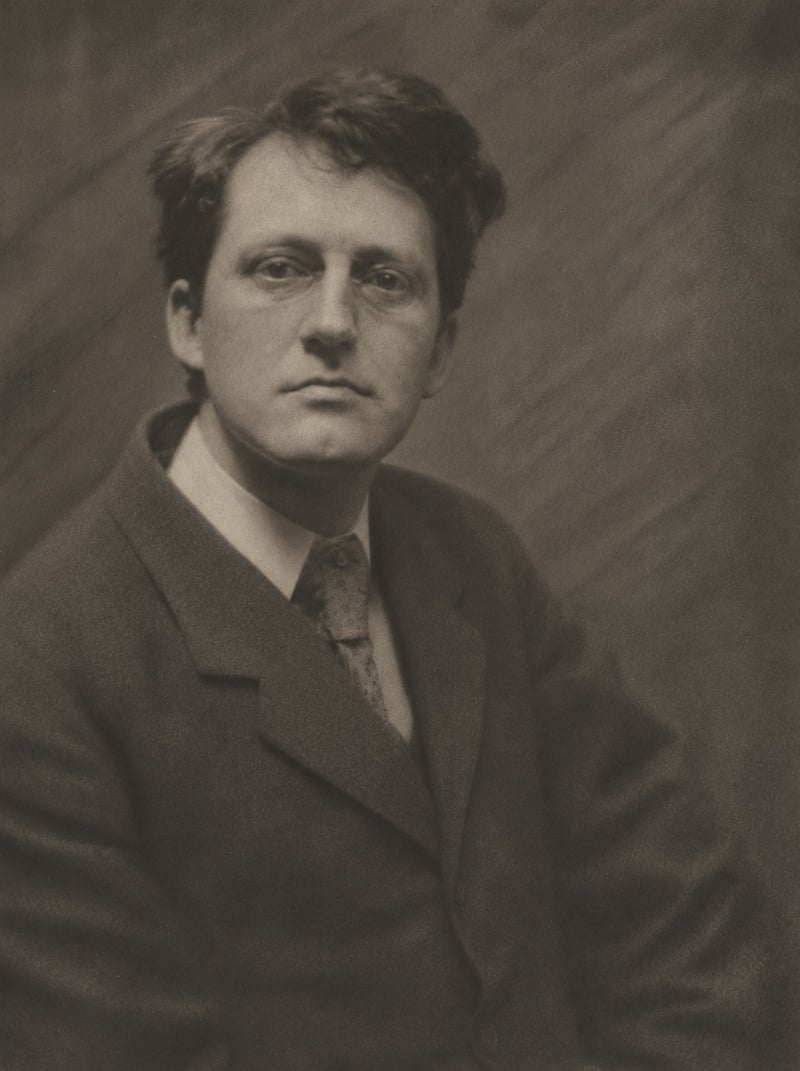
The matching jacket, waistcoat, and trousers gave everyday tailoring its most recognizable form. British usage favored “lounge suit,” while American retailers sold “sack” suits. Those names belonged to the vocabulary of civilian daywear, even when the result looks thoroughly dressed up to modern eyes.
Proportion held the outfit together. Jackets covered the hips, waistcoats concealed much of the shirt, and trousers met the body well above the low waistlines common in later casual clothing. Some jackets closed high across the chest; others opened farther down to expose more waistcoat. The trouser line could be comparatively narrow or fuller through the thigh. There was variety inside the formula.
Retailers were selling those distinctions. Kuppenheimer’s 1907–1908 catalogue offered single- and double-breasted suits as separate choices, with differences in lapels and jacket fronts. Ready-made clothing presented style as something a customer could select from a range. A man could share the suit’s basic architecture with his neighbors and still have preferences about almost every part of it.
Formal Daywear & Evening Clothes
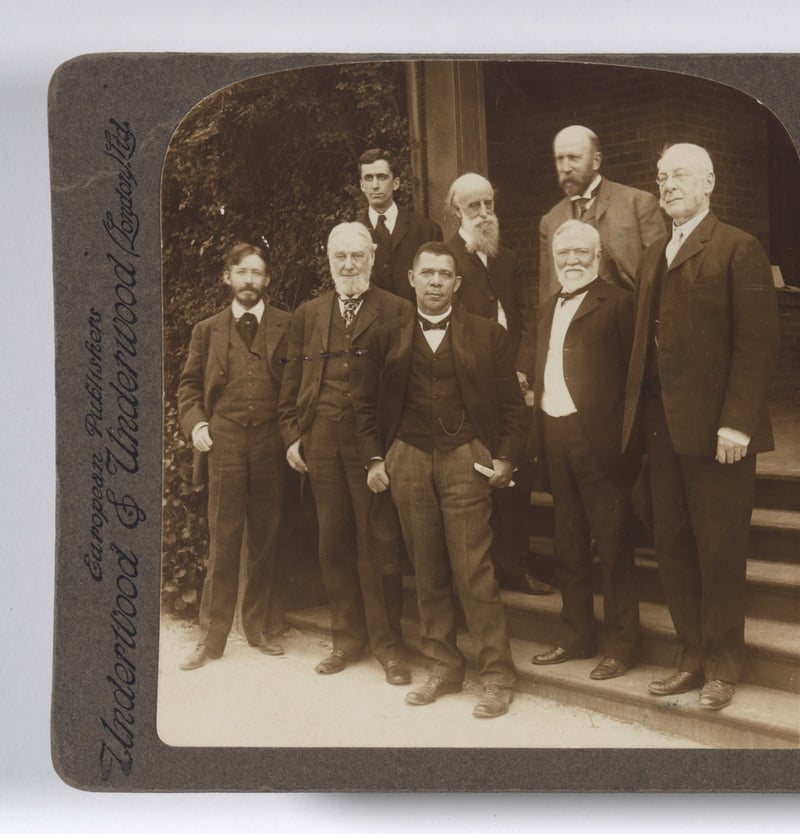
The lounge suit occupied one level in a larger hierarchy. Longer formal coats continued to express professional standing and public importance. Frock coats had a skirt extending around the body, while morning coats swept away at the front. Their length changed the figure, especially alongside a waistcoat and striped trousers.
Daytime formality also had a social purpose. At an institutional gathering or public reception, dress helped announce the significance of the occasion and the standing of its participants. The connection between respectable appearance and authority could be powerful, particularly for people confronting racial exclusion or seeking recognition in public life.
Evening clothes followed a separate convention. The tailcoat belonged to full dress, while the shorter dinner jacket, called a tuxedo in American usage, offered a less formal evening alternative. Period retailers distinguished full-dress and tuxedo suits from business clothes. A long coat alone never settles the question of when an outfit was meant to be worn.
Shirt Collars & Neckwear
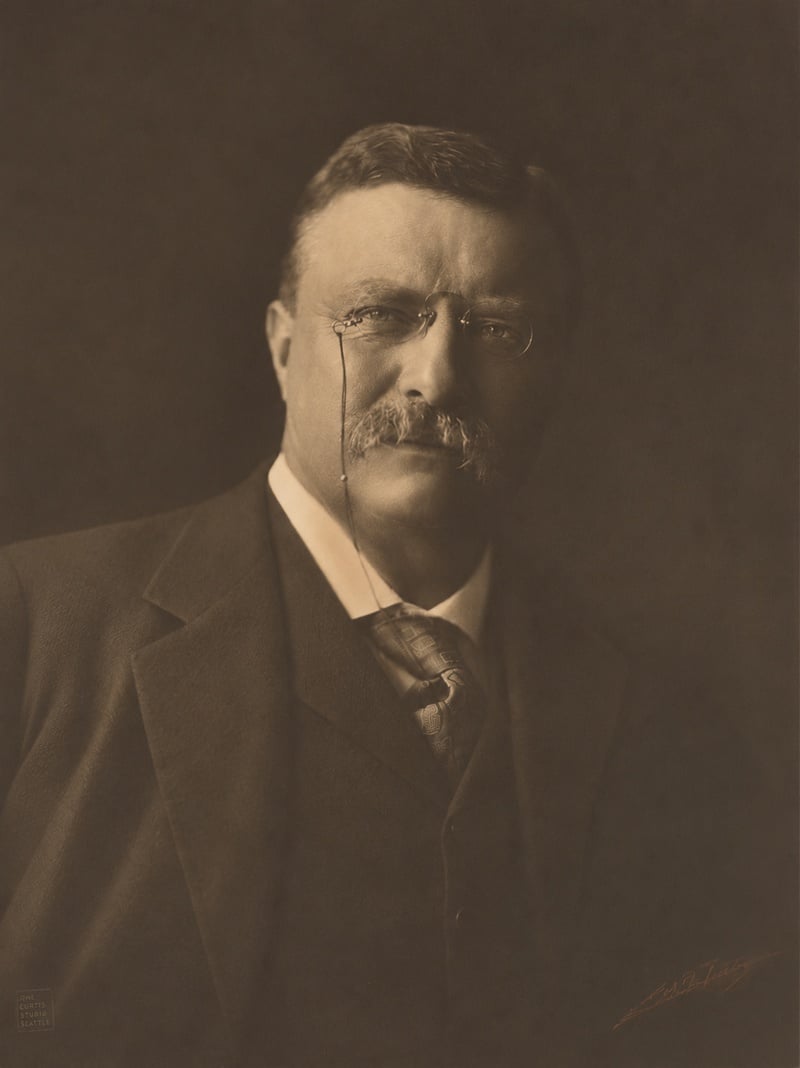
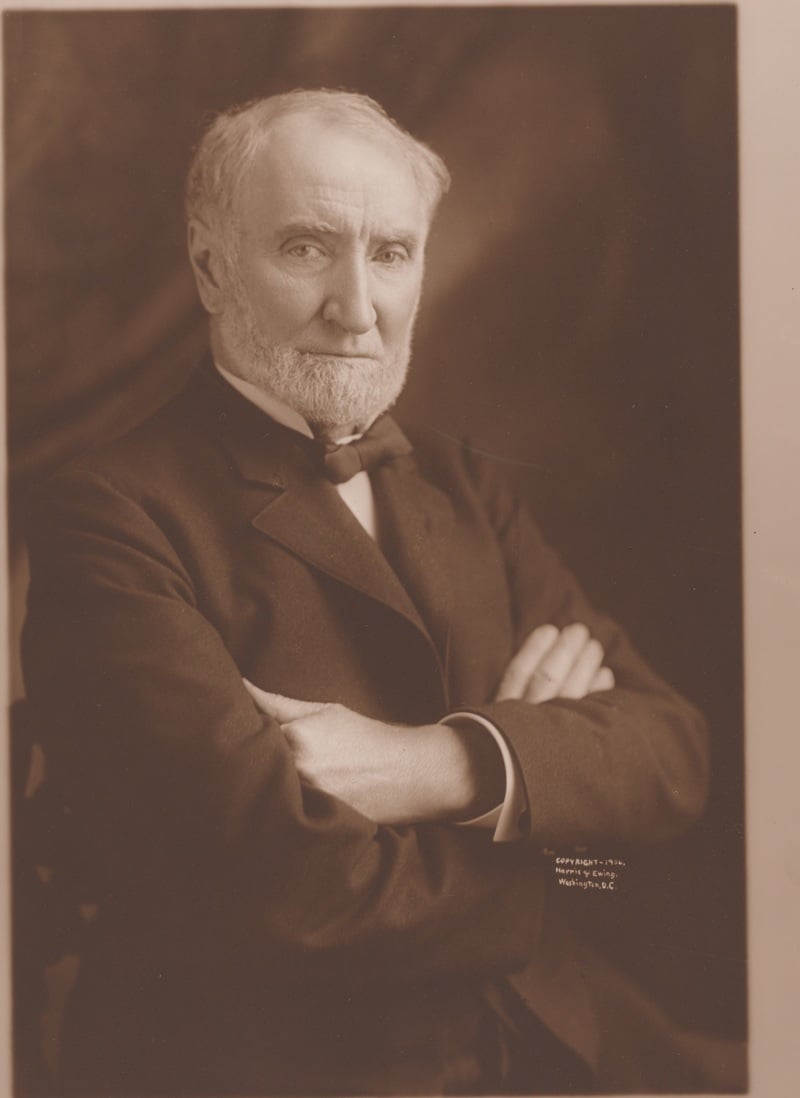
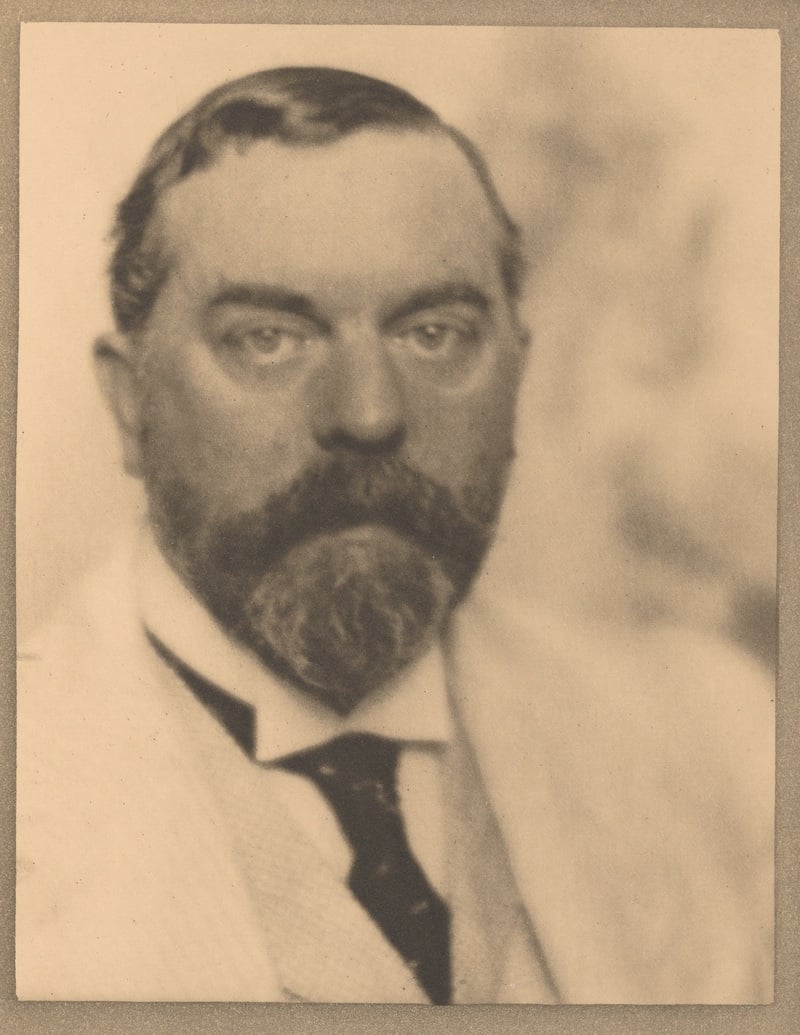
The collar was a small piece of clothing with considerable influence over posture and appearance. High standing styles lifted the line beside the jaw; turned-down points gave the tie a different frame. Even when jacket and waistcoat covered most of the shirt, its white collar remained conspicuous.
Detachable collars made this arrangement practical. They could be changed and laundered separately from the shirt. The Metropolitan Museum of Art’s 1900–1901 linen collar preserves the height and stiffness some formal styles demanded. Keeping the most visible part of a shirt clean also made laundering central to the performance of respectability.
Neckwear gave men another choice within this controlled arrangement. Bow ties drew attention across the throat, while longer ties led the eye toward the waistcoat opening. Stripes and small patterns enlivened a limited area of cloth. A change of tie could alter an outfit substantially less expensively than a change of suit.
Hats & Personal Taste
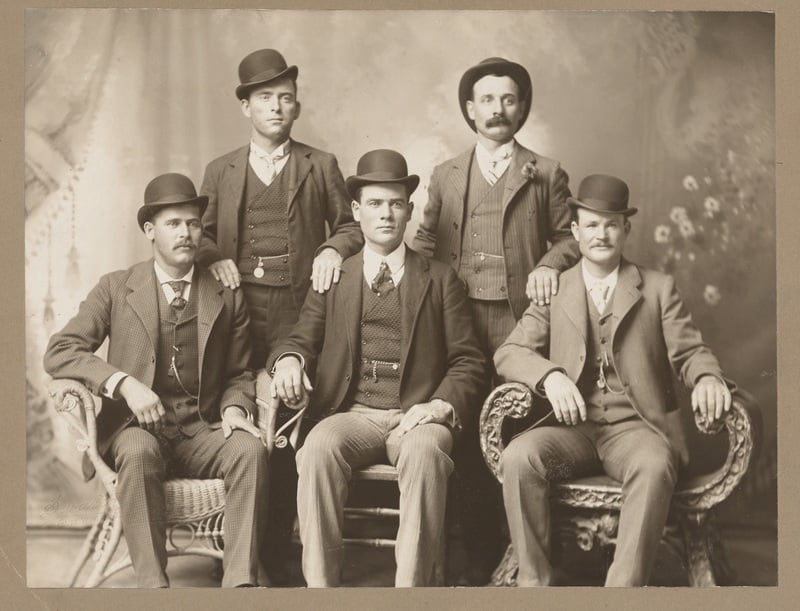
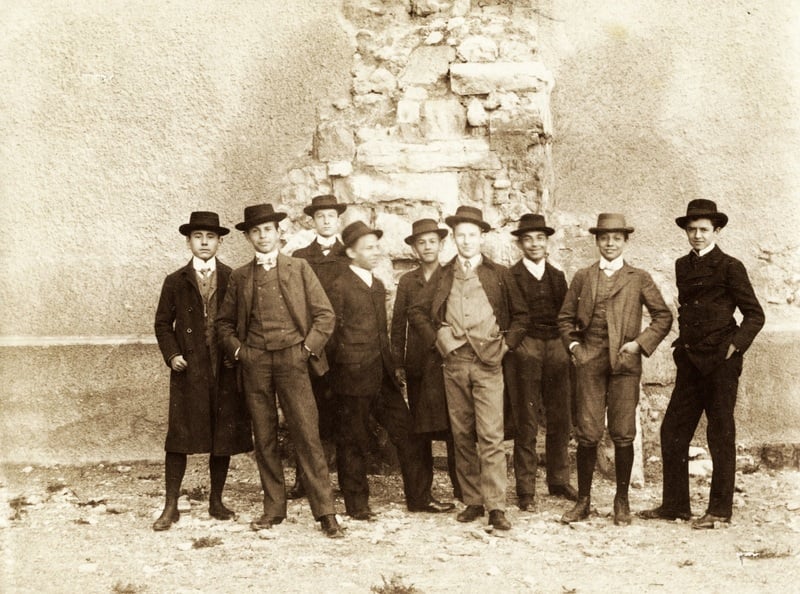
Hats finished the silhouette above the collar. Crown height and brim shape changed the apparent proportions of the face, just as a jacket’s lapels changed the chest. Top hats, bowlers, and softer felt styles all appeared during the decade, although their meanings depended on the occasion and the wearer’s surroundings.
Personal taste also emerged through watch chains and the way clothes were worn. Tilting a hat, opening a jacket, or choosing an emphatic tie introduced character into a recognizable wardrobe. Respectable tailoring was available to men with very different relationships to respectability. Outlaws understood the appeal as readily as bankers.
Summer Tailoring
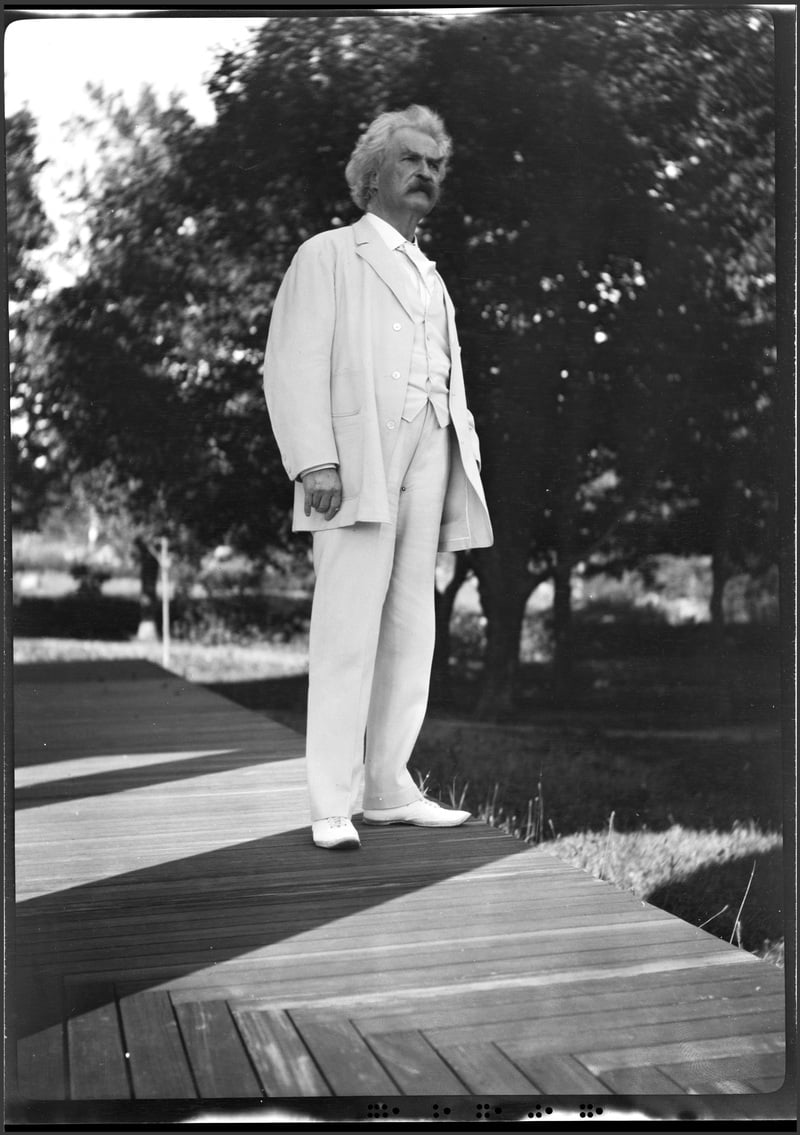
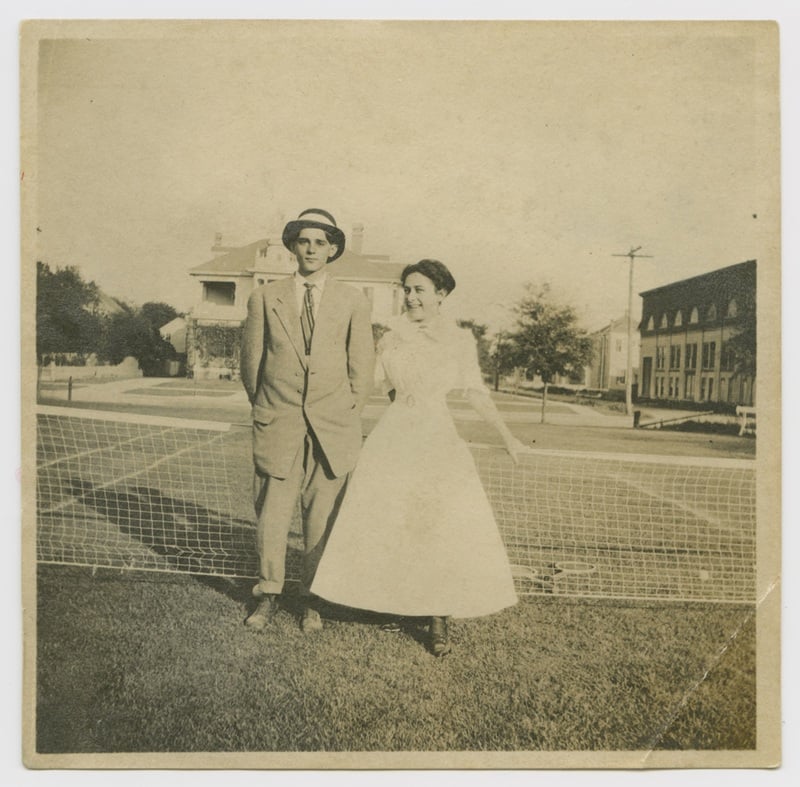
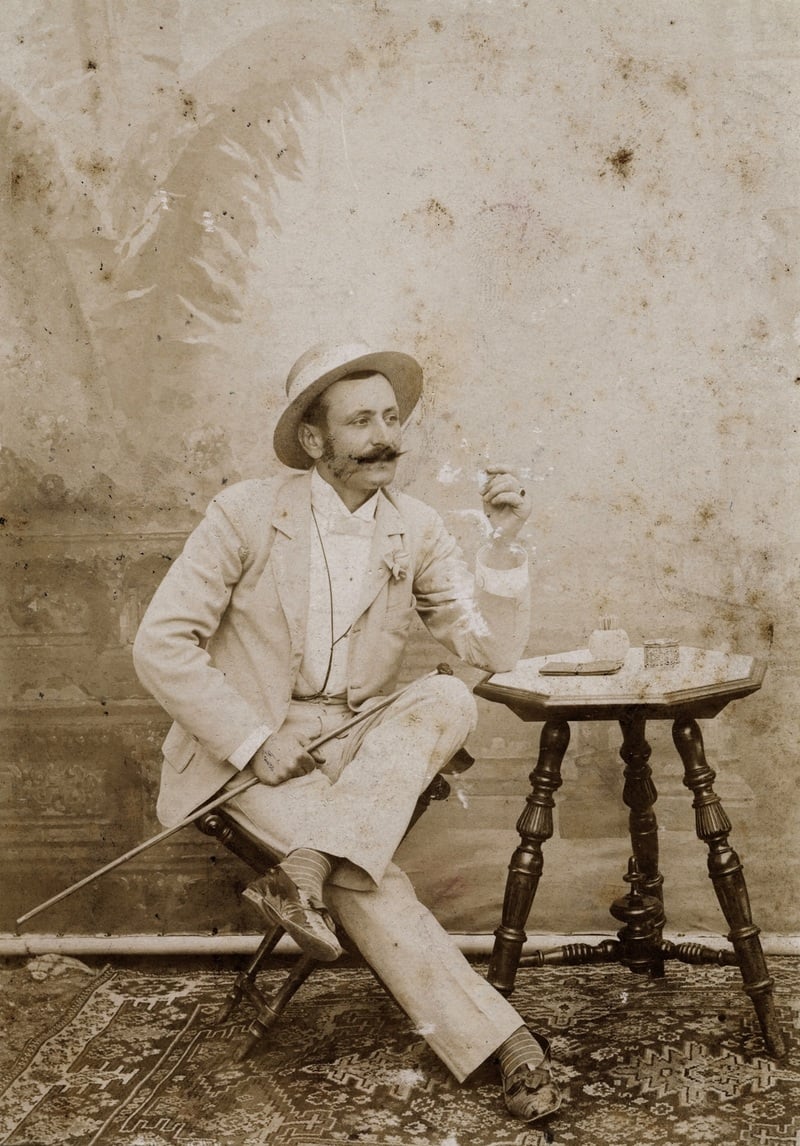
Summer dress could retain the suit’s complete structure. White tailoring made the jacket and waistcoat visually prominent, especially when extended down through matching trousers. The effect depended on a continuous outfit, with footwear contributing to the final line.
Tailoring also appeared beside leisure activities. Someone standing near a tennis net might be visiting, watching, or posing. The location alone cannot turn his suit into specialist sportswear. Looking appropriately dressed for company and dressing to play were separate decisions.
Country Clothes & Protective Layers
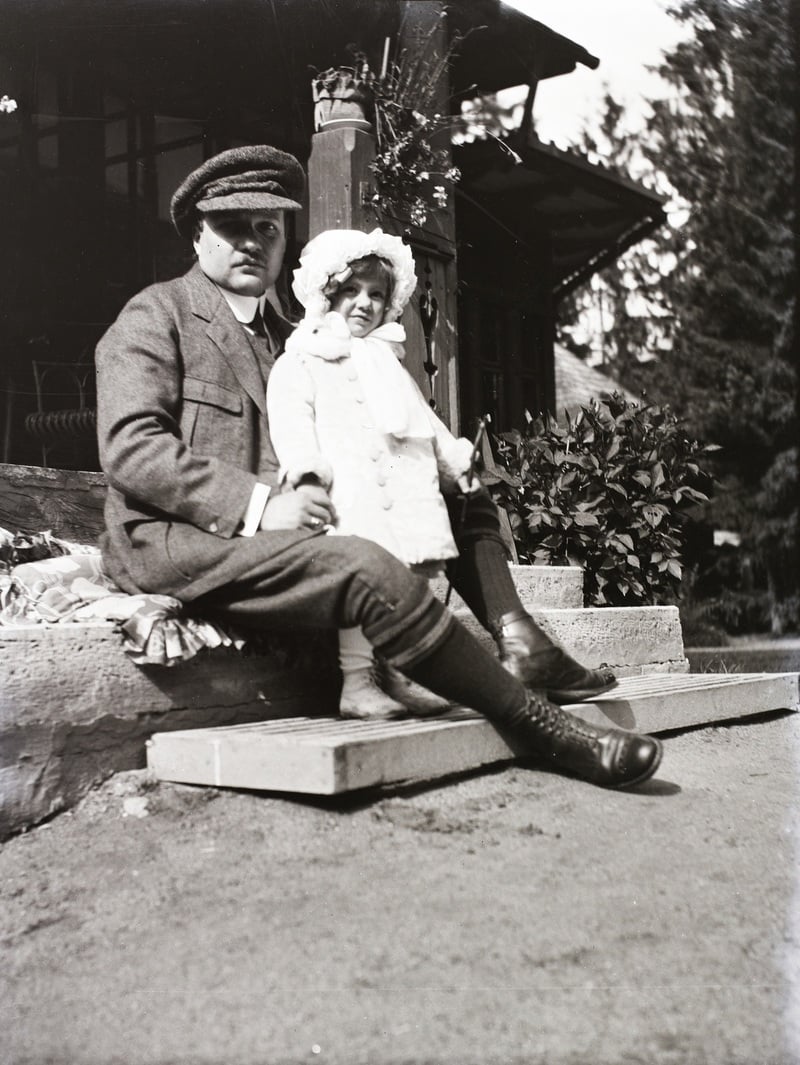
Outdoor clothing rearranged the tailored outfit around movement and terrain. Shorter trousers could meet stockings or tall boots, keeping trailing hems away from the ground. Caps and jackets with accessible pockets supplied another outline, with the lower leg playing a much larger visual role.
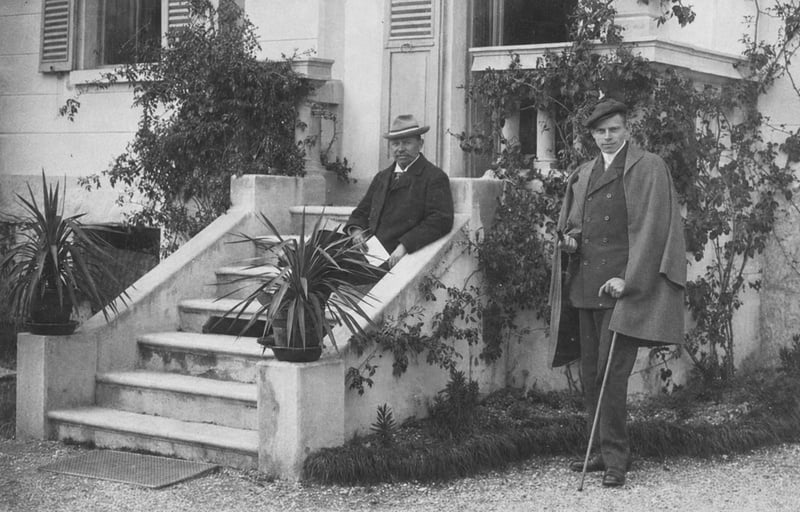
Overcoats changed the proportions again. They had to fit over the clothes beneath, and their fronts could conceal most of a suit. Length, lapel shape, and the choice between a close or loose cut affected the entire figure. Period coat ranges offered customers several answers to the same problem of getting dressed for the weather.
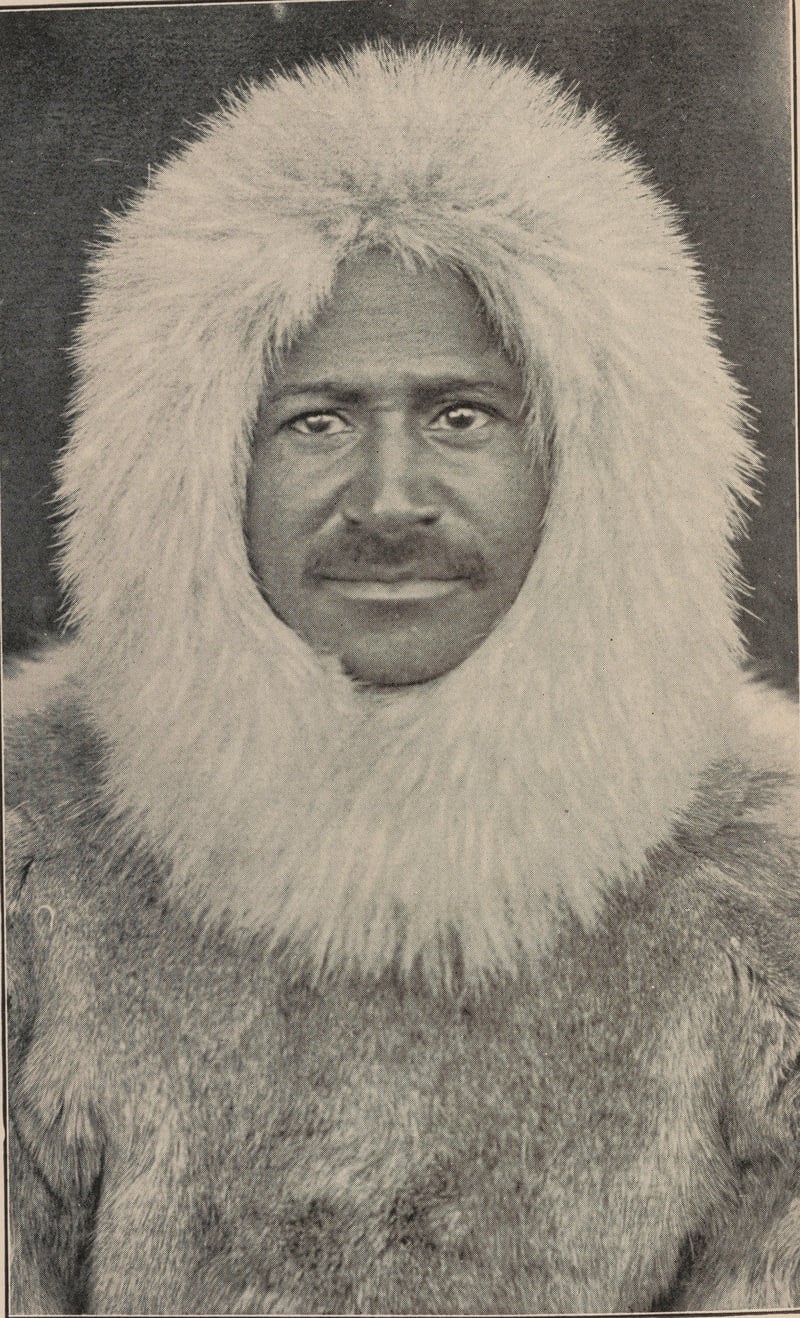
Extreme conditions demanded more specialized protection. Arctic clothing, including fur hoods framing the face, belonged to expedition work. Such garments addressed an environment very different from a European street or country house. Their place in the decade makes sense through their use, alongside the tailored wardrobe men wore in other circumstances.
Working Dress
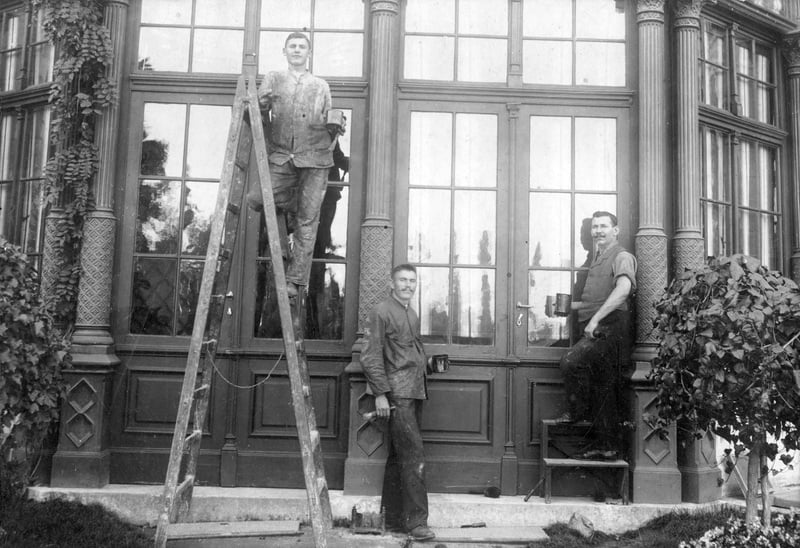
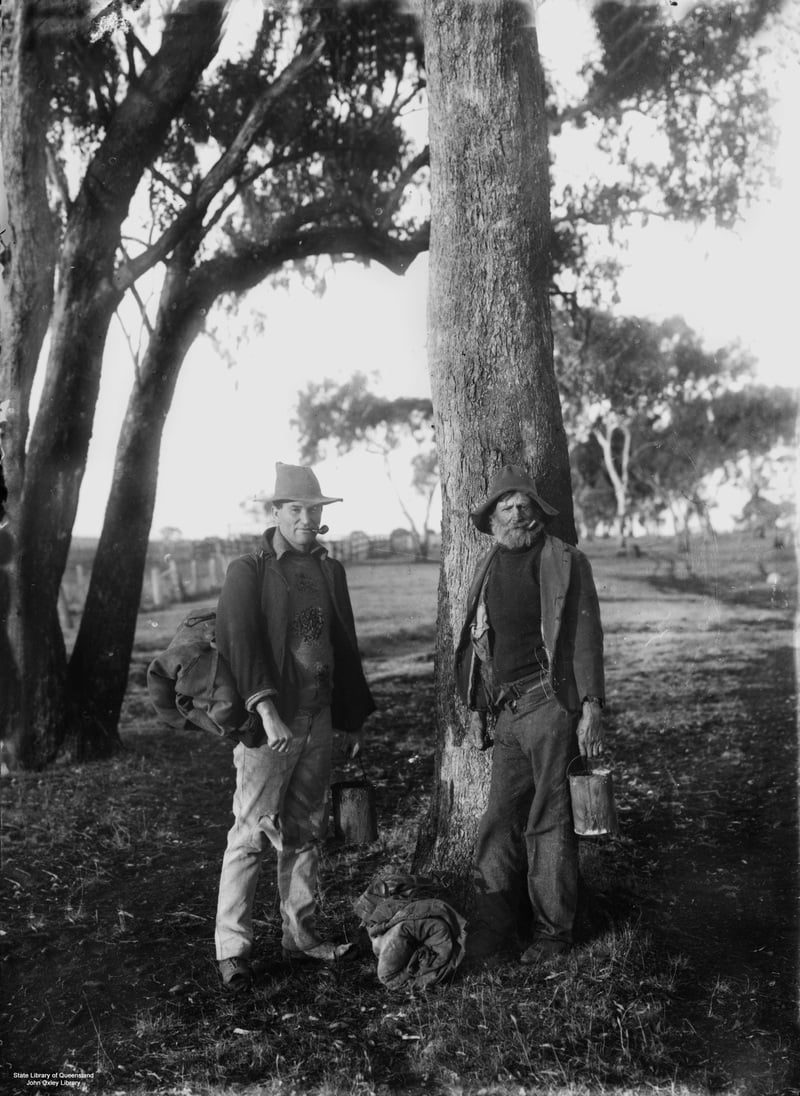
Physical work exposed the limits of dressing for appearance alone. Sleeves had to allow the arms to move, trousers had to bend, and useful layers had to survive contact with tools and materials. Jackets could remain part of the outfit, accumulating the marks of the job.
Removing a jacket or rolling a sleeve changed how much of the working body became visible. A shirt stopped being chiefly a collar above a waistcoat and became the garment doing the work. The resulting silhouette could share features with civilian tailoring while answering very different demands.
Clothes also traveled beyond regular employment. Australian swagmen moved with their bedding and equipment, wearing jackets and boots through the journey. Repairs and wear belonged to the life of the garment. The history of men’s dress includes how clothing was maintained and used up, as well as how it was sold.
Clothes for the Game
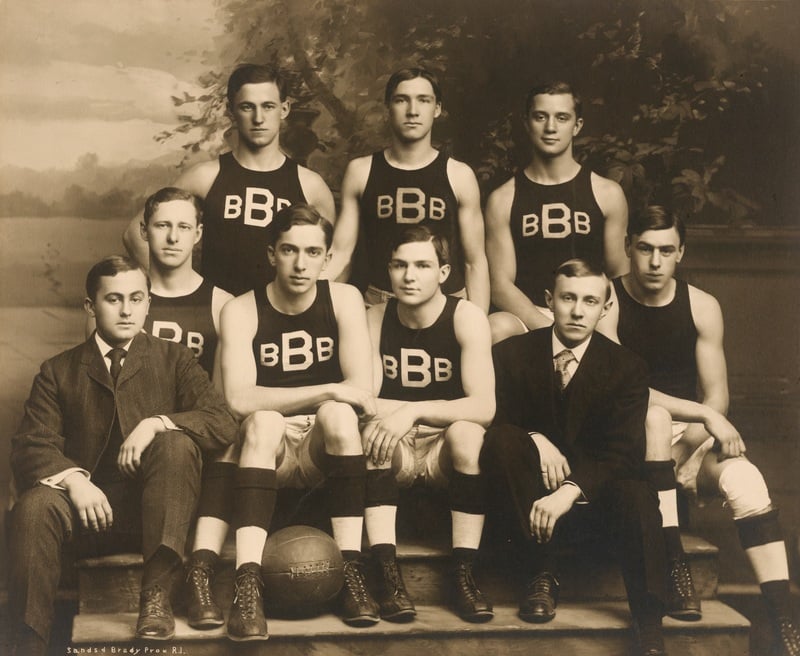
Organized sport produced another solution. Basketball jerseys and knee-length shorts left the limbs freer than a layered suit could, while matching team clothing made individual players part of a collective identity. Long socks and athletic footwear completed an outfit built around the game.
The contrast with the suited men alongside the players is revealing. Both groups occupied the same sporting world, yet their clothes followed different responsibilities. During the 1900s, a man’s wardrobe could change substantially when he moved from watching an activity to performing it.
A Decade of Choices
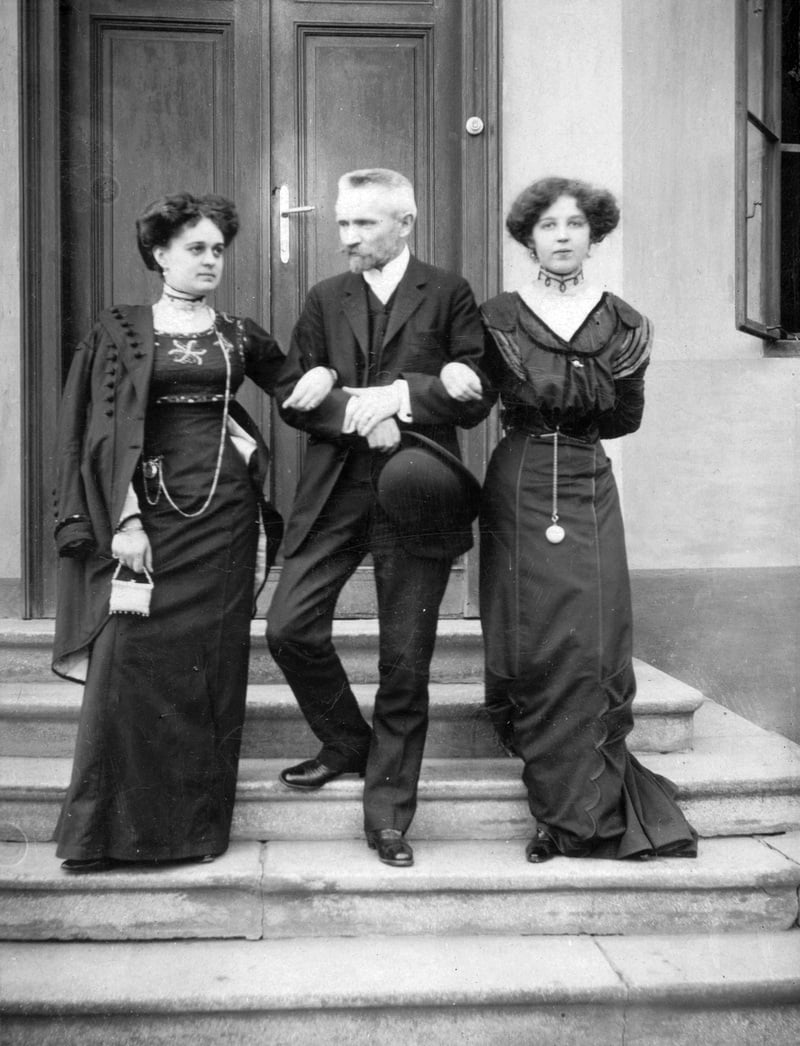
The high collar and waistcoat continued into 1910s fashion for men, alongside clothing shaped by outdoor activity and physical work. Across 1900–1909, the shared conventions of tailoring left ample scope for personal taste. Getting dressed meant choosing how to appear in company and how to move through the day, sometimes in the very same suit.