
The types of cologne available today vary in fragrance concentration, scent profile, and how long they remain noticeable on the skin. Terms such as eau de cologne, eau de toilette, eau de parfum, and parfum primarily describe concentration, while fragrance families such as woody, citrus, aromatic, and amber describe how a scent smells. Understanding both makes choosing a fragrance considerably easier.
Types of Cologne by Strength (Concentration Chart)
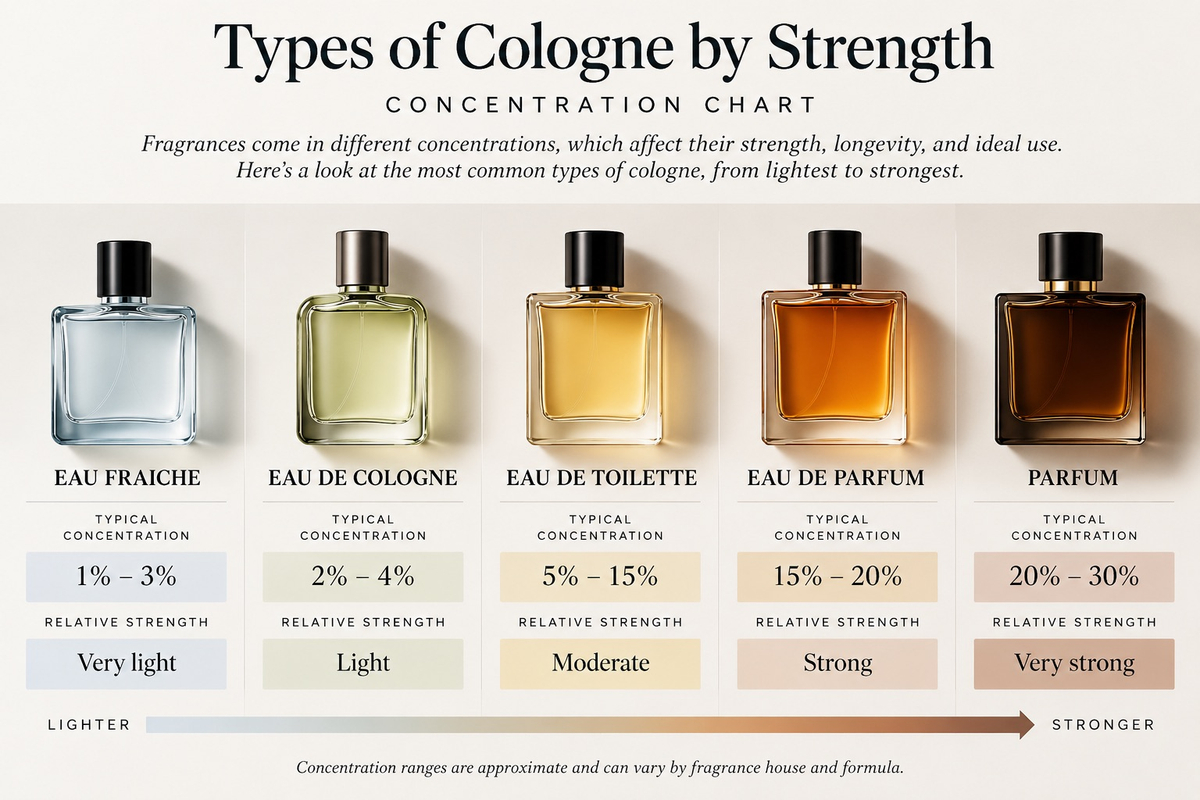
Fragrance concentration determines how much aromatic material a scent contains, influencing its strength, longevity, and sometimes its price. From the lighter eau de cologne to more concentrated eau de parfum and parfum, these distinctions help explain why some fragrances fade within a few hours while others last much longer on the skin.
Eau Fraîche
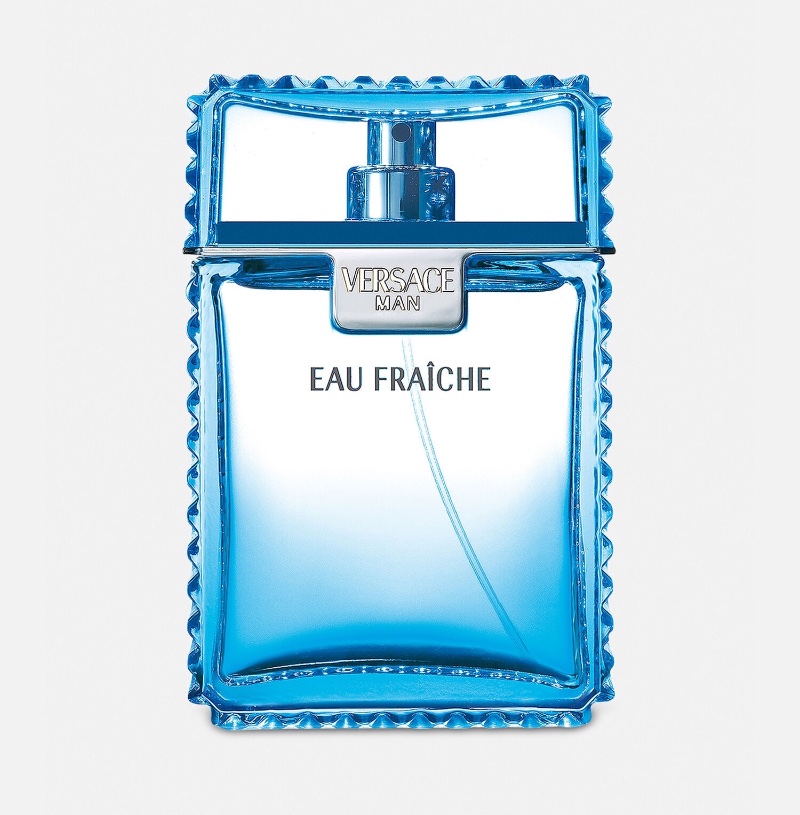
Eau Fraiche typically contains around 1% to 3% aromatic compounds, making it one of the lightest fragrance concentrations. Its fresh, short-lived character works particularly well in warm weather or when only a subtle scent is wanted. Eau fraiche formulations also tend to contain more water and less alcohol than eau de cologne or eau de toilette.
Eau de Cologne (EDC)
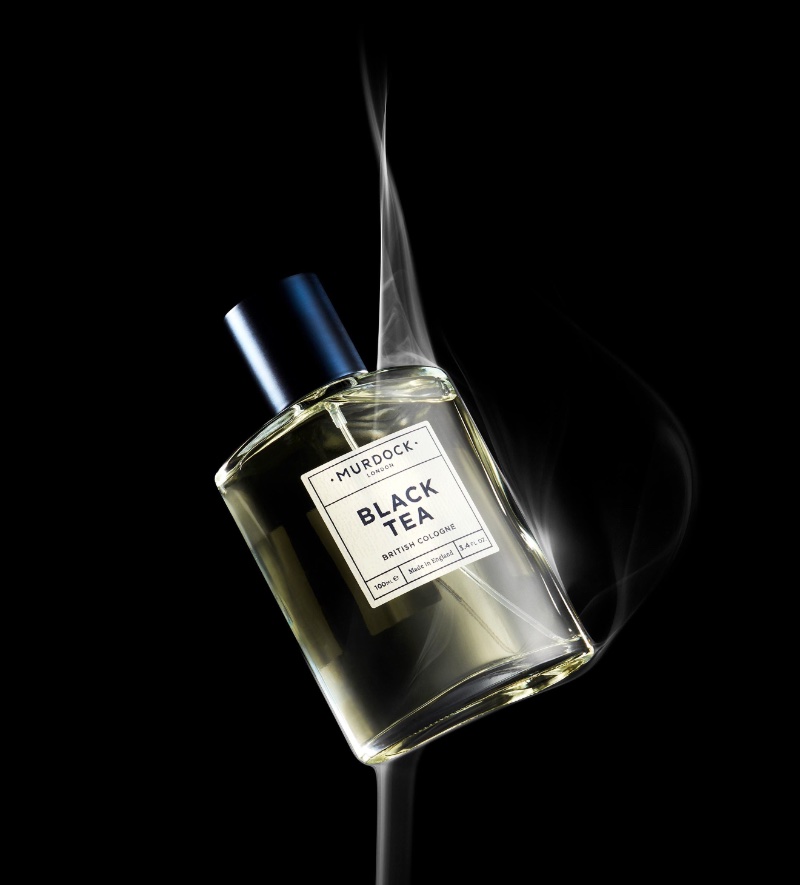
Cologne, or eau de cologne, typically contains a relatively low concentration of aromatic compounds, often around 2% to 4%. Its lighter concentration produces a fresh scent with relatively short longevity, making it especially well suited to daytime and warm-weather wear.
Eau de Toilette (EDT)
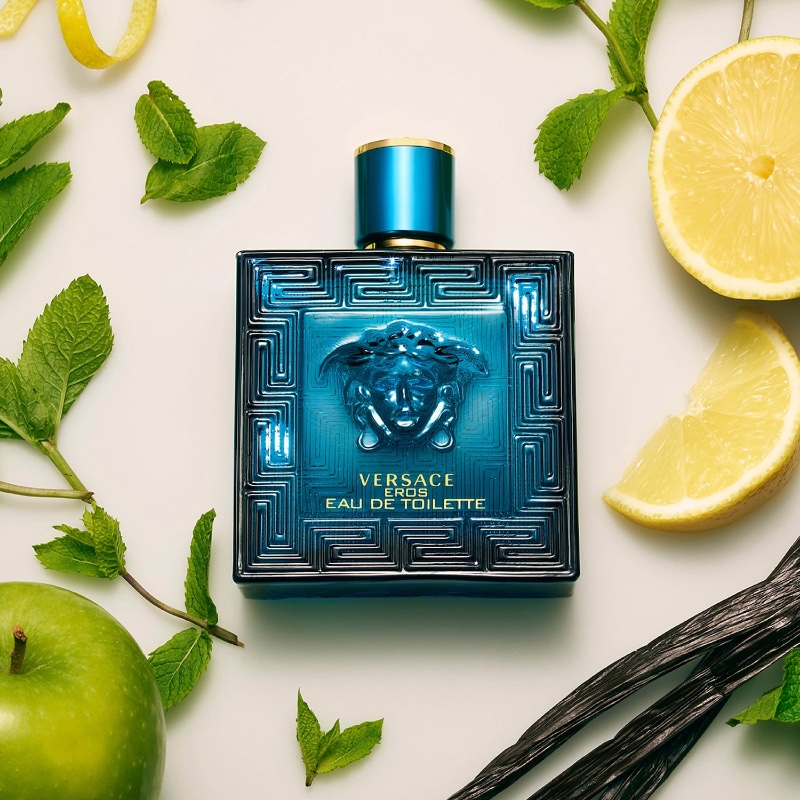
Eau de Toilette typically contains around 5% to 15% aromatic compounds, giving it greater strength and longevity than eau de cologne while remaining lighter than eau de parfum. It is one of the most common fragrance concentrations, with enough presence for everyday wear without the density associated with stronger formulations.
Eau de Parfum (EDP)
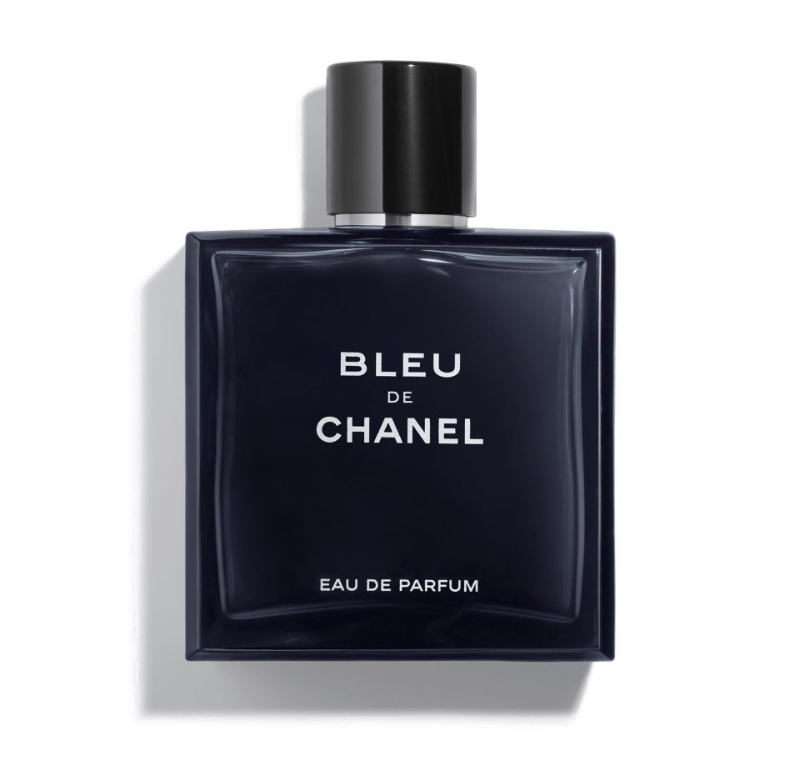
Eau de Parfum typically contains around 15% to 20% aromatic compounds. Its higher concentration generally provides greater longevity than eau de toilette, making it a popular choice for those who want a fragrance to remain noticeable for several hours. Eau de parfum can work throughout the day, although richer compositions are often particularly suited to evening wear.
Parfum (Extrait)
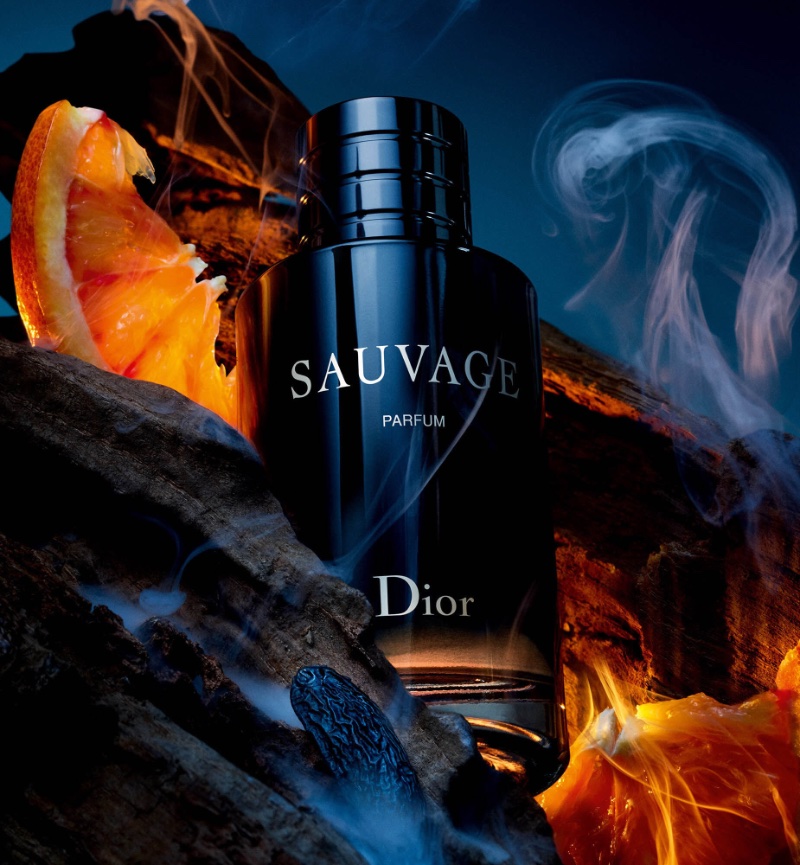
Parfum, also known as extrait de parfum, is among the most concentrated forms of fragrance. Aromatic compounds commonly account for around 20% to 30% of the formula, although some parfums reach higher concentrations. The result is generally longer wear and a richer scent profile, with less product needed per application than lighter concentrations.
Perfume Oils (Fragrance Oils)
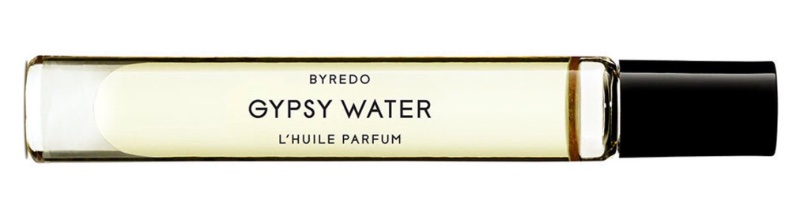
Perfume oils use an oil-based carrier instead of the alcohol commonly found in spray fragrances. Concentration varies by formula, but their application directly to the skin and slower evaporation can produce long-lasting wear with less projection than an alcohol-based fragrance. They are typically sold in smaller bottles and applied sparingly to pulse points.
How Long Does Cologne Last? (By Type)
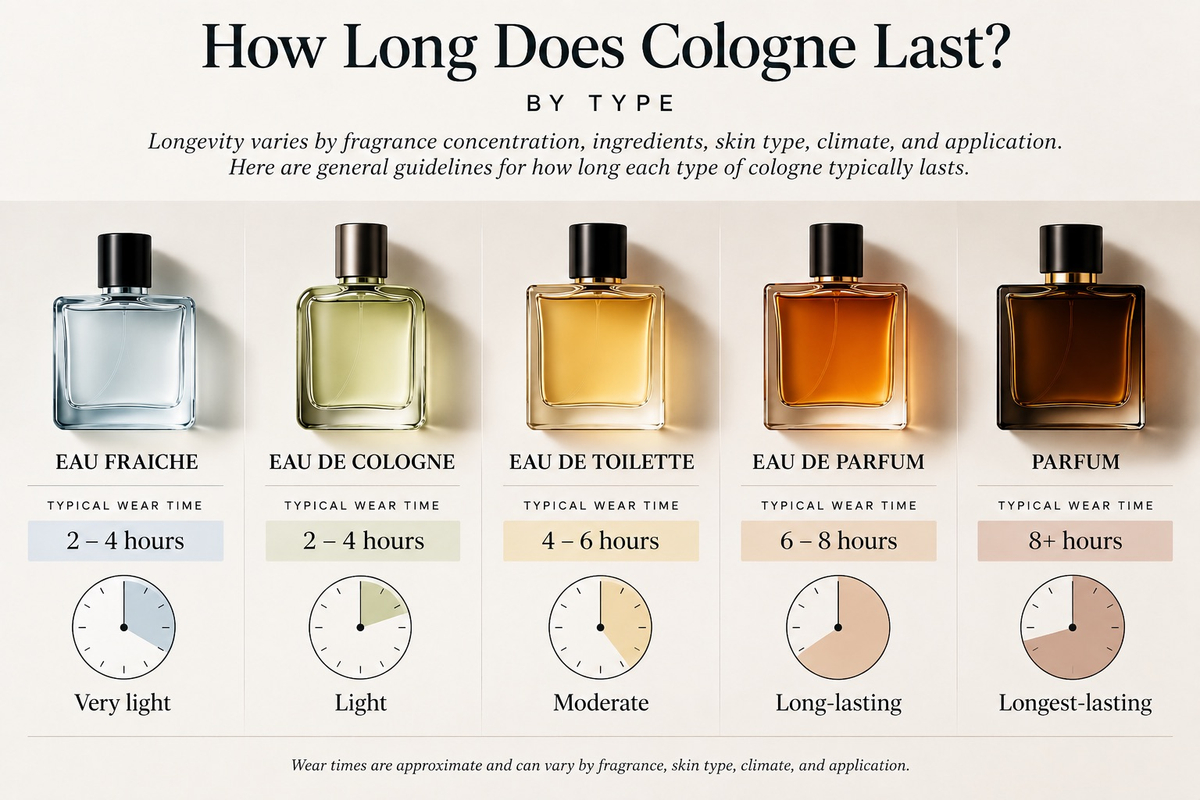
How long cologne lasts depends partly on its fragrance concentration. Eau Fraiche and Eau de Cologne may remain noticeable for roughly two to four hours, while Eau de Toilette often lasts around four to six hours. Eau de Parfum can last six to eight hours or longer, with Parfum generally offering the greatest longevity. These are approximate ranges, since ingredients, skin type, climate, and application can all affect how long a fragrance lasts.
EDT vs EDP vs Parfum: What’s the Difference?
The main difference between Eau de Toilette (EDT), Eau de Parfum (EDP), and Parfum is fragrance concentration. EDT typically contains around 5% to 15% aromatic compounds, giving it a lighter character and shorter wear time.
EDP increases the concentration to roughly 15% to 20%, generally providing stronger projection and greater longevity. Parfum commonly contains around 20% to 30%, requiring less product and typically lasting the longest.
Concentration is only part of the equation, however. An EDT, EDP, and Parfum sold under the same fragrance name may also use different proportions of notes or ingredients, meaning each version can smell noticeably different instead of simply becoming stronger.
Best Colognes by Season
Temperature can change how a fragrance develops and projects on the skin, making season a useful consideration when choosing cologne. Lighter, fresher scents are often favored in warmer weather, while richer compositions tend to suit the cooler months.
Spring Colognes

Spring colognes often favor floral, green, citrus, and aromatic notes as temperatures begin to rise. Cherry blossom and other florals can bring a lighter character, while notes reminiscent of freshly cut grass, herbs, and citrus add freshness. These profiles suit the transitional weather between winter’s heavier fragrances and the brighter scents associated with summer.
Summer Colognes

Summer colognes typically emphasize citrus, aquatic, green, and other fresh notes that work well in hot weather. Bergamot, lemon, neroli, marine accords, and light herbs are common choices, producing fragrances that feel less heavy as temperatures rise. Lighter concentrations can also be useful during summer, particularly for daytime wear.
Fall Colognes

Men’s fall colognes often introduce warmer spices, amber accords, woods, leather, and tobacco as temperatures cool. Notes such as cedar, sandalwood, cardamom, and patchouli can give a fragrance greater depth, while sweeter elements such as vanilla or tonka bean often appear in richer fall compositions.
Winter Colognes

Winter colognes often favor richer notes that perform well in cold weather. Vanilla, musk, amber, oud, tobacco, leather, and smoky woods are common, with spicy or gourmand notes adding further warmth. Cooler temperatures can soften fragrance projection, making fuller compositions particularly appealing during winter.
Cologne Scent Families (The Fragrance Wheel)
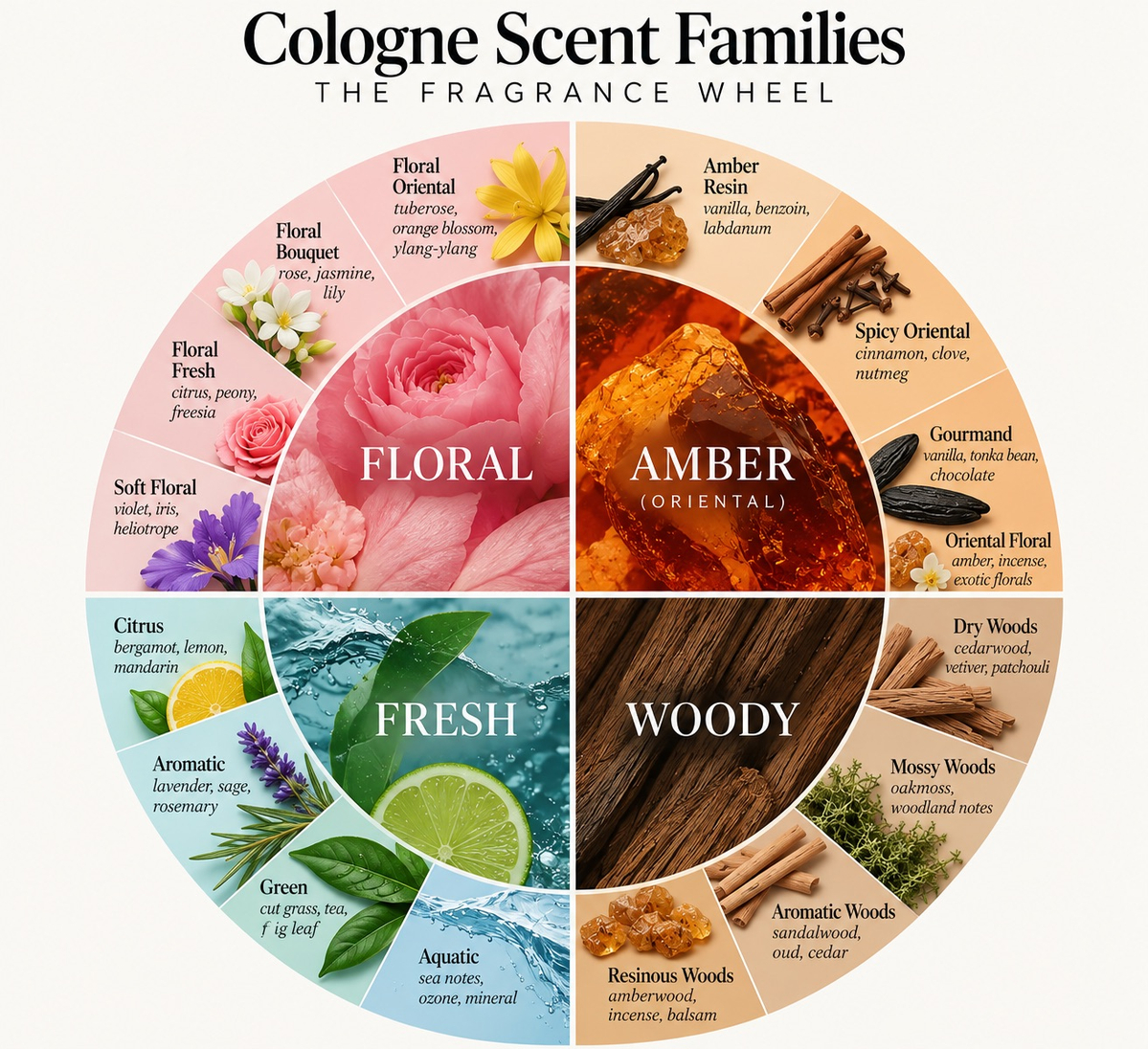
Beyond concentration and season, types of cologne can also be distinguished by fragrance family. Each fragrance combines a blend of notes, but recurring characteristics such as woods, citrus, spices, florals, or aromatic herbs help group scents into recognizable families. Understanding these categories makes it easier to identify fragrances with similar profiles and discover new scents based on notes you already enjoy.
Citrus Colognes

Citrus colognes feature notes such as lemon, orange, lime, grapefruit, and bergamot. Their bright, fresh character makes them especially popular in warm-weather fragrances, although citrus notes also appear frequently alongside woods, herbs, spices, and florals in more complex compositions.
Floral Colognes
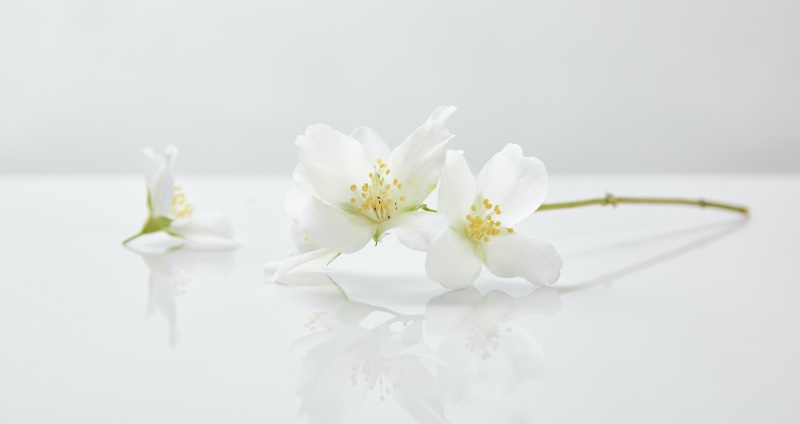
Floral fragrances center on notes such as rose, jasmine, iris, violet, lavender, and geranium. While floral notes have historically been strongly associated with women’s perfumery, they have a long place in men’s fragrance as well, often paired with citrus, woods, herbs, or spices. Depending on the composition, florals can range from fresh and aromatic to powdery, sweet, or earthy.
Woody Colognes
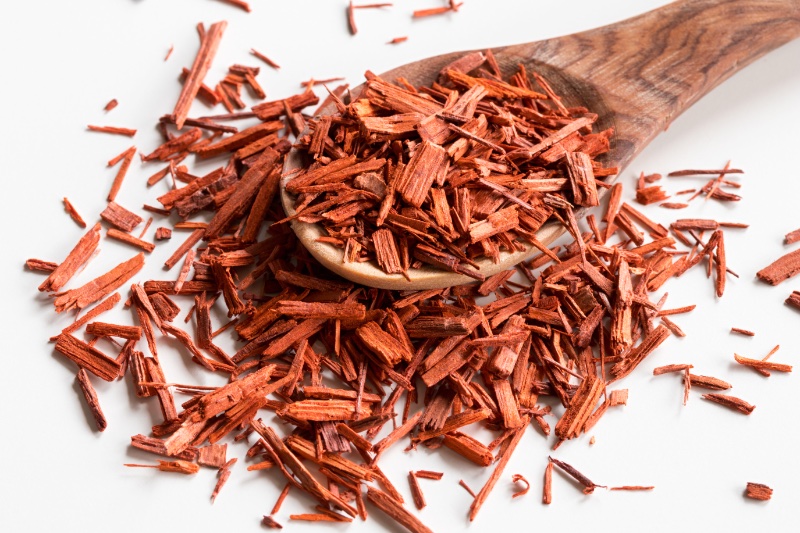
Woody fragrances are characterized by notes such as cedar, sandalwood, vetiver, patchouli, and oud. Cedar can smell dry and aromatic, while sandalwood tends to be smoother and creamier. Vetiver ranges from grassy to smoky and earthy, and patchouli often brings an earthy, slightly sweet quality. Woody notes frequently form the base of a fragrance, where they can add depth and longevity.
Amber Colognes
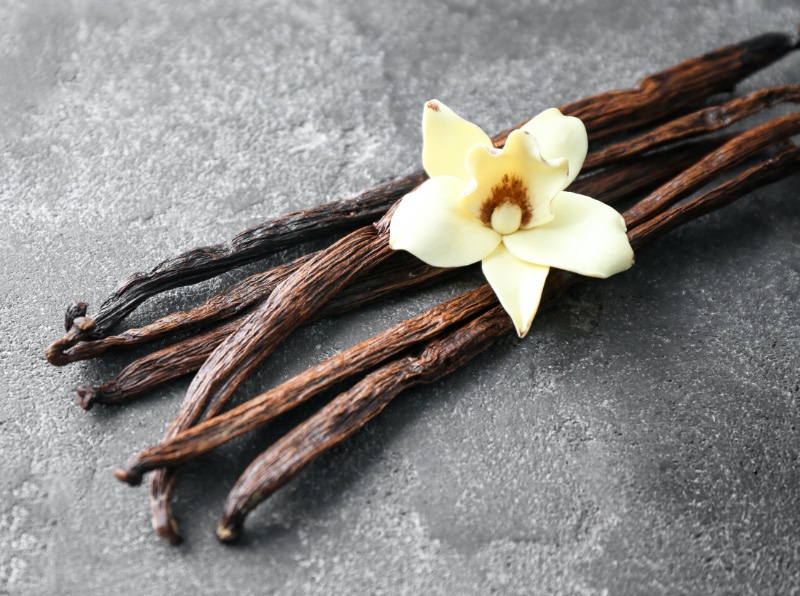
Amber fragrances, historically classified in perfumery as “oriental” fragrances, typically combine warm notes such as vanilla, resins, balsams, spices, and musks. They can range from sweet and powdery to spicy or smoky, with many compositions pairing these notes with woods or florals for greater depth.
Fresh & Aquatic Colognes
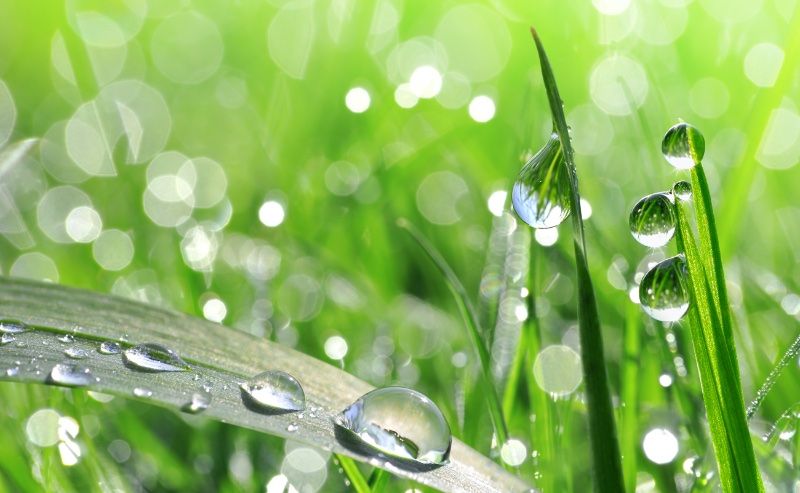
Fresh fragrances encompass several bright, clean-smelling profiles, including citrus, aquatic, green, and aromatic scents. Aquatic accords can suggest seawater or cool air, while green notes may recall leaves, grass, or herbs. Their lighter character makes fresh fragrances common choices for daytime and warm-weather wear.
Aromatic (Fougère) Colognes
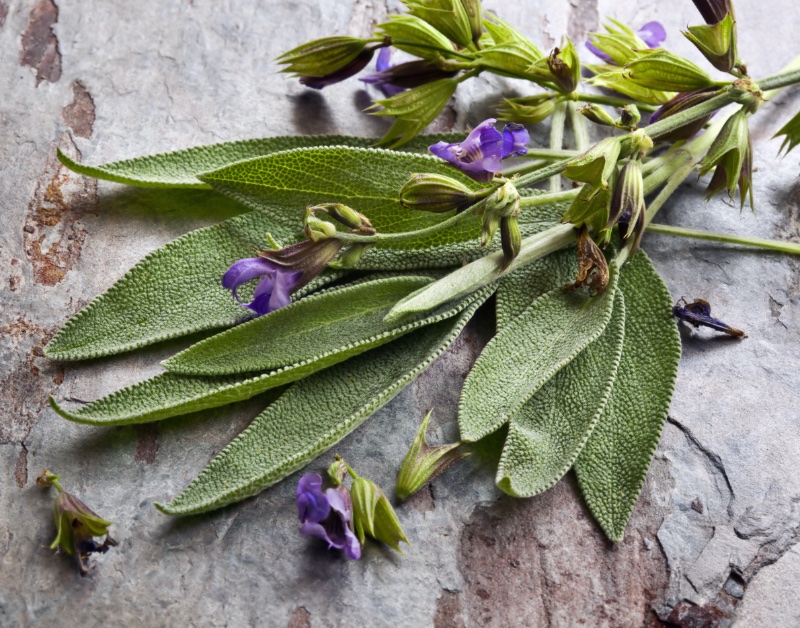
Aromatic colognes emphasize herbs such as lavender, sage, rosemary, thyme, and basil. These notes are frequently combined with citrus, woods, or spices, producing scents that can range from fresh and herbal to warm and woody. Aromatic compositions have a particularly strong history in men’s fragrance, including the classic fougere family.
Fragrance Notes Explained: Top, Heart & Base
Fragrances are composed of different notes that become noticeable at different stages of wear. These are commonly described as top, middle, and base notes. Understanding how they develop helps explain why a cologne can smell noticeably different several hours after application than it does when first sprayed.
Top Notes
Top notes are the first scents noticeable after a fragrance is applied. Usually composed of more volatile ingredients that evaporate relatively quickly, they establish the fragrance’s initial impression before giving way to the middle notes. Citrus, herbs, and light aromatic or spicy notes commonly appear at this stage.
Heart (Middle) Notes
Heart notes, also called middle notes, emerge as the top notes begin to fade and form the central character of a fragrance. Florals, fruits, spices, and aromatic herbs commonly appear at this stage, connecting the brighter opening of a cologne with its deeper base notes.
Base Notes
Base notes emerge as the fragrance dries down and contain many of its longest-lasting elements. Woods, musk, vanilla, amber accords, resins, and ingredients such as patchouli commonly appear at this stage. Their slower evaporation helps give a fragrance depth and determines much of the scent that remains on the skin several hours after application.
How to Choose the Right Type of Cologne
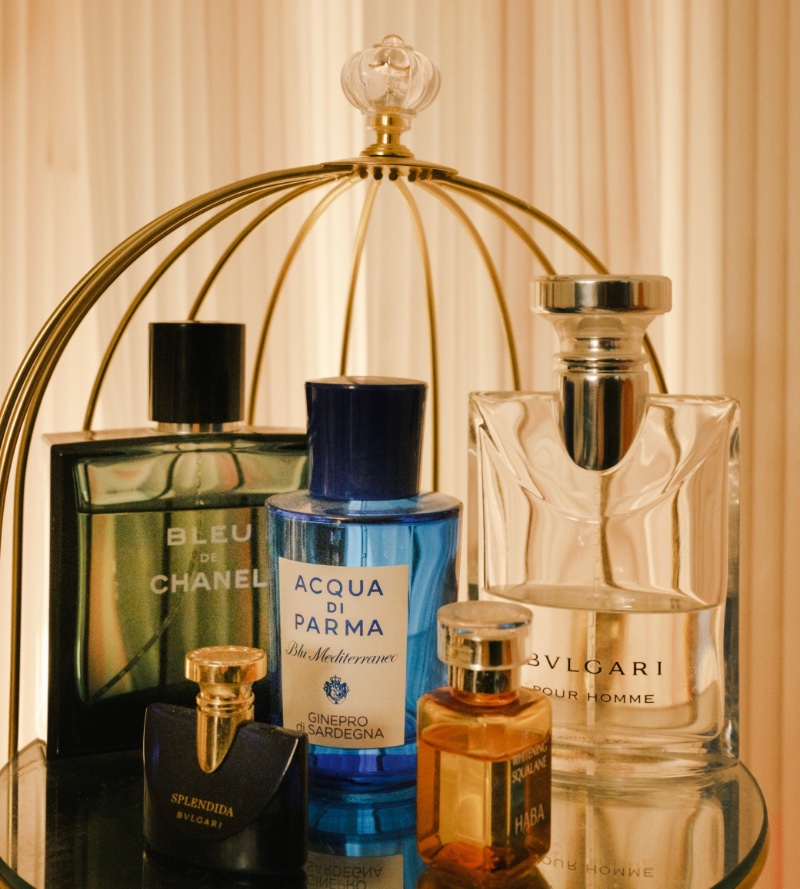
Understanding the different types of cologne starts with knowing what fragrance terminology describes. Concentration indicates how strong and long-lasting a fragrance may be, scent families describe its dominant character, and top, heart, and base notes explain how that scent develops over time. Together, these distinctions make it easier to compare fragrances and identify the concentrations, notes, and scent profiles that suit your preferences.

Personal preference ultimately determines which fragrance works best. Once you know the concentrations and scent families you prefer, factors such as season, occasion, longevity, and projection can narrow the options further. For more practical guidance, see our guide to choosing a cologne.