
Two bottles can share a name, a logo, and almost identical packaging, yet smell noticeably different. The small print often explains why. Eau de parfum vs eau de toilette is a choice between fragrance concentrations, but it can also be a choice between different interpretations of the same scent.
For men buying a signature fragrance, those initials deserve attention. EDP usually signals a more concentrated formula than EDT, though the label gives only part of the story. How the fragrance develops on your skin matters just as much as what appears beneath its name.
What Is Eau de Parfum?
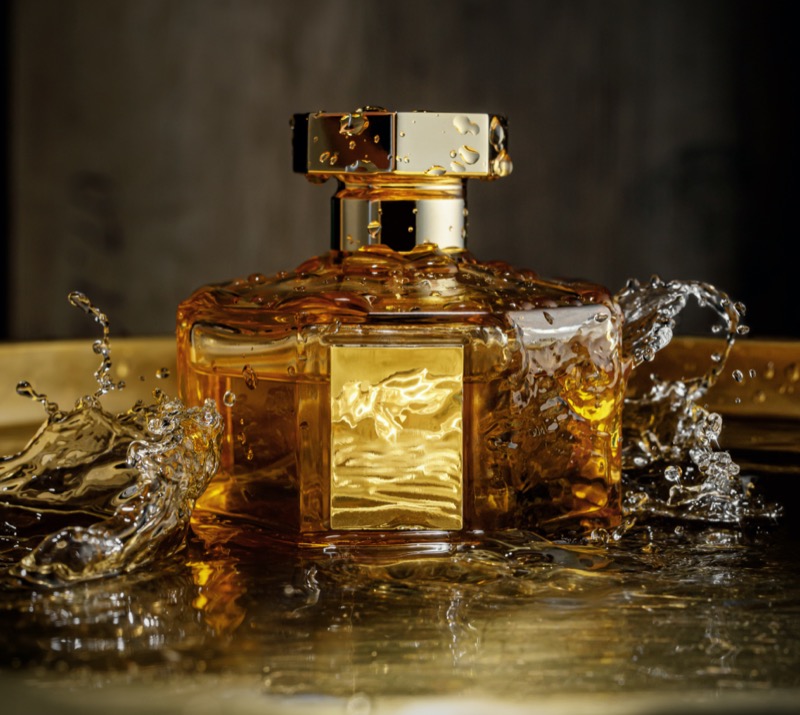
The eau de parfum meaning becomes useful at the fragrance counter: EDP generally identifies a more concentrated blend of aromatic ingredients in alcohol than eau de toilette. These ingredients can include natural extracts and synthetic aroma materials; describing them all as essential oils misses much of modern perfumery.
The International Fragrance Association lists a typical EDP concentration of around 15%, within a broader 10% to 20% range. It also notes that these terms have no universally fixed concentration definitions. Treat the percentage as a useful reference, with individual formulas varying by fragrance house.
EDP can appeal when you want a scent that stays noticeable over several hours. Its concentration alone, however, cannot promise all-day wear or tell you how far it will project. The designation applies to men’s, women’s, and shared fragrances alike.
What Is Eau de Toilette?
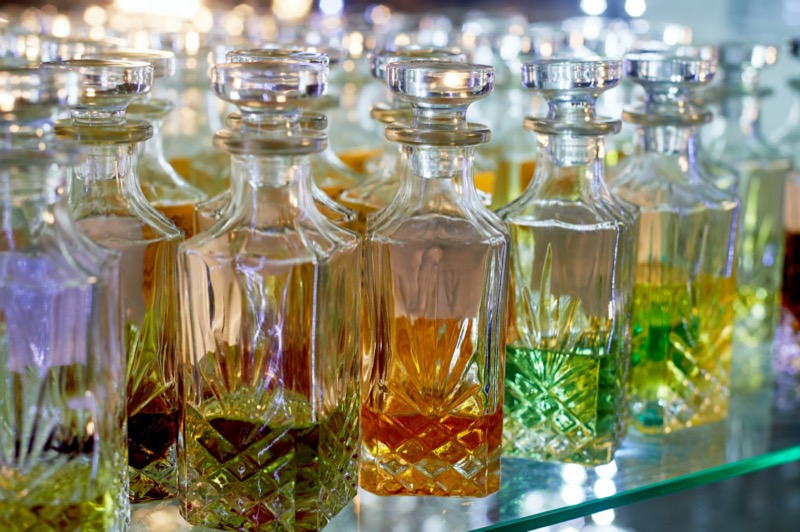
The eau de toilette meaning points to a lighter fragrance concentration, typically around 10%, within IFRA’s 5% to 15% range. That overlap with EDP is worth remembering when comparing types of cologne. The initials describe broad conventions, with the perfumer deciding how the finished scent behaves.
An EDT may emphasize a bright opening or a more transparent interpretation of a fragrance. It can be an appealing daily choice if that is the version you prefer, including for work or warmer weather. Some EDTs are assertive and persistent, so sample the actual fragrance before assuming it will be discreet.
Fragrance houses such as Maison Francis Kurkdjian offer both concentrations. Each deserves to be judged as a finished composition, even when the bottles belong to the same collection.
Eau de Parfum vs Eau de Toilette
Concentration is the starting point. An EDP generally contains a higher proportion of fragrance concentrate, while an EDT has a lower proportion. Beyond that, comparing the bottles means paying attention to what you smell and how it develops.
Composition & Character
Two versions may emphasize different fragrance notes. As Chanel explains, variations in formula can amplify different effects within the same fragrance identity. Buying the EDP after enjoying an EDT sample can therefore bring a surprise. Try the exact version you intend to purchase.
Longevity & Projection
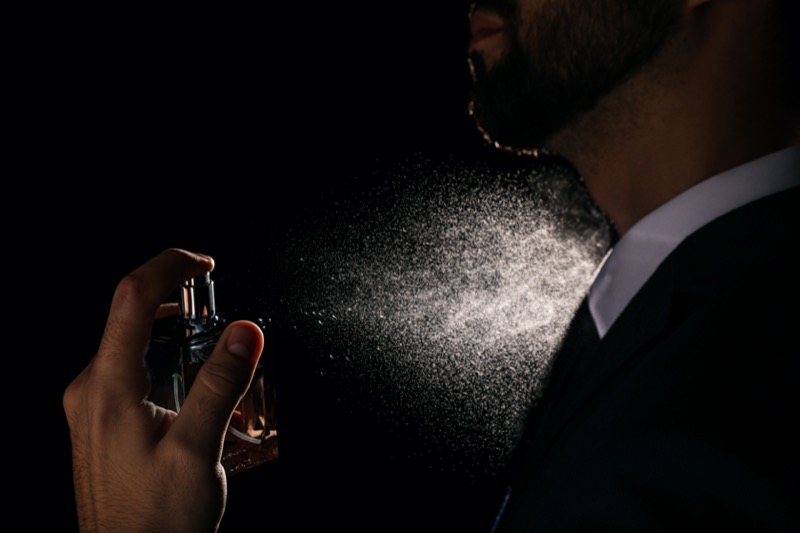
Longevity: How long a fragrance remains detectable. Projection: How far it radiates from the wearer. Sillage: The scented trail left as the wearer moves. A fragrance can last for hours while becoming intimate after its opening, so staying power and volume are separate questions.
An EDP may give you longer wear than its EDT counterpart, but a universal timetable is unhelpful. Judge each version over several hours, paying attention to the later stages as well as the first spray. Research into Skin chemistry has examined how perfume behaves on skin compared with an inert surface. Wearing a sample gives you a more useful comparison than judging both versions from their bottles.
Price & Value
Compare the same bottle size and the actual selling price. If the EDP costs more, decide whether you prefer its scent enough to pay the difference. Extra hours of wear may matter on a long day; they matter less if you enjoy changing fragrances before dinner. A bottle you reach for regularly offers more value than an impressive concentration you rarely wear.
Which Should You Choose?
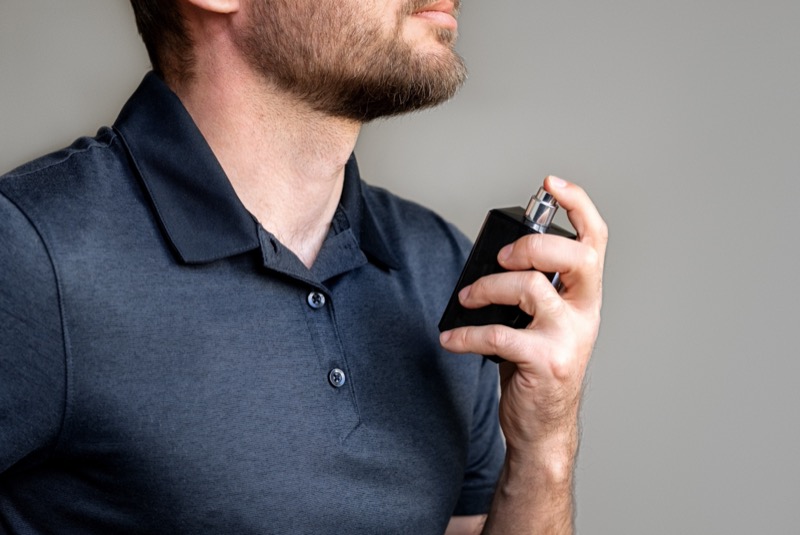
Start with the version you enjoy smelling. If an EDT’s opening is what attracted you, test its EDP counterpart separately before upgrading by habit. If you want a scent that remains noticeable later in the day, compare how both develop on your skin.
When choosing a cologne, take samples home if possible and wear each version on a separate day. Think about your usual setting and preferred application. Warm weather may encourage a lighter dose, but a fresh EDP can still suit summer, just as an EDT can suit an evening out. Your calendar has no concentration requirement.
Applying & Storing Your Fragrance
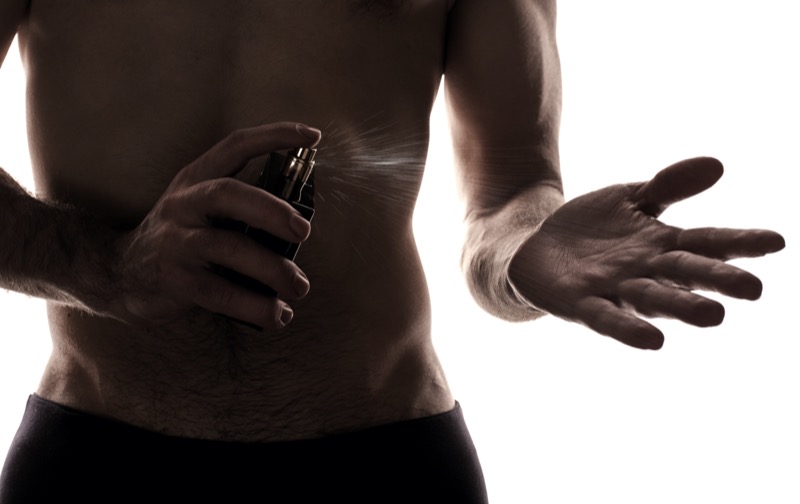
Apply to skin at the neck or wrists, beginning with a small amount and assessing the result before adding more. Spray output varies between bottles. If you apply fragrance to clothing, test a hidden area first, since perfume can stain delicate fabrics.
Keep bottles tightly closed and away from heat and direct light. A cool cupboard is a more suitable home than a sunny windowsill. Once you have chosen between EDT and EDP, storing the bottle carefully helps preserve the scent you bought it for.