Buying cologne at a fragrance counter can feel like choosing a suit from its lining. The first impression tells you something, but you still need to find out how it wears. Learning how to pick a cologne starts with the scents you enjoy, then gives them time on your skin before a handsome bottle persuades you to take it home.
What Cologne Should I Wear?

Wear a cologne you enjoy through its development and can comfortably use in the places you spend time. An everyday fragrance should feel like part of getting dressed, something you reach for as instinctively as your favorite jacket. A scent saved for evenings can be more theatrical, provided you still enjoy it after the first spray.
The question of how to choose cologne for men becomes simpler once you separate smell from performance. Decide which scent profiles appeal to you, then assess how far each fragrance projects and how long it lasts. Among the various fragrance types, those are related but separate decisions.
Start with Scents You Already Enjoy

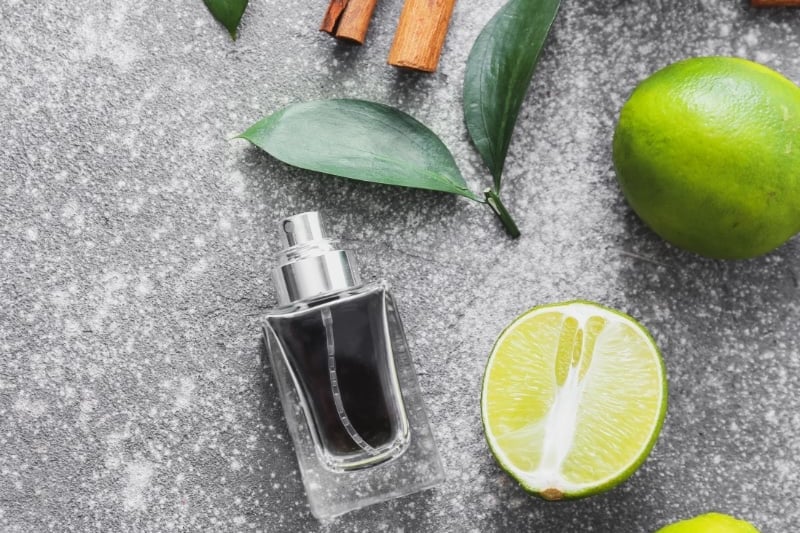
Think about smells you seek out in daily life. Cut citrus peel might suggest a fresh starting point; cedar or sandalwood could lead you toward woody fragrances. These associations give a salesperson something useful to work with, even if your fragrance vocabulary currently begins and ends with “the blue bottle.”
Fragrance notes describe scent impressions within a composition. A family describes its broader character. A cologne might open with lemon yet become predominantly woody as it develops, so an appealing ingredient list is a reason to sample, not a verdict.
Try contrasting profiles at first. Compare something citrus-led with an aromatic fragrance, then explore a warmer amber or woody option. Notice whether you prefer dry scents or sweeter ones. That distinction can narrow your choices more effectively than deciding that a bottle looks suitably masculine.
Think About Where You Will Wear It
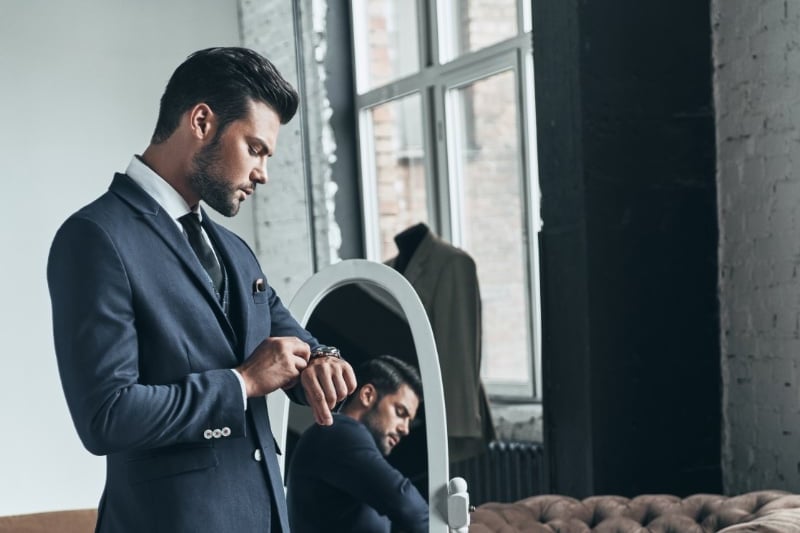

Choose for the life you have. A fragrance you wear to a business meeting needs to make sense at conversational distance, especially when colleagues share an enclosed office. Start with a restrained application and assess the result before adding more.
Evening settings may accommodate a richer scent, but formal clothing does not dictate particular notes. With black tie attire, you might enjoy something smoky or softly woody. The relevant question is how it behaves over dinner, not whether the label promises seduction.


Weather offers another useful filter. Browse spring colognes or summer fragrances if you enjoy brighter scents in warm weather. If cooler days put you in the mood for spice and amber, fall colognes and winter fragrances provide starting points. Treat season as an invitation to experiment, with your own comfort deciding the result.

An everyday scent should also work when you trade tailoring for your favorite jeans. Start with one fragrance you genuinely want to wear often; a larger collection can follow as your preferences develop.
Set a Budget & Compare Bottle Sizes
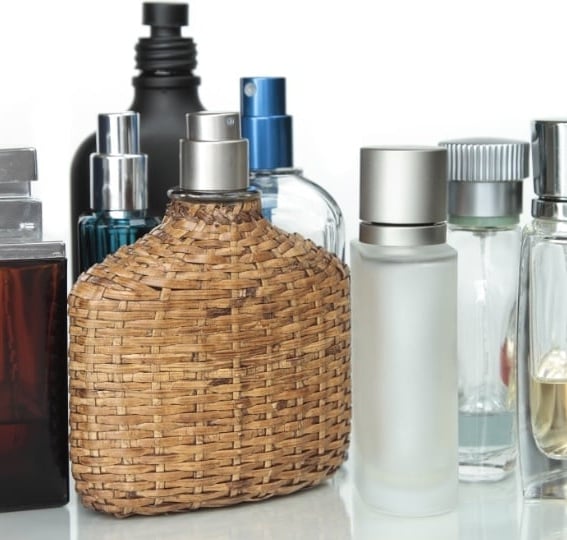
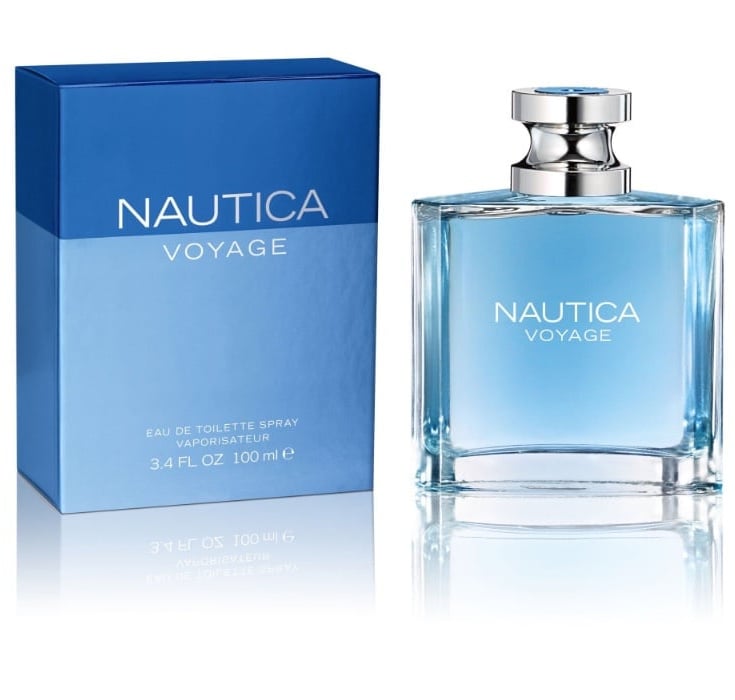
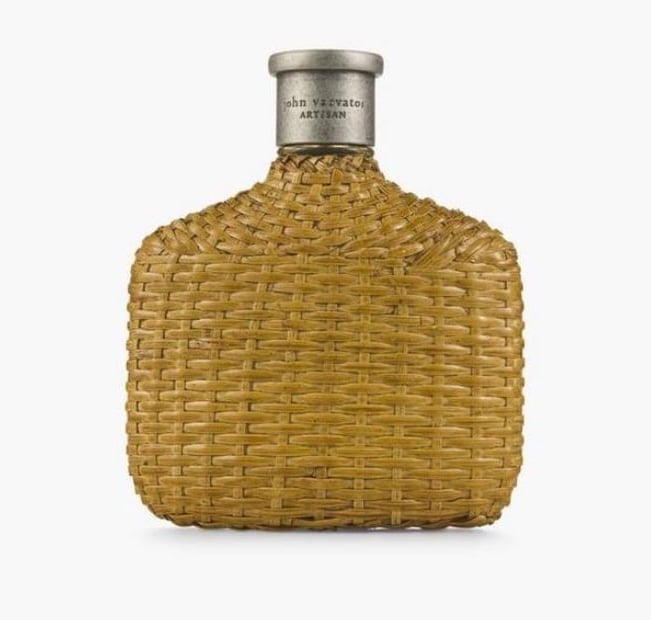
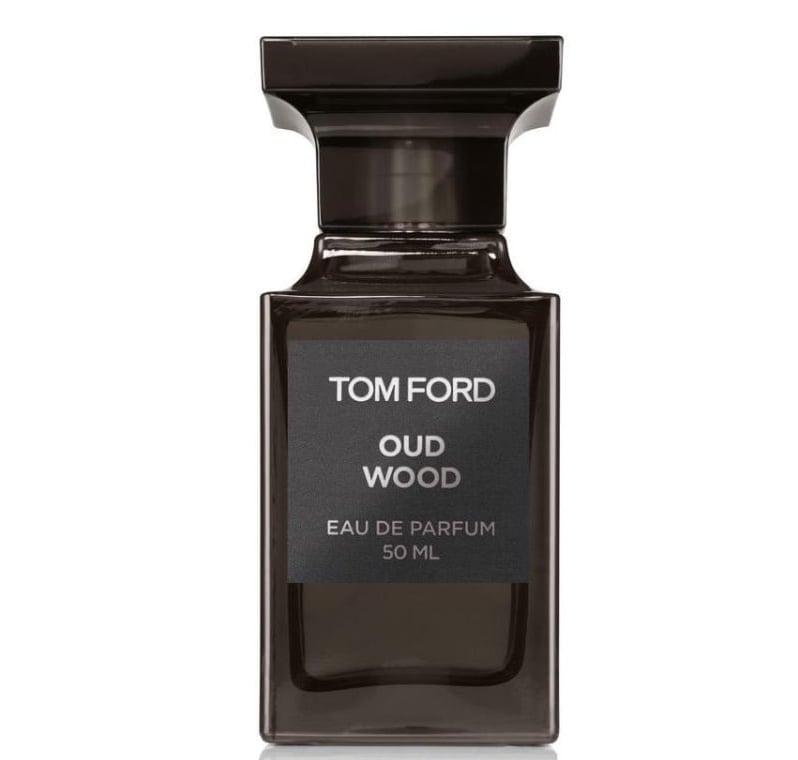
A fragrance budget should include the cost of discovering what you like. Samples and travel sprays let you explore before committing to a full bottle. A smaller purchase you finish is better value than a large bottle that spends its life decorating the dresser.
Compare prices for the same fragrance and concentration, then consider how often you expect to wear it. A lower price per milliliter can be attractive once you know the scent. During the trial stage, buying less keeps the experiment affordable.
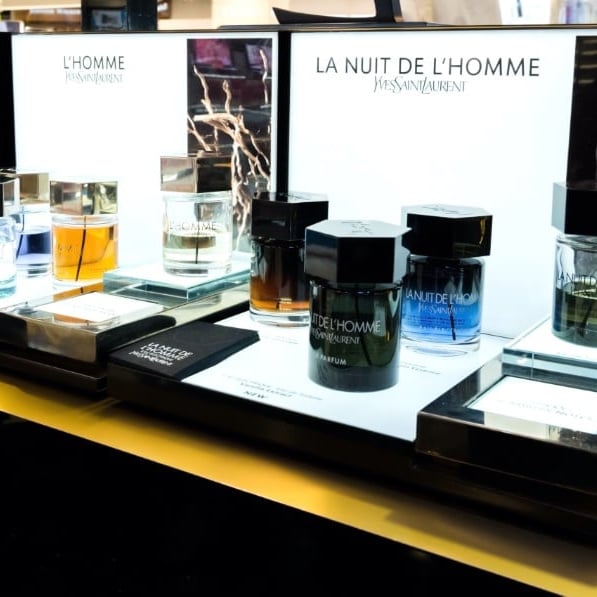
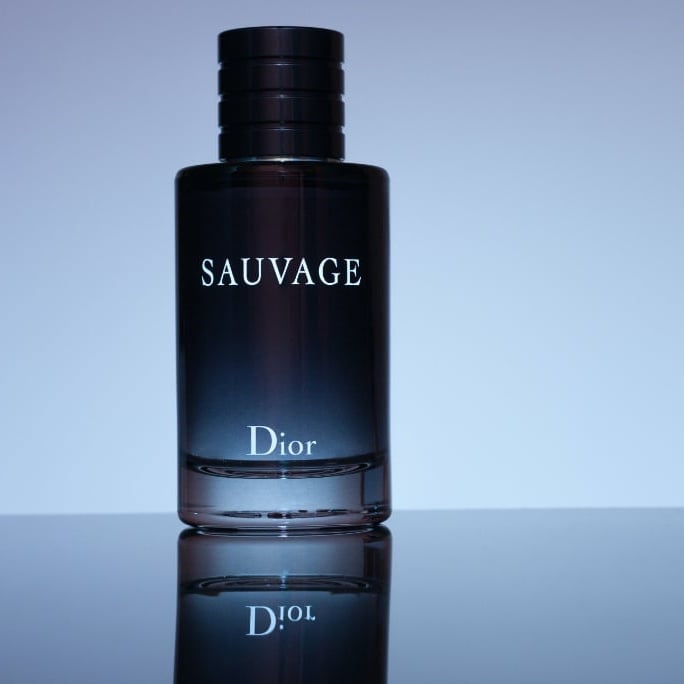
Brand history can suggest where to begin, and reviews can help identify scents worth sampling. Neither prestige nor price establishes how much you will enjoy wearing a fragrance. Use recommendations to build a shortlist, then let the samples compete on your skin.
Test on Skin & Follow the Drydown


Use paper blotters to make an initial shortlist, keeping track of each fragrance’s name and concentration. Once something interests you, try it on skin and give it several hours. As Philips advises, an immediate purchase after a test spray tells you little about how the fragrance will smell later in the day.


Test a manageable number, ideally one on each arm, and let them dry. Check again later, away from the fragrance counter. The opening may be the part that attracts you, while the drydown, the scent left as it develops, determines whether you want to keep wearing it.
Skin adds variables, but predictions based on the pH level of your skin offer little practical help at the counter. That measurement alone cannot tell you which bottle you will enjoy. A sample worn during an ordinary day gives you a more useful answer.

Keep other scented products to a minimum during the trial so you can judge the fragrance itself. Make a few brief notes about what you liked initially and how you felt about it later. Repeat the wear on another day before deciding.
Check Longevity & Projection
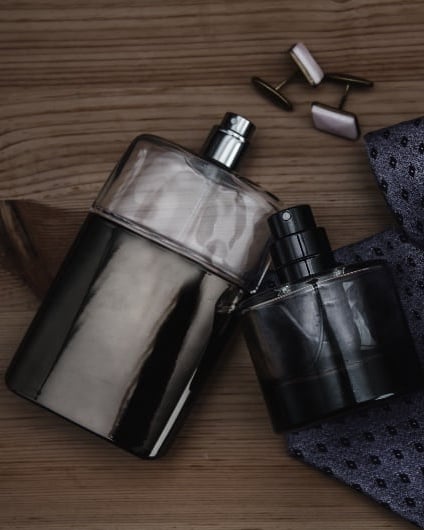
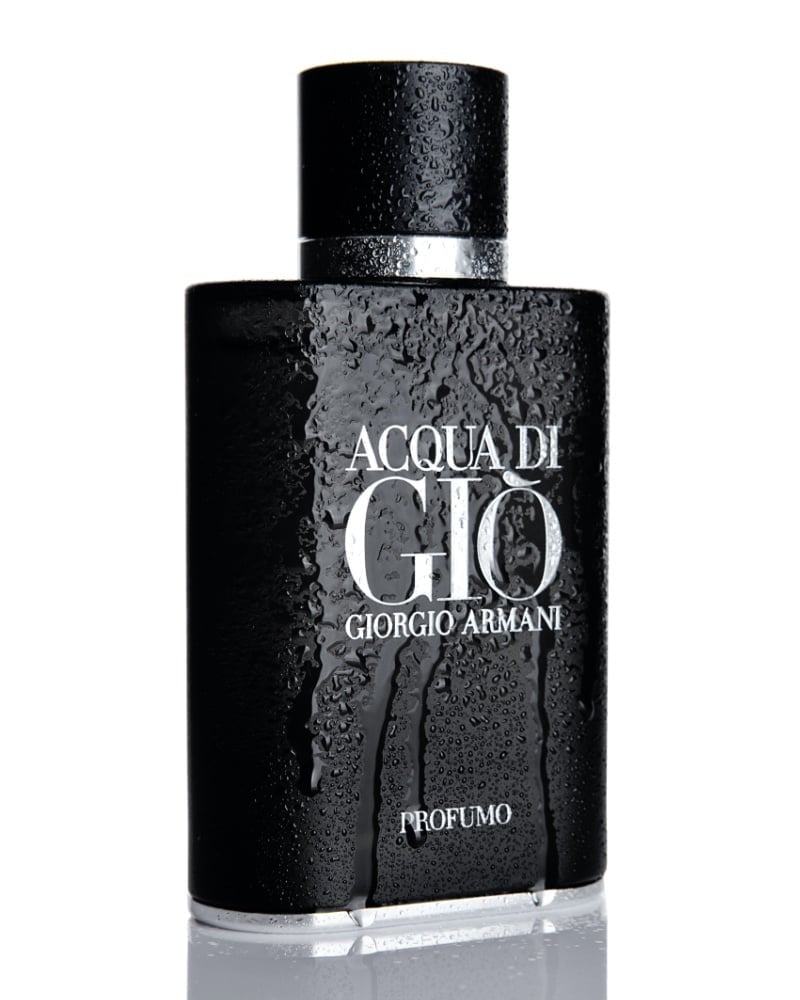
Longevity: How long a fragrance remains detectable. Projection: How far its scent extends from the wearer. A fragrance can last for hours while staying close to the skin, which may be exactly what you want for daily use.
Judge both during your sample wears. Ask someone you trust whether they can detect it at a normal conversational distance. Their feedback is useful for assessing strength, while your own response determines whether you like the scent.
Concentration labels provide context, but an eau de parfum and an eau de toilette sharing a name can differ in composition as well as strength. Sample the exact version you intend to buy. Choose performance that suits your day; maximum staying power is only an advantage when you enjoy what stays.
Buy the Version You Actually Tested

Before buying, check the full name and concentration against your sample. Similar packaging can disguise a different version, and a flanker may smell quite different from the original.
Then choose a bottle size that matches your habits. An occasional evening fragrance may call for a smaller bottle than the scent you wear every morning. After several wears, the most useful test is simple: do you look forward to putting it on again? That is a stronger reason to buy than a compliment collected during five minutes at the counter.