Modern fashion has narrowed its focus to the edit, and nowhere more visibly than the wrist. A smartwatch can pass as styling or as tech depending on one variable. That variable is the strap.
Case size and dial finish hold steady outfit to outfit. The strap does the work. Swapping it is the cheapest styling lever on the wrist, and most men stick with the factory band for the life of the watch.
The Silicone Problem

The rubber band shipped in the box belongs at the gym. Chunky silicone pulls the wrist toward athleisure whatever else you have on, and a sport loop does the same thing faster. The fix is three or four straps kept in a drawer and rotated the way you rotate belts.
What to Swap In & When
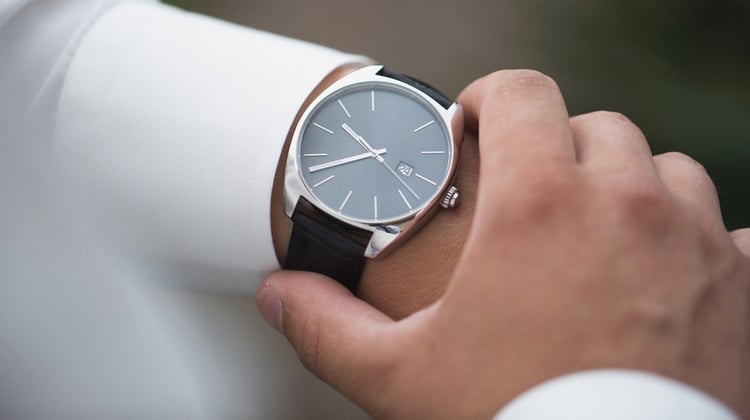
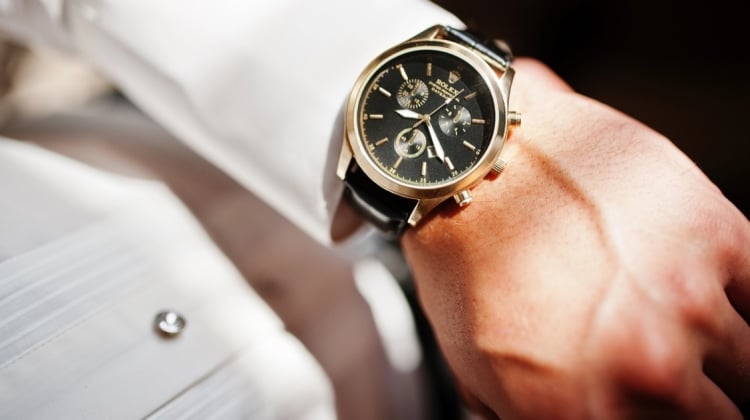
For tailoring, meaning a blazer, a knit, or a crew neck with decent trousers, a slim leather strap in black, dark brown, or tan reclassifies the watch as an accessory. It sits against a cuff the way a dress watch would. The rest of the outfit sits forward.

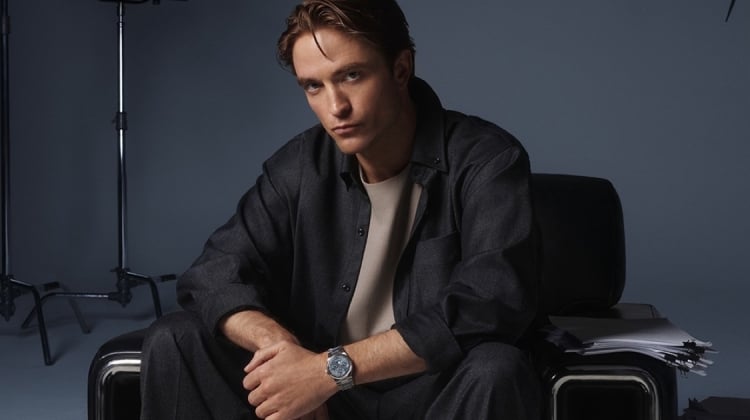
For minimalist casualwear, meaning monochrome layering, technical outerwear, and clean sneakers, milanese mesh or a brushed metal link shifts the tone again. The watch sits closer to jewelry than to fitness gear. Steel plays against steel on a zip pull, a chain, or a belt buckle, and the whole look tightens.
For weekend and off-duty, woven nylon or a two-piece NATO strap adds texture while keeping the tone casual. FKM rubber in a muted color handles rain, sweat, and the beach where leather gives out. For the gym, run, or cycle, the factory band already fits the job and stays there.
Proportion Before Color
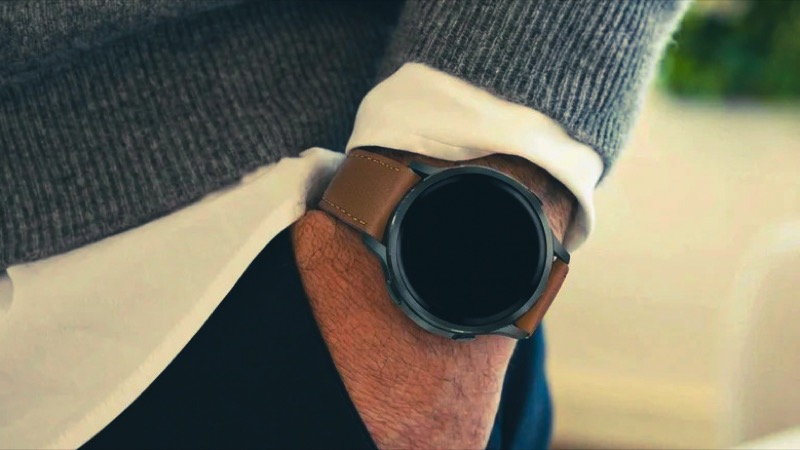
Case size dictates strap width before color comes into play. A 41mm case, like the one the Garmin Venu 3s strap range fits, runs narrow on the wrist, and a slim leather band in a muted tone gets the watch closest to a dress silhouette. Larger cases handle wider leather or a full link bracelet. Smaller cases need slimmer bands to hold the balance.
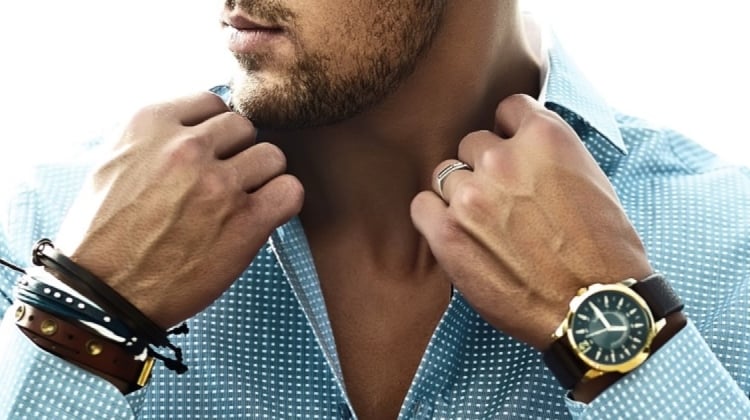
Match metal tones across the wrist. Silver case with silver buckle, silver belt hardware, and a silver zip pull on the jacket. Rose gold and yellow gold follow the same logic. The detail stays invisible when the match holds, and it becomes the first thing the eye catches when it slips.
One Device, Many Contexts
The appeal of a smartwatch came down to a single object handling training, notifications, travel, and sleep. The problem was that one object got dressed for one of those jobs. A strap rotation solves the mismatch and saves the second watch. You leave the gym, swap the band in the car, and the watch that tracked a run sits clean under a shirt cuff an hour later.
Open the watch drawer after a month of swapping. The leather, the milanese, and the nylon all show wear at the holes and along the edges. The rubber strap that came in the box still looks new, which tells you where it belongs.